Key Takeaways
- Yes, you can live in a tiny house or park model home year round if it’s built to four-season standards and sited legally in your area.
- Legality depends entirely on local zoning and building codes, which vary widely between cities, counties, and other states.
- Park models and well-insulated tiny homes handle harsh climates just fine, including snowy northern states, when designed with proper insulation and heating.
- Utilities like water, sewer, heat, electricity, and internet are the main practical hurdles for full-time tiny living.
- Year-round tiny living offers lower costs and a simpler life, but requires realistic expectations and careful planning before you commit.
Introduction: Can You Really Live in a Tiny House All Year Round?
Yes, you can live in a tiny house year round. But it must be built right and parked legally.
This isn’t about weekend getaways or summer cabin trips. Year-round means full winters in Minnesota at -20°F. It means Arizona summers above 100°F. It means humidity in Florida and everything in between.
The difference between seasonal RV use and full-time tiny living comes down to one thing: permanence. An RV trip means you pack up when weather turns. Tiny living means you stay put, through every season.
Let’s get the terms straight:
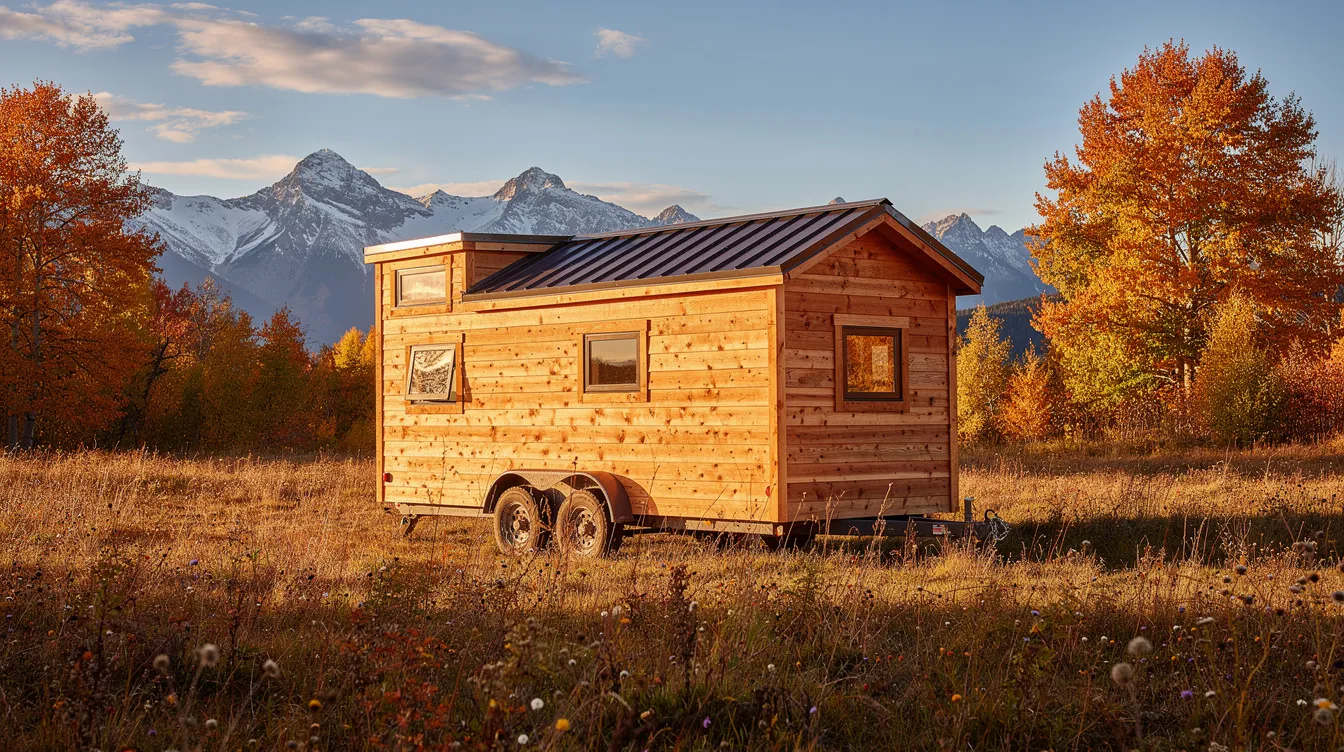
- Tiny house on wheels (THOW): A trailer-mounted home under 400 square feet, often custom-built but classified as an RV.
- Foundation tiny home: A site-built or modular structure on a permanent foundation, treated as a dwelling under residential codes.
- Park model home: A factory-built unit up to 399 square feet, built to ANSI A119.5 standards, designed for semi-permanent placement in resorts or communities.
Many people have successfully lived in tiny homes full-time since the tiny house movement gained momentum around 2014-2015. The hope of affordable housing drew more people in as traditional home prices climbed past $400,000.
This article covers legality, climate comfort, utilities, everyday life, and differences between states. You’ll know exactly what year-round tiny living takes.
- Is It Legal to Live in a Tiny House Year Round?
- Can a Tiny House Handle All Four Seasons? (Climate & Comfort)
- Practical Daily Life in a Tiny Home: Is It Comfortable Long Term?
- Utilities & Infrastructure for Year-Round Tiny Living
- Park Model Homes vs. Tiny Houses for Year-Round Living
- Year-Round Tiny Living in Different States
- Costs, Financing & Long-Term Planning
- Is Year-Round Tiny Living Right for You?
- FAQ
Is It Legal to Live in a Tiny House Year Round?
Legality is the first thing to check. Before you buy land, before you order a tiny home, before you spend money on plans.
The rules depend on what type of tiny house you choose.
Foundation Tiny Homes
Tiny houses on foundations are usually treated like small houses under the law. They must meet residential building codes, and choosing the best foundation for a tiny house also affects long‑term stability and permitting. Many jurisdictions follow IRC Appendix Q, which permits homes as small as 400 square feet. The main room needs at least 120 square feet, and other habitable rooms need at least 70 square feet.
But some counties enforce legacy zoning with 400-800 square foot minimums. Your dream 250 square foot home might not qualify.
Park Models and Tiny Houses on Wheels
Here’s where things get tricky. Park model homes and many THOWs are classified as RVs. This can limit full-time occupancy.
Some places, like parts of California, cap occupancy at 180 days per year outside licensed RV parks. Other areas welcome them as permanent dwellings.
Where It Works
Good news exists in specific regulations across the country:
State/County | What’s Allowed |
|---|---|
Fresno County, CA | THOWs over 100 sq ft if ANSI-compliant |
El Paso County, CO | Tiny homes as accessory dwelling units since 2018 |
Grayling, MI | Year-round park models in resorts with full hookups |
Washington County, OR | Tiny home villages approved in 2022 |
Texas | No statewide minimum size (HB 1219, 2019) |
As of 2025, about 12 states explicitly allow THOWs on foundations. The Tiny Home Industry Association reports that 40% of inquiries fail due to unpermitted placements, leading to fines up to $10,000. |
What to Do
Contact your local zoning and building departments directly. Ask specifically about “full-time living in a tiny home or park model.” Get the answer in writing.
Verbal approvals often reverse after you’ve already moved in. A written confirmation protects your investment and your future.
Can a Tiny House Handle All Four Seasons? (Climate & Comfort)
Modern tiny homes are built with insulation and heating systems that can keep you warm even in subzero temperatures, making winter living more manageable than you might imagine.
The key is engineering. A quality four-season tiny home isn’t just a pretty small box. It’s a building envelope designed for extremes.
What Makes a Four-Season Tiny House
Look for these features when shopping or building:
- Wall insulation: Structural insulated panels (SIPs) achieving R-24, or spray foam at R-6.5 per inch
- Roof insulation: R-40+ to prevent ice dams and heat loss
- Floor insulation: R-19 minimum with insulated skirting around the chassis
- Windows: Low-E, argon-filled double or triple-pane glass with U-factor of 0.15 or lower
Standard RV windows (U-factor 0.8) lose heat fast. Quality tiny home windows cut heat loss by 50%.
Heating Options
Several heating systems work well in such a small space:
- Ductless mini-splits: SEER 25+ models heat effectively down to -15°F
- Propane furnaces: 20,000-40,000 BTU with direct venting for safety
- Radiant floor heat: Efficient at 1-2 kW in a 300 square foot room
- Electric baseboards: Simple backup option
Cooling and Ventilation
In summer, tiny houses can stay cool with proper insulation, air conditioning units, and passive cooling techniques such as window placement and shading.
Mini-split A/C handles most cooling needs. Cross-ventilation through awning windows helps. HRV/ERV systems exchange 60-80 cubic feet per minute of stale air while recovering 70% of heat energy. This combats winter dryness (aim for 30-50% humidity) and summer mold.
During spring and autumn, tiny houses can be exceptionally comfortable due to milder weather, allowing for natural ventilation and less reliance on heating or cooling systems.
Climate-Specific Challenges
Climate | Challenge | Solution |
|---|---|---|
Northern winters | Frozen pipes | PEX tubing (freeze-resistant to -40°F), heat trace cables |
Southern humidity | Mold risk | 50-pint/day dehumidifier |
Coastal areas | High winds | Hurricane straps rated for 160 mph |
Desert heat | Extreme sun | Shade sails, reflective roof coating |
Park models from factories like Retreat or Imperial target northern resorts with “four-season packages.” These outperform basic THOWs in sustained -10°F conditions. |
Practical Daily Life in a Tiny Home: Is It Comfortable Long Term?
Living full-time in 250-400 square feet is very different from vacationing there for a weekend. That’s just reality, and many people explore tiny house inspiration and resources before deciding whether that shift fits their lifestyle.
But 72% of full-time tiny dwellers adapt well long term, according to THIA surveys. The other 28%? Some leave due to claustrophobia or family growth. Realistic expectations matter.
Storage and Organization
Space is precious. Every inch counts, and clever tiny house interior designs that maximize space can make small homes feel far more livable.
Effective storage strategies include:
- Built-in cabinetry under stairs and benches
- Loft or under-bed storage (20+ cubic feet in many designs)
- Exterior sheds (often 120 square feet max as ADUs)
- Off-site storage for seasonal items
- Regular purging of unnecessary stuff
One Permies.com user reported cleaning their 200 square foot THOW in just 1.5 hours weekly. The secret? Owning less stuff to begin with, as many great tiny homes that redefine small space living demonstrate through minimalist design.
Layout Considerations
Think about your daily life when choosing a layout:
- Bedroom: Ground-floor bedrooms work better for long-term living than climbing loft stairs daily for years
- Kitchen: A full galley with a 30” range beats a tiny kitchenette when you’re cooking every meal
- Bathroom: A real shower (not just a wet bath combo) makes a fine difference in comfort
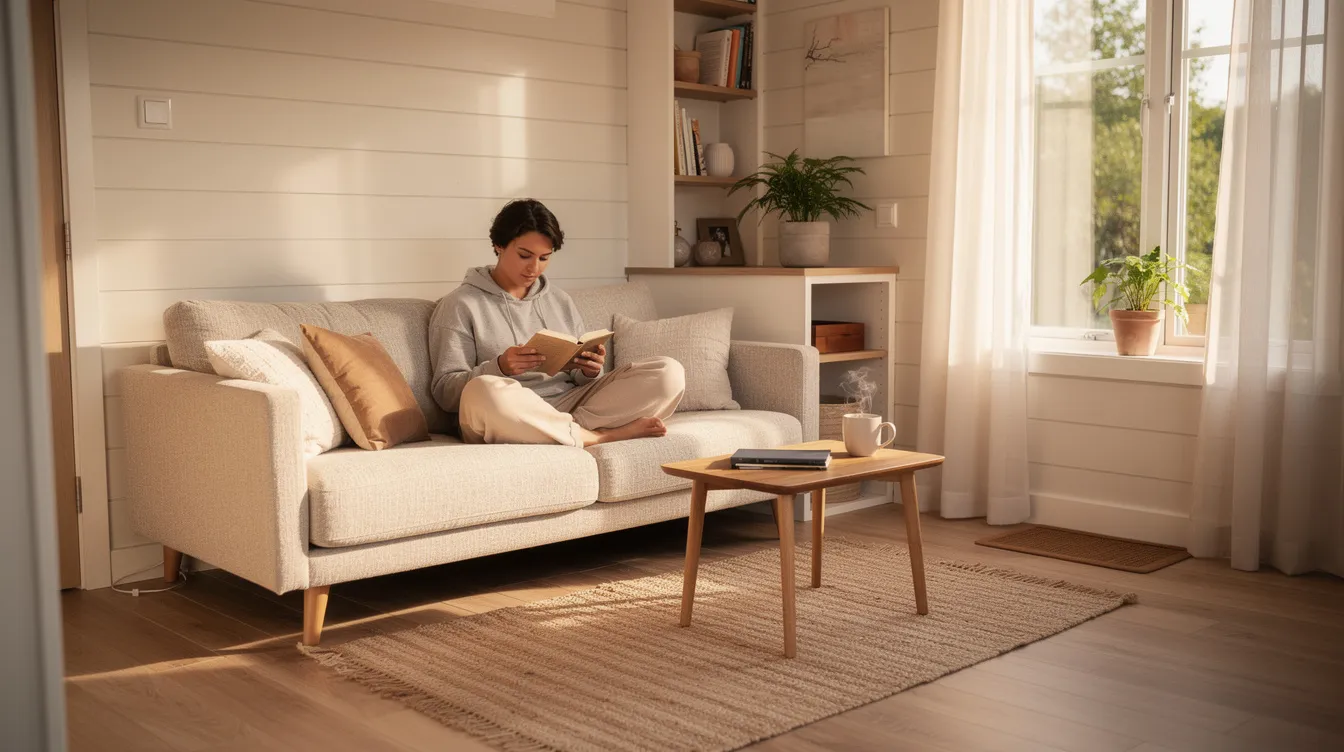
- Living area: Ample space for a sofa and small table helps you feel at home
Work-From-Home Reality
Many tiny dwellers work remotely, so choosing tiny house plans that fit your life is critical if you need dedicated workspace. This demands:
- A fold-down desk (4×2 feet minimum for a real workspace)
- Ergonomic seating that supports long hours
- At least 10+ outlets including USB-C and 20A circuits
- Reliable internet (Starlink now delivers 200+ Mbps in rural locations)
Lifestyle Adjustments
Tiny living encourages minimalism, helping owners prioritize what matters most and eliminate unnecessary clutter, which can lead to a more fulfilling lifestyle.
You’ll need to adjust your habits, and many people look to affordable tiny house designs and tips to prioritize what they truly need:
- Careful purchasing (no impulse buys that require storage)
- Using community amenities like shared laundry in tiny home parks
- Entertaining friends outdoors or at the community clubhouse
- Getting rid of items regularly to prevent accumulation
Real Examples
Case Study 1: A couple in a 399 square foot park model in northern Michigan. They use a wood stove plus mini-split to maintain 70°F in -15°F weather. Off-site storage holds winter gear. Community laundry eases loads. Their neighbors share tips for harsh weather prep.
Case Study 2: A solo remote worker in a 320 square foot THOW in Arizona. Solar-powered with a loft office. Summer heat forced 90% shade sails. Weekly purges cut possessions by 80%. Eight years later, still going strong.
Utilities & Infrastructure for Year-Round Tiny Living
Utilities make the difference between camping and truly living in a tiny home all year. This is where the rubber meets the road.
Without proper utilities, you’re roughing it. With them, you have comfortable living just like in a big house.
Water Options
Your water setup depends on location, especially if you’re considering self-contained tiny homes for modern off-grid living:
- Municipal hookups: Standard in tiny home communities and mobile home parks (1/2” lines with pressure regulators)
- Private wells: Common on private land (100-500 feet deep, cost $5,000-15,000 to drill)
- Holding tanks: 50-100 gallon tanks with filters, winterized via RV skirts in cold climates
In freezing states, heat trace cables prevent pipe bursts below 20°F.
Sewer and Waste
Full sewer hookups are ideal. Septic systems work for permanent sites but cost $10,000-20,000 to install.
Composting toilets are legal in about 30 states but banned in urban California for health codes. Check your area before investing.
Electrical Needs
Park models typically need 50-amp RV pedestals (12,000W capacity for A/C and heat). Foundation tiny homes connect to standard residential service.
Off-grid setups require:
- 5-10 kW solar panel arrays
- 20-40 kWh lithium battery banks
- Professional installation ($15,000-25,000 total)
Most tiny homes cost around $50 per month for utilities, making them an excellent choice for those looking to save a substantial amount of money; using a detailed tiny home cost calculator helps you see how these savings fit into your overall budget. Compare that to traditional homes averaging $300+ monthly.
Heating Fuel
Propane is common. You’ll need:
- 100-250 lb tanks
- Bi-monthly refilling (about $300/year)
- Auto-changeover valves for safety
Some parks offer natural gas. Electric-only setups work in milder climates.
Internet Connectivity
Options for year-round internet vary by location:
Service | Speed | Monthly Cost | Best For |
|---|---|---|---|
Starlink | 200-500 Mbps | $120-150 | Rural/remote |
Fixed wireless | 100 Mbps | $60-80 | Suburban |
Fiber/Cable | 300+ Mbps | $50-100 | Urban communities |
Reliable connectivity can impact your choice of rural tiny house locations, especially if you work from home. |
Park Model Homes vs. Tiny Houses for Year-Round Living
Understanding the difference helps you make the right choice for your life.
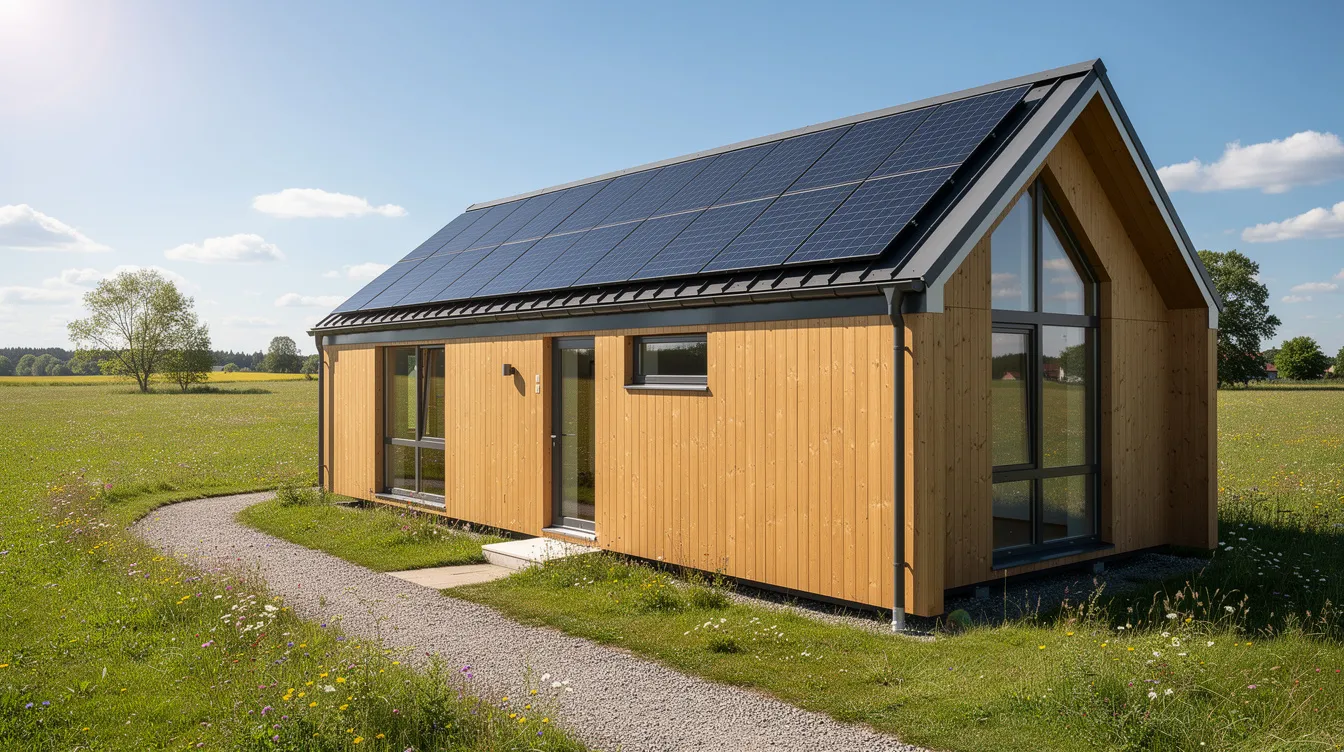
A park model home is factory-built to ANSI A119.5 standards, up to 399 square feet, usually on a chassis for occasional towing. They’re designed for long-term stays in RV resorts and cottage communities.
Custom tiny houses on wheels offer design freedom but variable quality. Foundation tiny homes provide permanence and easier financing.
Park Model Advantages
For year-round use, park models offer:
- Factory-built consistency and quality control
- Residential-style interiors with full-size appliances
- Full kitchens with 36” fridges and stacked washers
- R-33 roofs standard in four-season packages
- Quicker delivery (8-12 weeks from order)
Park models thrive in resort communities like Florida’s Lake Magic (year-round, $500/month lot rent), and guides to top tiny house park model homes can help you compare layouts and features.
Park Model Limitations
Consider the downsides:
- Mobility limited (towing over 10,000 lbs needs CDL)
- Often restricted to RV or park model communities
- Subject to HOA rules in parks
- Financed as personal property (5-15 year RV loans at 8-12% rates)
Foundation Tiny Home Benefits
Tiny houses on foundations offer different advantages:
- Easier treatment as primary dwellings under local codes
- Potential for traditional mortgages if code-compliant
- More flexibility in permanent neighborhoods
- Easier appraisal for lending purposes
Choosing Your Path
Some buyers start with a park model in a year-round resort. They test the lifestyle for a year or two. Then they move to a permanent tiny home on a small lot once they know tiny living fits.
Per 2025 RVIA data, park model sales hit 12,000 units, with 60% purchased for full-time use.
Year-Round Tiny Living in Different States
Climate and regulations vary wildly. Year-round tiny living looks different in Michigan versus Arizona versus Florida.
Cold Climate States
Northern states present challenges but also opportunities:
Michigan: Tiny homes are legal in Michigan, but their legality varies by municipality, requiring building permits and inspections for occupancy. Many municipalities in Michigan allow Park Model RVs to be used as long-term housing if placed on private land or in designated RV parks, but regulations differ by location. In Michigan, tiny homes must comply with local zoning regulations, which can include minimum size requirements and specific building codes. Year-round resorts like those near Grayling welcome properly skirted park models.
Minnesota: Park models work in resorts with 12-month occupancy, requiring R-38 minimum insulation.
Colorado: Tiny home districts exist in places like Walsenburg since 2021. El Paso County allows ADUs.
Warm Climate States
Heat management replaces heating concerns:
Texas: No statewide minimum size, though Harris County requires 400 square feet. Rural areas offer flexibility.
Florida: Hurricane-rated construction required. ADUs allowed in many counties. Warm climate means year-round comfort but storm anchoring is critical.
Arizona: Off-grid friendly. Yavapai County has approved tiny villages. Summer heat demands shade strategies.
Trends to Watch
By 2026, about 20 states will have specific tiny ordinances. New York’s Tiny Home Bill and Washington’s tiny home hamlets signal broader acceptance.
Northern emphasis remains on skirting and insulation. Southern focus shifts to A/C and storm ties.
When selecting a location for a tiny home, rural areas are often the most budget-friendly option, considering land costs, utility expenses, permits, and inspection fees.
Costs, Financing & Long-Term Planning
Tiny houses are often cheaper than conventional homes. But they’re not automatically “cheap” if built for four-season living.
Upfront Costs
The cost of a tiny home typically ranges between $30,000 and $60,000 for a standard model, while high-end options can run from $90,000 to $100,000.
Quality four-season tiny homes cost more:
Type | Price Range | Per Sq Ft |
|---|---|---|
Custom THOW | $100,000-180,000 | ~$120 |
Park Model | $80,000-150,000 | $80-120 |
Foundation | $100,000-200,000 | $100-150 |
Prices rose about 20% from 2023 to 2026 due to insulation upgrades and material costs. |
Ongoing Costs
Monthly expenses break down like this:
- Lot rent in parks: $300-600/month
- Utilities: $100-200/month (versus $300+ for traditional homes)
- Propane: ~$25-50/month
- Insurance: $50-100/month
- Maintenance: $50-100/month set aside
Their compact size often translates to reduced utility bills, less maintenance, and a smaller environmental footprint, making them ideal for sustainable living. Traditional house costs simply can’t compete.
Financing Challenges
Lenders treat different tiny homes differently:
- THOWs: RV loans (10% down, 7-10 year terms, higher rates)
- Park models: Personal property loans (similar to RV financing)
- Foundation tiny homes: Potential FHA/VA mortgages if permanent and code-compliant
Appraisers often undervalue mobile structures. Budget accordingly.
Long-Term Planning
Think ahead when choosing your tiny home:
- Designs with expandable lofts accommodate family growth
- Room for an accessory structure adds flexibility
- Potential future use as a guest cottage or rental property
- Resale value strong in resort markets (90% retain value per THIA)
Invest in quality upfront. A well-built tiny home serves you for decades.
Is Year-Round Tiny Living Right for You?
Full-time tiny living is a lifestyle shift. Not just a real estate purchase.
Tiny home RVs offer a compelling lifestyle shift, combining lower costs with a simpler, more intentional way of living.
Self-Assessment Questions
Ask yourself honestly:
- How many people and pets will live there?
- How much indoor workspace do you need?
- Can your husband or wife adapt to shared close knit quarters?
- How comfortable are you with decluttering and minimal possessions?
- Do you have kids who need bedroom space?
- Will you miss entertaining large groups at home?
The Benefits
Year-round tiny living offers real advantages:
- Lower housing option costs (save $50,000-100,000 over 10 years)
- Simplified lifestyle with focus on experiences over things
- Potential to own your home outright
- 80% lower carbon footprint
- Freedom to move (for park models and THOWs that can be easily transported)
The Challenges
Be honest about the downsides:
- Limited privacy for couples and family
- Less storage than an apartment
- Challenges hosting friends for gatherings
- Stricter zoning hurdles
- Potential social stigma in some areas
- 15% of full-timers report neighbor pushback
A 2023 Tiny House Institute survey found 68% of full-timers report lifestyle simplification as the top benefit. But 15% exit within two years.
Test Before Committing
The good thing? You can try before buying.
Extended stays in tiny homes help you understand the reality and give you a feel for tiny house nature retreats:
- 3-6 month rentals in year-round tiny home communities
- Park model stays at resort locations like Orlando Lakefront ($800/month)
- Vacation rentals in THOWs to experience the space
Wonder no more about whether this life suits you. Test it first.
FAQ
Can you live in a tiny house in winter in snowy states?
Yes, you can live year round in snowy states if the tiny home or park model is insulated to residential standards. You’ll need reliable heat, skirting around the chassis, and winterized water and sewer hookups.
When ordering a new tiny home, specify a “four-season” or “cold climate” package. Ask the builder about tested R-values and window specs. Look for R-40+ in the roof and triple-pane windows minimum for harsh northern winters.
Do tiny houses on wheels count as permanent residences?
In many places, tiny houses on wheels and park models are legally RVs. They may not be recognized as a permanent dwelling, limiting where you can live in them full-time.
Some municipalities have created ordinances or special zones allowing full-time tiny living on wheels. But rules differ by city and county. Always verify with your local planning department before committing to a property.
How much land do I need for a year-round tiny home?
Minimum lot size depends entirely on local zoning. Some rural areas allow a tiny home on a small parcel. Others require standard residential lot sizes.
Look up zoning for specific parcels (R-1 versus agricultural) and verify whether tiny houses or park models are allowed as primary dwellings or only as accessory dwelling units.
Can I move my park model home to another state later?
Park models are technically movable but work best as semi-permanent structures. Moving requires professional transport, permits, and proper setup at the new location. Expect to spend $2,000-5,000 per move.
Each state and municipality has different regulations. A park model legal for year-round use in one state may face different restrictions in other states. Plan ahead before relocating.
Are off-grid tiny homes practical for full-time living?
Off-grid tiny living is possible with adequate solar (8-10 kW), battery storage (20-40 kWh), water catchment or delivery, and safe waste systems. But it requires more daily management than grid-tied living.
Winter yields drop 60% in northern latitudes, often requiring backup generators. Have off-grid setups designed by or reviewed with experienced professionals, especially in harsh climates or remote locations located far from services.