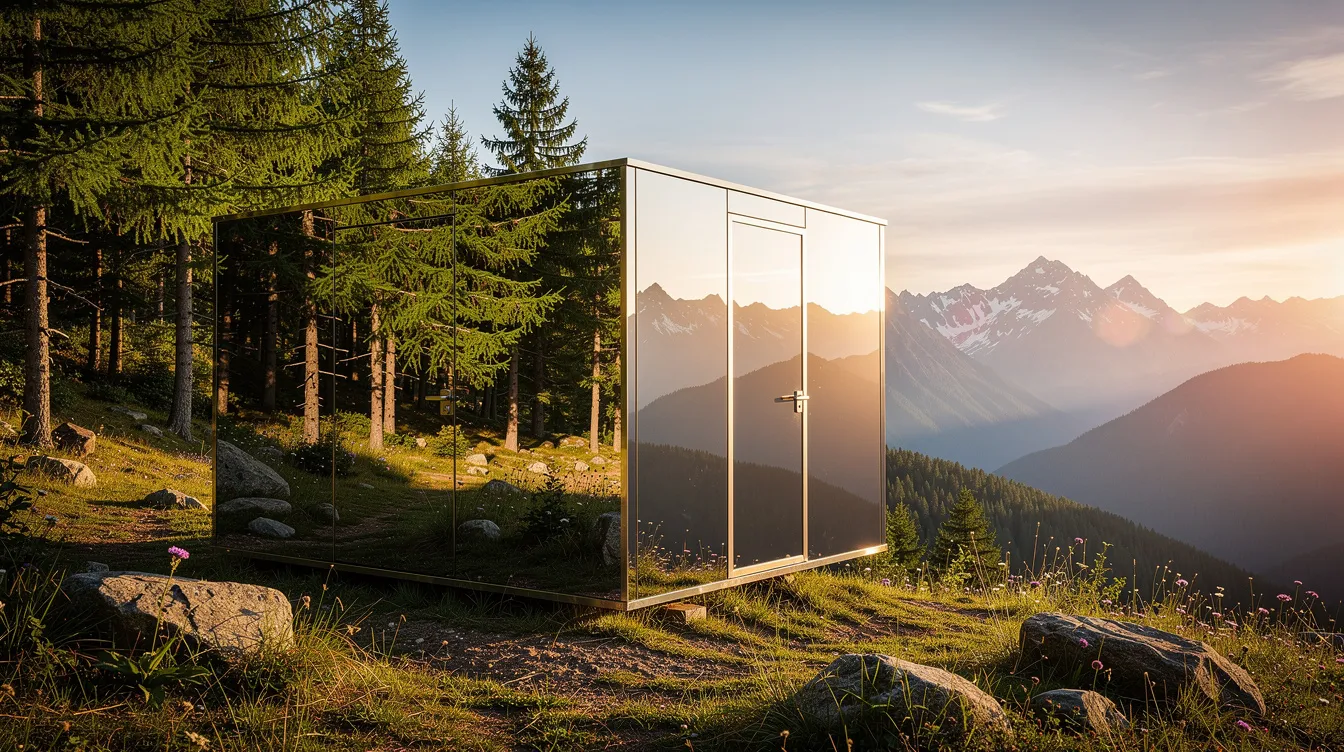
Picture a 20 m² mirrored cabin perched on a lakeshore at sunset, its exterior reflecting the surrounding landscape while inside, floor-to-ceiling glass frames an unobstructed view of water and sky. This is the concept behind the glass tiny house—a compact dwelling of 13–25 m² featuring large or fully glazed walls designed to blur the boundary between indoors and nature.
These homes come in two main forms. Mirrored cabins use reflective exterior glass that lets guests see out while passersby see only the landscape reflected back. Transparent all-glass pods offer 360-degree immersion but require remote locations and privacy solutions like switchable smart glass or motorized curtains. The popularity surge from 2024 through 2026 stems from their photogenic appeal on social media, alignment with eco-conscious tourism, and the minimalist living trend that values experience over excess.
- What is a glass tiny house? (quick overview)
- Types of glass tiny houses you’ll see on the market
- Structure & materials: what makes a glass tiny house durable?
- Energy efficiency, climate performance & comfort
- Living experience: privacy, nature immersion & everyday use
- Business case: using mirror and glass tiny houses for rentals
- Buying, siting & installing a glass tiny house
- Popular glass tiny house sizes & example layouts
- Is a glass tiny house right for you? Key pros, cons & next steps
What is a glass tiny house? (quick overview)
A glass tiny house represents a niche within the tiny home movement where extensive glazing creates an illusion of expanded space through natural light and panoramic views. Whether you’re passionate about architecture or simply love the idea of waking up surrounded by nature, these structures offer something traditional cabins cannot: the feeling of living inside the landscape itself.
Types of glass tiny houses you’ll see on the market
Not all glass tiny houses are the same. The market offers distinct categories based on region, purpose, and construction method.
Mirrored tiny cabins like those inspired by ÖÖD and MODODOMUS feature reflective exterior glass paired with mostly opaque interiors finished in timber or cedar. These models dominate the European and US markets, offering privacy in semi-rural settings while maintaining that striking visual impact. The mirrored façade has become synonymous with luxury glamping escapes.
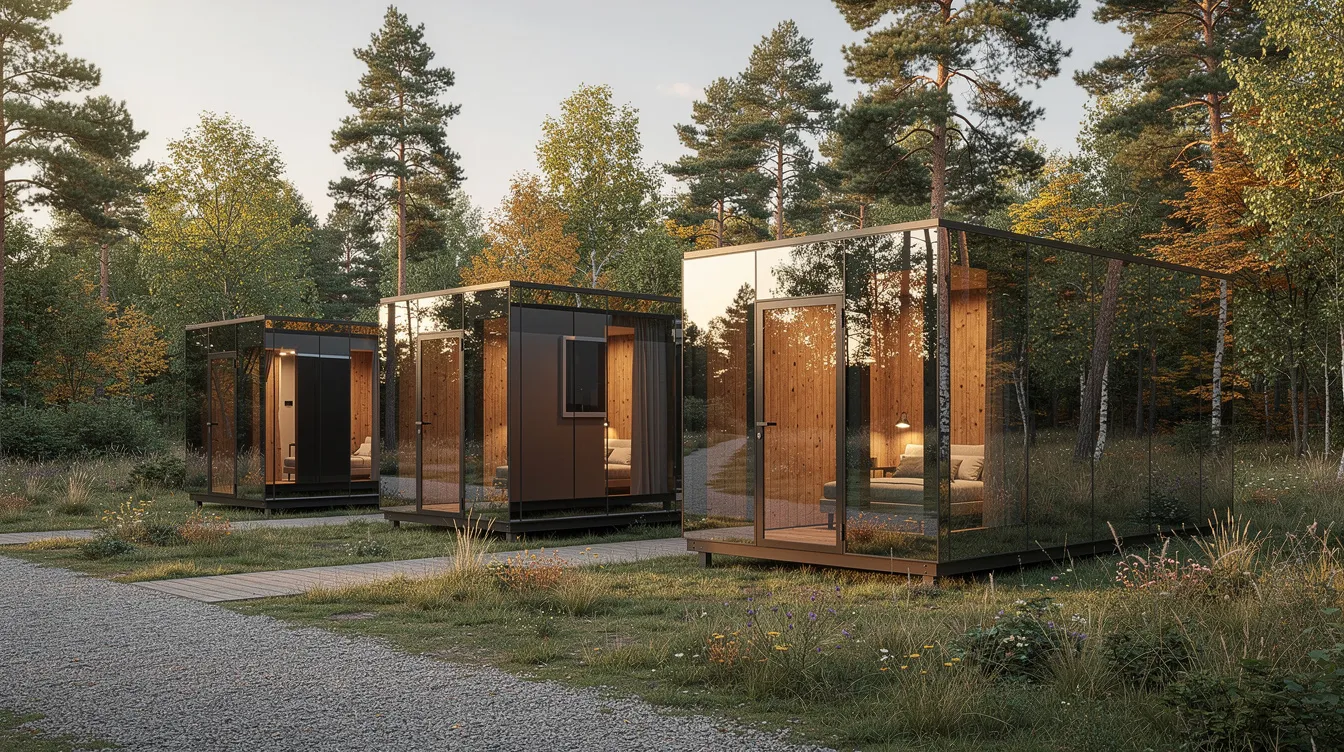
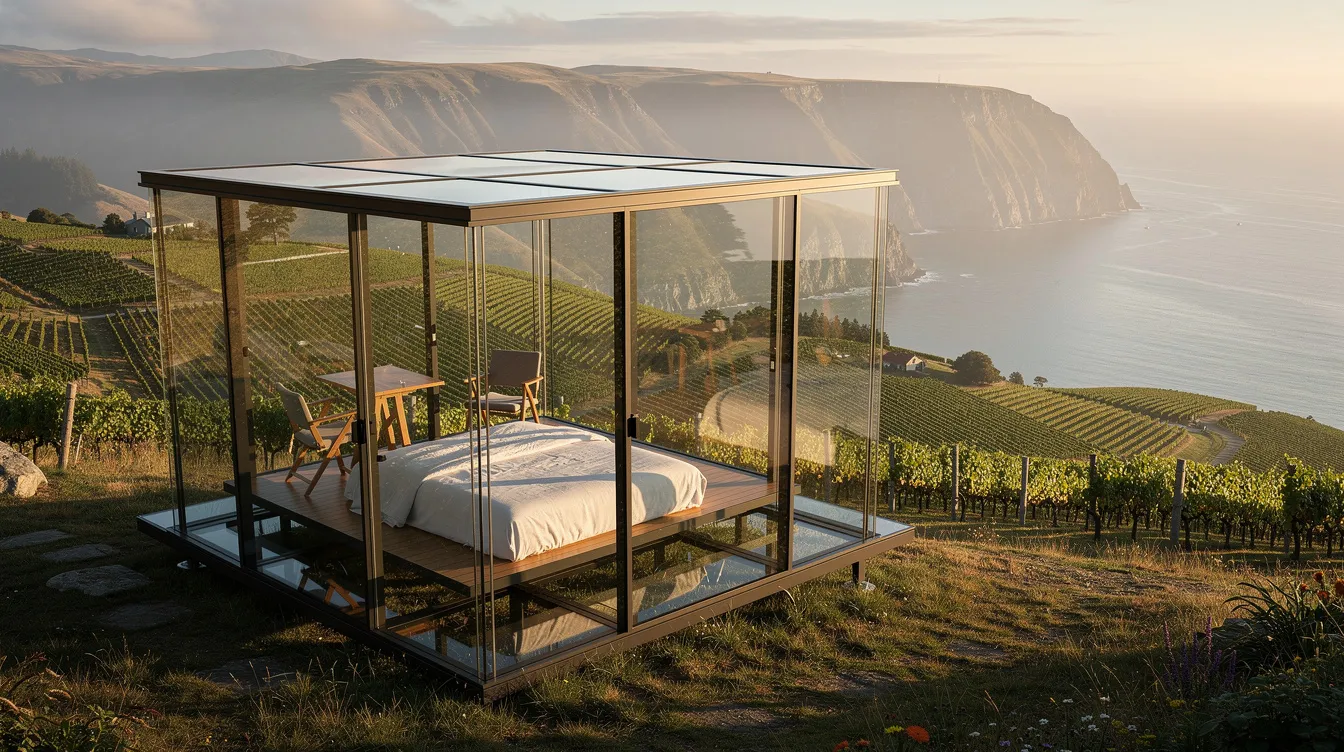
All-glass pods similar to New Zealand’s PurePods provide around 20 m² of floor-to-ceiling transparency—sometimes including glass floors and ceilings for complete immersion. These work best in isolated locations like South Island vineyards or coastal cliffs where privacy concerns fade into the landscape.
Hybrid glass tiny homes on wheels like Australia’s Beaufort Bushland Retreat combine cedar cabinetry interiors with large double-glazed panels. At roughly 8 meters in length, they can be transported to new sites, making them suitable for people who want flexibility alongside amazing views.
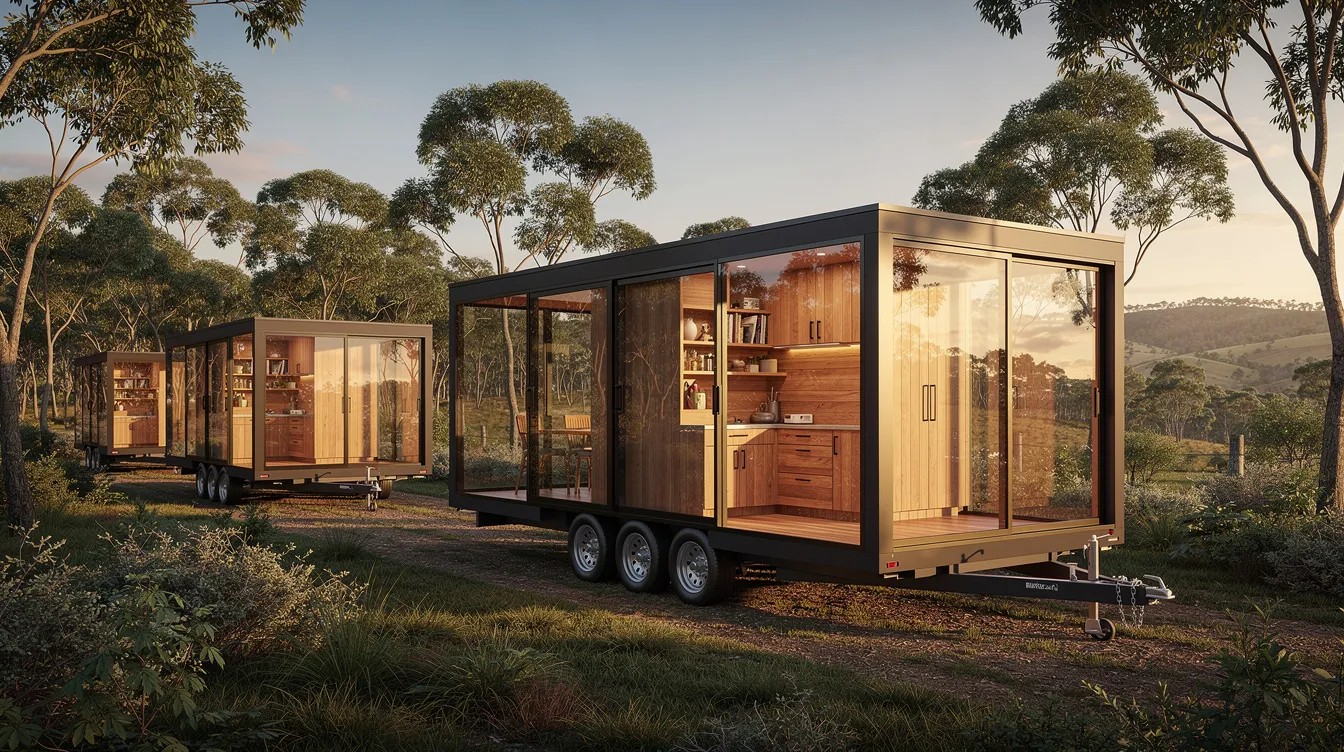
Mirror-glass models typically serve hospitality purposes, while panoramic cabins on wheels offer off-grid tiny house nature retreats for those seeking to explore different country settings.
Structure & materials: what makes a glass tiny house durable?
Serious glass tiny houses rely on robust engineering to ensure reliability across decades of use. Premium mirrored cabins typically feature full steel frames or titanium-magnesium alloys capable of supporting vast glass panels against winds up to 150 km/h and heavy snow loads. This rigidity means the house can be installed in harsh climates without compromising structural integrity.
Glass specifications matter enormously. Industrial mirror glass façades provide UV protection and thermal reflection on exteriors, while double- or triple-glazed low-E units with argon-filled cavities achieve U-values as low as 0.8 W/m²K—preventing condensation and enabling passive solar control. Bathrooms often incorporate frosted or opaque variants to protect privacy in bed and bathing zones.
Exterior cladding in European models may include fire-resistant cement panels rated up to 8 times stronger than drywall. Inside, warm timber or cedar finishes balance the cool glass aesthetic, creating spaces that feel inviting rather than clinical.
Energy efficiency, climate performance & comfort
Good glass tiny houses are engineered for extremes. Commercial models from manufacturers like MODODOMUS perform from -40°C winters to +50°C summers—a clear indicator that these aren’t flimsy structures.
Insulation and glazing form the foundation. High-performance polyurethane foam in walls, floors, and roofs comes with 40–50 year guarantees. Advanced low-E coatings on glass reduce heat loss by 40% and solar gain by 50%, maintaining comfort without excessive energy consumption, proving that even elegant tiny homes can achieve strong energy performance.
Mechanical systems add another layer of performance. Heat-recovery ventilation captures 85–90% of exhaust heat to pre-warm incoming air, eliminating drafts without opening windows. Underfloor hydronic heating keeps floors at comfortable temperatures during -20°C nights. Remote sites often add 4–8 kW solar arrays with 10–20 kWh battery systems for full autonomy.
Inside these compact spaces, guests find king beds, rain showers with instant hot water, and kitchens equipped with induction cooktops and mini-fridges. The aim is luxury micro-living—not camping—even at 13–20 m².
Living experience: privacy, nature immersion & everyday use
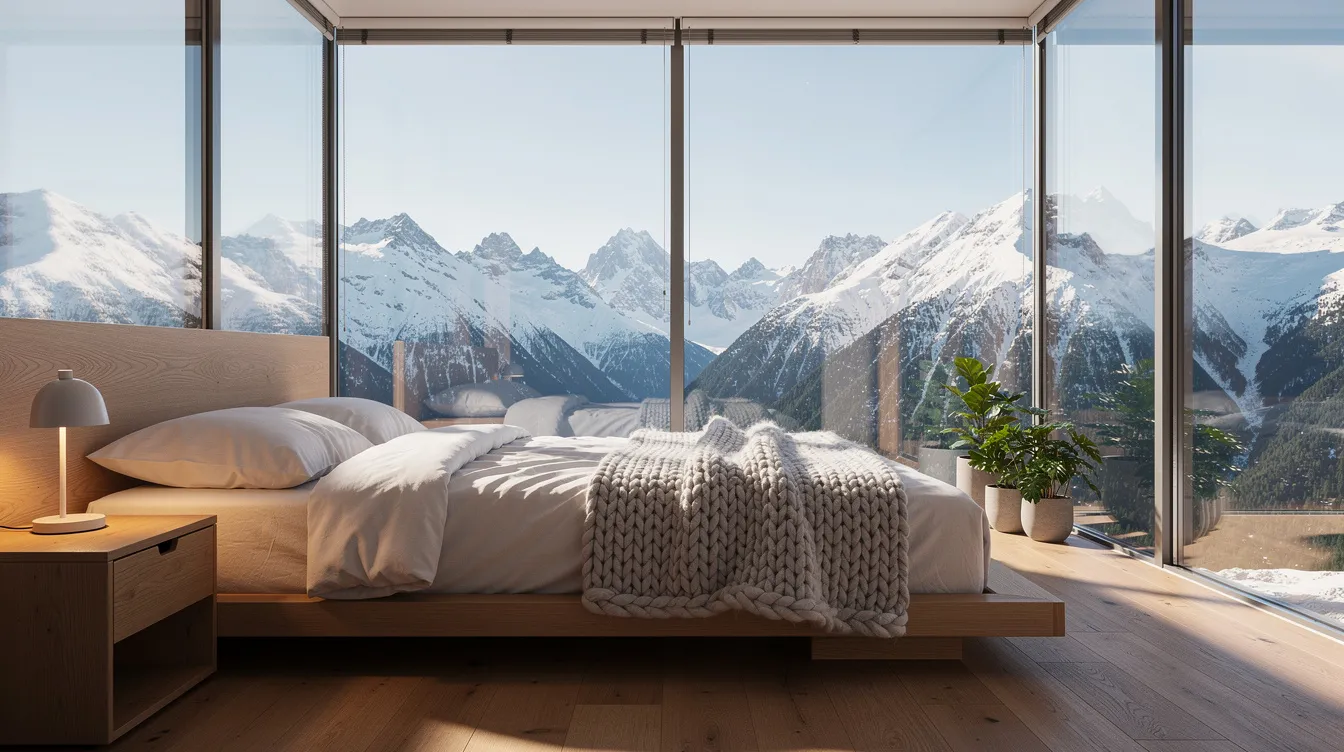
The core promise of a glass tiny house is full immersion in nature while retaining hotel-level comfort. Floor-to-ceiling glass walls create an “inside-out” spatial illusion, making 13–25 m² footprints feel expansive. Whether you sit watching sunrise over Warren’s hills or New Zealand’s alpine ranges, the view becomes the primary design element.
Privacy strategies vary by location. Mirrored exteriors work in semi-populated areas—guests see out while passersby see only reflections. More intimate zones use frosted panels, blackout blinds, or electrochromic smart glass that tints in 5–10 seconds on demand.
A typical 18–20 m² layout allocates space efficiently: 6 m² for a queen or king sleeping nook, 4 m² for a compact kitchen with sink and fridge, 3 m² for a bathroom with glass-enclosed rain shower, and 5 m² for seating facing the landscape. Storage stays hidden to maintain clean sightlines, much like well-considered tiny house plans that fit your life.
Outdoor living extensions add value through decks with hot tubs, fire pits, and grills. Nearby trails might lead to hiking routes, ski fields, or lakes. Wi-Fi is often intentionally throttled to encourage digital detox—though basic streaming remains possible for those who can’t fully leave work behind.
Business case: using mirror and glass tiny houses for rentals
Many glass tiny houses are purchased as investment properties for nightly rentals. The business model works particularly well when landowners add 1–5 units to scenic farmland, vineyards, or lakeside plots, similar to other great tiny homes that redefine small space living.
The numbers tell a compelling story. Operators report ROI ranges of 15–27% with occupancy between 60–95% and average daily rates of €120–350. A sample calculation: one 20 m² unit at 60% occupancy (219 nights annually) at €120/night generates approximately €26,280 in gross revenue. After 25% operating costs, that’s €19,710 net—scaling significantly with multiple units.
Partnership models exist where manufacturers cover part of upfront investment in exchange for revenue share or branding alignment. This approach reduces entry barriers for first-time operators.
Guest experience standards remain high. Think 400-thread-count linens, organic toiletries, and local crafts. Clear communication about access proves essential—4WD requirements during snowy months, adults-only policies for tranquility, and maximum 2-guest limits ensure the place meets expectations.
Buying, siting & installing a glass tiny house
The typical process involves factory-built modules shipped in one piece and connected on-site within a day. Many US and EU producers build locally, cutting lead times to 6–12 weeks from order to delivery for fully finished cabins.
Houses arrive turnkey: structure, glass, interior finishes, appliances, and bathroom already installed. On-site work involves connecting to electricity, water, and sewage—or setting up off-grid alternatives like solar panels, rainwater collection, and septic systems for remote sites, paralleling many of the steps involved in how to build a tiny house.
Foundation options include screw piles, precast pads, or light footings rather than deep concrete pours. Some models can be trailer-mounted or even installed on pontoons for water use. Check local zoning codes carefully, particularly for mirrored exteriors that may face restrictions in certain areas.
The step-by-step narrative runs: choose site, confirm permits (typically 1–3 months), order factory build, prepare foundations, crane in unit, connect services. Total timeline often stays under 4 months from start to finish.
Popular glass tiny house sizes & example layouts
Real-world models range from ultra-compact studios to more spacious family-friendly configurations, from cute tiny house designs to elegant tiny homes.
Size | Dimensions | Capacity | Starting Price | Best For |
|---|---|---|---|---|
13 m² | 2.25 × 5.8 × 2.5 m | 2 guests | ~€60,000 | Couples’ retreat |
18 m² | 3 × 6 × 3 m | 2 guests | ~€75,000 | Extended stays |
20 m² | 2.4 × 8.5 × 2.8 m | Up to 4 | ~€90,000 | Small families |
The 13 m² mirrored studio offers a king bed, kitchenette, and bathroom in an efficient form factor. The 18 m² panoramic model adds storage and a larger kitchen. The 20 m² linear layout can accommodate 4 sleeping spots via loft or convertible seating, somewhat similar in scale to many Home Depot tiny house kits. |
Some configurations can be built on wheels for mobility, pack into shipping containers for international transport, or function as fully autonomous off-grid units. When evaluating options, visit each manufacturer’s website for detailed specifications and custom tiny home possibilities.
Is a glass tiny house right for you? Key pros, cons & next steps
The appeal is undeniable: unmatched nature immersion, high-end design that photographs beautifully, and strong rental income potential. Stunning aesthetics, comparable to the best tiny house designs for modern living, generate 2–5 times the booking rates of traditional wood cabins. Proper insulation rivals R-30 walls. Rapid 1-day installation slashes labor costs by 70%. Premium nightly rates run 1.5–2 times standard glamping options.
Limitations exist. Higher upfront costs of €4,000–6,000 per m² compare unfavorably to €2,000 for conventional frame homes. Careful siting manages privacy concerns, overheating risks, and birds striking glass surfaces (etched patterns reduce collisions by 76%). Some urban zones restrict mirrored façades entirely, so research and permitting, as you would when learning how to build a tiny house, become especially important.
Next steps worth taking:
- Clarify your primary goal—personal retreat or rental business
- Define preferred size (13, 18, or 20 m²) and whether wheels matter
- Prepare questions for manufacturers about frame materials, glass specs, insulation guarantees, delivery lead times, and after-sales support
Waking up to sunrise flooding through floor-to-ceiling glass, forest or mountains stretching endlessly before you—that’s the experience a glass tiny house delivers. Whether you’re building a personal sanctuary or a high-yield hospitality asset, the journey starts with understanding what these remarkable structures can offer and finding the right partner to turn that vision into reality.