


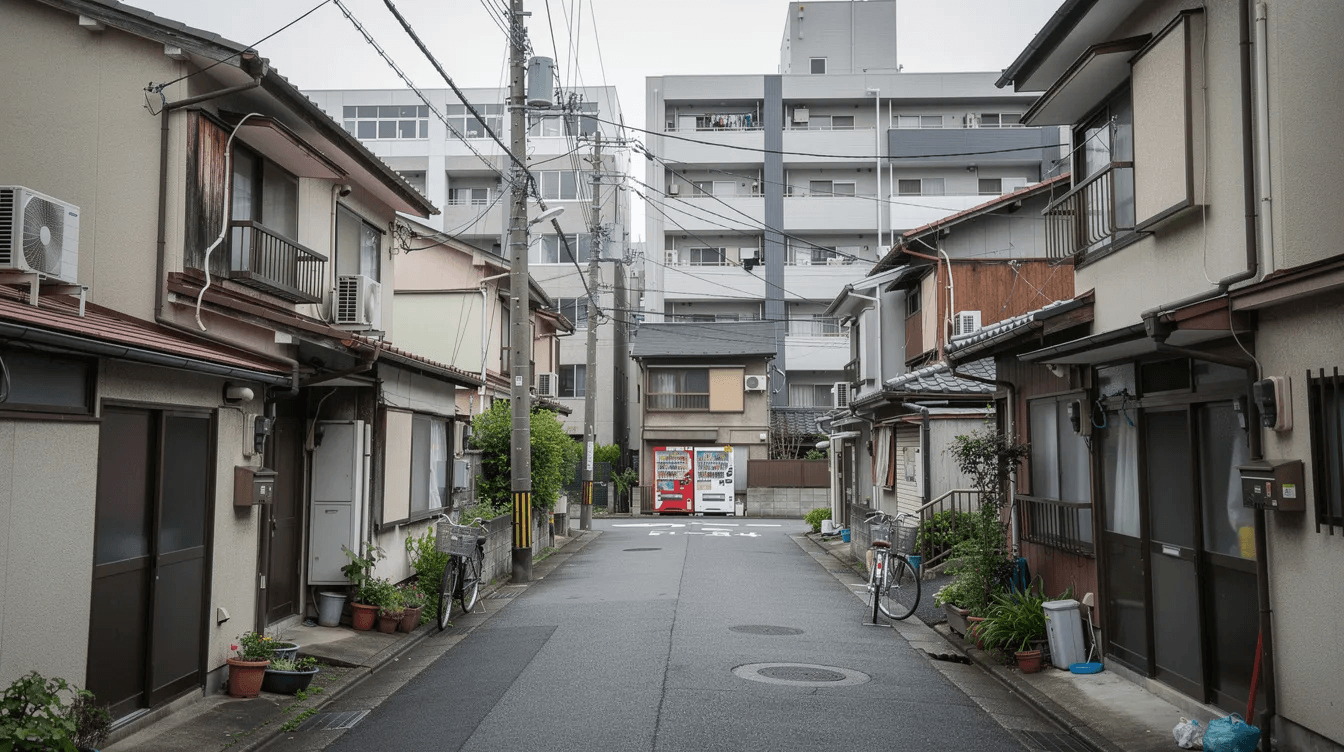
Walk through the residential neighborhoods of Tokyo, Osaka, or Kyoto, and you’ll encounter serene japanese small houses tucked between larger buildings. These aren’t compromises—they’re thoughtful responses to land scarcity, high costs, and a cultural appreciation for considered design. A japan small house typically ranges from 18 to 80 square meters, yet feels neither cramped nor restrictive.
This article explores why small homes dominate Japanese cities, the core design principles that make them work, and real examples you can learn from. Whether you’re seeking inspiration for your own project or simply curious about this architectural tradition, you’ll find practical ideas that translate beyond Japan.
“Small, not cramped”—the philosophy driving decades of Japanese residential innovation.
- Why Small Houses Are Common in Japan
- Core Design Principles of the Japanese Small House
- Materials and Craft: From Cypress Timber to New Composites
- Real Examples of Japanese Small Houses
- Planning and Layout Ideas for a Japanese-Style Small House
- Design Tricks to Make Small Spaces Feel Larger
- Living with Less: Lifestyle and Culture Behind Japanese Small Houses
- How to Bring Japanese Small House Ideas into Your Own Project
- Conclusion and Future Outlook
Why Small Houses Are Common in Japan
Japan’s geography sets the stage. Roughly 70% of the country is mountainous, leaving only about 30% of land suitable for cities and farms. This limited area concentrates populations into dense urban corridors where every square meter carries a premium.
In Tokyo, Yokohama, and Nagoya, land scarcity intensified during post-war rebuilding and the economic growth of the late 20th century. By the 2000s, average new single-family house sites in central Tokyo often fell below 100 square meters. Land typically represents 60-80% of total property cost in major cities, while construction accounts for just 20-40%.
Cultural attitudes reinforce this pattern. In japan today, land is often considered more valuable than the structure itself. Rather than extensive renovations, owners frequently demolish and rebuild every 30-40 years. This “scrap and build” cycle reduces pressure to maximize initial house size.
Risk factors also play a role. Earthquakes, typhoons, and flooding encourage lighter, more flexible construction. Timber-frame small homes perform well during seismic events and can be quickly rebuilt if necessary. Many small houses in dense wards measure just 18-60 square meters—yet their owners report high satisfaction with their living area.
Core Design Principles of the Japanese Small House
Japanese small house architecture rests on four principles: minimalism, efficient layout, vertical thinking, and connection to nature. These work together to create harmoniously integrated spaces that feel open despite their limited space. This approach closely aligns with minimalist tiny houses for sustainable living, where reduced footprints and intentional design support simpler lifestyles. Some Japanese small houses incorporate rounded design features, such as smooth, curved architectural elements, to enhance their minimalist and functional aesthetic.
Functional Minimalism
Every element must earn its place. Built-in furniture, hidden storage, and uncluttered rooms reflect influences from zen philosophy and traditional tea culture. Japanese small houses exemplify functionalism and minimalism, making them a source of inspiration for architects and designers. A low table might incorporate storage beneath its surface. A bench seat along a wall conceals drawers. Japanese small houses often feature multifunctional spaces that can serve different purposes throughout the day. This approach follows the principle that emptiness enhances what remains.
Vertical Design
When footprint is limited, architects think upward. Japanese small houses often utilize high ceilings to create a sense of spaciousness. Double-height spaces, mezzanines, and sculptural staircases transform a 30-50 square meter floor plan into something generous. A bedroom loft above a living area effectively doubles usable volume without expanding the site.
Light and Openness
Large windows, clerestory glazing, and internal courtyards bring sunlight deep into buildings—even on 3-4 meter wide sites. Natural light is maximized in Japanese small houses through the use of large windows and open spaces. The blend of indoor and outdoor spaces creates psychological relief and seasonal awareness. Strategic window placement provides natural light without sacrificing privacy. Japanese small houses frequently use reflective materials to create an illusion of larger spaces.
Storage Integration
Hidden cabinets under tatami platforms, stair drawers, wall niches, and floor-to-ceiling closets disappear visually while maximizing capacity. Innovative storage solutions are commonly integrated into the design of Japanese small houses to optimize space. When storage integrates seamlessly, the room feels larger and calmer.
Material Choices
Monochrome palettes and natural materials—white walls, light wood, concrete—visually expand small interiors. These simple and contemporary features create continuity that makes boundaries recede.
Materials and Craft: From Cypress Timber to New Composites
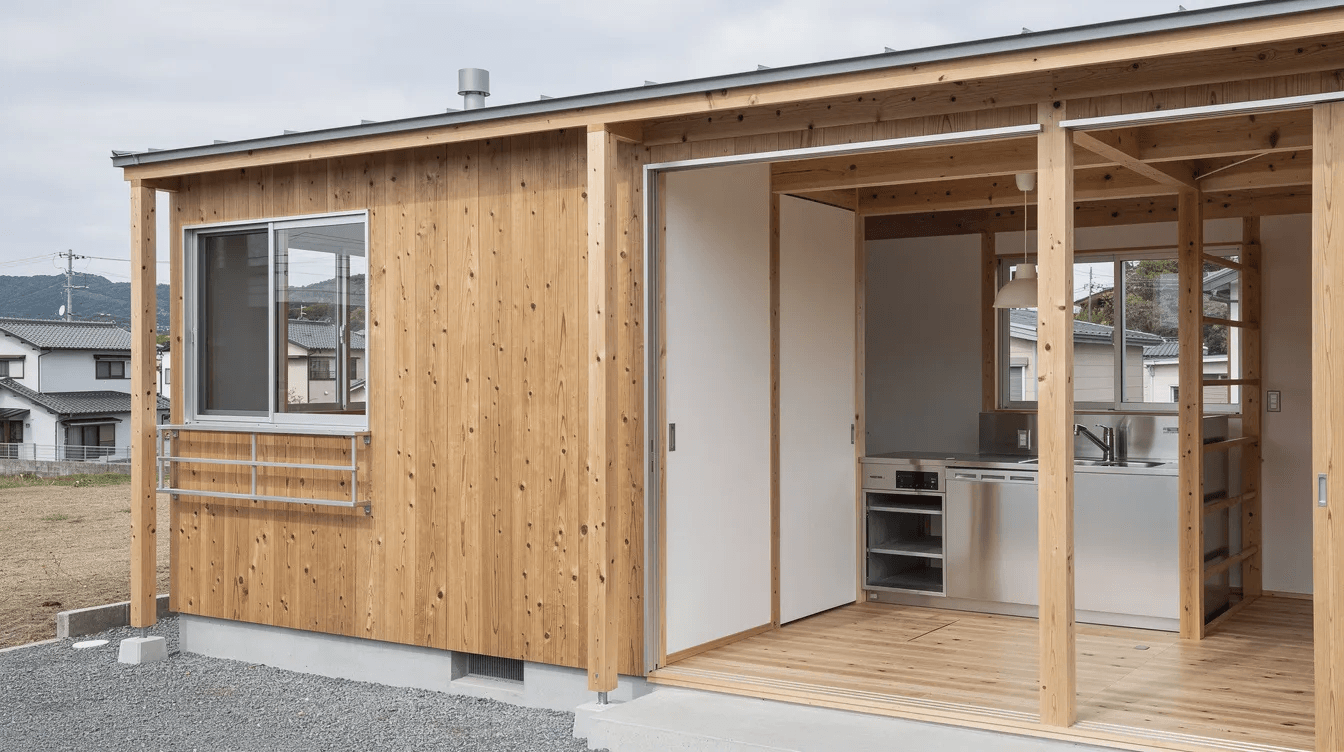
Traditional wood construction remains central to Japanese small houses, particularly since renewed interest in domestic timber during the 2010s. Architects continue to use hinoki cypress and sugi cedar for structural elements and exterior cladding.
A small house in Kanagawa, completed in the early 2020s, demonstrates this approach: cypress pillars and beams form the structure, while a simple rectangular volume keeps costs manageable. The warm wood tones create visual warmth while the lightweight frame provides earthquake resilience.
Timber construction allows thin interior partitions that can be repositioned as needs change. This flexibility suits the Japanese approach to buildings as temporary rather than permanent and mirrors the adaptable layouts seen in tiny house interiors that maximize every square foot. When seismic forces arrive, properly engineered wood frames move with the waves rather than resisting rigidly.
Innovation continues with low-carbon materials. Research into cement mixes incorporating volcanic ash (Shirasu-type formulations) reduces embodied carbon. Recycled steel from demolished buildings finds new life in architectural details.
Finish materials suit compact homes: matte white plaster, light-stained wood, and polished stainless steel in kitchens and bathrooms reflect light throughout. These choices support the goal of visual expansion while maintaining durability.
Real Examples of Japanese Small Houses
Several completed projects demonstrate how architects solve the challenge of creating comfortable family homes on minimal plots. In many cases, architects in Japan frequently design homes that embrace the unique shapes of their plots to maximize usable space, similar in spirit to elegant tiny homes that redefine modern living.
Love2 House, Tokyo (Early 2020s)
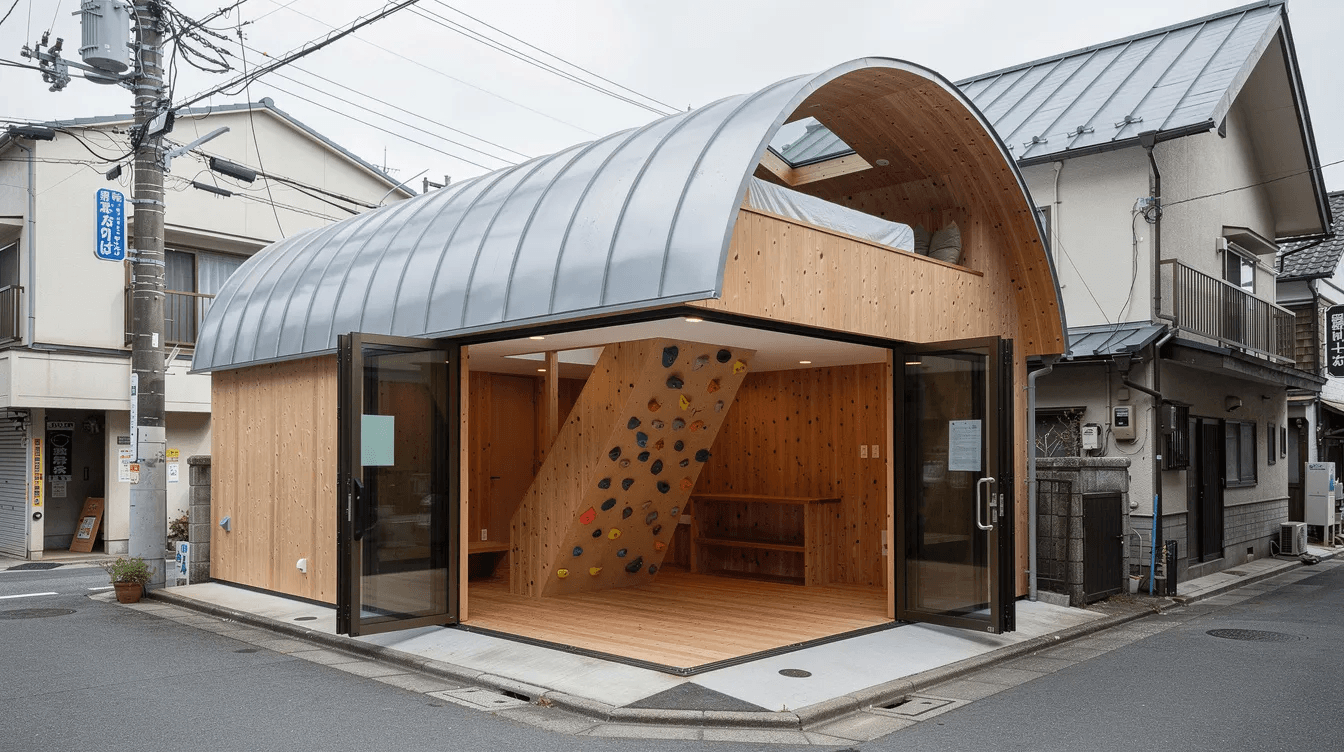
Designed by architect Takeshi Hosaka, this single-story residence features curved metallic rooftops and a dynamic skylight. The interior uses Yoshino cedar and a rock-climbing wall that provides access to the loft bedroom. Large glass doors connect the front living area to the neighborhood, showcasing how even small homes can engage with their site.
Micro-Homes (18-32 Square Meters)
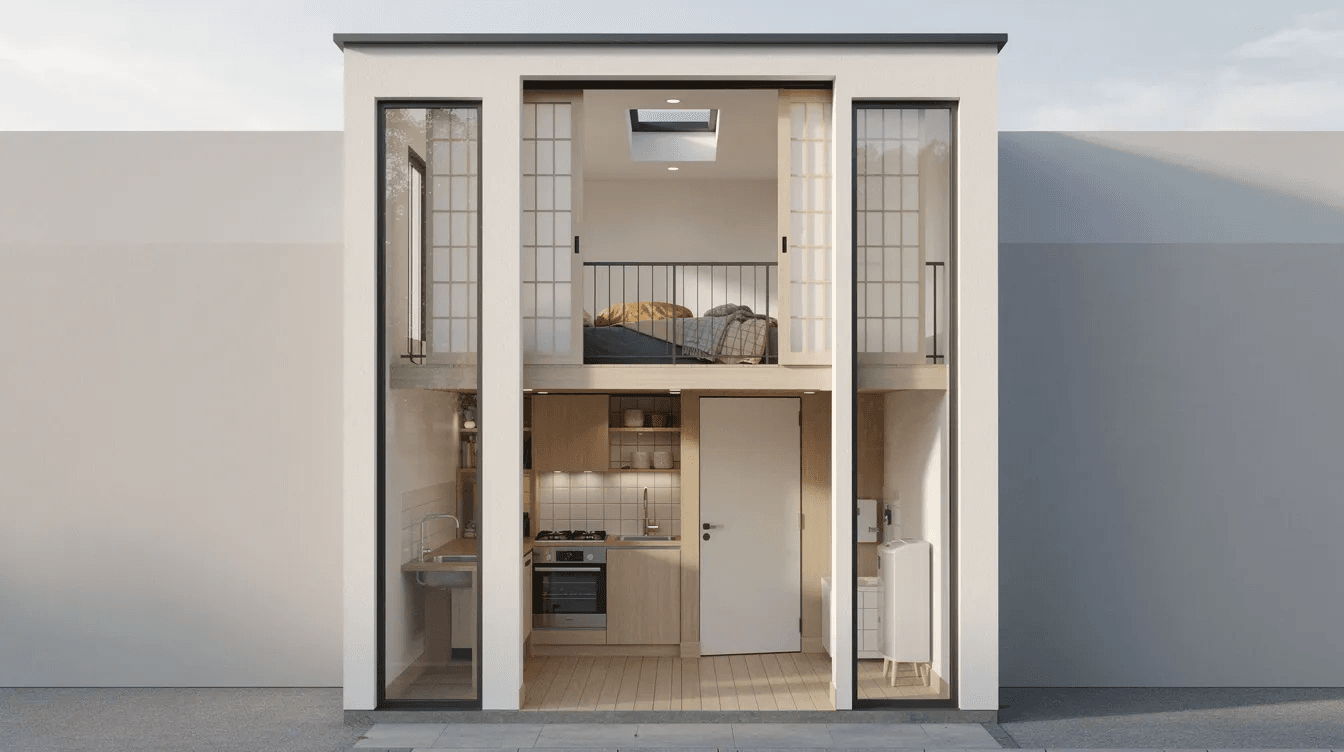
These compact dwellings parallel the rise of micro house builders focused on quality and affordability, who specialize in creating highly efficient homes on minimal footprints.
Design studios have developed residential units with narrow façades (3-4 meters) and depths extending 6-8 meters. These feature ground-floor bathroom, kitchen, and entry, with sleeping space on a mezzanine above. Sliding shoji partitions provide flexibility between open space and privacy.
Skinny Houses (1.8-2.5 Meters Wide)
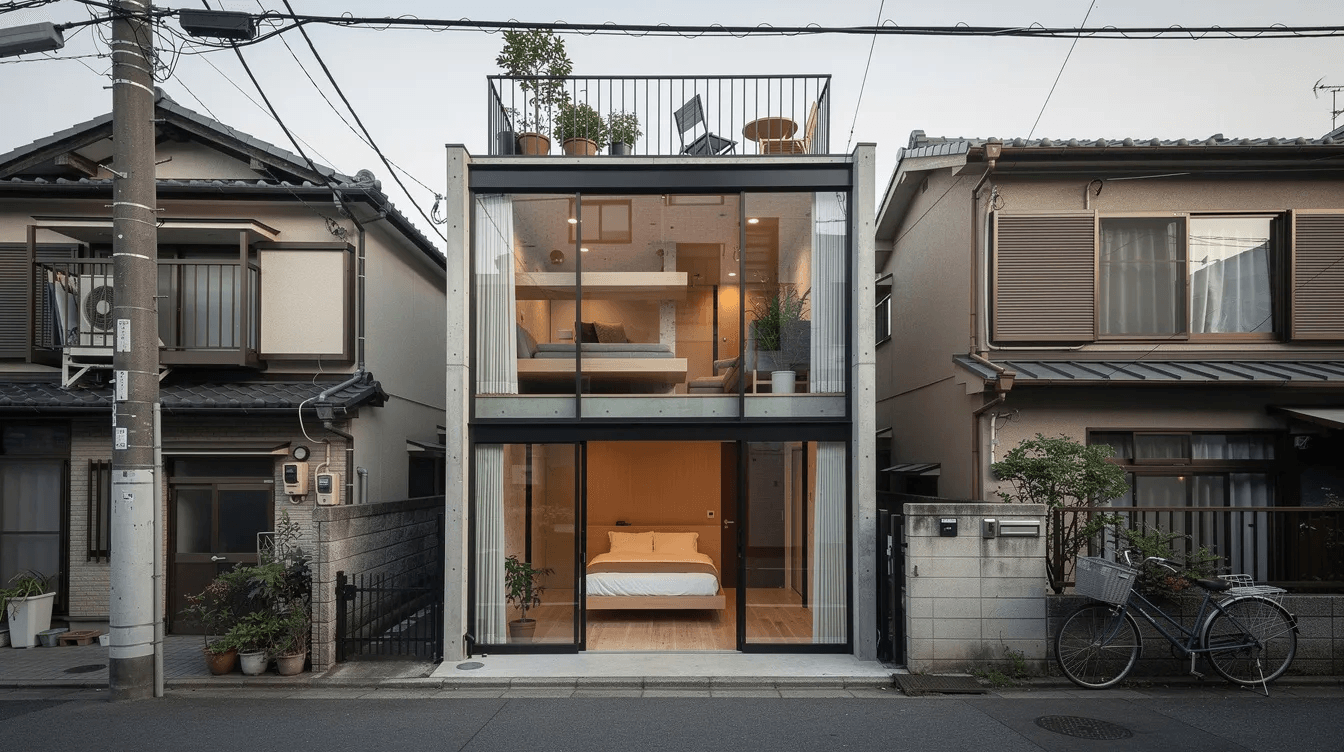
Tokyo’s older wards contain plots measuring just 1.8-2.5 meters wide but 10-15 meters deep. Architects transform these into homes using expansive glass surfaces, floating floor plates, and ceiling heights that vary dramatically. Japanese small houses often feature high ceilings to create a sense of spaciousness despite their small footprint. A typical skinny house stacks bedroom on the first floor, living space on the second floor, and often includes a roof terrace.
Courtyard Houses
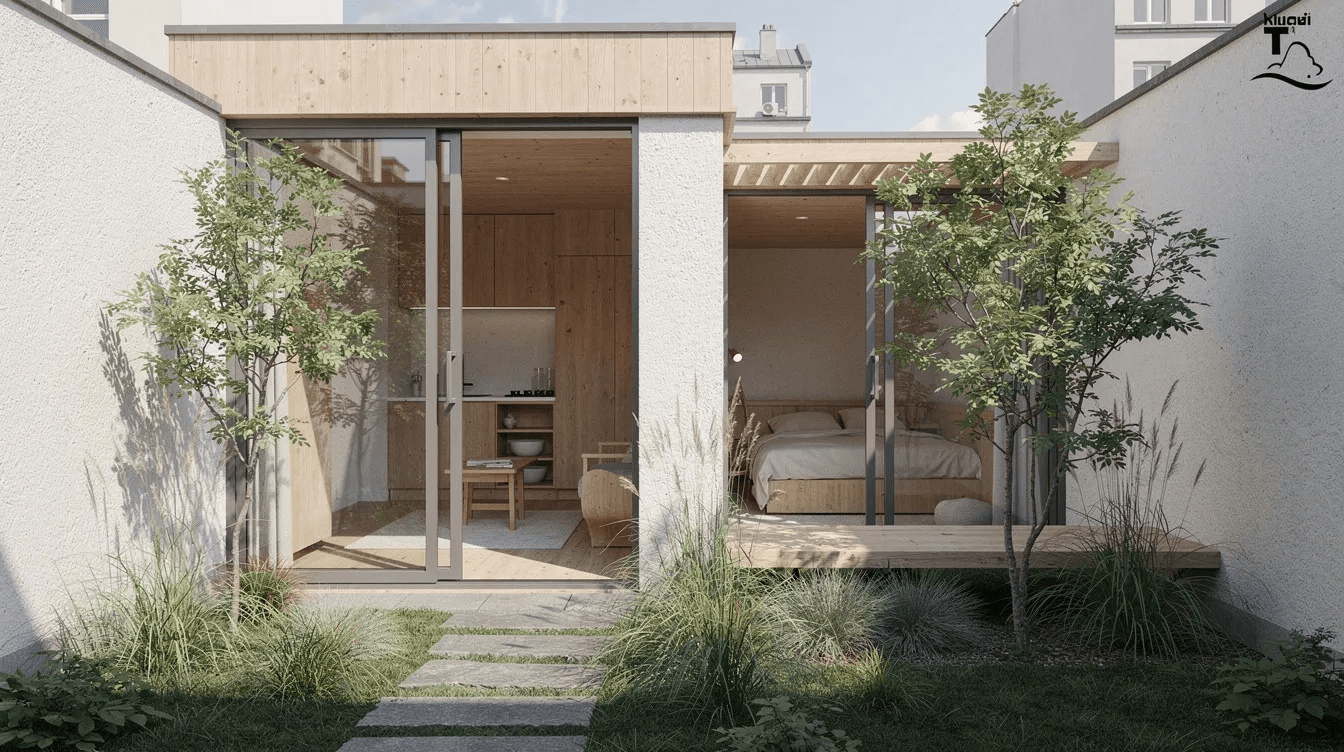
These designs resonate with the appeal of tiny house nature retreats that blend home and landscape, using small outdoor rooms to strengthen the connection between interior space and the natural environment.
On plots under 60 square meters, architects create two small courtyards that penetrate the building depth. This brings light and air to interior rooms while providing views of sky and weather. The integration of outdoor space, such as courtyards or terraces, enhances privacy, natural light, and the overall living experience. The exterior becomes part of the interior experience.
Family Three-Bedroom (70-80 Square Meters)
These typically feature ground-floor entry, bathroom, kitchen, and one bedroom, with the second floor containing open living space and two additional rooms. Individual bedrooms measure 6-10 square meters—space is allocated to shared areas where families spend most waking hours.
Planning and Layout Ideas for a Japanese-Style Small House
Effective small house layouts separate functional zones while maintaining visual flow. For footprints between 30 and 80 square meters, consider these strategies, much like carefully considered tiny house plans that fit your life balance circulation, storage, and light in very limited space.
A typical two-floor arrangement places the entrance genkan, compact bathroom, laundry, kitchen, and one bedroom on the first floor. The second floor becomes living space with a flexible room that can serve as office, guest room, or additional living area.
Sequential room organization eliminates dead-end corridors. The main living room serves as both primary space and circulation artery—moving naturally from public (entry) to private (bedroom) zones without wasted hallway area. Split levels create spatial complexity that makes even a 3-4 meter wide home feel generous.
Cluster kitchen, bathroom, and stairs on one side of each floor to optimize plumbing runs and structural simplicity. This creates a mechanical core around which other spaces organize, leaving remaining width for uninterrupted living.
Incorporate a small courtyard, light well, or balcony to bring natural light and greenery into the plan. Even a 2-3 meter void dramatically enhances livability through visual connection to sky.
Sliding doors, pocket doors, and movable partitions transform one room into living area by day and bedroom by night. This flexibility extends the functional lifespan of small spaces as family needs evolve and echoes many of the strategies found in tiny homes that redefine small-space living.
Design Tricks to Make Small Spaces Feel Larger
The gap between perceived and actual size represents your primary tool in small-space design. A well-designed 50 square meter home can feel more spacious than a poorly planned 100 square meter space.
Monochrome Strategy
Unified color palettes using whites, soft grays, and natural wood tones allow the eye to move continuously. When walls, ceiling, and trim share similar colors, boundaries visually dissolve. This creates more room psychologically without changing dimensions and is a recurring theme in many of the best tiny house designs for modern living.
Strategic Windows
Vertical and horizontal slits provide privacy while admitting light. Large panes in main living spaces extend vision outward. Skylights over stairs and bathroom bring sunlight to typically dark zones. High ceilings combined with tall windows create volume without expanding footprint.
Height Variation
A uniform ceiling can feel oppressive. Varying heights—mezzanines, double-height spaces, barrel vaults—create spatial complexity that expands perception. The center of a room with a rising ceiling feels dramatically larger than flat alternatives.
Reflective Surfaces
Polished stainless steel backsplashes, mirrored cabinet doors, and light-toned tiles bounce light throughout. These materials multiply the effect of windows and create brightness that compensates for limited area, supporting the kind of refined atmosphere seen in elegant tiny homes designed for modern living.
Invisible Storage
Floor-to-ceiling built-ins with flush doors, under-stair drawers, and raised platforms with hidden compartments store possessions without consuming visual space. When storage disappears, the room appears empty and expansive.
Living with Less: Lifestyle and Culture Behind Japanese Small Houses
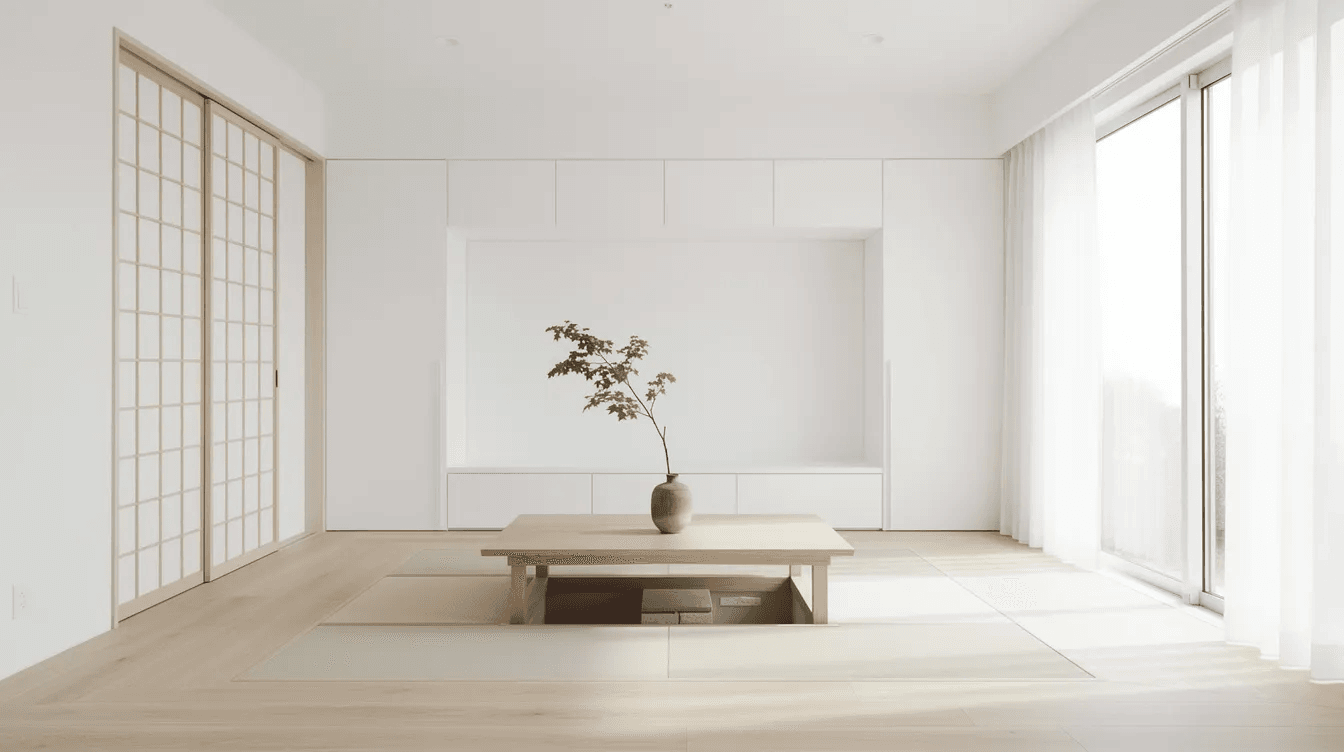
Japanese small houses reflect lifestyle choices as much as architectural constraints. Centuries of zen influence have cultivated appreciation for emptiness, simplicity, and carefully selected objects, values that also underpin many minimalist tiny houses for sustainable living. A tea room’s deliberate sparseness isn’t deprivation—it’s design philosophy.
Younger urban residents in Tokyo and Fukuoka increasingly choose smaller, efficient homes to reduce costs and maintenance. The ability to afford a prime location in a walkable neighborhood matters more than square footage. Compact appliances, multi-functional furniture, and capsule wardrobes make this life practical, much like the tailored layouts of custom tiny homes for small-space living that prioritize lifestyle fit over size.
Natural disasters reinforce these preferences. Memories of the 2011 Tōhoku earthquake remind residents that modest, resilient homes represent security rather than compromise. A 40-60 square meter house requires less energy, less water, and can be rebuilt quickly if necessary.
One couple in central Tokyo adapted their 50 square meter home by treating it as a carefully curated space rather than a container for accumulation. Their shower, bathroom, and kitchen occupy one efficient zone, leaving remaining area for living, sleeping, and the beauty of negative space.
How to Bring Japanese Small House Ideas into Your Own Project
You can adapt these concepts outside Japan on various budgets. Start by analyzing your site shape, waiting for sunlight patterns at different times, and listing minimum necessary floor area. Distinguish must-have from nice-to-have rooms, similar to the way thoughtful tiny house plans that fit your life begin with priorities rather than square meters.
Adopt one or two key strategies rather than copying everything: vertical stacking, an internal courtyard, or monochrome palette. Work with local regulations and materials while drawing inspiration from Japanese precedents and from great tiny homes that redefine small-space living, which show how diverse these strategies can be in practice.
Invest in built-in storage, choose durable low-maintenance finishes, and plan for flexibility. A wife and family will have different needs in five years—design for adaptation.
Small houses offer a path to calm, efficient living that respects both budget and environment, much like tiny house nature retreats that pair compact footprints with immersive outdoor settings. The vision isn’t about sacrifice. It’s about discovering that thoughtful design creates more room for life itself.
Conclusion and Future Outlook
The concept of the Japanese small house has fundamentally transformed how people approach living in dense urban environments, especially in cities like Tokyo where every square meter of land is precious. These homes are not just a response to limited area—they are a celebration of considered design, where every detail is thoughtfully crafted to create a harmonious blend of function, beauty, and serenity.
What truly sets many small houses in Japan apart is their ability to seamlessly connect indoor and outdoor spaces. Through the use of expansive windows, sliding doors, and carefully positioned courtyards, architects invite natural light and warm air deep into the heart of the house. This connection to nature is more than aesthetic; it creates a sense of openness and tranquility, even in the midst of a bustling neighborhood. Outdoor spaces—whether a compact garden, a rooftop terrace, or a private courtyard—become extensions of the living area, offering moments of peace and inspiration.
The marriage of simple and contemporary features with traditional materials like wood and cypress lumber gives these homes their unique character. From the gentle curve of a staircase to the soft glow of sunlight on a wooden floor, every element is designed to enhance daily life. Projects such as the “Lucky Drops” house and the “Reflection of Mineral” house exemplify how Japanese architects blend innovation with a deep respect for nature and tradition, creating spaces that feel both modern and timeless.
Looking ahead, the future of small house design in Japan is bright and full of possibility. As urbanization continues and the demand for efficient, sustainable housing grows, architects are rising to the challenge with new ideas and materials. Many small houses are now being built with a focus on energy efficiency, sustainable materials, and flexible layouts that can adapt to changing family needs. The concept of “zen” living—prioritizing calm, simplicity, and connection to nature—remains at the core of these designs.
Community is also becoming a central theme in the evolution of Japanese small houses. In Japan today, architects are exploring ways to foster social interaction and a sense of belonging, incorporating shared outdoor spaces, communal kitchens, and layouts that encourage neighbors to connect. This thoughtful approach not only maximizes limited space but also enriches the experience of daily life.
For those seeking inspiration, the website of renowned architect Yasuhiro Yamashita offers a wealth of examples showcasing the beauty and versatility of Japanese small house design. His projects highlight the use of natural materials, large windows, and harmoniously integrated indoor and outdoor spaces, all while maintaining a sense of warmth and light.
In conclusion, the Japanese small house movement stands as a testament to the country’s innovative spirit and enduring commitment to thoughtful, sustainable living. These homes prove that with creativity and careful planning, it is possible to create more room for life, even within the constraints of a limited plot. As architects continue to push the boundaries of what is possible, the world will no doubt look to Japan for inspiration on how to build houses that are not only functional and efficient, but also serene, beautiful, and deeply connected to nature.