
Japanese tiny homes blend centuries-old architectural principles with modern prefabricated construction, creating compact dwellings that maximize every square meter. In 2026, global interest from buyers in the US, EU, and Australia has surged—search volumes for japanese tiny homes for sale have increased 45% year-over-year, driven by rising housing costs and a shift toward intentional minimalism. The aim of Japanese tiny home design is to enhance quality of life through eco-friendly, minimalist, and innovative solutions. Eco-friendly Japanese tiny homes are designed to enhance the quality of life for their residents and are often equipped with modern amenities while maintaining a focus on eco-friendliness.
Typical prices range from around $35,000 USD (approximately ¥5,000,000) for basic modular shells to $120,000+ USD (¥17,000,000+) for fully fitted custom models, excluding shipping and installation. Key attractions include minimalist design with tatami and shoji elements, high-quality carpentry using hinoki cypress and sugi cedar, and space-saving innovation inspired by machiya townhouses. Most units fall under 30 m², work as guest houses, offices, or primary residences, and offer both on-grid and off grid living options. This guide covers concrete model examples, realistic timelines, and step-by-step buying processes.
- What Makes a Japanese Tiny Home Different?
- Types of Japanese Tiny Homes for Sale
- Featured Japanese Tiny Home Models & Price Examples
- Design, Layout & Interior Features
- Usage Scenarios: How People Are Living in Japanese Tiny Homes
- How to Choose the Right Japanese Tiny Home
- Buying Process & Timeline (From Design to Delivery)
- Costs, Shipping & International Buyers
- Maintenance and Care of Japanese Tiny Homes
- Frequently Asked Questions About Japanese Tiny Homes
- Conclusion: Is a Japanese Tiny Home Right for You?
What Makes a Japanese Tiny Home Different?
The philosophy behind japanese homes stems from concepts like ma (deliberate negative space) and respect for nature—principles developed in dense cities like Tokyo where average apartments often stay below 50 square meters.
Design elements that define these spaces include:
- Sliding doors (shoji screens) for flexible room divisions and diffused natural lighting
- Tatami flooring that regulates humidity by absorbing up to 55% of its weight in moisture
- Genkan entryways for shoe removal, maintaining interior purity
- Deep eaves for rain protection and natural airflow
- Natural materials like cedar and cypress with antimicrobial properties
Functionally, these differ from Western tiny houses through built-in storage beneath elevated tatami platforms (up to 30% more capacity than lofts), multi-use open plans instead of partitioned rooms, and superior cross-ventilation achieving 20-30% better airflow than standard trailers. Sustainability is core—80% of premium models use FSC-certified timber, with optional solar arrays and rainwater tanks for sustainable living.
Types of Japanese Tiny Homes for Sale
Buyers in 2026 can choose from several categories, each suited to different budgets and use cases. Japanese tiny homes offer high-density, multi-story designs to maximize space.
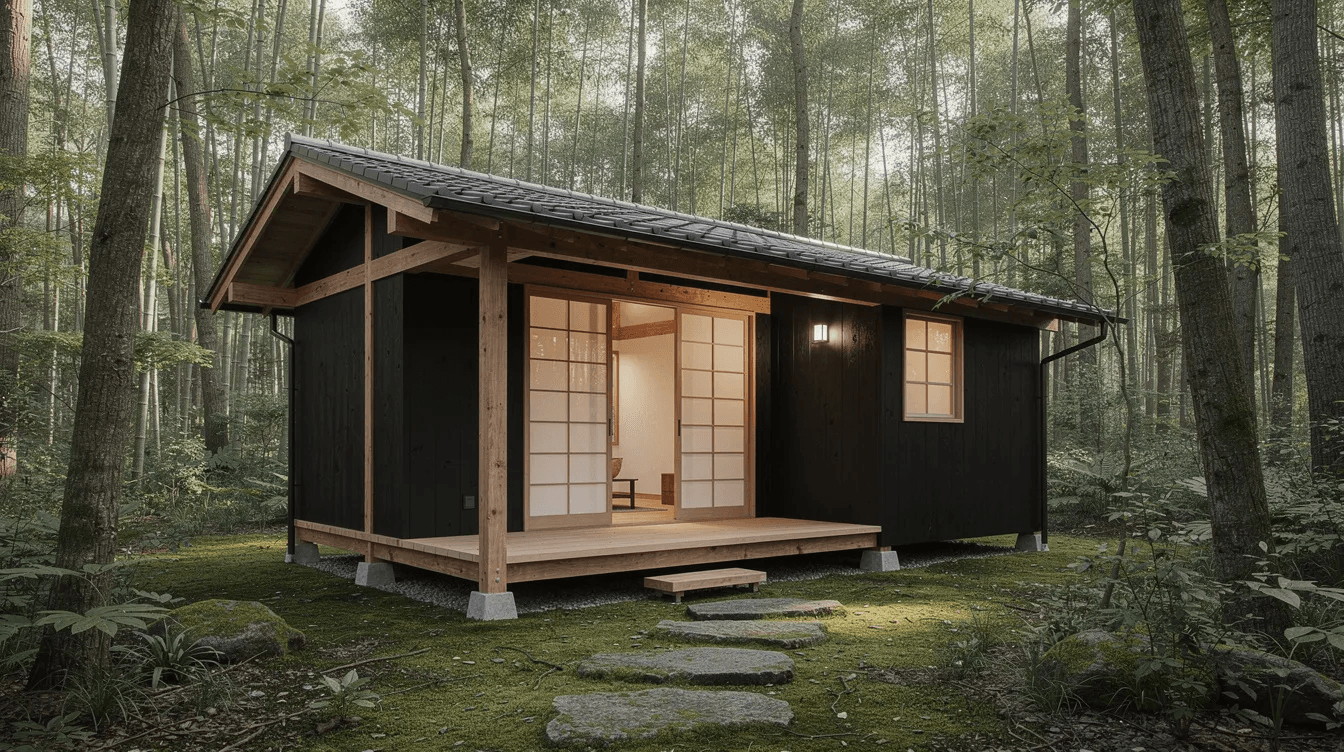
Traditional-Inspired Tiny Houses on Wheels: These feature lofted sleeping areas, metal or tiled roof designs, and shou sugi ban (charred wood) cladding for 50-year durability. Sizes typically range 18–26 m², built on galvanized trailers with 20-year chassis life.
Modular Box & Container-Style Homes: Converted shipping containers and flat-pack units dominate Alibaba listings. Container homes built from old shipping containers are strong, affordable, sustainable, and versatile. A 20ft unit (15.5 m²) runs $3,800–$9,100, while 40ft expandable prefabs reach $10,000–$25,600. These offer quick 1-2 day assembly with clean rectangular forms. Some Japanese tiny homes use combined construction methods or combine features from different types to create versatile and efficient living spaces, allowing for customized layouts and design options.
Off-Grid Cabin & Mountain Retreat Units: Designed for rural property in Nagano or Hokkaido, these include solar kits yielding 4-6kWh daily, composting toilets, and wood stoves with 80% efficiency.
Urban Backyard ADUs: Compact 10–20 m² studios suitable for offices or rental suites, with wet rooms and kitchenette options meeting residential codes.
Special-Purpose Units: Japanese tiny saunas, tea rooms, and art studios copying chashitsu proportions at 6–12 m², priced from $25,000.
Skoolies: Skoolies are converted school buses that provide essential amenities, including a bedroom, kitchen, bathroom, and living area.
Featured Japanese Tiny Home Models & Price Examples
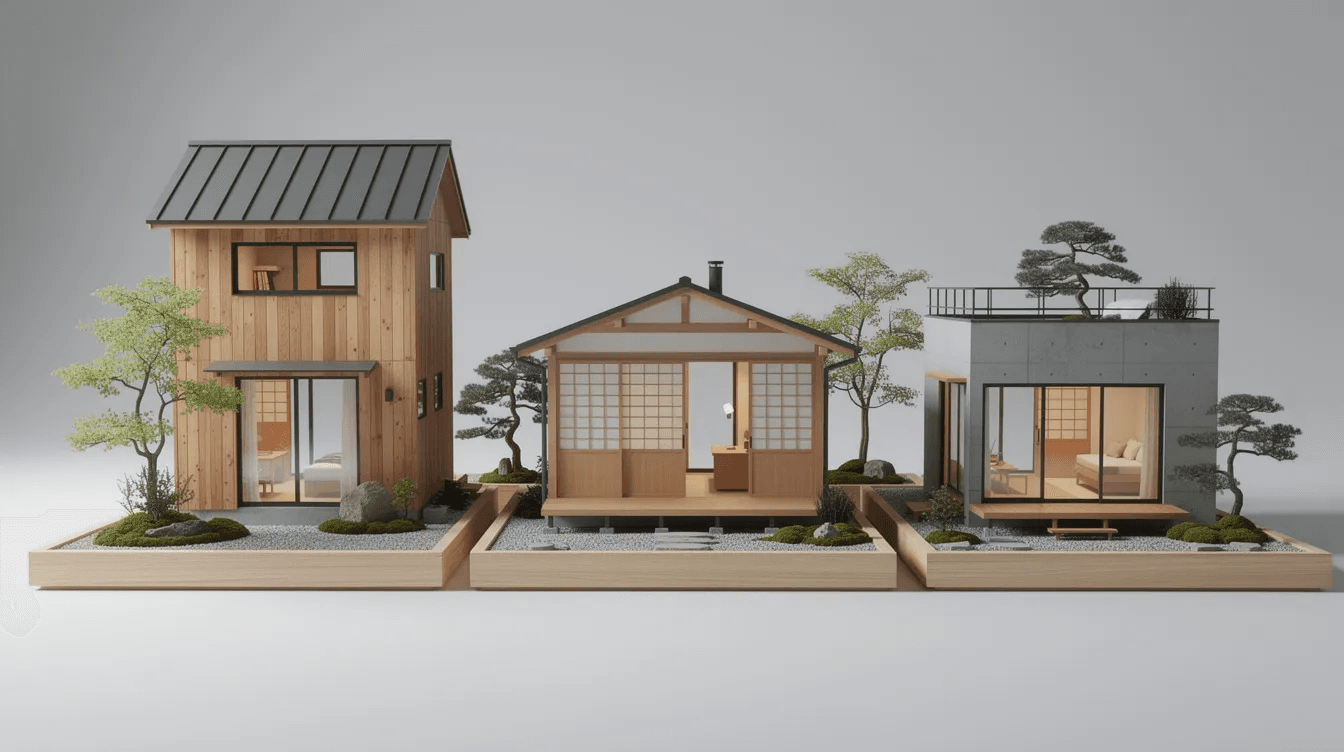
Here are four realistic examples representing what’s available for sale in 2026:
Hikari 18 (18 m² / 194 sq ft): Features a sleeping loft over a kitchenette, 2 m² shower room, large shoji-framed windows with 30% glazing ratio, and tatami corner seating. Available on fixed foundation with R-25 insulation and LED lighting. Base price: $45,000–$60,000 USD. Lead time: 10-12 weeks.
Sakura 24 (24 m²): Includes a partitioned bedroom, 3m galley kitchen with 2-burner cooktop and 150L fridge, plus a hotel-style 3 m² bathroom with ofuro soaking tub. Ideal for vacation rentals. Constructed on wheels for mobility. Price: $70,000–$95,000 installed. Build time: 12 weeks from Gifu factories.
Kumo Cabin 12 (12 m²): An off grid starter cabin with optional 2kW solar panels, wood stove, and composting toilet. Trailer-mounted for weekend retreats. Starting at $35,000 as a finished unit with 8-week delivery.
Niwa Studio 20 (20 m²): A garden office with a 4x2m glass wall, built-in benches with 500L storage, urban-compliant for Tokyo, Yokohama, or LA-type climates. Price: $55,000 base with appliances. Timeline: 14 weeks.
Note: The price of Japanese tiny homes can vary depending on the brand and additional features included.
Additional Notable Models:
- Mizuho: A compact home designed with modern, minimalist aesthetics, featuring a functional kitchen, cozy living space, and a serene bathroom.
- Nozawa: Features a unique divided loft design with a tatami-style living room and a private bedroom in the upper loft.
- Yamabiko: Designed for staff accommodation, this model offers a mirrored layout with loft sleeping spaces and full kitchens.
- Zenkei villa: Designed to connect nature and living space, the Zenkei villa features two separate cocoons with sliding doors for high insulation. It uses traditional Japanese ceramic roof tiles and can also be fitted with modern roofing materials like zinc or copper.
Koto’s Niwa Cabins: Koto’s Niwa cabins are designed to blend into their surroundings and support both on-grid and off-grid living. They are built using sustainably sourced timber and feature Shou Sugi Ban timber for added durability and fire resistance. The Niwa collection includes various sizes, with each unit featuring essential components like lighting and heating systems. The interior design is simple yet stylish, with wood and earthy tones.
Sakura Tiny House: The Sakura Tiny House is a 225 sq ft unit priced around $108,000.
Design, Layout & Interior Features
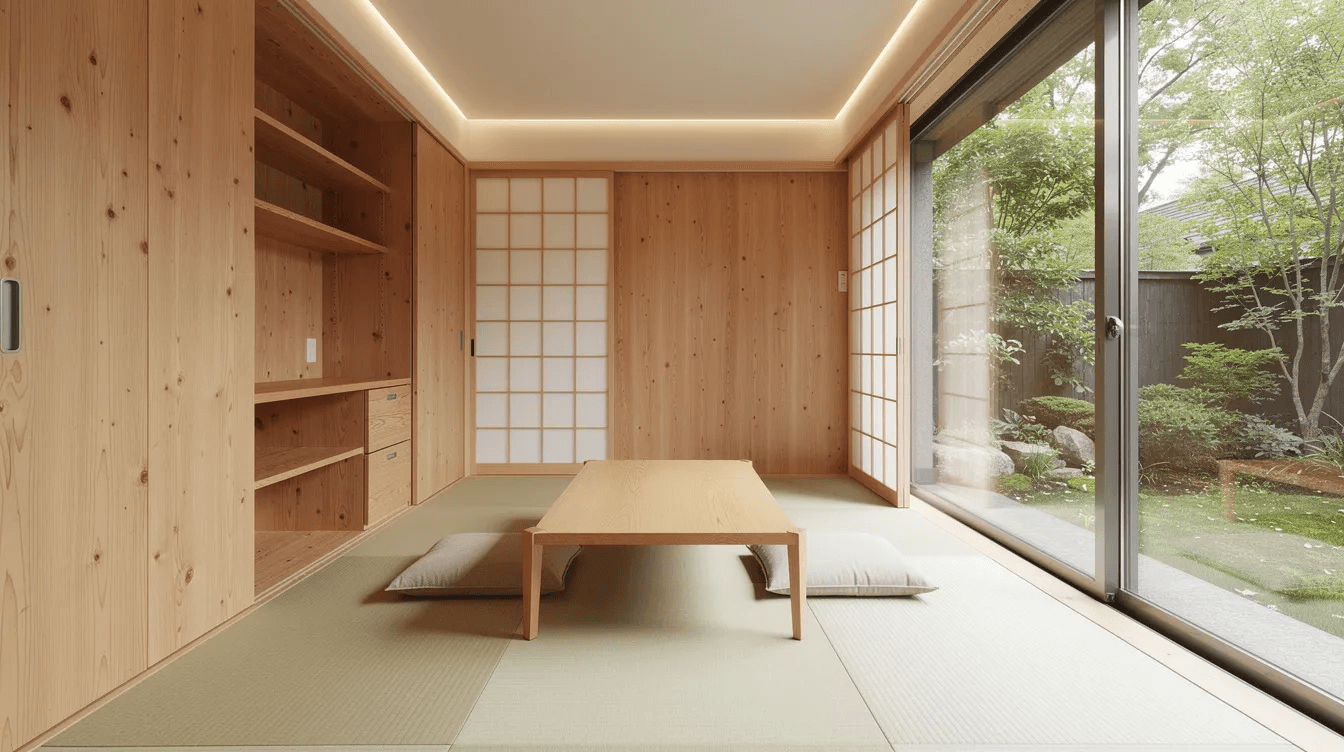
Japanese tiny homes balance simplicity and efficiency—every layout decision matters when living in under 30 m². They appeal to the same desire for minimalist tiny houses for sustainable living. Both modern and traditional techniques are used in the construction and design of Japanese tiny homes, enabling customization, durability, and the integration of traditional aesthetics with modern materials.
Feature | Typical Specifications |
|---|---|
Layouts | Open-plan living plus loft; L-shaped kitchen with corner seating; split-level storage under raised flooring |
Materials | Hinoki cedar walls, tatami mats, bamboo screens, plaster in neutral colors (whites, browns, muted greens) |
Lighting | Picture windows framing views, clerestory skylights for privacy, integrated LED strips |
Ceiling height | 2.4–3.8m depending on model |
Furniture | Fold-down dining tables, benches with lift-up storage, stair-drawers |
Bathroom | Deep ofuro tubs (1.2m) in 20% of models, low-flow 4L/min shower heads |
Kitchen | 2-burner induction cooktops, 100L underbench fridges, combo washer-dryers |
The interior focuses on creating harmony between form and function, with walls and flooring designed to maintain calm while maximizing storage. Space is maximized with clever storage solutions and multifunctional furniture, while natural light and ventilation are prioritized through large windows and open floor plans that echo modernist tiny house designs. Many Japanese tiny homes are also equipped with modern technology and space-saving appliances to enhance comfort and efficiency. |
Usage Scenarios: How People Are Living in Japanese Tiny Homes
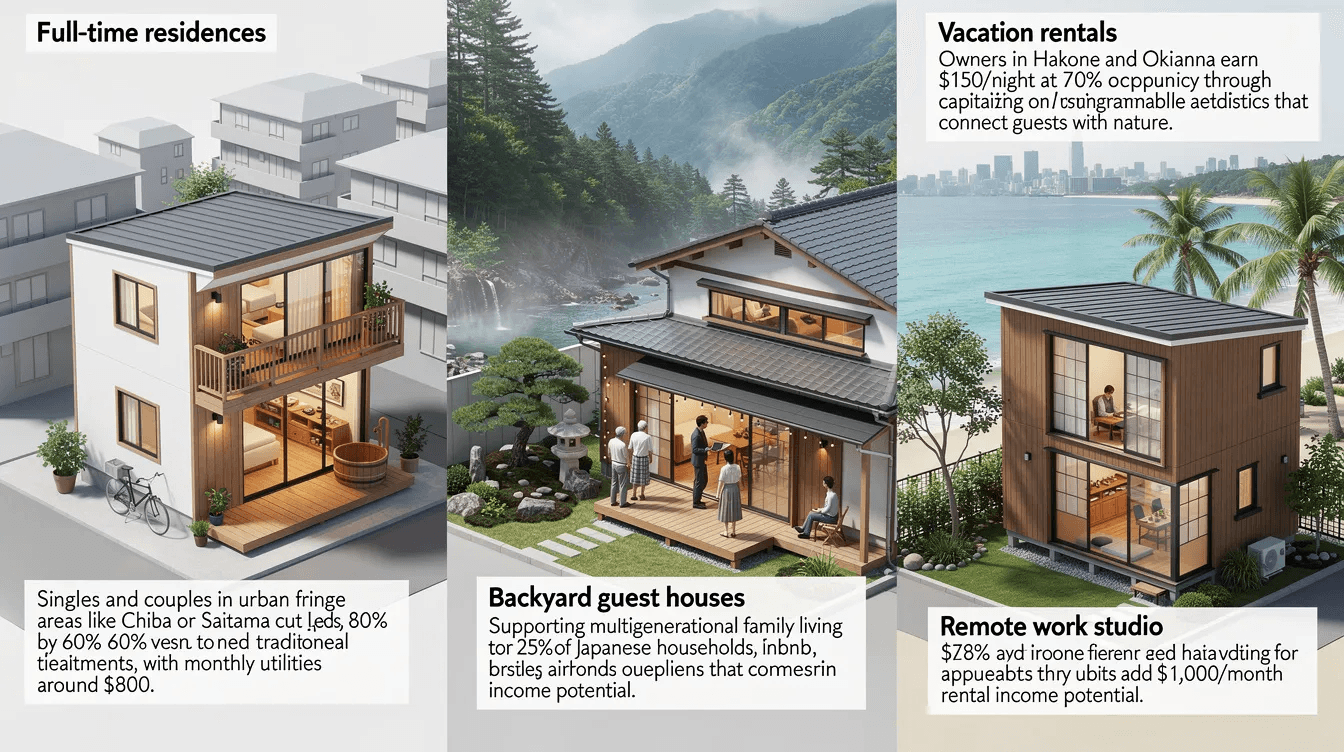
Full-time residences: Singles and couples in urban fringe areas like Chiba or Saitama cut costs by 60% versus traditional apartments, with monthly utilities around $800.
Vacation rentals: Owners in Hakone and Okinawa earn $150/night at 70% occupancy through Airbnb, capitalizing on Instagrammable aesthetics that connect guests with nature, similar to many of the great tiny homes that redefine small space living.
Backyard guest houses: Supporting multigenerational family living for 25% of Japanese households, these units add $1,000/month rental income potential.
Remote work studios: Configured as quiet offices with 40dB noise reduction, built-in desks, and strong insulation for the modern workforce, much like some of the best tiny house designs for modern living.
Wellness spaces: 8 m² saunas reaching 80°C in 30 minutes, yoga rooms with tatami grip—all designed to create focused environments where life meets outdoors.
How to Choose the Right Japanese Tiny Home
Before contacting builders, create a requirements list addressing these factors:
- Use case: Full-time living needs minimum 18 m²; weekend cabin works at 12 m²; office requires good lighting and placement for monitors. If you are still deciding whether a tiny house for sale is right for you, clarify your primary use case first. For resorts or rental villages, Japanese tiny homes can be purchased in bulk from reputable manufacturers.
- Budget planning: Under $50k for shells, $50k–$80k for fitted units, $80k+ for luxury with customization options—add 15-20% for site work. Exploring affordable tiny house buildings and top designs can help align expectations. Bulk purchasing from reputable manufacturers can offer cost advantages for larger projects.
- Mobility vs. permanence: Wheels offer permit flexibility and can evade certain regulations, but depreciate 10%/year; fixed foundation builds quality equity. Looking at top micro house builders can also illustrate how different companies approach mobility and permanence. Mobility is an essential factor for those who want a flexible lifestyle.
- Climate: R-20 insulation suits mild coasts; R-40 with double-glazed argon windows handles Hokkaido-level winters where wood stoves provide efficient heat, even in some tiny homes under $20K for sale.
- Aesthetic preferences: Decide how strongly you want traditional Japanese elements versus contemporary exterior and interior finishes, and explore cute tiny house designs for your dream home to refine your style preferences
- Brand: Consider the brand when choosing a Japanese tiny home, as reputable brands are associated with higher quality and reliability.
Research local zoning before committing money to any purchase.
Buying Process & Timeline (From Design to Delivery)
Step | Timeline | Activities |
|---|---|---|
1. Initial Consultation | 3–7 days | Zoom/site visit to discuss budget, share plot photos, communicate vision |
2. Concept Design & Quotation | 2–4 weeks | Floor plans, 3D renders, material selections, detailed price estimate (±5% accuracy) |
3. Permits & Site Prep | 1–3 months | JIS seismic certification (Japan), local building approvals, foundation or utility work |
8–14 weeks | Frame building, insulation, windows, interior fit-out, quality checks | |
5. Transport & Installation | 2–14 days | Truck delivery ($2,000 domestic/200km), crane placement, electricity and water connections |
6. Handover & Aftercare | Ongoing | Walk-through inspection, user manuals, 1-year warranty, annual wood oiling to maintain exterior |
Costs, Shipping & International Buyers
For those searching japanese tiny homes for sale from outside Japan, understand these cost components:
- Base unit vs. total project: Base price covers 60% of typical projects; add $8,000 for slab foundation, $5,000–$15,000 for site utilities
- Domestic Japanese delivery: Gifu to nearby prefectures runs $3,000; Kyushu locations reach $5,000
- International shipping: Container shipping Japan-to-US takes 4-8 weeks at $10,000–$25,000 FOB Yokohama; EU buyers face 5-10% import duties
- Local compliance: Check building codes, road transport limits (typically 2.5m width × 4m height), and gas/appliance certifications
- Financing: RV loans work for wheeled units at approximately 6.5% APR; Japanese banks offer 2% rates for domestic buyers
Maintenance and Care of Japanese Tiny Homes
Japanese tiny homes are celebrated for their seamless integration of traditional Japanese craftsmanship and modern design, but their longevity and comfort depend on attentive maintenance. The use of natural materials—such as hinoki cedar, sugi, and bamboo—alongside signature elements like sliding doors and exposed wooden beams, means that regular care is essential to uphold both the home’s efficiency and its harmonious connection with the environment.
**Routine Maintenance Tasks:**To keep sliding doors (shoji and fusuma) operating smoothly, it’s important to periodically clean tracks and check for humidity-related warping. Tatami mats should be vacuumed gently and aired out seasonally to prevent moisture buildup and maintain indoor air quality—a key aspect of sustainable living. Wooden beams and walls benefit from annual oiling or waxing, which protects against dryness and pests while enhancing the natural grain and warmth of the materials.
**Seasonal and Preventive Care:**Japanese tiny homes are designed to blend with their surroundings, but exposure to the elements—especially in rural or forested locations—means that exterior wood cladding and rooflines require inspection after heavy rains or typhoons. Clearing debris from deep eaves and checking for leaks helps preserve the structure’s integrity. For homes with large windows or sliding doors, maintaining weather seals ensures energy efficiency and comfort year-round.
**Special Considerations for Guest Houses and Multi-Use Spaces:**If your tiny home serves as a guest house or office, frequent use may require more regular cleaning of high-touch surfaces and periodic checks of appliances and lighting. Traditional Japanese elements, such as paper screens or bamboo accents, should be handled with care to avoid tears or discoloration, especially in high-traffic areas.
**Preserving Harmony and Value:**Consistent maintenance not only extends the lifespan of your tiny house but also preserves the minimalist beauty and tranquility that define Japanese homes. By caring for natural materials and respecting the balance between interior and exterior elements, owners can ensure their home remains a welcoming, efficient, and sustainable living space for years to come.
Frequently Asked Questions About Japanese Tiny Homes
How long do Japanese tiny homes last? With proper maintenance, expect 50-100 years. Traditional kigumi joinery (no nails) provides earthquake resistance to magnitude 7.0 and typhoon ratings to 50m/s winds.
Do they include real bathrooms and kitchens? Yes—90% of turnkey models come equipped with fully plumbed baths and functional kitchens. Off-grid options substitute composting toilets and propane appliances.
What size range is typical? Most fall between 10–30 m², with road transport capping dimensions at 2.5m width and 4m height for wheeled units.
Where can I legally install one? Location rules vary: US backyards often allow ADUs under 1,000 sq ft; rural land over 5 acres typically needs no permits. Always verify local regulations.
How is heating and cooling handled? Split-system heat pumps (COP 4.5) handle most climates; underfloor hydronic systems maintain even 25°C temperatures in premium models.
Can I order multiple units? Bulk orders of 5+ units receive 15-25% discounts, with standardized designs available for resorts or rental villages.
What can I customize? Typical customization options include exterior finish, interior layout (±10% modifications), window placement, and wood species. Structural frame dimensions usually remain fixed.
Conclusion: Is a Japanese Tiny Home Right for You?
Japanese tiny homes suit minimalists aiming to slash possessions by 70%, remote workers seeking practical studio space, eco-conscious couples pursuing sustainable materials and energy independence, and hospitality operators building their dream rental portfolio.
Your main decision factors are budget (including transport and site costs), intended use, local regulations, and how much traditional Japanese character you want versus modern comfort. Gather photos of favorite interiors, list must-have functions—whether that’s a full kitchen, soaking tub, or office corner—and speak with a specialist builder for a tailored plan.
As housing costs continue rising globally, Japanese tiny homes will keep influencing small-space design well beyond 2026, making now an ideal time to turn your compact living vision into reality.