Building your dream cabin doesn’t have to mean starting from scratch or hiring an architect. A loft cabin kit delivers everything you need to construct a compact, character-filled retreat—shipped directly to your property and ready for assembly. Whether you’re planning a weekend escape, a rental property, or a full-time tiny home, these kits offer a practical path to cabin living.
- Quick Overview: What Is a Loft Cabin Kit?
- Why Choose a Loft Cabin Kit Instead of a Standard Cabin?
- Foundation Requirements for Loft Cabin Kits
- Tools & Skills Needed to Assemble a Loft Cabin Kit
- How Long Does It Take to Build a Loft Cabin Kit?
- Loft Cabin Kit Design Options & Popular Floor Plans
- Construction & Material Quality in Loft Cabin Kits
- Permits, Codes & Classification for Loft Cabin Kits
- Planning Your Loft Cabin Kit Project
- Working With a Loft Cabin Kit Provider
- Is a Loft Cabin Kit Right for You?
Quick Overview: What Is a Loft Cabin Kit?
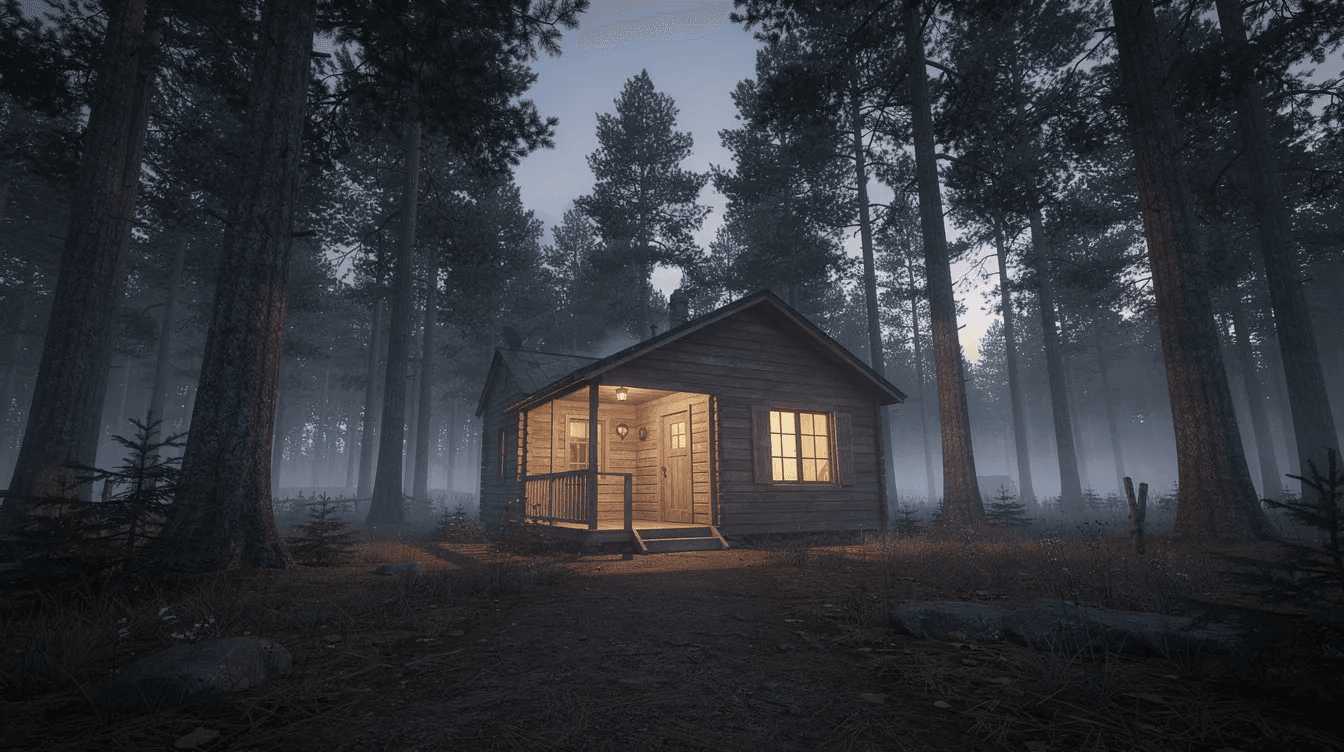
A loft cabin kit is a prefabricated cabin package featuring an upper sleeping or storage loft, shipped to your site for on-site assembly with pre-cut, labeled components.
- Kits typically include pre-cut structural lumber, siding, roofing materials, windows, doors, and hardware—but may or may not include foundation, insulation, and utilities.
- Common uses include weekend getaways, Airbnb rentals, hunting cabins, guest houses, home offices, or full-time tiny homes with a lofted bedroom.
- Modern loft cabin kits balance rustic appeal (exposed beams, natural wood interiors) with contemporary needs like energy efficiency and open floor plans.
- Pre-built log cabin kits with lofts have become especially popular among people seeking that classic log cabin aesthetic combined with smart space optimization.
Why Choose a Loft Cabin Kit Instead of a Standard Cabin?
Lofts maximize vertical space, transforming a small footprint into a surprisingly functional living area that feels larger than its square footage suggests.
- Space optimization: Lofts free the main floor for kitchen, living, and bathroom while using roof volume for sleeping or storage—a 14’ x 28’ cabin with a loft can feel comparable to a much larger single-story structure.
- Cost efficiency: A smaller foundation and footprint dramatically reduce concrete and site work costs, with the loft adding usable area at a fraction of the expense of expanding horizontally.
- Aesthetic appeal: Vaulted ceilings, exposed rafters, and large gable-end windows create that dream log cabin “mountain chalet” atmosphere even on compact lots.
- Flexibility: The loft can serve as a kids’ bunkroom, reading nook, gear storage, or second bedroom—ideal for rental properties looking to increase sleeping capacity.
- Zoning advantages: Many codes treat lofted cabins under certain square-footage limits differently, which can simplify permits (always check local rules before committing).
Foundation Requirements for Loft Cabin Kits
Loft cabins concentrate weight along exterior walls and through heavy roof structures, making a properly designed foundation crucial for long-term stability and durability.
- A concrete raft (slab) foundation works well for 12’–20’ wide loft cabin kits up to around 600–800 sq ft, especially in areas with stable soil and minimal frost depth.
- Other suitable options include pressure-treated pier and beam systems, helical piers for difficult terrain, or a full perimeter foundation for frost-prone climates.
- The foundation must be level within a tight tolerance—typically 1/4” across the entire footprint—to prevent door and window misalignment and loft floor squeaks.
- Confirm local frost depth, soil bearing capacity, and code requirements with a local engineer or building authority before pouring concrete.
- Include anchor bolts or straps in the foundation design to tie down the cabin and resist wind uplift, especially for exposed rural or campground sites.
- Contact your loft cabin kit provider with site dimensions and photos to receive foundation recommendations tailored to your specific project and location.
Tools & Skills Needed to Assemble a Loft Cabin Kit
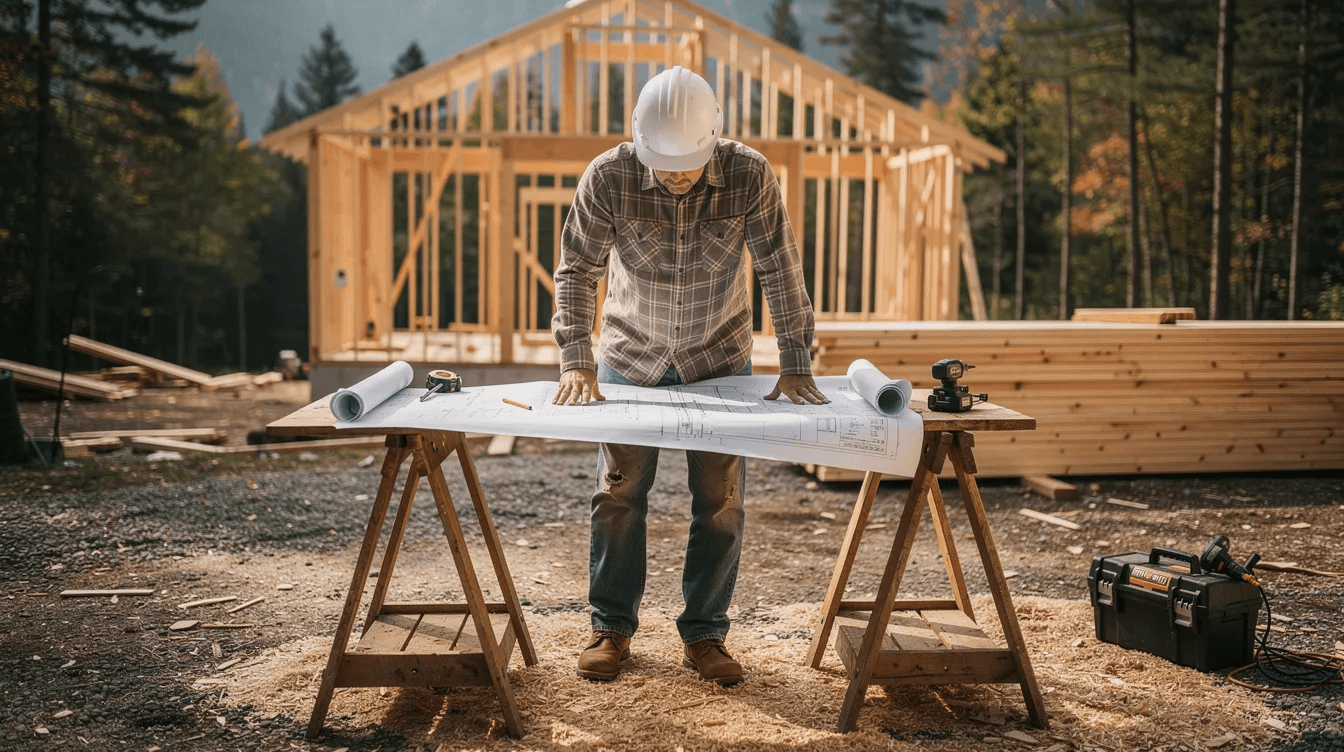
A loft cabin kit is designed for competent DIYers or local contractors, with most structural pieces pre-cut and labeled to simplify the building experience.
- Safety gear: Work gloves, safety glasses, hearing protection, and sturdy work boots.
- Hand tools: Tape measure, 2–4’ levels, framing square, claw hammer, rubber mallet, utility knife, chisels, and screwdrivers.
- Power tools: Cordless drill/driver with spare batteries, circular saw or miter saw, impact driver, and optionally a nail gun with air compressor.
- Access equipment: 6–8’ stepladder for interior work, 16–24’ extension ladder or scaffolding for setting loft joists and roofing panels.
- Basic carpentry skills (reading plans, squaring walls, setting rafters, installing sheathing) are recommended, but detailed instructions and labeled parts simplify the learning curve.
- Those without building experience should budget for a local carpenter or contractor to handle complex steps like framing the loft and installing roofing.
How Long Does It Take to Build a Loft Cabin Kit?
Assembly time depends on cabin size, complexity (single loft vs. multiple lofts or dormers), foundation readiness, weather conditions, and crew size.
- A small loft cabin kit around 12’ x 20’ with a simple sleeping loft can usually be dried-in by two people in 2–3 days once the foundation is ready.
- A mid-size 16’ x 28’ loft cabin with a covered porch may take a 2–3 person crew 4–7 days to frame, set the loft, and install roofing and windows.
- Larger lofted cabins in the 20’ x 36’ range can require 1–2 weeks for a small crew, with additional time for interior finishes and utilities.
- Careful planning—pre-marking parts, staging materials, and checking weather forecasts—can significantly reduce total build time.
- Interior work (insulation, wall finishes, flooring, cabinetry, and trim) often takes as long as or longer than the shell assembly, so plan accordingly.
Loft Cabin Kit Design Options & Popular Floor Plans
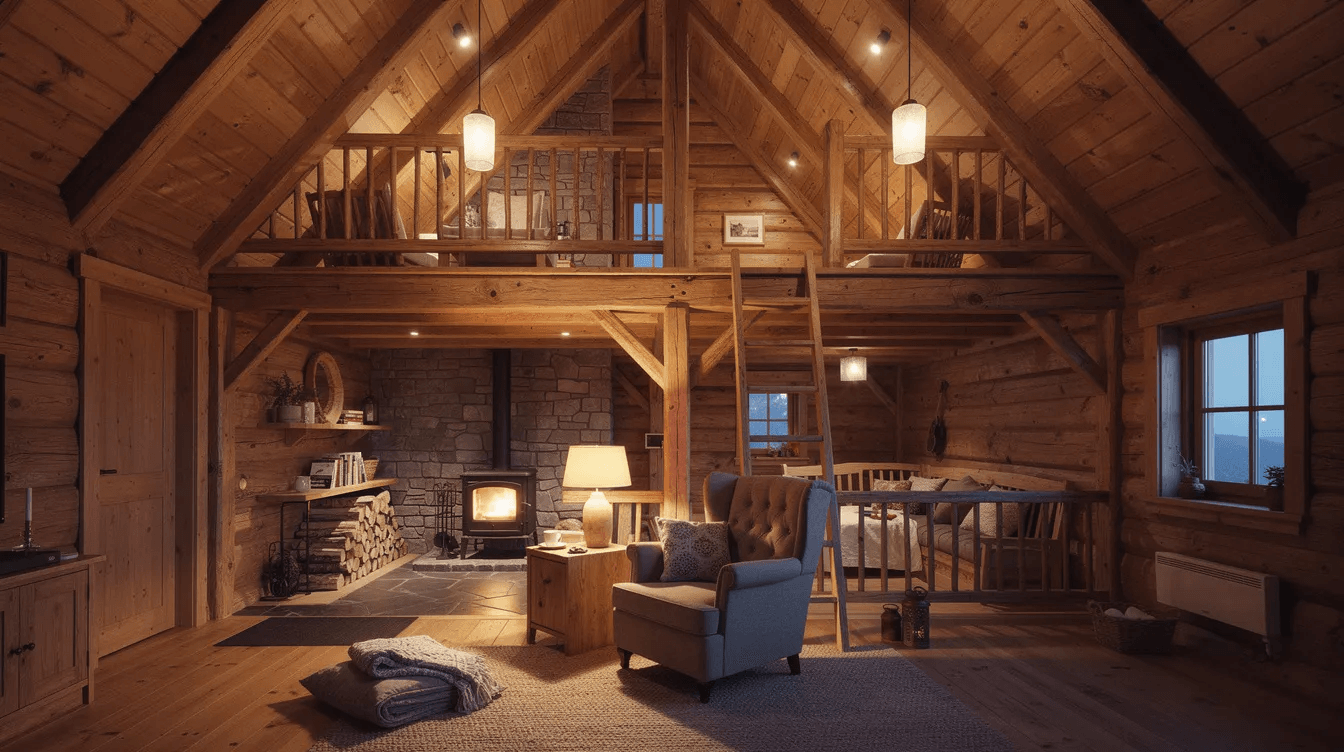
Typical loft cabin layouts feature an open main floor with combined kitchen and living area, a bathroom tucked efficiently under the loft, and a dedicated sleeping space above. The variety of cabin floor plans available lets you customize your dream log home to match your lifestyle.
- Compact studio-style plans: Around 200–300 sq ft on the main level, with a 100–150 sq ft sleeping loft reached by a ladder or space-saving staircase—perfect for solo retreats or couples.
- Family-friendly layouts: A 16’ x 32’ plan with a main-floor bedroom, full bath, and an L-shaped loft that can sleep 2–4 guests comfortably.
- Common features across cabin models: Covered front porch, vaulted living room ceiling, large gable-end windows for loft light, and optional dormers for extra headroom.
- Access options: Traditional straight ladders, tiny house loft ladders, alternating-tread stairs, or compact storage stairs with built-in drawers that maximize every inch.
- Customization possibilities: Choose roof pitch, window size and place, interior partitioning, and level of finish (shell-only vs. complete interior package) to fit your vision.
- Consider your primary use—rental income, personal retreat, or full-time living—when deciding between single-loft, double-loft, or open-ceiling designs.
Construction & Material Quality in Loft Cabin Kits
Material quality matters especially in loft cabins, where structural components like beams and joists double as visible design elements that define your cabin’s character.
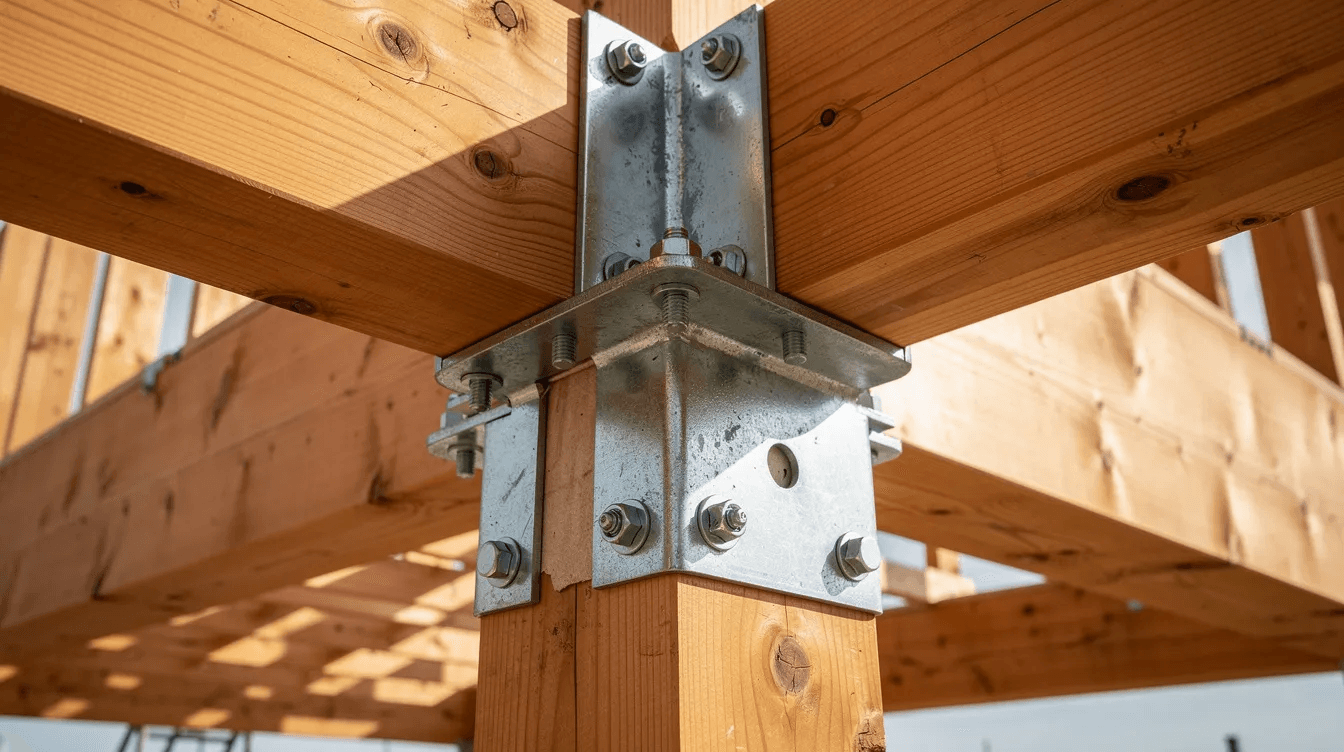
- Structural framing: Kiln-dried dimensional lumber for walls and loft joists reduces warping, with engineered beams (LVL or glulam) where longer spans are required, and properly sized posts at porch and loft supports.
- Roof and loft systems: Heavy-duty joists, tongue-and-groove loft decking, and roof sheathing rated for local snow and wind loads (up to 40–70 psf in snowy mountain regions).
- Exterior materials: Durable siding styles such as log-profile, board-and-batten, or engineered wood, paired with metal or architectural shingle roofing and energy-efficient double-pane windows.
- Interior finishes: Exposed beams, optional tongue-and-groove pine or cedar wall and ceiling finishes, and solid wood railings for loft edges and stair openings bring comfort and warmth, especially when paired with cozy log cabin interior ideas.
- Building technologies: Pre-cut, numbered components, detailed framing diagrams, and pre-engineered truss or rafter systems speed assembly and reduce material waste.
- Higher-quality kits built with proper materials can extend the cabin’s life beyond 40–50 years with regular maintenance, making them suitable for long-term family retreats or income properties.
Permits, Codes & Classification for Loft Cabin Kits
Loft cabin kits can fall under different classifications depending on how they’re built and installed: permanent small homes, accessory dwelling units (ADUs), or in some cases park model RVs if constructed on a chassis.
- Permanently installed loft cabins usually require building permits, inspections, and compliance with local residential or cabin codes—especially regarding loft headroom, egress requirements, and smoke/CO detectors, similar to many tiny house plans that fit your life.
- Some lofted park model cabins on wheels may be exempt from certain permits or property taxes if classified as RVs, but rules vary significantly by state and municipality.
- Key code considerations include minimum loft guardrail heights, emergency egress window size in sleeping lofts, maximum ladder slopes, and required fire separation between loft areas and wood stoves or fireplaces.
- Contact your local planning office early with the intended cabin size (e.g., 14’ x 28’ with loft) and usage (short-term rental, guest house, full-time residence) to confirm what’s allowed on your lot.
- Reputable kit providers can supply structural drawings, load calculations, and material specifications to help streamline the permit process.
- Check zoning setbacks, allowable building coverage, and height limits—loft cabins use vertical space efficiently but may approach maximum height restrictions in some areas.
Planning Your Loft Cabin Kit Project
Thoughtful planning of your site, budget, and layout before placing a loft cabin kit order saves time, money, and headaches down the road.
- Map sun paths and views to decide where to place the gable end, loft windows, and porch for optimal natural light and privacy from neighbors.
- Create a rough budget that includes the kit pricing, foundation, utilities (septic, water, power), permits, tools, and any paid labor—add a 10–15% contingency for unexpected costs.
- Plan interior functions: where the staircase or ladder will go, how tall your guests are (for loft headroom), and where to fit storage for clothes, gear, and kitchen items, taking cues from tiny house floor plans that work.
- Address climate-specific needs: insulation levels in loft floors and roof, vapor barriers, heating options (mini-split, wood stove, or propane heater), and ventilation for summer comfort, while also considering affordable tiny house designs that match your budget.
- Stage the build logically: site preparation and foundation first, then cabin delivery and shell assembly, followed by utilities, insulation, and interior finishes, much like the process for Home Depot tiny house kits.
- Document the process with photos and measurements—this helps with inspections, future upgrades, and potential resale value.
Working With a Loft Cabin Kit Provider
A direct relationship with the kit manufacturer or designer streamlines design decisions, delivery logistics, and ongoing support throughout your project. When you work directly with experts, the entire adventure of building becomes more manageable.
- The typical process includes an initial consultation about your site and goals, review of base floor plans, selection of loft style and options, and a detailed written quote, similar to working with Amish tiny house builders on a customized design.
- Ask for clear material lists, what is and is not included (insulation, fasteners, finish flooring), estimated shipping weights, and required equipment on site for unloading heavy bundles.
- Many providers can adapt plans for specific regions (snow load, wind exposure, seismic zones) and offer stamped drawings where local authorities require them.
- Confirm lead times—often 8–16 weeks during peak building seasons—and schedule foundations and tradespeople accordingly to avoid costly delays.
- Take advantage of ongoing support: phone or email help during assembly, supplemental diagrams for loft framing, and advice on finish materials compatible with your kit.
Is a Loft Cabin Kit Right for You?
A loft cabin kit offers the perfect balance of rustic charm and modern efficiency for anyone ready to bring their dream cabin to life on a reasonable budget and footprint.
- Ideal scenarios: Weekend mountain cabins, lakeside rentals, backyard guest suites, hunting and fishing retreats, or starter homes on rural property, just like many tiny house cabin retreats for cozy getaways.
- Key decision points: Your comfort level with DIY or managing a small build, local permitting climate, budget for foundation and utilities, and desire for vertical living space—similar considerations apply when comparing yurt prefab options for outdoor adventures.
- Next step: Sketch your perfect loft layout, list must-have features (porch, full kitchen, office nook), and compare those needs with available kit plans to find your fit.
- Getting started: Contact a loft cabin kit specialist with your site information and budget range, request sample cabin floor plans, and map out a realistic timeline from foundation to move-in.
Whether you’re seeking inspiration for a cozy retreat or ready to shop for your first kit, the right loft cabin can deliver years of comfort, value, and enjoyment. The experience of creating something designed around your needs—a place built to match your vision—is an adventure worth taking. Take that first step, check out the options available, and find the cabin that fits your life.