If you’re ready to explore tiny home living in the Midwest, this guide cuts through the noise and gives you the practical information you need. Whether you’re looking at builders in Wisconsin, Missouri, Kansas, Illinois, Iowa, Minnesota, Michigan, Indiana, or Ohio, you’ll find both factory-built and custom tiny homes across the region—plus clear guidance on what separates a reputable tiny home builder from the rest.
Many Midwest builders now offer five- to ten-year structural warranties, RVIA certification on tiny houses on wheels, and climate-ready construction designed to handle everything from sub-zero winters to humid summers. This article is written for homeowners and buyers who are ready to start talking to builders in 2024–2025, not just browsing for inspiration.
What this guide covers:
- Why tiny homes are gaining traction across the Midwest
- Key qualities to look for in a regional builder
- Construction features that matter for Midwest weather
- Financing options, rent-to-own programs, and budget planning
- Real-world use cases from full-time residences to Airbnb rentals
- A state-by-state overview of the builder landscape
- A practical timeline and next steps to move your project forward
- Why Tiny Homes Are Booming in the Midwest
- What Makes a Great Tiny Home Builder in the Midwest?
- Key Features of Quality Midwest Tiny Homes
- Financing, Rent-to-Own, and Budget Planning
- Top Ways Midwesterners Use Their Tiny Homes
- How to Choose the Right Midwest Tiny Home Builder for You
- Midwest Tiny Home Builders by State (High-Level Overview)
- Planning Your Tiny Home Project: Timeline and Next Steps
Why Tiny Homes Are Booming in the Midwest
Since 2020, median home prices in major Midwest cities have surged dramatically. Kansas City jumped 45% to over $300,000, Milwaukee climbed 38% to around $280,000, Minneapolis rose 42% to $350,000, Columbus increased 35% to $290,000, and Indianapolis went up 40% to $270,000. These numbers have pushed many residents toward affordable alternatives—and tiny living has emerged as a practical solution.
This isn’t just a trend driven by cost, though. The lifestyle choice to downsize reflects deeper shifts in how people want to live. Remote work flexibility means fewer people need to live near urban centers. Retirees are looking to simplify. And families across the region are interested in lakeside cabins, hunting retreats, or backyard guest houses that don’t require a traditional mortgage.
Key regional use cases driving demand:
- Weekend cabins on lakes in northern Wisconsin, Minnesota’s North Shore, and Michigan’s Upper Peninsula
- Hunting and fishing cabins on rural acreage in Missouri and Iowa
- Backyard ADUs in suburbs of Chicago, St. Louis, Milwaukee, and Kansas City for in-laws or adult children
- Short-term rentals near college towns like Madison, Ann Arbor, and Bloomington
It’s worth noting that many Midwestern counties have gradually updated zoning rules between 2018–2024 to allow accessory dwelling units, park-model homes, and tiny houses in RV parks and tiny home communities. The legal landscape is evolving, which makes 2024–2025 a practical time to move forward.
What Makes a Great Tiny Home Builder in the Midwest?
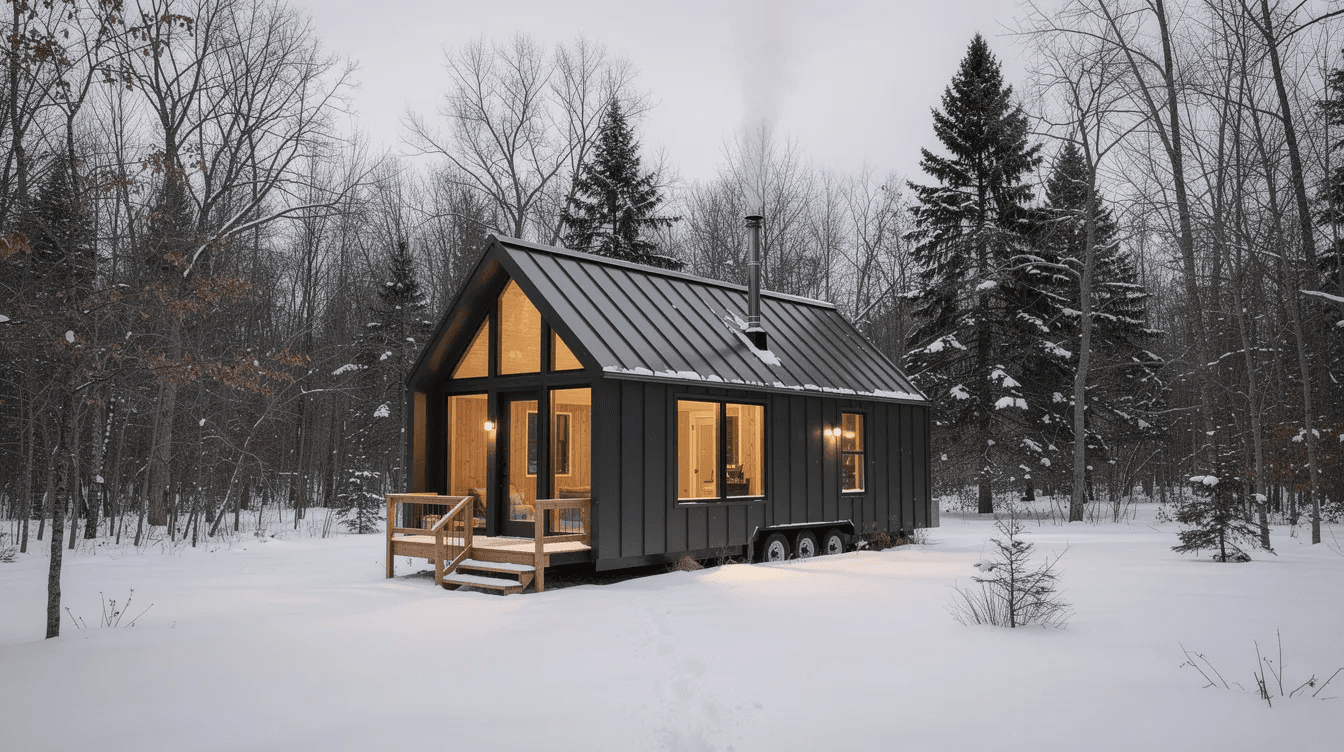
Picking the right tiny home builder matters more than picking a floor plan—especially when you’re building for Midwest conditions. Variable climates, regional codes, and construction quality all vary significantly across the region. Here’s what to look for when you’re ready to vet builders:
- Proven experience with small footprints and multi-functional furniture layouts. Builders who specialize in small homes under 400 square feet understand how to maximize every inch, from built-in storage to convertible sleeping areas.
- Familiarity with regional codes. Snow-load requirements in northern Wisconsin and Minnesota (often exceeding 50 psf) differ significantly from wind and hail resistance standards in Kansas and Missouri (wind speeds up to 115 mph in tornado zones).
- Transparent pricing and written contracts. Reputable builders provide detailed quotes that spell out change-order policies, so you’re not surprised by cost overruns mid-build.
- Strong customer reviews from 2022–2024 projects. Recent reviews give you a clearer picture of current build quality, communication, and delivery timelines than testimonials from years ago.
- A portfolio of completed Midwest projects. Ask to see finished builds in the region, not just renderings or out-of-state work. This reveals how well a builder handles local materials and conditions and exposes you to great tiny homes that redefine small-space living.
- Clear communication practices. Top builders offer weekly updates, a single point of contact, and realistic timeline estimates—typically 6–12 weeks for shells and 10–20 weeks for turnkey units.
Use this list as a baseline when you start researching builders in your area. The right fit depends on your specific needs, but these qualities separate professionals from hobbyists.
Key Features of Quality Midwest Tiny Homes
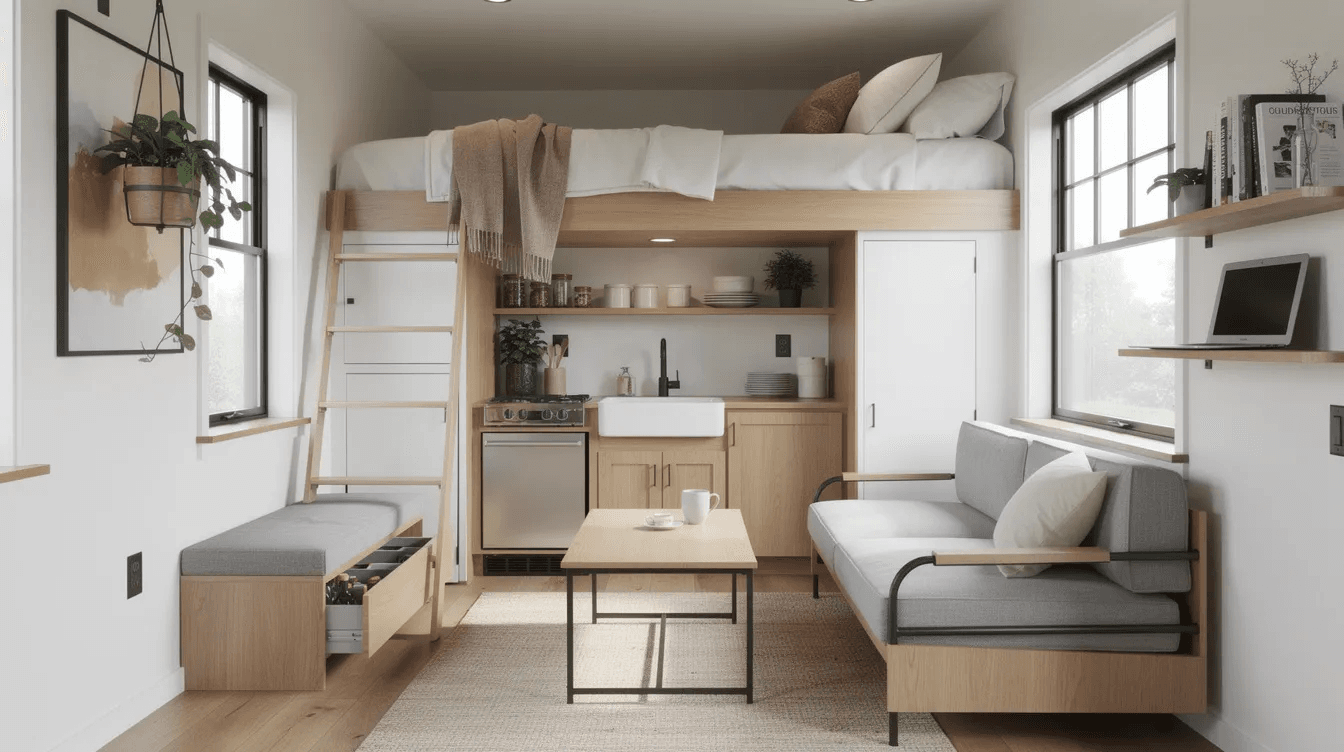
Midwest conditions—humidity, freeze-thaw cycles, and temperature swings from -30°F to 95°F—demand specific construction details. A tiny home built for Arizona won’t perform the same way in Minnesota. When evaluating builders, pay attention to these features, especially if you’re inspired by tiny house interiors that maximize every square foot:
Structural and weather-resistant elements:
- 2×6 framing with closed-cell spray foam insulation achieving R-24 walls or higher
- Insulated, low-E windows with a U-factor below 0.30, especially critical in Wisconsin, Minnesota, and Michigan
- Metal roofing with 30–40 year warranties and proper underlayment to prevent ice dams
- Foundation or trailer systems designed to handle freeze-thaw cycles without heaving
Space-saving design elements:
- Loft sleeping areas with code-compliant egress windows for safety
- Built-in storage under stairs, seating, and flooring
- Multi functional furniture that serves dining, work, and sleeping needs without sacrificing comfort—one of the hallmarks of top custom tiny homes for small-space living
Energy efficiency and eco-friendly options:
- High-efficiency mini-split HVAC systems (SEER 20+ ratings) sized for small living spaces
- On-demand tankless water heaters that save both energy and space
- Use of reclaimed wood or upcycled materials from deconstructed Midwest barns and factories—builders in Eau Claire, Wisconsin, for example, source materials from architectural salvage to reduce landfill waste, a common approach among top micro house builders focused on modern sustainable living
These features aren’t just nice-to-haves. They directly impact your utility bills, comfort, and the longevity of your home. Ask any builder you’re considering how they address these specifics.
Financing, Rent-to-Own, and Budget Planning
Paying cash isn’t realistic for most buyers, and fortunately, flexible financing options now exist across the Midwest. Understanding your options before you talk to builders will help you set a realistic budget and avoid surprises.
Common financing options: Many buyers start by using a tiny home cost calculator to understand how these choices affect their overall budget.
- RV or park-model loans through regional credit unions in Ohio, Indiana, and Missouri, typically at 5–8% interest over 10–15 year terms
- Construction-to-permanent loans for on-foundation builds where local zoning allows it
- Rent-to-own programs offered by shed and cabin companies in Missouri and Kansas, often with 36–60 month terms and flexible entry points
Budget planning checklist:
- Ask builders for itemized quotes that include delivery, site prep, and utility hookups—these costs often aren’t included in base “shell” prices and can add $5,000–$10,000
- Set a realistic 2024–2025 budget range: most finished tiny homes in the Midwest run $45,000–$80,000 depending on size, mobility, and finishes, though there are also tiny homes under $20K for sale if you’re focused on ultra-low upfront costs
- Prioritize must-have features (like high quality materials and proper insulation) before optional upgrades like custom cabinetry
- Ask about bundle discounts if you’re ordering multiple structures—some builders offer savings when customers add a storage shed, detached creative studio, or second unit
- Get quotes from at least 2–3 builders before making a decision, and compare what’s included versus excluded in each
Being clear about your budget upfront will help builders give you accurate timelines and prevent scope creep during construction.
Top Ways Midwesterners Use Their Tiny Homes
Tiny homes aren’t one-size-fits-all, and across the Midwest, residents are finding creative ways to make small spaces work for their lifestyle goals. Here are the most common use cases you’ll see throughout the region today:
Primary use cases:
- Full time residence on rural acreage in Missouri, Iowa, and southern Illinois—ideal for those embracing downsizing and mortgage-free living, especially if you’re willing to build a tiny house yourself to control costs and design
- Weekend cabin retreats near lakes in northern Wisconsin, Minnesota’s North Shore, and Michigan’s Upper Peninsula
- Backyard ADUs in suburbs around Milwaukee, Madison, Columbus, and Kansas City, used for aging-in-place family members or adult children
Income-producing uses:
- Short-term rentals on platforms like Airbnb near tourist destinations—Wisconsin Dells averages $150/night with 70% occupancy, and similar demand exists at Lake of the Ozarks, Hocking Hills (OH), and the Indiana Dunes
- Long-term rental units in college towns and medical-center cities where housing is tight
Creative and professional uses:
- Home offices replacing $1,000/month commercial leases
- Art studios, music rooms, and writing retreats tucked into backyards
- Therapy spaces or quiet work environments separate from the main house
When planning your dream tiny home, consider future flexibility and start with tiny house plans that truly fit your life. A design that can shift from personal use to rental later—without major renovations—gives you options as your life changes.
How to Choose the Right Midwest Tiny Home Builder for You
The “best” builder depends entirely on whether you want a tiny house on wheels, a park-model cabin with rustic charm, or a permanent-foundation small home. Your state’s zoning laws, your aesthetic preferences, and your intended use all shape the decision.
Step-by-step decision framework:
- Decide on mobility vs. permanent foundation. Zoning is stricter in some Illinois suburbs than in rural Missouri or Wisconsin counties. Check local regulations before committing to a build type.
- List your top 5 priorities. Common priorities include price, timeline, eco-friendly materials, luxury finishes, off-grid capability, and customizable layouts.
- Shortlist 3–5 builders who have completed projects in your state since at least 2020. Look for builders who specialize in the type of home you want.
Questions to ask each builder:
- “What warranties do you provide on structure, roofing, and systems?”
- “Are your tiny homes RVIA-certified, park-model certified, or built to local residential code?”
- “What is your current build time as of late 2024 or early 2025?”
- “Can you provide references from customers in my state?”
Before signing a contract:
- Visit at least one model unit or in-progress build to assess craftsmanship in person—especially if you’re within driving distance of a builder’s shop
- Compare written proposals side-by-side, paying close attention to what’s excluded: site prep, utility trenching, permits, and delivery beyond a base radius (often 50–100 miles)
- Verify that the builder has a clear communication process and realistic timeline estimates
This approach will help you find the perfect solution for your situation rather than settling for the first option you find.
Midwest Tiny Home Builders by State (High-Level Overview)
The Midwest has a mix of specialty tiny home shops and general cabin or shed builders who have added tiny homes to their offerings since around 2015. Use this overview as a starting point, then search for builders near your metro area and vet them using the criteria above.
Wisconsin & Minnesota: Strong presence of eco-friendly builders using reclaimed and upcycled materials. Many focus on road-ready, insulated homes built for northern climates. No Boundaries Tiny Homes in Eau Claire, WI, for example, sources materials from architectural salvage. Minnesota builders like Dynamic Homes (a family owned business since 1970) and Ideal Homes offer full customization with post-purchase support.
Missouri & Kansas: Numerous cabin and mini-barn companies offer tiny cabins, shells, and rent-to-own programs. Free delivery within set mile radiuses (often 50–100 miles) is common. These builders often cater to buyers interested in hunting cabins, weekend retreats, and budget-friendly options.
Michigan & Ohio: Mix of RVIA-certified tiny-home-on-wheels specialists and park-model builders who ship across the region. Many emphasize custom designs, modern finishes, and flexibility for buyers who want to create something unique.
Indiana, Illinois & Iowa: Growing number of builders who straddle the line between traditional modular homes and small park-model units. Timeless Tiny Homes in Indiana delivers turnkey custom tiny homes and ADUs from 220 to 1,200 square feet. Tiny Homes of Iowa in Des Moines streamlines the process with pre-approved plans and in-house design teams.
Search for builders in your nearest metro area—Kansas City, Milwaukee, Des Moines, Cleveland, Indianapolis—and then apply the vetting criteria from earlier sections; if you’re open to working with out-of-state companies, you might also look at specialists like Garland Tiny Homes for quality small-space living.
Planning Your Tiny Home Project: Timeline and Next Steps
Building a tiny home—from initial planning to move-in—often takes 4–12 months depending on permits, financing, and builder backlog. Understanding the process helps you avoid delays and frustration.
Approximate project stages:
Phase | Timeline | Activities |
|---|---|---|
Research & budgeting | 1–2 months | Explore financing options, talk to lenders, identify potential builders |
Design & contracts | 1–3 months | Finalize floor plans, sign contracts, handle permitting where required |
Construction | 2–5 months | Build and inspections; longer timelines during peak seasons (spring/summer) |
Practical next steps: |
- Gather inspiration before your first serious builder call—floor plans, photos, and a list of must-haves will make conversations more productive
- Create a simple project folder (digital or physical) with quotes, specs, and a comparison sheet for your 2–3 final builder candidates
- Set a target decision date to keep your project from stalling—for example, “choose my builder by June 2025”
- Start designing your vision by identifying which use case fits your life: full-time residence, weekend cabin, rental property, or backyard ADU
The first step is always the hardest, but tiny home living in the Midwest is more accessible today than at any point in the past decade. With rising housing costs, evolving zoning laws, and a growing market of experienced builders, now is a practical time to turn your dream into reality.
Whether you’re interested in a new tiny home on wheels with access to nature, a custom built ADU for family, or an affordable cabin on rural land, the right place to start is research. Reach out to builders, ask the hard questions, and move from browsing to action.