
The housing landscape is shifting. Rising property prices, changing family dynamics, and a growing desire for flexible living arrangements have pushed many homeowners and first-time buyers to explore alternatives beyond traditional brick-and-mortar construction. Enter the self contained living pod—a compact, fully functional dwelling that delivers everything you need within a thoughtfully designed footprint. From backyard guest suites to primary residences, these factory-built structures are reshaping how we think about space, sustainability, and the possibilities of modern life.
- What Is a Self Contained Living Pod?
- Why Choose a Self Contained Living Pod?
- Types of Self Contained Living Pods
- Design & Customisation Options
- Key Specifications & Building Performance
- Planning, Regulations & Site Preparation
- Costs, Financing & Long-Term Value
- Popular Uses for Self Contained Living Pods
- How to Choose the Right Self Contained Pod for You
- Installation, Delivery & Aftercare
- Future of Self Contained Living Pods
What Is a Self Contained Living Pod?
A self contained living pod is a compact micro-home engineered to function independently, complete with its own bathroom, kitchenette, sleeping area, and integrated utilities. Unlike a simple garden room or shed conversion, these units are purpose-built for year round habitation, featuring proper insulation, ventilation, and connections to water, power, and waste systems.
Pods typically range from 120 to 450 square feet (roughly 11 to 42 square metres), making them suitable for singles, couples, or small families depending on the configuration. Modern pods are predominantly factory-built—often achieving over 90% prefabrication before delivery—which dramatically reduces on-site construction time, pollution, and labour costs while sharing many features with self contained tiny homes for modern off-grid living. Once delivered to your site, installation can take as little as a few days.
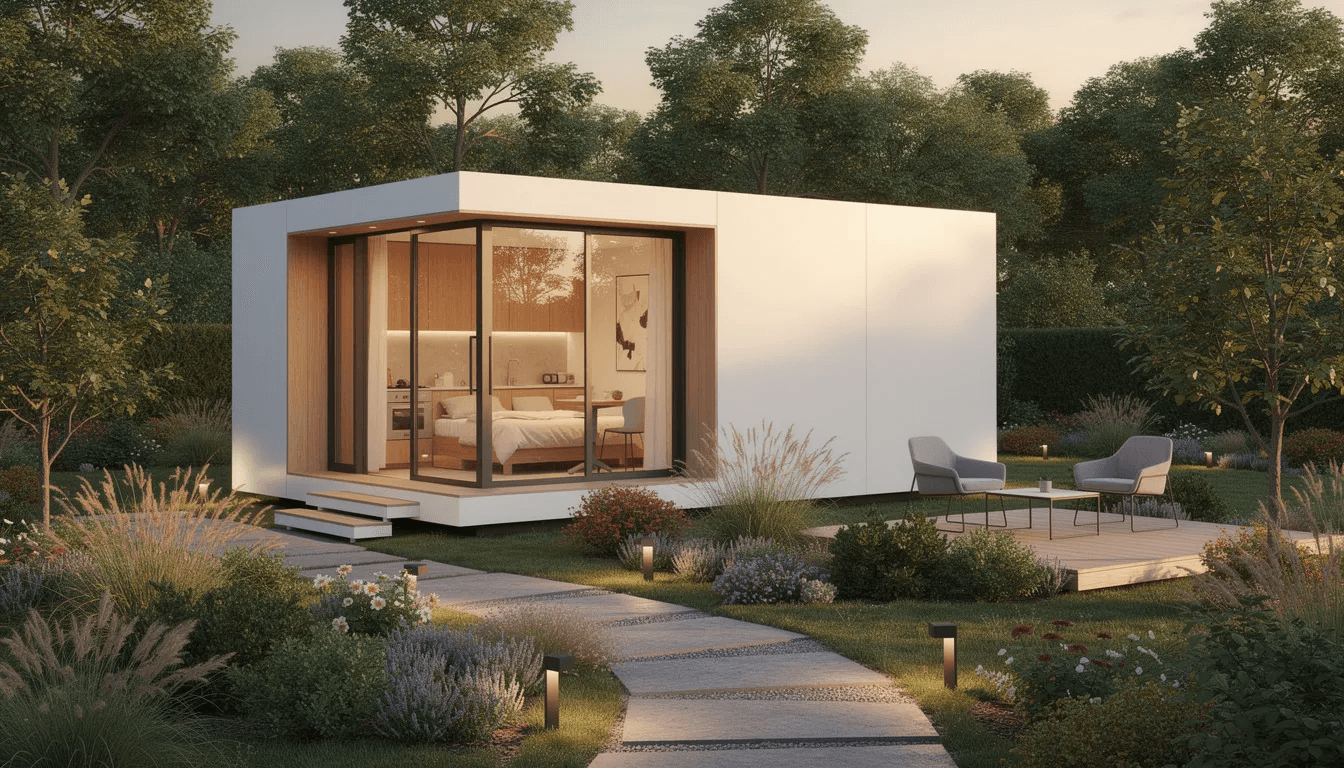
Key characteristics of self contained living pods:
- Fully equipped with bathroom, shower, kitchenette, and bed or sleeping area
- Designed for permanent or semi-permanent residential use, not just seasonal occupation
- Factory-built and delivered largely complete, ready for rapid installation
- Typically connected to existing services (water, electricity, sewer) on the property
- Off-grid models available with solar panels, battery storage, rainwater harvesting, and composting toilets
- Compact footprint enables placement on small or unconventional land parcels
- Built using durable, high quality materials including steel frames, cross-laminated timber, and composite insulation
Why Choose a Self Contained Living Pod?
Choosing a self contained living pod over traditional construction methods comes down to lifestyle, budget, and timeline. These structures offer a unique combination of independence, affordability, and speed that conventional building simply cannot match, much like many tiny houses for sale aimed at minimalist living.
Lifestyle benefits:
- Privacy and independence—a dedicated living space separate from the main house
- Quiet retreat for work, rest, or creative pursuits
- Enables multi-generational living without sacrificing personal boundaries
- Creates extra living space without the disruption of a full home extension
Financial advantages:
Using tools like a tiny home cost calculator to plan your budget can help you understand how these financial benefits stack up over time.
- Lower upfront cost compared to traditional construction or buying additional property
- Predictable pricing with fixed factory quotes, reducing risk of budget overruns
- Reduced ongoing energy bills thanks to efficient insulation and optional solar power
- Potential rental income through platforms like Airbnb or long-term letting
- Affordable entry point to property ownership or investment
Speed and flexibility:
- Standardised models can be delivered and installed within 8–12 weeks from order
- Pods can serve multiple purposes over time: guest suite today, rental unit tomorrow, home office next year
- Relocatable designs allow you to move your investment if you decide to change properties
- Expandable systems accommodate growing family needs without starting from scratch
How pods compare to alternatives:
Option | Typical Cost | Timeline | Flexibility |
|---|---|---|---|
Self contained pod | £30,000–£100,000+ | 8–12 weeks | High—relocatable, expandable |
Traditional extension | £50,000–£150,000+ | 4–8 months | Low—permanent structure |
Renting an apartment | £800–£2,000/month | Immediate | None—ongoing expense |
Conventional tiny house | £20,000–£80,000 | Varies | Medium—often mobile but smaller |
Types of Self Contained Living Pods
The market offers a range of pod configurations to suit different needs, from compact studio units to multi-module family homes. Understanding the options helps you select the right layout for your lifestyle.
Single-module studio pods (18–22 m²):
- Combined living and sleeping area with sofa bed or Murphy bed
- Compact bathroom with shower, toilet, and basin
- Kitchenette with essential appliances (hob, fridge, microwave)
- Ideal for guest accommodation, rental units, or downsizing singles
1-bedroom pods (26–35 m²):
- Separate bedroom providing genuine privacy
- Open-plan living area with small lounge and dining space
- Full kitchenette with additional counter space
- Bathroom with shower and optional storage
- Suitable for couples, long-term guests, or rental investment
Modular and expandable systems:
For some buyers, a modular pod serves as an alternative to building a tiny house from the ground up, offering factory precision with similar space efficiency.
- Multiple units linked in tandem or offset configurations
- Create 2-bedroom layouts or larger family accommodation
- Connect units via covered walkways or shared entrances
- Scale your living space as your family or needs grow
Specialised formats:
For those who prefer a more hands-on approach, DIY or retail-supplied shells such as Home Depot tiny house kits for small living spaces can provide a comparable footprint with greater construction involvement.
- Rooftop pods designed for urban buildings with limited ground space
- Garden annexes positioned discreetly in residential backyards
- Accessible pods featuring wider doors, grab rails, and level thresholds for elderly relatives or assisted living
- Outdoor living extensions that blur the line between interior and exterior
- Rooftop pods designed for urban buildings with limited ground space
- Garden annexes positioned discreetly in residential backyards
- Accessible pods featuring wider doors, grab rails, and level thresholds for elderly relatives or assisted living
- Outdoor living extensions that blur the line between interior and exterior
Design & Customisation Options
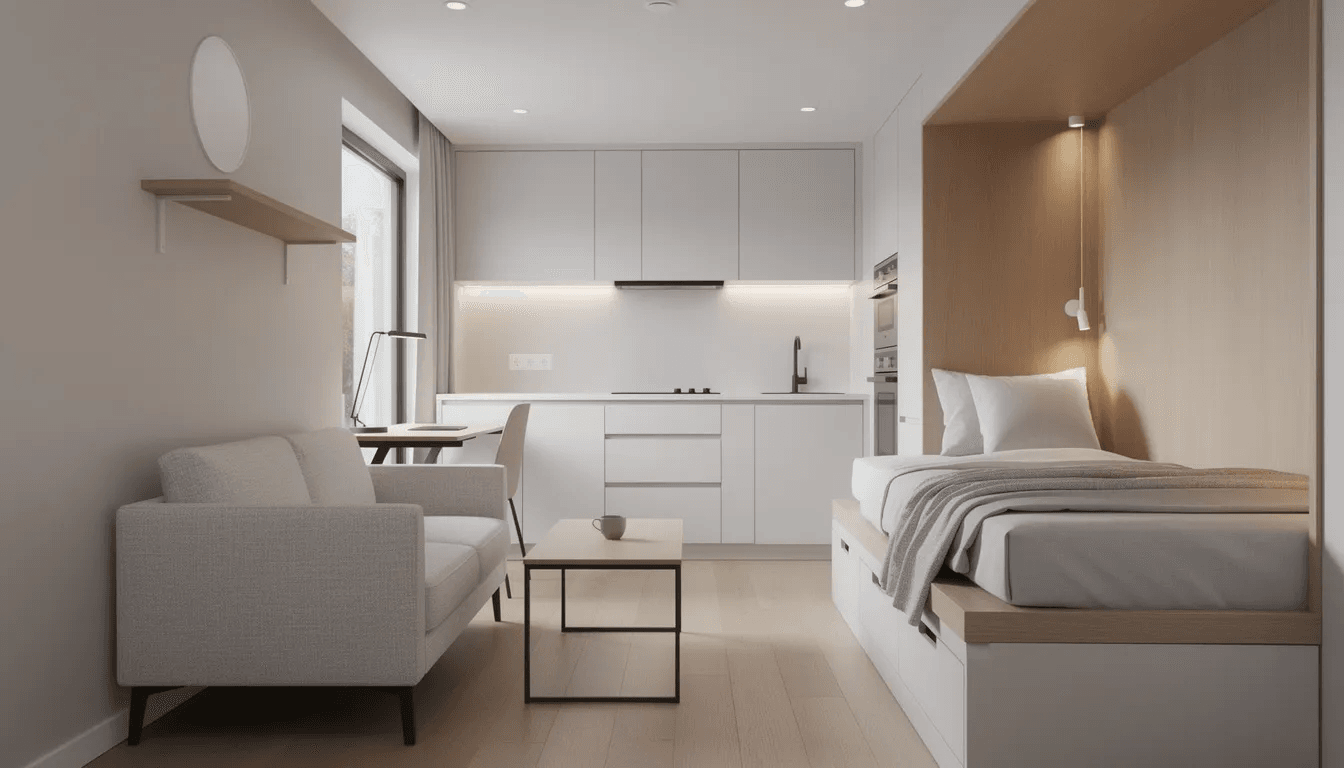
One of the greatest advantages of a self contained living pod is the ability to tailor the design to your exact preferences. From exterior finishes to interior layouts, manufacturers offer extensive customisation within the factory-built framework.
Exterior choices:
- Cladding options including thermally treated timber, fibre-cement panels, and powder-coated steel
- Roof styles such as mono-pitch, flat, or green roofs with planted vegetation
- Colour schemes ranging from natural wood tones to bold contemporary palettes
- Durable finishes designed to protect against weather and UV exposure
Interior fit-out:
Thoughtful layouts that borrow ideas from inspiring tiny house interiors that maximise space can make even the smallest pods feel surprisingly generous.
- Insulation levels meeting or exceeding building regulations for residential use
- Wall finishes in carefully selected materials like bamboo fiberboard or low-formaldehyde paints
- Integrated storage solutions including built-in wardrobes, under-bed drawers, and hidden compartments
- Flooring options such as engineered oak, luxury vinyl, or sustainable cork
Windows and doors:
Design cues from elegant tiny homes that redefine modern living often appear here, with carefully positioned openings to enhance views and natural light.
- Full-height glazing to maximise natural light and create a sense of spaciousness
- Sliding or French doors opening onto decks or gardens
- Tinted or low-E glass for improved energy efficiency
- Double or triple glazing as standard in most quality pods
- Full-height glazing to maximise natural light and create a sense of spaciousness
- Sliding or French doors opening onto decks or gardens
- Tinted or low-E glass for improved energy efficiency
- Double or triple glazing as standard in most quality pods
Optional upgrades:
- Skylights to flood interior spaces with daylight
- Integrated solar panels and battery storage for off-grid capability
- Smart heating controls and underfloor heating systems
- Motorised blinds integrated within window units
- Multifunctional furniture like foldable tables and storage-integrated seating
Key Specifications & Building Performance
When comparing pods, focus on measurable performance attributes rather than marketing claims. The following specifications indicate build quality and suitability for year round living.
Structural systems:
- Steel frame construction (commonly Q235 steel) for durability, strength, and recyclability
- Structural Insulated Panels (SIPs) offering excellent thermal performance and rapid assembly
- Cross-laminated timber (CLT) frames for low-carbon environmental benefits
- Engineered to withstand local wind loads, seismic requirements, and snow accumulation
Thermal performance:
- Wall U-values typically 0.15–0.20 W/m²K (meeting or exceeding residential building regulations)
- Roof and floor insulation to similar or better standards
- Airtightness testing to minimise heat loss and drafts
- Thermal bridging reduced through continuous insulation details
Integrated services:
- Complete electrical wiring with consumer unit and safety certifications
- LED lighting throughout with dimmer controls and task lighting options
- Plumbing for kitchen and bathroom with hot water via electric boiler, heat pump, or combi unit
- Mechanical ventilation with heat recovery (MVHR) to maintain air quality in airtight structures
Durability and weather resistance:
- Corrosion-resistant exterior panels and fixings
- Waterproof membranes and sealed joints
- Design life of 50+ years with appropriate maintenance
- Factory-controlled quality ensuring consistent build standards
Planning, Regulations & Site Preparation
Before ordering your pod, you must understand the regulatory landscape. Planning rules vary significantly by country, region, and even local council area, so thorough research is essential.
Regulatory considerations:
- Pods intended for full-time living typically require planning permission or building permits
- Some jurisdictions allow “permitted development” for garden buildings under certain size thresholds, but habitation rules may still apply
- Check zoning regulations to confirm residential use is allowed on your land
- Homeowner association or strata rules may impose additional restrictions
- Building regulations approval is usually required for structures with sleeping accommodation, plumbing, and electricity
Site preparation checklist:
- Groundworks to create a level base, potentially including excavation and drainage
- Foundation options: concrete pads, screw piles, or steel bearers depending on ground conditions
- Service connections for water supply, wastewater drainage, and electricity
- Gas connection if required (though many pods run entirely on electricity)
- Minimum access width for delivery vehicles—typically 3+ metres with adequate overhead clearance
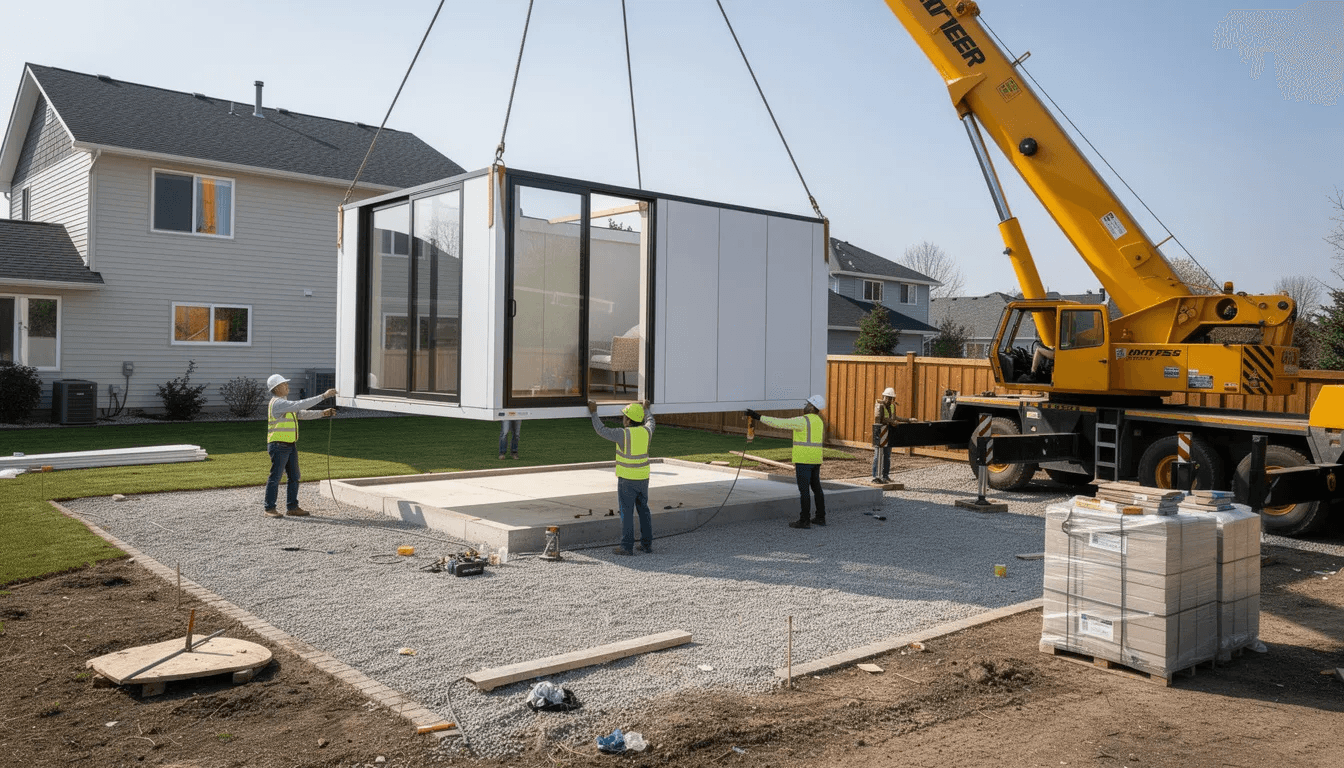
- Crane access if the pod is delivered as a complete unit rather than flat-pack
Practical steps before ordering:
- Contact your local planning authority for pre-application advice
- Commission a site survey to assess ground conditions and service locations
- Obtain quotes for groundworks and utility connections
- Schedule delivery timing to align with foundation completion
- Confirm any permits are in place before the installation date
Costs, Financing & Long-Term Value
Understanding the full cost picture helps you make an informed decision. Pod pricing varies based on size, specification, and customisation level, similar to many affordable tiny house designs and building options.
Realistic price ranges (2024 estimates):
Pod Type | Approximate Price Range |
|---|---|
Basic studio (15–20 m²) | £30,000–£50,000 |
Standard 1-bedroom (25–35 m²) | £50,000–£80,000 |
Premium 1-bedroom with upgrades | £80,000–£120,000 |
Multi-module 2-bedroom configuration | £100,000–£180,000+ |
Note: Prices exclude site preparation, foundations, and utility connections, which may add £5,000–£20,000 depending on complexity. |
Compared to renting a city apartment at £1,200/month, a £60,000 pod pays for itself in about four years of avoided rent—while building equity and creating value on your land. For some buyers, especially those exploring tiny homes under £20,000 as ultra-budget options, pods sit at the higher end of the small-living price spectrum but offer superior comfort and longevity. Traditional brick-and-mortar extensions of similar size often cost £80,000–£150,000 and take six months or longer to complete.
Ongoing costs to budget for:
- Utility bills (reduced through efficient insulation and optional solar)
- Buildings and contents insurance
- Annual maintenance (cleaning gutters, checking seals, servicing appliances)
- Council tax or rates if classified as a separate dwelling
- Service charges if located in managed developments
Financing options:
- Personal loans or home improvement loans for smaller purchases
- Green finance products offering preferential rates for sustainable buildings
- Remortgaging to release equity from your main property
- Some pod manufacturers offer payment plans or partnerships with lenders
- Specialist modular home mortgages for larger, permanent structures
The long-term value of a quality pod extends beyond shelter. It can generate rental income, accommodate aging relatives (reducing care home costs), or simply add market value to your property when it comes time for sale.
Popular Uses for Self Contained Living Pods
The versatility of self contained living pods means they serve an endless range of purposes. Here’s how homeowners and businesses are putting them to work.
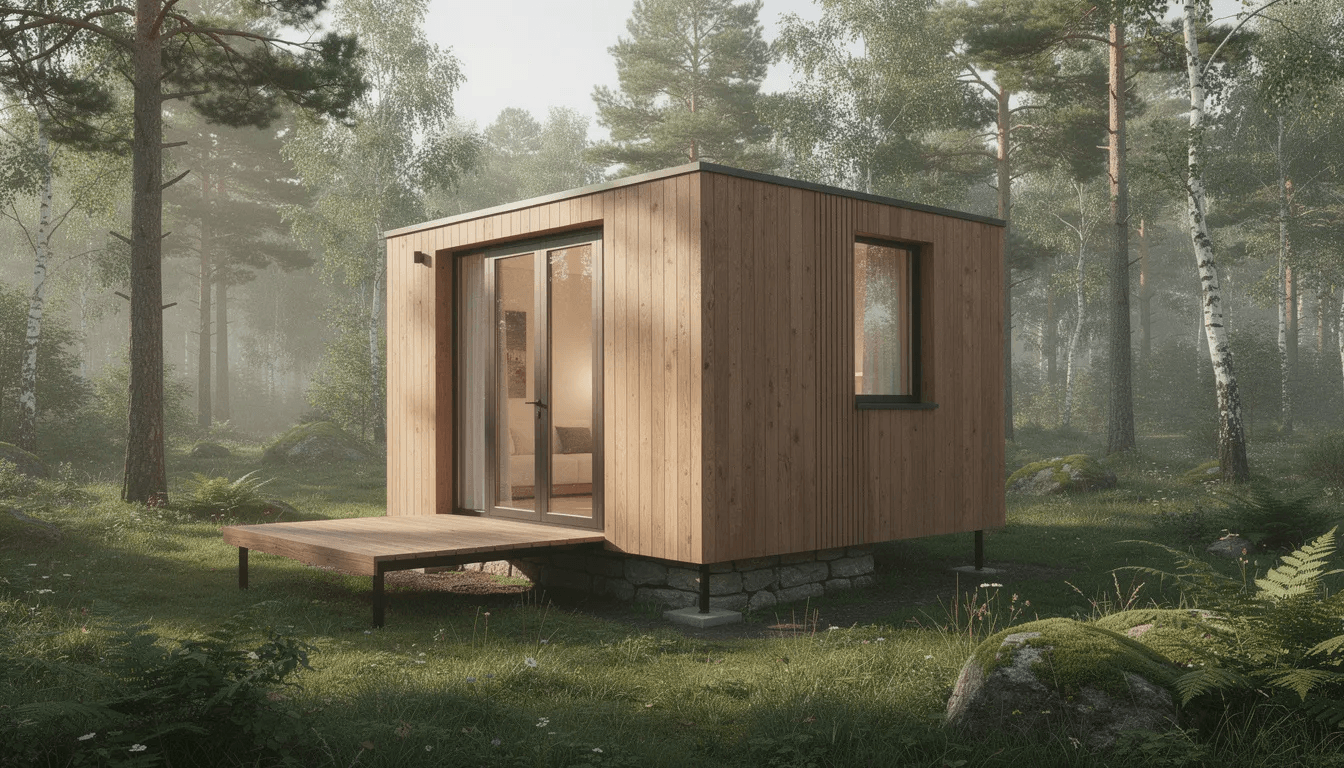
Residential uses:
Exploring different tiny house designs for modern living can help clarify which pod layout will best match your intended residential use.
- Backyard granny flats for aging parents who want independence with family nearby
- Student studios close to campuses, avoiding expensive rent and shared accommodation
- Downsizing homes for singles or couples ready to simplify their lifestyle
- Guest suites offering visitors a complete private space
- Teenager retreats providing growing children their own domain
- Backyard granny flats for aging parents who want independence with family nearby
- Student studios close to campuses, avoiding expensive rent and shared accommodation
- Downsizing homes for singles or couples ready to simplify their lifestyle
- Guest suites offering visitors a complete private space
- Teenager retreats providing growing children their own domain
Commercial applications:
- Holiday rentals and glamping cabin accommodation in scenic locations
- Home-based treatment rooms for therapists, beauticians, or consultants
- Remote worker accommodation for businesses with distributed teams
- Artist studios and creative workshops separate from domestic distractions
- Farm stays and agritourism accommodation
Community and social uses:
- Temporary housing for key workers in remote or high-cost areas
- Supported living units for individuals transitioning from homelessness
- Emergency accommodation following natural disasters
- Small artist or maker studios within community arts projects
Mini case studies:
A family in Austin, Texas, installed a Spec Novac pod in their backyard as a rental unit, generating $1,500/month while providing a complete, self-contained cottage for guests. In Hong Kong, architect James Law’s OPod Tube House demonstrated how repurposed 100-square-foot concrete pipes could create viable dwellings amid extreme urban density. Closer to home, UK councils have deployed solar-powered homeless pods using natural timber interiors to provide dignity, stress reduction, and superior air quality for vulnerable residents.
How to Choose the Right Self Contained Pod for You
With numerous manufacturers and configurations on the market, narrowing down your options requires a structured approach. Follow this buyer’s checklist to find your ideal unit.
Step 1: Define your primary purpose
- Full-time living (primary residence)
- Guest accommodation (occasional use)
- Rental income (Airbnb, long-term tenant)
- Home office or studio workspace
- Multi-generational family living
Step 2: Assess your site constraints
- Measure available footprint and setback requirements
- Check access routes for delivery vehicles and cranes
- Consider orientation for natural light and views
- Evaluate privacy from neighbours and main dwelling
Step 3: Prioritise key decision factors
- Size and layout matching your household or use case
- Energy performance and running costs
- Budget including purchase, delivery, installation, and site works
- Required timeline from order to move-in
Step 4: Compare options thoroughly
- Request detailed specifications from at least three manufacturers
- Review build quality through factory visits or video tours if possible
- Check warranties on structure, windows, roof, and appliances
- Evaluate after-sales support and maintenance services
- Speak with previous customers if references are available
Step 5: Plan for the future
- Consider whether the pod can be expanded with additional modules
- Ensure the design allows for upgrades like solar or smart controls
- Think about resale value and relocatability if circumstances change
Installation, Delivery & Aftercare
Understanding the process from order to handover helps you prepare your site and schedule effectively.
Delivery methods:
- Fully built units transported by truck and craned into position in a single day
- Flat-pack or panelised systems delivered in sections and assembled on site over several days
- Hybrid approaches where major components arrive complete but finishing happens on site
Installation timeline (typical process):
- Foundation completion and final site inspection (1–3 days before delivery)
- Pod delivery and positioning by crane or forklift (1 day)
- Connection to utilities: water, waste, and electricity (1–2 days)
- Final commissioning, testing, and snagging inspection (1 day)
- Handover with documentation, manuals, and warranty information
Aftercare and maintenance:
- Snagging period (typically 30–90 days) to identify and resolve any defects
- Structural warranty often 10–25 years depending on manufacturer
- Window and roof membrane warranties typically 10–15 years
- Appliance warranties as per individual manufacturer terms
- Recommended annual maintenance: clean gutters, check seals, service heating/ventilation, inspect exterior for damage
Future of Self Contained Living Pods
The self contained living pod represents more than a current trend—it signals a fundamental shift in how we create and inhabit living space. As technology advances and environmental pressures intensify, pods will continue evolving.
Net-zero energy pods are becoming increasingly viable, combining high-performance insulation, integrated solar panels, battery storage, and heat pump systems to achieve zero external utility dependence. Smart home integration allows residents to control lighting, temperature, and security through voice commands or smartphone apps. Meanwhile, circular material strategies are emerging, with manufacturers designing pods that can be disassembled, relocated, and recycled at end of life.
Beyond technology, pods support broader housing solutions. Urban infill projects use compact units to densify underutilised land. Backyard pods enable gentle densification without altering neighbourhood character. Hybrid working patterns make home studios and satellite offices more valuable than ever, and modular homes delivered by specialists like Cabin Spacey demonstrate that prefab homes can compete with traditional construction in quality and aesthetics.
Industry projections suggest modular housing will claim a growing share of new construction through the late 2020s, driven by labour shortages in traditional trades, sustainability mandates, and increasing government interest in prefabricated solutions. A pod installed today can serve as a guest cottage, then convert to rental income, then accommodate an aging parent, and finally become your own downsizing dream home—all within a single structure that adapts to your evolving life.
Key forward-looking ideas:
- Net-zero and positive-energy pods becoming standard by 2030
- Widespread smart home integration for comfort and efficiency
- Circular design enabling reuse, relocation, and recycling of materials
- Government incentives and simplified permits accelerating adoption
- Multi-module systems enabling complete family homes in factory-built formats
Whether you’re seeking to create a backyard rental, accommodate aging relatives, or simply realize the dream of a compact, sustainable home, the self contained living pod offers a practical path forward. The future of flexible, efficient housing isn’t decades away—it’s already being delivered, installed, and lived in across the world.
Ready to explore the possibilities? Contact a reputable pod manufacturer, schedule a site assessment, and take the first step toward your own self contained living space. The compact, sustainable lifestyle you’ve been considering might be closer than you think.