
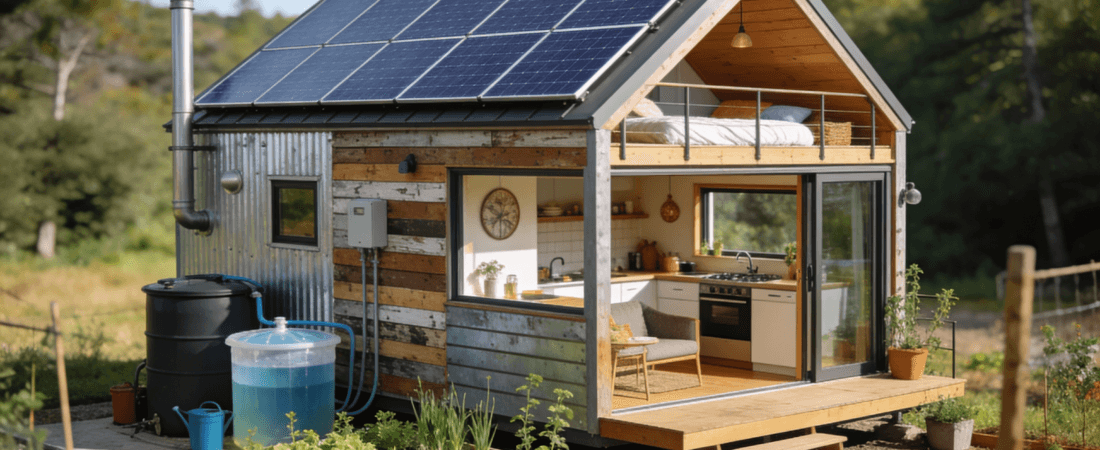
Tiny house living has surged in popularity in recent years due to its affordability, sustainability, and flexibility. Many self sufficient tiny homes are designed for off-grid living, utilizing solar power, composting toilets, and rainwater harvesting to reduce reliance on traditional utilities. These compact dwellings offer an innovative approach to modern living, allowing people to downsize and simplify their lives while maximizing space and minimizing their environmental footprint. This guide is for anyone interested in sustainable, independent living and explores how self sufficient tiny homes can help reduce costs and environmental impact. For those seeking a cozy guest house, office space, or off grid retreat, tiny homes provide an ideal solution.
Self-sufficient tiny homes typically range from 100 to 400 square feet in size. The average cost of a tiny home is approximately $67,000, making it about 87% cheaper than the average traditional home and offering significant savings on both initial investment and ongoing utility bills. However, zoning and legal issues—such as regulations concerning minimum square footage—can make it challenging to find suitable locations for tiny homes. Tiny homes on wheels (THOWs) provide added flexibility, allowing for easier relocation compared to traditional homes.
Off grid tiny houses take this concept further by offering a unique opportunity for self-sufficient living. Designed to operate independently from traditional utility systems, these homes empower residents to live in remote areas with a much smaller environmental impact. With the right design, materials, and systems, tiny house living can be a dream come true—providing superior comfort and quality of life while embracing sustainability.
Off Grid Tiny Houses
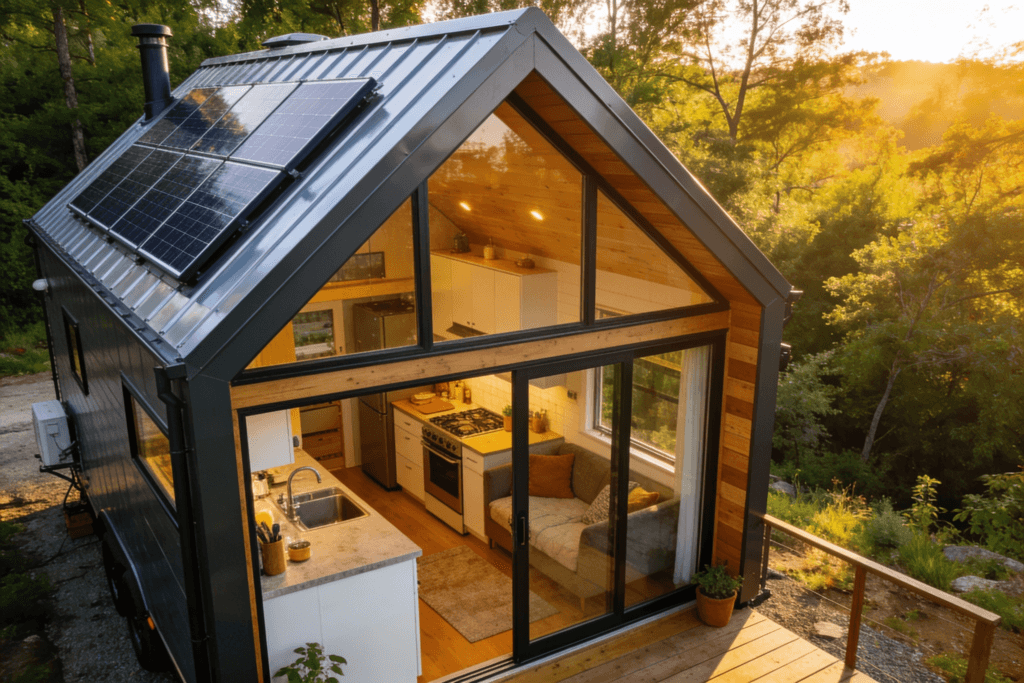
Off-grid tiny houses are designed to operate completely off the grid, meaning they don’t rely on traditional utilities such as electricity, water, and sewage systems. An off grid tiny house is purpose-built to function completely off the grid. These self sufficient tiny homes rely on renewable energy sources such as solar panels, wind turbines, or hydroelectric generators to meet their power needs. Many incorporate premium materials like metal roofs and foam insulation to maximize energy efficiency and durability, especially in extreme climates. Off-grid tiny houses have a much smaller environmental footprint than traditional homes by producing zero carbon emissions through renewable energy sources.
Self-sufficient tiny homes typically range from 100 to 400 square feet in size.
A well-designed off grid tiny home balances functionality and style, offering a fully equipped kitchen, bathroom, and storage solutions within a compact footprint. High-quality insulation is critical for maintaining a comfortable temperature inside an off-grid tiny house, especially in extreme climates. Off-grid tiny houses can utilize several solar energy setups to power electronics, with solar power being the most popular option. Tiny homes can be built on wheels or on a concrete platform, providing flexibility in location and use. These homes are perfect for anyone seeking a self-sufficient lifestyle, enabling them to live comfortably and sustainably while reducing utility bills and environmental impact.
Benefits of Off Grid Living
Living off grid comes with numerous benefits that traditional homes often cannot match. One of the most significant advantages is the substantial reduction in utility bills, as residents generate their own power and manage their resources efficiently. However, tiny homes can have a higher cost per square foot, typically ranging from $297 to $450, due to the inclusion of complex systems in a compact space. Off grid tiny houses also promote a minimalist living style, encouraging occupants to reduce consumption and live more consciously.
By embracing off grid living, residents gain the freedom to choose remote locations away from urban centers, fostering a closer connection to nature and a quieter lifestyle. Living off-grid in a tiny house also provides a sense of self-reliance and autonomy, allowing residents to manage their own power, water, and waste systems. This independence from public utilities provides flexibility and autonomy, making it easier to adapt to changing life circumstances or pursue a simpler, more sustainable future.
Designing an Off Grid Tiny Home
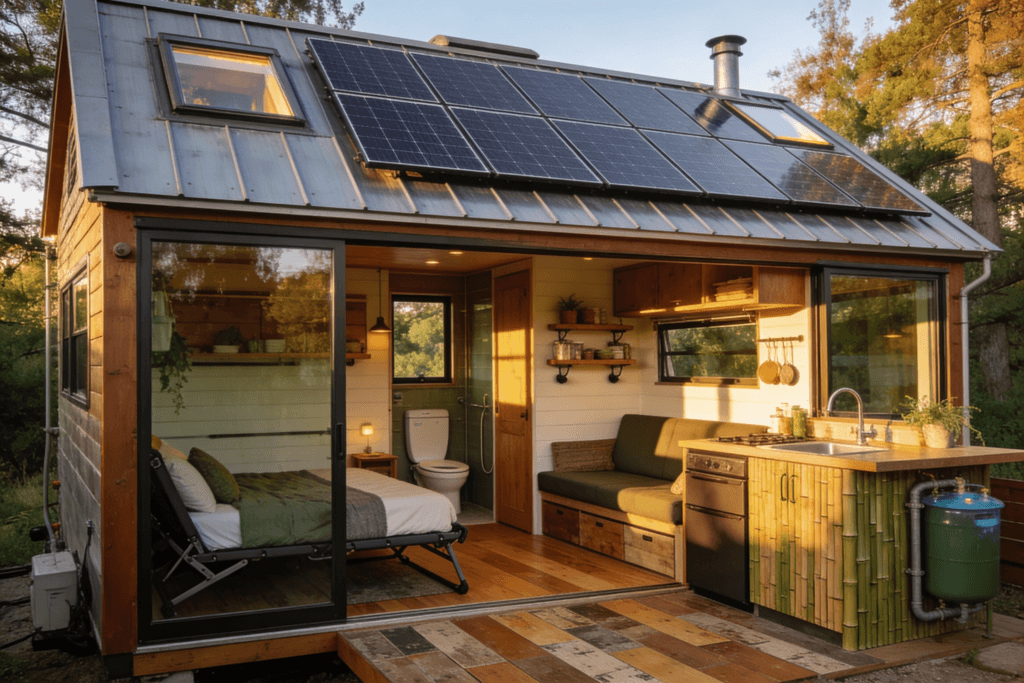
Creating a functional and comfortable off grid tiny home requires thoughtful design that considers key features like solar orientation, power generation, insulation, and ventilation. These elements work together to maximize natural light and heat while minimizing energy consumption and waste.
Solar Orientation and Power Generation
Proper solar orientation is critical to off grid tiny home design. Positioning the home to face south in the Northern Hemisphere (or north in the Southern Hemisphere) allows for maximum sunlight exposure, which is essential for efficient solar panel performance. The size, type, and placement of solar panels should be carefully selected to meet the household’s energy needs.
Choosing the right battery storage and inverter systems is equally important to ensure a reliable power supply during periods of low sunlight. Integrating backup power options, such as generators or additional battery banks, can provide peace of mind and maintain energy independence.
Quality Insulation and Ventilation
High-quality insulation is vital for maintaining a comfortable indoor climate year-round, especially in extreme climates. Materials like foam insulation and recycled denim help reduce heat loss in winter and heat gain in summer, minimizing the need for active heating or cooling systems.
Proper ventilation prevents moisture buildup, which can lead to mold and mildew, and ensures good air quality. Strategically placed windows and vents allow for natural airflow, while well-sealed doors and windows enhance energy efficiency.
Layout and Space Optimization
A carefully planned layout ensures the best use of space, incorporating multi-functional furniture and clever storage to maximize room without sacrificing style or comfort.
Using eco-friendly materials such as recycled wood, low-VOC paints, and sustainable insulation options further reduces the environmental impact of the home.
Essential Systems for Off Grid Tiny Houses
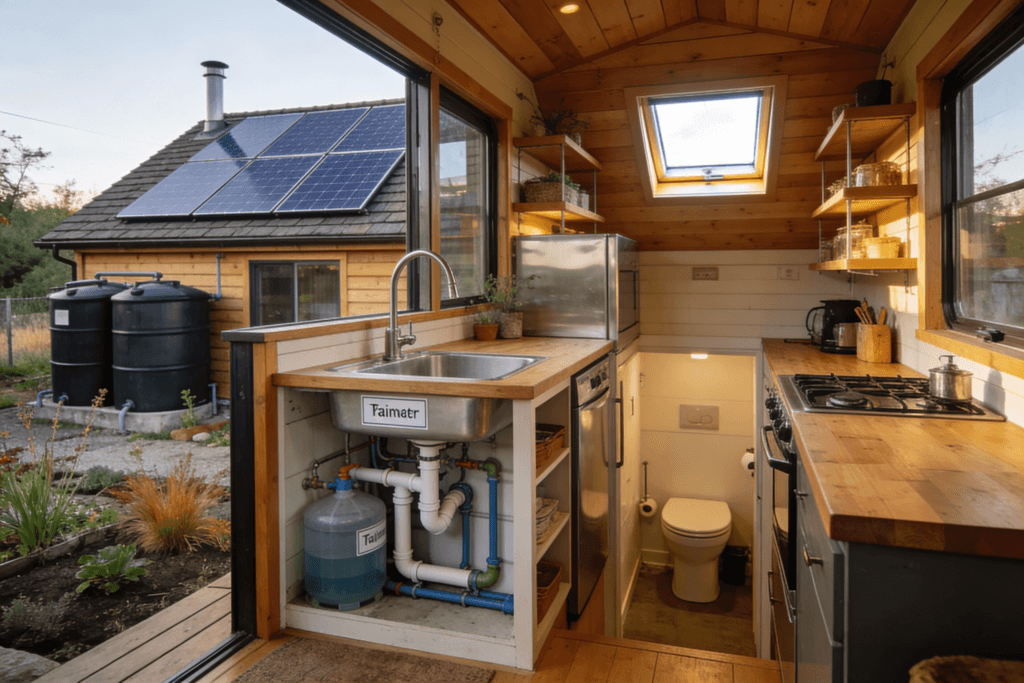
To support a truly self-sufficient lifestyle, off grid tiny houses incorporate several essential systems beyond power generation. A fully equipped kitchen is a must, and integrated plumbing systems for sinks and water management are crucial for supporting off-grid living.
- Water Management and Conservation:
- Reliable water supply is a cornerstone of off grid living. Many tiny homes use rainwater harvesting systems or wells to collect fresh water.
- Incorporating water conservation measures like low-flow showerheads and faucets helps minimize usage.
- Greywater systems recycle water from sinks, showers, and washing machines for irrigation or other non-potable uses, reducing overall water consumption.
- Proper filtration and purification systems ensure the water remains safe for drinking and daily use.
- Waste Management and Recycling:
- Sustainable waste management is crucial for off grid homes. A composting toilet is a popular choice, as it not only reduces water use but also converts human waste into compost, making it an eco-friendly waste disposal solution.
- This process is especially suitable for remote or environmentally conscious homes, as it allows for sustainable waste management without the need for traditional sewage systems.
- Greywater recycling systems further reduce waste by reusing household water.
- Planning for waste recycling and responsible disposal of materials helps maintain a clean and eco-friendly living environment.
Choosing the Right Off Grid Tiny Home
Selecting the perfect off grid tiny home is a crucial step toward achieving your dream of sustainable, self sufficient living. With so many options available, it’s important to find a tiny house that fits your lifestyle, location, and long-term goals. Start by considering the size and layout of your tiny home—look for designs that maximize space and natural light, creating a comfortable and inviting atmosphere. Features like large windows, foam insulation, and a durable metal roof not only enhance energy efficiency but also ensure your home stands up to extreme climates.
When it comes to off grid living, reliable power generation is essential. Solar panels are a popular choice for providing clean, renewable energy, helping you reduce utility bills and maintain a much smaller environmental footprint. Don’t forget to evaluate your water supply options, such as rainwater harvesting systems or propane tanks for heating and cooking. A fully equipped kitchen and bathroom are key features for modern living, allowing residents to enjoy all the comforts of a traditional home in a much smaller, more efficient space.
Waste management is another important consideration—composting toilets are a sustainable solution that supports a smaller environmental footprint and reduces water usage. As you plan your off grid tiny home, be sure to research local zoning laws and regulations, as these can impact where and how you can live off the grid. Choosing premium, eco friendly materials for construction will not only improve the quality and durability of your home but also support your commitment to a sustainable lifestyle.
Banks often do not offer traditional mortgages for tiny homes, leading to financing difficulties.
Storage solutions and a backup plan for emergencies are essential for maintaining comfort and security in your off grid tiny home. Whether you’re envisioning a cozy guest house, a remote off grid retreat, or a sleek modern living space, there’s a tiny home design to match your vision. In recent years, the world of off grid tiny homes has expanded, offering more choices than ever for those seeking a minimalist lifestyle with a focus on sustainability, energy efficiency, and superior quality.
By carefully evaluating your needs, resources, and the key features of each tiny house, you can turn your dream tiny house into a reality. Embrace the freedom of off grid living, enjoy a much smaller environmental footprint, and discover how a well-planned tiny home can offer the perfect balance of comfort, style, and sustainability for your future.
Delivery Time and Logistics
When purchasing or building an off grid tiny home, delivery time and logistics are important considerations. The location of the manufacturer relative to the building site can affect transportation options and costs.
Many manufacturers offer modular delivery or on-site construction to accommodate different site conditions and customer needs. Planning for installation, permits, and zoning laws in advance ensures a smooth transition to your new home.
Living Off Grid and Sustainable Lifestyle
Living off grid is more than just a housing choice—it’s a lifestyle commitment. It encourages a sustainable lifestyle by reducing reliance on non-renewable resources and promoting mindful consumption.
Sustainable Living Practices
Residents often embrace practices like growing their own food, using public transportation when possible, and minimizing waste. This lifestyle fosters a deeper connection to the environment and a more intentional way of living.
Eco Friendly Features and Materials
Incorporating eco-friendly features and materials enhances the sustainability of off grid tiny homes. Using recycled materials, low-VOC paints, and sustainably sourced wood reduces environmental impact. Many self sufficient tiny homes, including cabin-style designs, are built for durability, versatility, and suitability for unique locations or lifestyles. Premium materials such as Western Red Cedar or charred cedar siding are often chosen for their superior strength, providing enhanced durability and weather resistance.
Key eco-friendly features include:
- Energy-efficient appliances and lighting
- Solar panels
- Rainwater harvesting systems
- Composting toilets
Adding a porch creates an inviting outdoor space that enhances both the aesthetic appeal and functionality of tiny homes. The choice of door, whether a front door or sliding door, is also important in tiny home design, as it can improve both practicality and style. These elements not only benefit the environment but also improve the comfort and functionality of the living space.
Vagabond Haven allows customers to build tiny homes from scratch, tailored to their specific wishes regarding materials and design.
Conclusion
Self sufficient tiny homes represent the perfect balance between modern living and environmental responsibility. By thoughtfully designing and equipping these homes, residents can enjoy a comfortable, stylish, and sustainable lifestyle with a much smaller environmental footprint.
Whether you’re dreaming of a cozy guest house, a fully equipped off grid retreat, or a minimalist primary residence, tiny homes offer a future-forward housing solution that is both practical and inspiring. Embrace the freedom and flexibility of living off grid and make your dream tiny house a reality today.