

Japan’s acute land scarcity has pushed architects to squeeze living spaces into plots that would be considered unbuildable elsewhere. In central Tokyo, where over 14 million residents compete for limited space, zoning rules favor vertical construction and infill development on irregular leftover plots. The result? Micro homes under 15 m², with some pencil-shaped apartment buildings measuring less than 2 feet wide at their narrowest point.
Popular YouTube accounts, such as the Tokyo Lense account, showcase tours of micro apartments and ultra-skinny houses, bringing these unique living spaces to a global audience and highlighting their innovative design solutions. Buildings like the Nerima Triangle and various skinny houses across Setagaya and Shinjuku wards have become curious architectural icons. This post explores concrete examples—specific dimensions, rents, and layouts—of the smallest house in Japan and what makes these tiny homes actually livable.
- Introduction to Tiny Homes
- What Counts as the “Smallest House” in Japan?
- Case Study 1: The Nerima Triangle – Tokyo’s Ultra-Skinny Apartment Building
- Case Study 2: Ultra-Thin and Skinny Houses Across Tokyo
- Case Study 3: Two Homes in One – The Yamabiko Tiny House
- Design Principles Behind Japan’s Smallest Houses
- Living Small in Japan: Practical Realities and Costs
Introduction to Tiny Homes
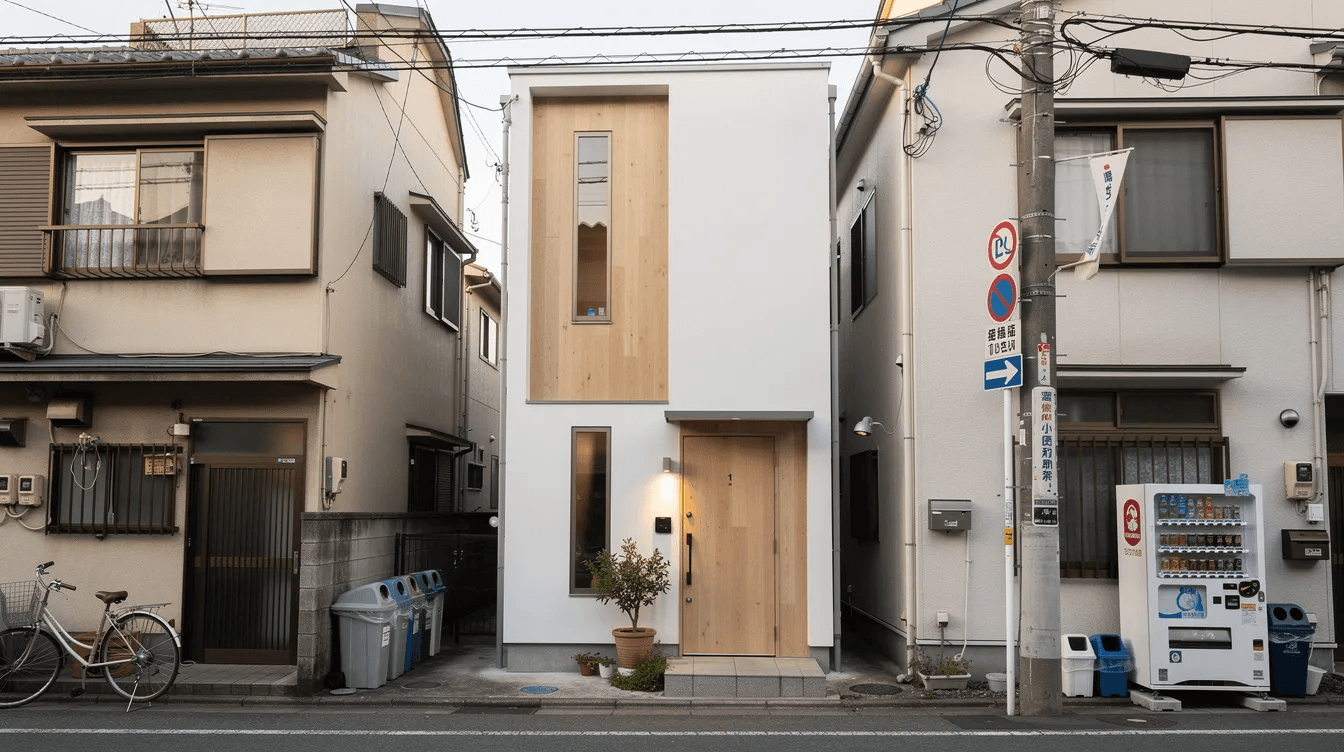
Tiny homes have captured the world’s imagination, but nowhere is their impact more profound than in Japan. In cities like Tokyo, where every square meter counts, the concept of living small has evolved into an art form. With limited space and soaring demand for housing, architects in Japan have embraced the challenge, creating tiny homes and apartments that are both highly functional and visually striking.
What sets Japan’s tiny homes apart is the ingenious use of every inch. Architects design these spaces to maximize natural light, often incorporating large windows and clever layouts that make even the smallest room feel open and inviting, echoing many ideas found in inspiring tiny house interiors that maximize every square foot. Outdoor space, whether a compact balcony or a shared rooftop, becomes an extension of the living area, offering residents a breath of fresh air and a connection to the community. Stairs are not just a means of access between floors—they double as storage, seating, or even display shelves, making the most of limited space.
The appeal of tiny homes in Japan goes beyond affordability. For many, it’s about the opportunity to simplify life and focus on what truly matters. The tiny home community in Tokyo is vibrant and supportive, with residents sharing their experiences and design tips on platforms like YouTube. Popular accounts showcase tours of micro apartments and ultra-skinny houses, sparking curiosity and lively comment sections filled with questions and reflections from viewers around the world.
Aesthetically, Japanese tiny homes often reflect a minimalist philosophy, similar to many minimalist tiny houses for sustainable living. Exteriors feature sleek materials like Galvalume steel, while interiors are bathed in sunlight and finished with natural woods. This thoughtful design creates a sense of calm and order, turning even the smallest home into a peaceful retreat. The experience of living in such a space is not just about squeezing into a small apartment—it’s about making the most of every opportunity, from the way sunlight fills a room to the creative use of built-in storage.
For those considering a move to Tokyo or simply curious about the tiny home lifestyle, there are endless ways to get involved. Whether renting a compact apartment in the heart of the city or working with architects or custom tiny home builders for small-space living to design a custom home, the possibilities for creating a unique living space are vast. As more people around the world look for sustainable, affordable, and community-oriented housing, Japan’s approach to tiny homes and the broader ecosystem of top micro house builders focused on quality and affordability stands out as a model of innovation and inspiration. By making the most of limited space and prioritizing natural light, outdoor space, and smart design, these homes offer a glimpse into the future of urban living.
What Counts as the “Smallest House” in Japan?
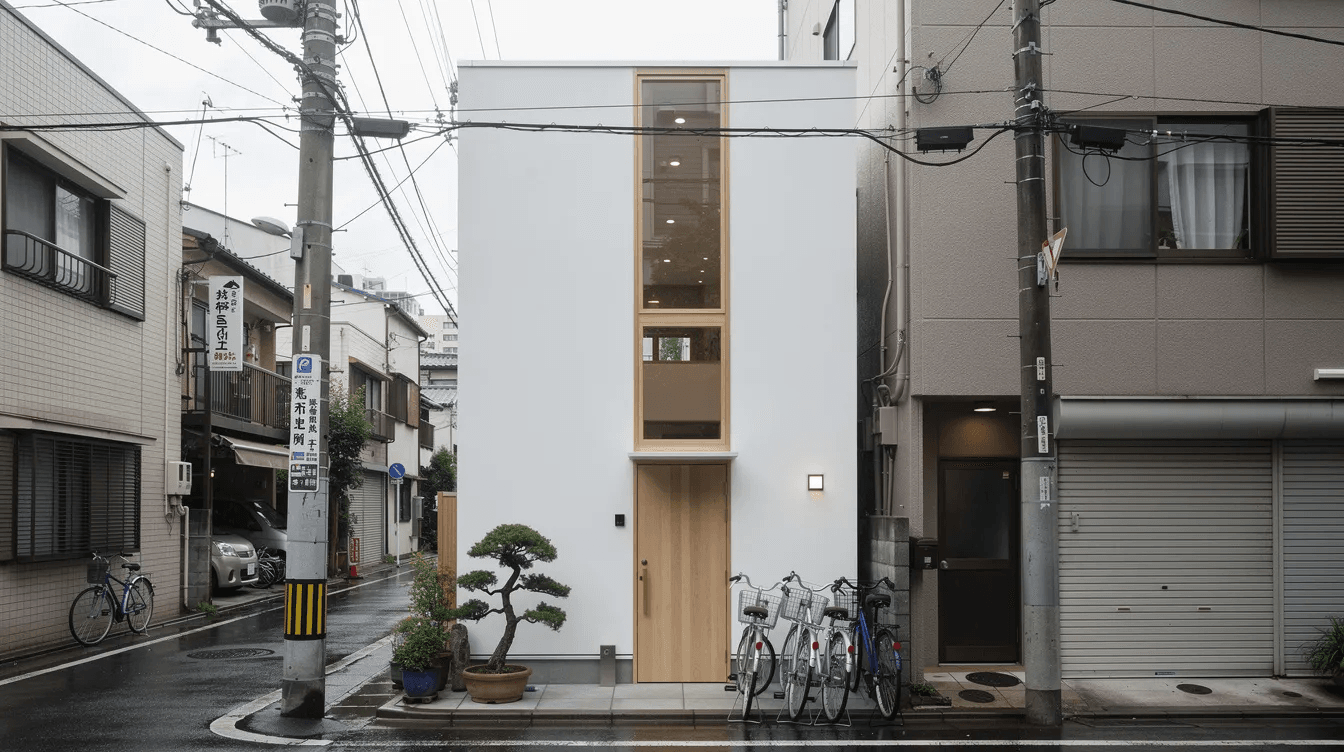
Many single-room apartments in Tokyo hover around 11 m², though some legally habitable units run slightly smaller. Japanese building codes require minimum ceiling heights of approximately 2.1 meters, natural light via windows comprising 1/7th of floor area, and basic ventilation standards.
The terminology matters: a smallest house typically refers to a standalone dwelling on its own plot, while smallest apartment means an individual unit inside a larger building. Skinny house describes extreme narrowness rather than tiny floor area—media often highlight dramatic exterior widths under 60 cm even when interior living space measures somewhat larger.
Case Study 1: The Nerima Triangle – Tokyo’s Ultra-Skinny Apartment Building
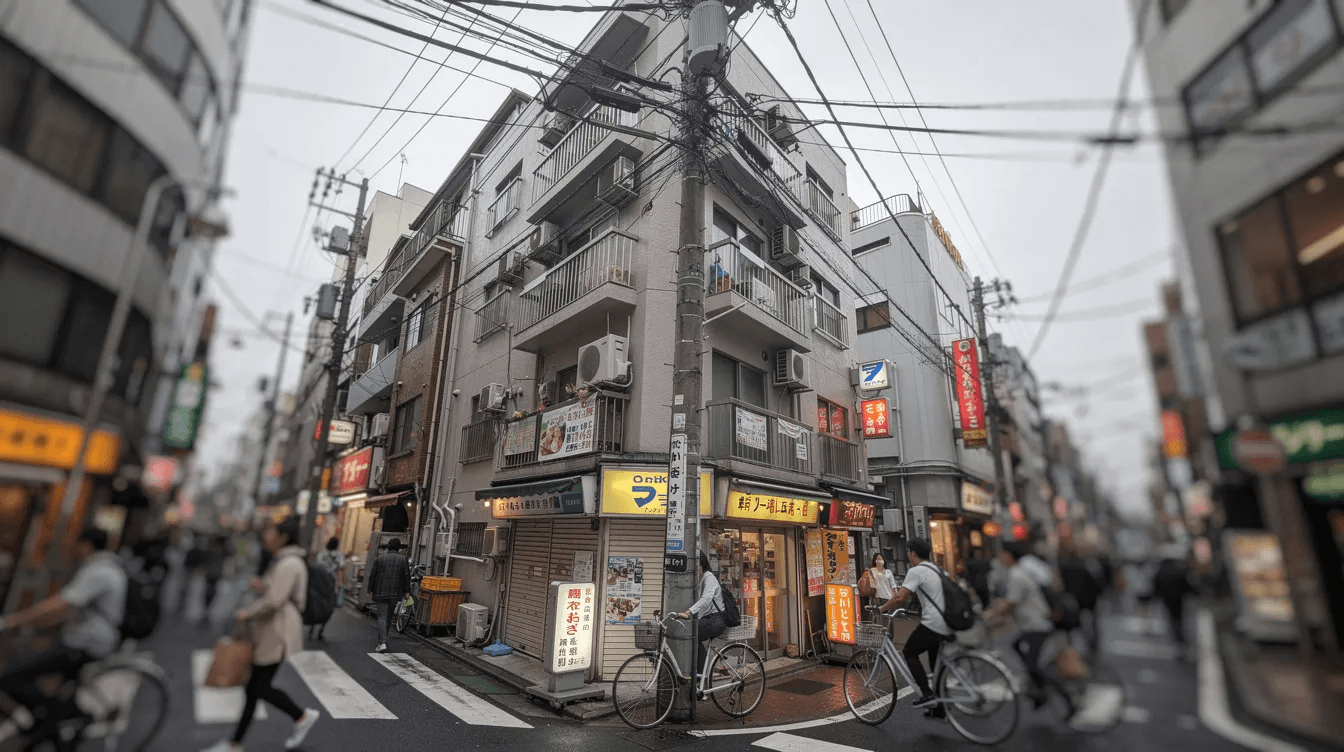
Located in Tokyo’s Nerima ward, the Nerima Triangle Building represents one of the world’s narrowest apartment structures. This five-story building plus basement sits on a wedge-shaped lot, fitting precisely between intersecting streets where no conventional building could run.
The dimensions are striking: the exterior narrows to under 60 cm (less than 2 feet) at its triangular vertex. The building houses four main residential units stacked vertically, each configured as a single elongated room approximately 2.4-2.6 meters wide at the broadest interior point, extending roughly 6-7 meters lengthwise.
Each unit features a compact kitchenette with a single hob and sink along one wall, plus a locker-sized shower unit with a small soaking tub. Built-in overhead storage keeps the floor clear for a futon or basic furniture.
Facilities reflect the building’s constraints: shared toilets on each floor rather than private ensuites, and thin walls that transmit street noise from Nerima’s busy residential-commercial mix. These spaces suit students or single workers who spend most of their time outside.
Rent runs approximately ¥40,000-¥50,000 monthly (US$260-$330), plus standard Japanese upfront costs—deposit, key money, and agency fees—totaling 4-6 months’ rent. Inside, white walls, strategic mirrors, and overhead storage create a surprisingly bright experience despite the squeeze.
Case Study 2: Ultra-Thin and Skinny Houses Across Tokyo
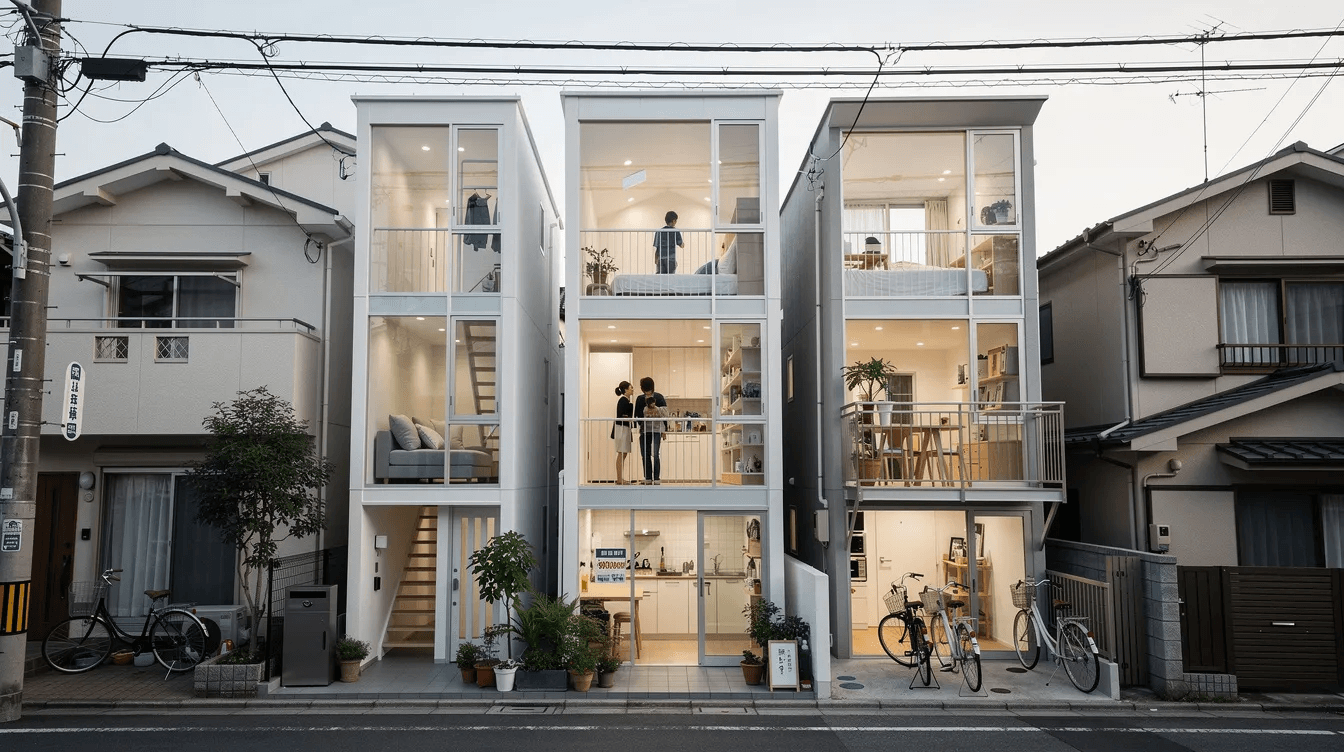
Beyond apartments, Tokyo’s dense wards like Setagaya, Shinjuku, and Meguro feature free-standing skinny houses built on impossibly narrow plots that would fascinate anyone exploring the best tiny house designs for modern living. These detached structures often occupy lots under 2.5-3 meters wide, sandwiched between postwar apartments or family homes.
A typical narrow-lot home spreads 40-60 m² of total floor area across 3-4 floors, meaning each level measures under 15 m². Stairs function as the central spine connecting stacked zones: ground-floor entry, mid-floor kitchen, upper-level living room, and top-floor bedroom lofts with sloped ceilings following strict sky-exposure regulations, echoing many principles seen in tiny house interiors that maximize every square foot.
Design strategies take advantage of every opportunity: large glass fronts at the wider plot end flood interiors with sunlight, while double-height voids over stairwells prevent tunnel-like oppression. Custom built-ins tucked under stairs keep circulation clear.
Some skinny houses accommodate small families of 3-4, though shared bathroom access and compact kitchens require careful scheduling. Purchase prices in central areas reach ¥50-100 million (US$330,000-$660,000)—driven almost entirely by land value, not the building’s modest size.
Case Study 3: Two Homes in One – The Yamabiko Tiny House
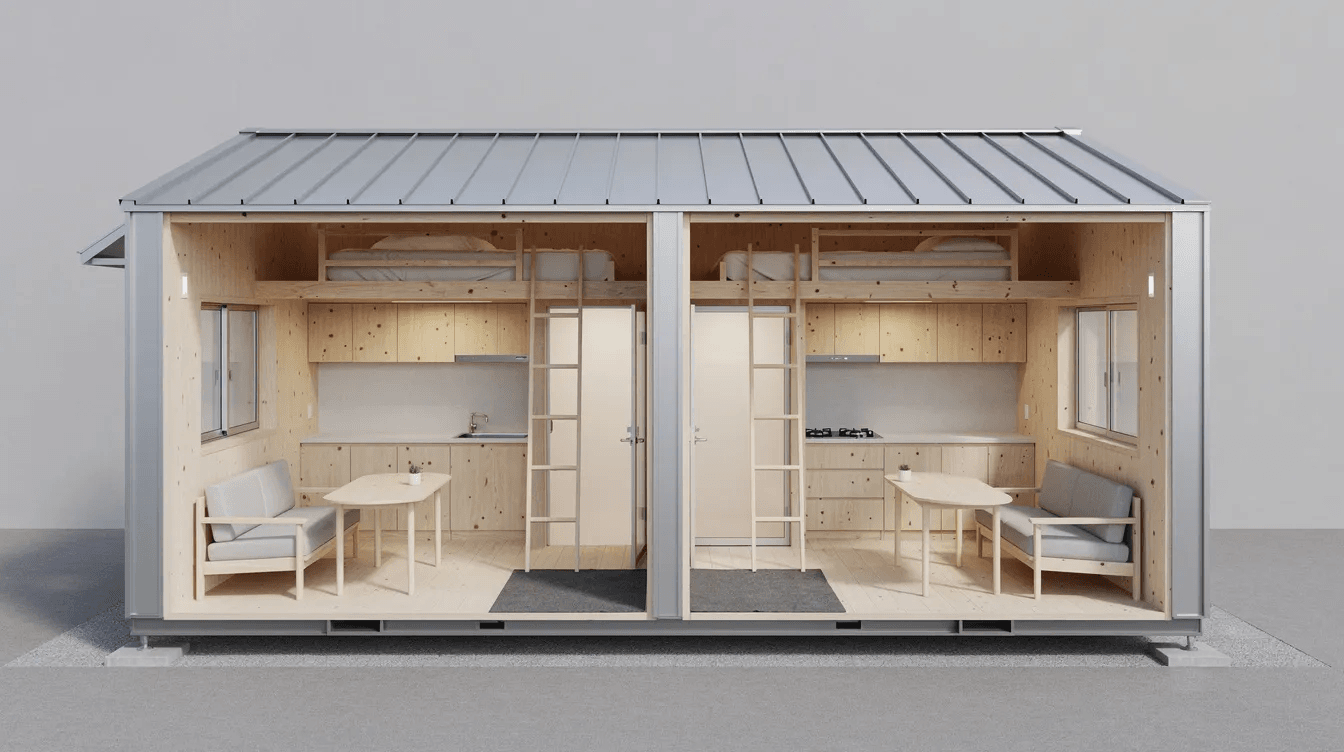
The Yamabiko tiny house, approximately 6.6 meters long, demonstrates how architects create dual living spaces under a single roof, much like many of the great tiny homes that redefine small space living. Originally designed for seasonal resort staff, this product of Japanese design thinking prioritizes privacy within a micro footprint.
Each mirrored side features a lofted sleeping area accessed by ladder, a small kitchen zone with sink and compact stovetop, and a lounge that transforms into workspace. The shared central bathroom—positioned between units with independent doors—reduces plumbing complexity and overall size.
The exterior uses durable Galvalume steel, while interiors showcase light-colored woods and simple built-ins reflecting minimalist design principles comparable to many elegant tiny homes that redefine modern living. While not literally the smallest dwelling by floor area, Yamabiko influences how architects approach multi-tenant micro-housing through sharing core facilities.
Design Principles Behind Japan’s Smallest Houses
Whether examining an 11 m² Tokyo apartment or an ultra-skinny detached home, recurring strategies make micro living possible, mirroring many ideas in broader guides exploring the world of tiny houses for inspiration and resources.
Functional minimalism ensures every element—stairs, platforms, built-ins—serves multiple purposes. Vertical layering through lofts and mezzanines multiplies usable area on tiny plots. Light strategies employing large windows, internal voids, and translucent materials prevent cave-like gloom.
Sequential space planning arranges rooms in corridor-like progression, eliminating wasted hallway area. Storage integration harnesses overhead racks (as seen in Nerima’s units), underfloor compartments, and wall niches, all of which also appear in many cute tiny house designs for your dream home.
These ideas align with Japanese concepts like ma (negative space), emphasizing order and serenity—a reflection of how constraint breeds creativity. The Yamabiko’s mirrored lofts and Nerima’s overhead storage demonstrate these principles in action.
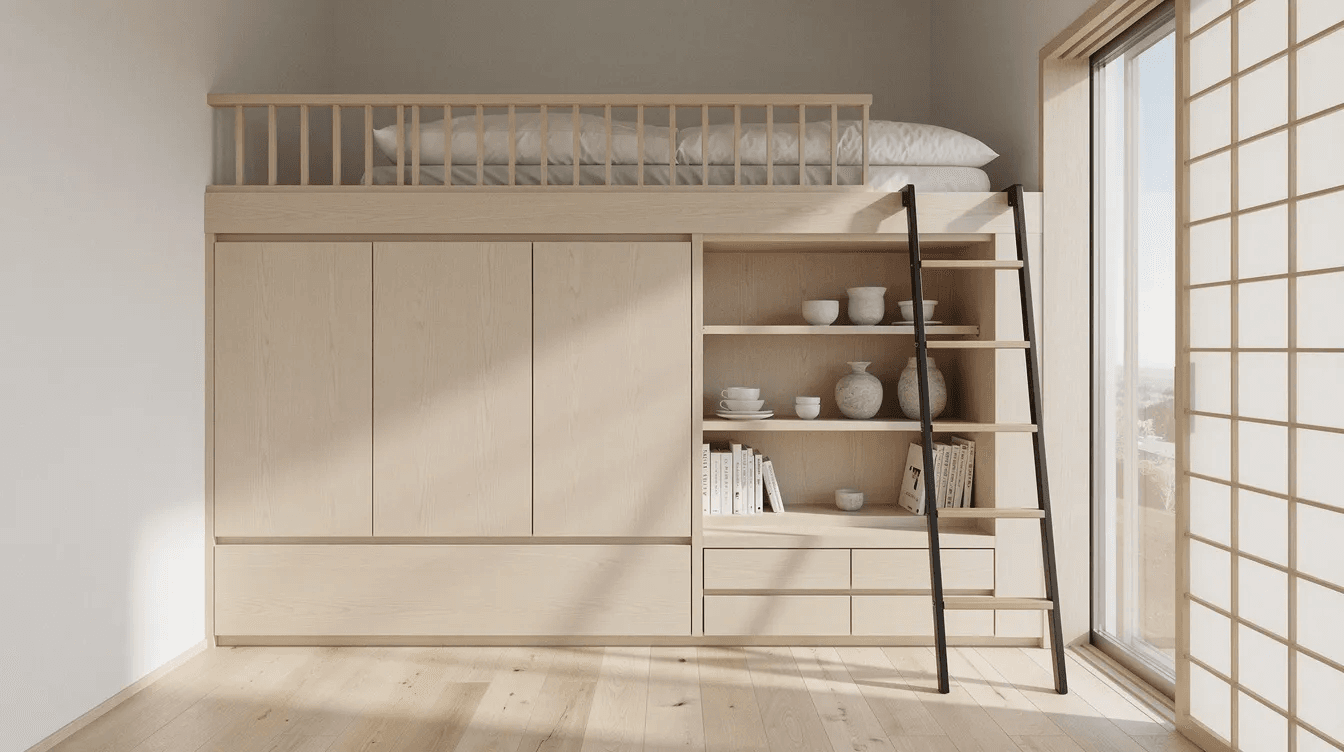
Living Small in Japan: Practical Realities and Costs
People choose extremely small spaces in Japan for affordability, proximity to work, and simple necessity in a community where land supply cannot expand.
Factor | Typical Reality |
|---|---|
Rent | ¥40,000-¥60,000/month (outer wards) |
Upfront costs | 4-6 months’ rent total |
Kitchen | Single burner, tiny sink |
Bathroom | Private shower; shared toilet in budget buildings |
Noise | Significant from neighbors and traffic |
Residents typically include students, young professionals on temporary contracts, and deliberate minimalists who love the simplified lifestyle, similar to many people drawn to tiny house nature retreats that blend simplicity with the outdoors. Benefits include lower cleaning burden and encouragement to own fewer possessions. Challenges involve hosting friends, storing hobby equipment, and maintaining privacy for couples. |
Japan’s smallest houses respond to necessity while serving as a global laboratory for efficient design. If you find this topic fascinating, drop a comment below or search YouTube for walkthrough tours—you won’t miss the chance to see these spaces in action. Check our website for more posts exploring how architects worldwide tackle limited space challenges.