A tiny house is a small, portable dwelling that offers an affordable and sustainable living option, typically ranging from 100 to 400 square feet. Many companies in the tiny home market differentiate themselves through their expertise, values, and strong customer relationships, which helps build credibility and trust with buyers.
This guide is for prospective homeowners, investors, and anyone interested in the benefits and options of stick built tiny homes. Understanding the unique advantages of stick built tiny homes can help you make informed decisions about sustainable and affordable living.
While many tiny homes are built on wheels for mobility, stick built tiny homes are constructed on-site, providing a more permanent and customizable solution. Stick built tiny homes are constructed on-site using conventional lumber framing techniques, as opposed to prefabricated or modular homes built in factories. In contrast to prefabricated or mobile tiny homes, stick built tiny homes are often perceived as more durable and can lead to higher equity compared to prefabricated homes. The tiny home market is rapidly growing as more people embrace tiny home living to simplify their lives, reduce their environmental footprint, and enjoy financial freedom. Additionally, tiny home communities are becoming increasingly popular, offering a sense of belonging and connection among tiny home owners.
- Reasons to Choose Tiny Houses
- What Are Stick Built Tiny Homes?
- Benefits of Tiny Home Living
- Tiny Home Options and Designs
- Construction Process of Stick Built Tiny Homes
- Working with a Trusted Tiny Home Builder
- Space and Comfort: Maximizing Your Tiny Home
- Sustainability and Efficiency
- Zoning and Legal Challenges
- Financing and Cost Considerations
- Resale Value and Investment Potential
- Backyard Tiny Homes and Accessory Dwelling Units (ADUs)
- Top Stick Built Tiny Homes: Our Recommended List
- Top Builders and Manufacturers
- Conclusion
Reasons to Choose Tiny Houses
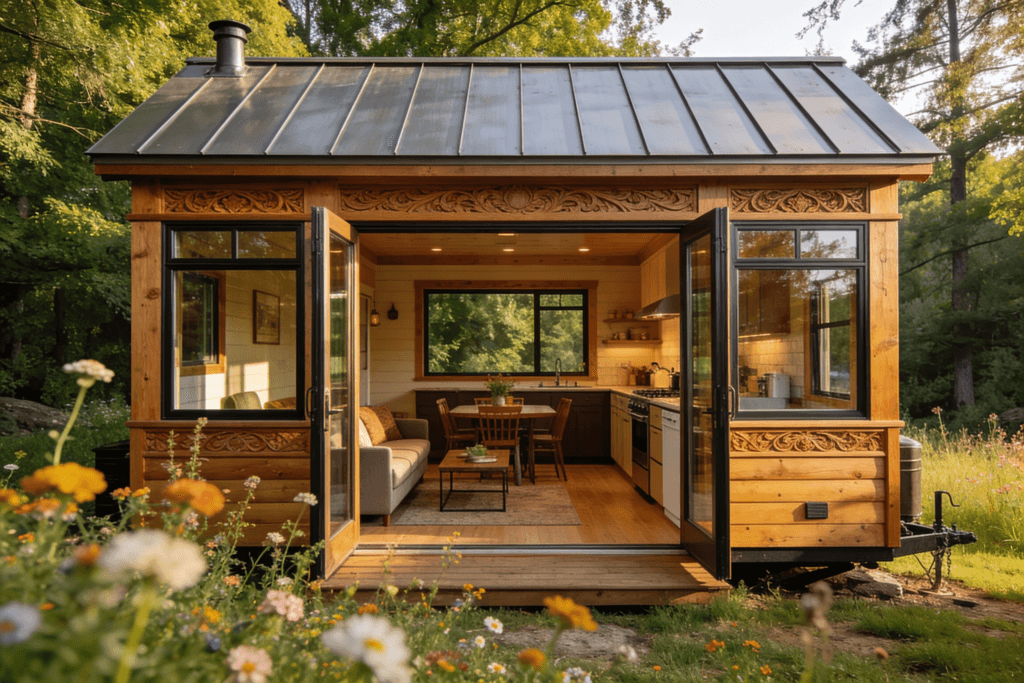
Opting for a tiny house as your primary residence or as an accessory dwelling unit is an amazing way to embrace a more affordable and intentional lifestyle. Tiny homes are designed to minimize property taxes and monthly payments, making homeownership accessible to a wider range of people. The tiny home market offers a fantastic selection of tiny home models, from compact guest houses to spacious layouts with open floor plans and quality craftsmanship.
Living tiny encourages homeowners to focus on what truly matters, reducing clutter and creating a life centered around experiences rather than possessions. With the guidance of a trusted tiny home builder, you can bring your dream house to life—whether you prefer a stick built home constructed on site or a prefabricated unit tailored to your needs. Tiny homes are not only affordable to build and maintain, but they also offer flexibility in design and function, serving as a primary residence, guest house, or even a rental property for extra income.
The appeal of tiny home living goes beyond cost savings. Homeowners enjoy the freedom to customize their space, the satisfaction of quality construction, and the opportunity to live more sustainably. As the tiny home market continues to grow, these homes are proving to be a fantastic investment, often appreciating in value and providing a unique way to generate rental income. For anyone seeking a high-quality, affordable, and meaningful way of living, tiny houses offer a truly fantastic solution.
What Are Stick Built Tiny Homes?
Stick built tiny homes are constructed on-site using conventional lumber framing techniques, as opposed to prefabricated or modular homes built in factories. This method allows for greater customization, durability, and the use of high-quality materials, making them a popular choice for those seeking a permanent and personalized tiny home solution.
Benefits of Tiny Home Living
Tiny home living offers numerous benefits that attract a wide variety of homeowners.
Lower Costs and Taxes
- Reduced property taxes
- Lower monthly payments
- Savings on delivery, craning, and associated fees, especially when built on-site
Minimalistic Lifestyle
- Encourages a minimalistic lifestyle
- Reduces clutter and focuses on experiences over possessions
- Smaller size leads to lower utility costs
Energy Efficiency
- Smaller carbon footprint due to fewer materials used
- Inherently more energy-efficient, using less energy for heating, cooling, and utilities
Additional benefits include:
- Faster and more cost-effective building process, allowing homeowners to start designing and living in their dream home sooner
- Versatility to serve as accessory dwelling units (ADUs) or guest houses, providing extra space for family members, including adult children who want to live independently while staying close to family
- Flexibility in design and function, serving as a primary residence, guest house, or rental property for extra income
- Quality craftsmanship and the opportunity to live more sustainably
This versatility makes tiny homes a fantastic option for many lifestyles.
Tiny Home Options and Designs
There is a wide array of tiny home models and designs available to suit different tastes and needs. From sleek modern styles to rustic and cozy aesthetics, tiny homes can be tailored to your preferences. Open floor plans are especially popular in tiny home design, as they create a sense of spaciousness and flow despite the limited square footage.
Some tiny homes feature loft bedrooms or multiple bedrooms, while others have a single multi-purpose room with a bathroom and kitchenette. Stick built tiny homes offer more flexibility and customization since they are constructed on-site, allowing builders to work directly with homeowners to create their ideal living space.
Construction Process of Stick Built Tiny Homes
Foundation and Framing
The construction process for stick built tiny homes typically begins with laying a foundation, followed by framing the structure. Stick-built tiny homes are typically under 400–600 square feet and constructed on-site using conventional lumber framing techniques.
Weather and Site Considerations
Next, electrical wiring and plumbing systems are installed, and the finishing touches such as flooring, cabinetry, and paint are completed. Quality craftsmanship is essential throughout the process because every inch of space matters in tiny home design. The process is labor-intensive and often takes 6–12 months, heavily influenced by site conditions. Weather dependency in construction can result in potential delays and longer timelines for stick-built tiny homes compared to modular homes, especially due to rain or snow. Site-built projects are also susceptible to material warping or moisture issues from exposure to the elements during construction.
Material Selection
Some stick-built homes may incorporate metal framing for added structural stability against high winds. On-site construction allows for the selection of high-quality materials, which is not always possible with prefabricated alternatives. However, on-site building creates noise, waste, and disruption compared to factory-controlled construction. When properly maintained on a standard foundation, stick-built tiny homes can last over 50 years.
Working with a trusted tiny home builder ensures that the building process meets your expectations and needs. A collaborative team—including designers, permit coordinators, builders, and project managers—plays a crucial role in ensuring a seamless and personalized building process. Some builders utilize controlled environment construction techniques, fabricating parts of the home in a factory setting to improve efficiency and reduce waste before final assembly on-site. Securing a loan may be necessary to finance the construction of a stick-built tiny home, as traditional loan options may not always apply, making alternative financing solutions important for many buyers.
Working with a Trusted Tiny Home Builder
Partnering with a reliable and experienced tiny home builder is crucial for a successful project. A trusted builder will have a proven track record in on-site construction, offering quality craftsmanship and guiding you through each step—from design and permits to financing and final inspection. Reputable builders often conduct all transactions directly through bank-to-bank transfers for added security. Additionally, Incredible Tiny Homes does not conduct business through social media sites; all transactions are handled directly between their team and the customer.
Look for builders who understand local zoning rules and regulations, as these can be complex and vary by location. They should also offer assistance with securing financing options, which can be challenging for tiny home buyers due to the unique nature of these homes.
Space and Comfort: Maximizing Your Tiny Home
Maximizing space is a key focus in tiny home design. Clever features like built-in storage, multi-functional furniture, and vertical space utilization help create an open and roomy feel. Space-saving appliances and fixtures further enhance livability.
Comfort is equally important. Large windows bring in natural light, while amenities such as a full kitchen, bathroom with shower, and cozy living areas ensure the home feels inviting and functional. Thoughtful design can make a tiny home feel surprisingly spacious and comfortable.
Sustainability and Efficiency
Stick built tiny homes are naturally sustainable due to their smaller size and reduced resource consumption. Many homeowners choose to incorporate solar panels, rainwater harvesting systems, and energy-efficient appliances to minimize environmental impact further.
Using recycled or sustainable materials like reclaimed wood and low-VOC paints can enhance your home’s eco-friendliness. Proper insulation and airtight construction reduce energy loss, lowering utility bills and contributing to a greener lifestyle.
Zoning and Legal Challenges
Navigating zoning regulations and legal challenges is often one of the biggest hurdles for tiny home owners. Many municipalities have minimum square footage requirements or restrictions against tiny homes as primary residences. However, zoning rules are gradually evolving as the benefits of tiny living become more recognized.
Some cities allow tiny homes as accessory dwelling units (ADUs) or in designated tiny home communities. It is essential to research local zoning laws and work with a builder familiar with these regulations to avoid costly surprises.
Financing and Cost Considerations
Financing Challenges
Financing a tiny home can be complex because many traditional lenders do not offer mortgages for tiny homes, especially those on wheels. One of the biggest hurdles for tiny home buyers is securing financing due to their classification as non-real estate, which means buyers often need to pay the full amount upfront. Traditional mortgages do not apply to tiny homes on wheels because they’re not considered real estate, so buyers must explore alternative financing options such as personal loans, RV loans, or specialized lenders focused on tiny homes. Tiny homes may be cheaper to construct, but financing barriers mean buyers often need to pay in full upfront.
Cost Breakdown
The price of a stick built tiny home varies widely based on materials, customization, and location. Tiny homes typically cost between $30,000 and $100,000, while small homes range from $80,000 to $250,000. A small home costs between $80,000 and $250,000, depending on location, finishes, and construction method. Small homes qualify for traditional mortgages, making them more accessible for long-term homeownership. There may also be tax incentives and grants for first-time buyers of small homes that are not available to buyers of tiny homes.
Additional Expenses
Additional expenses such as land purchase, utility hookups, permits, and maintenance should be factored into your budget.
Resale Value and Investment Potential
The resale value of tiny homes can be promising due to increasing demand, but it depends on factors like condition, location, and amenities. Tiny homes used as ADUs or guest houses can generate rental income, making them a smart investment.
Consider the potential for appreciation and rental opportunities when purchasing a tiny home. Working with a trusted builder who understands market trends can help maximize your investment.
Backyard Tiny Homes and Accessory Dwelling Units (ADUs)
Backyard tiny homes and ADUs are becoming popular additions to properties, providing extra living space for family, friends, or tenants. These units can serve as guest houses, home offices, or rental properties, increasing property value and generating income.
Custom-built stick built tiny homes are ideal for ADUs because they can be designed to meet specific needs and comply with zoning regulations. Collaborate with your builder to create a backyard home that fits your lifestyle and budget.
Top Stick Built Tiny Homes: Our Recommended List
Here’s a list of some of the top stick built tiny homes available, highlighting their unique features and benefits:
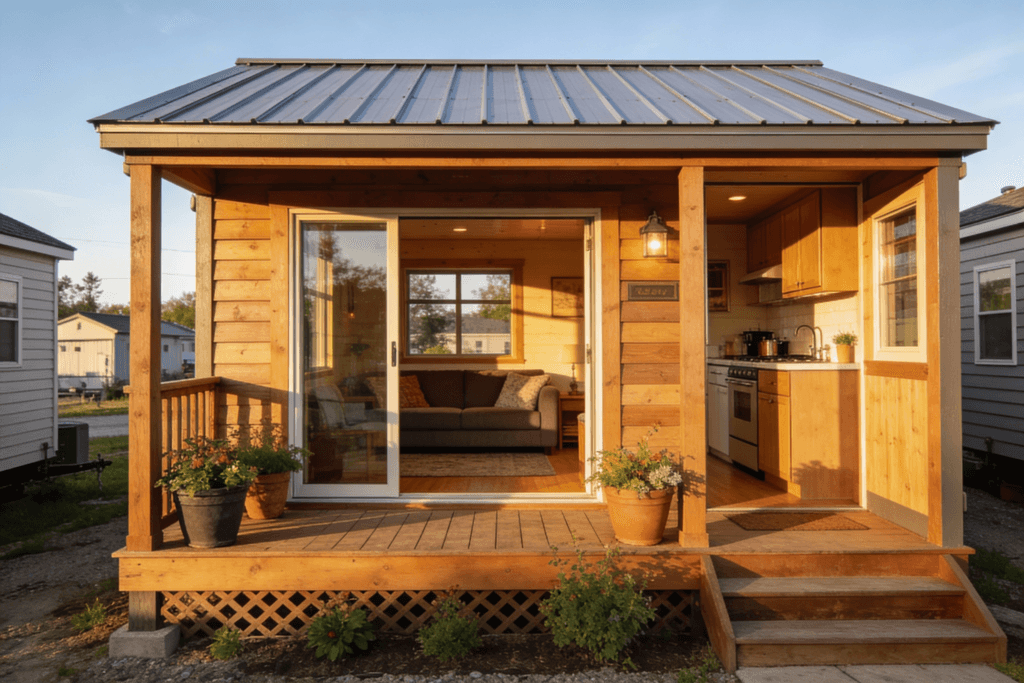
- The Cozy Haven
-
- Size: 350 sq ft
- Features: Open floor plan, loft bedroom, full kitchen, and bathroom with shower. Known for its warm, rustic design and efficient use of space.
- Modern Minimalist

- Size: 400 sq ft
- Features: Sleek, contemporary design with large windows, energy-efficient appliances, and a multifunctional living area. Perfect for those seeking a stylish, eco-friendly home.
- Family Nest
- Size: 560 sq ft
- Features: Two bedrooms, full kitchen, and spacious living area. Designed for small families or roommates who want the tiny house lifestyle without sacrificing comfort.
- The Garden Cottage
- Size: 300 sq ft
- Features: Charming cottage-style exterior, built-in storage, and a cozy loft bedroom. Ideal as a guest house or backyard ADU.
- Urban Retreat
- Size: 380 sq ft
- Features: Modern urban design with an emphasis on natural light, a compact office space, and smart storage solutions. Great for remote workers or creatives.
- Eco Sanctuary
- Size: 360 sq ft
- Features: Built using sustainable materials, solar panels, rainwater harvesting system, and energy-efficient fixtures. Perfect for environmentally conscious homeowners.
- The Classic Tiny
- Size: 320 sq ft
- Features: Traditional tiny house design with a front porch, loft bedroom, and efficient kitchen. A timeless choice for tiny living enthusiasts.
Top Builders and Manufacturers
The tiny home industry is filled with innovative builders and manufacturers dedicated to creating high-quality, functional, and beautiful tiny homes. Leading companies like NE Tiny Homes, Tru Form Tiny, and Incredible Tiny Homes, Inc. have earned their reputations as trusted tiny home builders by offering a diverse range of tiny home models and prioritizing quality craftsmanship throughout the building process.
These top builders often utilize a combination of on site construction and controlled environment fabrication, ensuring that each house is built to the highest standards of durability and efficiency. They understand the importance of navigating zoning regulations, securing permits, and providing flexible financing options to make tiny home living accessible to more homeowners. Whether you’re dreaming of a cozy loft, a spacious layout with multiple bedrooms, or a custom-designed unit, these companies have the expertise to bring your vision to life.
Choosing the right builder is essential for a smooth and successful tiny home journey. A reputable builder will guide you through every step, from initial design and selecting the perfect model to handling permits and connecting utilities. Their experience with zoning rules and the building process ensures that your tiny house meets all local requirements and is ready for comfortable living. With the support of a trusted tiny home builder, you can confidently create a space that fits your lifestyle, budget, and dreams—making tiny home living a reality for you and your family.
Conclusion
Stick built tiny homes provide a fantastic opportunity to embrace tiny living with the benefits of a permanent, customizable structure. They offer reduced costs, lower environmental impact, and flexible uses such as ADUs or guest houses. While zoning rules and financing can present challenges, working with a trusted tiny home builder can help you navigate these complexities smoothly.
Whether you’re seeking a minimalist lifestyle, a backyard rental unit, or a cozy family home, stick built tiny homes offer amazing potential to transform your living situation. With the right design, builder, and planning, your dream tiny home is within reach—offering a bit of freedom, comfort, and sustainability in one fantastic package.