North Carolina has quietly become one of the nation’s most active markets for tiny homes. The Asheville region stands at the epicenter of this movement, but interest has spread rapidly to Raleigh, Charlotte, the Research Triangle, and coastal communities near Wilmington and the Outer Banks. Whether you’re drawn to mountain views, lakefront weekends, or simply escaping the cycle of high mortgages and endless maintenance, NC offers a surprisingly welcoming environment for folks ready to explore compact living.
This article cuts through the noise to help you understand how to pick a tiny home builder in North Carolina, what costs and timelines to expect, and how to navigate the legal landscape before breaking ground. You’ll find practical guidance on everything from 200 square foot tiny houses on wheels to 800+ square foot small homes on permanent foundations—projects completed between 2024 and 2026 that reflect current market realities.
The reasons people choose tiny living here aren’t mysterious: lower cost of living compared to conventional housing, exceptional access to nature (think Blue Ridge Mountains hiking trails and Outer Banks beaches), and a lifestyle built around intentional choices rather than accumulating stuff. High-quality materials, energy-efficient construction, and beautiful design are all within reach when you work with the right team. This guide is written from the perspective of someone focused specifically on the NC tiny home market—prioritizing actionable steps over generic advice you could find anywhere.
What Makes a Good Tiny Home Builder in North Carolina?
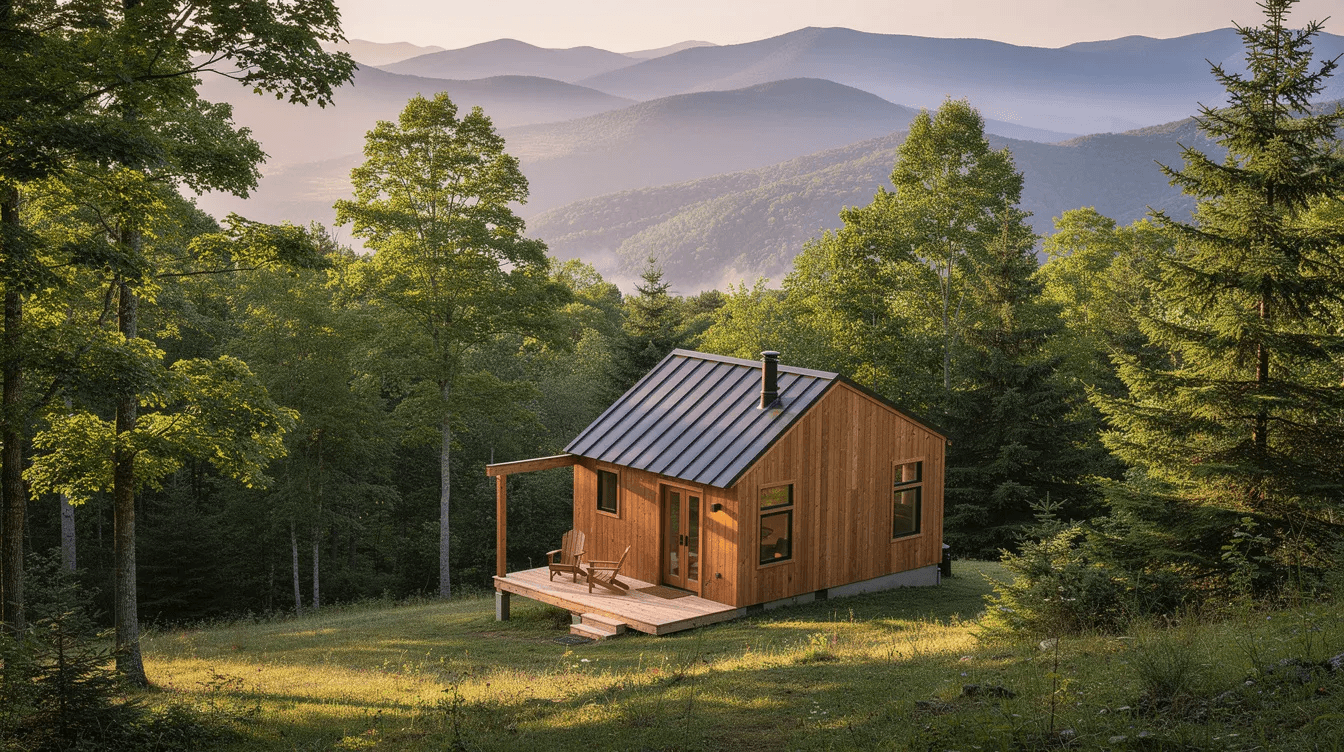
A tiny home builder in NC is a licensed professional who regularly designs and constructs dwellings under 800 square feet, ensuring compliance with North Carolina Residential Code, HUD standards, or ANSI specifications depending on the home type. Unlike general contractors who occasionally build small, these specialists understand the unique challenges of maximizing every inch.
A good tiny home builder combines three core competencies: design support that translates your dream into a functional floor plan, deep code knowledge that prevents costly permitting delays, and craftsmanship specific to compact, efficient construction. They know that a 400 square foot home demands different problem-solving than scaling down a conventional house design.
Key qualities to look for:
- Deep understanding of NC zoning rules across different cities and counties
- Documented experience with 200–800 square foot homes
- Clear, written pricing with no hidden fees
- Strong communication from first consultation through move-in
- Willingness to educate homeowners rather than rush decisions
In North Carolina, a strong builder will advise whether your project should be a tiny house on wheels, a park model RV, or a small home on a permanent foundation based on your specific location and long-term plans. They may even help you compare options from top micro house builders focused on quality and affordability. They’ll also educate you about energy efficiency considerations—proper insulation, high-performance windows, correctly sized HVAC systems—suited to NC’s humid summers and cool mountain winters.
5 Essential Attributes of a North Carolina Tiny Home Builder
Use this checklist when comparing builders. These five attributes separate experienced NC specialists from general contractors dabbling in the tiny space.
Attribute 1: Local Code & Zoning Expertise
Your builder should know exactly how tiny homes are treated in cities like Asheville, Charlotte, and Raleigh, as well as specific counties including Buncombe, Wake, and Mecklenburg. This includes current ADU ordinances and accessory dwelling unit regulations, minimum square footage requirements, and recent regulatory changes from 2020–2024. Zoning rules vary dramatically between jurisdictions—what works in progressive Asheville may face roadblocks in smaller towns.
Attribute 2: Proven Tiny Portfolio
Ask to see photos, floor plans, and finished projects from 2018–2024 in NC. A credible portfolio should include builds in the 200–600 square foot range, lofted models that maximize vertical space, custom tiny homes with personalized layouts, and accessible single-level layouts for aging-in-place scenarios. Builders like Wishbone Tiny Homes and Blue Ridge Tiny Homes showcase diverse completed projects across Western NC.
Attribute 3: Transparent Pricing & Timelines
Reputable NC builders provide written quotes that break down costs by component—shell, rough-ins, finishes, site work. They should specify price-per-square-foot ranges for basic shells versus turnkey completion and offer realistic build times. For a 400–600 square foot home, expect 8–20 weeks of construction once permits are secured.
Attribute 4: Energy-Efficient & Durable Construction
Quality builders offer specifications like 2×6 exterior walls (providing superior insulation), high-performance windows with appropriate R-values, mini-split HVAC systems for zone control, and moisture-resistant materials addressing NC’s humidity. Look for certifications in energy auditing, LEED standards, or solar PV experience.
Attribute 5: Client Support & After-Build Service
Good builders remain available for warranty issues, seasonal maintenance questions, and future add-ons like decks, awnings, or storage sheds. They provide warranty documentation, maintain accessible contact points, and demonstrate willingness to address concerns long after you’ve moved in.
Types of Tiny Homes Available in North Carolina
NC buyers can choose from several tiny formats, each with different rules, costs, and ideal applications. Understanding these distinctions helps you decide which path fits your lifestyle and property, especially when comparing tiny house plans that fit your life and budget.
Tiny Houses on Wheels (THOWs)
These towable units typically range from 200–350 square feet and suit backyard studios, travel-focused owners, or seasonal living arrangements. Blue Ridge Tiny Homes offers finished THOWs starting around $40,000. Placement options include RV parks, dedicated tiny house communities (concentrated in Western NC), or rural parcels with county approval. THOWs work well for folks testing the tiny life before committing to permanent structures.
Small Homes on Permanent Foundations
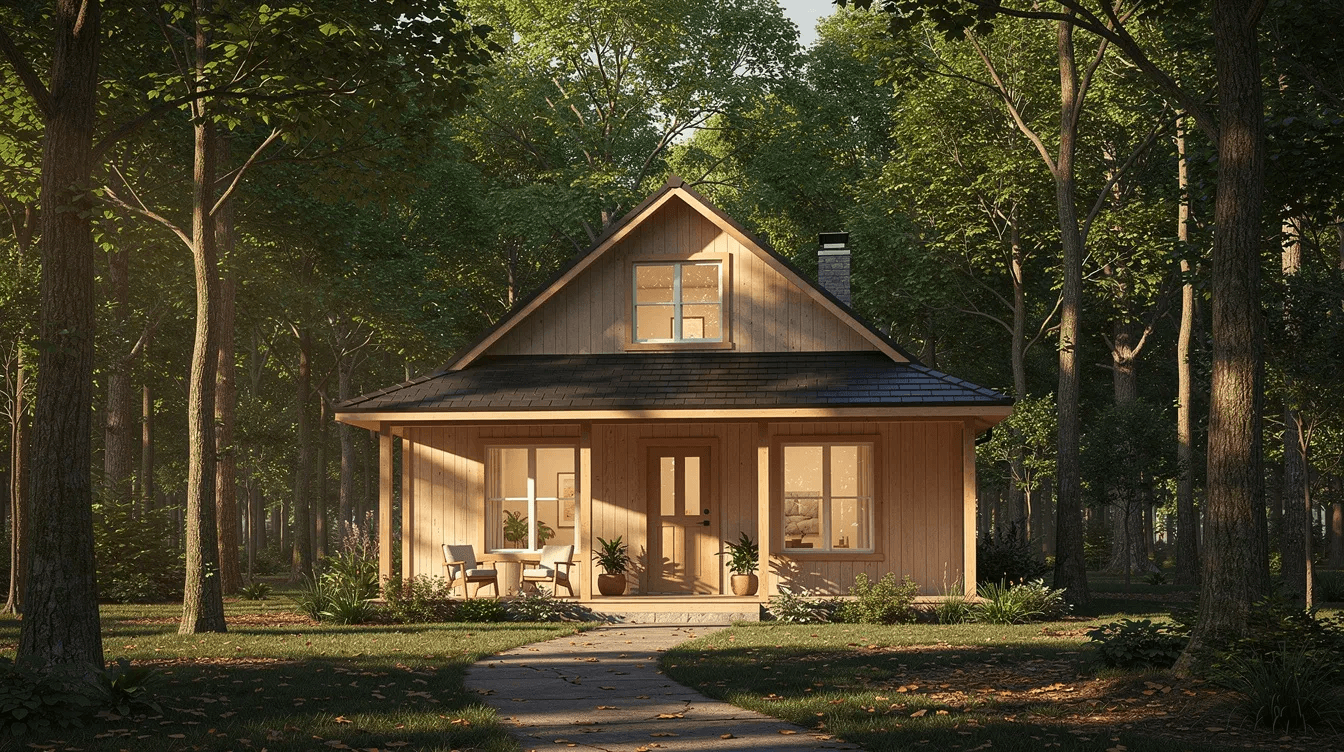
Usually ranging from 350–1,000 square feet, these must comply with the North Carolina Residential Code, including minimum room sizes, ceiling heights, stair safety regulations, and emergency egress windows. Foundation-built homes are ideal for full-time living and qualify for traditional mortgage financing. Wishbone Tiny Homes prices foundation homes from $99,000 to over $200,000 depending on customization.
Park Model RVs
These units follow ANSI A119.5 standards and typically measure around 400 square feet. They’re popular in mountain and lake communities across NC, used primarily as vacation or retirement cottages. Their regulatory treatment differs from both THOWs and permanent structures, affecting placement options and financing availability.
A good builder will help you decide between these formats based on county rules, budget, mobility needs, and whether the home will serve as primary residence, guest house, or rental property.
How to Choose the Right Tiny Home Builder in North Carolina
Follow these steps to evaluate and hire a builder who fits your project.
Step 1: Define Your Tiny Lifestyle Goals
Clarify what you actually want. Are you seeking full-time living near Asheville or Raleigh? A mountain getaway near Boone or Hendersonville? A coastal retreat near Wilmington or the Outer Banks? Browsing modern tiny house designs for contemporary living can also help you clarify must-have features. Your answer shapes everything from home type to builder selection.
Step 2: Set a Realistic Budget Range
In NC, professionally built tiny homes range from the lower tens of thousands for basic shells to six figures for fully customized, code-compliant small homes. Factor in land acquisition, site work (grading, driveways), utility connections, and permit fees. If you’re considering a more hands-on route, reviewing a detailed guide on how to build a tiny house step by step can clarify which tasks you might tackle yourself. Some builders like WNC Tiny Homes offer financing through partners such as Hearth for qualified buyers.
Step 3: Shortlist NC-Based Builders
Look for builders with North Carolina licensing, liability insurance, and a track record of projects finished in the last 3–5 years. Companies like Perch & Nest in Winston Salem, Mountain Brook Homes in Asheville, and Blessed Buildings & Tiny Homes in Cherryville represent established options with documented experience, similar in professionalism to top tiny house builders in other states like New York.
Step 4: Review Contracts, Inclusions, and Timelines
Contracts should clearly list materials, finishes, appliances, site work responsibilities, payment schedule, and expected completion dates. Avoid builders demanding large upfront payments without corresponding milestones.
Step 5: Visit Built Homes or Model Units
Tour at least one completed tiny home in NC to evaluate build quality, insulation effectiveness, storage solutions, and overall feel of the space. Many builders maintain model units or can arrange visits to completed properties.
Step 6: Check References & Online Reviews
Contact at least two past NC clients and verify satisfaction with communication, schedule adherence, and post-build support. Ask specifically how the builder handled unexpected challenges.
Understanding Costs & Timelines for Tiny Homes in North Carolina
Costs vary significantly depending on size, finish level, and whether the unit sits on wheels or a foundation. Understanding these variables prevents budget surprises.
Pricing Realities
Home Type | Typical Size | Price Range |
|---|---|---|
THOW (basic) | 200–350 sq ft | $40,000–$80,000 |
THOW (custom) | 200–350 sq ft | $80,000–$120,000+ |
Foundation home | 350–600 sq ft | $99,000–$200,000+ |
Park model | ~400 sq ft | $60,000–$100,000 |
Per-square-foot pricing in the NC tiny home market runs higher than conventional housing—commonly $200–$400 per square foot. This premium reflects custom work, compact system integration, and labor-intensive construction compared to standard stick-built homes. |
Additional Costs
Beyond the structure itself, budget for:
- Site work (grading, driveways, utility connections)
- Permit fees (varying by jurisdiction)
- Impact fees in some cities
- Land acquisition
Timeline Expectations
- Permitting: Several weeks to a few months depending on local efficiency
- Construction: 8–20 weeks for a 300–600 square foot home once permits and materials are secured
Reserve a contingency budget of 5–10% for upgrades, site surprises like rocky soil, or mid-build material changes.
North Carolina Tiny Home Laws, Codes & Where You Can Place Your Home
NC is not universally tiny-home-friendly, but rules are improving in many areas. The catch? Regulations are hyper-local and change frequently.
Code Requirements for Permanent Tiny Homes
Foundation-built tiny homes must comply with the North Carolina Residential Code, including:
- Minimum room sizes
- Ceiling heights (typically 7 feet minimum for habitable spaces)
- Stair safety standards
- Emergency egress windows for bedrooms
These requirements often challenge ultra-small designs under 200 square feet, making the 200–400 square foot range more practical for compliance.
ADU Ordinances
Forward-thinking municipalities including Asheville, Raleigh, Durham, and Chapel Hill have adopted or updated accessory dwelling units regulations between 2020–2024. These ordinances typically specify maximum sizes, setback requirements, parking standards, and owner-occupancy rules, all of which shape where you can create tiny house nature-inspired retreats similar to the best tiny house nature getaways.
THOW and Park Model Classification
THOWs and park models are often classified as RVs, restricting legal placement to:
- RV parks
- Dedicated tiny home communities
- Specific rural parcels with county approval
Some counties prohibit permanent THOW residency entirely while others allow year-round habitation subject to conditions.
Critical action: Confirm all zoning, permitting, and inspection requirements with local building departments before construction. A qualified NC tiny home builder will help interpret these rules and coordinate with inspectors to avoid delays.
Tiny Home Communities & Popular Areas in North Carolina
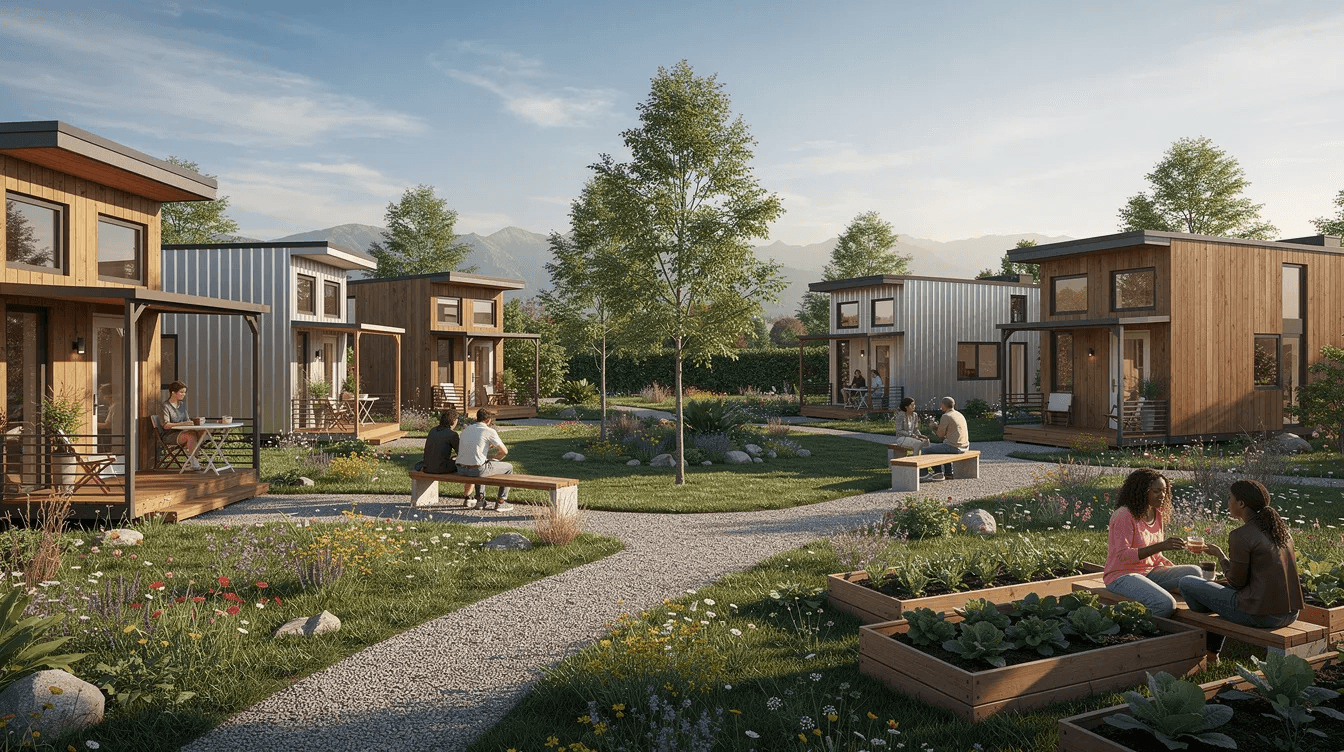
NC features a growing network of dedicated tiny house communities and pocket neighborhoods, with options expanding across the state.
Western North Carolina
The Asheville region and surrounding mountain towns function as the epicenter of NC’s tiny home movement. You’ll find established tiny house villages offering community gardens, walking trails, shared amenities, and progressive HOA structures. Many homes here lean into charming aesthetics similar to cute tiny house designs for dream homes. Communities around Hendersonville, Boone, and Waynesville show particular strength. Mountain Brook Homes and WNC Tiny Homes serve this market extensively.
Central NC & The Triangle
The Raleigh–Durham–Chapel Hill area has seen growing interest in ADUs and backyard cottages as cities adopt more flexible housing rules. The Triangle’s concentration of tech workers and remote employment opportunities creates demand for flexible, efficient housing.
Coastal NC
Communities near Wilmington and the Outer Banks use tiny homes and park models primarily as vacation cottages, often echoing design elements found in tropical tiny homes for cozy beachfront living. HOA restrictions and oceanfront regulations significantly impact placement options here, so buyers must review community rules carefully.
When working with a builder, ask for guidance on compatible communities, HOA requirements, and whether specific neighborhoods allow tiny houses on wheels, park models, or only foundation-built cottages.
The Tiny Home Build Process: From Idea to Move-In
Understanding the journey from first consultation to receiving keys reduces stress and sets realistic expectations. A clear process also reveals whether a builder operates professionally or improvises.
Stage 1: Consultation & Concept
This phase involves site review (if land is already owned), comprehensive lifestyle questions, rough budget discussion, and deciding on home type and size. Quality builders like Arrow Construction & Design offer free quotes within 2–3 days and handle building permit coordination.
Stage 2: Design & Selections
Clients work with the builder to finalize floor plans, choose exterior siding and roofing suited to NC weather, select interior finishes (flooring, cabinetry, appliances), and confirm energy-efficiency options. Perch & Nest offers both full builds and shells for DIY-minded customers.
Stage 3: Permits, Engineering & Approvals
For foundation homes, the builder prepares construction drawings for city/county review, submits permit applications, and coordinates any required engineering or septic design. This phase can take several weeks to months depending on jurisdiction efficiency.
Stage 4: Construction
Activities include:
- Site preparation and foundation work
- Framing
- Rough-ins (electrical, plumbing, HVAC)
- Insulation installation
- Interior finishes
- Exterior details (roofing, siding, decks, porches)
Periodic client walkthroughs allow homeowners to observe progress before final finishes conceal structural elements.
Stage 5: Inspections, Punch List & Move-In
Final building, electrical, plumbing, and mechanical inspections are scheduled. Any punch-list items are addressed. Homeowners receive keys, operator manuals, warranty documentation, and maintenance guidance.
A trustworthy NC builder provides regular updates, construction photos, and clear points of contact throughout these stages.
Real Tiny Home Experiences in North Carolina
These story summaries illustrate different ways NC residents have embraced tiny living.
Mountain Retiree Couple
A Charlotte couple downsized from a 2,000 square foot home to a 480 square foot one-level cottage near Hendersonville in 2023. Their focus: dramatically lower utility bills, walkable access to nature trails, and eliminating the maintenance burden of their previous property. They worked with a builder specializing in accessible single-level layouts, ensuring their tiny home supports aging-in-place for years to come.
Remote Worker ADU
A Raleigh professional built a 340 square foot accessory dwelling unit behind their existing home in 2022. The ADU serves as a dedicated home office now with future rental income potential. This approach created belonging to both their work life and investment strategy—flexibility that conventional construction rarely offers.
Family Lake Retreat
A family commissioned a 400 square foot park model near Lake Norman in 2024 for weekend getaways. The design includes bunk space for kids in a bedroom loft and a large deck for outdoor living. They’re now considering whether their perfect tiny home could eventually replace their primary residence after retirement.
Common themes across these experiences: improved quality of life, financial freedom from reduced housing costs, and strong relationships with NC builders who understood their specific needs.
Getting Started With Your Tiny Home in North Carolina
Your own tiny house doesn’t have to remain an idea. With focused action over the next 30–60 days, you can turn that dream into a concrete plan.
Your action list:
- Define location and purpose: Primary home, rental income, or weekend retreat? Mountain, city, or coast?
- Sketch ideal size and layout: How much space do you actually need? Consider 300–500 square feet as a starting point.
- Set a rough budget: Include land, site work, and contingency funds.
- Schedule consultations: Contact 2–3 NC-based tiny home builders with proven portfolios.
Before talking to any builder, gather basic site information—address, current utilities, photos of the property—so they can provide accurate guidance on what’s possible.
Visit at least one tiny home in person in NC. Tour an open house at a tiny home community, attend a local showcase event, or ask builders about viewing completed projects. Nothing replaces experiencing the space physically to confirm the lifestyle and square footage truly fit your needs.
With the right NC tiny home builder, a thoughtfully designed compact home can be planned and under construction far sooner than a conventional house. Whether you’re drawn to mountain trails near Asheville, the growing Triangle market, or coastal living near Wilmington, the tiny living lifestyle is within reach. Take that first step—define your goals, write down your budget, and make that consultation call. Your future tiny home in North Carolina starts with one decision to move forward.