



Interest in tiny home living near McKinney, Texas has surged since 2020, driven by remote work flexibility and skyrocketing housing costs across Collin County. A tiny home community near McKinney typically means a cluster of small homes—often 250 to 800 square feet—sharing green space, walking paths, and amenities within a 30 to 60 minute drive of downtown.
This article covers:
- Where to find ranch and lakeside tiny home communities near McKinney
- What daily life looks like in these enclaves
- Realistic costs, utilities, and lot rent expectations
- How to evaluate whether this lifestyle fits your vision
- Why Tiny Home Communities Make Sense Around McKinney, TX
- McKinney’s Emerging Tiny Home & Pocket Community Concept
- Example Tiny Home & Small-Scale Communities Within Reach of McKinney
- Eco-Friendly Tiny Homes and Regenerative Landscaping
- Types of Tiny Homes You’ll See Around McKinney
- Costs, Utilities, and Everyday Practicalities
- How to Choose the Right Tiny Home Community Near McKinney
Why Tiny Home Communities Make Sense Around McKinney, TX
The housing crisis in Collin County has pushed many residents toward creative solutions. Median home prices have more than doubled since roughly 2012-2013, and approximately 20% of McKinney residents earn under $25,000 annually—meaning they need sub-$100,000 housing options that simply don’t exist in traditional markets.
Tiny home communities address this gap by offering:
- Lower monthly costs: Lot lease plus utilities instead of a hefty mortgage
- Reduced maintenance: A 300-400 square foot space costs less to heat, cool, and care for
- Built-in community: Shared amenities bring neighbors together rather than isolating people behind garage doors
For people interested in downsize options without sacrificing comfort or connection, these communities provide a practical path forward.
McKinney’s Emerging Tiny Home & Pocket Community Concept
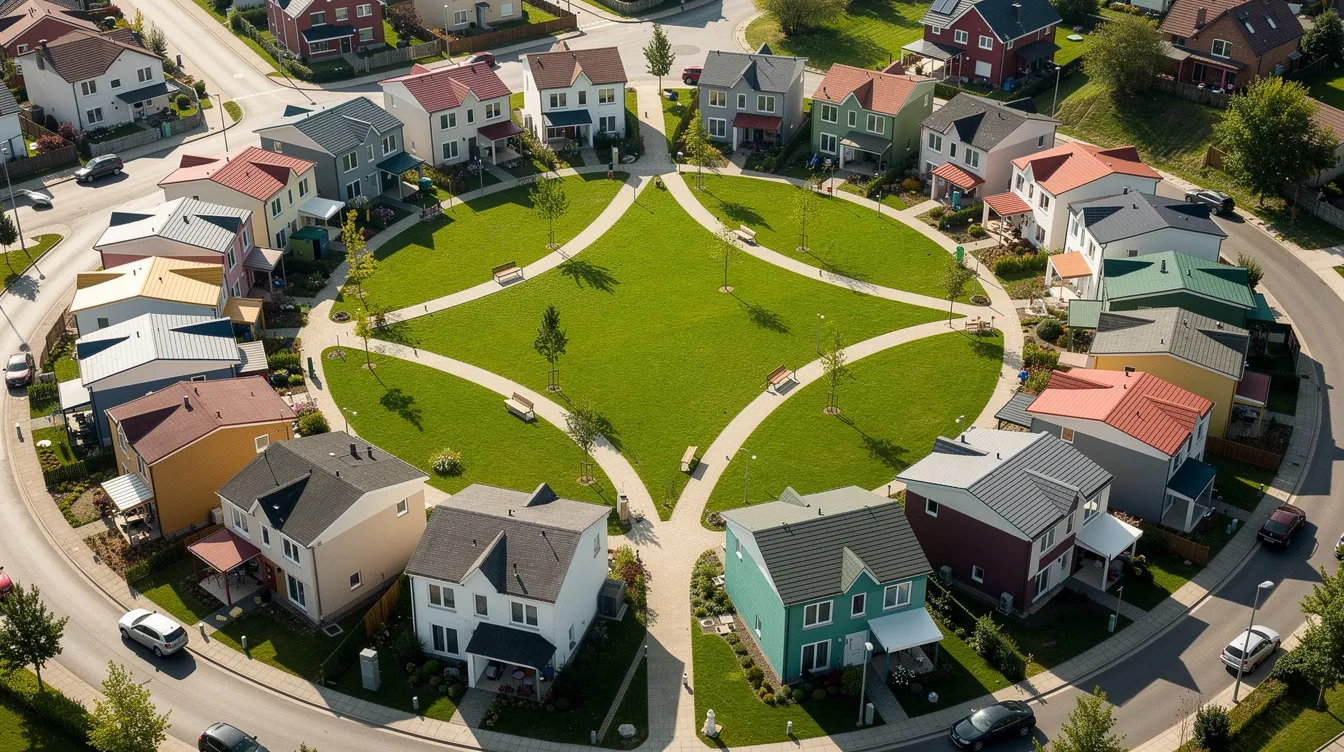
McKinney’s historic downtown, thriving arts scene, and family-focused parks create a natural fit for pocket neighborhoods. The model clusters 8 to 20 homes around shared green space—courtyards, gardens, or a central lawn—rather than sprawling subdivisions dominated by driveways.
What a tiny home pocket community typically includes:
- Walking paths connecting homes to communal areas
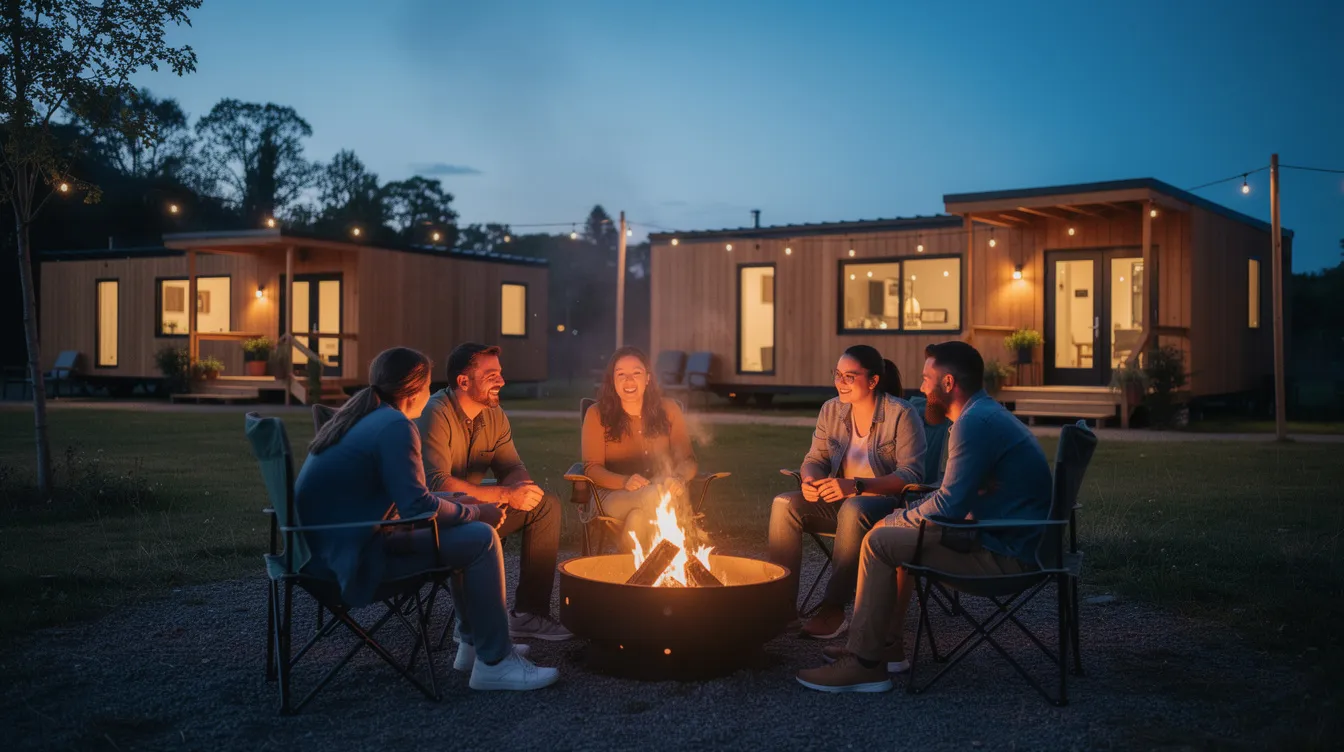
- Community garden beds, outdoor seating, and fire pit gathering spots
- Parking located at the perimeter to keep the interior safe and walkable
Several landowners north and east of McKinney have begun creating these intimate enclaves on converted ranch property, prioritizing human connection over maximum lot density.
Example Tiny Home & Small-Scale Communities Within Reach of McKinney
Within about 30 to 60 minutes of McKinney, you’ll find two primary community models developed for tiny home living, including ranch-style tiny house designs ideal for retreat living.
Ranch-style communities on 40 to 50 acre properties in Fannin or Hunt Counties offer:
- A dozen to twenty homesites on fenced land with pasture and small wooded areas
- Full-hookup pads with water, septic, and electric alongside off-grid-ready sites for solar or rainwater catchment
- Shared amenities like a fire pit, pond, covered pavilion, and central lawn
Lakeside communities near Celeste, Leonard, or Bonham provide:
- 10 to 15 sites around a small private lake with docks and kayak access
- Quiet settings designed for 55+ residents or those prioritizing privacy and low-noise living
Access routes typically include US-75, US-380, or SH-121 toward Sherman, Greenville, or Bonham—placing these communities 25 to 45 miles from downtown McKinney.
Community Amenities & Daily Life
Daily life in a tiny home community near McKinney revolves around simple rhythms. Residents enjoy morning walks on mowed trails, weekend cookouts at shared fire pits, and informal potlucks or gardening days that bring members together.
Typical amenities include:
- Central meadow or green space, sometimes with a fountain or small pond
- Covered pavilion or pergola for gatherings
- Mail and package area with gated entry on some properties
- Raised garden beds in common areas or personal lots
This stands in contrast to suburban isolation—here, you know your neighbors by name.
Eco-Friendly Tiny Homes and Regenerative Landscaping
Many tiny home communities near McKinney leverage their rural site to focus on sustainability designed for North Texas climate realities—heat, droughts, and sudden storms.
Eco-friendly home features commonly include:
- Mini-split HVAC systems sized for 300-400 square feet
- Spray-foam insulation to handle summer heat
- Low-flow fixtures, tankless water heaters, and LED lighting to reduce power and water usage
Regenerative landscaping on these properties often features:
- Native grasses and wildflower meadows requiring minimal irrigation
- Swales and rain gardens to capture stormwater
- Edible landscaping like blackberry hedges, fig trees, and herb beds
Residents are drawn not only by cost savings but by smaller environmental footprints and the opportunity to participate in land care directly on-site.
Types of Tiny Homes You’ll See Around McKinney
Communities within a drive of McKinney allow several tiny home formats, and many owners work with top custom tiny homes tailored to small-space living to get the exact layout they want:
Home Type | Typical Size | Best For |
|---|---|---|
Park model RVs | 12’-14’ wide, 32’-45’ long | Primary homes or weekend retreats |
Foundation-built cottages | 400-600 sq ft | Permanent residents seeking traditional feel |
THOWs (tiny houses on wheels) | 200-400 sq ft | Flexibility and mobility |
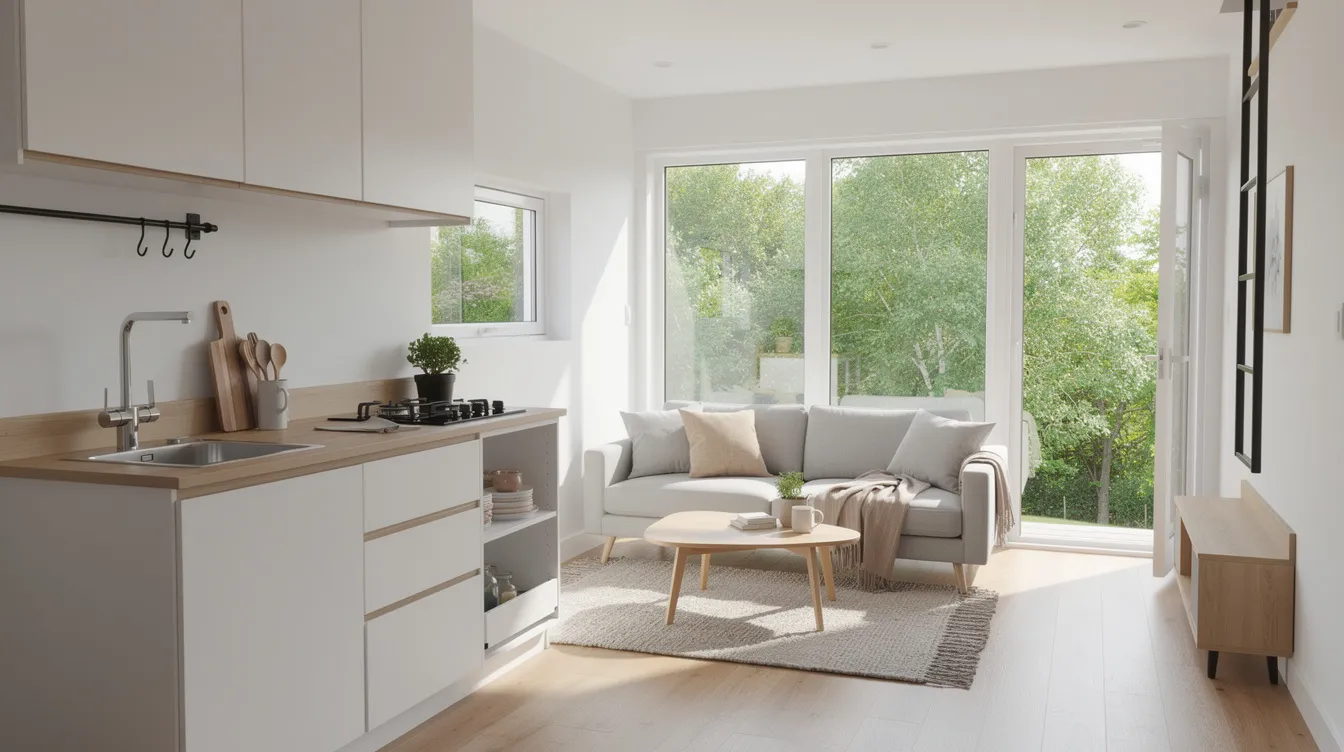
Interior layouts range from open-plan studios with soaking tubs to one-bedroom homes with lofts for guests or storage. For inspiration, many residents look to tiny house interiors that maximize every square foot. A-frame and cabin-style units with vaulted ceilings and large windows are popular for those who want to bring the outdoors in. |
Most communities require NOAH or RVIA certification and maintain design guidelines for exterior finishes, roofs, and skirting to keep the property cohesive, especially when they include tiny house park model homes as primary dwellings.
Full-Time Living vs. Weekend Retreats and Rentals
Tiny home communities near McKinney support varied use cases:
- Full-time residents commuting to McKinney, Allen, or Frisco
- Weekend ranch cabin or lake cottage owners
- Part-time owners who rent on platforms where allowed
Policies differ—some communities are 55+ and owner-occupied only, while others allow short-term rentals under specific rules. Confirm availability, rental restrictions, and whether cats or other pets are allowed before committing.
Costs, Utilities, and Everyday Practicalities
Tiny home living is often more affordable than a conventional McKinney house, but understanding total costs matters, and tools like a tiny home cost calculator for budgeting your build can help you plan realistically.
Typical monthly expenses:
Cost Element | Range |
|---|---|
Lot rent | $600-$1,000/month |
Electric (metered) | $50-$150 |
Water/septic | Often included or $30-$50 |
Trash | Usually included |
Internet | Optional, $50-$80 |
Compare this to McKinney apartments starting at $1,599 per month or higher; some buyers even explore tiny homes under $20K as ultra-low-cost options before factoring in land or lot rent. |
Practical details:
- One to two parking spaces per home, plus guest parking
- Community handles shared lawn care; residents manage personal decks and garden beds
- Rules about outdoor storage, sheds, and fencing keep the property neat
Access, Commute, and Nearby Conveniences
Living 25 to 45 miles from downtown McKinney means a 30 to 60 minute commute—a trade-off for more land, quiet, and open space. Sherman and Greenville are similarly accessible via US-75 or SH-121.
Nearby conveniences typically include:
- Groceries, healthcare, and schools within 15-30 minutes
- Restaurants and retail along major corridors
- Recreation at Lake Texoma, Lake Lavon, or Bonham State Park within about an hour
The experience balances travel time against a comfortable, safe place to call home.
How to Choose the Right Tiny Home Community Near McKinney
Moving from curiosity to action requires evaluating several key factors, including how your tiny house plans will fit your daily life and budget:
Lifestyle fit:
- 55+ vs. all-ages communities
- Pet policies and whether children are allowed
- Quiet retreat vs. more social atmosphere
Home type compatibility:
- Does the community support park models, THOWs, or only foundation-built cottages?
Ownership structure:
- Land-lease community vs. resident-owned lots vs. long-term rental
Before you commit:
- Visit in person—walk the property, talk with members, check noise and privacy
- Ask to learn the details of sample leases and community rules
- Consider how Collin County growth could affect commute time and future demand
The right tiny home community near McKinney is a testament to what’s possible when affordability meets intentional design, much like other tiny home communities and builders across Texas. Subscribe to community newsletters, contact properties directly, and schedule a visit to experience the lifestyle firsthand, or explore builders such as Garland Tiny Homes for quality small-space living options. Your piece of North Texas land—and a close-knit neighborhood—may be closer than you think.