

Living small is a smart way to simplify your life without sacrificing comfort or beauty. In this article, I share the 20 best tiny homes Japanese style that focus on clever storage and natural materials. You will see how these designs make the most of every square inch while keeping your space feeling calm, open, and organized.
- 1. Minimalist Zen Studio on Wheels
- 2. Traditional Minka Style Prefab Cabin
- 3. Sliding Shoji Screen Room Dividers
- 4. Cedar Cladding Modern Micro House
- 5. Tatami Mat Sleeping Loft
- 6. Hidden Floor Storage Compartments
- 7. Compact Indoor Garden Atrium
- 8. Wabi Sabi Reclaimed Wood Interior
- 9. Japanese Soaking Tub Wet Room
- 10. Multi Functional Genkan Entryway
- 11. Light Filled Origami Roof Design
- 12. Burnt Wood Shou Sugi Ban Exterior
- 13. Fold Down Dining Tea Table
- 14. Vertical Slat Wood Privacy Screens
- 15. Floating Mezzanine Reading Nook
- 16. Glass Walls for Nature Integration
- 17. Modular Box Living Units
- 18. Elevated Platform Bed With Drawers
- 19. Bamboo Finished Sustainable Tiny Home
- 20. Paper Lantern Inspired Skylights
- Wrapping Up
1. Minimalist Zen Studio on Wheels
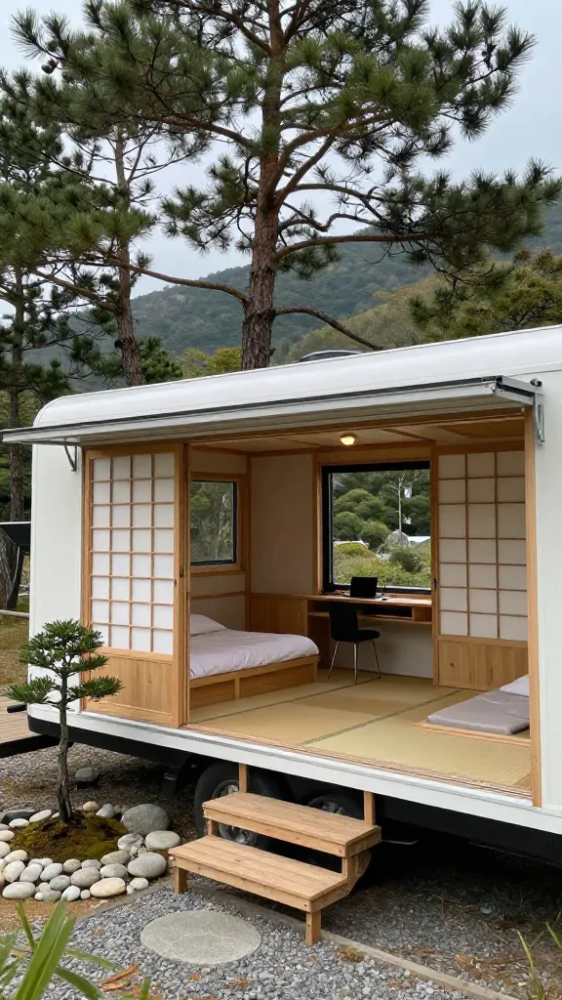
Living in a small space doesn’t have to feel cramped if you prioritize clean lines and open floor area. A mobile zen studio lets you bring a sense of peace wherever you park, which is perfect for someone who works remotely or needs a quiet creative retreat.
This design relies on shoji screens to divide the sleeping area from your workspace without blocking natural light. You’ll want to choose light-colored wood finishes and low-profile furniture to keep the interior feeling airy rather than cluttered. It’s all about removing the excess so you can focus on the tasks that actually matter to you.
Keep your daily gear hidden inside built-in floor compartments to maintain the minimalist aesthetic. When the weather is nice, you can slide open the main door to create a seamless connection between your interior space and the outdoors. It makes the entire footprint feel much larger than it actually is on the trailer.
2. Traditional Minka Style Prefab Cabin
Feature
Traditional Minka
Prefab Minka Cabin
Build Time
Months or years
A few weeks
Materials
Hand-hewn timber
Engineered wood
Foundation
Stone base
Concrete piers
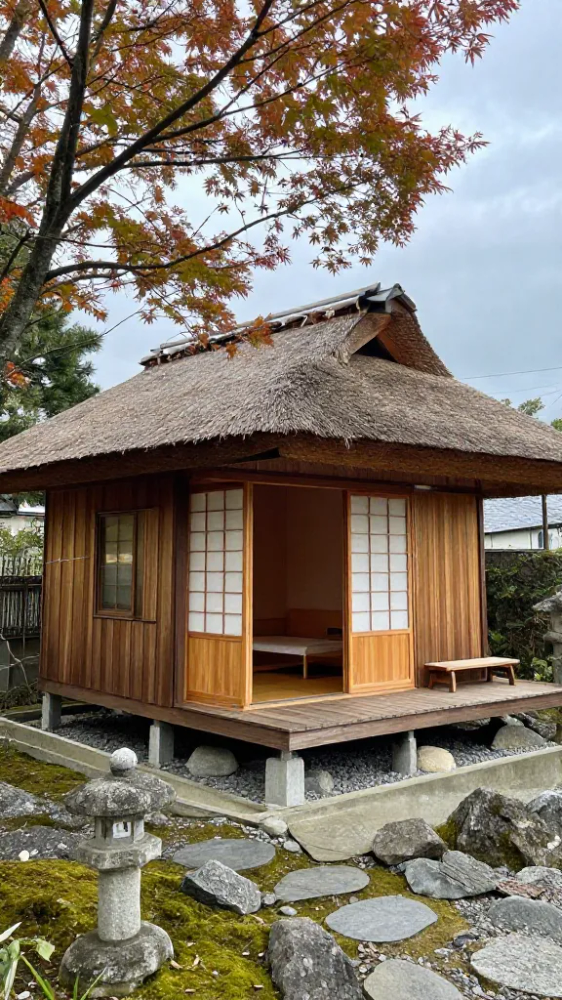
You might picture a sprawling farmhouse in the Japanese countryside when you hear the word minka. These days, you can actually get that same rustic aesthetic in a modern prefab kit that shows up on a flatbed truck.
These cabins focus on the iconic exposed timber frame and steep, gabled rooflines. Manufacturers use precision milling to ensure every beam fits perfectly, which keeps the build time remarkably short.
The interior usually features open floor plans with natural wood walls and plenty of light. It keeps the soul of an ancient farmhouse while making sure you aren’t fighting with drafty gaps or rotting foundations.
It is a smart way to enjoy the minimalist charm of a rural retreat without needing a master carpenter on site for a year. You get the traditional look with the reliability of modern construction methods.
3. Sliding Shoji Screen Room Dividers
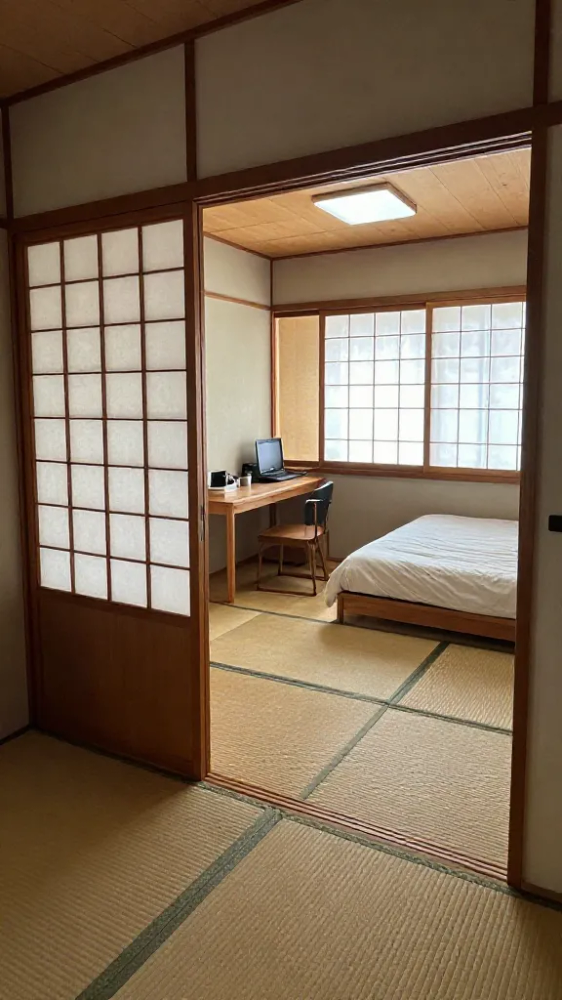
Installing sliding shoji screens is the single most effective way to make a tiny home feel much larger than it actually is. These traditional paper panels glide on floor tracks, which means you don’t waste any precious square footage on swinging door clearance.
You can use these screens to hide your bed during the day or to create a private workspace in seconds. Because the rice paper diffuses light, your home stays bright even when you close off specific areas for privacy. They offer a clean aesthetic that hides clutter, helping you maintain a calm vibe in a very tight living space.
4. Cedar Cladding Modern Micro House
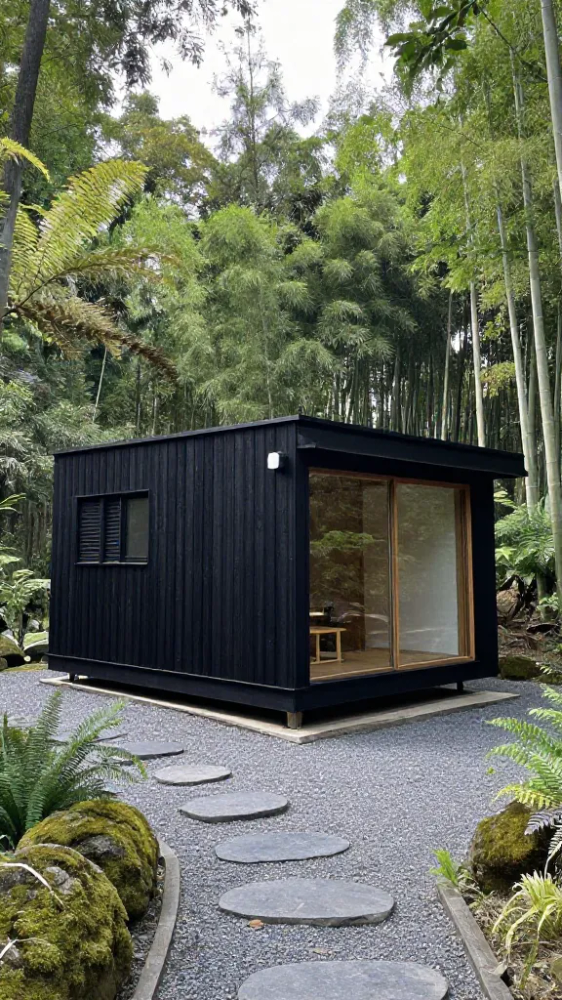
This micro house uses charred cedar siding to blend right into the surrounding woods. It follows the traditional shou sugi ban technique, which makes the wood naturally resistant to rot and bugs without needing nasty chemical stains.
The dark finish looks sharp against the minimalist glass panels. It’s a smart way to keep maintenance low while making the exterior look intentional and modern.
- Use a breathable oil finish to keep the charred texture looking fresh.
- Install the cedar planks vertically to emphasize the height of the tiny space.
- Keep the roofline flat to maintain that clean Japanese aesthetic.
- Add a small wooden deck to bridge the gap between the indoors and the garden.
You’ll find that this approach creates a quiet, grounded retreat that feels much bigger than its actual footprint.
5. Tatami Mat Sleeping Loft
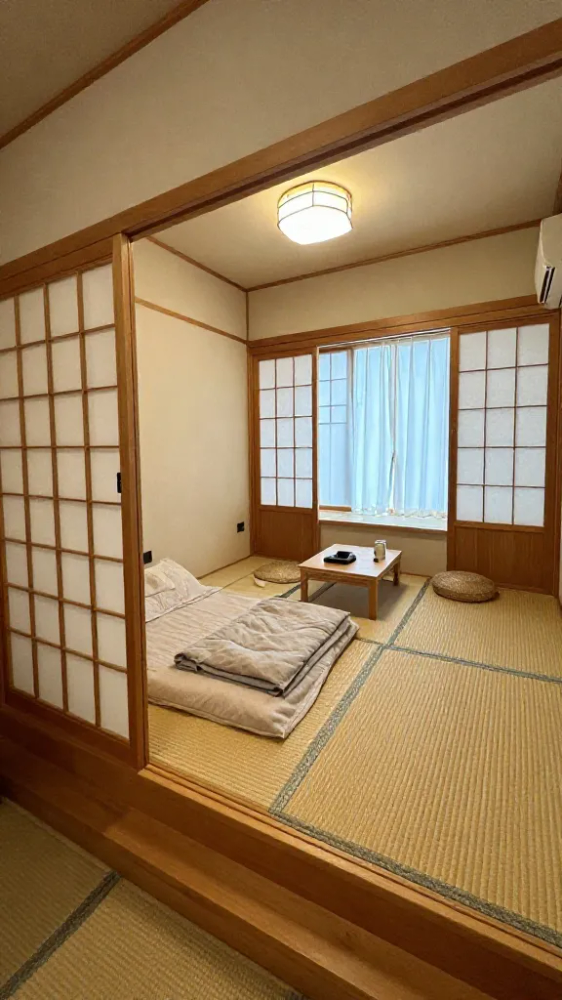
If you want to maximize your tiny home, you should really consider putting your bed on a tatami mat platform. Most people just throw a mattress on a plywood loft, but using traditional mats gives you a much better feel under your feet.
The straw core of these mats is slightly firm but still offers a nice amount of cushion. It also helps regulate humidity in a small space, which is a big deal when you are breathing and sleeping in a tiny room.
You don’t even need a heavy bed frame if you go this route. Just laying the mats directly on your loft floor makes the area feel like a peaceful zen retreat instead of just a cramped sleeping box.
You can roll up your bedding during the day to reclaim the floor space for reading or yoga. It makes a tiny home feel much larger when your bedroom does double duty as a living area.
6. Hidden Floor Storage Compartments
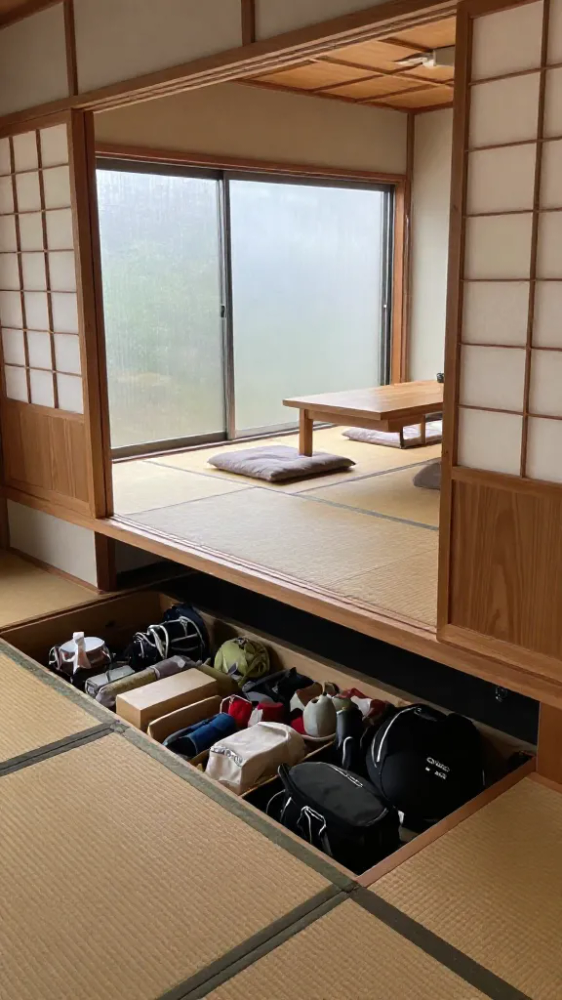
Living in a small space means you have to get creative with every square inch of your floor plan. Japanese design relies heavily on using the floor itself as a functional tool rather than just a walking surface.
By installing deep compartments under your floorboards, you gain massive amounts of space without cluttering your walls. It is a smart way to hide seasonal items or gear you don’t use every single day.
- Weight distribution is key because you need to ensure the floor joists can handle the extra load of your stored belongings.
- Access mechanisms like recessed finger pulls or flush rings keep the surface completely flat when the compartments are closed.
- Moisture control is essential since these hidden areas often sit close to the foundation where dampness can be a problem.
- Organization inserts help categorize your items so you aren’t digging through a giant hole in the middle of your kitchen.
You can easily build these by raising your subfloor by just six inches. It makes a huge difference in keeping your home feeling open and calm.
7. Compact Indoor Garden Atrium
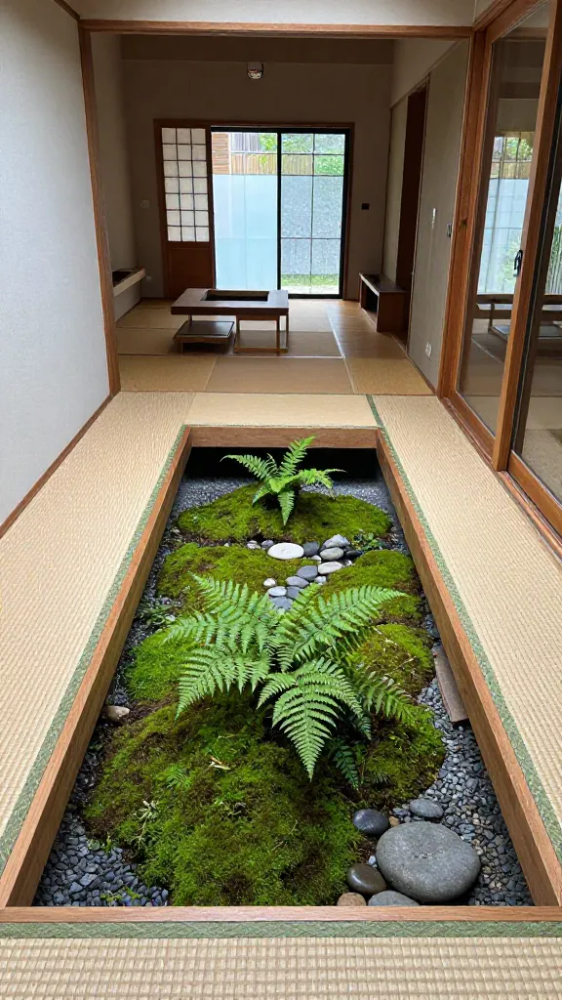
Some people swear by wall-mounted vertical planters to save floor space in their tiny homes. While these look great, they often struggle with drainage and can lead to water damage on your wooden walls over time.
A better move is to build a sunken garden atrium right into your entryway floor. This approach uses the home’s natural foundation to keep moisture contained, and it creates a clear transition zone that feels very traditional.
I definitely recommend the sunken approach because it adds a sense of depth to a small room. You can fill the space with smooth river stones and a single potted maple tree, which makes the whole place feel much larger than it actually is.
Just make sure you include a small hidden drainage tray underneath the stones. That little detail keeps the air fresh and prevents any standing water from ruining your floorboards during the humid months.
8. Wabi Sabi Reclaimed Wood Interior
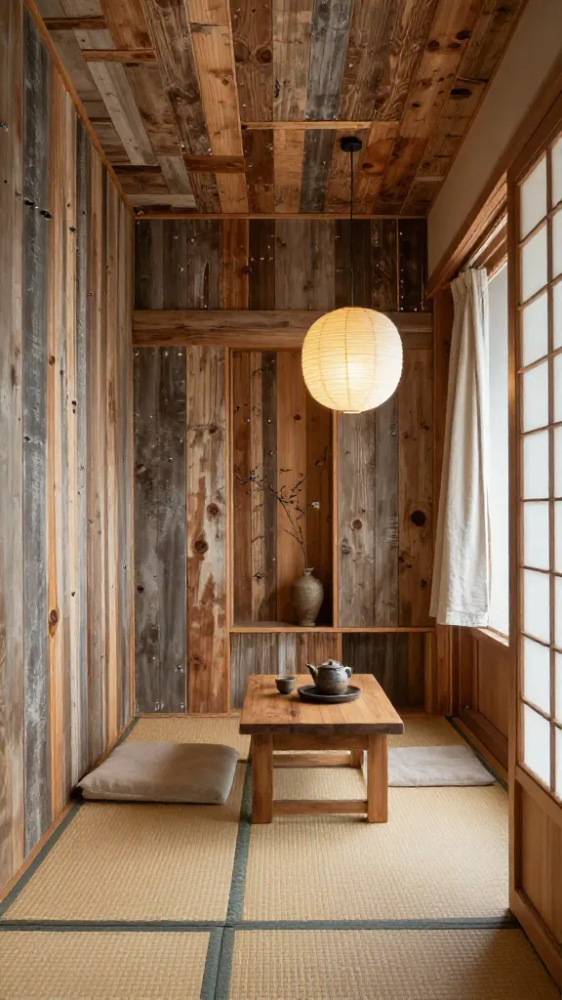
Embracing the wabi sabi philosophy in a tiny home is all about finding beauty in the natural aging process. Using reclaimed wood keeps your space grounded, providing a sense of history that new materials just can’t match.
You should look for timber salvaged from old barns or forgotten fences to line your walls. These boards often feature unique knots, nail holes, and weathered gray tones that create a peaceful, rustic atmosphere inside a small footprint.
It’s best to keep the wood unfinished or use a simple matte oil to protect the grain without adding a fake shine. This approach highlights the raw texture of the wood, which helps you feel connected to nature even when you are indoors.
Try pairing these reclaimed surfaces with soft, neutral linens to balance the rough edges. A small space feels much more intentional when the materials tell a story of their own.
9. Japanese Soaking Tub Wet Room
Feature
Standard Shower
Japanese Wet Room
Water Usage
Moderate
High
Function
Quick Rinse
Deep Relaxation
Design
Enclosed Stall
Open Waterproof Space
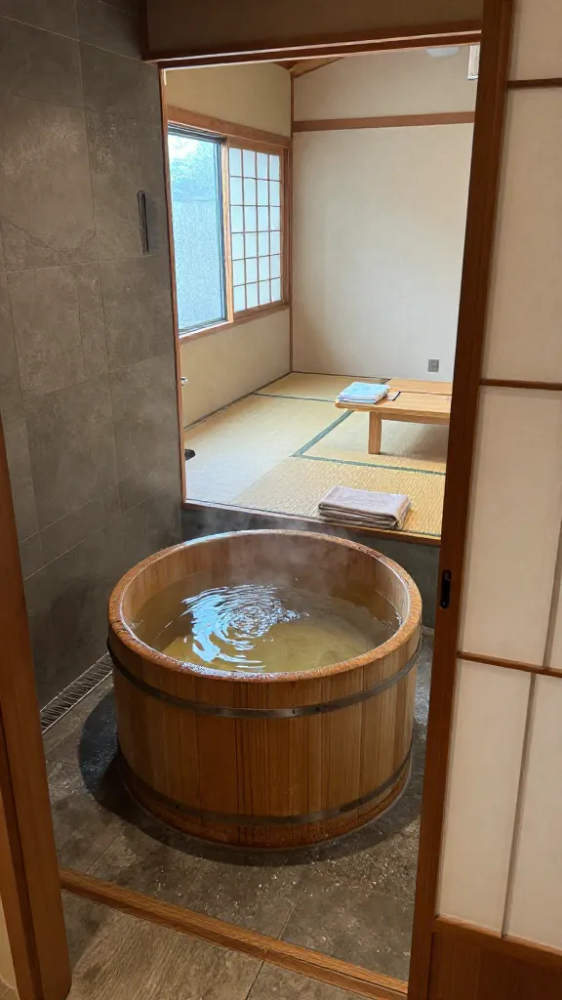
Imagine coming home after a long hike and sinking into a deep, cedar tub that keeps the water hot for hours. In a tiny home, placing this tub inside a wet room lets you wash your body outside the basin before you soak.
You don’t need to worry about splashing because the entire room is tiled and waterproofed with a floor drain. It turns a tiny bathroom into a spa-like retreat without wasting precious square footage on a separate shower stall.
Using a deep soaking tub in a wet room layout is smart for small spaces. It keeps the moisture contained and makes the area feel much bigger than it actually is. Cedar wood is a classic choice for the tub because it smells great and handles humidity well. You’ll find that this setup makes a tiny home feel luxurious rather than cramped.
10. Multi Functional Genkan Entryway
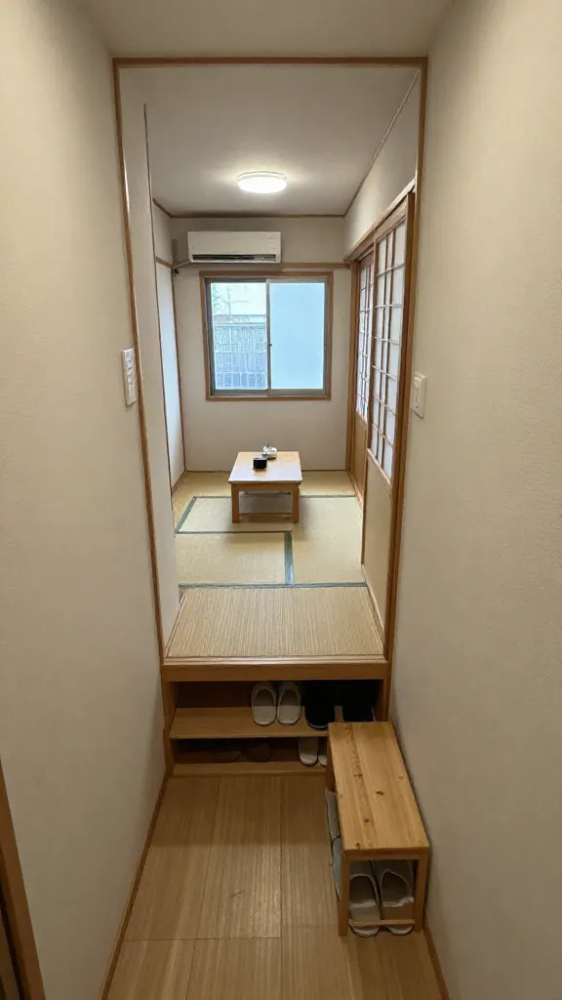
A genkan is the absolute secret to keeping a tiny home clean and organized, especially when you are working with limited square footage. By creating a sunken floor area right at the entrance, you physically separate the outdoor world from your living space.
You can use this area to store shoes on low shelves or tuck away wet umbrellas without dragging dirt into your main room. It acts like an airlock for your house, giving you a dedicated spot to drop gear before you step up into your cozy sanctuary.
11. Light Filled Origami Roof Design
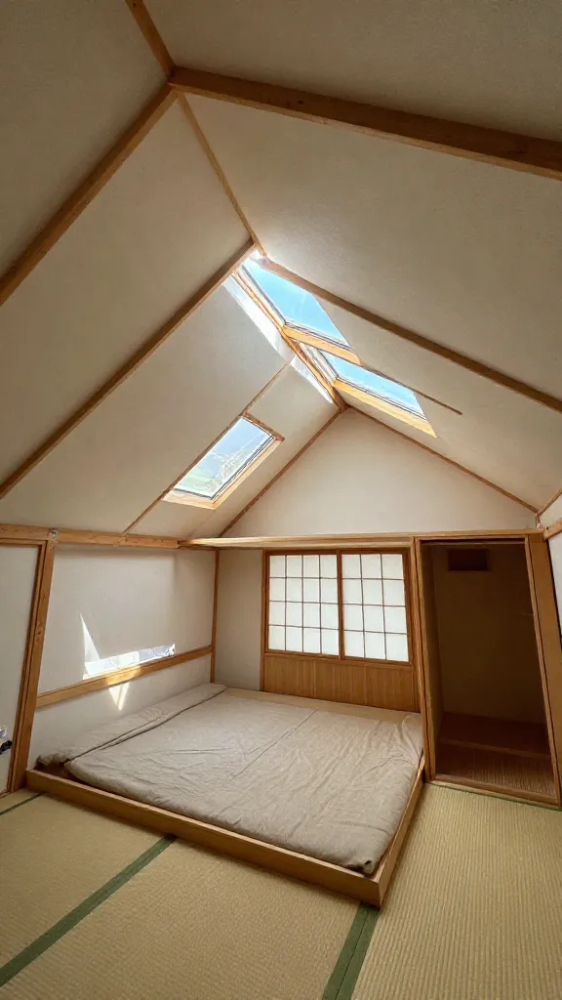
This design uses a folding roof structure that mimics paper art to bring natural light into every corner of a small space. By angling the roof planes, you can place windows at the peaks to pull sunlight deep into the center of the home.
It turns a tiny footprint into something that feels airy and open. You won’t feel cramped because the tall, sloped ceilings draw your eyes upward toward the sky.
- Install operable skylights at the highest points to vent hot air during the summer.
- Use lightweight metal or composite roofing materials to keep the structural load manageable.
- Line the interior of the ceiling with light-colored wood to reflect the incoming glow.
- Add deep overhangs to protect your windows from direct rain while maintaining the aesthetic.
The extra height provided by the origami shape also gives you a perfect spot to build a cozy loft for sleeping or extra storage.
12. Burnt Wood Shou Sugi Ban Exterior
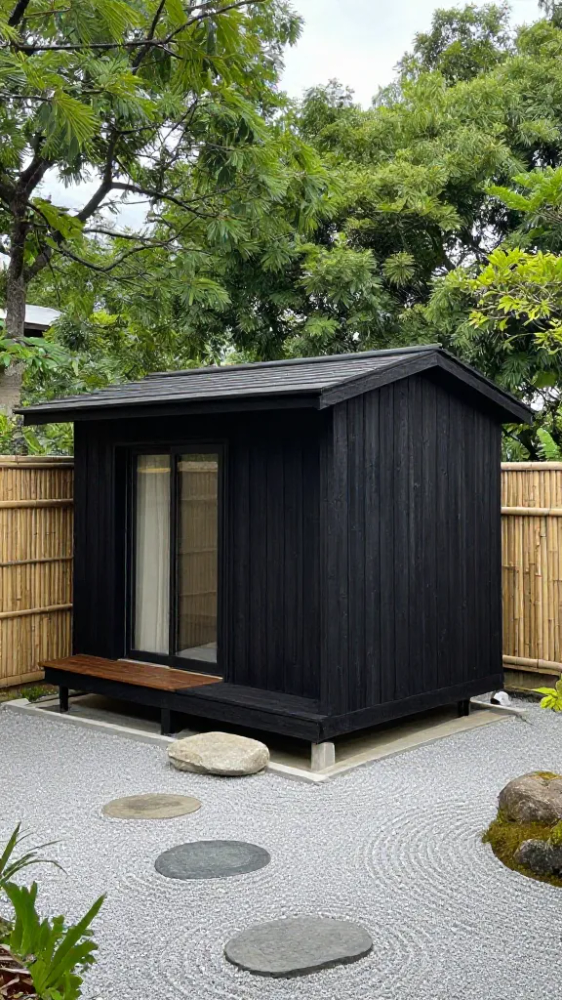
If you want your tiny home to look sharp and stay protected, you should really look into Shou Sugi Ban. It is a traditional Japanese method where you char the surface of the wood with fire.
This process isn’t just for looks, even though the deep, charcoal texture is beautiful. The burning actually creates a natural layer that resists rot, pests, and fire damage without needing harsh chemicals.
You can use different levels of charring to change the finish, ranging from a light, subtle brown to a pitch-black sheen. It holds up incredibly well against the elements, which is a huge plus when you are building a small structure that sits outside all year.
I find that it gives a tiny home a really grounded, sophisticated vibe that stands out from standard stained siding. It’s a bit of work to prepare the wood, but the low maintenance afterwards makes it worth every bit of effort.
13. Fold Down Dining Tea Table
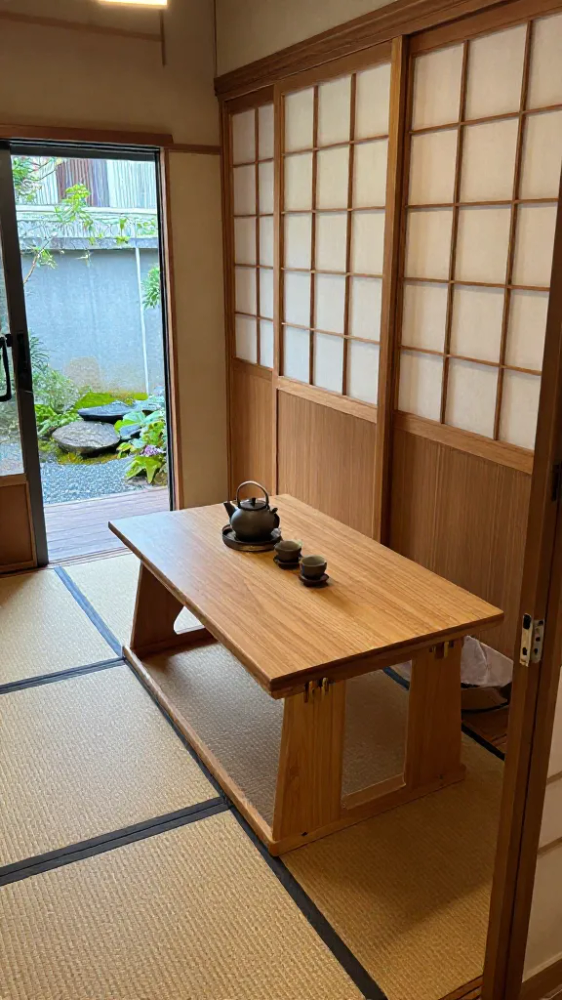
Japanese tiny homes often rely on a fold down tea table to keep floor space clear when you aren’t eating. It hangs flush against the wall like a piece of art until you need it for a meal or morning coffee.
The most important part of this setup is the heavy-duty hinge mechanism. If you pick a cheap hinge, the table will sag or wiggle while you try to drink tea.
- Look for a solid wood construction rather than hollow particle board to ensure it lasts for years.
- Install a magnetic latch so the tabletop stays firmly against the wall when it is folded up.
- Measure your seating height carefully because standard chairs often feel too tall for these wall-mounted surfaces.
- Pick a minimalist finish like light oak or pine to maintain that calm, airy aesthetic inside your home.
When you finish your meal, just unclip the legs and fold it flat. It gives you back your entire living area in seconds.
14. Vertical Slat Wood Privacy Screens
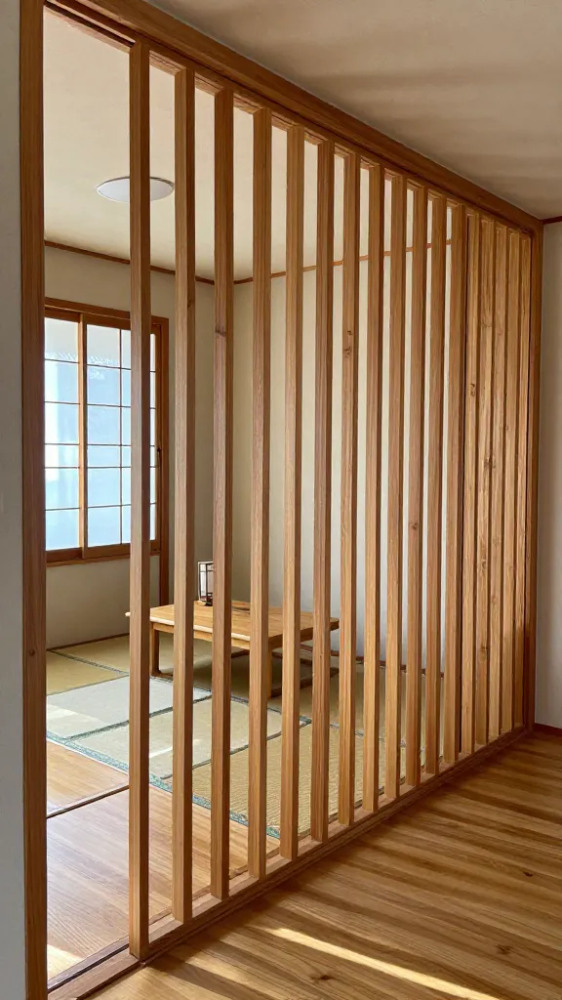
You can choose between stained cedar or raw, untreated cypress when picking wood for your privacy screens. While cedar holds up well against moisture, untreated cypress naturally resists rot and insects without needing toxic chemical treatments.
I suggest going with vertical cedar slats if you want a uniform look that mimics the sleek lines of traditional Japanese screen doors. It creates a beautiful sense of depth that draws the eye upward and makes your tiny home feel much taller inside.
If you prefer a more rustic, weathered aesthetic, raw cypress is the better choice. It will eventually turn a soft silver gray, which looks incredible against a dark metal exterior or minimalist white siding.
Just make sure you install these slats with enough spacing to allow for airflow. This prevents the wood from warping in humid climates and keeps your tiny space feeling light and airy.
15. Floating Mezzanine Reading Nook
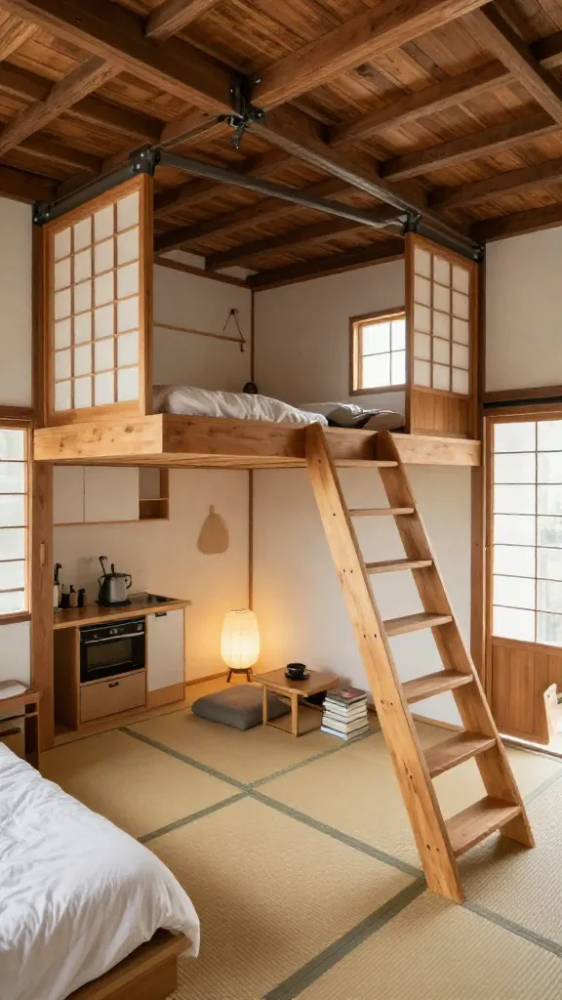
Space is always at a premium in Japanese-inspired tiny homes, so you really have to get creative with vertical areas. A floating mezzanine allows you to reclaim floor space while carving out a private sanctuary for reading or meditation.
Think of this as a wooden platform suspended by heavy-duty steel brackets or tucked into the rafters above your main living area. You can reach it with a slender ladder or built-in storage stairs that double as a bookshelf. It keeps the ground level feeling open and airy instead of cramped.
To make it comfortable, add a low floor cushion, a soft tatami mat, and a single warm lantern. This simple setup gives you a cozy spot to hide away with a book without sacrificing the functional square footage you need for daily chores.
16. Glass Walls for Nature Integration
Feature
Standard Wall
Glass Wall
View
Blocked
Panoramic
Light
Artificial
Natural
Privacy
High
Adjustable
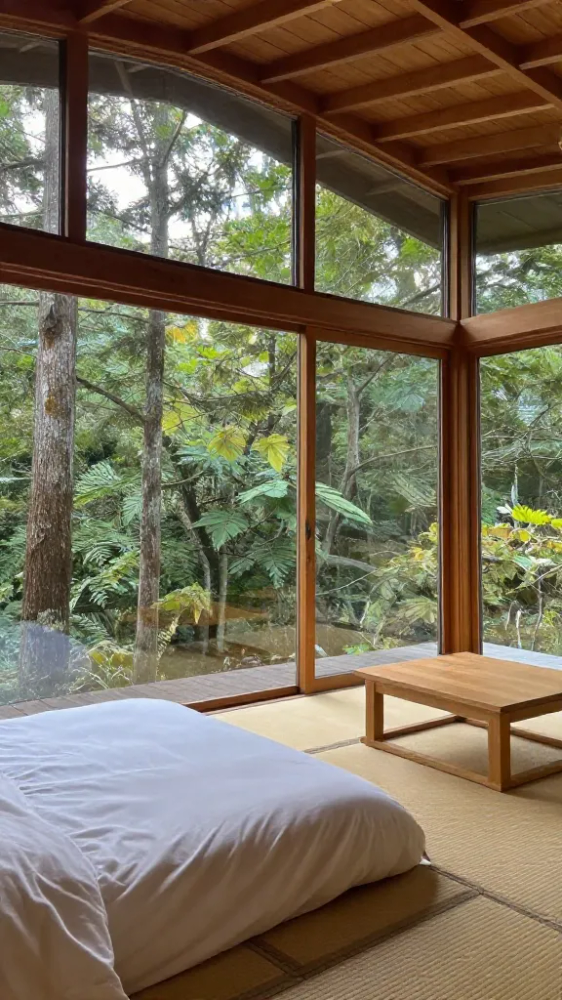
Imagine waking up in a tiny cedar home where your bed faces a forest floor instead of a plain drywall corner. You feel like you are sleeping right in the middle of the woods, even when it is raining outside.
Japanese design often uses floor to ceiling glass to blur the line between the indoors and the garden. This trick makes a cramped space feel much larger than it actually is. You can use sliding panels or bamboo screens if you need a bit more privacy at night.
These glass installations work best when paired with a wooden deck that matches your indoor flooring. It creates a continuous surface that draws your eye straight to the horizon. It is a simple way to bring peace into your daily routine without adding extra furniture.
17. Modular Box Living Units
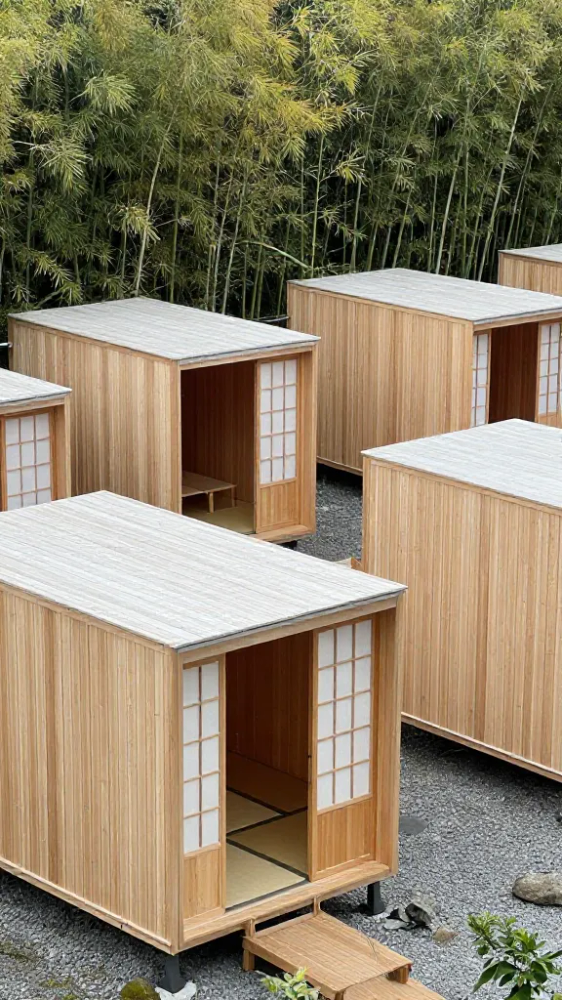
These modular box units are the most practical way to build a home if you want to keep costs low and construction time fast. They rely on standardized steel frames that fit together like precision puzzle pieces to create a rigid, weather-tight structure.
You can stack these cubes vertically or arrange them side by side to expand your footprint as your budget allows. Because each unit is manufactured in a factory, you don’t have to deal with the typical waste and delays found on a standard job site. The finished interiors often feature minimalist plywood cabinetry and sliding shoji screens to make the small, geometric spaces feel warm and open. It is a smart approach for anyone who values efficiency over architectural excess.
18. Elevated Platform Bed With Drawers
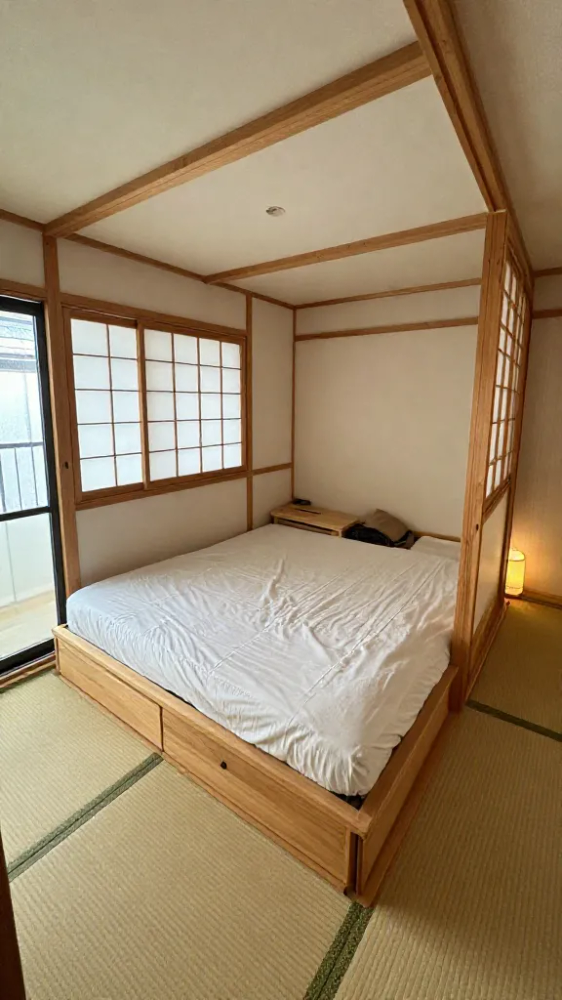
In a tiny Japanese-style home, floor space is precious and every square inch needs to pull its weight. A platform bed that sits a few feet off the ground lets you tuck away bulky items like seasonal clothes or extra linens right underneath the mattress.
This setup works because it mimics the clean, uncluttered aesthetic of traditional tatami rooms while adding modern storage convenience. You won’t need a bulky dresser taking up space elsewhere in your home.
- Choose drawers with soft-close slides to keep things quiet.
- Measure your ceiling height to ensure you have enough clearance to sit up comfortably.
- Use light wood finishes like ash or birch to keep the room feeling airy.
- Install thin LED strips along the base for a soft, warm glow at night.
By lifting your sleeping area, you create a dedicated zone that feels distinct from the rest of your living space.
19. Bamboo Finished Sustainable Tiny Home
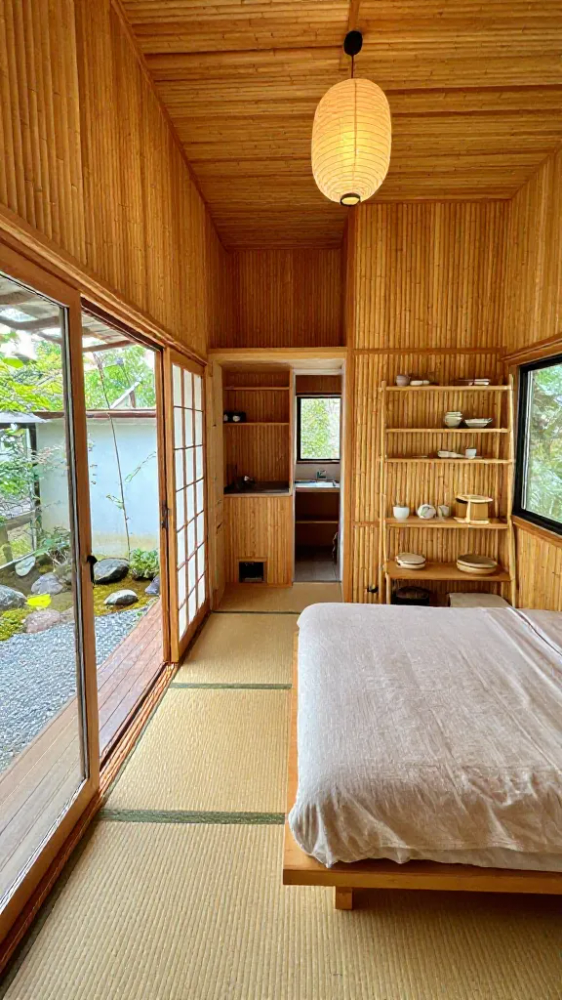
If you want a home that feels like a peaceful forest retreat, you should really look into bamboo finishes. It is one of the most sustainable materials you can find because it grows back so fast compared to traditional timber.
I love how the natural texture of bamboo softens the look of a compact space. It gives the interior a warm, golden glow that feels very authentic to Japanese design principles.
You can use it for flooring or as wall paneling to create a quiet, organic atmosphere. Since it is incredibly durable and moisture-resistant, it holds up perfectly even in tiny bathrooms or kitchens.
Installing bamboo cabinetry also helps keep the air quality in your home better than pressed wood alternatives. It is a smart way to stay eco-friendly without sacrificing that high-end, minimalist aesthetic you see in traditional Kyoto townhouses.
Just make sure you source your bamboo from certified suppliers who focus on ethical harvesting. It makes a huge difference in the longevity and the ethical footprint of your tiny home.
20. Paper Lantern Inspired Skylights
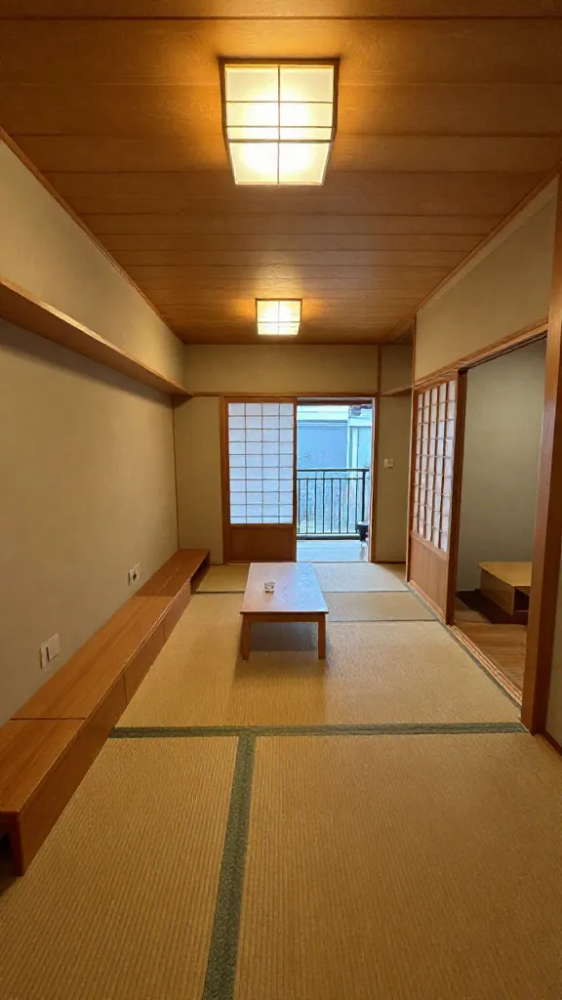
These skylights use frosted acrylic or specialized rice paper inserts to mimic the soft glow of traditional chochin lanterns. They turn harsh midday sun into a gentle, diffused light that makes a tiny room feel much larger.
You don’t need expensive custom glass to get this effect. Installing a translucent panel beneath your standard roof window softens the space immediately.
- Diffused lighting helps eliminate those sharp, annoying shadows that make small corners feel cramped.
- Natural aesthetics bring a quiet, organic feel to your ceiling that matches wooden interiors perfectly.
- Light control remains easy because the panel acts like a permanent shade for bright afternoons.
- Minimalist design keeps the ceiling line clean and avoids the clutter of traditional bulky blinds.
The best part is how they glow at night under the moonlight. It creates a calm atmosphere that helps you wind down after a long day.
Wrapping Up
These 20 best tiny homes Japanese style show how much you can do with a small, intentional space. By focusing on smart storage and natural light, you can create a peaceful sanctuary that feels much bigger than it really is. Take these design ideas and start planning your own minimalist retreat today. You will be surprised at how much freedom comes from living with less in a beautifully designed home.