
An aesthetic tiny home goes beyond simple downsizing. It represents a deliberate fusion of visual appeal and functional living within limited space. Whether you’re drawn to sleek minimalism or cozy cottage charm, the style you choose transforms how you experience daily life in your small house.
Different aesthetic approaches can make the same square footage feel dramatically different. This guide covers six popular tiny home ideas that balance beauty with practicality, helping you decide which style suits your lifestyle, location, and budget.
How We Chose the Best Aesthetic Tiny Home Styles
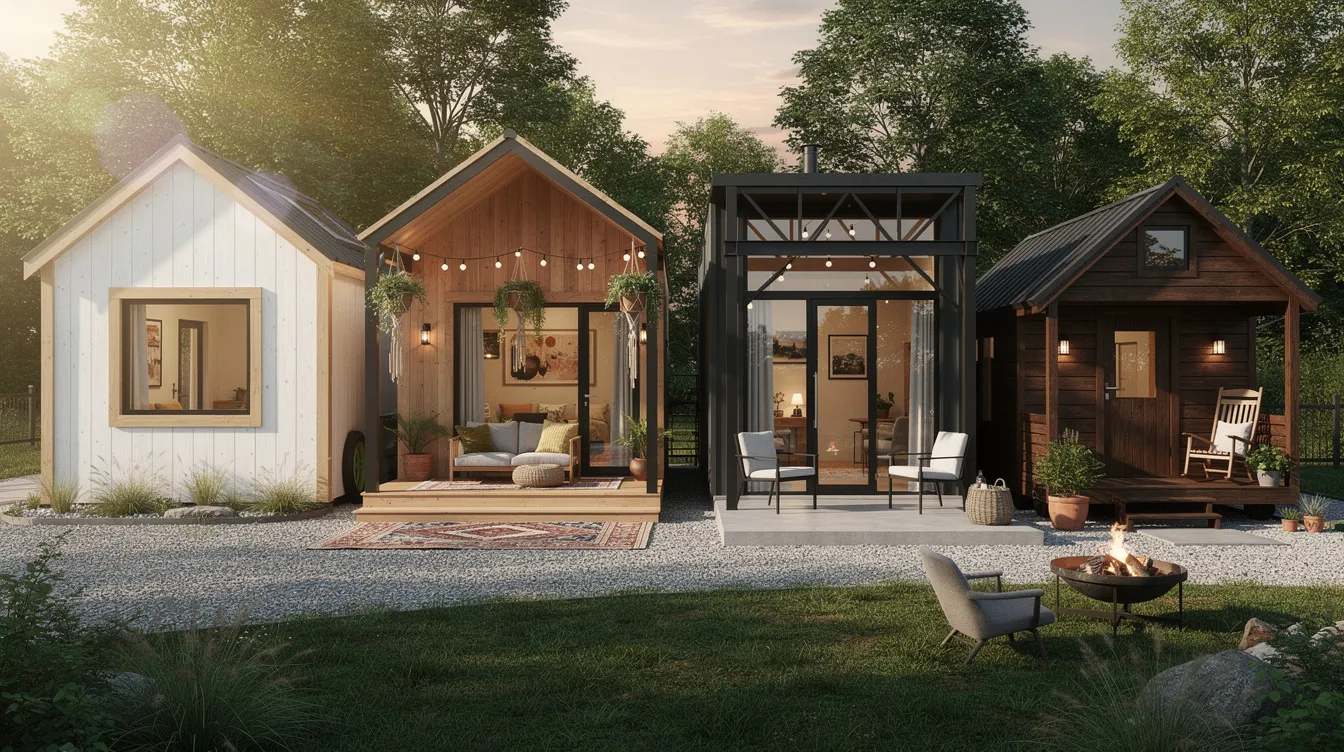
Selecting the best aesthetic styles required evaluating both visual impact and real-world livability. Each style had to demonstrate proven appeal across multiple tiny home builds while remaining achievable for most homeowners.
Key evaluation factors included:
- Design versatility and customization potential
- Space optimization techniques built into the style
- Cost-effectiveness of materials and construction
- Resale and rental appeal
- Maintenance requirements over time
- Compatibility with various climates and locations
The best aesthetic balances form and function, making your living space feel larger while supporting your daily routines.
Top 6 Aesthetic Tiny Home Styles for Design Lovers
1. Modern Minimalist
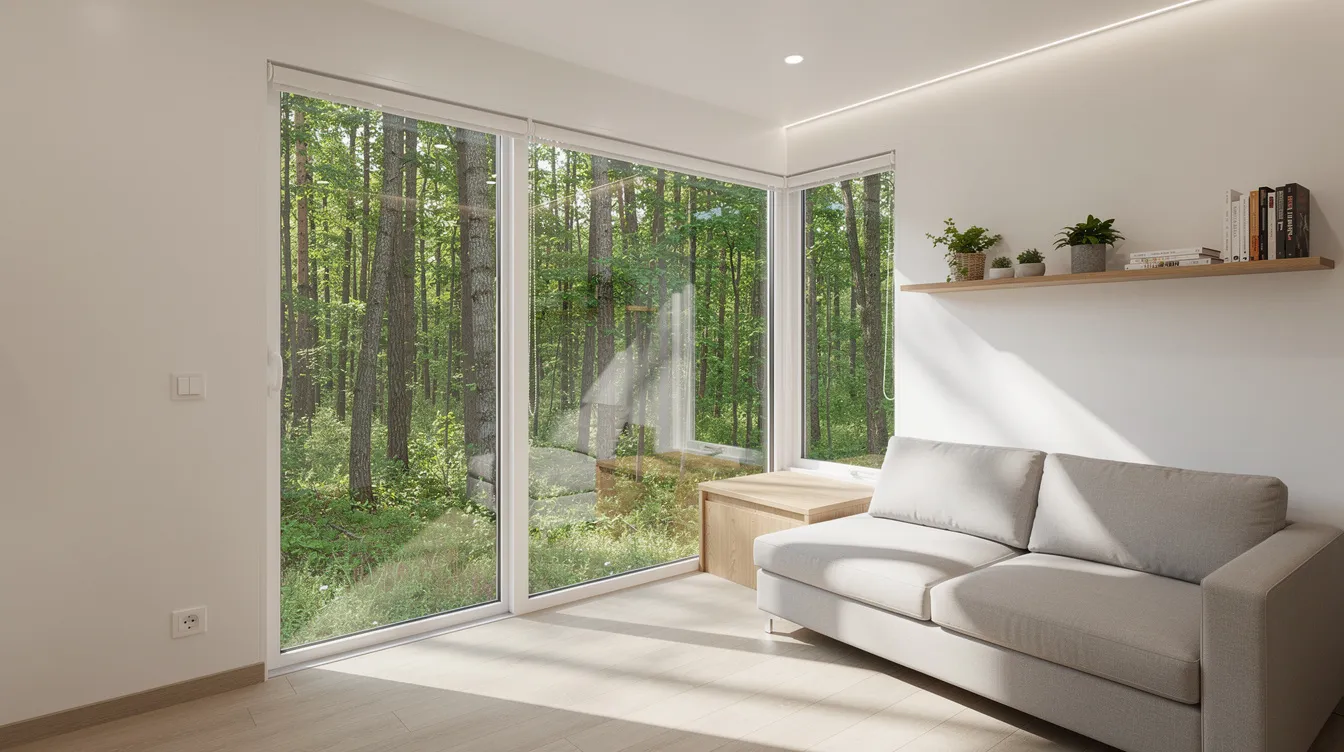
Modern minimalist tiny homes feature clean lines, neutral color palettes, and purposeful simplification. Think floor-to-ceiling windows, built-in furniture that blends into walls, and smart home integration for streamlined living, reflecting many principles found in minimalist tiny houses for sustainable living.
Why It Stands Out: This style makes small spaces feel expansive through visual clarity. By eliminating clutter and prioritizing open floor plan designs, minimalist homes create serene environments where every item serves a purpose.
Best For: Urban professionals, digital nomads, and anyone seeking a bright, airy interior that supports focus and reduces decision fatigue.
Key Strengths:
- Timeless aesthetic appeal
- Easy to maintain and clean
- Maximizes natural light through large windows
- Integrates well with smart technology
Possible Limitations:
- Can feel cold without warming accents
- Requires discipline to maintain the decluttered look
- Limited options for displaying decorative collections
2. Rustic Farmhouse
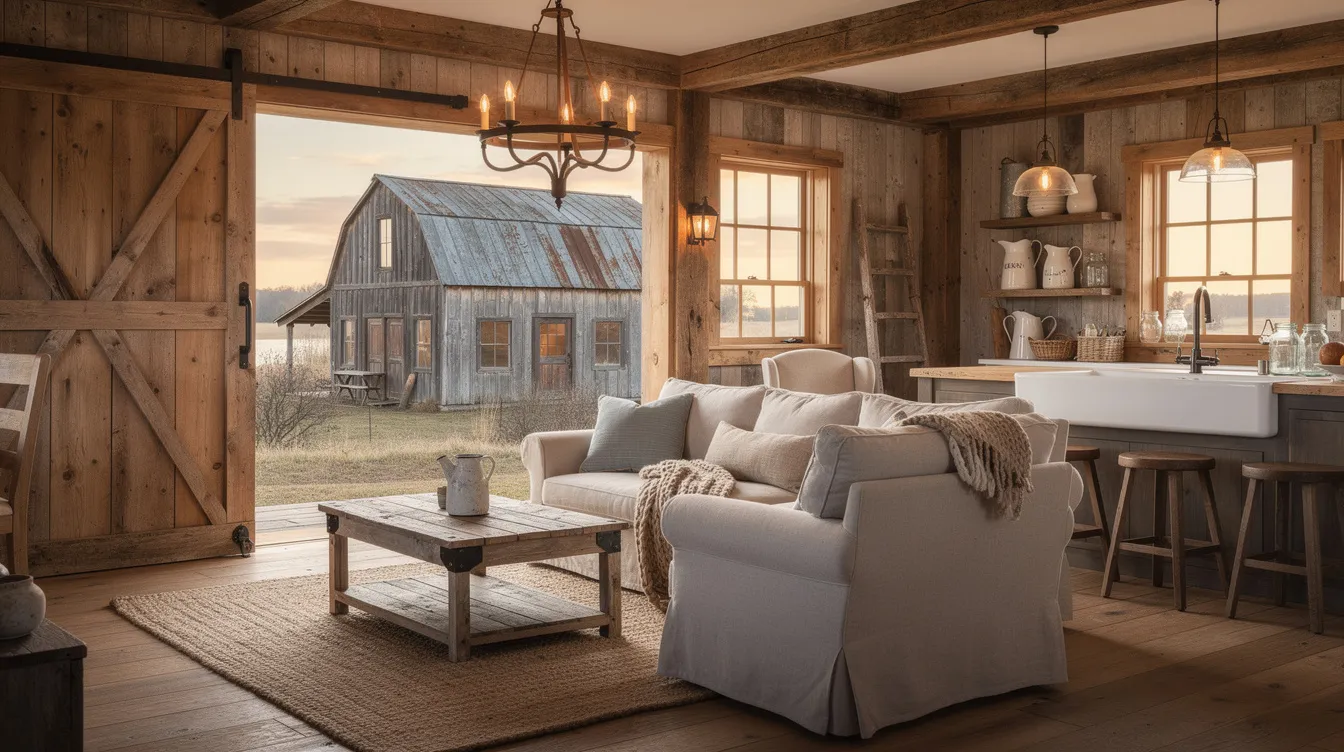
Rustic farmhouse aesthetics bring warmth through reclaimed wood, vintage hardware, and cozy country charm. Sliding barn doors, farmhouse sinks, and gambrel roof designs create inviting spaces filled with character.
Why It Stands Out: This style forgives the inevitable signs of daily life. Weathered finishes and natural materials develop patina over time, making your home feel more authentic rather than worn.
Best For: Rural dwellers, DIY enthusiasts, and families wanting a homey atmosphere that welcomes casual living.
Key Strengths:
- Affordable through secondhand and reclaimed materials
- Forgiving of visible wear and dust
- Flexible decorating opportunities with open shelving
- Creates cozy nooks through thoughtful spatial divisions
Possible Limitations:
- Wood elements require regular maintenance
- Darker woods can make small spaces feel cramped
- Dust collection on exposed textures
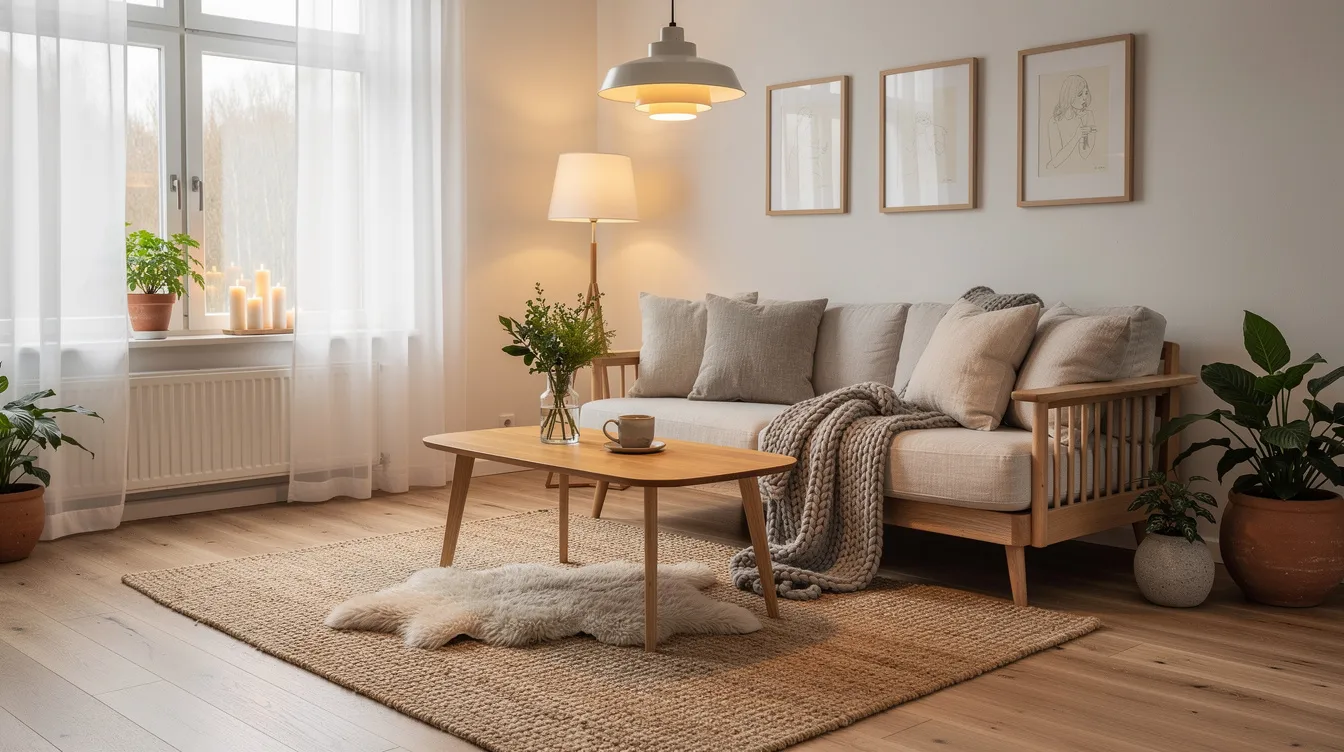
3. Scandinavian Hygge
Scandinavian hygge combines light woods, cozy textures, and functional Nordic design principles, similar to many Scandinavian tiny home designs for modern living. This style prioritizes well-being through layered lighting, natural textiles, and materials that age gracefully.
Why It Stands Out: It achieves the perfect balance between minimalism and warmth. The concept of “lagom” (balance) ensures spaces remain uncluttered while still feeling inviting and comfortable.
Best For: Cold climate residents, wellness-focused individuals, and anyone drawn to sustainable, high-quality materials.
Key Strengths:
- Light-enhancing design combats limited daylight
- Emphasis on sustainable material sourcing
- Promotes psychological comfort and rest
- Furniture selected for longevity and multiple functions
Possible Limitations:
- Higher upfront costs for quality materials
- Relatively limited color palette
- Most effective in northern climates with distinct seasons
4. Industrial Container
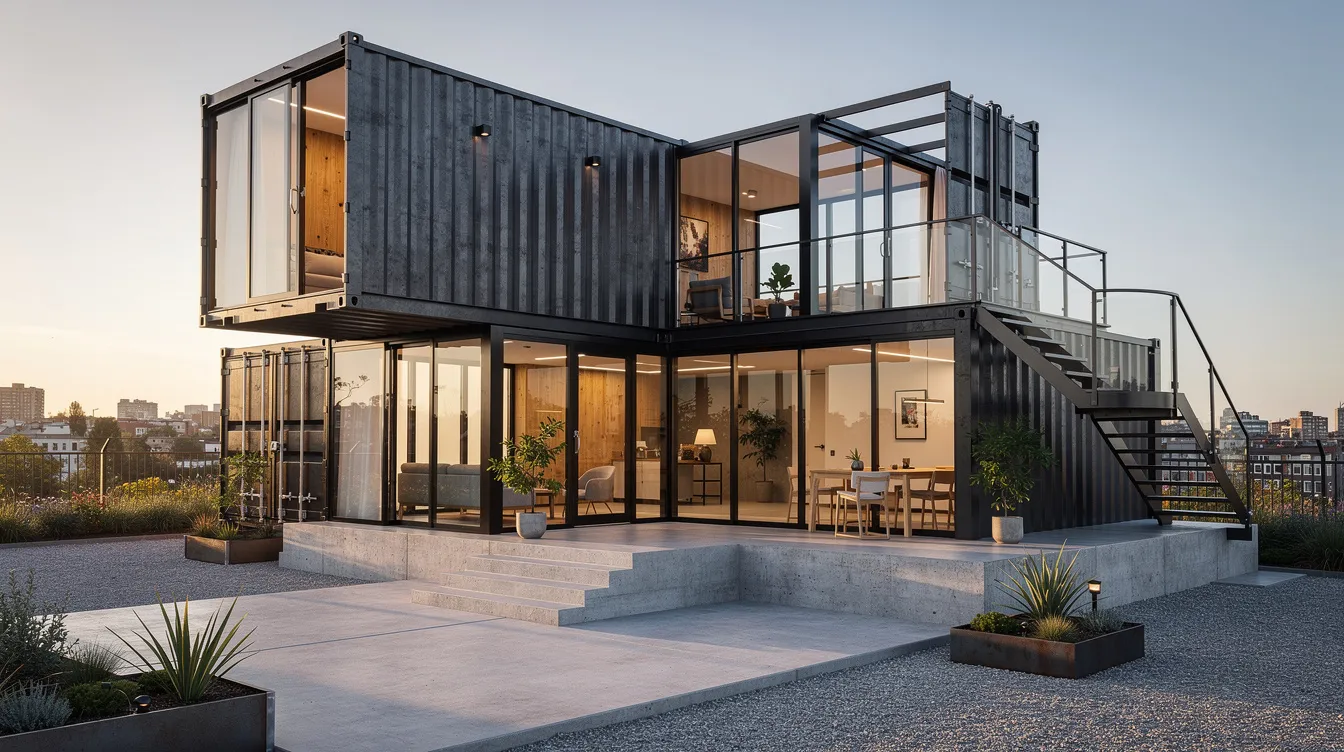
Industrial container homes transform shipping containers into striking residential spaces. Exposed metal, concrete accents, and bold architectural statements create distinctive structures that double as sustainability statements, embodying many benefits of tiny house living and space optimization.
Why It Stands Out: This style combines eco-conscious upcycling with urban edge. Containers are engineered for durability, can be stacked for expanded space, and create immediate visual interest in any setting.
Best For: Urban artists, eco-conscious builders, and those wanting a unique exterior that reflects alternative living philosophies.
Key Strengths:
- Extremely durable structure built to withstand stresses
- Genuine sustainable building method
- Modular expansion possibilities
- Low maintenance metal and concrete surfaces
Possible Limitations:
- Insulation challenges (metal conducts temperature extremes)
- Complex permitting requirements in many jurisdictions
- Limited window placement without significant modification
5. A-Frame Cabin
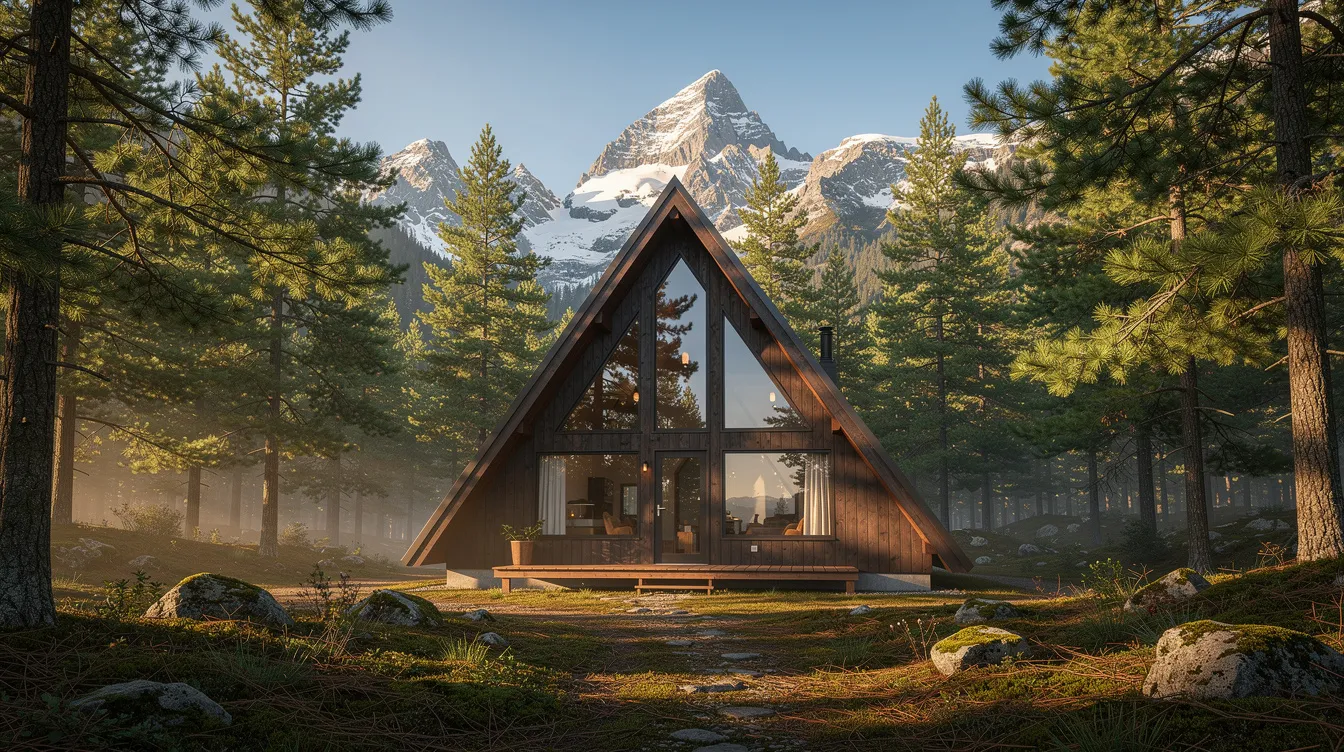
A-frame tiny homes feature dramatic triangular rooflines and expansive front-facing windows. The iconic silhouette creates mountain lodge atmosphere while the steep roof naturally handles weather extremes, rivaling some of the most elegant tiny homes that redefine modern living.
Why It Stands Out: Few architectural styles create such immediate visual impact. The front wall can be almost entirely windows, flooding the interior with light and establishing strong connections to surrounding nature.
Best For: Vacation home owners, mountain enthusiasts, and anyone seeking an Instagram-worthy design nestled in scenic locations.
Key Strengths:
- Weather-resistant design sheds snow and rain efficiently
- High ceilings maximize vertical space dramatically
- Creates bright, airy interiors through large window walls
- Perfect for loft sleeping arrangements
Possible Limitations:
- Sloped walls limit usable floor space at perimeter
- Challenging furniture placement around angled walls
- Potential headroom issues in loft areas
6. Vintage Cottage
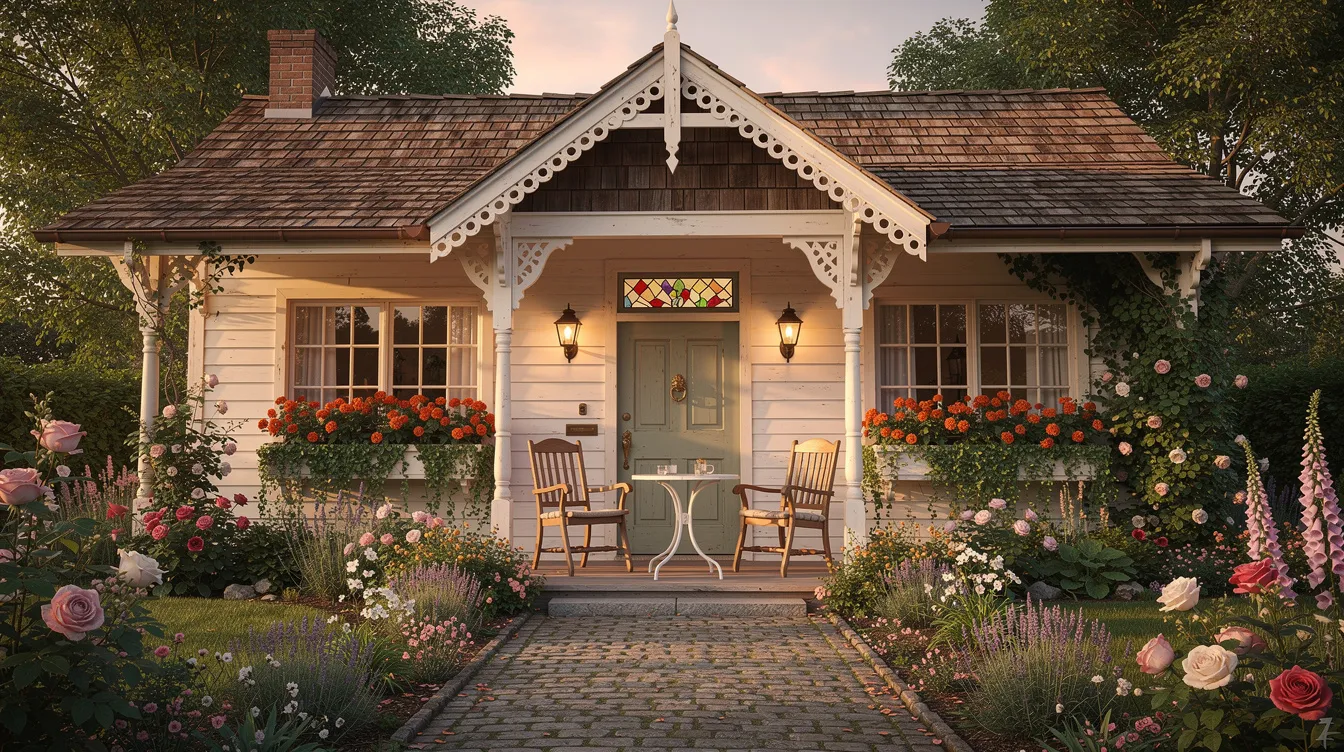
Vintage cottage aesthetics embrace storybook charm through gable roofs, window boxes, inviting porch areas, and ornate trim details. Stained glass accents, vintage light fixtures, and antique hardware create personalized character, much like many of the cute tiny house designs for your dream home.
Why It Stands Out: This style explicitly welcomes eclectic collecting. Vintage pieces become design features rather than clutter, allowing for creative expression through curated displays.
Best For: Antique lovers, creative individuals, and those wanting fairy-tale aesthetics tucked away in charming settings.
Key Strengths:
- Creates unique personality through decor choices
- Affordable through secondhand and antique sourcing
- Flexible decorating that evolves over time
- Bay windows and nooks create cozy seating corners
Possible Limitations:
- Can appear cluttered without careful curation
- Requires ongoing maintenance of vintage pieces
- Balance between charming and chaotic requires focus
Quick Comparison of the Best Aesthetic Tiny Home Styles
Style | Best For | Budget Level | Maintenance |
|---|---|---|---|
Urban living, low maintenance | Medium-High | Low | |
Rustic Farmhouse | DIY builders, cozy atmosphere | Low-Medium | Medium |
Scandinavian Hygge | Maximizing light, wellness | High | Low-Medium |
Industrial Container | Eco-conscious, unique designs | Medium | Low |
A-Frame Cabin | Vacation homes, nature connection | Medium-High | Medium |
Vintage Cottage | Creative expression, romantic charm | Low-Medium | Medium-High |
How to Choose the Right Aesthetic for Your Tiny Home
Choose Based on Your Lifestyle
Your daily routines should drive aesthetic decisions. If you work from home, modern minimalist reduces visual distraction. If you entertain frequently, rustic farmhouse’s forgiving warmth welcomes casual gatherings.
Consider your maintenance preferences honestly. Minimalist aesthetics demand pristine conditions where dust becomes prominent. Farmhouse and cottage styles save you stress by embracing visible wear.
Choose Based on Location and Climate
Geography significantly impacts which aesthetics function best. Scandinavian hygge evolved specifically for limited northern daylight. A-frame designs excel in areas with heavy snow loads. Cottage aesthetics feel most authentic in rural or coastal settings, as shown in many tiny house designs for modern living.
Your neighborhood context matters too. Industrial container aesthetics gain coherence in urban environments where they reflect surrounding architecture. A stone pathway leading to a rustic farmhouse fits rural properties naturally, while colonial-inspired details can echo the charm of colonial tiny house designs for cozy living spaces.
Choose Based on Budget and Timeline
Different aesthetics carry varying cost implications. Rustic farmhouse and vintage cottage leverage secondhand materials, reducing costs for those willing to hunt for finds and exploring affordable tiny house buildings and top designs. Modern minimalist requires investment in quality built-in solutions but eliminates ongoing decorating expenses.
Factor in long-term costs, not just initial build. That cute antique bathroom sink may require more maintenance than a simple modern alternative.
Which Aesthetic Style Is Best for You?
Choose Modern Minimalist if you prioritize easy maintenance, timeless appeal, and creating a functional workspace within your tiny house.
Choose Rustic Farmhouse if you want affordable materials, cozy charm, and a forgiving aesthetic that welcomes family life.
Choose Scandinavian Hygge if you need maximum light, wellness-focused design, and are willing to invest in quality materials that last.
Choose Industrial Container if sustainability and unique design are priorities, and you’re prepared for permitting complexity.
Choose A-Frame if you want dramatic architecture, strong nature connection, and are planning a vacation or trip destination home.
Choose Vintage Cottage if personal expression and romantic appeal matter most, and you enjoy the fun of curating vintage finds.
Final Thoughts
The best aesthetic tiny home depends on your personal style, location requirements, and how you actually live day-to-day. What photographs beautifully doesn’t always function well, and what functions well doesn’t always inspire you each morning.
Successful tiny home aesthetics balance visual appeal with practical functionality. Don’t opt for a style that requires constant effort to maintain if that effort will frustrate you within months; pay particular attention to tiny house interiors that maximize every square foot.
Consider hybrid approaches that combine elements from multiple styles. Many stunning tiny homes blend Scandinavian minimalism with rustic wood accents, or pair industrial structure with cottage-style soft furnishings, much like the great tiny homes that redefine small space living.
The key is choosing an aesthetic that enhances your daily life rather than complicating it. Visit tiny home communities, create mood boards, and identify your non-negotiables before committing. Your ideal aesthetic tiny home awaits—the inspiration starts with understanding what truly matters to you.