
Hawaii’s housing crisis has pushed median single family home prices past $1 million in many areas. That reality has sparked something unexpected: a tiny home craze across the islands. Tiny house communities in Hawaii now offer an alternative path to homeownership with costs significantly lower than traditional homes.
- Introduction: Tiny House Communities Across Hawaii
- Why Tiny House Communities Are Growing in Hawaii
- Types of Tiny House Communities in Hawaii
- Popular Tiny Home Styles in Hawaii Communities
- Zoning, Legalities & Where Tiny House Communities Can Exist
- Costs, Financing & Shared Infrastructure in Tiny House Communities
- Is a Tiny House Community in Hawaii Right for You?
Introduction: Tiny House Communities Across Hawaii
A tiny house community is a cluster of small dwellings—typically 100 to 600 square feet—where residents share land, infrastructure, and amenities. These communities are an emerging solution to Hawaii’s housing crisis, with some focusing on sustainability and others on affordable housing. You’ll find them scattered across Oahu, Maui, Kauai, and especially the Big Island, where agricultural zoning and cheaper land create opportunities.
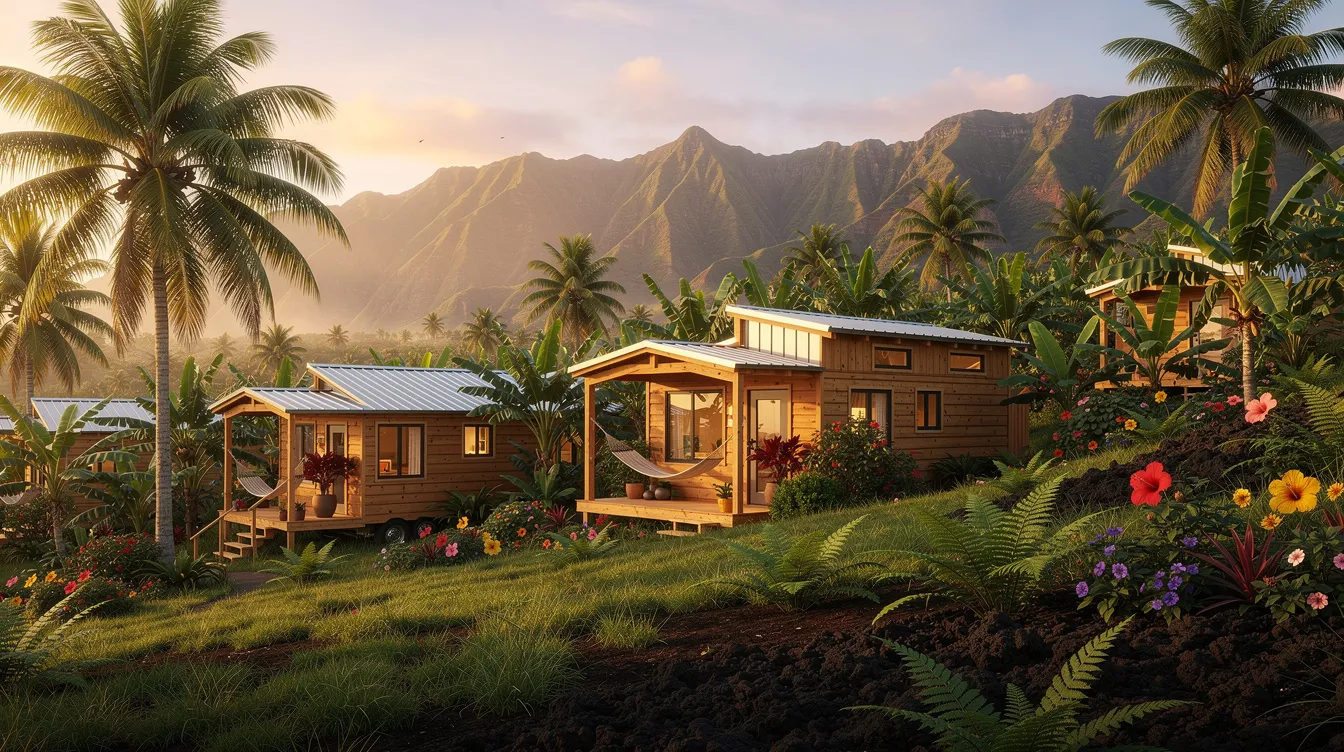
Tiny house communities in Hawaii provide opportunities for living in agricultural or rural areas, allowing residents to connect with nature. The appeal is straightforward: a new tiny home might cost $80,000 to $150,000 to build, while a traditional house in Honolulu runs over a million. That price gap has transformed island living for families seeking seeking paradise without crushing debt.
The key themes driving this movement include affordable alternatives to mainland-style housing, off-grid possibilities using solar and rainwater catchment, and a strong sense of community that mirrors Native Hawaiian ohana structures. Local regulations—which treat tiny homes differently depending on whether they’re on foundations or wheels—shape exactly where these communities can exist.
Why Tiny House Communities Are Growing in Hawaii
The tiny house movement gained traction during the Great Recession as an affordable housing option, appealing to those seeking financial independence and minimalism. Hawaii’s version accelerated after the state’s 2019 housing emergency declaration, when even working families found themselves priced out.
The numbers tell the story. Honolulu median home prices exceeded $1 million by mid-2025. Meanwhile, tiny homes require considerably fewer funds to construct, making financial independence more accessible for homeowners. A 300 square foot home costs roughly 10-30% of a traditional property—that’s life-changing math for many residents.
Cultural values amplify the trend. The concept of mālama ʻāina—caring for the land—aligns naturally with small-footprint housing. The minimalist lifestyle associated with tiny homes encourages homeowners to focus on experiences and relationships rather than material possessions. When you live in 200 square feet, you quickly discover what actually matters.
Communities make tiny living practical. Shared gardens yield 20-50% of residents’ food. Communal solar arrays cut per-unit power costs by 40%. Pooled water catchment systems transform Hawaii’s 80 inches of annual rainfall into a resource. These aren’t just amenities—they’re infrastructure that individuals couldn’t afford alone.
Remote work has also drawn customers from the mainland. Digital nomads now seek Big Island clusters where $500 monthly covers utilities that would cost $1,200 in a traditional setup. The dream of falling asleep to coqui frogs while working remotely has become reality for hundreds.
Types of Tiny House Communities in Hawaii
Hawaii tiny homes communities come in several distinct models, each adapting to local terrain, zoning, and residents’ needs. Understanding these types helps you discover which might fit your lifestyle.
Off-Grid & Rural Tiny Home Clusters (Especially on the Big Island)
The Big Island dominates off-grid tiny living. Districts like Puna, Kaʻū, and South Kona feature lava-zone land where agricultural lots sell for $5,000 to $15,000—a fraction of Oahu prices. Sustainable and off-grid living opportunities are found in many tiny house communities, utilizing eco-conscious structures and resources.
Common setups include wood-framed tiny homes on skids, self-contained tiny houses on wheels for modern off-grid living, and shipping containers modified with solar arrays and composting toilets. A typical 8-home Puna cluster shares a bathhouse, outdoor kitchen, and garden producing tons of food annually. Residents rotate maintenance duties and split Starlink internet costs.
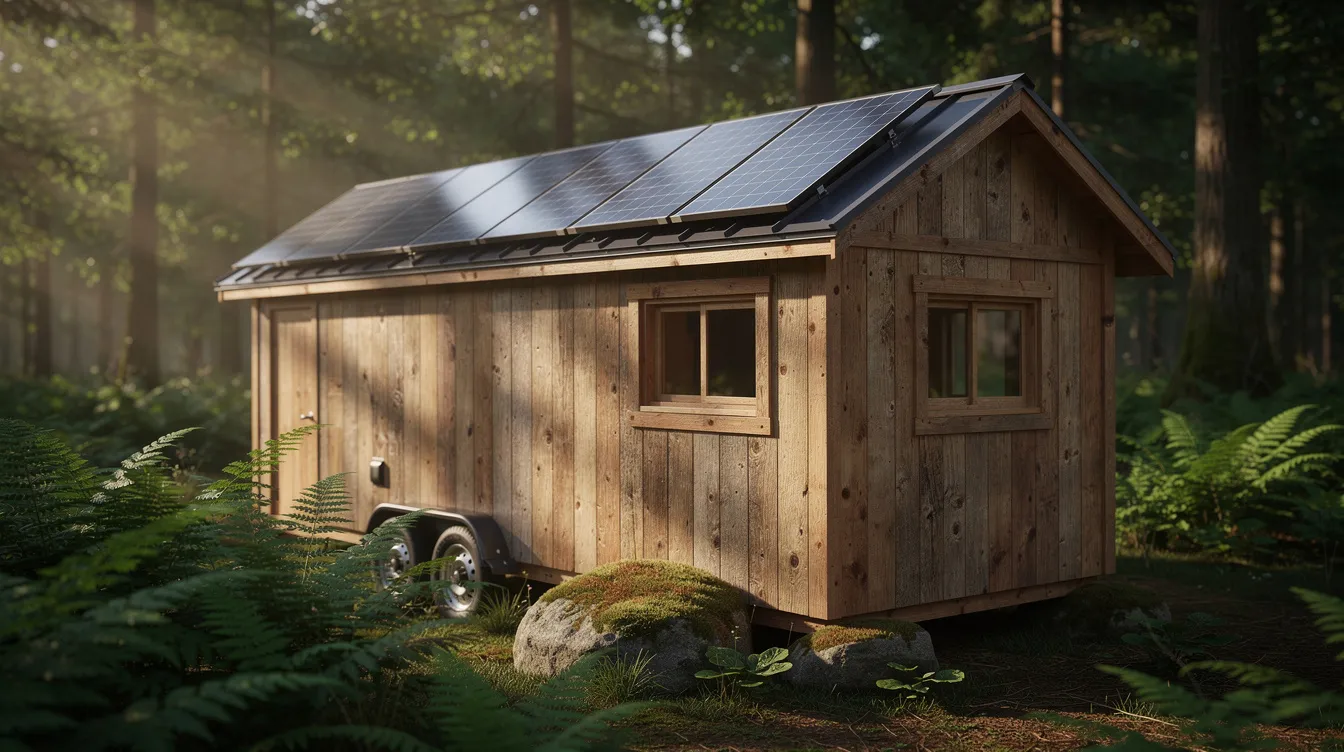
The tradeoffs are real. Living 45 minutes from Hilo means planning trips carefully. Unpaved roads limit access during heavy rain. But costs run 50% below grid living, and the community bonds formed through shared work create friends for life.
Eco-Villages, Retreat Centers & Farm-Based Tiny House Communities
Many Hawaii tiny home communities promote eco-focused, minimalist living close to nature, often featuring sustainable practices. Eco-villages typically feature 6-25 units—tiny homes, yurts, treehouses, and small cabins—around shared hale pavilions and permaculture gardens.
Big Island and Maui permaculture farms use tiny homes for long-term residents and WWOOFers trading labor for housing. These communities achieve remarkable self-sufficiency: some report 70% food production on site and 80% waste diversion through composting. Living in a tiny home significantly reduces the carbon footprint due to fewer building materials and lower energy consumption compared to traditional homes, especially in tiny house nature retreats that prioritize connection with the environment.
Custom designs dominate these settings. High-quality custom tiny homes with innovative layouts, Bali-prefab bamboo kits, locally built treehouse-style structures, and creative container homes fit steep rainforest slopes that would challenge conventional construction. The environment shapes the build, not the other way around.
Kauhale Villages: Tiny Homes for People in Need
The Kauhale initiative in Hawaii aims to provide low-rent permanent housing to homeless individuals, featuring tiny homes with shared amenities and support services. This model, launched under then-Lt. Governor Josh Green around 2019, has housed over 600 people across 12 operational villages by 2025.
Kalaeloa Kauhale on Oahu occupies roughly 1.5 acres with about 36 tiny homes. Rents range from $200-$400 monthly, with on-site case management, medical care, and job placement achieving 75% employment rates. Waimānalo Kauhale has served around 17 residents since March 2020 with similar wraparound services.
These aren’t temporary shelters. Units use durable prefab panels rated for 150 mph winds, shared septic systems, and 100% solar power. The complete approach combines housing with therapy, achieving 80% success in preventing re-homelessness after two years. Planned expansion will create 20 villages by 2028.
Popular Tiny Home Styles in Hawaii Communities
Tiny homes can be constructed using a variety of materials, including wood, steel, concrete, and glass, allowing for diverse designs and aesthetics. The style you choose affects cost, durability, and how well your home handles Hawaii’s unique climate.
Shipping Container Homes & Hawaii Tiny Homes Built from Containers
Shipping container homes are popular for their environmental benefits, as they are often made from recycled materials, and they typically offer predictable costs and faster construction times. A 20ft container creates a 160 square foot studio for around $30,000 total; two containers joined form a comfortable 1-bedroom at $55,000, and there are many modern shipping container tiny house designs for durable island living.
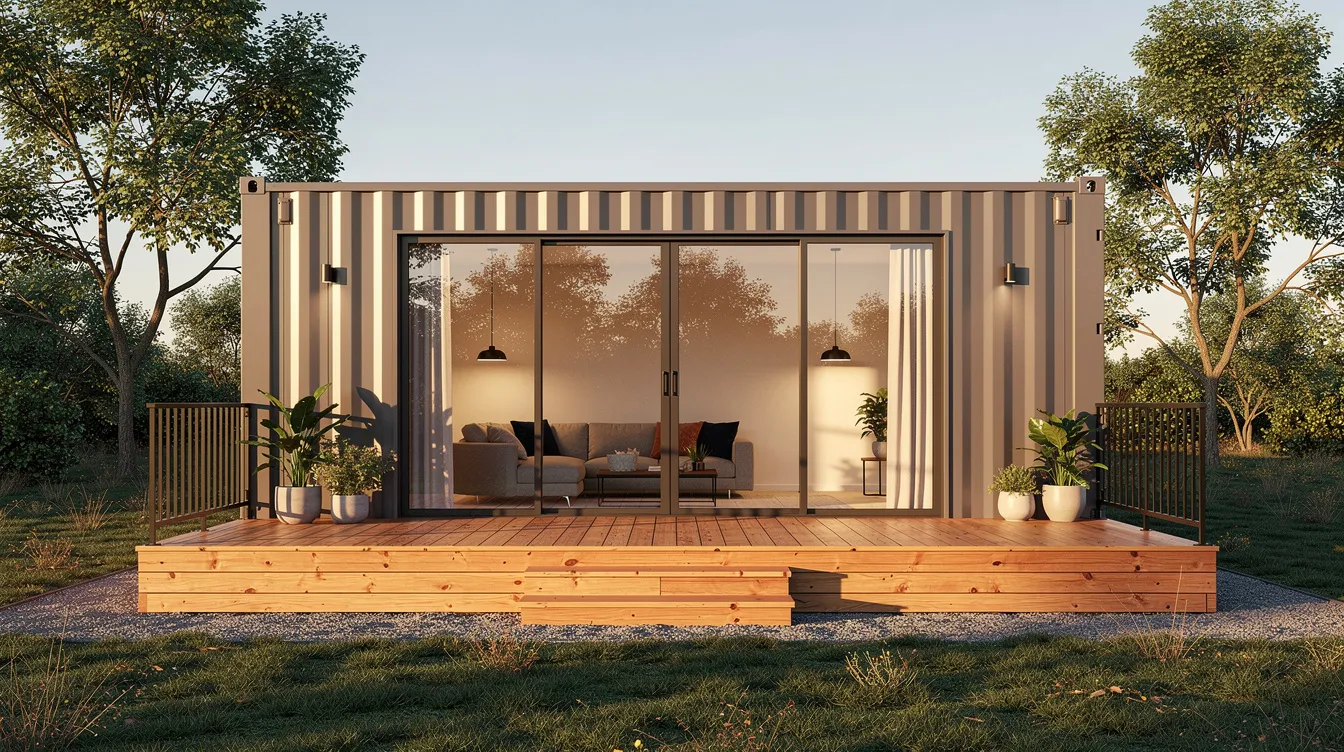
Design considerations matter in Hawaii. Insulation (SIP panels with R-20 rating) counters heat buildup. Epoxy coating prevents ocean-air corrosion. Hurricane straps meet ASCE 7-16 wind requirements. Adding lanais, rooftop decks, and shading pergolas transforms industrial steel into comfortable island homes.
Container homes excel in community settings. Single units serve as studios while stacked configurations create shared offices, bathhouses, and community kitchens. After the 2023 Maui fires, builders deployed 50+ container units for rapid rebuild projects—proving the model’s value in crisis response.
Luxury & Designer Tiny Houses in Island Communities
Luxury tiny homes often feature high-end amenities such as top-of-the-line appliances, spa-like bathrooms, and custom furniture, appealing to those seeking a more upscale living experience that draws on top tiny house designs for modern living. Prices range from $150,000-$300,000 for units with teak finishes, rain showers, and quality craftsmanship, as well as more playful cute tiny house designs that emphasize charm and efficient use of space.
Big Island retreats showcase these “Tiny Luxury” builds—skylights illuminating compact spaces, lanais extending living areas outdoors. The pride owners take in their customized homes rivals any featured mansion. Yet even upscale models use 40% less material than traditional construction, aligning with sustainability values.
Zoning, Legalities & Where Tiny House Communities Can Exist
Most legal tiny homes in Hawaii are classified as Accessory Dwelling Units (ADUs) or farm dwellings, allowing for integration with existing family properties. Rules vary dramatically between counties, and understanding your specific location matters more than general assumptions.
Hawaii County’s agricultural districts allow farm dwellings under 1,000 square feet. Oahu permits ADUs under 500 square feet on residential lots. Maui and Kauai enforce stricter standards, including 150 mph wind ratings. Formal Kauhale villages go through complete permitting including fire, accessibility, and utility standards.
Communities often manage complex zoning rules, making legal residency easier compared to unauthorized temporary dwellings. Before buying property or joining a community, verify building codes, zoning designations, and short-term rental restrictions with your county planning department.
Permitting Tiny Homes vs. Mobile & Off-Grid Setups
Living full-time in a tiny house on wheels (THOW) is illegal in many areas, often restricted to short-term residency. The distinction between foundation-built tiny homes (residential code), THOWs (RV classification), and unpermitted rural structures creates vastly different legal standing.
Enforcement varies by location. Rural Big Island communities operate semi-formally for years with minimal inspection. Urban and resort areas see stricter enforcement. Communities seeking long-term stability should prioritize designs and construction methods that can be permitted—engineered container homes, prefab cottages, or ADU-style units.
Costs, Financing & Shared Infrastructure in Tiny House Communities
Individual tiny home costs range from $40,000 for a basic shell to $200,000 for fully finished, code-compliant units—not including land. Many tiny home builders in Hawaii offer customizable designs, allowing clients to choose layouts and features that suit their individual needs and preferences, similar to leading micro house builders focused on quality and affordability.
Residents typically pay lot rent or community dues ($300-$800 monthly) covering water catchment, solar power, septic, and shared facility maintenance. Tiny homes can significantly reduce utility and maintenance costs due to their compact size, which requires fewer resources to heat, cool, and maintain.
Financing remains challenging since container homes and THOWs rarely qualify for conventional mortgages. Options include RV loans, personal loans, or cooperative ownership structures. Land-trust models help locals stay in their communities despite high property values, while kit-based builds such as Home Depot tiny house kits for affordable small-space living can further lower construction costs.
Tiny homes are frequently used as “Ohana units” to keep family members close while allowing for independence. This multigenerational approach lets families build 1-3 units behind a main house, sharing expenses while maintaining privacy.
Designing Shared Amenities for Community Living
Many tiny home communities in Hawaii include shared amenities like communal kitchens and resource centers. Common features include pavilions, laundry facilities, bathhouses, workspaces, and tool sheds that no individual tiny home could accommodate.
Shared solar arrays and water catchment systems lower per-house costs by 30-40% while simplifying permitting. The social infrastructure matters equally: fire pits, gardens, and gathering spaces foster 90% resident satisfaction according to community surveys.
Is a Tiny House Community in Hawaii Right for You?
Micro-apartments, which are typically less than 400 square feet, qualify as tiny homes and are increasingly popular in urban areas where housing costs are high, providing private rooms with shared common spaces and paralleling small home options and builders in Washington State. But Hawaii’s rural communities offer something different—connection to the earth and each other, much like thoughtfully designed tropical tiny homes for cozy beachfront living.
Consider honestly: Can you thrive in 100-400 square feet? Share a bathroom with neighbors? Manage off-grid systems daily? Handle rural isolation? These aren’t romantic questions—they’re practical ones that determine success.
Start by visiting existing communities. Try a short-term rental in a Big Island or Maui tiny home. Talk to residents about the entire process of joining and the long-term reality of this lifestyle. The journey from curiosity to commitment takes time.
Tiny house communities in Hawaii offer affordability, connection, and a lighter footprint on this world. They won’t work for everyone. But for those whose values align with small living and strong community—they might finally transform that island dream into reality.