
Key Takeaways
- DIY builds typically cost $20,000–$60,000 while professional turnkey builds run $70,000–$150,000+, excluding land cost
- Biggest line items are trailer or foundation, kitchen and bathroom fixtures, and windows/doors/utilities—not just per square foot price
- Hidden costs like permits, tools, insurance, land prep, and off grid systems often add 15–25% to your budget
- The cost of building a tiny house can range from $20,000 to $150,000, depending on factors such as size, materials, and location
- Understanding this cost breakdown helps you decide whether to build yourself, hire a professional builder, or buy prefab
- Quick Cost Snapshot: What It Really Costs to Build a Tiny House in 2026
- Land Cost and Site Preparation
- Foundation or Trailer, Framing, and Weather-Tight Shell
- Windows, Doors, Insulation, and Exterior Envelope
- Interior Walls, Flooring, Storage, and Finishes
- Kitchen and Bathroom: High-Cost Areas in a Small Footprint
- Plumbing, Electrical, Heating/Cooling, and Off-Grid Systems
- Hidden and Often Overlooked Tiny House Costs
- DIY Build vs Custom Build vs Turnkey: How Labor Choice Changes the Cost Breakdown
- Real-World Example Cost Breakdowns
- Budgeting Tips and Next Steps
- FAQ: Tiny House Cost Breakdown Questions
Quick Cost Snapshot: What It Really Costs to Build a Tiny House in 2026
How much does it cost to build a tiny house? In 2026, expect to spend $20,000–$60,000 for a full DIY build, $40,000–$90,000 for a hybrid semi-professional approach, and $70,000–$150,000+ for a turnkey custom build from a reputable company. These figures exclude land cost.
Tiny homes typically cost between $100 to $200 per square foot, which is higher than the average cost per square foot for traditional homes. The average tiny house runs about $297 per square foot compared to roughly $215 for traditional houses. Why so high? Even a 200 sq ft tiny home needs a full kitchen, bathroom, and utilities that don’t scale down proportionally.
Main cost categories in this breakdown:
- Land and site preparation
- Foundation or trailer plus shell
- Exterior envelope (windows, doors, insulation)
- Interior walls, flooring, and finishes
- Kitchen and bathroom
- Plumbing, electrical, HVAC, and off grid systems
- Hidden costs (permits, tools, transport, insurance)
Costs vary based on size (18–24 ft vs 28–32 ft), finish level (basic finishes vs high end finishes), and how much labor is DIY versus professional.
Land Cost and Site Preparation
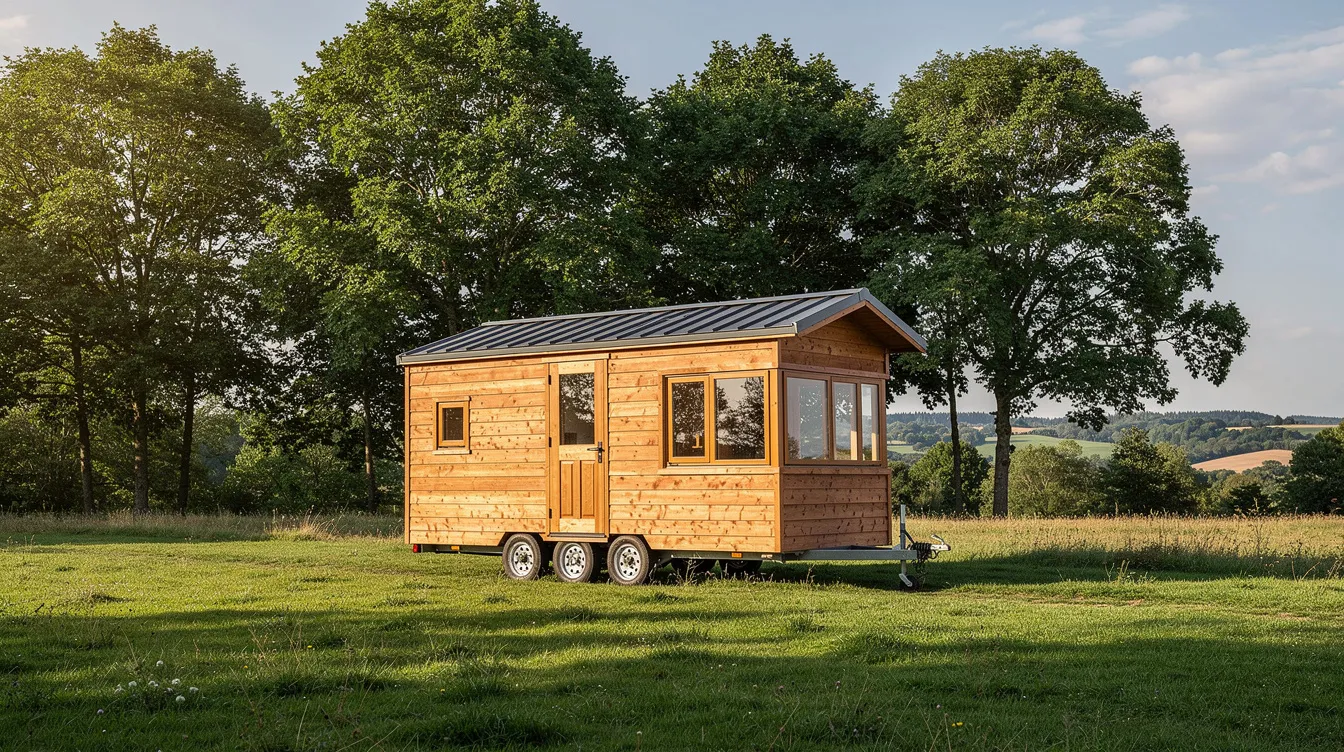
Land cost is technically separate from home construction, but it’s crucial for your overall budget and financing options. Many tiny homeowners overlook this expense when planning.
Land costs for tiny homes can vary significantly, with rural land costing between $5,000 to $15,000 per acre, while urban land can range from $50,000 to $200,000 per acre. Edge-of-suburb lots typically fall between $40,000–$120,000 per acre. The costs for purchasing rural land can range from $5,000 to $20,000 per acre, while urban land can exceed $150,000.
Your options:
- Purchasing land: Factor in closing costs (2–5% of price) and property taxes
- Renting a pad: $200–$800 monthly for backyard spots or RV parks
Site preparation adds another $1,000–$10,000+ depending on slope, soil conditions, and driveway length. Typical expenses include grading ($500–$2,000), gravel parking pad ($800–$3,000), and driveway access ($2,000–$5,000).
Zoning laws can pose challenges for tiny home owners, as some areas have restrictions on tiny home size matters and legality. Check whether your location allows a tiny house on wheels or requires permanent foundations.
Land loans can be used to finance the purchase of land for a tiny home, but they often require larger down payments and higher interest rates compared to traditional home loans due to the higher risk for lenders. Some buyers use home equity from an existing property to purchase land first.
Foundation or Trailer, Framing, and Weather-Tight Shell
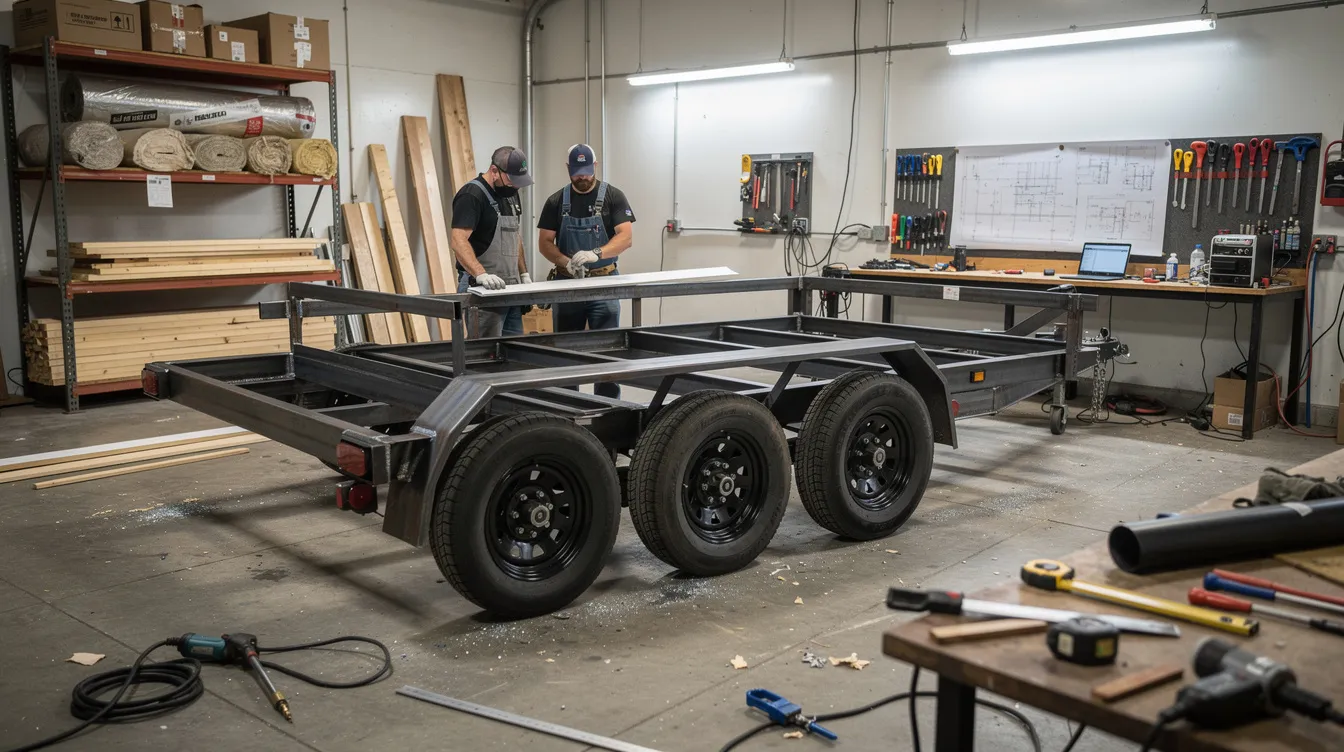
This category is often your largest early expense and determines whether your tiny home is mobile or fixed. Major expenses in building a tiny house include the trailer or foundation, costing $3,000 to $15,000.
Tiny homes can be built on permanent foundations or trailers, allowing for mobility or stability depending on the owner’s preference. Choosing the best foundation for your tiny house affects permit costs, property taxes, and long-term value.
Labor for building a tiny house can account for 30% to 60% of the total project cost, especially for framing and shell work.
Tiny House Trailer Costs (For Mobile Builds)
Tiny house trailers are engineered differently from standard utility trailers. Tiny homes on wheels are designed for mobility, allowing owners to relocate easily without the constraints of property taxes.
2026 price ranges:
- Basic 16–20 ft dual-axle: $3,500–$6,000
- Mid-size 22–26 ft: $6,000–$9,500
- Heavy duty gooseneck 30–34 ft: $10,000–$18,000+
Factors that raise price: extra axles, upgraded brakes, higher weight rating, built-in leveling jacks. Registration, delivery, and rust-proofing add $500–$2,000.
Permanent Foundation Costs (For Stationary Tiny Houses)
Tiny homes on foundations require land purchase and are subject to building codes and permits, making them more complex than mobile options. However, they can boost resale value and simplify financing.
2026 cost ranges:
- Pier blocks or helical piers (200–300 sq ft): $3,000–$8,000
- Engineered pier and beam or crawlspace: $6,000–$15,000
- Concrete slab: $5,000–$12,000
Excavation, frost-depth footings, and inspections add several thousand more. Deck-style platforms for parked THOWs run $3,000–$10,000.
Framing, Sheathing, Roofing, and Siding (The Shell)
The structural shell consumes 20–30% of your construction budget for a DIY build.
Material costs (200–280 sq ft house):
- Framing lumber and fasteners: $3,000–$7,000
- Sheathing: $1,200–$3,500
- Roofing materials: $1,800–$5,500
- Siding: $2,000–$7,000
Professional framing crews add $8,000–$25,000+ in labor costs depending on complexity. Advanced materials like structural insulated panels trade higher material costs for faster assembly. Budget 2–4 months for DIY framing.
Windows, Doors, Insulation, and Exterior Envelope
The finished exterior envelope heavily affects comfort and off grid performance. This mid-sized category typically runs $4,000–$12,000 total.
High-performance glazing and foam insulation are particularly important in extreme climates. Cheaper windows and doors now means higher heating and cooling costs later.
Windows
Most tiny houses use 5–9 windows. Major expenses for windows and doors range from $1,500 to $6,500.
2026 pricing:
- Basic double-pane vinyl: $250–$550 each
- Low-E fiberglass frames: $450–$900 each
- Large picture or bay windows: $700–$1,800+ each
Custom shapes, tempered glass, and skylights add 20–40% but dramatically affect natural light and perceived space.
Doors
Most tiny houses need one exterior entry door plus 1–2 interior doors.
2026 ranges:
- Insulated exterior door: $400–$1,600
- Sliding or French doors: $900–$3,000
- Interior doors: $120–$450 each plus hardware $40–$150
Total door costs typically fall between $700 and $3,500.
Insulation and Air Sealing
Common options include fiberglass batts, rigid foam, spray foam insulation, and mineral wool.
Cost ranges (200–300 sq ft):
- Fiberglass or mineral wool: $800–$1,800
- Rigid foam: $1,200–$2,500
- Closed-cell spray foam: $2,000–$3,800
Air sealing materials add $200–$600 but significantly boost performance for tiny living in tight spaces.
Interior Walls, Flooring, Storage, and Finishes
Interior finishes strongly influence livability. This category often surprises builders—especially custom cabinetry and space-saving storage for tiny houses.
Walls, Ceilings, and Interior Surfaces
2026 cost ranges:
- Drywall materials plus finishing: $950–$2,700
- Wood paneling or shiplap: $1,500–$4,500
Professional installation adds $800–$3,000. Lighter materials like plywood work better for mobile home applications.
Flooring
Lightweight, water-resistant flooring works best for tiny houses on wheels.
Flooring Type | Material Cost |
|---|---|
Vinyl plank | $500–$1,600 |
Laminate | $600–$2,000 |
Engineered hardwood/cork | $1,500–$3,200 |
Tile (wet areas) | $400–$1,200 |
Installation labor runs $400–$1,800 if not DIY. |
Built-In Storage, Stairs, and Trim
Storage stairs, loft ladders, and built-in closets add $1,000–$7,000 depending on new materials and complexity. Basic trim runs $300–$1,200; detailed finish carpentry $1,500–$4,000+.
Well-planned storage maximizes your own space and improves resale value, especially when you start with tiny house plans that fit your life.
Kitchen and Bathroom: High-Cost Areas in a Small Footprint
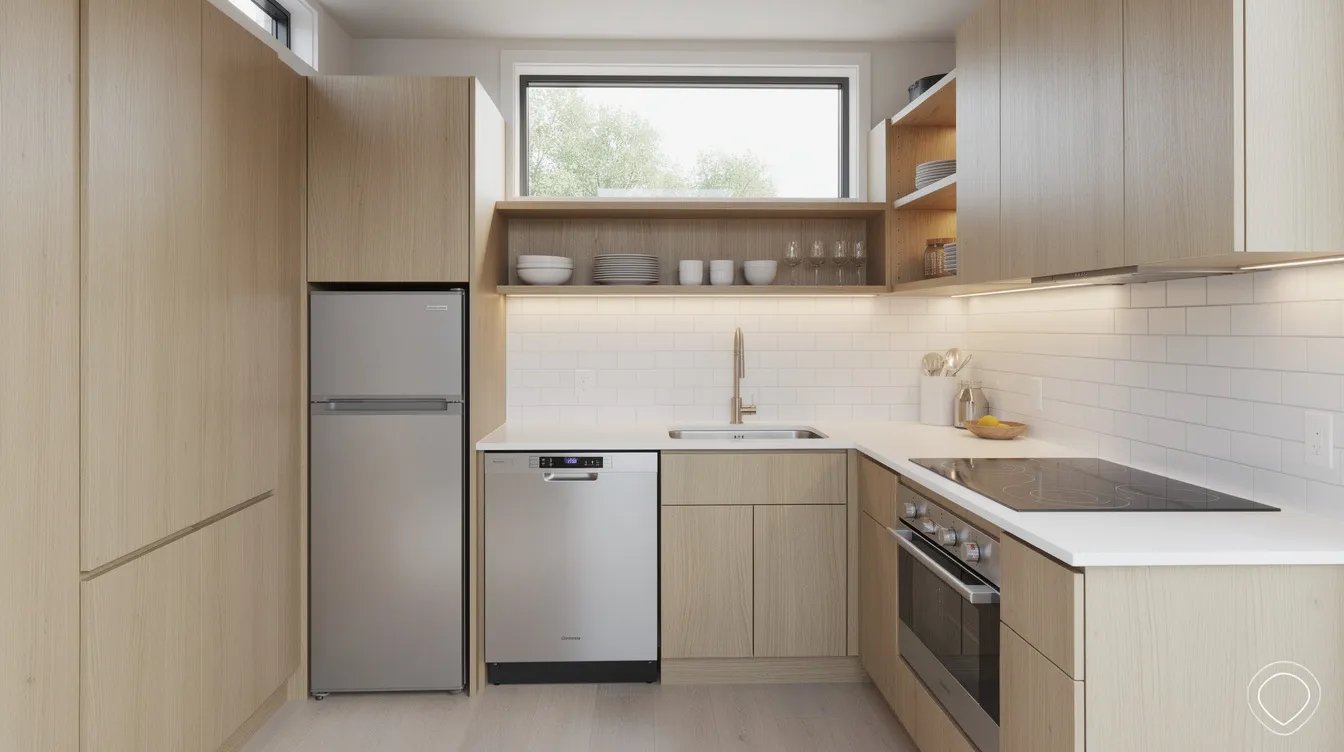
Even in a tiny house, the kitchen and bathroom account for the highest cost per square foot—roughly $400–$800. Major expenses in building a tiny house include kitchen and bathroom fixtures at $3,000 to $15,000, and understanding these numbers is key if you plan to build a tiny house yourself.
Tiny House Kitchen Costs
Components and 2026 ranges:
- Stock cabinets/open shelving: $900–$3,000
- Semi-custom or custom cabinetry: $3,000–$9,000
- Countertops (laminate to solid surface): $350–$3,000
- 24-inch range or cooktop: $600–$2,000
- Under-counter fridge: $500–$1,800
- Vent hood: $150–$750
Total kitchen costs:
- Basic DIY: $2,500–$6,000
- Mid range finishes: $6,000–$12,000
- High-end compact chef’s kitchen: $12,000–$20,000+
Tiny House Bathroom Costs
Toilet options:
- Standard flush: $250–$600
- RV or cassette: $400–$1,000
- Composting toilet: $1,000–$2,500
- Incinerating: $2,500–$4,500
Shower/tub:
- Prefabricated stall: $600–$1,800
- Custom tiled shower: $2,000–$5,000
Include vanity ($250–$1,200), vent fan ($150–$400), and waterproofing ($500–$1,500).
Total bathroom costs: Frugal DIY $2,000–$4,000; mid-range $4,000–$8,000; spa-style $8,000–$15,000+.
Plumbing, Electrical, Heating/Cooling, and Off-Grid Systems
This category is essential for safety and code compliance. Some work legally requires licensed professionals.
Plumbing System and Water Heating
Connecting to municipal services like water, sewer, and electricity typically costs $3,000 to $10,000 in ideal conditions.
Material costs (200–300 sq ft):
- PEX piping and fittings: $400–$1,200
- Valves and manifolds: $200–$600
- Fixtures installed: $1,000–$3,000
Water heater options: tank ($500–$1,200), tankless ($900–$2,000). Professional labor adds $1,000–$4,000.
Electrical System and Lighting
2026 costs:
- Wiring, boxes, devices: $800–$2,500
- Breaker panel: $300–$1,000
- LED fixtures: $300–$1,200
Licensed electrician labor: $1,000–$3,500+. Required for safety and insurance compliance.
Heating, Cooling, and Ventilation
System Type | Installed Cost |
|---|---|
Mini-split heat pump | $2,000–$5,000 |
Electric baseboard | $300–$900 |
Wood/pellet stove | $1,000–$3,000 |
Ventilation (bath fan, kitchen vent, HRV) adds $500–$2,000 for indoor air quality. |
Off-Grid Power, Water, and Waste Options
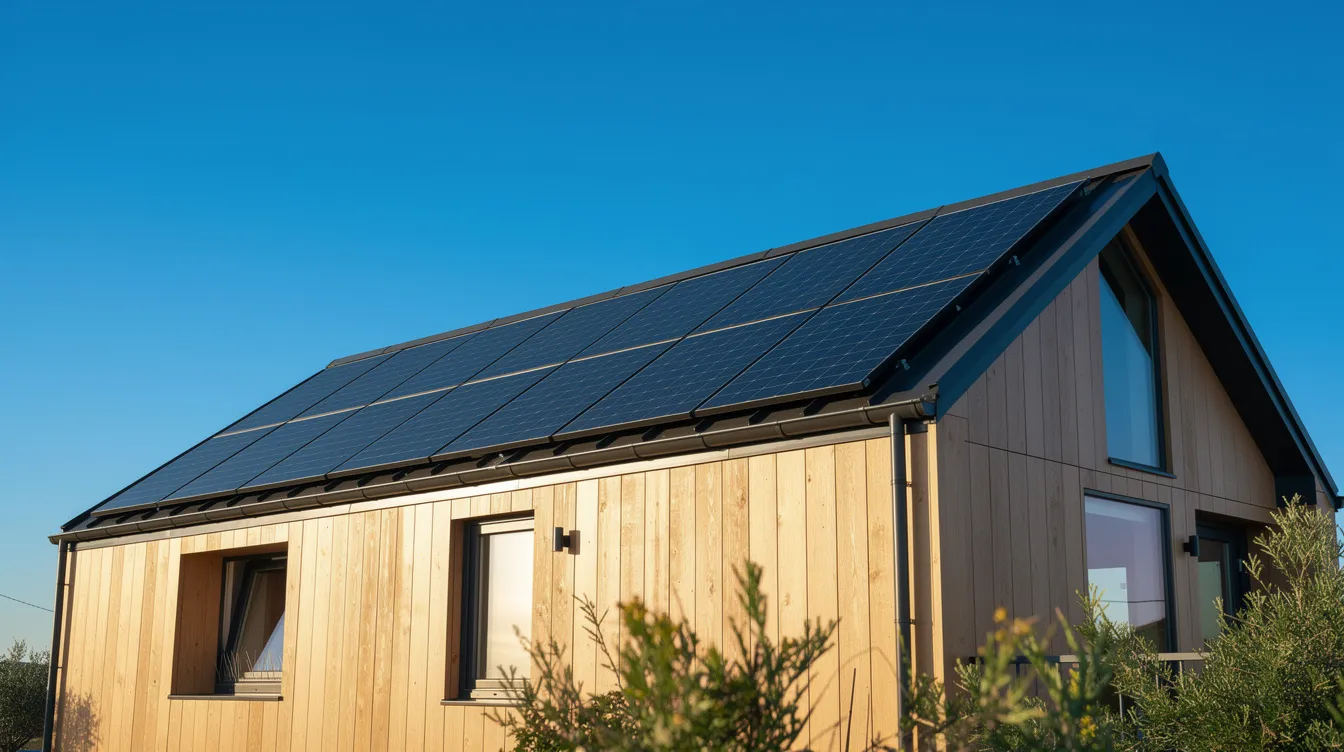
Constructing a tiny house often includes expenses for utility hookups, which can range from $5,000 to $25,000 for city services and $15,000 to $35,000 for off-grid systems.
Off-grid electrical:
- Weekend-use solar: $4,000–$8,000
- Full-time solar plus battery bank: $8,000–$25,000+
Water and waste:
- Drilled well: $5,000–$15,000+
- Septic system: $7,000–$20,000
- Rainwater system: $2,000–$8,000
Tiny homes are often more environmentally friendly, consuming less water and energy with a lower carbon footprint, especially if you lean into minimalist tiny houses for sustainable living.
Hidden and Often Overlooked Tiny House Costs
Hidden costs associated with building a tiny house can include permits ($500 to $3,000), utility connections ($2,000 to $8,000), and insurance ($500 to $1,500 annually). Using a tiny home cost calculator can help you factor these in—budget at least 15–20% contingency.
Permits, Inspections, and Professional Design
Permits and inspections generally range between $500 and $3,100 depending on jurisdiction. Engineering and design fees add $800–$5,000+ for fully custom builds.
Tools, Equipment, and Workspace for a DIY Build
Tool costs:
- Basic upgrades: $1,000–$2,500
- Complete set with saws/nailers: $2,500–$5,000
- Rentals and consumables: $300–$1,000
Transportation, Setup, and Insurance
Moving costs scale with distance:
- Short-distance delivery: $500–$2,000
- Cross-country transport: $2,000–$8,000+
Setup (blocking, leveling, skirting, stairs): $1,000–$5,000. Insurance: $500–$1,800 annually.
Contingency, Upgrades, and Lifestyle Purchases
Budget 10–20% extra for unexpected expenses. Common extras: better finishes, additional windows, compact appliances, and multi-use furniture for tiny living.
DIY Build vs Custom Build vs Turnkey: How Labor Choice Changes the Cost Breakdown
The same 24-foot tiny house can cost $30,000 or $120,000 depending on who does the labor. DIY builds typically cost between $17,500 and $57,000, while professional builds can range from $70,000 to $150,000, reflecting the significant impact of labor costs on total expenses and the value of smart, affordable tiny house designs.
Full DIY Build
Owner performs nearly all labor over 12–24 months. Spend $20,000–$60,000 in materials. Trade-off: 800–2,000+ hours of work and steeper learning curve, but you save money significantly on cash outlay.
Semi-Professional or Hybrid Build
Hire pros for shell, trailer, or utilities; finish interiors yourself. Plan for $40,000–$90,000 total with 4–10 month timeline.
Turnkey Professional Build
Buy from a certified tiny house company. Range from $70,000–$150,000+ depending on customization. Faster completion (2–6 months), warranties, reduced stress.
Real-World Example Cost Breakdowns
These simplified 2024–2025 builds adjusted for 2026 prices show how money distributes by category and how different tiny house designs for modern living can shift your budget.
Example 1: DIY 20-Foot Tiny House on Wheels (Basic, Grid-Tied)
Total: ~$34,000
- Trailer: $4,500
- Shell: $9,000
- Windows/doors: $3,000
- Interior finishes: $5,000
- Kitchen: $4,000
- Bathroom: $3,000
- Utilities: $3,500
- Hidden costs: $1,500
Build time: 12–16 months of weekend work at one location outside city limits, though some buyers skip the build and look for tiny homes under $20K for sale instead.
Example 2: 24-Foot Hybrid Build on Rural Land (Mid-Range Finishes)
Total: ~$88,000
- Land and site: $30,000
- Trailer and shell: $27,000
- Windows/doors/insulation: $8,500
- Interior finishes: $9,000
- Kitchen and bath: $12,000
- Utilities: $8,500
- Hidden costs: $4,000
Build time: 8 months. Balances cost, quality, and timeline while leaving room for elegant tiny homes that redefine modern living-style finishes if your budget allows.
Example 3: 28-Foot Turnkey Custom Build with Off-Grid Package
Total: ~$140,000
- Builder invoice (home, solar, utilities): $120,000
- Land lease deposits: $5,000
- Transport and setup: $10,000
- Hidden costs: $5,000
Construction: 3–4 months. Most categories handled by the professional builder.
Budgeting Tips and Next Steps
Understanding the cost breakdown by category lets you prioritize and adjust your plan.
Key tips:
- Decide early on DIY vs professional approach
- Lock in target size and square foot range
- Price out local land cost first
- Get multiple quotes for trailers and utilities
- Add 15–25% contingency line
Create a spreadsheet listing these categories with low/medium/high estimates. Home construction loans are a common financing option for building a tiny house. A construction loan is a short-term financing option that covers the costs of building a tiny home, which can later be converted into a mortgage once the home is completed. To qualify for financing options like home construction loans or land loans, borrowers typically need a good credit score and may be required to make a down payment of 10% or more of the project cost.
Building a tiny house is more achievable when broken into clear, manageable cost categories. Start your plan today.
FAQ: Tiny House Cost Breakdown Questions
Is it cheaper to build a tiny house on wheels or on a foundation?
Costs are often similar for smaller builds. A mobile home on wheels avoids some foundation and property tax costs but requires a specialized trailer. Park model RVs are a type of tiny home built according to ANSI code, typically featuring one bedroom and bathroom. For long-term living on owned land, a foundation may offer better financing and resale prospects.
How much should I budget per square foot for my tiny house?
Realistic 2026 construction costs (excluding land) range $150–$350 per square foot. The national average looks high because even a 200 square foot home needs full kitchen, bathroom, and utilities. Use per-category estimates rather than only square foot rules.
Can I use a home equity loan to build a tiny house?
Yes. Many homeowners tap home equity from an existing average home to fund construction. Lenders look at credit score, income, and equity amount. The tiny house may not qualify as collateral like conventional homes—confirm whether it’s treated as real or personal property.
What’s the best way to keep my tiny house budget under control?
Start with a fixed total budget and work backward. Lock core decisions early (tiny home size, trailer vs foundation, grid-tied vs off grid). Get written quotes for major expenses. Pause the project if any category exceeds plan by more than 10–15%.
Do tiny houses really save money in the long run?
Tiny homes cost less than traditional homes, leading to lower monthly utility bills due to reduced energy consumption. Living in a tiny home can lead to a simpler lifestyle as it encourages minimalism. However, tiny homes can depreciate faster than traditional homes, which may result in lower resale value. Long-term savings depend on many factors including land cost, financing terms, and usage duration.