
Creating a tiny home that seamlessly blends style and function demands intention and precision. Every square foot must be used creatively and efficiently. The most effective furniture choices for tiny homes are multifunctional and transformable pieces that serve at least two purposes to maximize limited floor space.
This guide covers practical tiny house furniture ideas to help you make smart choices for your small space.
Key Takeaways
- Focus on multipurpose furniture like storage sofas, lift-top coffee tables, and Murphy beds to free up floor space and make each piece do double duty.
- Plan your tiny house floor plan around zones (sleeping area, cooking, working, dining area) before buying new furniture.
- Use hidden storage everywhere—under benches, stairs, beds, and even in your dining table—to keep your living space clutter free.
- Choose pieces that respect ceiling height and traffic flow so your tiny home feels open with clear pathways.
- Mix custom built furniture with smart store-bought items to fit tight spaces and maximize counter space and storage.
- Start With a Smart Tiny House Floor Plan
- Living Room Furniture That Works Overtime
- Space-Savvy Dining: Tables, Benches & Flexible “Dining Rooms”
- Tiny Kitchen Furniture & Fixtures to Maximize Counter Space
- Smart Sleeping Solutions: Beds, Lofts & Hidden Storage
- Vertical & Hidden Storage That Creates More Room
- Custom-Built Tiny House Furniture vs. Ready-Made Pieces
- Design Tips to Keep Tiny Furniture Comfortable & Stylish
- FAQ
Start With a Smart Tiny House Floor Plan
Layout decisions must come before furniture shopping. Poor planning can reduce usable space by 30-50%. You need to know exactly where everything goes before you spend a dollar.
Sketch a basic floor plan using paper or free software like SketchUp, or explore tiny house floor plans that work for you. Map your living room, dining room, tiny kitchen, tiny bathroom, and sleeping area first. An open floor plan can make a tiny home feel more spacious by allowing different areas to flow into one another.
Leave clear walking paths of 24-30 inches. Keep furniture edges out of main traffic routes. This prevents that cramped feel so many tiny dwellers experience.
Zone your space creatively:
- Use rugs to define separate spaces without walls
- Place task lighting to mark different areas
- Position furniture to create natural boundaries
Using large windows can help open up the space and create a connection to the natural landscape, making the interior feel larger. Plan for vertical space and ceiling height early. This ensures lofts, wall storage, and tall shelving integrate from the start.
Living Room Furniture That Works Overtime
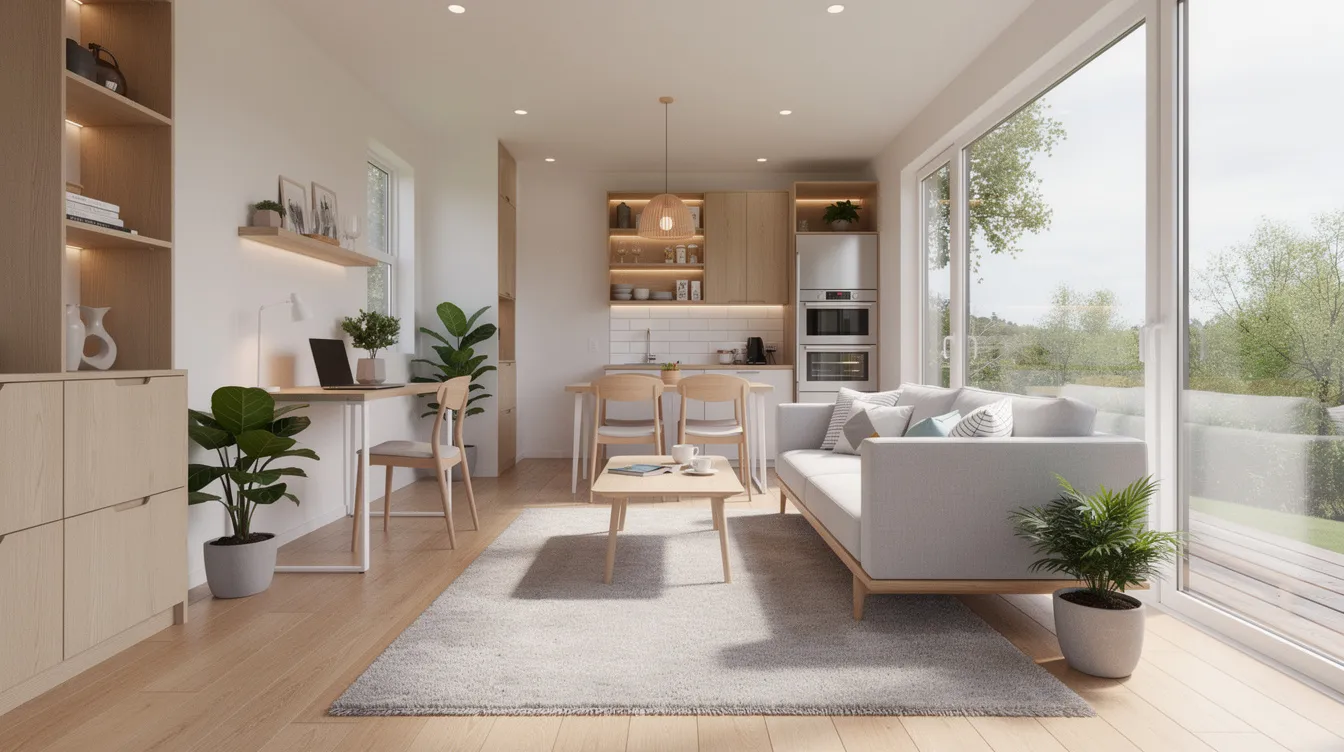
The living room often flexes between lounging, working, and dining. In most tiny homes, this living area handles multiple roles daily.
Multipurpose furniture is essential in tiny homes, as it maximizes space by serving multiple functions. Functional furniture for tiny homes emphasizes hidden storage to minimize clutter along with stylish design elements such as soft curved shapes and warm natural wood finishes, similar to the strategies in inspiring tiny house interiors that maximize every square foot.
Storage Solutions:
- Storage sofas with lift-up seats hold 4-6 cubic feet—enough for blankets, books, and seasonal items
- Storage ottomans and stools with hidden compartments are useful for holding linens or books
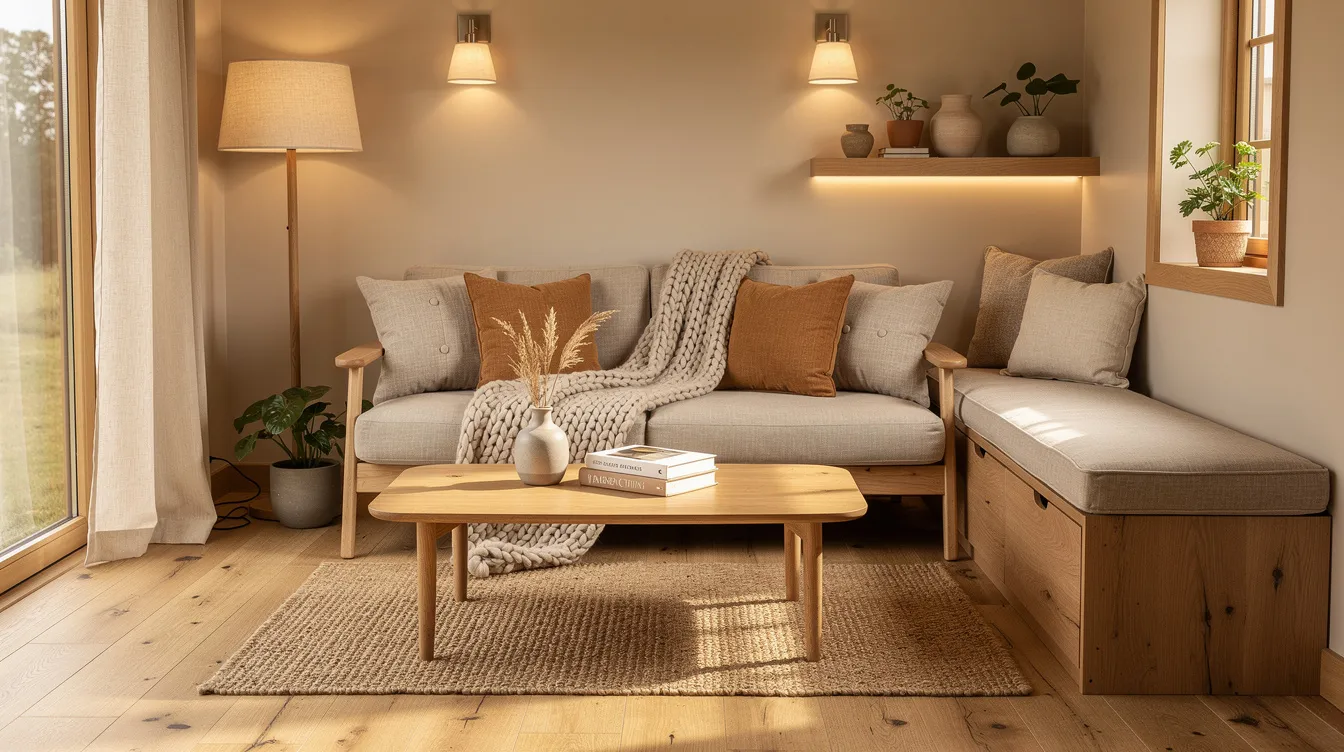
- Built-in benches with drawers along walls
Flexible Seating:
- Modular sectionals can be reconfigured for flexible living spaces and often allow for changes in layout as needed
- Slim armless chairs that tuck under tables preserve floor space
Lift-top coffee tables can function as dining or workspace surfaces while also offering hidden storage underneath. These are the perfect solution for saving space in your living room.
Low-profile furniture and pieces with open bases (legs instead of solid skirts) help the room feel larger and more open. The sofa with visible legs draws the eye through the space, creating more room visually.
Space-Savvy Dining: Tables, Benches & Flexible “Dining Rooms”
Most tiny homes don’t have a traditional dining room. Your dining table must flex between meals, work, and hobbies.
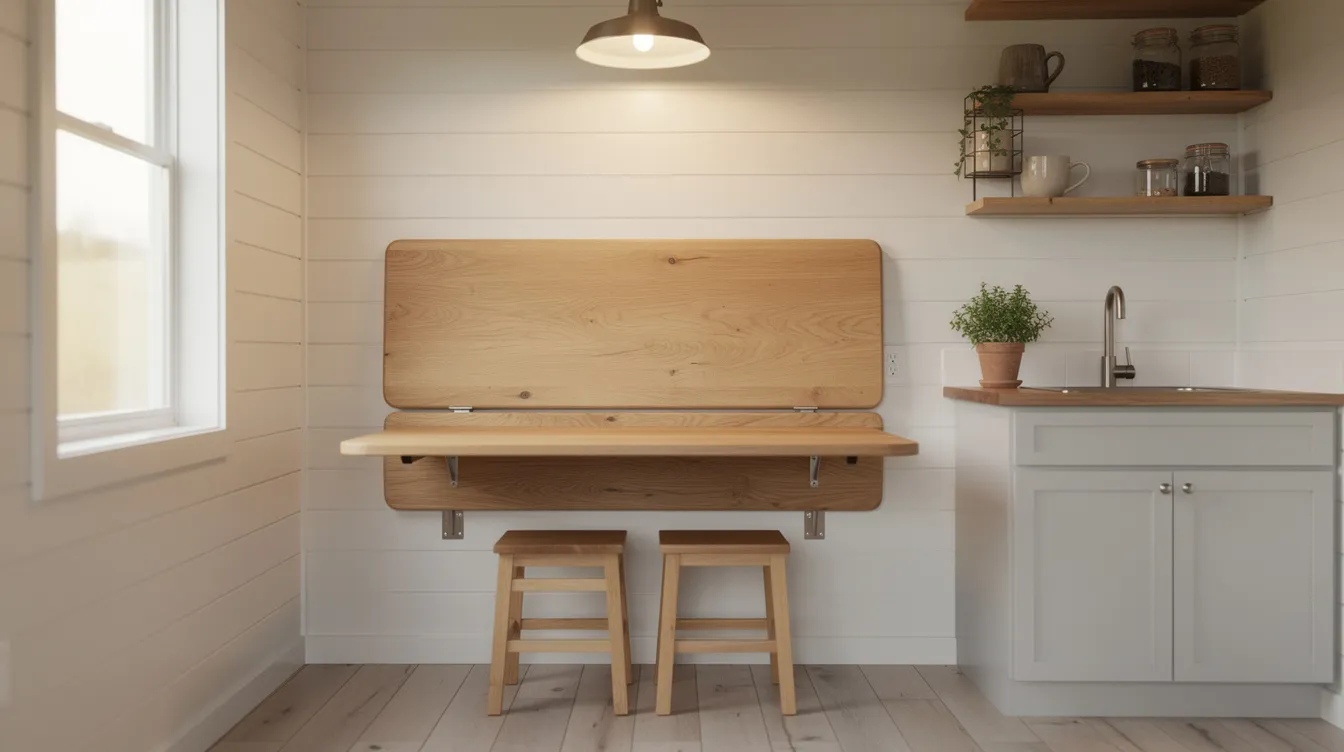
Folding furniture, such as wall-mounted tables and collapsible chairs, is an effective way to create flexible living spaces. Fold-down tables and desks can be hinged and wall-mounted for dining or work, folding flat against the wall to open up walking space, echoing many of the tiny house kitchen table ideas that rely on foldable and built-in designs.
Table Options:
Type | Best For | |
|---|---|---|
Wall-mounted drop-leaf | Folds to 6-8 inches deep | Solo dwellers |
Narrow bar counter | 10 sq ft vs freestanding | Couples |
Drop-leaf or extendable tables | Slim profile daily, expands for guests | Hosting friends |
A fold-down desk can be installed in a small corner to create a workspace that can be tucked away when not in use. This makes it the perfect spot for office supplies during work hours. |
Storage benches with hidden storage under the seat are a must have. They offer extra seating plus space for linens, pantry items, or gear. Folding furniture can be easily stored when not in use, freeing up valuable floor space. Stack chairs vertically on wall hooks after meals.
Tiny Kitchen Furniture & Fixtures to Maximize Counter Space
Kitchen furniture must balance cooking comfort with strict space limits. Counter space is often limited to 20-40 linear feet in a tiny kitchen, so borrowing layout tricks from inspiring tiny house interiors that maximize every square foot can help you squeeze in more prep and storage areas.
Counter Extension Ideas:
- Rolling islands (24×48 inches) add prep area, then slide against the wall when stored
- Custom butcher block covers over the sink or stove instantly extend work surfaces by 2-3 feet
- Cutting boards that fit over unused burners
Storage Strategies:
- Tall shallow pantry cabinets (12-inch depth) hold significantly more than base storage
- Wall-mounted spice racks keep essentials off limited surfaces
- Built-in banquettes or corner seating near the kitchen doubles as hidden storage for cleaning supplies and small appliances
These solutions create an efficient use of every inch while keeping your tiny kitchen functional and aesthetically pleasing.
Smart Sleeping Solutions: Beds, Lofts & Hidden Storage
The bed usually claims the most square footage. Smart sleeping solutions are key to a successful tiny house layout, as shown in many of the great tiny homes that redefine small space living.
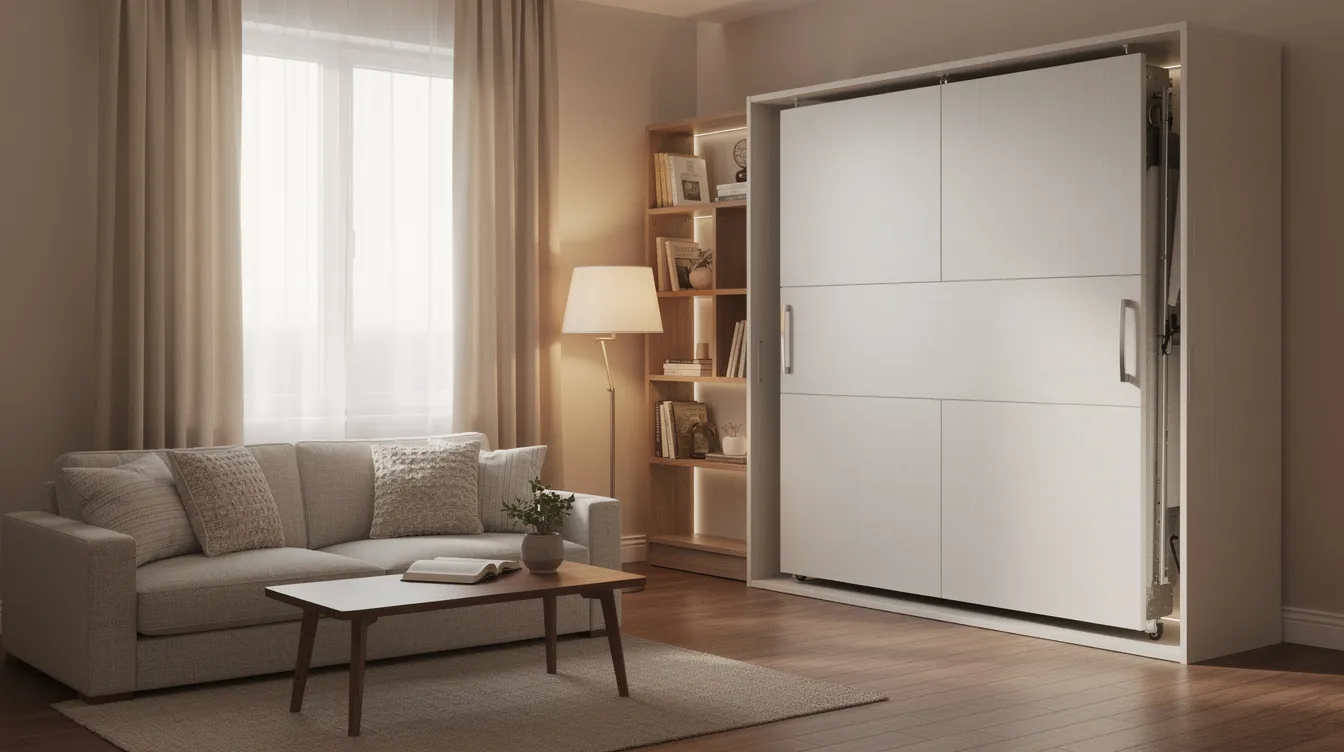
Murphy beds are a popular choice for multipurpose furniture in small living spaces. Murphy beds can be folded up against a wall or into a cabinet when not in use, allowing for more floor space—reclaiming 40-60 square feet during daytime for a home office or living space.
Bed Options:
Type | Storage Space | Best For |
|---|---|---|
Murphy bed | Frees 40-60 sq ft daytime | Studio layouts |
Platform bed with drawers | 6-10 cubic feet | Permanent bedroom |
Loft bed | Reclaims full floor below | High ceiling height homes |
Convertible sofa bed | Built-in bedding storage | Guest bed needs |
Using a platform bed with built-in drawers can provide storage for clothes and linens, reducing the need for bulky dressers. Lift beds utilize hydraulic systems to reveal deep storage underneath. |
Convertible sofa beds allow for seating, lounging, and sleeping within minimal space, often incorporating built-in storage for bedding.
For loft beds, ensure 6’4” headroom minimum. Safe ladder or stair designs with built-in shelving along the loft edge maximize every corner.
Vertical & Hidden Storage That Creates More Room
Vertical storage and hidden storage are essential tools to keep a tiny house feeling tidy and open. Most homes have 70-80% unused wall and ceiling space.
Wall Solutions:
- Full-height shelving (8-10 feet) holds 2-3x what floor units do
- Pegboards organize tools and accessories
- Wall-mounted cabinet options keep items accessible
- Utilizing vertical storage can provide crafty solutions, such as using original beams for book storage
Hidden Storage Examples:
- Toe-kick drawers under cabinets add 2-4 cubic feet
- Stair drawers can provide storage solutions under each step, acting as closets or pantries
- Under-stair storage can be transformed into built-in drawers or cabinets for shoes, cleaning supplies, or folded clothes
- Recessed niches between wall studs create 1-2 cubic feet per opening
Multiuse pieces like ottomans, headboards, and window seats conceal compartments while staying streamlined. Balance closed storage with a few open shelves to avoid a heavy, boxed-in look. Aim for 60% closed (doors and drawers) and 40% open, a principle echoed in many tiny house inspiration and resources guides focused on clutter-free living.
Custom-Built Tiny House Furniture vs. Ready-Made Pieces
Custom built furniture fits exact wall lengths and unusual angles and is often a hallmark of top custom tiny homes for small-space living. About 90% of optimized tiny homes use some custom pieces. But they cost 2-3x more than ready-made options.
Custom Furniture:
- Pros: Perfect fit, maximum efficiency, long-lasting style
- Cons: Higher cost ($2,000-5,000 per piece), longer wait (4-8 weeks)
- Best for: Stairs with drawers, built-in seating, fitted wardrobes
Ready-Made Pieces:
- Pros: Affordable, available immediately, easy to replace
- Cons: May not fit perfectly, less efficient use of wasted space
- Best for: Stools, side tables, folding chairs, light accessories
Reserve custom builds for must have items where every inch matters. Mix in a few ready-made, lightweight pieces that can be moved easily.
Planning steps for custom furniture:
- Measure carefully—measure twice, then again
- Create scaled drawings (1:12 ratio works well)
- Simulate daily use before building
- Consider natural light and door swing
Design Tips to Keep Tiny Furniture Comfortable & Stylish
Balance comfort, style, and functionality so your tiny house feels like a welcoming home, not a cramped RV, much like the ambiance in elegant tiny homes that redefine modern living.
A minimalist aesthetic involves selecting only essential furniture pieces, ensuring each item serves a practical purpose without unnecessary ornamentation. Minimalist design emphasizes clean lines and bold accents, focusing on functionality while keeping the space uncluttered.
Quality Over Quantity:
- Choose fewer, higher-quality pieces with good cushions and supportive seating
- Look for 4-6 inch foam density in cushions for real comfort
- Integrated technology in furniture now frequently includes USB charging stations and Bluetooth speakers
Color and Scale:
- Furniture trends in tiny homes favor warm neutrals to create cozy, luxurious environments, as seen in many cute tiny house designs for your dream home
- Use light colors on large pieces to reflect natural light
- Add darker accents on smaller items like pillows and side tables
- Not all pieces must be tiny—one focal sofa makes a statement, especially when integrated into a tiny smart home for efficient living
Layer task lighting into each zone. Reading lamps, under-cabinet strips, and accent light make every area—living, dining, working—feel functional and cozy.
FAQ
How do I choose furniture for a very narrow tiny house?
In narrow layouts, furniture should hug the wall. Use built-in benches, wall-mounted desks, and shallow storage instead of deep sofas or bulky cabinets. Keep walkways clear along one side and use fold-down or sliding pieces that disappear when not needed.
What tiny house furniture should I buy first?
Start with must have items: a comfortable bed or sofa bed, a functional dining table or work surface, and enough storage space for everyday belongings. Wait on decorative pieces until core items are in place so you can check scale and circulation.
Can I use regular-size furniture in a tiny house?
Full-size furniture can work if pieces are carefully chosen and limited. In minimalist design, the goal is to create a sense of spaciousness by using full-size furniture instead of smaller pieces, which can make the space feel cramped. Balance oversized items with slimmer pieces elsewhere.
How can I make my loft bedroom feel less cramped?
Focus on low furniture profiles like floor beds or low platforms to respect ceiling height and maintain headroom. Use built-in shelves instead of tall dressers. Choose lighter colors on walls and bedding. A small bedside ledge keeps the cozy reading nook calm without clutter.
Is it worth investing in custom-built storage stairs?
Storage stairs are often one of the most efficient investments in tiny houses. They combine safe access to lofts with deep hidden storage for off grid living essentials. Consider them especially when floor space is tight and traditional wardrobes would block windows or walkways. The extra mile in planning pays off with years of functionality.