Key Takeaways
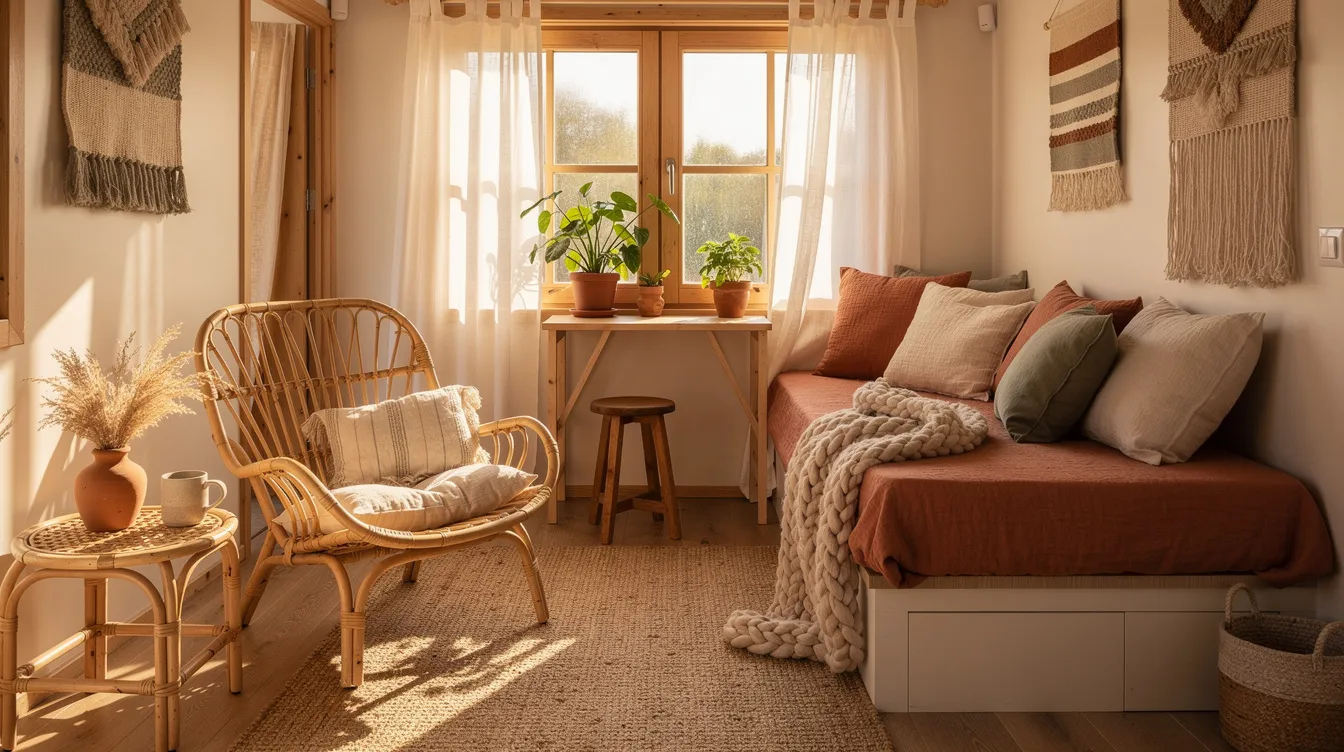
- A boho tiny house interior combines eclectic, globally-inspired design with practical small-space living, using rattan chairs, macramé wall hangings, and kilim rugs to create warmth without clutter.
- Planning a boho interior for a tiny house under 250 sq ft requires strategic layout decisions—zone spaces with rugs and lighting, choose between loft and main-floor beds, and maintain 24-30 inch pathways.
- Mixing patterns, textures, and colors works best with the 60-30-10 rule: 60% neutral base, 30% earthy secondary tones, and 10% bold accents through pillows and art.
- Layered lighting (rattan pendants, string lights, plug-in sconces), low-maintenance plants (pothos, snake plant), and natural textiles make tiny boho spaces feel airy and livable year-round.
- Budget-friendly boho styling is achievable for $800-$2,000 through thrifting, DIY projects, and prioritizing quality on essentials like mattresses and sofas.
Introduction to Boho Tiny House Interiors
Picture this: You step through the door of a 200 sq ft tiny house somewhere near Joshua Tree. The afternoon light pours through bamboo blinds. A jute rug softens the reclaimed wood floor. Macramé hangs beside a window filled with trailing pothos. It feels like home, despite being smaller than most living rooms.
That’s the magic of a boho tiny house interior.
Boho—short for bohemian—is a style rooted in eclectic, relaxed, and globally-inspired design. Think Moroccan poufs, kilim rugs, wicker pendant lights, and layers of texture that tell a story. The beauty of this aesthetic lies in its flexibility: it welcomes personal expression and creativity in small spaces.
In tiny homes, the boho aesthetic creates a cozy and inviting atmosphere, making the most of limited space through thoughtful design choices. Many guests have expressed their satisfaction with the experience, with comments like “Absolutely loved our stay here” and “Perfect for a cozy and romantic weekend getaway!”
Since around 2020, tiny house living has surged—driven by downsizing goals, sustainability, and lower costs. Boho interiors make these small footprints feel rich and personal, not sparse or sterile.
This article provides concrete, room-by-room guidance tailored to spaces under 300 square feet. Not generic advice. Real solutions for real tiny spaces.
- Planning Your Boho Tiny Home Layout
- Color Palettes and Materials for a Boho Tiny House
- Furniture and Storage: Boho Style Meets Tiny Space Function
- Textures, Patterns, and Textiles in a Tiny Boho Home
- Lighting, Plants, and Decor Details
- Designing Specific Zones in a Boho Tiny House
- Budget-Friendly Ways to Achieve a Boho Tiny Home Look
- Maintaining and Refreshing Your Boho Tiny House Interior
- FAQ
- How small can a boho tiny house be without feeling cramped?
- Can I combine minimalist and boho styles in my tiny home?
- What are the best fabrics for a boho interior in a tiny home that moves often?
- How do I keep a boho tiny house from looking messy?
- Is boho decor still in style, or will my tiny house look dated soon?
Planning Your Boho Tiny Home Layout
Layout comes first. Always.
Before you choose colors or order that perfect kilim rug, you need to map your space. This matters even more in homes around 150-250 sq ft, where every inch counts, and well-planned tiny house floor plans that work for you make all the difference.
Zoning Without Walls
In a tiny house, you can zone the interior using:
- Area rugs to separate living from sleeping
- Lighting changes between spaces
- Furniture placement as natural dividers
- Low shelving units that don’t block light
Loft Bed vs. Main-Floor Bed
About 80% of boho tiny builds use loft beds. Here’s what each option offers:
Bed Type | Best For | Boho Styling Ideas |
|---|---|---|
Loft bed | Maximizing floor space (frees 40-60 sq ft below) | Fairy lights, sheer linen drapes, woven ladder |
Main-floor bed | Those who prefer easy access or have mobility concerns | Low platform bed with layered textiles and poufs |
Keep Pathways Clear |
Even in an 8-foot-wide tiny home, maintain 24-30 inch circulation paths. Boho layers shouldn’t create obstacles. Before buying decor, use simple digital tools like SketchUp or Floorplanner to map where your sofa, bed, and kitchen run will go.
This planning prevents the classic mistake: falling in love with a rug that blocks your bathroom door.
Color Palettes and Materials for a Boho Tiny House
Color and materials determine whether your tiny boho space feels like a curated escape or chaotic clutter.
The boho aesthetic is characterized by a mix of colors, patterns, and textures, often incorporating natural materials and vintage elements. But in a small space, restraint matters.
Recommended Base Palettes
Style | Walls | Accents | Textiles |
|---|---|---|---|
Desert Boho | Warm white (similar to “Swiss Coffee”) | Terracotta, rust | Cream, sand |
Forest Boho | Soft ivory | Olive green, sage | Natural linen, moss |
Coastal Boho | Bright white | Mustard, warm wood | Blue-gray, jute |
Warm white walls with 80-85% light reflectance value (LRV) can visually expand a 180 sq ft interior by 15-20%. Keep walls light, then layer color through pillows, throws, and art. |
Natural Materials to Incorporate
- Rattan (lightweight at 0.4 g/cm³—perfect for trailers on wheels)
- Jute rugs (flat-weave for easy movement)
- Linen curtains (breathable at 200-300 thread count)
- Reclaimed wood shelves
- Aged brass or black iron hardware
For eco-conscious tiny home owners: FSC-certified reclaimed wood reduces deforestation by 30% per WWF data. Recycled cotton rugs from thrift stores offer sustainability without the premium price, and you can borrow ideas from inspiring modernist tiny house designs that prioritize sustainable materials and efficient layouts.
Furniture and Storage: Boho Style Meets Tiny Space Function
Every furniture piece in a tiny house should store something, transform, or both.
This isn’t optional. With an average of 150 cubic feet of storage needed in tiny homes, you can’t afford furniture that just sits there looking pretty.
Boho design often features an eclectic mix of furniture and decor, allowing for personal expression and creativity in small spaces. Looking at tiny house interiors that maximize every square foot can spark ideas for how to blend style and function. Reviews highlight the thoughtful design and attention to detail, with one customer noting, “Every detail has been thought out in our Boho…couldn’t be happier!”
Multifunctional Furniture Ideas
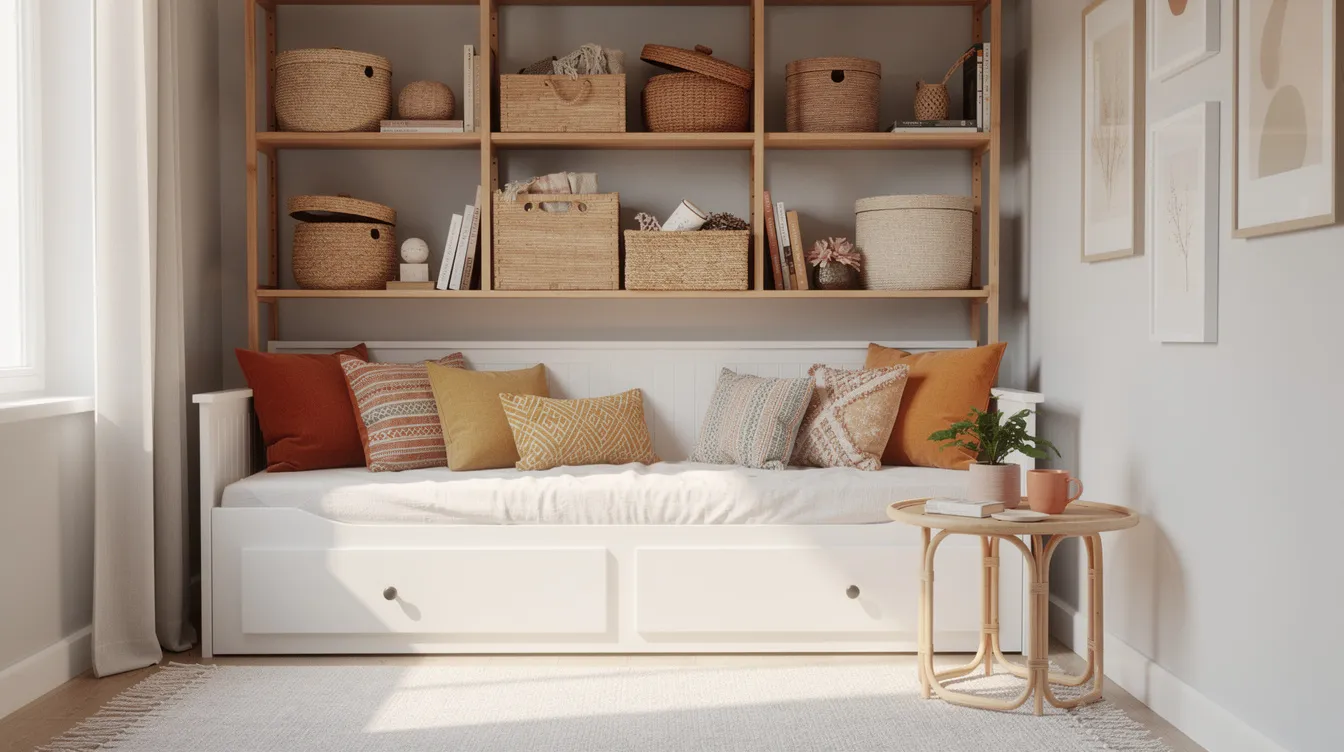
- Daybed with drawers: 70 inches wide, neutral linen-upholstered, with 4-6 drawers beneath
- Lift-top coffee table: Rattan, 36-inch diameter, with hidden storage
- Storage ottomans: 20×20 inches, perfect for blankets and pillows
- Fold-down wall desk: Styled with boho accents when closed
Vertical Storage as Decor
Turn storage into a view worth admiring:
- Open wooden shelves with woven baskets (holding 20-30 lbs each)
- Peg rails displaying straw hats and woven bags (saves 10 sq ft floor space)
- Wall-mounted guitars, artwork, or textile hangings
What to Avoid
Skip oversized wardrobes and bulky TV units. Instead:
- Use under-stair drawers (20-40 cu ft capacity)
- Add bed boxes (300L under loft beds)
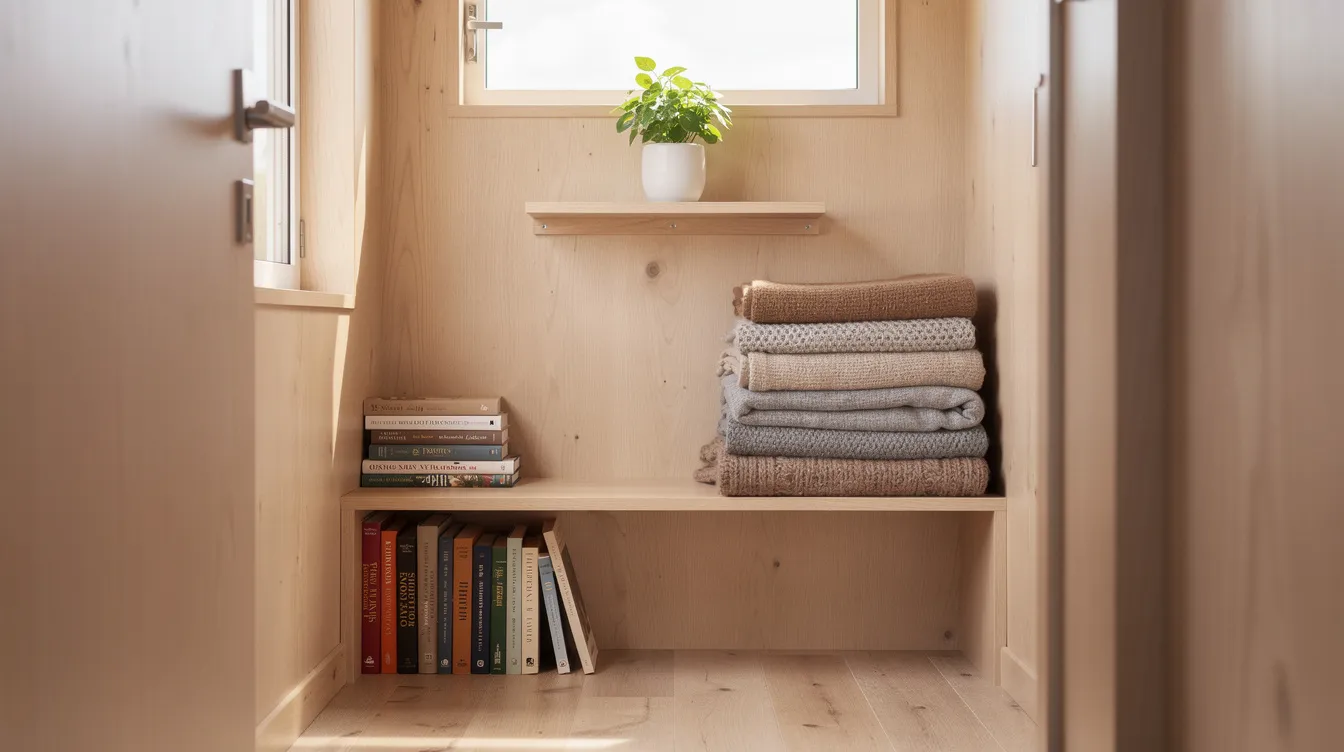
- Build benches with boho textiles on top
Rattan furniture is 30% lighter than metal—a real advantage for tiny homes that move. Just note that outdoor rattan lasts 2-3 years, so keep it protected.
Textures, Patterns, and Textiles in a Tiny Boho Home
Texture trumps quantity in small boho interiors.
You don’t need twenty pillows. You need five to seven well-chosen texture elements that create tactile warmth and visual richness—replacing the need for more square footage, especially in small cozy boho bedrooms where layered textiles do most of the visual work.
Essential Textile Elements
Item | Purpose | |
|---|---|---|
Jute area rug | Anchor the living space | 5×7 ft for main area |
Vintage kilim runner | Define pathways | 2.5×8 ft |
Add vertical interest | 3-5 ft tall | |
Linen curtains | Soften light | Floor-length |
Cotton or wool throws | Layer on sofas and beds | 50×60 inches |
Pattern Mixing Rules |
For a tiny home, follow this approach:
- Anchor with one large-scale pattern (your rug)
- Support with 2-3 smaller-scale patterns (pillows, blankets)
- Keep all patterns within a shared 2-3 color scheme
Flexible Seating Without Bulk
Floor cushions and poufs add seating for 4 people without permanent furniture footprint. A leather Moroccan pouf (18-inch diameter) slides under a table when not in use and can contribute to the enchanting magic tiny home feel many boho owners love.
One caution: limit floor coverage to 20% to avoid tripping hazards. Textures also absorb sound—reducing noise by 20-30%—which matters in open-plan tiny spaces where privacy is limited.
Lighting, Plants, and Decor Details
Thoughtful lighting and greenery transform a tiny house from “cramped” to “cozy boho retreat.”
This is where relaxation lives.
Layered Lighting Plan
Type | Example | Placement |
|---|---|---|
Ambient | Rattan pendant (60W warm LED, 3000K) | Over living area |
Task | Plug-in brass sconces | Beside bed, workspace |
Accent | String lights (100-bulb strands) | Loft, window frames |
Warm LED at 3000K creates the soft glow that defines boho style. Avoid harsh overhead fluorescents. |
Low-Maintenance Plant Choices
For tiny home life on the go, choose plants that forgive neglect:
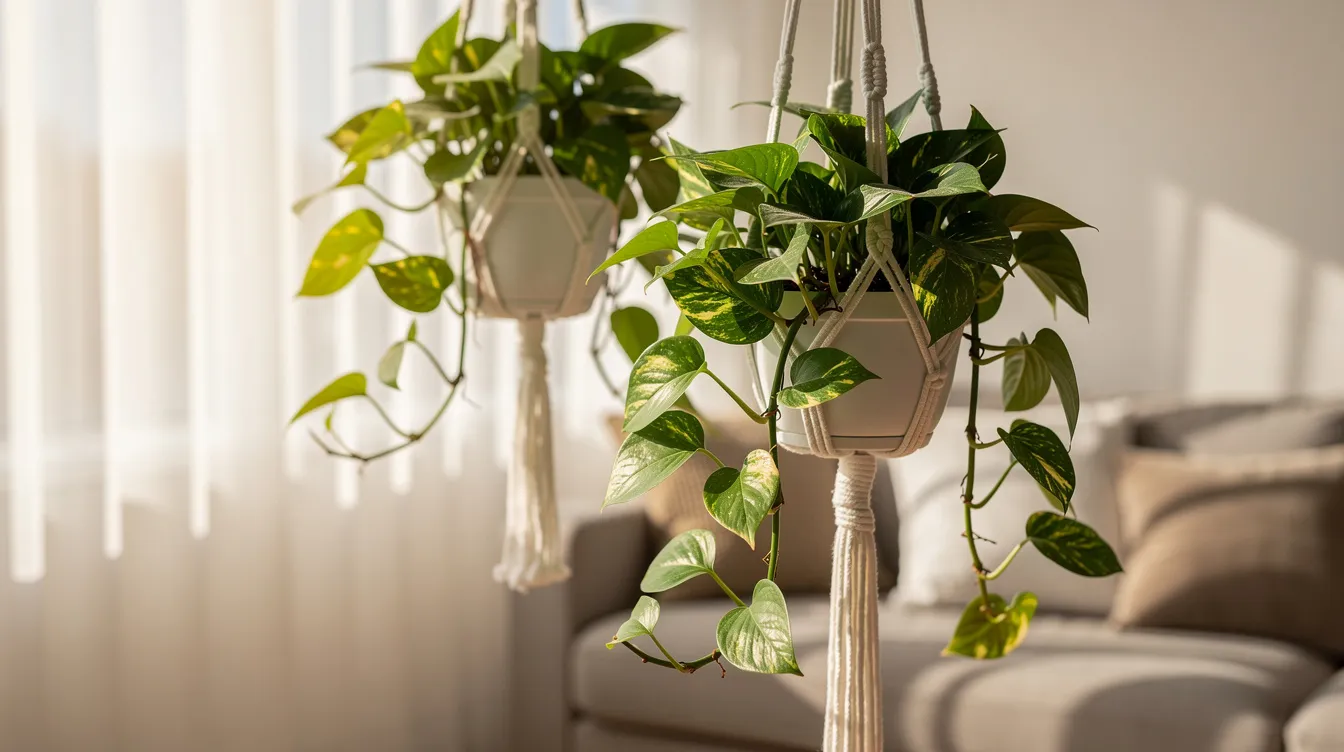
- Pothos: Trails 6-10 ft, perfect for macramé hangers
- Snake plant: Survives 4-6 weeks without water
- ZZ plant: Thrives in low natural light
- Small ficus: If your site gets good sun
NASA studies show these plants remove up to 87% of benzene from indoor air. Beauty and function combined.
Decor Details That Work
- Woven baskets on shelves (10-15 inch sizes)
- Vintage travel prints in odd-number groupings
- Handmade pottery clustered in one zone (e.g., a 2×2 ft shelf area)
The “One Empty Surface” Rule
In every zone, leave one surface clear. This prevents the boho look from becoming overwhelming. People often skip this step—don’t. Breathing room matters.
Designing Specific Zones in a Boho Tiny House
Each zone can share the overall boho theme while maintaining its own focal point, much like colonial tiny house designs for cozy living spaces balance a unified style with room-by-room character.
Here’s how to make it work:
Living Area
- Compact sofa (under 70 inches wide) in neutral fabric
- Layered rugs: jute base with kilim accent
- Low rattan coffee table
- Gallery wall with framed textiles or travel photos
This is where guests will find their escape from the ordinary, similar to the charm you see in cute tiny house designs for your dream home that lean into personality and comfort.
Bedroom or Loft
- Low bed with 4-6 pillows (quality over quantity)
- Gauzy canopy or simple curtain for privacy
- Soft bedside sconce lighting
- One statement throw at the foot of the bed
Keep bedding in easy-to-wash fabrics for life on the road.
Kitchen
Element | Boho Touch |
|---|---|
Shelves | Open, displaying matching jars |
Floor | Patterned runner rug |
Walls | One statement peel-and-stick backsplash (terracotta pattern) |
Storage | Hanging mugs on hooks |
Even a 30 sq ft kitchen can provide the boho vibe with the right options, especially when you adapt ideas from affordable tiny house buildings and top designs that show how small footprints can still feel generous. |
Workspace Nook
- Fold-down desk (24×48 inches)
- Comfortable stool with cushion
- Corkboard or pegboard for organization
- One plant, one framed art piece
This setup lets you read, work, and create without dedicated office furniture consuming your floor plan.
Budget-Friendly Ways to Achieve a Boho Tiny Home Look
Many people choose tiny houses for budget reasons.
Boho styling shouldn’t break the bank, and many people start by exploring tiny homes under $20K for sale so there’s more budget left for interior finishes.
Budget Breakdown
Category | Budget Range | Priority Level |
|---|---|---|
Mattress | $400-800 | High (don’t skimp) |
Sofa/daybed | $300-500 | High |
Rugs | $100-200 | Medium |
Textiles (pillows, throws) | $50-150 | Medium |
Lighting | $75-150 | Medium |
Decor accessories | $75-200 | Low |
Using a detailed tiny home cost calculator alongside this breakdown helps you see where boho decor fits into your overall budget. | ||
Total | $800-2,000 | — |
Where to Source |
Thrifting yields 50-70% savings on boho essentials:
- Vintage rugs at flea markets
- Wood side tables on Facebook Marketplace
- Baskets and pottery at thrift stores
Easy DIY Projects
- Simple macramé plant hangers (under $20 in materials, 2-hour project—YouTube tutorials abound)
- Hand-dyed cushion covers
- Repainting a small dresser in muted olive or terracotta
Turn Restraint Into Style
Create a mood board before you shop. Stick to it. Impulse buys clutter tiny spaces fast. Subscribe to local marketplace alerts for specific items rather than browsing aimlessly.
Customers have praised the Boho tiny house for its stunning beauty and excellent customer service, with one reviewer stating, “Stunningly beautiful. And so is the Customer Service!” Great design doesn’t require great expense—just great intention.
Maintaining and Refreshing Your Boho Tiny House Interior
Tiny house interiors show clutter and wear quickly.
What takes weeks to notice in a 2,000 sq ft home shows up in days in a 200 sq ft space. Maintenance routines matter.
Weekly Habits
- Declutter surfaces (10 minutes max)
- Shake out rugs outside
- Fluff cushions and fold throws
- Check plants for water needs
Seasonal Rotation
Refresh the look without adding stuff:
- Swap pillow covers (keep 2-3 sets)
- Rotate throws between seasons
- Change out small art pieces
Storage for Off-Season Items
- Under-bed vacuum bags (50L capacity)
- Labeled bins in lofts
- Exterior lockers if your tiny home has them
Yearly Editing
Love your collections, but edit them:
- Books: keep 20-30 that matter
- Pottery: one concentrated display zone
- Textiles: if it’s stained or worn, let it go
For tiny homes that move often, choose durable, machine-washable fabrics like cotton-linen blends and flat-weave rugs. They handle movement and cleaning better than thick shag textiles.
A quick daily tidy keeps the coziness without the chaos.
FAQ
How small can a boho tiny house be without feeling cramped?
Boho style works in tiny homes as small as 150-200 sq ft when you plan carefully. The keys are light wall colors (80-85% LRV whites), modest decor amounts, and strategic layout. Keep circulation paths at 24-30 inches wide. Use mirrors and natural light to expand perceived space. Vertical storage and loft beds free up floor area for the layered textiles that define boho style without creating cramped pathways.
Can I combine minimalist and boho styles in my tiny home?
Yes—this “boho-minimalist” hybrid works beautifully in tiny spaces. Keep furniture sparse and surfaces mostly clear, but choose a few richly textured, meaningful boho pieces as focal points. Think: one statement rug, one macramé hanging, a few quality cushions. The 80/20 approach—80% minimal structure, 20% boho warmth—creates coziness without clutter.
What are the best fabrics for a boho interior in a tiny home that moves often?
For homes on wheels, choose durable, easy-to-wash options:
- Cotton and linen blends (wrinkle-resistant, machine-washable)
- Flat-weave rugs (no thick shag that traps dust)
- Removable cushion covers
- Indoor-outdoor textiles for high-traffic areas
Avoid delicate fabrics that need dry cleaning or materials that shed excessively during travel.
How do I keep a boho tiny house from looking messy?
Use closed storage (baskets, drawers) for everyday items. Limit open-shelf displays to curated collections. Stick to a consistent 2-3 color palette throughout. Adopt a quick daily tidy routine—10 minutes maximum. Follow the “one empty surface per zone” rule. When everything has a designated home, even layered boho decor stays organized.
Is boho decor still in style, or will my tiny house look dated soon?
While specific trends shift, boho’s foundation—natural materials, handcrafted items, and meaningful textures—remains timeless. Focus on quality rattan, jute, reclaimed wood, and personal items collected over time rather than trendy mass-produced pieces. This approach keeps your boho tiny home feeling current beyond short-lived fads. The 2026 trend toward “minimal-boho” hybrids actually reinforces this—the journey toward personal, sustainable design never goes out of style.