Thinking about a tiny home on wheels? The numbers have changed. Here’s what you’ll actually spend in 2026.
Key Takeaways
- Professionally built tiny homes on wheels cost $60,000–$130,000 in 2026, with most buyers paying $80,000–$110,000 for a full-time-livable model
- DIY builds range from $20,000–$80,000 if you own tools and can handle most labor yourself, but expect 6–18 months of build time
- Total cost includes land or parking, permits, utilities, transportation, and insurance—add $10,000–$40,000+ depending on location
- Builder type (custom vs. platform-based), climate engineering, and transport distance are the three biggest price drivers
- The average cost nationally sits around $67,000, though this includes basic builds that pull the average down
- What Most Buyers Actually Pay For a Tiny Home on Wheels in 2026
- Cost Breakdown: What You Actually Pay For
- How Builder Type Changes Tiny Home Cost
- State-by-State Tiny Home on Wheels Cost Ranges (2026)
- Additional Costs Beyond the Tiny Home Itself
- Building vs. Buying a Tiny Home on Wheels
- Financing a Tiny Home on Wheels
- Tiny Homes on Wheels vs. Tiny Homes on Foundations: Cost Comparison
- Is a Tiny Home on Wheels Right for You Financially?
- FAQ
- How much does it cost per month to live in a tiny home on wheels?
- Do tiny homes on wheels depreciate like RVs or hold value like houses?
- Can I legally live in a tiny home on wheels full-time in my state?
- How heavy is a typical tiny home on wheels, and does that affect cost?
- Is it cheaper to build a tiny home on wheels now or wait a few years?
What Most Buyers Actually Pay For a Tiny Home on Wheels in 2026
Most professionally built tiny homes cost between $30,000 and $150,000, with an average price of approximately $67,000 nationally. But that average is misleading. It includes bare-bones shells and older units.
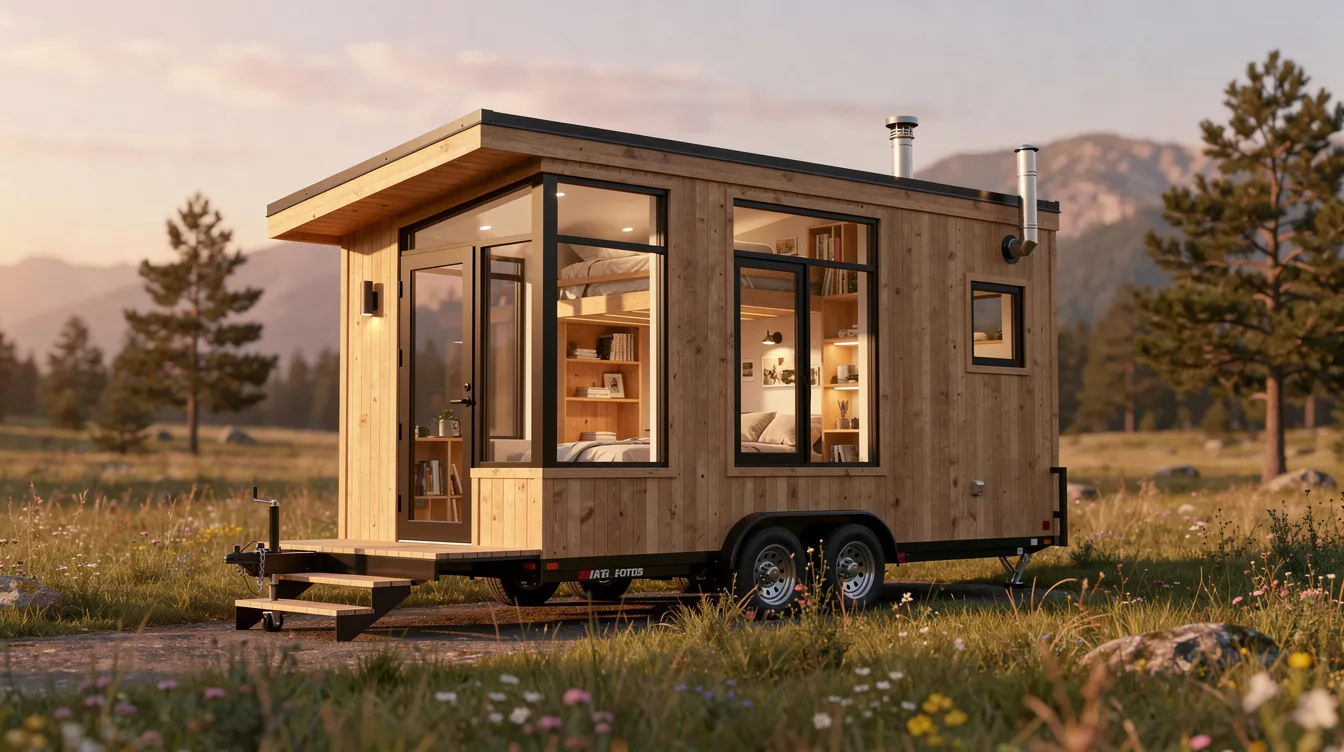
For a high-quality turnkey home with a full kitchen and bathroom, expect $80,000–$130,000. Here’s how the price bands break down:
- Budget builds ($60,000–$75,000): Basic finishes, standard insulation, simpler layouts
- Mid-range ($80,000–$110,000): Solid-surface counters, efficient HVAC, quality cabinetry
- Premium ($120,000+): Custom layouts, high-end appliances, off-grid systems
Most buyers planning full-time living choose 22–30 foot models in that mid-range. Used tiny homes can save 15–30% but may need repairs or code updates.
Cost Breakdown: What You Actually Pay For
The average cost per square foot for a tiny house runs around $150 but can reach $400 depending on materials and amenities. Here’s where your money goes:
Trailer Chassis: A specialized trailer for a tiny house costs between $4,500 and $11,000. This is non-negotiable—you need road-legal, heavy-duty construction.
Structure and Shell: $20,000–$40,000 depending on roof type and materials. Materials account for 30% to 50% of the total project cost.
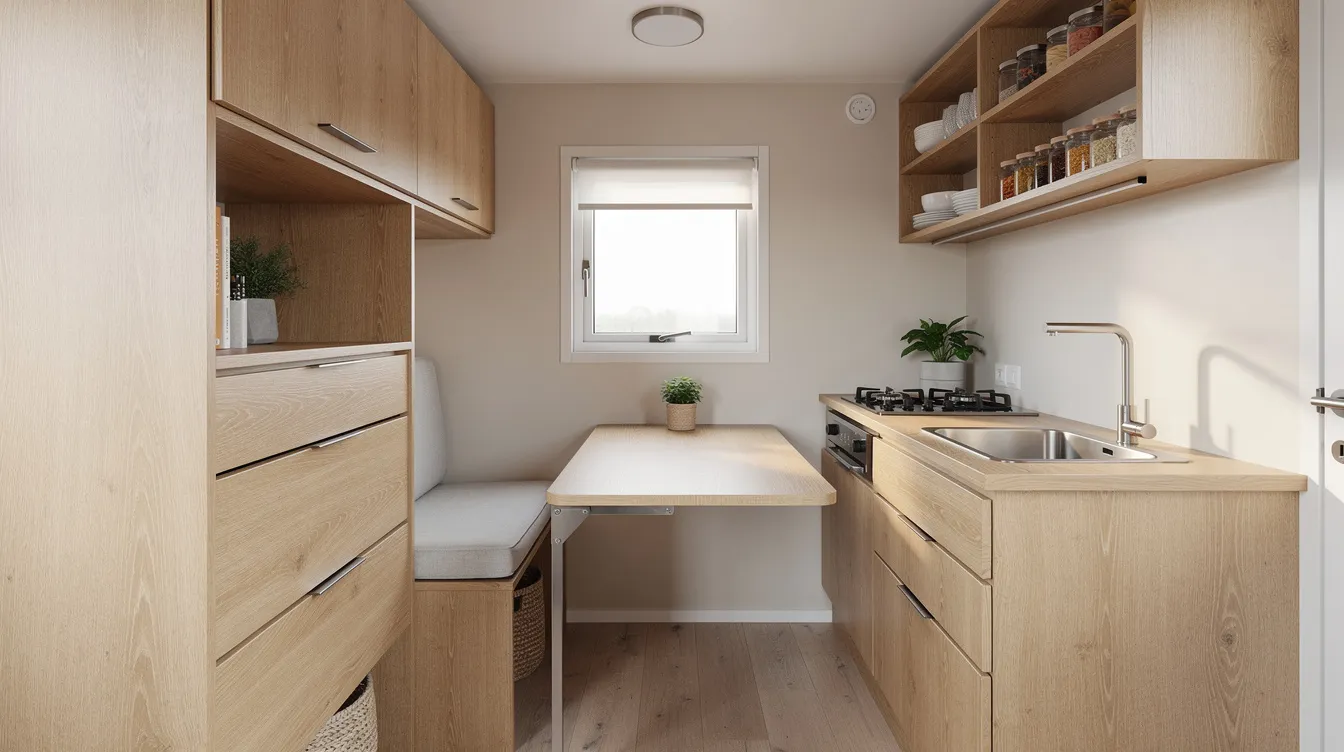
Interior Systems: Plumbing, electrical, heating, and ventilation run $10,000–$25,000. Think mini-splits, tankless water heaters, composting toilets.
Interior Finishes: Budget finishes keep costs at $8,000–$15,000. Built-in storage, tile showers, and solid-surface counters push this to $15,000–$35,000.
Design and Compliance: RVIA or NOAH certifications, stamped plans, and engineering add several thousand but make financing and parking much easier.
How Builder Type Changes Tiny Home Cost
The biggest cost difference isn’t size—it’s production method. Custom builds versus platform-based factory builds create dramatically different price points.
Custom builders typically operate like small workshops, where each tiny home is built as a one-off project. This allows flexibility but results in variable quality and higher costs.
Platform-based builders use standardized structural platforms and repeatable production workflows. This leads to faster build timelines and more consistent quality compared to custom builds.
Who should choose what:
- Custom: Buyers with specific accessibility needs, unusual layouts, or home office requirements
- Platform-based: Budget-conscious buyers wanting predictable pricing and faster delivery
Custom Tiny Home Builders
Custom tiny homes usually start around $90,000 and can exceed $160,000 with premium materials, complex rooflines, or high-end finishes.
- Build time: 6–12 months from contract to delivery
- Labor costs add 30% to 60% to the total project budget
- Quality varies significantly—vet engineering, certifications, and warranties carefully
- Best for unusual layouts that standard floor plans can’t accommodate
Platform-Based & Factory Builders
Platform-based models typically run $75,000–$115,000 depending on length and upgrades, and tools like a tiny home cost calculator can help you understand how size, features, and location affect final pricing.
- Build time: 3–8 months for most models
- More consistent quality due to repeatable processes
- Clearer timelines and easier warranty support
- Many pre-wire for solar, letting you add components later
Tiny house kits typically cost between $35,000 and $75,000 and are partly built in a factory, making them quicker to finish and more predictable in cost.
State-by-State Tiny Home on Wheels Cost Ranges (2026)
Labor, permitting, climate engineering, and transport distance create significant regional variation. These ranges cover professionally built homes delivered to each region, excluding land purchase.
California: $95,000–$185,000+
California has the highest tiny home costs due to labor rates, fire codes, and coastal demand. Wildfire resistance requirements (metal roofing, fiber-cement siding) can add $8,000–$20,000. Transport from out-of-state runs $4,000–$12,000.
Oregon & Washington: $85,000–$150,000
The Pacific Northwest welcomes tiny homes with evolving codes. Heavy rain and cold winters require upgraded insulation and ventilation. A strong local builder ecosystem reduces transport costs for regional buyers.
Texas: $70,000–$130,000
Texas remains affordable due to lower labor costs and relaxed rural zoning. Hot summers make efficient air conditioning critical. Several large platform-based builders operate here, offering competitive pricing.
Colorado & Mountain States: $90,000–$165,000
Snow loads and cold winters drive costs up. Engineered roofs, R-21+ wall insulation, and robust heating are standard. Mountain deliveries can add $3,000–$8,000 extra. Off-grid features are popular here.
Florida & Gulf Coast States: $80,000–$145,000
Hurricane-prone regions require wind-rated engineering, impact-rated windows, and specialized tie-downs—adding $8,000–$25,000. High humidity demands careful ventilation design.
Southeast (NC, GA, TN): $70,000–$120,000
Moderate labor costs make this region excellent value. Four-season insulation is recommended in the Appalachians, but engineering is less extreme than mountain states.
Midwest: $65,000–$115,000
The Midwest often has the lowest construction costs due to lower wages and affordable materials. Buyers frequently purchase here and ship homes to other states.
Northeast: $95,000–$170,000
Higher labor costs and strict standards push prices up. Cold winters demand strong insulation and durable roofing. Some buyers commission builds in cheaper regions to save overall.
Additional Costs Beyond the Tiny Home Itself
Many buyers underestimate costs outside the purchase price. Budget for these:
Expense | 2026 Range |
|---|---|
Permits and inspections | $200–$3,000 |
Land or pad prep | $0–$25,000+ |
Utility hookups | $1,000–$25,000 |
Transportation | $2,000–$10,000 |
Insurance (annual) | $1,500–$3,500 |
Example scenario: $95,000 home + $7,000 delivery + $12,000 utilities/pad + $2,000 fees = $116,000 total. |
Permits, Zoning, and Inspections
Permitting and inspection fees for tiny homes can range from $150 to $2,000 depending on the jurisdiction. Rules differ based on whether your home is classified as an RV, mobile home, or dwelling unit. Contact your planning office before placing a deposit.
Land, Parking, and Land Loans
The cost of land for a tiny house averages around $19,000 per acre nationally—with massive variation by region. Land loans typically require 20–30% down and higher interest rates than traditional mortgages.
Many buyers start with leased pads or tiny home villages, then consider land purchase once they know where they want to settle.
Utility Hookups and Off-Grid Systems
Utility hookup costs can range from $1,000 to over $25,000 depending on the system. Full hookups on raw land (power, water, septic system) run $10,000–$30,000, and broader tiny house living inspiration and resources can help you plan how utilities fit into your overall lifestyle and budget.
Off-grid systems such as solar panels can add $3,500 to $15,000 to initial costs. They reduce monthly bills but require maintenance know-how, and many buyers pair them with Scandinavian tiny home designs that emphasize simplicity, efficiency, and strong connections to the outdoors.
Transportation and Setup
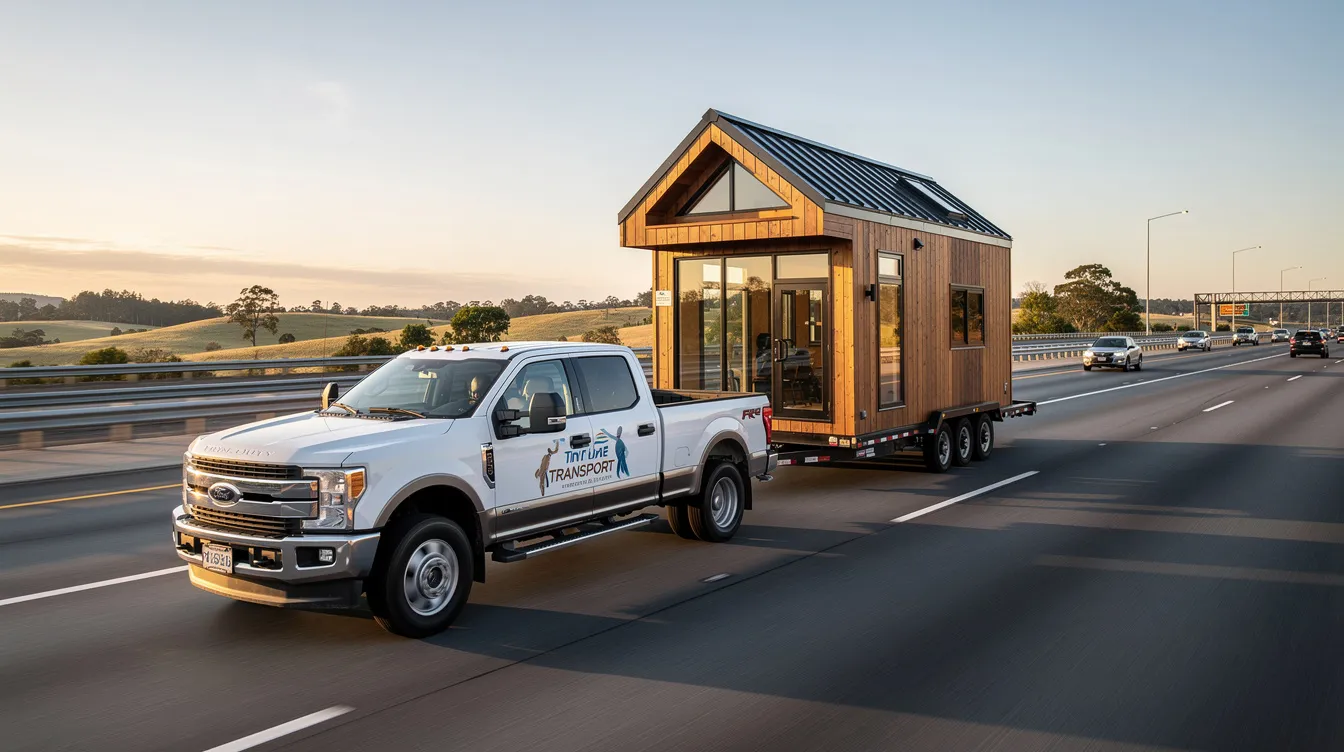
Professional haulers charge $5–$8 per mile, translating to $2,000–$10,000 depending on distance. Pilot cars, overnight storage, and crane work add to costs. Each future move carries similar expenses.
Building vs. Buying a Tiny Home on Wheels
Two main paths: build a tiny home yourself or buy existing. Building a tiny house allows for full customization of size, layout, finishes, and features. Buying a tiny house typically offers a lower price point and faster move-in time.
Many 2026 buyers choose semi-custom models—picking a platform-based floor plan and customizing finishes.
DIY: Building a Tiny Home Yourself
DIY builds for tiny houses usually cost between $20,000 and $80,000, depending on materials and labor, and a detailed guide on how to build a tiny house can help you budget and sequence each phase of the project.
- Timeline: 6–18 months on evenings and weekends
- Save money with recycled materials and used trailers
- Code compliance and safe electrical/plumbing work are critical, and studying affordable tiny house designs and tips can reveal layouts and materials that keep both costs and complexity manageable
- DIY homes may be harder to insure without certification
Working With a Professional Tiny Home Builder
Professional builders deliver predictable budgets and warranty support. Build timelines run 3–8 months for platform-based builders, and looking at great tiny homes that redefine small-space living can clarify which features are worth paying a builder to include.
Due diligence steps:
- Visit past builds
- Check references
- Confirm certifications and weight ratings
- Keep a contingency fund for change orders
Buying a Completed or Used Tiny Home on Wheels
Used tiny homes list between $45,000 and $100,000 depending on age and condition. Inspect trailer condition, water intrusion signs, and wiring quality. You may still need to budget for renovations or code upgrades, though some shoppers also compare tiny homes under $20K for sale when they prioritize the lowest possible upfront cost.
Financing a Tiny Home on Wheels
Tiny homes rarely qualify for conventional mortgages. Common options include RV loans, personal loans, and land loans.
RV Loans and Tiny Homes on Wheels
Many lenders treat certified tiny homes similarly to mobile homes, offering 5–20 year loans. Requirements typically include RVIA certification, proof of income, and mid-600s credit scores. According to Rocket Mortgage, these loans require 10–20% down.
Getting certification from RVIA may be necessary for financing or parking in certain parks.
Personal Loans, HELOCs, and Cash-Out Options
Personal loans work but have shorter terms (3–10 years) and higher payments. HELOCs offer lower rates but put existing property at risk. Compare total interest costs before committing.
Land Loans When Purchasing Land for Your Tiny Home
Land loans require higher down payments (20–30%) and shorter terms than mortgages. Having a detailed development plan improves approval chances. For many first-time buyers, starting with rented pads is more affordable.
Tiny Homes on Wheels vs. Tiny Homes on Foundations: Cost Comparison
A tiny house on wheels provides the flexibility to move it anywhere, while a tiny house on a foundation requires purchasing or leasing land for placement, and examples of elegant tiny homes that redefine modern living show how both types can feel high-end despite their small size.
Factor | On Wheels | On Foundation |
|---|---|---|
Total cost | $60,000–$150,000 | $50,000–$120,000 + land |
Land required | No (can rent pads) | Yes |
Mobility | Yes | No |
Insurance | RV-style | Traditional |
Financing | RV loans | Easier mortgage options |
The cost of building a tiny house can vary significantly based on factors such as size, materials, and whether it is built on a permanent foundation or on wheels, and smart tiny house interior designs that maximize every square foot can help you get more value from whichever option you choose. |
Is a Tiny Home on Wheels Right for You Financially?
A simple checklist:
- Define your budget (include all costs, not just the home)
- Decide mobility vs. permanence
- Research local zoning
- Choose build vs. buy
- Plan financing early
Tiny homes can dramatically reduce housing costs when paired with thoughtful land choices. Trade-offs include less space, limited storage, and careful planning for legal placement.
Tiny homes on wheels remain a flexible, affordable option for those prioritizing simplicity and financial freedom through 2026 and beyond.
FAQ
These questions address common concerns not fully covered above.
How much does it cost per month to live in a tiny home on wheels?
Most full-time residents spend $900–$2,000 monthly. For a $90,000 tiny home financed over 15 years: roughly $700–$800 payment, plus $400–$800 pad rent, $100–$200 utilities, and $125–$300 insurance. Off-grid setups lower monthly bills but require higher upfront investment.
Do tiny homes on wheels depreciate like RVs or hold value like houses?
Tiny homes generally depreciate more like mobile homes than traditional homes. However, professionally built, certified units from reputable builders hold value better than undocumented DIY builds. Regular maintenance and popular floor plans protect resale value.
Can I legally live in a tiny home on wheels full-time in my state?
Legality depends on local zoning codes, not state law. Some areas only allow full-time living in RV parks or specific tiny home communities. Contact your county planning department using terms like “park model” or “movable tiny home.” Rules are changing in 2024–2026.
How heavy is a typical tiny home on wheels, and does that affect cost?
Most 24–30 foot tiny homes weigh 10,000–18,000 pounds loaded. Higher weight increases trailer cost, axle count, and towing complexity. Smart design balances durability with weight management to keep homes road-legal and safe.
Is it cheaper to build a tiny home on wheels now or wait a few years?
Material prices fluctuate, but labor and land costs generally trend upward. Base your decision on personal readiness and savings rather than market timing. Those not ready can research zoning, practice downsizing, and build savings to move quickly when the time is right.