The dream of owning your own home feels out of reach for many in 2026. Traditional housing prices have climbed past $400,000, and suddenly that 200-square-foot house on wheels doesn’t seem so crazy. But is tiny house living actually the answer to your housing woes, or just a Pinterest fantasy? This guide walks you through the real pros and cons—with concrete examples and data—so you can make an informed decision.
Key Takeaways
- Tiny houses (typically 150–400 sq ft) can slash housing costs dramatically, with the average cost of a tiny home around $60,000 compared to approximately $243,400 for a traditional home.
- Major pros include lower monthly utilities, mobility with tiny houses on wheels, and a smaller environmental footprint.
- Core cons center on limited storage space, tight living space for couples or families, and zoning hurdles that vary wildly by location.
- Tiny living works best when you research local building codes beforehand, test the lifestyle first, and design your space around daily habits.
- This article covers all the ways tiny homes compare to conventional housing, using real-world scenarios to help you decide if this lifestyle fits.
- What Is a Tiny House, Really?
- Financial Pros of Tiny House Living
- Lifestyle & Mobility Advantages of Tiny Homes
- Environmental Benefits of Small Houses
- Design & Daily Living Upsides
- Space Constraints: Storage and Personal Space Challenges
- Layout, Comfort & Everyday Annoyances
- Legal, Zoning & Practical Limitations
- Is a Tiny House Right for You? How to Decide
- FAQ: Tiny House Pros and Cons
- How much does it realistically cost to live in a tiny house each month?
- Can a family with children live comfortably in a tiny home?
- Do tiny homes hold their value or appreciate like traditional houses?
- Is it possible to work from home productively in a tiny house?
- What are the biggest mistakes people regret after moving into a tiny house?
What Is a Tiny House, Really?
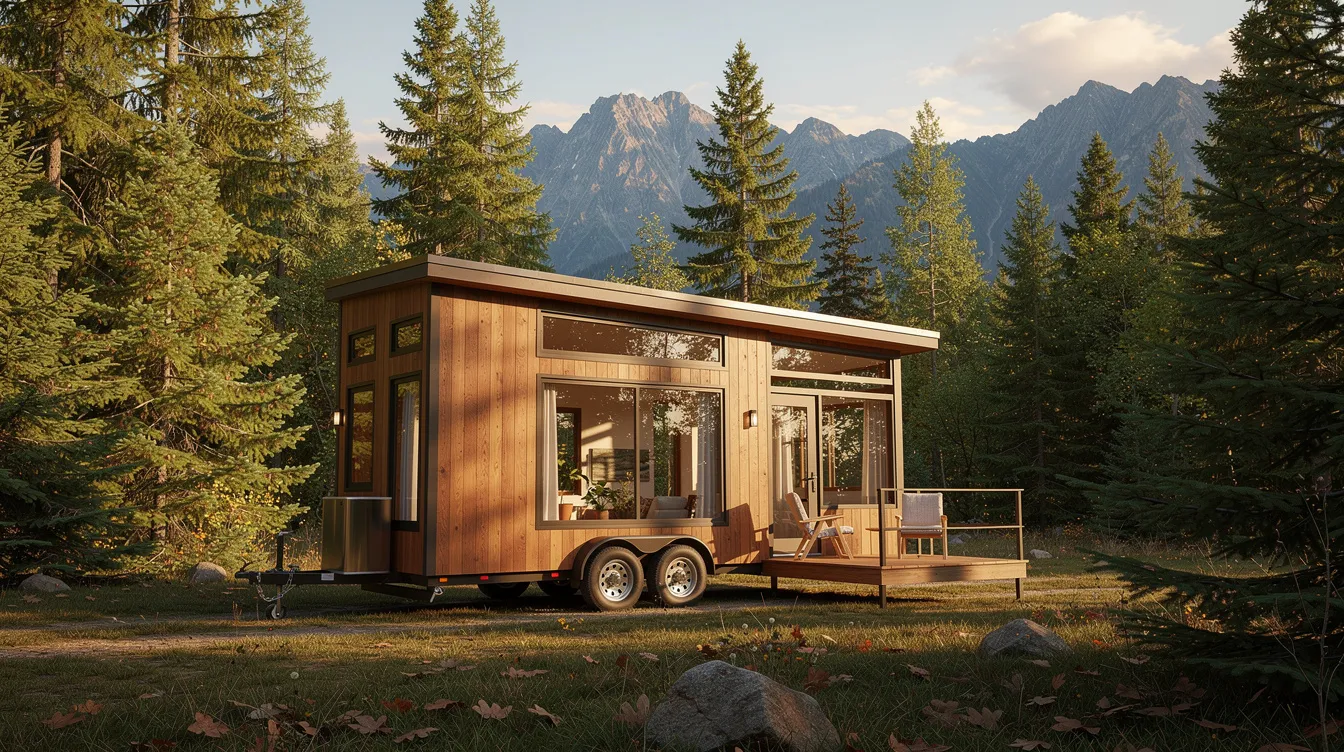
A tiny house is a compact dwelling typically measuring between 150 and 400 square feet. Some push to 600 square feet under codes like IRC Appendix Q, but most fall well under that.
Two main types exist:
Type | Description | Best For |
|---|---|---|
Tiny House on Wheels (THOW) | Built on a trailer (usually 8.5 ft x 24-40 ft), treated as RV for transport | Mobility, frequent movers |
Foundation Tiny Home | Permanent structure on land, often classified as ADU | Long-term stability |
A typical THOW layout includes: |
- Ground-floor galley kitchen (4×8 ft)
- Compact bathroom (3×5 ft)
- Open living area (10×12 ft)
- Sleeping loft (60-100 sq ft) accessed by stairs or ladder
This differs from small houses (under 1,000 sq ft but with more room), studio apartments (no structural independence), and RVs (lighter materials, designed for road travel over permanent living).
Throughout this article, we’ll compare scenarios: a single digital nomad thriving in 200 sq ft, a couple managing 300 sq ft, and a small family struggling beyond 400 sq ft.
Financial Pros of Tiny House Living
Cost is usually the number-one reason people consider tiny homes in 2026. With median U.S. home prices exceeding $420,000, the math starts looking very different.
Build and Buy Costs:
Option | Typical Cost |
|---|---|
DIY build (materials) | $10,000–$40,000 |
DIY with kit | $25,000–$60,000 |
Professional build | $60,000–$120,000 |
Pre-fab (delivered) | $80,000–$150,000 |
Median traditional home | ~$243,400+ |
The average cost of a tiny home is about $60,000—a fraction of what you’d spend on a big house with an unaffordable mortgage, and using a dedicated tiny home cost calculator can help you plan that budget accurately. |
Monthly Savings:
Tiny houses typically incur lower utility bills due to their smaller size, which requires less energy for heating and cooling compared to traditional homes. A 300 sq ft space needs 70-90% less heating and cooling energy than a 1,500-2,000 sq ft home. Off-grid solar setups can drop electric bills to $0-30/month versus $200+ for average homes.
Furnishing a tiny home is generally less expensive because it requires fewer pieces of furniture, often with multi-functional designs. A $2,000 sofa-bed and $500 murphy desk beats spending $10,000+ furnishing a whole house.
Maintenance costs drop too. Replacing a 200 sq ft roof costs $2,000-$4,000 every 20-30 years versus $15,000+ for larger homes.
These savings free up money for travel, early retirement, paying off student loans, or simply working less. Some owners report freeing $500-$1,500/month compared to their old housing costs.
Lifestyle & Mobility Advantages of Tiny Homes
The tiny house movement isn’t just about saving money—it’s about intentional life choices, and many people are drawn specifically to minimalist tiny houses for sustainable living.
Living tiny forces you to be intentional. Owners report 2-4 hours less per week on cleaning. When your entire house can be tidied in a fraction of the time, you gain serious free time.
Mobility Benefits:
For THOWs, freedom means towing your home with a 3/4-ton truck to a new state after a job change. Practical limits exist—stay under 40 ft length and 13.5 ft height for easy highway travel—but seasonal moves become realistic.
Options for parking include:
- BLM land (14-day stays)
- RV parks ($400-$800/month lot rent)
- Tiny house villages with shared amenities
Community Connection:
The tiny house community is growing, providing a close-knit environment where residents can connect through festivals, blogs, and social media. Places like Orlando Lakefront or Colorado’s WeeCasa house 50-100 homes with shared gardens and walking trails. Online groups (Facebook communities with 200,000+ members) offer advice and friendship.
For remote workers, traveling nurses, and seasonal pros, a tiny home offers more comfort and privacy than an RV while retaining flexibility. Better insulation (R-20 walls vs. RV’s R-7), full kitchens, and real privacy make the difference.
Environmental Benefits of Small Houses
A tiny home’s small footprint dramatically reduces resource use compared to a conventional home.
Material and Energy Savings:
The construction of tiny homes typically uses fewer materials compared to traditional homes, which contributes to less waste and a lower environmental impact during the building process. A tiny house might use 5 tons of lumber versus 50 tons for a 2,000 sq ft home—that’s 80-90% less material.
Living in a tiny home can significantly reduce your carbon footprint due to the smaller space requiring less energy for heating and cooling. Annual energy use comparison:
Home Type | Annual Energy Use | Approximate Annual Cost |
|---|---|---|
1,000-2,000 kWh | $120-$240 | |
3-bedroom traditional | 10,000+ kWh | $1,200+ |
 |
Off-Grid Options:
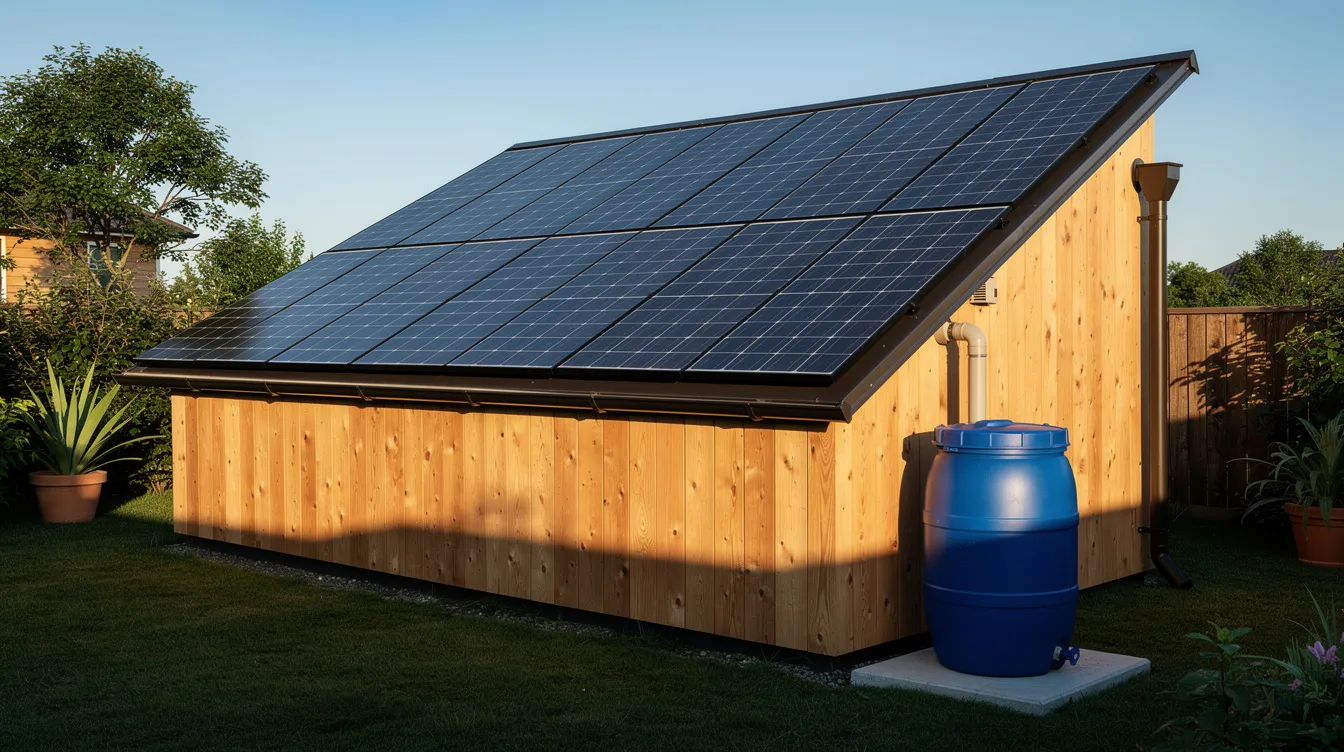
Tiny homes can be designed to be off-grid, allowing owners to choose sustainable options like composting toilets and solar panels, further minimizing their environmental impact; many self-contained tiny homes for modern off-grid living integrate these systems from the start. A 2-4kW solar array ($5,000-$10,000 installed) can cover 100% of a tiny home’s needs. Composting toilets save roughly 30,000 gallons of water per year.
Natural Consumption Limits:
Tiny house living naturally discourages overconsumption. With limited cabinets and no room for bulk buying, you shop more mindfully. Studies suggest tiny housers own 54% less stuff than average Americans.
Design & Daily Living Upsides
The best tiny homes are highly customized to the owner’s routines, hobbies, and work needs, which is why many people choose custom tiny homes designed for small-space living.
Multi-Purpose Everything: Optimizing small spaces with multifunctional furniture is central to making a tiny home livable.
One room can serve as living room, office, and dining area across a single day. Key furniture includes:
- Murphy beds that fold into walls
- Stair-step drawers for hidden storage
- Under-floor compartments
- Convertible dining table/desks
Sample Layout (240 sq ft ground floor + 80 sq ft loft): Thoughtful tiny house floor plans that work follow similar principles.
- Galley kitchen: 4 ft with induction stove, 8 cu ft fridge
- Bathroom: 5×5 ft
- Living area: 12×12 ft open space
- Sleeping loft: 80 sq ft accessed by stairs with built-in drawers
Psychological Benefits:
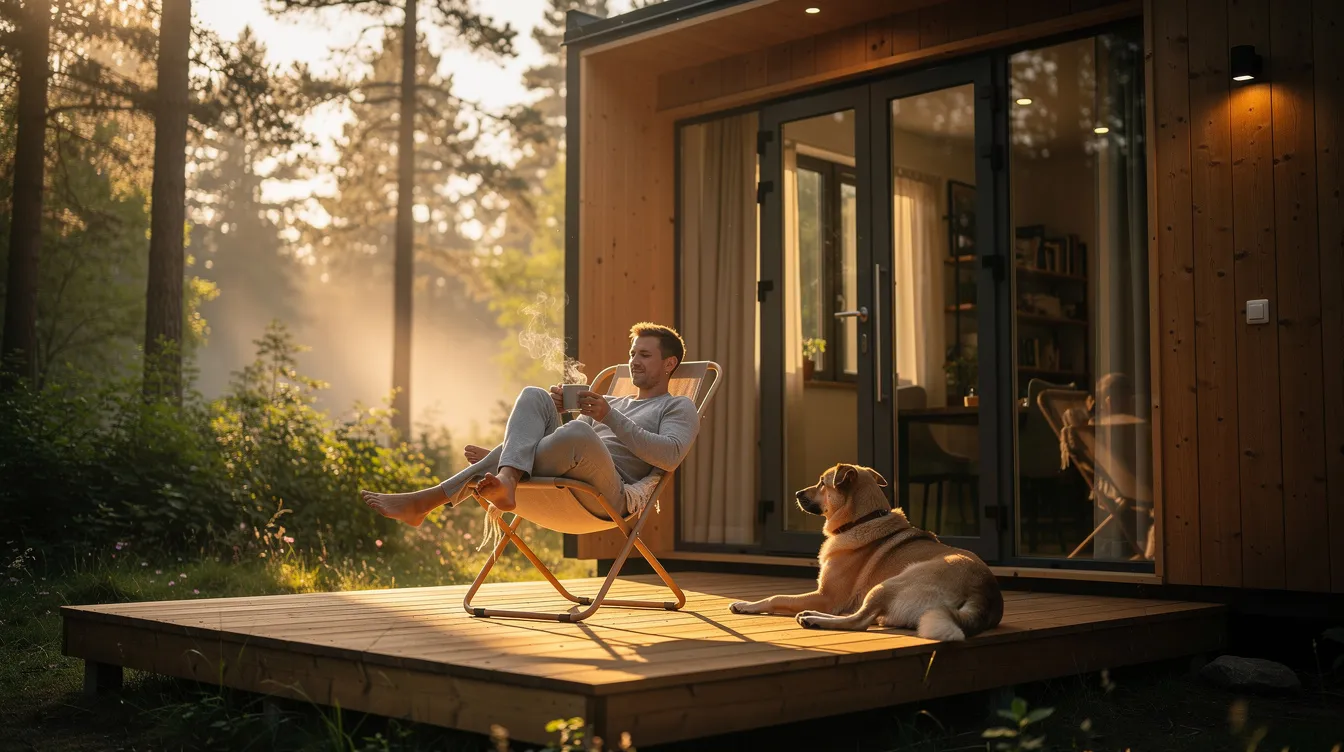
Some people report feeling cozy and more connected to a partner or pet. The constraints of such a small space can create presence in daily life—you’re forced to engage with your world rather than disappearing into unused rooms.
Premium Finishes:
Hardwood floors and quartz countertops become affordable when you’re only covering 250 sq ft. At $200/sq ft for premium finishes, a tiny house costs $50,000 in materials versus $400,000 for a 2,000 sq ft home.
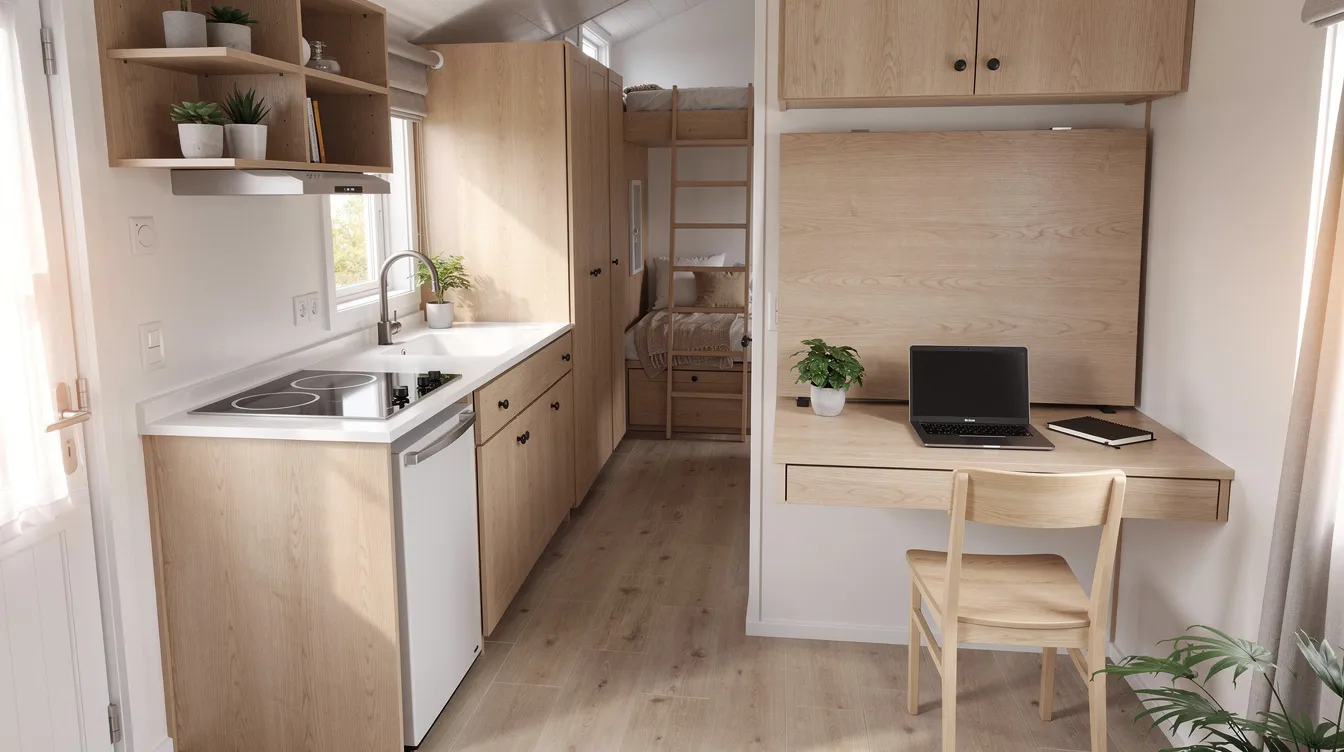
The layout of tiny homes can be less than ideal, often merging living spaces and requiring creative solutions for storage and functionality, as shown in many tiny house interiors that maximize every square foot. But with thoughtful design, these compromises become features rather than bugs.
Space Constraints: Storage and Personal Space Challenges
Now for the honest truth. Limited storage space and personal space are the biggest day-to-day cons of tiny house living.
Storage Realities:
Tiny houses typically have limited storage space, which can make it challenging for residents to keep all their belongings organized and accessible. With only 20-50 sq ft of storage in a 300-500 sq ft house, you’re making constant choices.
Living in a tiny house often requires residents to downsize their belongings significantly, which can be a difficult adjustment for many individuals. That’s not a one-time purge—it’s ongoing management.
Hobby Challenges:
With limited storage in tiny homes, residents may find it difficult to engage in hobbies that require a lot of supplies, such as painting or woodworking, although some innovative tiny homes that redefine small-space living show what’s possible with clever design. Skiers, campers, and photographers often need:
- Off-site storage units ($50-$150/month)
- Gear sheds on private land
- Seasonal rotation systems
Living With Others:
Living in a tiny with a partner, child, or dog can feel cramped. Fewer options exist for alone time, quiet work calls, or separate sleep schedules. Couples often fight over “territories” when there’s only one room to share.
Practical Trouble Spots:
- Wardrobes limited to 20-30 items of clothes
- Tiny fridges (4-8 cu ft) mean shopping 2-3x weekly
- No Costco runs—no room for bulk
- Limited counter space for food prep
Coping Strategies:
Rotating seasonal wardrobes helps. Vertical storage solutions maximize walls. But understand: these are ongoing habits, not one-time fixes. The person who thrives in tiny living enjoys this constant curation; others find it exhausting.
Layout, Comfort & Everyday Annoyances
The compact layout that makes tiny houses efficient can also amplify small frustrations.
Design Compromises:
Tiny houses often sacrifice full-size appliances, which can make cooking and daily routines more challenging due to limited counter and storage space. Common issues include:
- Loft bedrooms with 3-4 ft ceilings and ladder access
- Low ceiling heights (6-7 ft) throughout
- Bathrooms squeezed into 25 sq ft
- 18-inch sinks that make washing dirty dishes tedious
Single-Room Living:
In one room, everything affects everything. Cooking smells linger. Pet hair spreads everywhere. Living in a tiny house can lead to frequent cleaning, as the small space can become cluttered quickly, affecting the overall cleanliness of the home.
Concrete Examples:
Imagine muddy dog paws covering most of the floor in seconds. Or laundry day taking over the entire living space—clothes drying on every surface because there’s nowhere else. Making a bed in a 40-inch-high loft means contorting yourself while half-awake.
Guest Challenges:
Having guests over in a tiny house can be challenging due to limited space, making it difficult to host gatherings or accommodate overnight visitors. Two friends on a futon maxes out capacity. Dinner parties happen outside or not at all.
Living in a tiny house often requires residents to explain unique features, such as compost toilets, to guests, which can lead to awkward situations. “So, you just… don’t flush?” gets old.
For most part, these annoyances become routine. But not everyone adjusts well.
Legal, Zoning & Practical Limitations
Zoning codes, building regulations, and insurance rules in many areas still lag behind the tiny house movement in 2026.
Key Legal Issues:
Challenge | Details |
|---|---|
Minimum square footage | Many areas require 400+ sq ft for primary residence |
Foundation vs. wheels | Rules differ dramatically by classification |
Parking restrictions | Urban areas often prohibit long-term tiny house parking |
ADU classification | Some zones only allow tiny homes as accessory units |
Only about 1/3 of U.S. states fully adopt IRC Appendix Q, which provides clear guidelines for tiny houses. The rest create a patchwork of rules you must navigate at city, county, and state levels. |
Land and Parking:
Finding legal, affordable land near major cities remains difficult. Options include:
- RV parks that accept tiny houses (verify first)
- Tiny house villages and communities
- Rural private land (verify zoning before buying)
- Renting a spot on someone else’s property
Financing and Insurance:
Banks rarely issue standard mortgages for tiny houses. Options include:
- RV loans (4-7% APR, max ~$100,000)
- Personal loans
- Builder financing
Insurance runs $600-$1,500/year as “specialty” coverage. Companies treat THOWs more like RVs than houses.
Action Steps:
Before committing to tiny house living:
- Contact local planning departments directly
- Research specific zoning codes by name
- Verify rules at city, county, and state/provincial levels
- Consult professionals—mistakes here cost thousands
Is a Tiny House Right for You? How to Decide
Tiny homes are fantastic for some people and frustrating for others, so carefully evaluating whether a tiny house for sale is right for you is essential before you buy. Self-assessment is crucial before investing your money and life goals into this lifestyle.
Practical Tests:
Before you build or buy:
- Spend a week in a 200-300 sq ft vacation rental (check Hipcamp or Airbnb)
- Track how much time you actually spend at home versus outside
- List non-negotiable comfort items (full-size oven? Bathtub? Real desk? Room for your dog?)
- Walk through a day: Where do you sleep, work, eat, relax?
Match Types to Lifestyles:
If you… | Consider… |
|---|---|
Move frequently, remote work | THOW for mobility |
Want long-term stability | Foundation tiny on land |
Need more space occasionally | Tiny as second home or guest suite |
Have kids or plan to | Larger small house (400-600 sq ft) |
Realistic Budget: Choosing tiny house plans that fit your life and budget is just as important as pricing out the build itself. |
Don’t focus only on the structure’s sticker price. Plan for:
- Land purchase or lot rent ($300-$1,000/month)
- Utility hookups or off-grid setup ($5,000-$15,000)
- Permits and inspections
- Towing vehicle if THOW ($40,000+ for adequate truck)
- Future maintenance and repairs
Monthly total typically runs $800-$2,000 depending on location and setup.
The Bottom Line:
Tiny house living can be freeing and cost effective. It works best for people who:
- Genuinely embrace minimalism
- Plan carefully for legal requirements
- Design specifically for their daily life
- Test before committing
For everyone else, a small house (400-800 sq ft) might check all the boxes without the extreme compromises. Either way, do your homework in this summer of 2026—the few years ahead will only see more housing pressure.
FAQ: Tiny House Pros and Cons
How much does it realistically cost to live in a tiny house each month?
Monthly costs vary dramatically by location and setup. Off-grid on rural land, some owners manage $400-$600/month (covering property taxes, solar maintenance, and basic supplies). Urban RV parks or tiny home communities typically run $800-$1,500/month including lot rent ($400-$800), utilities ($50-$200), and insurance/maintenance ($50-$100).
While some people achieve remarkably low housing costs, don’t assume sub-$600/month without careful planning. Higher-cost regions like California or Colorado push monthly totals toward $1,500+ even for tiny dwellers.
Can a family with children live comfortably in a tiny home?
Living in a tiny with kids is possible but demanding. It requires:
- Careful layout planning (separate sleeping areas, ideally lofts for kids)
- Strict organization habits from everyone
- Realistic expectations about noise and privacy
- Outdoor space for play and energy release
Many families find 400+ sq ft minimum necessary. Alternatives include two tiny homes side-by-side, a tiny house plus shared community building, or stepping up to a small house in the 500-800 sq ft range for more flexibility.
Do tiny homes hold their value or appreciate like traditional houses?
Many tiny houses—especially those on wheels—depreciate like vehicles or RVs, losing 5-10% value per year. High-quality builds on permanent foundations in desirable areas (like Austin tiny villages) can hold value or appreciate modestly.
View tiny homes more as lifestyle purchases or flexible assets than guaranteed long-term investments. If building equity is your primary goal, a traditional home or foundation-based ADU typically serves better.
Is it possible to work from home productively in a tiny house?
Remote work in a tiny space requires intentional design:
- Dedicated fold-down desks or loft offices
- Small detached studios paired with the main home
- Sound management (rugs, curtains, strategic scheduling)
- Reliable internet at your chosen location (verify before parking!)
Ergonomics matter in a tiny space—invest in a good chair and proper monitor height. Many remote workers find success, but those with frequent video calls or noise-sensitive work may need creative solutions or outdoor workspace options.
What are the biggest mistakes people regret after moving into a tiny house?
Common regrets from tiny housers include:
- Underestimating zoning issues: About 30% of owners report having to move due to legal problems they didn’t research
- Choosing uncomfortable layouts: Hard-to-access lofts, inadequate bathroom size, or insufficient counter space
- Not testing first: Jumping in without renting a tiny space short-term
- Overlooking storage needs: Especially for hobbies, work equipment, or seasonal items
- Builders who overpromise: Working with inexperienced builders who cut corners
Avoid these mistakes by renting tiny spaces first, talking with existing owners, and working with experienced designers or builders who can create solutions tailored to your life.