
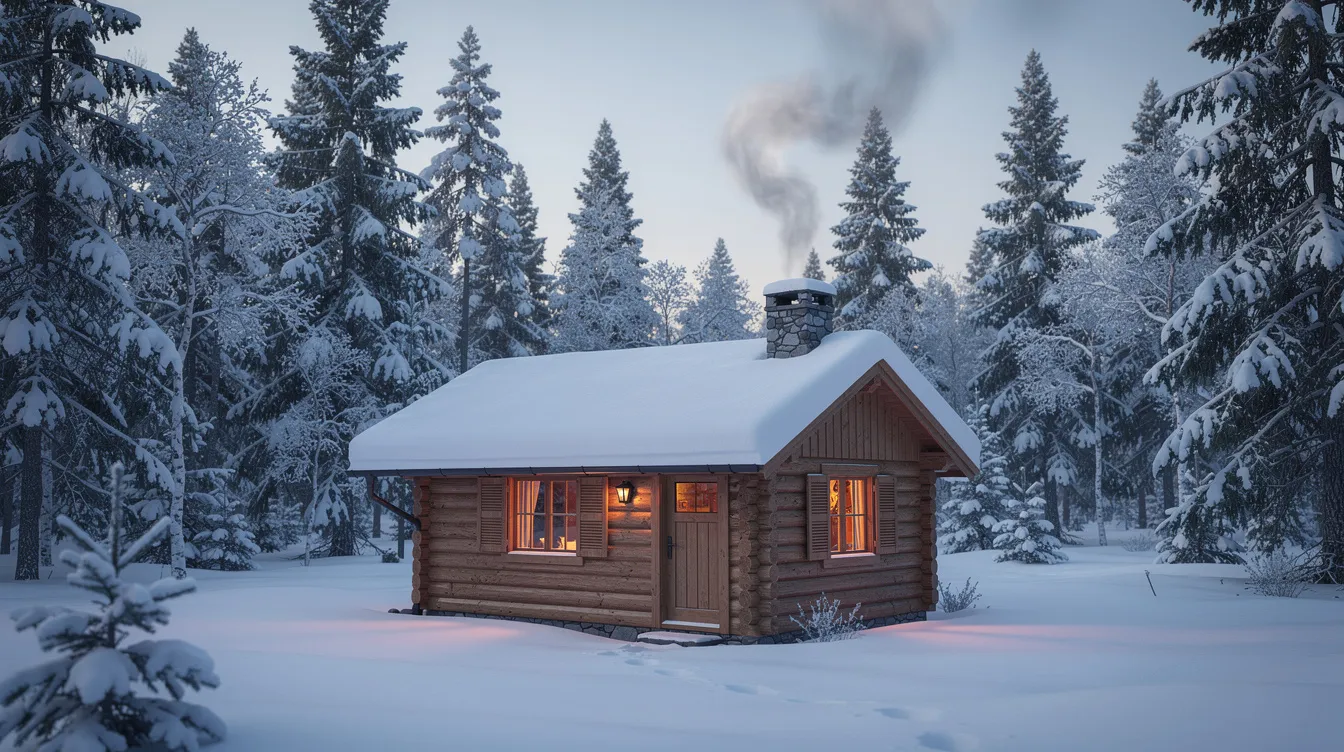
Winter in a tiny house brings unique challenges.
One of the biggest? Your bathroom setup.
A composting toilet makes sense for tiny homes. But not all models handle freezing temperatures well. The best composting toilet for tiny house winter use needs specific features to keep working when temperatures drop.
Here’s what you need to know about cold-weather models in 2026.
How We Chose the Best Winter Composting Toilets
We evaluated winter composting toilets based on several factors that matter most when temperatures plummet:
- Cold weather performance and freeze resistance capabilities
- Ventilation efficiency in sub-zero temperatures
- Insulation features and heating requirements
- Reliability of fans and electrical components in cold conditions
- Ease of winter maintenance and waste removal
- Urine handling systems that prevent freezing
- Value for money considering winter-specific features
- User reviews from cold climate tiny house owners
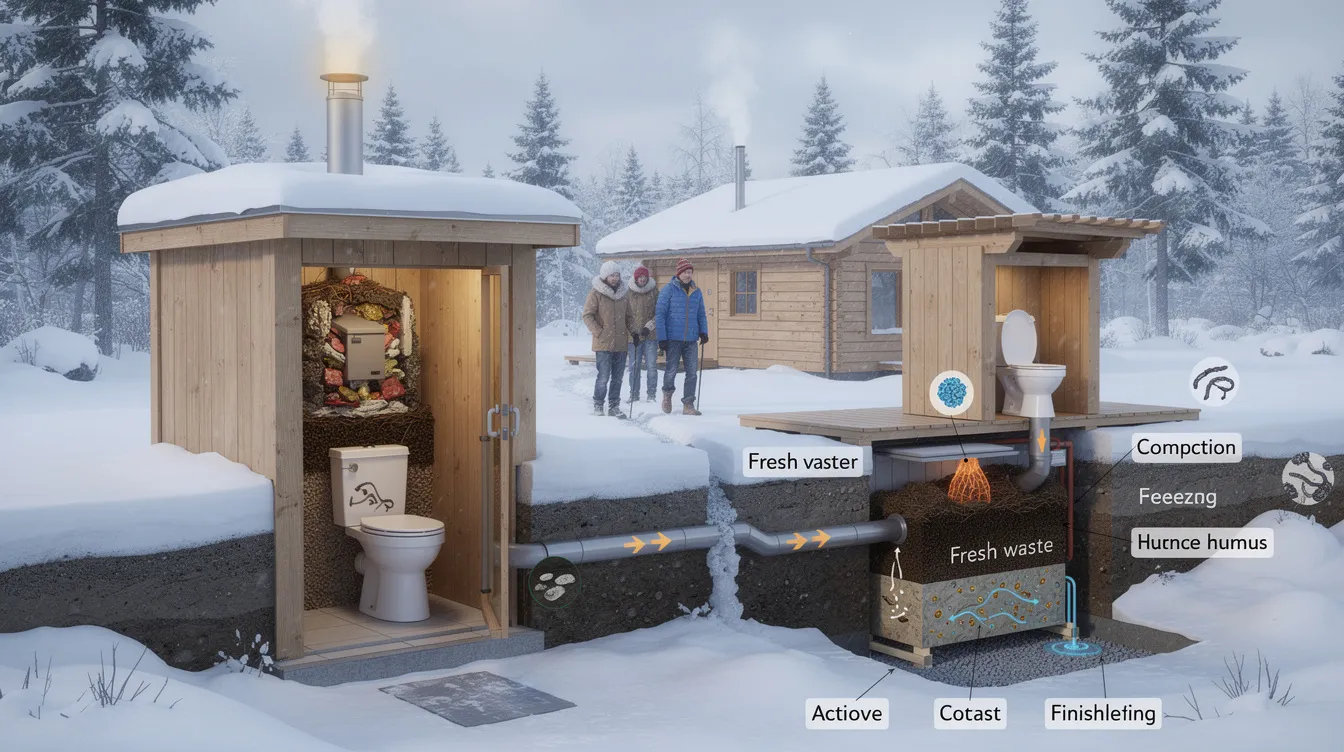
One key advantage: composting toilets do not rely on freezing-prone water lines, making them effective in cold climates. Unlike a regular toilet connected to a septic system, these units work independently of plumbing.
Composting toilet models that separate liquids from solids help prevent freezing messes in cold conditions. This separation is critical for winter success.
- Top 5 Composting Toilets for Tiny House Winter
- Quick Comparison of the Best Winter Composting Toilets
- How to Choose the Right Winter Composting Toilet
- Which Option Is Best for You?
- Final Thoughts
Top 5 Composting Toilets for Tiny House Winter
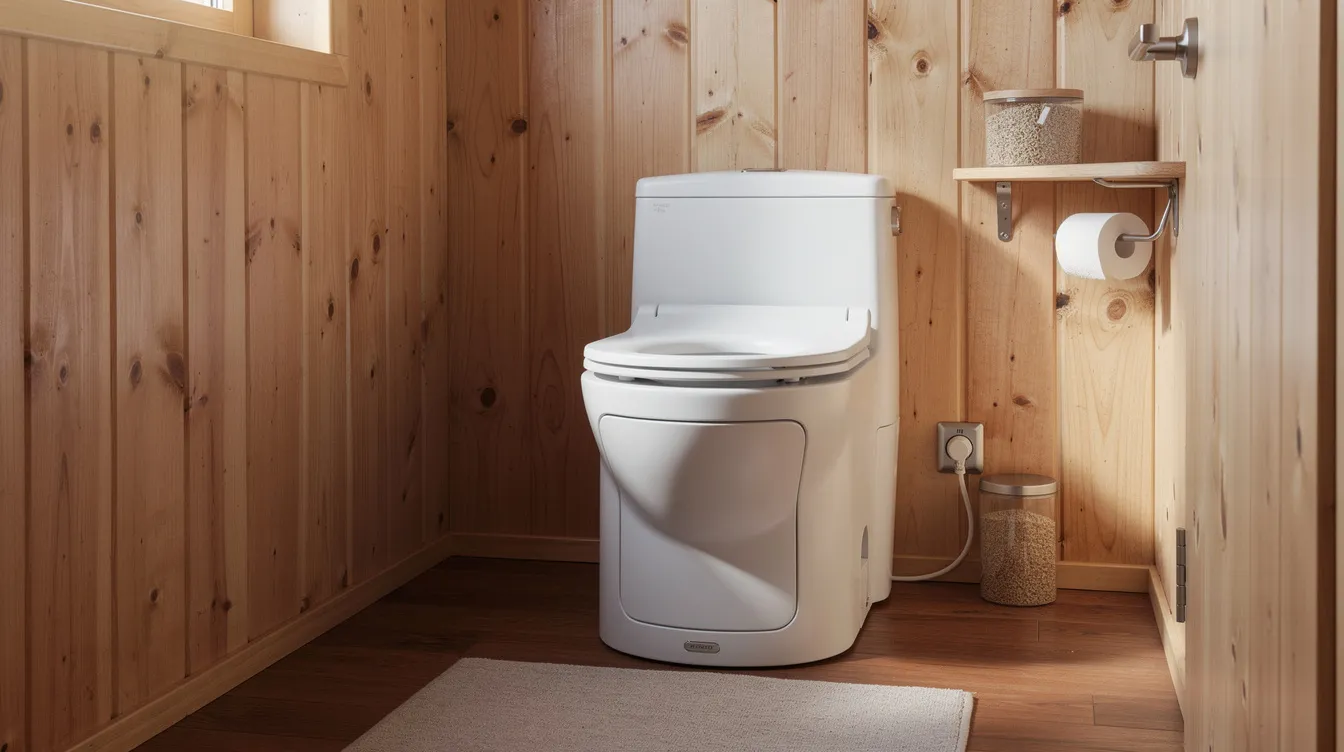
1. Separett Villa 9215 AC/DC Winter Edition
This Swedish-designed unit leads the pack for serious winter tiny living, especially in self-contained tiny homes for modern off-grid living. The Separett Villa has long been a premium choice, and the winter edition takes cold-weather performance even further.
Why It Stands Out
The advanced freeze-resistant ventilation system with heated exhaust keeps air moving even when outdoor temperatures are brutal. Composting toilets are designed to separate solid and liquid waste, which minimizes odors and simplifies the composting process. The Separett does this exceptionally well.
Best For
Full-time tiny house dwellers in climates with temperatures below 20°F.
Key Strengths
- 12V DC operation compatible with solar systems in winter
- Insulated waste chamber prevents freezing
- No sawdust needed, reducing winter supply challenges
- The urine diverter effectively separates solid and liquid waste
- Requires 17 watts for continuous fan operation
Possible Limitations
- Higher upfront cost (approximately $1,400)
- Requires consistent power for heating elements
- The electric fan needs 24/7 operation for optimal performance
2. Nature’s Head with Winter Insulation Kit
Nature’s Head remains the most popular tiny house composting toilet on the market. At $925-$995, it offers proven reliability with optional cold-weather upgrades.
Why It Stands Out
The three-chamber system allows compost to fully form while you use other chambers. This unit has a massive user community, making troubleshooting support easy to find. Jenna Spesard and other tiny home advocates frequently recommend this model.
Best For
Budget-conscious tiny house owners in moderate winter climates.
Key Strengths
- Affordable winter kit includes pipe insulation and fan heater
- Large user community for troubleshooting support
- Compact design is a perfect fit for tiny house bathrooms
- Optional 12V fan for aeration
- Self contained design simplifies installation
Possible Limitations
- Requires regular addition of cover material like peat moss or coconut coir in cold weather
- Urine tank may need indoor storage to prevent freezing
- Most composting toilet models require emptying of solids about once a month for a tiny home with two people, while urine containers should ideally be emptied every other day
3. Air-Head Cold Climate Model
This specialized unit is engineered specifically for extreme cold weather operation. If you’re building an off grid cabin in harsh conditions, such as a rustic Amish-style tiny house cabin, this deserves serious consideration.
Why It Stands Out
The Air-Head Cold Climate model works when other composting toilets fail. Composting toilets equipped with internal heaters or insulated chambers prevent the composting process from stalling in cold temperatures.
Best For
Tiny house owners in harsh winter climates like Alaska or northern Canada.
Key Strengths
- Operates reliably down to -40°F
- Double-wall insulation prevents heat loss
- Internal heater maintains optimal composting temperature
- Models with insulated compost chambers help keep internal temperatures above 50°F in unheated bathrooms
- Solid waste management remains consistent year-round
Possible Limitations
- Higher energy consumption due to heating requirements
- More complex installation with additional electrical needs
- The biological composting process may stop entirely in freezing temperatures, but the units still function as effective dry holding systems
4. TROBOLO Winter Pro Tiny House Model
This European-designed system brings batch composting technology to winter tiny living and pairs well with tiny barn-style homes for cozy living. The design prioritizes continuous use during cold months.
Why It Stands Out
Batch systems for composting toilets allow waste to store without freezing during winter months. The TROBOLO uses multiple containers that you rotate, preventing any single container from becoming a frozen block.
The Tiny-Pod composting toilet features a batch composting system, allowing for continuous use by alternating between two compost bins, which optimizes space and resource use. TROBOLO uses a similar approach.
Best For
Eco-conscious users wanting maximum composting efficiency in winter.
Key Strengths
- Multiple container system prevents freezing issues
- USB-powered exhaust fan for off-grid cabin winter use
- Stylish design with excellent build quality
- Solids container is easy to swap
- Functions well even in grid cabin setups
Possible Limitations
- Regular container swapping needed in cold weather
- Higher maintenance during winter months
- Empty internal urine bottles more frequently in winter to prevent freezing and cracking of the container
5. Enhanced DIY Winter Bucket System
For the budget-focused builder, a winterized bucket system offers a practical solution that complements many affordable tiny house designs and builds. Joseph Jenkins popularized this approach, and it remains suitable for those willing to handle more hands-on maintenance.
Why It Stands Out
This is the most affordable option with customizable winter features. Using coconut coir or sawdust as mediums helps manage moisture effectively in colder temperatures.
Best For
DIY enthusiasts and minimal budget tiny house builders.
Key Strengths
- Can be fully customized for specific winter conditions
- Uses readily available insulation materials
- No electrical components to freeze or fail
- A separate container system allows flexibility
- Uses a simple bucket and bag setup
Possible Limitations
- Requires more frequent maintenance in winter
- Manual waste removal more challenging in cold weather
- For a bucket composting system, it is recommended to empty the bucket into a compost pile about twice a week, which includes cleaning the bucket and replenishing cover material as needed
- The smell can be an issue without proper ventilation
Quick Comparison of the Best Winter Composting Toilets
Model | Best For | Price Range | Power Needs |
|---|---|---|---|
Separett Villa Winter Edition | Extreme cold with electric heating | ~$1,400 | 17W continuous |
Nature’s Head with Winter Kit | Moderate winters, budget-friendly | $925-$995 | 12V optional |
Air-Head Cold Climate | Harshest winter conditions | Premium | Heating required |
TROBOLO Winter Pro | Eco-conscious winter composting | Mid-range | USB fan |
Enhanced DIY System | Minimal budget solution | Under $200 | None |
How to Choose the Right Winter Composting Toilet
Choose Based on Winter Temperature Range
Biological activity in standard composting toilets typically stops if the temperature drops below 50°F (10°C). This is critical for your selection.
For temperatures above 20°F: Nature’s Head with insulation kit works well.
For temperatures 0°F to 20°F: Separett Villa or TROBOLO provide better protection.
For temperatures below 0°F: Air-Head Cold Climate or incinerating toilets are your best options. Incinerating toilets burn waste into ashes and are ideal for cold climates as they are unaffected by outside temperatures, and they can be integrated with several tiny house septic system options for a complete waste-management setup.
Note that heating requirements increase significantly as temperatures drop.
Choose Based on Power Availability
Winter brings shorter days and less solar generation. Consider your electricity situation:
- Limited power: DIY bucket system or TROBOLO with USB fan in many custom tiny homes optimized for off-grid living
- Solar with battery backup: Nature’s Head with 12V fan, which integrates well in Home Depot tiny house kit setups
- Reliable AC power: Separett Villa with continuous operation, a common choice recommended by top tiny house builders in New York
- Abundant power: Air-Head Cold Climate with heating elements, ideal if you’re following a full step-by-step tiny house building guide
Solar power during winter months may not sustain continuous heating. Plan accordingly.
Choose Based on Maintenance Preferences
Winter maintenance presents unique challenges. Using a composting toilet with a urine diverter allows for more frequent emptying of the liquid waste, which can help maintain a more odor-free environment.
Consider these maintenance realities:
- Regular emptying and cleaning of composting toilets, along with proper ventilation, are essential practices to prevent odors in tiny homes
- Using cover materials like sawdust or peat moss in composting toilets helps to absorb odors and aids in the composting process
- Accessibility during snow and cold weather affects which unit you can maintain
- Larger capacity models reduce winter emptying frequency
In winter, a powerful bathroom fan can overpower the small toilet fan, potentially pulling odors back into the home. Coordinate your ventilation system carefully.
Which Option Is Best for You?
Here’s the quick decision guide:
- Choose Separett Villa Winter Edition if you have reliable power and face extreme cold
- Choose Nature’s Head with Winter Kit if you want proven reliability at moderate cost
- Choose Air-Head Cold Climate if you’re in the harshest winter conditions
- Choose TROBOLO Winter Pro if you prioritize sustainable composting year-round
- Choose Enhanced DIY System if budget is your primary concern
Composting toilets can operate without a water connection, making them ideal for tiny homes where plumbing may not be available, thus providing a convenient and eco-friendly waste management solution.
The functionality of a composting toilet relies on an integrated urine diverter that effectively separates solid and liquid waste, allowing for easier management and composting of the solid waste. Whichever model you choose, this separation feature is essential.
Composting toilets that separate urine from solid waste are key to eliminating odor, as this separation minimizes the development of smells. Absolutely prioritize this feature.
Final Thoughts
Winter composting toilet success depends on matching your specific climate to the right model.
The Sun Mar, Nature’s Head, and other composting toilets each have their place, whether your setup is a traditional frame build or a shipping container tiny house design. Your job is finding the one that fits your situation.
Here’s what matters most:
- Temperature range: Know your lowest expected temperatures
- Power setup: Match your electrical capacity to the unit’s needs
- Maintenance commitment: Be honest about what you’ll actually do on a regular basis
- Budget: Balance upfront cost against long-term use
Proper installation makes a huge difference. A well-installed budget unit beats a poorly installed premium model every time. Consider wall placement, ventilation routing, and access for emptying.
The human waste you’re managing doesn’t care about brand names. It cares about consistent temperature, proper separation, and regular maintenance.
Composting toilets are self-contained systems that separate solid and liquid waste, collecting them in separate containers, which minimizes odor and facilitates composting. This basic principle works in any season when you choose the right setup.
Before you buy, connect with other tiny house owners in climates similar to yours. Their real-world experience with toilet waste management through multiple winters is worth more than any specification sheet.
The full time tiny living community has tested these systems extensively. Learn from their experience.
Your composting toilet can work beautifully through winter. Choose wisely, install correctly, and maintain consistently. That’s the formula for success.