
Quick Overview: Tiny Houses on Wheels for Sale in 2026
Tiny houses on wheels (THOWs) are compact, fully livable dwellings built on road-legal trailer chassis, typically ranging from 16 to 40 feet in length and 120 to 400 square feet of interior space. In 2026, they’ve become a mainstream housing option for buyers seeking mobility, affordability, and sustainability in their lifestyle.
This guide covers specific models currently for sale, price ranges from around $10,000 to $150,000+, financing options including RV loan programs, and how to navigate the purchase process safely.
The market now spans DIY shells, modular container-style units, mid-range finished homes, and luxury park-model THOWs available across the U.S., U.K., and Europe.
What you’ll find in this guide:
- Concrete model profiles with 2026 pricing and features
- Style families to help you discover your ideal aesthetic
- Cost breakdowns and payment structures
- Delivery timelines and what affects your schedule
- Legal, safety, and insurance essentials
- Where to park and community options
- General Purchase Terms for Tiny Houses on Wheels
- Using Tiny House Sales Websites Safely
- Models of Tiny Houses on Wheels for Sale in 2026
- Iconic Style Families: Classic, Modern, and Modular
- Prices, Orders, and Payments for Tiny Houses on Wheels
- Shipping, Delivery, and Setup
- Returns, Refunds, and Warranty Considerations
- Legal, Safety, and Insurance Essentials
- Key Takeaways
General Purchase Terms for Tiny Houses on Wheels
When purchasing a tiny house on wheels online in 2026, you’ll encounter standard terms and conditions that govern the transaction. Understanding these terms upfront helps avoid surprises during what should be an enjoyable experience.
- Buyers must typically be 18 years or older (or have legal guardian consent) to sign contracts for THOW purchases and financing
- Terms and conditions are updated periodically by builders and sellers—continuing with a quote, deposit, or online order indicates acceptance of the latest terms
- These terms generally govern website use, product customization (layout, finishes, trailers), and related services like delivery and installation
- Contracts cover everything from design fees to milestone payments, change-order rules, and warranty coverage
Critical step: Always download or save a PDF of the exact terms in force on the date you pay your deposit. This documentation becomes essential evidence if any disagreement arises about what was promised regarding your unit’s specifications, materials, or completion timeline.
Using Tiny House Sales Websites Safely
Most THOWs are now researched and purchased through brand websites and marketplace platforms. The 2024–2026 period saw a surge in sight-unseen, out-of-state orders as builders adapted with 3D tours, floor plan PDFs, and online configurators.
Reputable sites aim to provide accurate model specs, floor plans, and pricing. However, detail like dry weight, exact materials, and lead times can change due to supply chain shifts or product updates. Builder disclaimers typically note this flexibility.
Prohibited conduct common in terms pages:
- Attempting to hack or bypass security systems
- Scraping pricing or inventory data with automated tools
- Copying protected floor plans, CAD drawings, or marketing photos without consent
Before paying a deposit, verify these critical details with the builder:
- Overall length, width, and height (ensuring road legality for your region)
- Trailer rating (GVWR) and axle configuration
- Utility hookup requirements (30-amp vs. 50-amp electrical, water inlet type, waste system)
- Insulation levels and climate suitability
Website trust indicators to check:
- HTTPS encryption (padlock icon in browser)
- Clearly listed physical address and verifiable contact information
- Transparent policies on deposits, delivery, and cancellations
Note that automated tools and bots are often blocked to protect intellectual property and live inventory data. Request a written spec sheet from the builder with your final design before committing funds.
Models of Tiny Houses on Wheels for Sale in 2026
THOW models range from 16-foot minimalist shells to 40-foot park-model style units. Below are five typical examples representing different segments of the 2026 market, with concrete details on size, layout, and features.
The Trailhead 20 – Starter Model Under $50,000
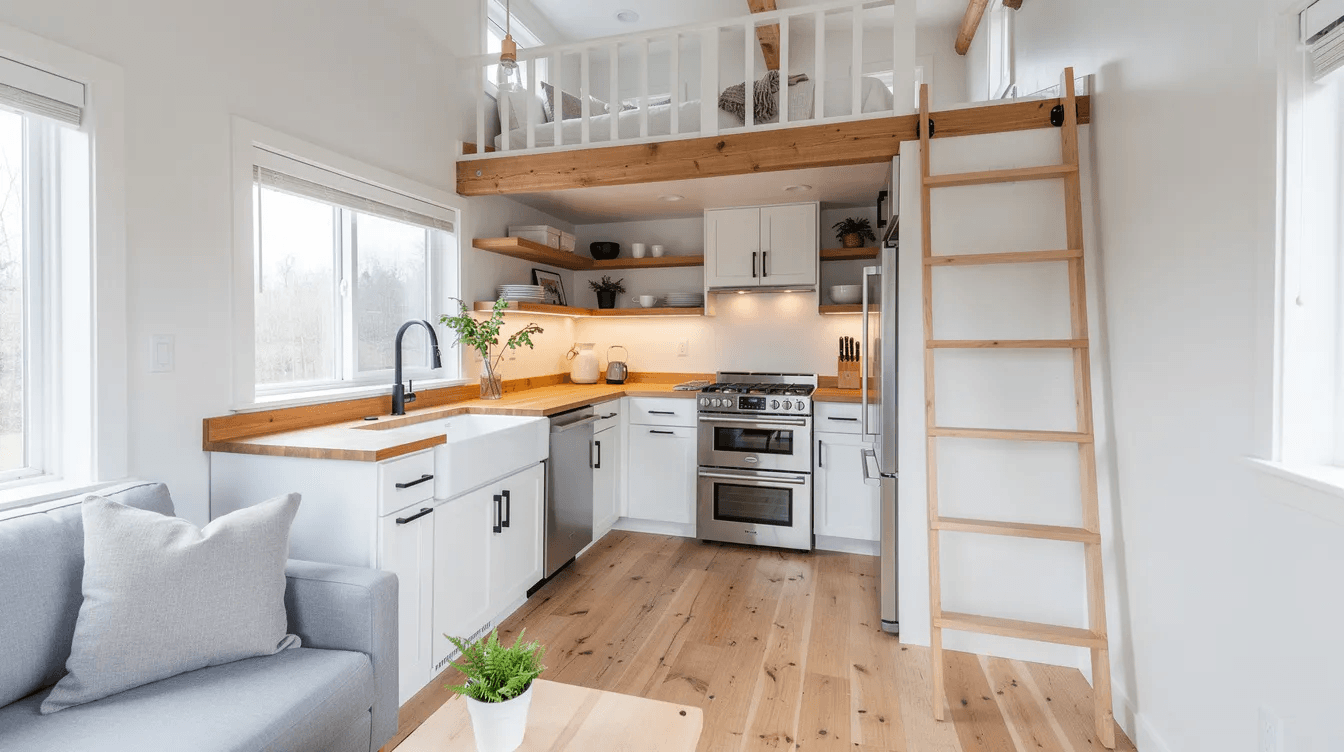
This compact 20-foot model delivers complete living in a towable package, ideal for solo dwellers or couples starting their tiny life.
- Price range: $35,000–$48,000
- Square footage: Approximately 160 sq ft (including loft)
- Sleeping areas: One queen-sized sleeping loft accessed by ladder
- Kitchen: Galley layout with 2-burner cooktop, under-counter refrigerator, butcher block countertop, and single-basin sink
- Bathroom: Compact 32” x 32” shower, composting toilet option, wall-mounted sink
- Trailer: Dual-axle, 10,000 lb GVWR, bumper pull
- Standout features: Mini-split heating/cooling, waterproof luxury vinyl plank flooring, LED throughout
The Summit 24 – Family-Friendly Double-Loft
A 24-foot model designed for family living, offering two loft sleeping areas and spacious common space flooded with natural light.
- Price range: $68,000–$85,000
- Square footage: Approximately 270 sq ft (including lofts)
- Sleeping areas: Primary queen loft plus secondary twin/storage loft
- Kitchen: L-shaped with full-size refrigerator, propane stove/oven, dishwasher-ready hookup, quartz countertops
- Full bathroom: 36” x 36” shower, standard flush toilet with holding tank, vanity with storage
- Trailer: Dual-axle, 12,000 lb GVWR, bumper pull with upgrade option to gooseneck
- Standout features: NOAH certified, impact-rated windows, washer/dryer combo, tankless water heater
This model mirrors the quality of the NOAH-certified 24-foot units currently listed around $75,900 in the marketplace.
The Denali 28 – Premium Mountain Modern
A 28-foot premium model with Scandinavian modern interior design, engineered for year-round living in demanding climates.
- Price range: $95,000–$125,000
- Square footage: Approximately 300 sq ft (including loft)
- Sleeping areas: Oversized king loft with built-in storage drawers
- Kitchen: U-shaped chef’s kitchen with 30” range, full-size refrigerator, dishwasher, butcher block island
- Full bathroom: 48” shower with glass doors, luxury fixtures, incinerating or composting toilet options
- Trailer: Triple-axle, 14,000 lb GVWR, gooseneck hitch
- Standout features: Knotty pine shiplap cladding, premium materials throughout, whole-house water filtration, 400W solar array pre-wire, high-SEER mini-split
This line appeals to buyers seeking their dream home in compact dimensions without compromise on quality or aesthetics.
The Horizon 36 – Wide-Body Park-Model
A 36-foot wide-body unit offering accessibility features and spacious living that rivals conventional apartments.
- Price range: $115,000–$160,000
- Square footage: Approximately 380 sq ft
- Sleeping areas: Main-floor bedroom (no loft climbing required) plus optional convertible sofa
- Kitchen: Full residential kitchen with 30” range, side-by-side refrigerator, dishwasher, granite countertops, breakfast bar
- Full bathroom: ADA-friendly 60” roll-in shower option, grab bars, comfort-height toilet
- Trailer: Triple-axle, 16,000 lb GVWR, gooseneck, requires oversize transport permits
- Standout features: 9-foot ceilings, covered porch, washer and dryer, dual mini-splits, designed for semi-permanent placement
Similar to the Cavco Hartridge park-model (377 sq ft, priced around $93,371), this category represents luxury tiny living.
The Nomad Box – Modular Container-Style
A compact, steel-frame modular unit offering entry-level pricing for buyers prioritizing affordability and simple transport.
- Price range: $13,000–$22,000
- Square footage: Approximately 140–170 sq ft
- Sleeping areas: Murphy bed or loft platform
- Kitchen: Compact galley with 2-burner cooktop, mini-fridge, single sink
- Bathroom: Wet bath design with shower, composting toilet, small vanity
- Trailer: Integrated steel chassis or flatbed transport, dual-axle
- Standout features: Insulated steel-frame panels, quick setup, ideal as cabin, guest house, or starter tiny home
Units like the FH-300 (140 sq ft at $13,999) demonstrate this segment’s appeal for budget-conscious buyers creating flexible living solutions under $20,000.
Iconic Style Families: Classic, Modern, and Modular
THOW designs often fall into recognizable style families, helping buyers quickly narrow preferences before diving into specific models. Resources showcasing cute tiny house designs for your dream home can also help clarify which aesthetics resonate most before you commit to a specific build.
Classic Cottage / American Gothic
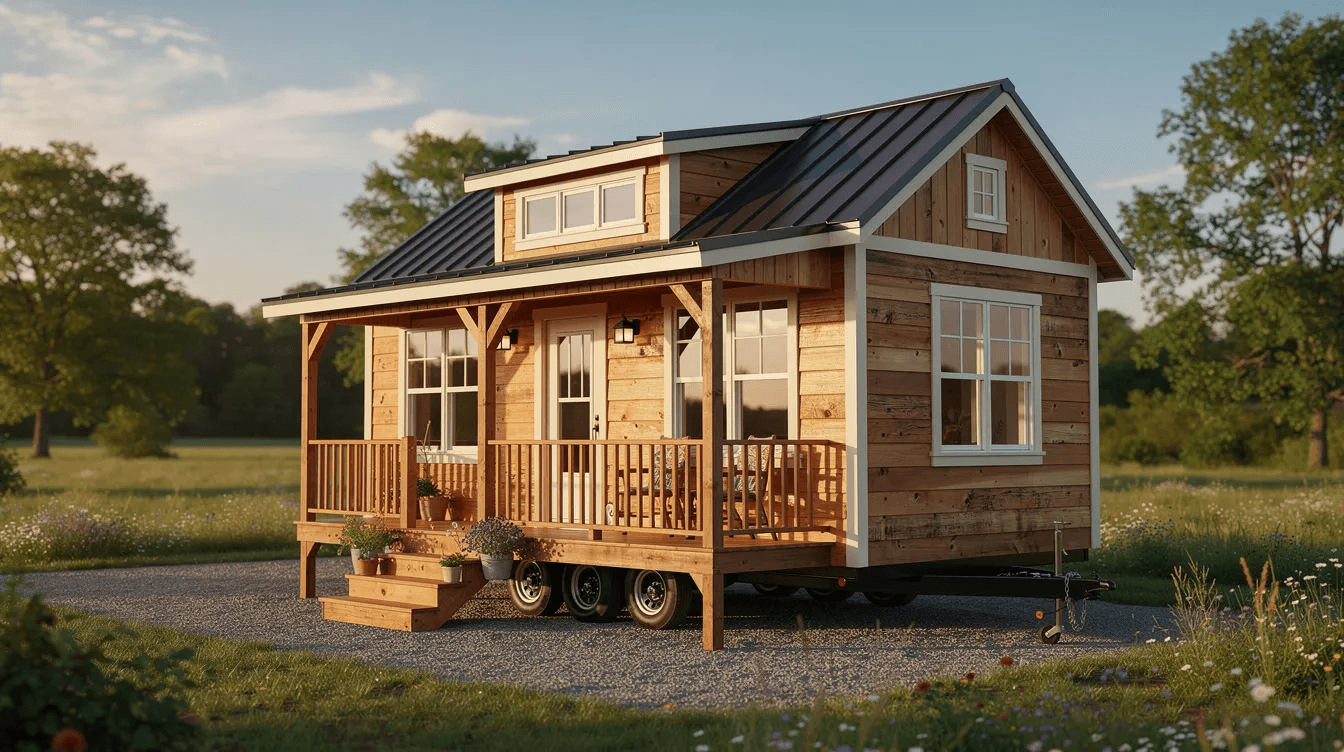
Inspired by traditional American farmhouses and Victorian cottages, this style features:
- Front gable roof with steep pitch (10:12 or higher)
- Arched or gothic windows and doors
- Cedar lap siding with detailed trim work
- Small covered porch or stoop
- Ideal for 20–24 foot trailers
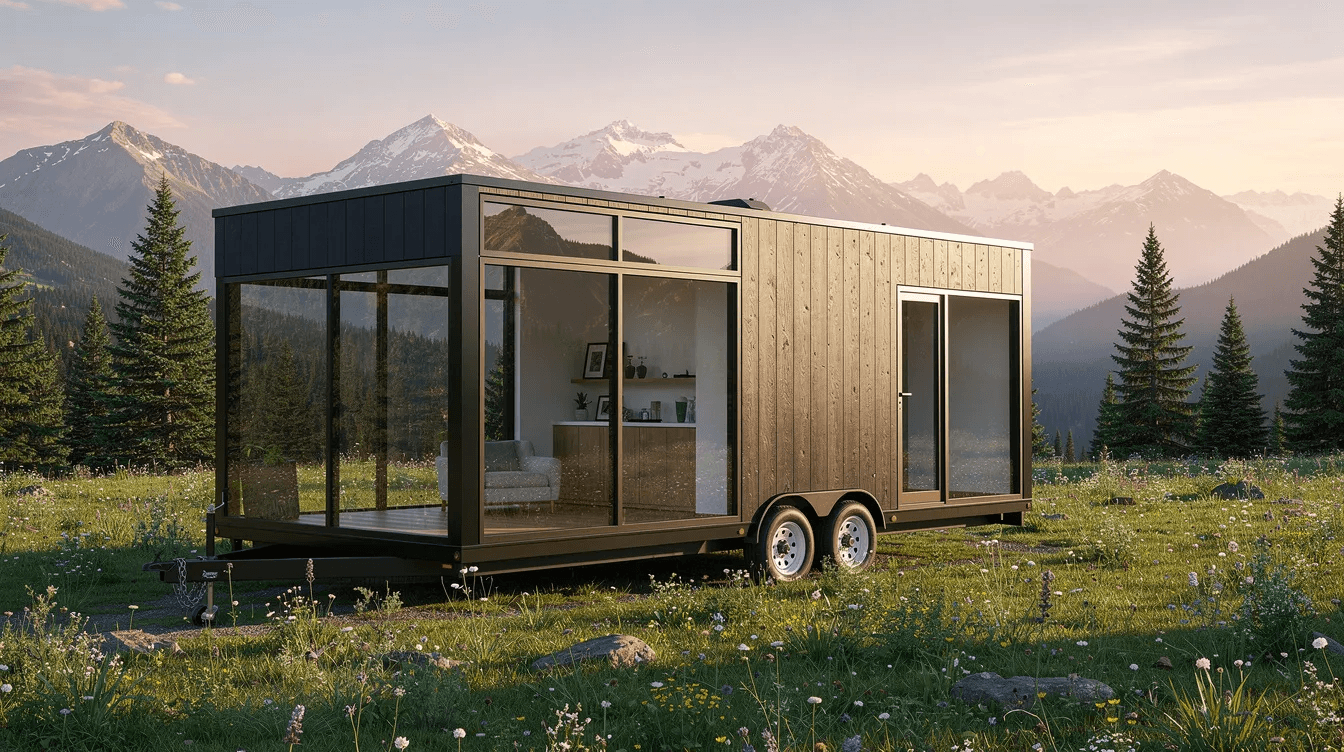
The style creates a storybook aesthetic that feels rooted in country traditions while remaining fully mobile.
Bay-Front Cottage
This style maximizes interior light through distinctive window clusters:
- Protruding five-window bay along one side
- Built-in window seat or dining nook within the bay
- Rear sleeping loft positioned above kitchen/bathroom
- Natural light flooding the main living area
- Best suited for 24–26 foot models
The bay extends perceived space without exceeding legal width limits at the roofline.
Scandinavian Modern
Clean lines and minimalist aesthetics define this sleek, contemporary approach:
- Single-slope shed roof
- Large fixed or casement picture windows
- Smooth panel cladding (metal or fiber cement)
- Light-toned interior woods (birch, pine, whitewash)
- Flat-front cabinetry with integrated hardware
- Emphasis on natural light and open sightlines
This style transforms compact dimensions into modern living spaces that feel both spacious and serene.
Side-Entry Urban
Designed for flexibility in tight sites like city backyards:
- Main door positioned on the long side rather than trailer end
- Potential for drop-down deck or covered entry porch
- Flexible interior zoning separating living, work, and rest areas
- Metal and wood mixed siding
- Works well for 24–32 foot units
Modular Container-Style
Prioritizing economy and transport simplicity:
- Simple rectangular forms using standard shipping container dimensions
- Steel framing with corrugated or panel cladding
- Regular rectangular windows
- Starting around $10,000–$15,000 as shells
- Mass-produced affordability with custom fit-out options
Custom Tiny Houses on Wheels
Many builders in 2025–2026 allow buyers to fully customize floor plans, finishes, and off-grid systems rather than choosing only from fixed models, giving you access to top custom tiny homes for personalized small-space living. This process turns your vision into a built reality.
Typical customization starts with:
- Length selection: 20, 24, 28, 32, or 40+ feet
- Trailer type: bumper pull versus gooseneck
- Basic layout: single loft, double loft, or main-floor bedroom
Online configurators now allow customers to select:
- Exterior siding (cedar, metal, fiber cement)
- Roofing material and color
- Window packages (standard, upgraded low-E, black or white frames)
- Solar setups and battery banks
- Interior finishes, appliances, and cabinetry styles
The process then generates a detailed quote PDF.
Financial commitments:
- Non-refundable design fee: typically $1,000–$5,000
- Build deposit: often 20–30% of total price once design is finalized
- Progress payments tied to construction milestones
Before signing off, request digital 3D renderings or at least scaled floor plans. In spaces this compact, small layout changes significantly impact livability—understanding headroom above lofts, circulation paths, and storage volumes prevents surprises, and studying tiny house plans that fit your life can sharpen your sense of what will actually work day to day.
Tiny House Communities & Where to Park
By 2026, dozens of dedicated THOW communities have opened across the U.S., Canada, and Europe, offering legal long-term parking with shared amenities, while tiny house park model homes provide a semi-permanent option for those who prioritize space and residential-style comfort over frequent mobility.
Types of parking arrangements:
Type | Description | Typical Monthly Cost |
|---|---|---|
RV Parks | Accept certified THOWs (RVIA standard) | $400–$800 |
Tiny House Villages | Purpose-built with shared amenities | $350–$700+ |
Private Land | Friend/family property or leased rural plots | Varies widely |
Certification matters: Many communities require RVIA, NOAH, or similar certification for admission. This requirement affects which models and builders you should consider if community living is your goal. |
Research recommendations:
- Contact local zoning offices to understand where THOWs are permitted
- Look for communities offering on-site tours
- Review published rules (noise, pets, rental policies)
- Confirm transparent monthly space rent or HOA fees
- Verify utility billing practices
Some cities now allow THOWs as accessory dwelling units (ADUs) when connected to permanent utilities, while others restrict full-time living in anything classified as an RV.
How Soon Can You Get a Tiny House on Wheels?
Build times vary widely depending on whether you choose inventory, semi-custom, or fully custom units. Planning your timeline carefully prevents gaps between housing situations.
Typical 2026 lead times:
Order Type | Timeline |
|---|---|
Inventory/show models | 0–8 weeks (delivery scheduling) |
Semi-custom upgrades | 4–8 months |
Fully custom THOWs | 10–14 months from signed contract |
Supply chain issues for windows, trailers, and appliances can still affect schedules. Contracts usually specify an estimated, not guaranteed, completion date with allowances for delays beyond the builder’s control. |
Clarify at the outset:
- When milestone payments are due (deposit, framing complete, interior finish, pre-delivery)
- What happens if delays occur (storage fees, schedule adjustments)
- Whether any specific materials have extended lead times
If you’re planning to move or sell your current home, coordinate timelines conservatively with a buffer of at least 4–6 weeks beyond estimated completion.
Prices, Orders, and Payments for Tiny Houses on Wheels
THOWs now span a wide price spectrum reflecting the diversity of the market:
Category | Price Range | Typical Size |
|---|---|---|
Basic shells/modular | $10,000–$30,000 | 140–200 sq ft |
Mid-range finished | $50,000–$90,000 | 200–300 sq ft |
Luxury park-model | $95,000–$180,000+ | 300–400+ sq ft |
Quote essentials to verify: |
- Base price of the model
- Included features (insulation, windows, roofing, standard appliances)
- Optional upgrades (solar, composting toilet, premium fixtures, off-grid systems)
- Exclusions (delivery, permits, taxes)
Payment methods typically accepted:
- Bank wire/ACH transfers for larger amounts
- Credit/debit cards for design fees and smaller deposits (often with convenience fees)
- Third-party financing through partner lenders
- Payment processors like PayPal or Stripe for some builders
Additional costs to budget:
- Sales tax (varies by state and delivery location)
- Delivery fees (calculated per mile from factory)
- Permits and escorts for oversize loads
- Customs duties for international orders
Once a build has started, change orders and cancellations are often restricted or subject to fees because materials and labor have already been committed. Ask whether prices are fixed at contract signing or subject to adjustment if material costs rise before completion.
An RV loan represents a common financing path, with terms resembling manufactured home loans: multi-year amortizations, 10–20% down payments, and requirements for certification (RVIA or NOAH) to qualify with many lenders, especially when purchasing affordable tiny house buildings with budget-friendly designs.
Shipping, Delivery, and Setup
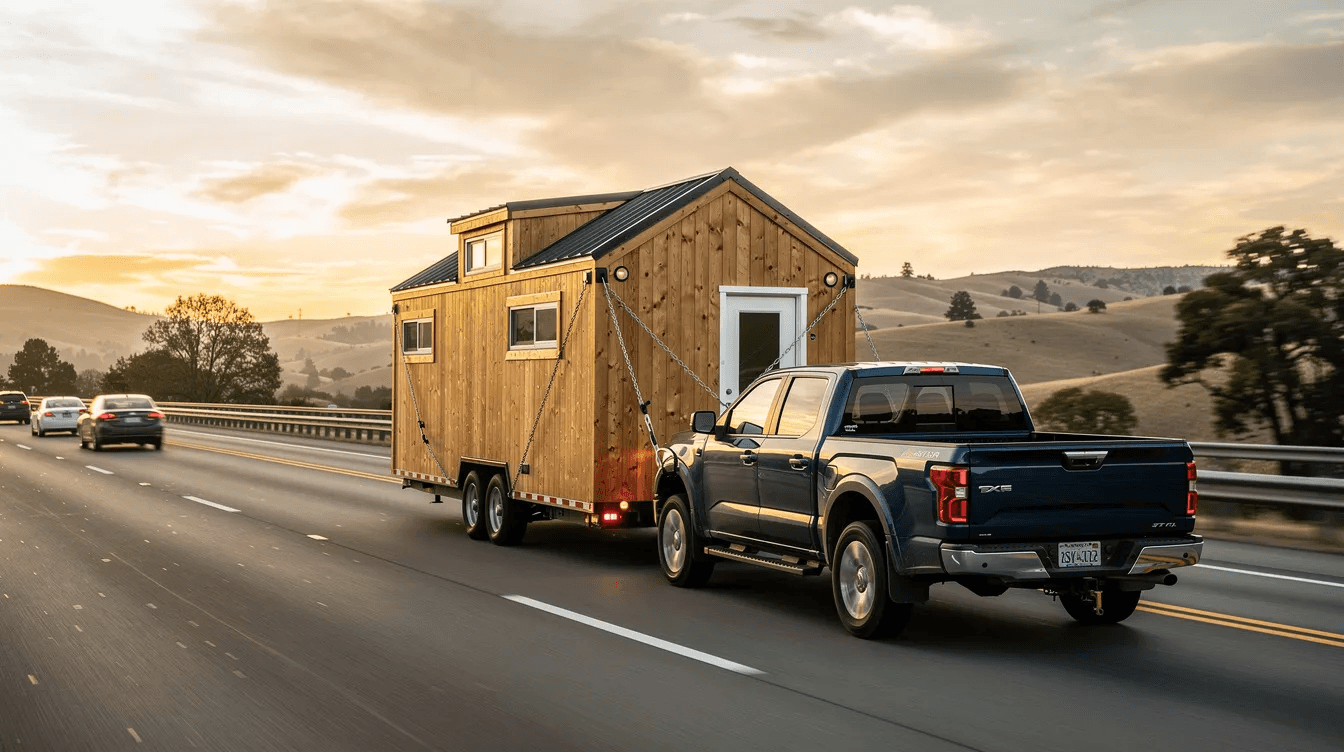
Delivery of THOWs involves specialized trucking and sometimes pilot cars for units exceeding standard road dimensions. Understanding this process helps you prepare your land and budget accurately, whether you’re ordering from a boutique builder or exploring Amazon tiny houses as an affordable off-the-shelf option.
Shipping cost structure:
- Calculated per mile from builder’s facility
- Different rates for regional (under 500 miles) versus long-haul moves
- Additional charges for remote locations, oversize permits, and escort vehicles
Site preparation requirements:
- Level surface: compacted gravel pad or concrete pads for wheels and jacks
- Drive-in access: adequate turning radius, clearance from trees and overhead wires
- Utility hookups: appropriate electrical service (30-amp or 50-amp), water connection, sewer/septic access
Delivery service levels:
Service Level | Includes |
|---|---|
Curbside delivery | Transport to property line only |
White-glove setup | Positioning, blocking, leveling, skirting, utility connection |
Insurance considerations: |
- Confirm coverage during transit (builder’s or carrier’s policy)
- Secure appropriate coverage once parked: RV insurance, tiny home specialty policy, or park-model coverage
- Insurers typically request certification documentation (RVIA, NOAH)
Read the builder’s shipping/delivery policy carefully, including rescheduling fees and procedures for weather or road closure delays.
Returns, Refunds, and Warranty Considerations
THOWs are typically custom or semi-custom products, so return policies differ significantly from mass-produced consumer goods.
Return limitations:
- Most builders do not accept full returns of completed tiny houses
- Exceptions exist for serious defects where contracts allow repair, replacement, or partial refund
- Deposits and design fees are typically non-refundable once materials are ordered
Common warranty coverage:
Component | Typical Coverage |
|---|---|
Structural elements (framing, roof) | 3–10 years |
Windows, appliances | Manufacturer warranty (1–5 years) |
Workmanship | 1 year after delivery |
Key warranty clarifications to request: |
- Written warranty documents with specific terms
- Definition of normal wear and tear versus defects (hairline wood cracks from travel vibrations versus structural movement)
- Process for filing warranty claims
Choose a builder offering post-delivery support channels (phone, email, video calls) to resolve any issues that emerge during your first weeks of living in your new space. Quality builders understand that early ownership often reveals minor adjustments needed, especially in tiny house interiors that maximize every square foot.
Legal, Safety, and Insurance Essentials
THOWs sit at the intersection of housing and vehicles, creating regulatory complexity that varies by state, country, and even municipality.
Certification standards and their impact:
Certification | Affects |
|---|---|
RVIA | RV park acceptance, insurance eligibility, financing access |
NOAH | Tiny house-specific standards, community admission |
ANSI/NFPA | Park-model compliance, safety verification |
Road legality considerations: |
- Maximum legal width in many U.S. jurisdictions: approximately 8.5 feet (excluding mirrors)
- Height limits typically around 13’6”
- Slide-outs and fold-out features must stow within legal dimensions during transport
- Wide-body park-models (12–14 feet) require special permits and escort vehicles
Basic safety expectations:
- Properly rated trailer with brakes on all axles
- Correct weight distribution and tongue weight
- Smoke and carbon monoxide detectors
- Propane leak detectors if gas systems installed
- Egress windows in sleeping areas meeting minimum size requirements
- Licensed electricians and plumbers for critical systems
Insurance pathway:
- Speak with an insurance agent early in your process
- Determine coverage category: RV, park model, or specialty dwelling
- Gather required documentation: certification, photographs, builder details, intended use
Zoning homework:
- Contact local planning and zoning offices before purchase
- Understand whether THOWs are permitted as ADUs, primary residences, or temporary dwellings
- Consult professionals (attorneys, code consultants) when significant investment is at stake
Key Takeaways
- Tiny houses on wheels range from $10,000 shells to $180,000+ luxury units in 2026
- The five main style families help narrow your aesthetic preferences quickly
- Custom builds require design fees and 20–30% deposits with 4–14 month timelines
- Certification (RVIA, NOAH) affects parking options, insurance, and financing
- Verify all specs, terms, and warranties in writing before committing funds
- Prepare your site and budget for delivery costs beyond the purchase price
Finding your perfect tiny home requires balancing your dream vision with practical considerations: budget, timeline, parking location, and legal requirements. Whether you decide to purchase a finished unit or build a tiny house yourself step by step, it’s important to be honest about your skills, time, and risk tolerance. Take time to research certified builders, visit THOW communities when possible, and secure financing pre-approval before making commitments; broad overviews of tiny houses for sale and whether they’re right for you can also help clarify if this lifestyle aligns with your long-term goals. The tiny house lifestyle offers remarkable flexibility and sustainability—the right preparation ensures your transition is smooth and your investment is protected.