
If you’re shopping for a backyard shed that feels more like a small building than a flimsy kit, the Tuff Shed Sundance Series at Home Depot has probably caught your attention. But is it worth the investment? This review breaks down everything you need to know—from build quality and warranty differences to real pricing examples and installation timelines.
- Quick Overview: Is the Tuff Shed Sundance Series at Home Depot Worth It?
- What Is the Tuff Shed Sundance Series at Home Depot?
- Tuff Shed HD vs Direct Tuff Shed: Key Differences Buyers Should Know
- Design, Build Quality & Materials of the Sundance Series
- Home Depot Buying Process, Installation & Timeline
- Warranty, Durability & Long-Term Ownership Experience
- Price, Value, and How the Sundance Series Compares to Alternatives
- Final Verdict: Should You Buy a Tuff Shed Sundance Series from Home Depot?
Quick Overview: Is the Tuff Shed Sundance Series at Home Depot Worth It?
For most homeowners needing reliable storage, a hobby workspace, or a small office pod, the answer is yes—with some important caveats. Tuff Shed builds the Sundance Series for Home Depot in the same factories as their direct-to-consumer models, using similar structural standards. You’re getting genuine Tuff Shed construction, not a watered-down store brand.
The key strengths are clear: attractive barn and gable styles that can match your home’s exterior, solid dimensional lumber framing, heavy-duty doors with 500 lb-rated hinges, and professional on-site installation included in the price. Home Depot’s online configurator makes it easy to customize size, doors, windows, and upgrades with live pricing.
However, there are meaningful trade-offs. The standard warranty at Home Depot is typically around 5 years limited, compared to roughly 10 years when buying similar Sundance models directly from Tuff Shed. Many features that might come standard on direct purchases—like treated floor decking, radiant barrier roof sheathing, and premium hardware finishes—are paid upgrades at Home Depot. A 12×16 shed that starts at $4,922 can climb to $6,923 once popular upgrades are added.
Who should buy:
- Homeowners wanting a turnkey, long-lasting shed with retail convenience
- Those who value professional installation over DIY labor
- Buyers comfortable using Home Depot financing options
Who should look elsewhere:
- Strict budget shoppers comfortable assembling DIY kits
- Buyers who prioritize maximum warranty coverage
- Those needing highly custom designs beyond the standard options
What Is the Tuff Shed Sundance Series at Home Depot?
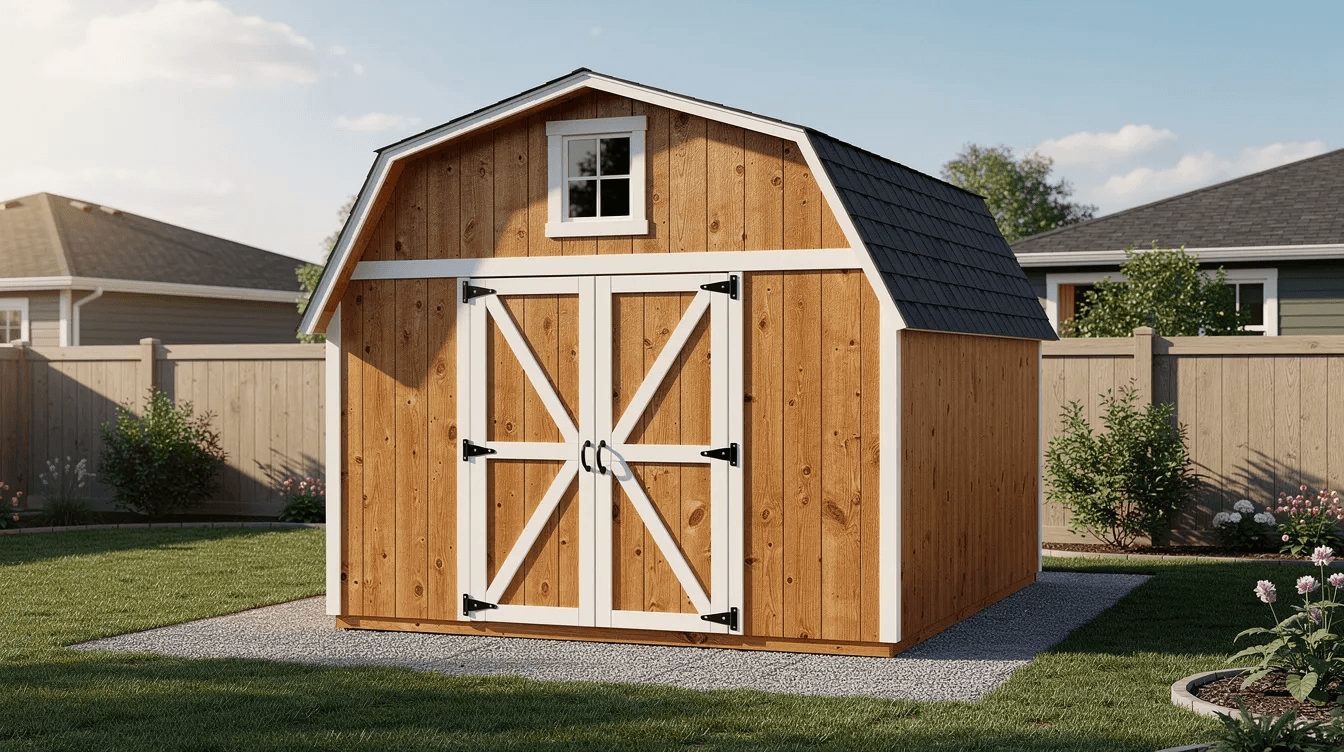
The Sundance Series is Tuff Shed’s pro-grade wood building line sold through Home Depot stores and online. Think of it as the higher-end option in the shed market—positioned above basic plastic or metal kits but below fully custom carpenter-built structures.
These are not flat-pack kits you assemble yourself. When you purchase a Sundance Series shed through Home Depot, Tuff Shed crews deliver and build the entire structure on your property. The price includes delivery and professional installation, which is a core differentiator from budget shed options.
The Home Depot Sundance Series shares the same factory origins and structural approach as Tuff Shed’s direct catalog, but the default feature sets differ. Home Depot models may ship with fewer “premium” features included by default, with those items available as paid upgrades through the configurator.
Typical uses include:
- Lawn and garden equipment storage (mowers, trimmers, tools)
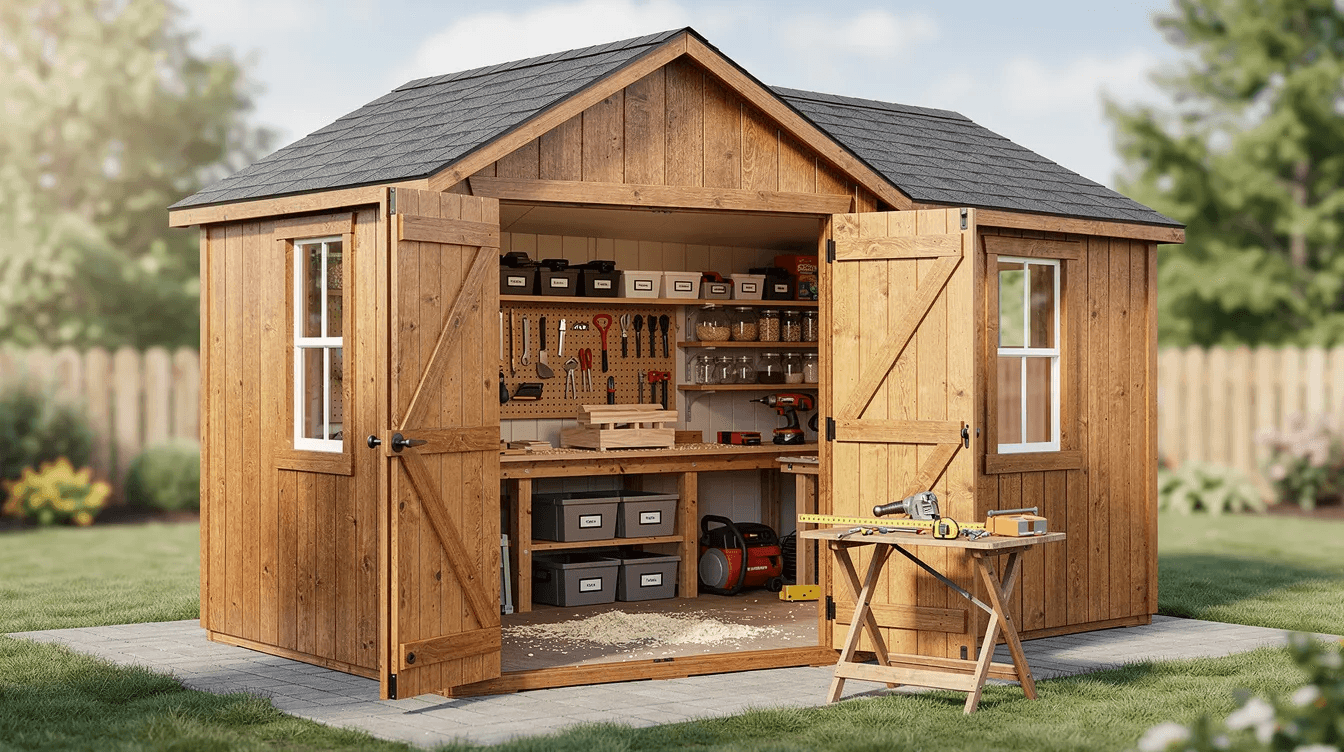
- Workshops with workbenches and pegboard walls
- Home office or craft studio space, or even the shell for a shed-to-tiny-house conversion
- Motorcycle, ATV, or small tractor storage
- Mini-barn style outbuildings for hobby farms or tiny barn-style living spaces
Common size ranges:
- Lean-to styles: as small as 4×8 up to 12×36
- Gable and barn styles: commonly 8×10, 10×12, 10×16, 12×16, and up to approximately 16×24
- Availability varies by region; check your local Home Depot for specific options
Tuff Shed HD vs Direct Tuff Shed: Key Differences Buyers Should Know
Many shoppers get confused about whether buying the Sundance Series at Home Depot is the same as purchasing directly from Tuff Shed. The short answer: same factory, same core construction, but different pricing models, features, and warranty terms.
Manufacturing quality: Both channels source from Tuff Shed’s own factories using similar structural standards. The heavy-duty door systems, floor joists, and framing approaches are consistent. You’re not getting an inferior product through Home Depot.
Pricing model: Home Depot operates on a wholesale volume arrangement with Tuff Shed, which can make base prices competitive—sometimes lower than direct quotes for similar footprints. However, upgrades at Home Depot are itemized separately, so the price gap can narrow or disappear once you add popular options.
Included features: Direct Tuff Shed models often bundle items like treated floor decking, radiant barrier sheathing, and upgraded hardware into standard packages or higher-trim lines. At Home Depot, these are typically optional upgrades. The 10×16 display model shows “treated floor decking” as an add-on, not a default inclusion.
Payment terms: Tuff Shed direct often allows around 10% down with the balance due at completion. Home Depot typically requires full payment at order time, though they offer credit card and project financing programs that many buyers find convenient.
Warranty: This is a significant difference. Many Home Depot Sundance models carry a 5-year limited warranty on materials and workmanship. Comparable models purchased directly from Tuff Shed often feature around a 10-year limited warranty. LP SmartSide siding carries its own manufacturer warranty (up to 30 years) regardless of purchase channel.
When Home Depot makes sense:
- You prefer in-store consultation and a retail buying process
- You want to use Home Depot credit card financing
- The base model with minimal upgrades meets your needs
When direct Tuff Shed may be smarter:
- You prioritize maximum warranty length
- You’re adding many upgrades anyway (direct packages may offer better value)
- You want more flexible custom options beyond Home Depot’s standard set
Design, Build Quality & Materials of the Sundance Series
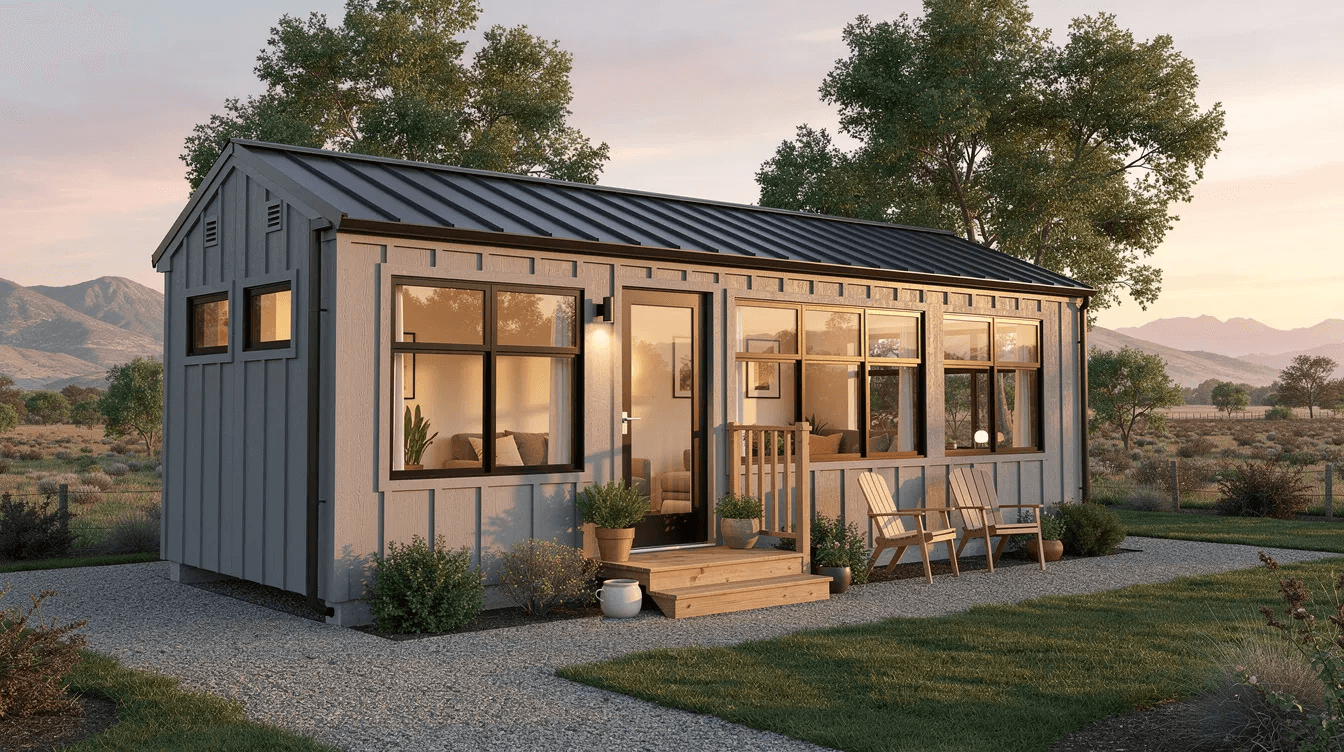
From a reviewer’s perspective, Sundance sheds are closer to small detached garages than to ultra-budget shed kits. The construction quality is noticeably superior to flat-pack options you’d assemble yourself over a weekend, and they occupy a different niche than Home Depot tiny house kits.
Framing: The floor system uses 16-inch on-center floor joists with a 40-year pressure-treated 4×4 or 4×6 substructure. Wall studs are typically 2×4 dimensional lumber at 16” or 24” on center depending on the model. This spacing matters because it accommodates standard insulation batts if you later want to finish the interior.
Wall and siding options: Sundance models use engineered wood siding, typically LP SmartSide or equivalent. This material resists termites and rot when properly maintained, and carries manufacturer warranties up to 30 years. Many sheds are sold primed but unpainted; paint is either a Tuff Shed-applied upgrade or a homeowner responsibility. Expect to repaint every 5-7 years for optimal longevity.
Floor system: Standard floor decking is typically 5/8” or 3/4” engineered panels (tongue-and-groove OSB or plywood). For workshops with heavy equipment like riding mowers or motorcycles, consider upgrading to treated floor decking or thicker panels. The pressure-treated substructure is rated for 40-year ground contact resistance.
Roof system: Available in gable, gambrel (barn), and lean-to configurations. Roof sheathing is typically OSB or plywood, with optional radiant barrier that “keeps the shed cooler and enhances lighting.” Shingle options include three-tab and architectural styles in various colors to match your home.
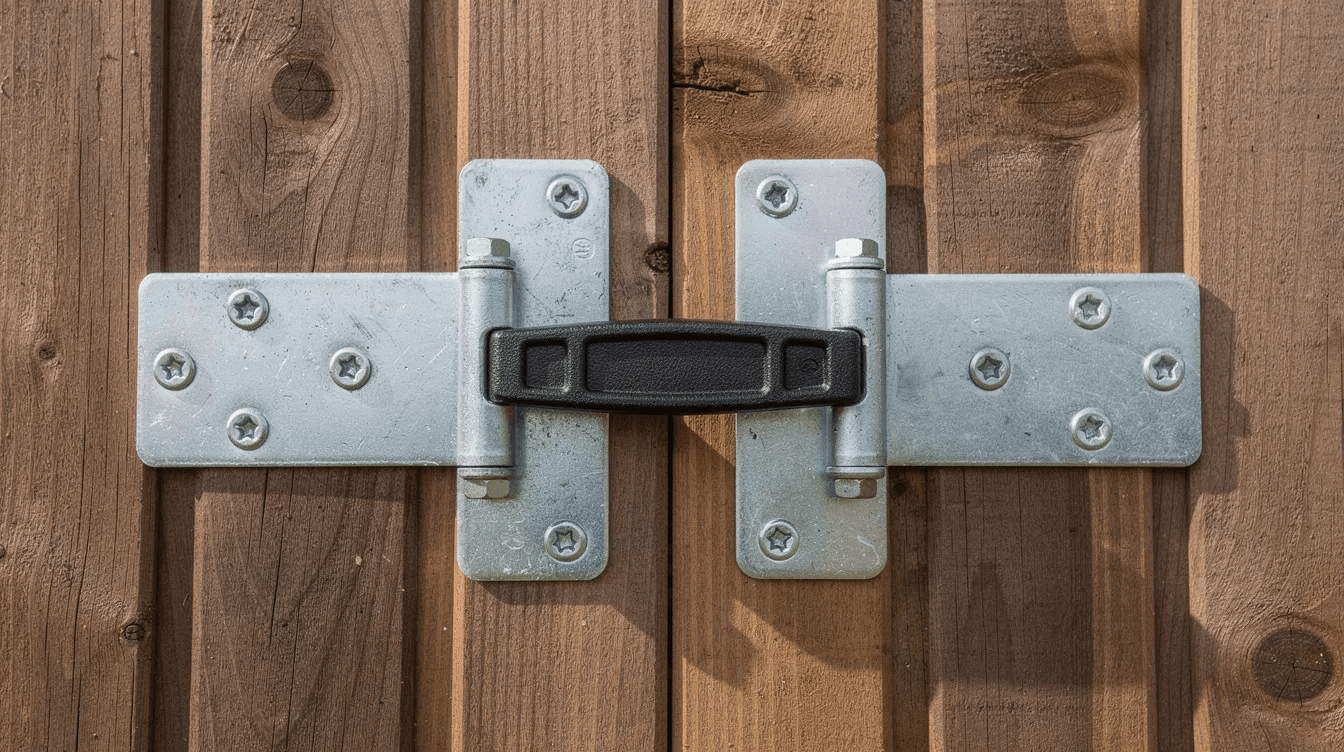
Doors and windows: This is where Sundance sheds clearly outclass budget kits. The heavy-duty door system features patented locking handles and hinges rated at 500 lbs each. Door heights range from 6’2” on entry models to 6’7” on TR-800 tall-wall versions, with residential door upgrades available. Windows are horizontal sliders with trim, and options include transoms above doors for additional light, much like how doors for compact tiny houses have to balance durability, style, and space.
Weather and climate performance: Sundance sheds perform well across U.S. climates when properly configured. In hot regions, radiant barrier roof decking is a worthwhile upgrade. In snowy areas, Tuff Shed can engineer truss and rafter upgrades for higher snow loads. Proper ventilation (ridge vents plus wall vents) is important for both climate comfort and moisture control, just as safe, space-efficient loft ladders are critical in stacked tiny spaces.
Optional Upgrades & Customization Through Home Depot
Much of the value—and cost swing—comes from upgrades you choose in the Home Depot configurator or in-store kiosk. Understanding what’s worth the money helps you make smarter decisions.
Structural upgrades:
- Taller wall heights (upgrade from 6’6” to 7’6” or 8’ sidewalls)
- Additional roof loading for snow-heavy regions
- Extra floor joists for heavy equipment workshops
Comfort and insulation options:
- Radiant barrier roof and wall sheathing (described as a “best selling upgrade”)
- Extra vents including ridge vents with bug screens
- Insulated doors for climate-controlled spaces
- Prepped openings for future electrical or HVAC installs
Convenience and functionality:
- Extra windows and double doors
- Roll-up garage doors for larger models
- Ramps for mower or ATV access
- Interior lofts and shelving packages
- Workbench and pegboard installations
Aesthetic customization:
- Paint colors matched to home exteriors
- Shingle color choices
- Decorative trim and shutters
- Transom windows above doors
Reviewer’s advice: If budget is limited, prioritize structural and weather-performance upgrades (radiant barrier, treated flooring, proper vents, adequate wall height) over purely cosmetic additions. A comfortable, durable shed serves you better than a pretty but hot, stuffy one.
Home Depot Buying Process, Installation & Timeline
One of the major appeals of buying a Sundance Series at Home Depot is the streamlined process from quote to completed installation. Here’s what to expect at each step.
Pricing and configuration: Use the Home Depot website or in-store design kiosk to select your footprint, style (gable, barn, lean-to), door placement, windows, roof options, and upgrades. Prices update live as you add or remove features, giving transparency into per-option costs.
Permitting: Most U.S. municipalities require building permits for sheds above certain size thresholds—commonly 120-200 square feet or above specific heights. Tuff Shed can provide drawings to support permit applications, but the homeowner is typically responsible for securing permits and checking zoning or HOA requirements.
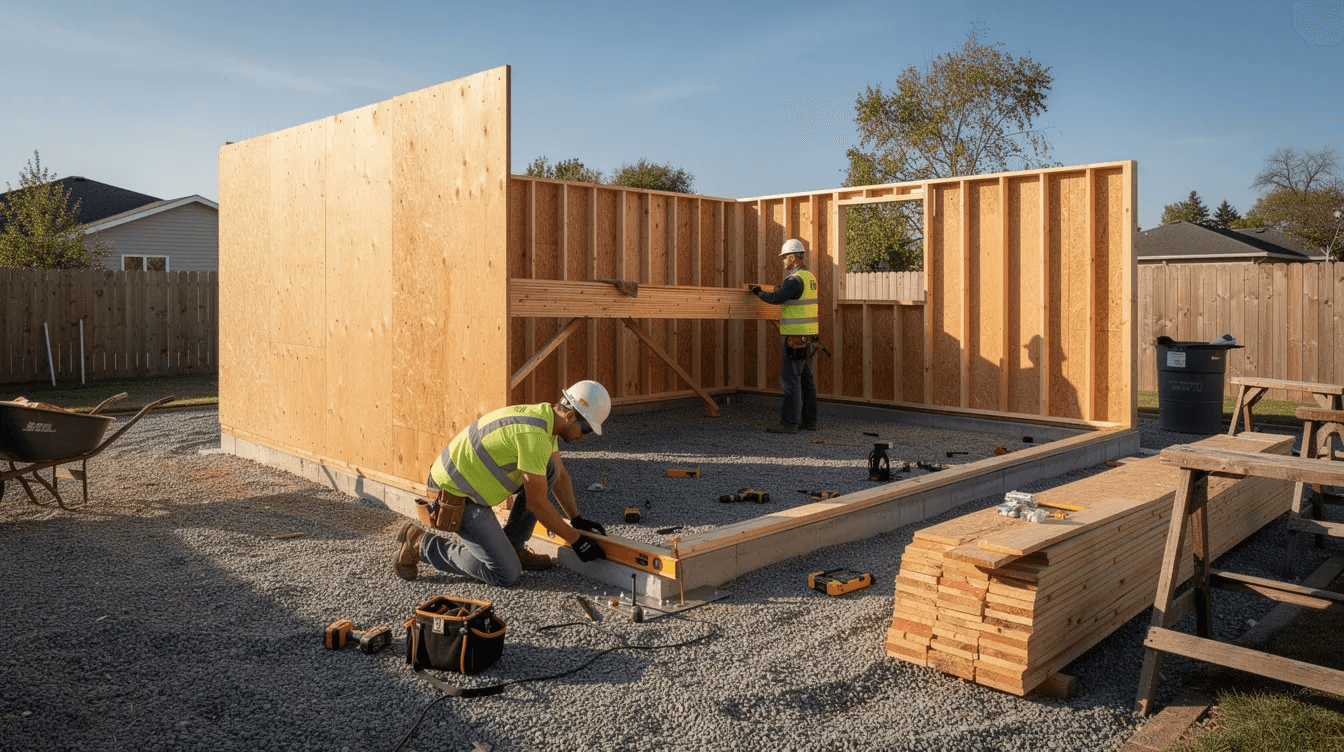
Site preparation: You must provide a suitable, level building site before crews arrive. Common foundation options include:
- Compacted gravel pad (most cost-effective)
- Concrete slab (best for heavy use, workshops, or garages)
- Concrete blocks or piers (less expensive but more sensitive to soil movement)
Ensure adequate clearance from fences, trees, and property lines—both for code compliance and crew access during installation.
Scheduling and timeline: Typical lead times run 3-8 weeks from order to installation, depending on season and local demand. Spring and summer are busiest. On-site installation for standard sizes (8×10 through 12×16) usually takes 1-2 days with a professional crew.
Installation crew experience: Tuff Shed uses their own employees or contracted crews who specialize in these specific models. This typically results in cleaner, more consistent builds compared to DIY kits, with fewer mistakes and better door/window operation.
Inspection and sign-off: When installation is complete, do a walk-around with the crew lead. Check that doors and windows operate smoothly, look for any gaps or cosmetic defects, confirm vents and upgrades are installed as ordered, and note issues immediately for warranty coverage.
Warranty, Durability & Long-Term Ownership Experience
Sundance sheds are designed for many years of use, but warranty terms and maintenance practices significantly affect long-term value.
Home Depot Sundance warranty: Typically around 5 years limited on materials and workmanship. Coverage details vary by SKU and region, so confirm specific terms when ordering. The LP SmartSide siding may carry its own manufacturer warranty (up to 30 years) independent of Tuff Shed’s coverage.
Comparison to direct Tuff Shed: Similar Sundance Pro models purchased directly from Tuff Shed often advertise 10-year limited structural warranties. This difference is one of the key trade-offs when buying through Home Depot versus going direct.
Real-world durability: When properly maintained, Sundance sheds commonly last well beyond 15-20 years. The engineered siding resists rot and insects, pressure-treated floor components handle ground moisture, and asphalt shingles typically perform for 20-30 years depending on climate.
Routine maintenance requirements:
- Repaint siding every 5-7 years (sooner in harsh sun or wet climates)
- Keep vegetation and soil away from siding base
- Clean gutters if present; remove debris from roof
- Inspect doors, windows, and vents annually for seal integrity
- Address minor issues (chipped paint, loose trim) promptly to prevent moisture damage
Resale and flexibility: A well-maintained Sundance shed adds perceived value to your property and can be a selling point in real estate listings. Many owners later retrofit them into home offices, art studios, or hobby rooms by adding insulation, interior finishes, and electrical, and some even use similar shells as the starting point for custom tiny homes with personalized layouts.
Documentation tip: Keep receipts, installation documents, and warranty paperwork from Home Depot and any Tuff Shed communications. These are essential for warranty claims and helpful for future buyers if you sell your home.
Price, Value, and How the Sundance Series Compares to Alternatives
Price transparency is one of the most common concerns for shed buyers. Here’s how to judge whether the Sundance Series at Home Depot delivers good value.
Ballpark pricing examples (based on recent listings):
- 8×10 Sundance (gable): approximately $1,750 base
- 10×16 Sundance (barn-style): $4,614 base, rising to $6,323 with popular upgrades
- 12×16 Sundance (workshop spec): $4,922 base, climbing to $6,923 with radiant barrier, windows, workbench, and pegboard
Prices vary by region, lumber market conditions, and year. The key pattern: “base” versus “as shown” pricing can differ by $1,500-$2,000 on mid-sized sheds.
Cost versus DIY kits: Flat-pack shed kits often advertise much lower prices—an 8×10 kit might run $800-$1,500. However, these use lighter framing, thinner siding, and weaker doors. Factor in DIY labor (multiple days for most people) or contractor assembly costs ($1,000+), and Sundance total project cost becomes more competitive.
Comparison to local builders: Local carpenters, regional builders, or specialists such as Garland Tiny Homes in Texas can build custom structures at similar or slightly higher prices, often with greater design flexibility. However, you lose the standardized warranty structure and large-retailer buying protections that Home Depot provides, which some buyers willingly trade for the kind of character and efficiency you see in standout tiny homes that redefine small-space living.
Hidden or extra costs to budget:
- Permits: typically $50-$300+
- Site prep: gravel pad ($300-$1,500), concrete slab ($1,000-$3,000+)
- Electrical work: $500-$2,500+ if adding power
- HOA approval fees where applicable
Value summary: Homeowners who want convenience plus quality—without managing their own build crew—get strong value from Sundance at Home Depot. Those with tools, time, and building skills may achieve lower total cost with DIY kits or affordable tiny house buildings. For most suburban buyers planning to keep their home 5+ years, the Sundance Series represents a solid mid-to-upper tier investment that pays off in durability and usability.
Final Verdict: Should You Buy a Tuff Shed Sundance Series from Home Depot?
For homeowners who want a sturdy, attractive shed without the hassle of DIY construction, the Tuff Shed Sundance Series at Home Depot is a strong choice. You’re getting factory-built quality from a national manufacturer, professional installation, and the convenience of retail financing—all in one package.
Key strengths:
- Same-factory construction as direct Tuff Shed models
- Professional installation included in price
- Heavy-duty doors with 500 lb-rated hinges and solid framing
- Attractive styles suitable for storage, workshops, or small offices
- Easy configuration and financing through Home Depot
Key weaknesses:
- Shorter standard warranty (often 5 years vs 10 years direct)
- Important features like radiant barrier and treated flooring are paid upgrades
- Total price rises quickly with options and site preparation costs
Buy if:
- You want a long-lasting shed and don’t want to build it yourself
- You value Home Depot’s buying experience and financing options
- You plan to stay in your home for several years and can justify the investment
Consider alternatives if:
- You’re highly price-sensitive and comfortable with DIY kits
- Maximum warranty coverage is a top priority
- You need highly custom designs that exceed Home Depot’s standard options
The Sundance Series occupies a sweet spot between disposable budget sheds and fully custom outbuildings. For most homeowners, it delivers the right combination of quality, convenience, and value. Your next step: check local pricing at Home Depot’s configurator and request at least one quote from a local builder before making your final decision.