
Building your dream cabin doesn’t have to mean managing dozens of contractors, sourcing materials, and coordinating inspections yourself. Turnkey cabin kits offer a complete solution where a provider handles everything from foundation to final walkthrough, delivering a move-in-ready home rather than a pile of lumber and hardware.
This guide breaks down exactly what turnkey cabins include, how pricing works, and what you should know before signing a contract in 2025.
- Quick Answer: What Is a Turnkey Cabin Kit?
- Types of Turnkey Cabin Kits Available
- What’s Included in a True Turnkey Cabin Kit?
- Turnkey Cabin Kit Costs and Pricing Formula
- Example Turnkey Cabin Projects
- Factors That Influence Turnkey Cabin Pricing
- Turnkey Cabin Kits vs. Material-Only Kits
- Financing and Budgeting for a Turnkey Cabin
- How to Evaluate Turnkey Cabin Kit Providers
- Planning Your Turnkey Cabin Project
Quick Answer: What Is a Turnkey Cabin Kit?
A turnkey cabin kit is a fully integrated construction package where the buyer receives a complete, livable home rather than raw materials or partial components. The term “turnkey” means you simply turn a key to access a finished property on day one.
In 2025, most turnkey cabin kits include design services, the structural shell, interior finishes, utilities, and final inspections so the owner can move in immediately after completion. This represents a significant shift from earlier kit models where buyers assembled pre-cut materials with limited professional oversight.
Understanding the difference between kit types is essential before you start your search:
- Material-only kits: Pre-cut framing, roofing materials, wall panels, and hardware with construction plans. You source additional materials and coordinate all labor.
- Dry-in or shell packages: Completed exterior walls, roof, windows, doors, and insulation, but no utilities or interior finishes.
- True turnkey packages: Everything from excavation through foundation, structural assembly, mechanical systems, interior finishes, inspections, and final commissioning.
Core components of a modern turnkey cabin include:
- Engineered floor system and complete structure
- Plumbing with fixtures (kitchen and bath)
- Electrical wiring, outlets, and lighting
- HVAC systems (commonly mini-split units)
- Kitchen cabinetry and countertops
- Bathroom fixtures and tile work
- Interior walls, trim, and doors
- Flooring throughout
- Final inspection and commissioning
Turnkey cabins serve multiple purposes in the current market. Some buyers use them as primary residences, particularly for rural properties or downsizing into Amish-built tiny house style cabins. Others plan them as short-term rental properties where turnkey completeness allows immediate revenue generation. Vacation retreats and hunting cabins round out common use cases.
Types of Turnkey Cabin Kits Available
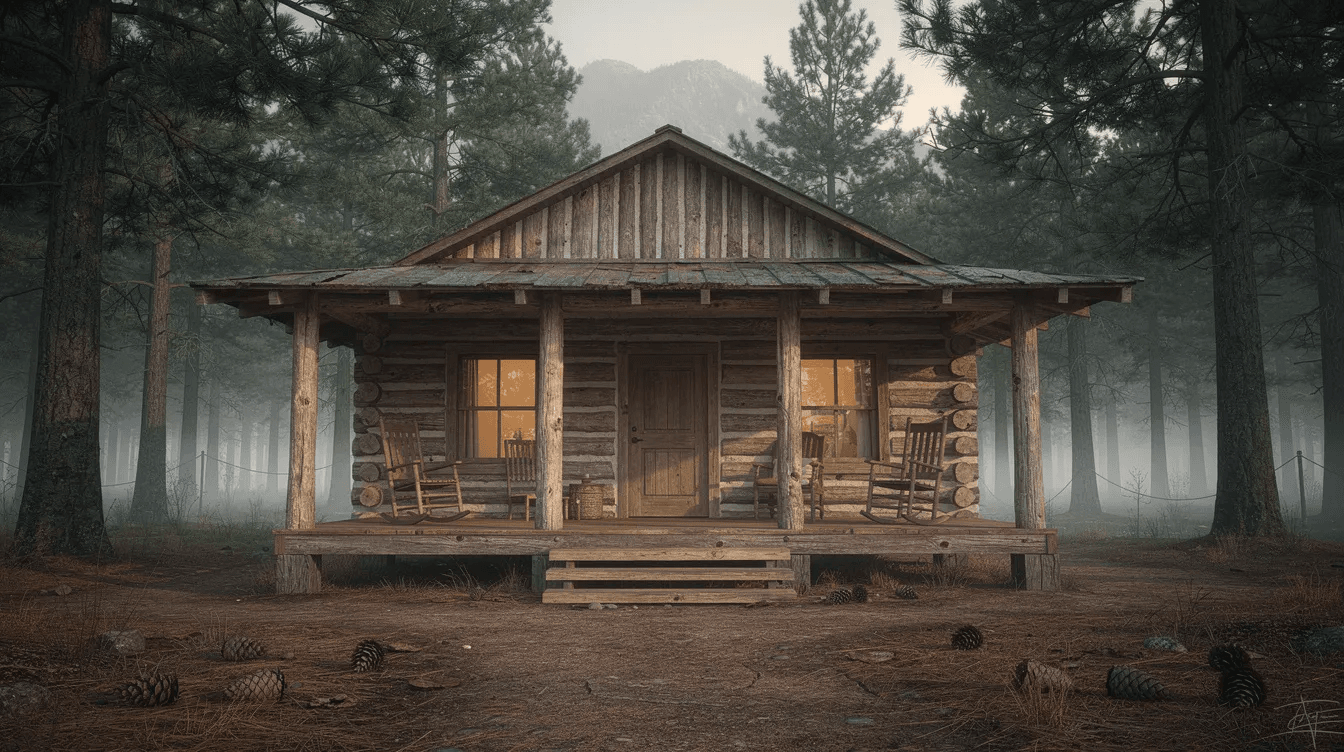
Buyers in 2024–2025 can choose from several turnkey cabin formats depending on mobility, zoning requirements, and budget constraints. The market has fragmented into distinct categories, each addressing different regulatory contexts and lifestyle preferences.
Fixed-Foundation Turnkey Cabins
These cabins are permanently installed on prepared ground with foundation options including slab-on-grade, crawl space, or full basement. Typical sizes range from 600 to 1,500 square feet. Fixed-foundation cabins make sense when you own land, intend a permanent structure, or operate in jurisdictions where zoning explicitly allows residential dwellings.
They must comply with local building codes, requiring stamped engineering plans, licensed contractor installation, and third-party inspections. Financing is typically easier since lenders recognize them as conventional residential construction.
Park-Model and On-Wheels Turnkey Cabins
These are classified as Park Model RVs rather than residential dwellings, which affects permitting, zoning compliance, and financing options. They arrive as essentially complete vehicles and are positioned on a site rather than permanently set on a foundation. This category appeals to buyers seeking mobility, those in RV-friendly communities, or situations where temporary structures are preferred, and overlaps with the appeal of tiny house camper living for adventure-focused buyers.
Modular and Panelized Turnkey Cabins
These arrive as large prebuilt sections assembled on-site. Major structural and mechanical work occurs in controlled factory conditions, reducing weather delays and quality inconsistencies. Panelized systems typically arrive with walls already sheathed and windows installed, accelerating the dry-in phase significantly.
Size Categories and Their Implications
Size Range | Common Use | Regulatory Notes |
|---|---|---|
280–400 sq ft | Tiny homes, ADUs | May qualify for different code requirements |
600–900 sq ft | Couples, weekenders | Standard residential codes typically apply |
1,200+ sq ft | Family retreats, primary homes | Full residential building codes required |
For example, a 400 square foot rental cabin works well for short-term rental operations, while a 1,200 square foot chalet-style family retreat cabin accommodates larger groups and higher-capacity rentals. |
What’s Included in a True Turnkey Cabin Kit?
The term “turnkey” should be carefully defined in every contract because it means different things to different providers. Before signing, you need clarity on exactly what is and isn’t included.
Structural and Envelope Components
- Engineered floor system meeting local load requirements
- Exterior walls fully framed and sheathed
- Complete roof system with trusses, decking, and finished roofing
- Insulation throughout walls, attic, and floors
- Windows and exterior doors pre-installed
- Siding, log profile, or other exterior finishing
Mechanical Systems
- Rough and finish plumbing with all fixtures
- Electrical wiring with outlets, switches, and code-compliant panel
- Water heater (style varies by provider)
- HVAC system (mini-split heat pumps common for smaller cabins)
Interior Finishes
- Drywall or tongue-and-groove paneling
- Interior doors hung and finished
- Trim work including baseboards and door casings
- Cabinetry in kitchen and bathrooms
- Countertops (laminate, solid surface, or tile depending on package)
- Basic lighting fixtures
- Bathroom fixtures installed
- Standard flooring throughout
Site-Related Items Often Included
- Excavation and grading
- Foundation work (slab, crawl space, or basement)
- Septic or sewer tie-in
- Well or municipal water connection
- Driveway installation
- Final site grading and basic landscaping
Common Exclusions (Even on Turnkey Jobs)
Even comprehensive turnkey packages routinely exclude furniture and interior furnishings, premium appliances above a standard allowance, extensive landscaping beyond basic grading, detached garages or outbuildings, and custom upgrades that diverge from standard offerings.
Request an itemized contract that explicitly lists exclusions to avoid surprises.
Turnkey Cabin Kit Costs and Pricing Formula
Turnkey pricing is typically calculated as a mathematical multiple of the base kit or shell price, adjusted for site conditions and finish selections. Understanding this multiplier is essential for realistic budget planning.
2024–2025 Cost Ranges
Log cabin kits specified as turnkey range from $125 to $275 per square foot, representing significant variation driven by location, labor costs, and included features. Using this range:
- A 600 sq ft turnkey cabin: approximately $75,000 to $165,000
- A 1,200 sq ft turnkey cabin: approximately $150,000 to $330,000
Multiplier Examples
Cabin Type | Typical Multiplier |
|---|---|
Smaller cabins (under 800 sq ft), moderate site | 2.0–2.3× kit price |
Larger cabins, complex finishes | 2.3–2.7× kit price |
Premium finishes, difficult site | 2.7× or higher |
Example Scenario |
A $95,000 kit on a moderately challenging site with mid-range finishes might end up around $210,000–$220,000 turnkey. This represents approximately a 2.2–2.3× multiplier and illustrates why buyers starting with a base kit price need to anticipate final costs that are more than double.
Main Variables That Affect Price
- Steep or rocky sites requiring specialized excavation
- Long driveways or remote locations
- Basements versus slabs (basements add $25,000–$40,000+)
- Level of interior finish (laminate vs. hardwood, builder-grade vs. custom cabinetry)
- Proximity to utilities
- Local labor rates and seasonal demand
Doing some work yourself—painting, basic flooring, landscaping—can reduce the overall multiplier. However, always request a clear, itemized quote with allowances for appliances, fixtures, and finishes before signing any contract.
Example Turnkey Cabin Projects
These illustrative examples show how the turnkey formula plays out in real builds. Note that these are examples showing typical patterns rather than guaranteed outcomes for your specific project.
Sample Project 1: Compact Turnkey Weekend Cabin
This hypothetical 480 sq ft turnkey cabin was built in 2024 on a relatively flat rural lot with easy road access.
Included Features:
- One bedroom, one bathroom
- Combined kitchen/living area
- Covered front porch
- Mini-split HVAC system
- Standard appliance package
Cost Breakdown:
Category | Estimated Cost |
|---|---|
Kit price | $60,000–$75,000 |
Site prep and slab foundation | $8,000–$15,000 |
Utilities (power, water, septic) | $9,000–$18,000 |
Interior finishes labor | $20,000–$30,000 |
Mechanical systems labor | $10,000–$15,000 |
Permits and inspections | $1,500–$3,000 |
Final finishes/punch list | $5,000–$8,000 |
Using a roughly 2.0× multiplier on a $70,000 base kit cost suggests a total turnkey cost of approximately $140,000 for this compact project with simpler finishes and a straightforward site. |
Timeline: 4–6 months from order to move-in, including permitting and accounting for weather delays.
Sample Project 2: Family Turnkey Cabin With Basement
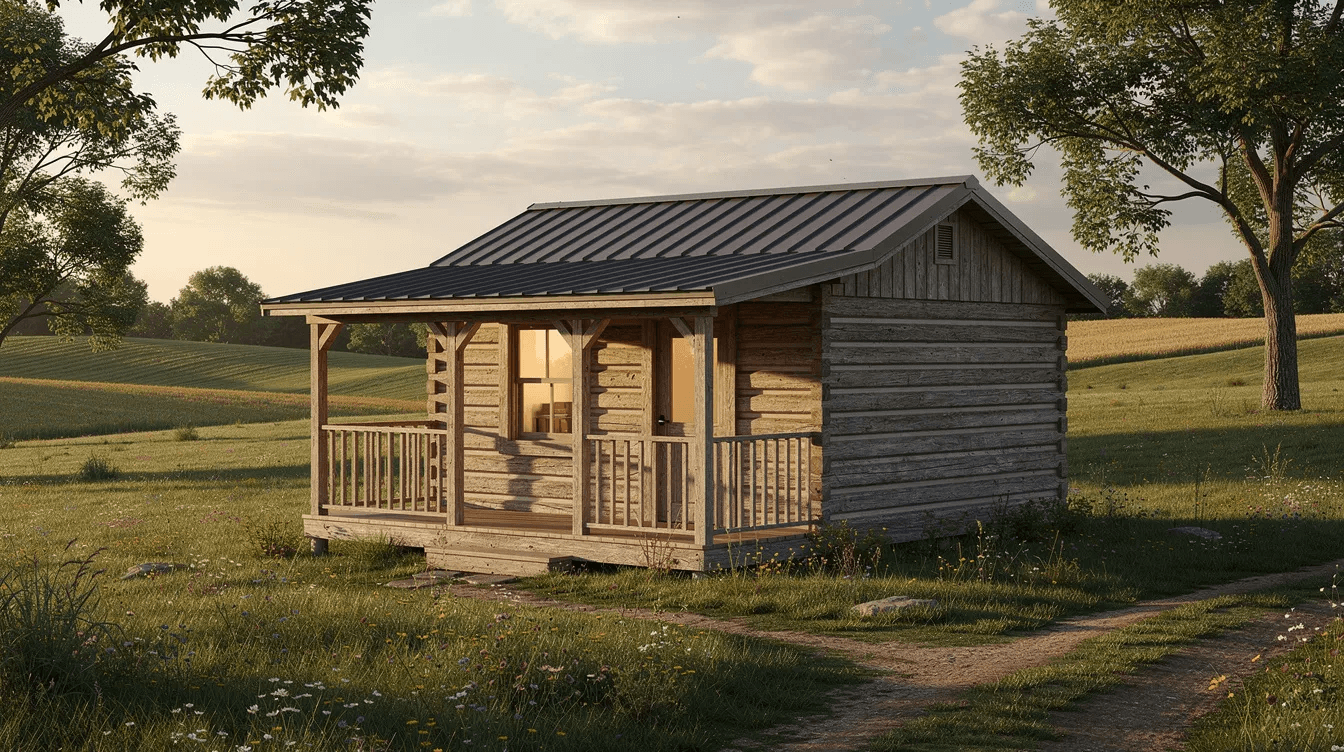
This hypothetical 1,250 sq ft turnkey cabin was started in 2023 and completed in 2024, serving as a second home for a family.
Features:
- Two or three bedrooms
- Two full bathrooms
- Open-concept kitchen/living room
- Wrap-around porch
- Full unfinished basement for storage or future finish-out
How Upgrades Affect the Multiplier:
Adding a basement significantly increases concrete and framing work—the foundation alone might add $25,000–$40,000 over a slab foundation. Larger porches increase material and framing costs. Upgraded finishes (solid-surface counters, luxury vinyl plank or hardwood flooring, tiled shower) add both labor and materials.
With these additions, this project lands closer to a 2.4–2.6× multiple of the original kit price. A $125,000 base kit becomes a $300,000–$325,000 final project cost.
Extra Line Items Outside Base Quote:
- Longer driveway (200+ feet)
- More elaborate landscaping
- Detached garage
The importance of locking in specs early cannot be overstated. Changes requested after site work begins are substantially more expensive than incorporating them during the plan phase.
Factors That Influence Turnkey Cabin Pricing
Two identical cabin designs can have very different turnkey prices depending on build location and buyer choices. Understanding these variables helps you evaluate quotes accurately.
Site Factors
- Slope and topography (flat vs. cut-and-fill operations)
- Soil type and conditions (clay, fill, high water table)
- Rock or ledge requiring excavation or blasting
- Access for delivery trucks and construction equipment
- Snow load, high-wind, or seismic code requirements, which also impact tiny house park model homes
- Distance to utilities
Design Factors
- Complex roof lines, dormers, valleys
- Large window walls or extensive glazing
- Covered porches or decking extending the footprint
- Multiple bathrooms
- Cathedral ceilings or height variations, which interact with tiny house maximum height guidelines when you’re working with more compact designs
- Number of mechanical zones
Finish Factors
- Premium windows and doors vs. builder-grade
- Upgraded siding or log profiles
- High-end flooring (hardwood vs. vinyl)
- Custom cabinetry vs. stock
- Stone fireplaces
- Specialty lighting
Regulatory and Labor Factors
- Permit and impact fees (vary dramatically by jurisdiction)
- Inspection costs
- Local labor rates
- Seasonal demand fluctuations
Always ask for a site visit or at least a detailed site review with photos, topo map, and soil info before accepting any turnkey quote. A thorough provider will test conditions before committing to a price.
Turnkey Cabin Kits vs. Material-Only Kits
Turnkey kits trade higher upfront cost for convenience, speed, and reduced need for owner coordination. Understanding this trade-off helps you choose the right approach for your situation, especially when comparing them to pre-built log homes and cabin kits that also emphasize convenience and faster build times.
Advantages of Turnkey
- Single point of responsibility for the complete project
- Predictable schedule with established processes
- Professional handling of codes and inspections
- Fewer change-order surprises
- Straightforward warranty coverage
- Easier financing accessibility
Advantages of Material-Only or Shell Kits
- Lower starting price (40–50% less than turnkey)
- More room for sweat equity
- Flexibility in finish selections and brands
- Ability to build in phases over multiple years
- Opportunity to source materials locally
- Maximum customization capability
Which Buyers Benefit from Each Approach?
Buyer Type | Better Option |
|---|---|
Out-of-state owners | Turnkey |
Busy professionals | Turnkey |
Rental investors seeking passive income | Turnkey |
Experienced builders | Material-only |
DIY enthusiasts with time | Material-only |
Budget-conscious phased builders | Material-only |
Some providers offer hybrid approaches, such as turnkey shell plus owner-finished interiors, to balance budget and convenience. This delivers professional completion of structural and mechanical work while allowing owner selection of flooring, paint, fixtures, and cabinetry, along with the freedom to apply cozy log cabin interior design ideas that reflect your personal style. |
Honestly assess your time, skills, and tolerance for project management before deciding. Building a dream log cabin yourself can save money, but only if you have the expertise and availability to manage the work properly.
Financing and Budgeting for a Turnkey Cabin
Turnkey cabins are financed differently than RVs or bare kits, including more basic tiny house kit options from big-box retailers. Lenders may treat them as primary residences, second homes, or construction projects depending on intended use.
Common Financing Paths
- Construction-to-permanent loans: Standard for ground-up builds on land you own. Funds are disbursed as work progresses, then convert to a permanent mortgage.
- Traditional mortgages: Available once the cabin is complete, functioning like conventional home mortgages.
- Personal or construction loans: Used for some situations, particularly if classified as accessory structures.
What Lenders Typically Require
- Stamped architectural plans
- Detailed turnkey contract specifying inclusions and timeline
- Cost breakdown showing kit, labor, and site work separately
- Proof of land ownership or purchase agreement
- Builder credentials (licensed, bonded)
- Site evaluation or soil test results
Practical Budgeting Steps
- Set a hard total budget including land, cabin, site work, permits, and insurance
- Retain a 10–15% contingency for unforeseen conditions
- Track allowances during selections (appliances, lighting, flooring)
- Understand how funds will be released during the build
Ongoing Ownership Costs to Plan For
- Property taxes (varies dramatically by jurisdiction)
- Homeowners insurance (typically higher for vacation properties)
- Utilities (off-grid systems often cost more per unit)
- Road or HOA fees if applicable
- Maintenance for wood or log exteriors (periodic staining/sealing)
- Roof maintenance
Obtain pre-approval before committing to any purchase and discuss builder payment draws with your lender to understand the complete financial picture.
How to Evaluate Turnkey Cabin Kit Providers
In a market where “turnkey” can mean very different things from one company to another, thorough provider evaluation is essential to your long term satisfaction.
Key Items to Review
- Years in business and number of completed cabins
- Photo galleries of completed projects
- Independent customer reviews or references
- Website with clear service descriptions and contact information
Request a Detailed “What’s Included” List
This should clearly separate:
- Kit materials
- On-site labor
- Site work (excavation, foundation, utilities)
- Optional upgrades
- Explicit exclusions
Review Contract Language On:
- Timeline commitments and milestone definitions
- Change order policy and pricing
- Warranties (structure, systems, appliances)
- What happens if there are delays
- Dispute resolution procedures
Visit a Finished Cabin If Possible
Seeing construction quality, fit and finish, and how a cabin has aged provides invaluable insight that photos and reviews cannot match. Walk through the space and note details about doors, trim work, and beams.
Communicate Directly with Your Project Manager
Before committing, gauge their responsiveness and clarity. Poor communication during the sales phase predicts problems during construction. A quality team will work directly with you throughout the process.
Red Flags to Watch For
- Unwillingness to provide references
- Vague “what’s included” descriptions
- Significantly lower pricing than competitors
- Pressure to commit quickly
- Limited insurance or bonding
Planning Your Turnkey Cabin Project
This roadmap takes you from initial vision to move-in, organized as practical steps you can follow.
Early Planning Steps
- Choose intended use (rental, primary home, vacation getaway)
- Set desired size and layout based on realistic needs
- Confirm local zoning rules for cabins in your county
- Establish budget parameters and financing capacity
Site Selection and Evaluation
- Road access and delivery feasibility
- View orientation and sun exposure, especially if you envision using the property for tiny house cabin retreat getaways
- Wind exposure and heating considerations
- Soil conditions (consider professional evaluation)
- Proximity to utilities (power, water, septic/sewer)
- Flood plain status and natural hazard exposure
Design and Specification Steps
- Finalize floor plan from provider offerings or custom design
- Choose exterior style (log, timber frame, traditional siding)
- Confirm insulation and energy efficiency package
- Select standard vs. upgraded finishes
- Choose flooring, countertops, and cabinetry within your budget
- Lock in appliance and fixture selections before contract signing
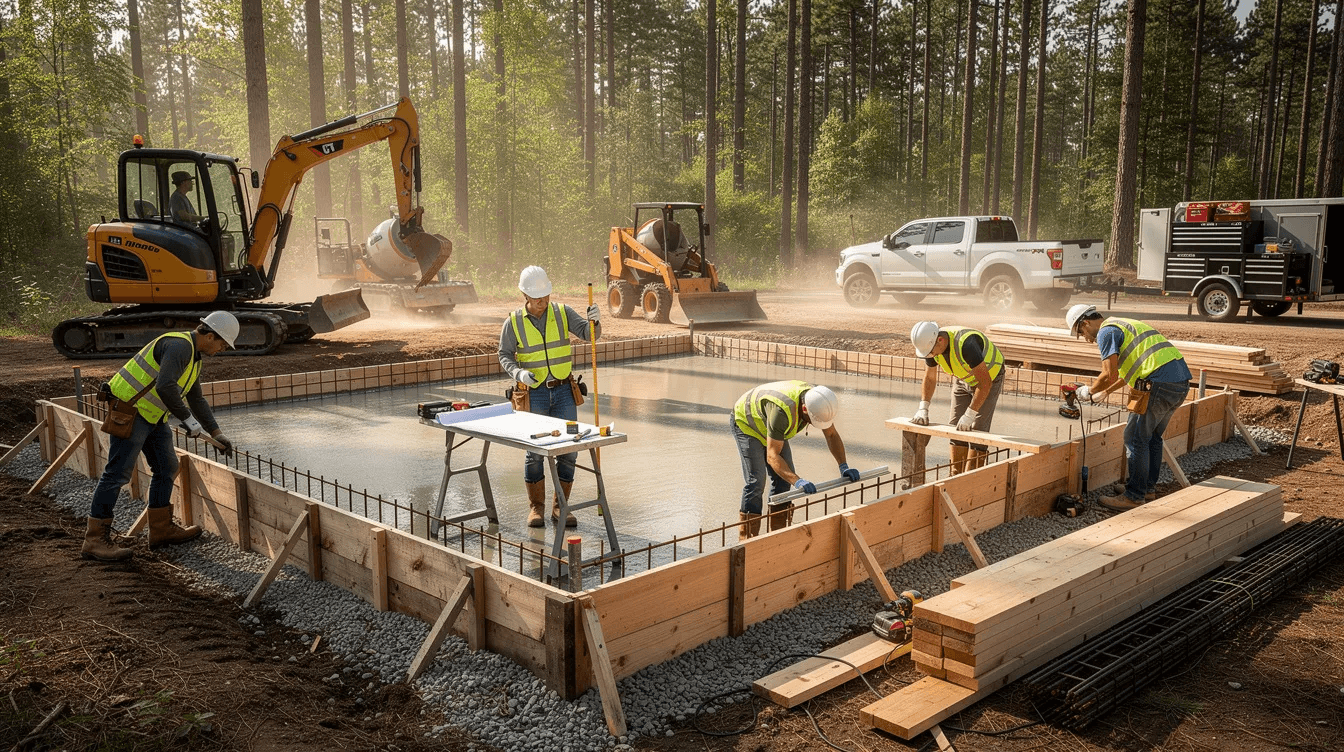
Build Phase Milestones
Phase | What Happens |
|---|---|
Permits issued | Construction authorization begins |
Foundation complete | Site prep and concrete work done |
Cabin set/framed | Structural skeleton visible |
Dry-in stage | Roof and exterior walls weather-sealed |
Mechanical rough-ins | Plumbing, electrical, HVAC installed |
Insulation | Thermal envelope completed |
Drywall/paneling | Interior walls covered |
Trim and finishes | Final construction phase |
Final inspection | Building inspector approval |
Walkthrough | Identify any remaining items |
Move-In and Long-Term Planning |
Plan furnishings and storage solutions early, particularly for small cabins where every square foot matters. Establish maintenance routines for wood exteriors and roofs. If the cabin is seasonal, develop winterizing procedures for plumbing and systems.
The rest is up to you. With proper planning, realistic budgeting, and a quality provider, your dream cabin becomes an achievable project rather than just a life goal on a vision board. Request custom estimates based on your site, compare at least three providers, and don’t hesitate to ask friends or family who’ve completed similar projects for tips and recommendations.