
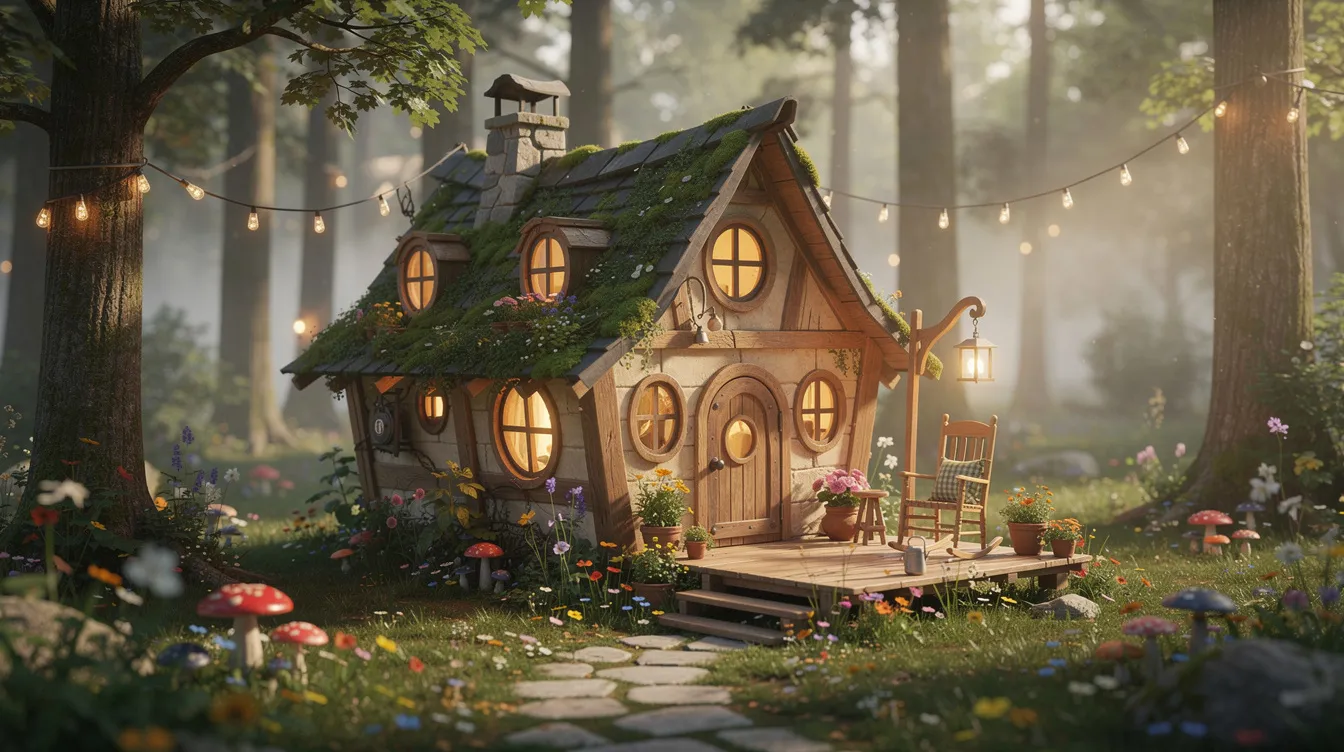
Picture this: a tiny house with a curved roofline that seems to dance against the sky, a crooked chimney peeking from cedar shingles, and round windows catching morning light like the eyes of a friendly owl. Wildflowers tumble from window boxes while a winding flagstone path leads to an arched door painted the color of ripe plums. This isn’t a movie set—it’s the growing world of whimsical tiny homes, where storybook charm meets practical small-space living.
- Whimsical Tiny House Basics
- Design Inspirations for a Whimsical Tiny House
- Exterior Features: Turning a Tiny Shell Into a Storybook Cottage
- Interior Layout: Functionality Meets Playful Charm
- Materials & Craftsmanship: Rustic, Reclaimed, and Hand-Made
- Layouts & Use Cases: Guest Cottage, Studio, or Micro-Village
- Building, Budget & Practical Considerations
Whimsical Tiny House Basics
So what makes a tiny house “whimsical” rather than simply small? The answer lies in deliberate design choices that prioritize personality over pure minimalism.
Standard tiny homes typically feature clean lines, flat or gently sloped roofs, and neutral palettes designed to maximize efficiency within 100-400 square feet. They’re practical and often beautiful, but they follow predictable geometric rules. Whimsical tiny houses break those rules on purpose, incorporating unusual shapes like undulating rooflines, asymmetrical gables, and porthole-style windows alongside playful colors—think mossy greens, berry reds, and warm ochres.
The roots of this aesthetic reach back to 1930s European storybook cottages. In Carmel-by-the-Sea, California, builder Hugh Comstock crafted over 100 crooked, thatched-roof cottages between 1924 and 1930, using exaggerated proportions inspired by Hansel and Gretel illustrations. Today, a company called La Tiny House continues this tradition with their “Bubble” style—pod-like forms with rounded walls and panoramic glazing that work completely off-grid.
This guide serves as a practical roadmap for anyone who has stumbled upon the whimsical tiny house movement and wants to explore whether such a home could work in real life. Many builders offer a variety of sizes and designs, with the smallest whimsical tiny houses typically starting around six feet in depth, and customization options can significantly affect the final price based on the specific features and designs requested. We’ll cover design ideas, materials, layouts, and budget considerations so you can create a magical space that still meets modern comfort and code requirements.
Key takeaway: Whimsy isn’t just decoration—it’s a philosophy that prioritizes joy and personality in small-space living without sacrificing functionality.
Design Inspirations for a Whimsical Tiny House
Think of this section as a mood board in words. The best whimsical designs draw from Bavarian cottages with turf roofs, English storybook homes from Carmel’s 1920s–1930s building boom, and contemporary fantasy films that display organic, earth-sheltered architecture.
Exterior shapes create the theatrical silhouette that defines these unique tiny houses. Steeply pitched roofs—often 12/12 pitch or steeper—with wavy or curved edges establish instant character. Exaggerated dormers protruding asymmetrically, off-center gables clad in fish-scale shingles, and rounded or arched doors complete the picture. Circular “porthole” windows, typically 24–36 inches in diameter, add whimsy while bringing plenty of natural light inside. Many whimsical tiny houses feature unique shapes and designs that not only attract attention but also provide a cozy and intimate living environment.
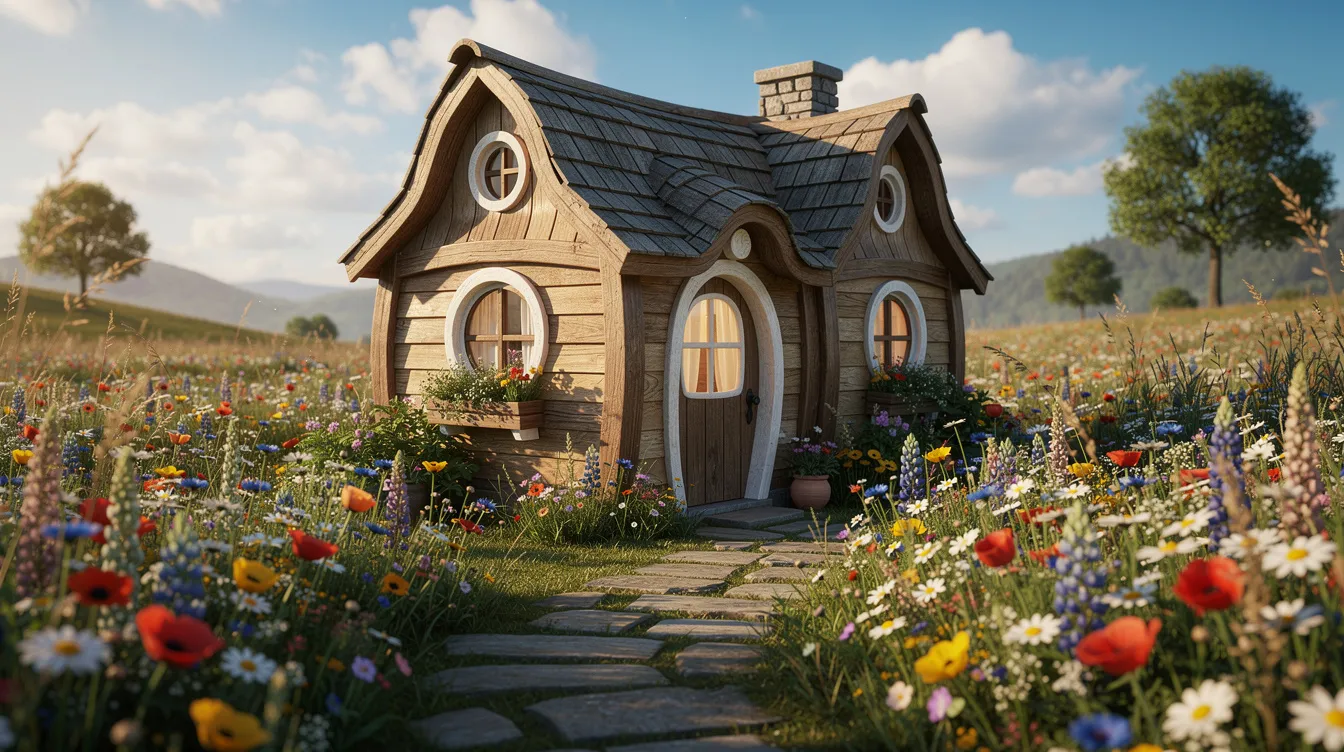
Texture and materials amplify the fairytale effect. Reclaimed barn wood from early-1900s Midwestern farms, carrying years of history, brings authentic character to siding. Rough-sawn cedar shingles hand-split for irregularity, hand-troweled lime plaster mimicking medieval stucco, fieldstone bases, and twisted willow branches for railings all contribute to a handmade aesthetic that modern manufacturing can’t replicate.
Color palettes lean toward earthy yet magical hues: mossy greens, warm ochres, deep berry reds, and muted blues evoking twilight skies. One bold focal door in teal or crimson creates contrast and signals entry. Consider a 20-foot house on wheels with red cedar cladding and three asymmetrical round windows clustered on the gable end, or a 16 ft cabin featuring a crooked faux chimney of foam-core stone veneer.
A practical design checklist runs something like this: select one dominant curve for your roof or door, layer three textures across wood, stone, and plaster, choose a triadic color scheme anchored by earth tones, incorporate at least two porthole elements, and ensure your trailer compatibility stays under 13.5 feet tall for road legality, all while following tiny house plans that fit your life.
Exterior Features: Turning a Tiny Shell Into a Storybook Cottage
Most whimsical charm comes from the exterior silhouette and detail choices, even on a standard 18–24 ft trailer footprint. You don’t need a bigger budget—you need intentional design that transforms a basic shell into something people love to photograph, similar to enchanting magic tiny homes that emphasize storybook character. As an exciting addition, the property now features the newly launched ‘Mermaid’ whimsical tiny house, enhancing the overall appeal and amenities available to guests.
Roof details dominate visual impact. Western red cedar shingles laid in staggered, wavy patterns with curved eaves formed by steaming and bending trim boards over plywood forms create that distinctive storybook look. A faux chimney of cultured stone or thin brick veneer can conceal a 4-inch stainless steel flue for compact wood stoves like the Dwarf 4kW model, which outputs enough heat for a 200-square-foot area.
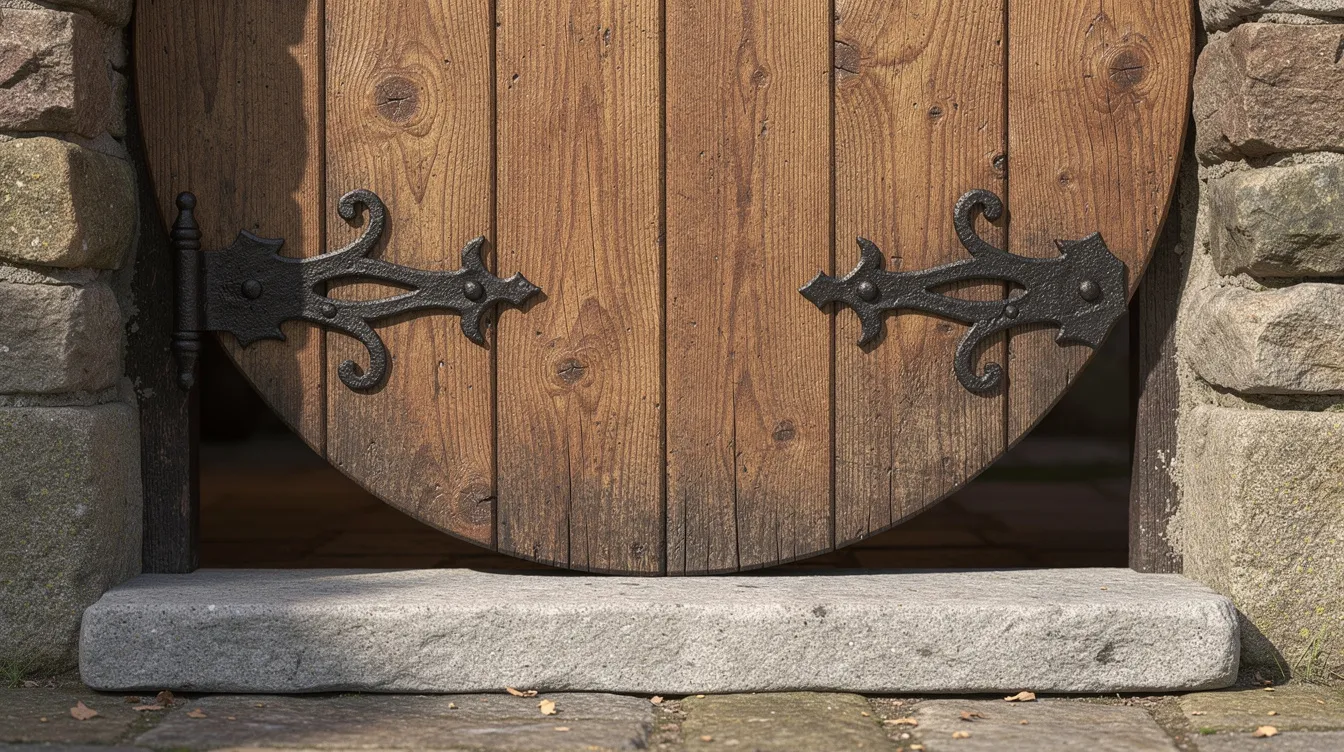
Whimsical doors and windows introduce asymmetry and sparkle. A round front door crafted from 1.5-inch pine with applied iron hinge straps evokes medieval blacksmith work. Mismatched window sizes on the same wall—perhaps one rectangular leaded glass beside two 18-inch circles—add fun without requiring custom framing. Diamond-pane grids and colorful shutters in mustard yellow or sage green complete the look.
Outdoor living extends the enchantment beyond the house itself. A compact 4–6 ft deep front porch framed in 4×4 posts provides that essential transition space, maximizing functionality even in smaller spaces compared to traditional homes. An arched pergola of vine-wrapped saplings offers dappled shade, while lantern-style solar-powered coach lanterns create atmosphere at night. A reclaimed brick or flagstone path from the parking spot to the door enhances accessibility and charm. The whimsical tiny house is located near key attractions and natural features, making it convenient for guests to explore the area.
Tiny landscaping touches complete the scene: half-barrel planters overflowing with dwarf lavender, window boxes with culinary herbs you can reach from the kitchen sink, a small fire ring of local stone for evening gatherings, and a rustic bench from reclaimed beams offering a spot to rest and enjoy morning coffee.
Interior Layout: Functionality Meets Playful Charm
Whimsical interiors must solve real needs—sleeping, cooking, bathing, and storage—in as little as 160–260 square feet. The challenge lies in making every corner work hard while maintaining that magical aesthetic inside, much like inspiring tiny house interiors that maximize every square foot. Despite their small size, whimsical tiny houses can be equipped with essential amenities such as kitchens, bathrooms, and sleeping areas, making them suitable for long-term living.
A sample layout for a 6-meter whimsical tiny house on wheels might allocate the front 6×8 ft for a lounge with built-in curved-back benches, a central 6×6 ft kitchen with 4-foot counter and porthole window over the sink, a compact 4×5 ft bathroom tucked under the rear loft, and a 6×8 ft bedroom loft accessed by ship-ladder stairs that double as drawers.
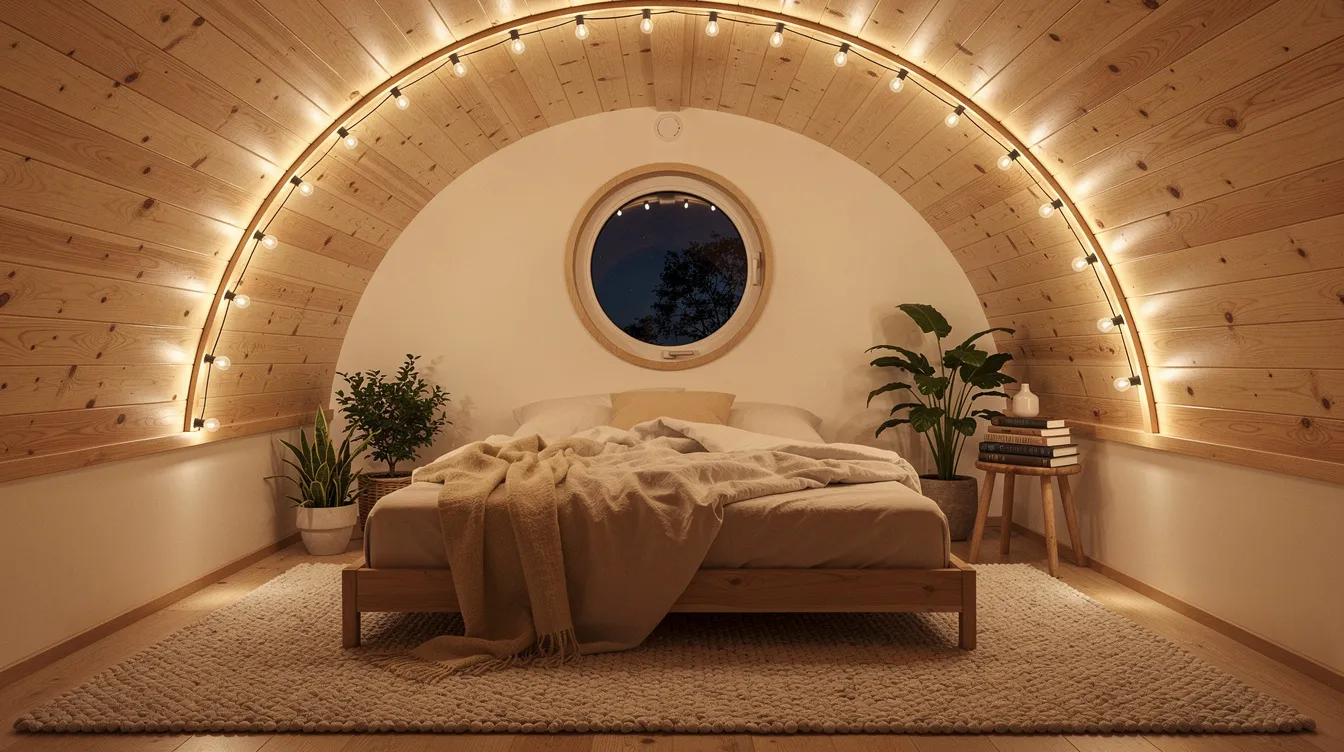
French builders like La Tiny House demonstrate smart solutions in their designs: open shelves with rustic forged brackets holding dishware, under-bench storage with soft-close hinges, and multi-use furniture like a convertible dinette-loft ladder achieving 90% space utilization. Whimsical tiny houses can be designed to maximize space efficiency, often incorporating multifunctional furniture and clever storage solutions to enhance livability, echoing broader trends when exploring the world of tiny houses. These details shown in their work prove that customization and efficiency can coexist, and smart home technology allows guests to control lighting, temperature, or security via wifi-enabled systems.
Whimsical sleep spaces elevate coziness to another level. A loft with a 4-foot arched ceiling paneled in beadboard and strung with LED fairy lights creates a room that feels like resting in a treehouse. Ground-level nook beds framed with reclaimed beams offer an alternative for those who prefer staying closer to the floor. An optional loft hammock saves 10 square feet while providing a reading corner in the woods of your imagination.
Compact bathroom design demands creativity. A sliding barn door saves swing space, while a corner shower with pebble mosaic tile provides slip resistance. A tiny round window ensures cross-ventilation, and space-saving fixtures—wall-mounted sink, narrow composting toilet like the Nature’s Head at 18-inch width—meet NSF/ANSI 50 plumbing standards. Every curve and corner must earn its keep.
Materials & Craftsmanship: Rustic, Reclaimed, and Hand-Made
Reclaimed and natural materials amplify the whimsical, storybook vibe while reducing environmental impact. According to the tiny house Society’s 2024 survey, 70% of tiny house builders now prioritize salvage materials, cutting embodied carbon by up to 50% compared to new lumber.
Typical reclaimed sources include 100-year-old barn siding from Midwestern farms—often heart pine or oak with natural patina and nail holes that add character. Salvaged Douglas fir beams from deconstructed 1920s warehouses, antique doors and windows with true-divided-light sashes and wavy glass, and old copper hardware patinated naturally over decades all contribute authenticity you cannot buy new.
The build process for a whimsical tiny house emphasizes expert craftsmanship, careful selection of quality materials, and a personalized design approach to ensure each structure is truly unique.
Hand-crafted details deliver that bespoke magic that makes each home feel committed to its storybook identity. Carved trim around windows using CNC routers or Dremel tools creates acanthus-leaf motifs. Irregular live-edge shelves from fallen walnut slabs, custom twisted-branch railings peg-joined without metal, and hand-forged iron latches costing $150–$300 each from artisan smiths transform a cute shelter into a work of art. Close collaboration with the customer ensures that every detail is tailored to meet individual needs and preferences, resulting in a truly custom structure.
Practical considerations ensure longevity: clean reclaimed wood via soda blasting to remove contaminants, seal with penetrating oils for UV protection, verify structural integrity via stamp-graded testing, and insulate around old windows with rigid foam to hit R-19 walls. Meeting modern building codes despite vintage pieces requires engineer-stamped plans.
Cost orientation: shell builds start around $6,500–$8,000 for very small 6–8 ft structures using reclaimed DIY labor at roughly $40/square foot. Fully finished, custom 20–24 ft homes with professional craftsmanship run $30,000–$60,000 or more, factoring a 20–30% premium for whimsical elements like curved framing.
Layouts & Use Cases: Guest Cottage, Studio, or Micro-Village
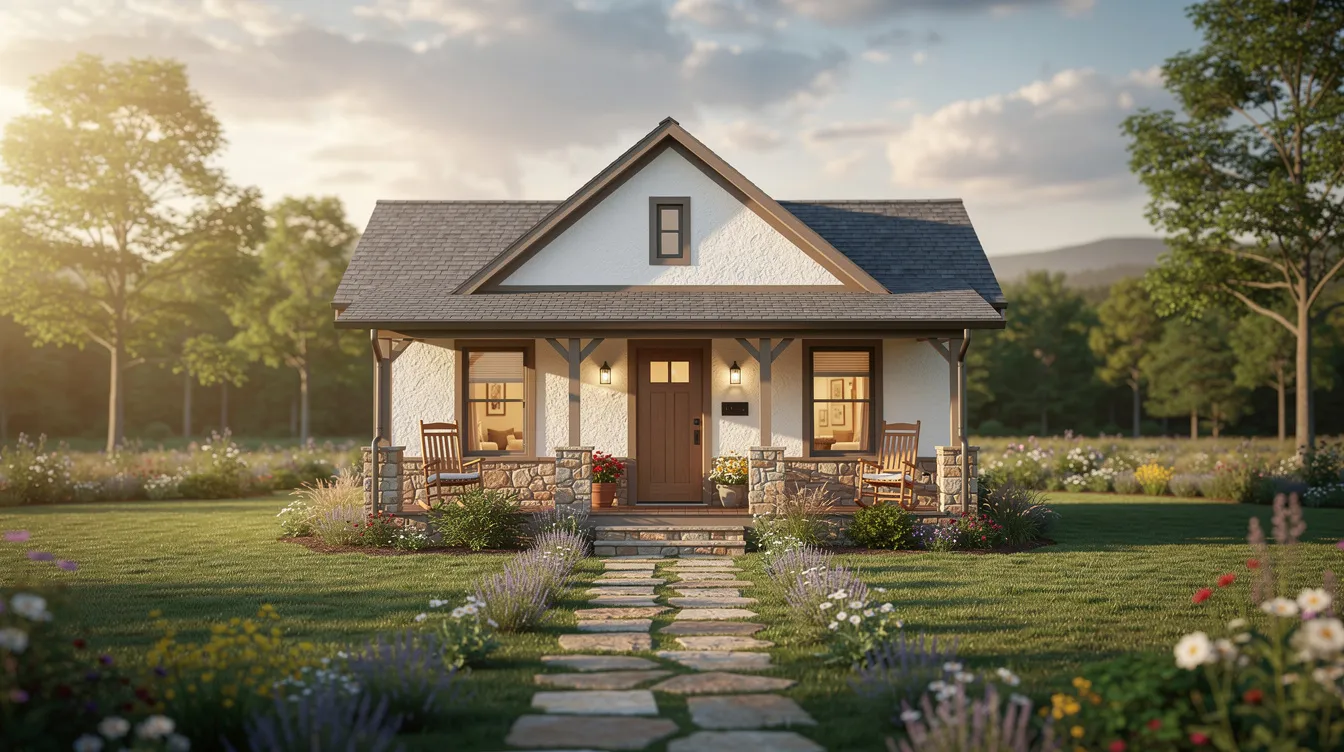
Whimsical tiny houses adapt fluidly to roles beyond primary dwellings: guest cottage, rental property, creative studio, or clustered micro-village, much like other great tiny homes that redefine small-space living. The key lies in matching your site, zoning, and lifestyle to the right configuration.
A guest retreat scenario might feature a single whimsical cabin with one loft bed and one daybed, a small kitchenette for light cooking, and outdoor amenities like a fire ring and hammock that keep construction costs low while still feeling special, similar to many affordable tiny house buildings. Visitors are coming to enjoy the unique experiences, attractions, and amenities offered by the whimsical tiny house and the surrounding Cape Charles area. Designed for weekend visitors, such a space in the Cape Charles, Virginia, area rents for around $150 per night on Airbnb, generating $25,000 annual revenue at 60% occupancy.
A backyard creative studio in 12–16 ft maximizes inspiration with floor-to-ceiling windows, a built-in desk under a round window flooding natural light, a small wood stove for comfort, and hidden storage for art supplies. Writers, painters, and makers across the U.S. and Canada find these adorable structures transform their creative work.
Private whimsical micro-villages take the concept further: several tiny houses on one property, each with a purpose—sleeping cottage, kitchen house, sauna hut, bath house—connected by winding gravel paths with solar path lights. Such arrangements share greywater systems for 70% water savings while creating a village feel.
Before building multiple units, check local zoning laws, utility access, parking rules, and setback requirements, just as you would when learning how to build a tiny house from the ground up. Currently, 55% of U.S. municipalities permit tiny houses on wheels with 50-foot setbacks and utility hookups via pedestal meters.
Building, Budget & Practical Considerations
Behind every fairytale façade are real numbers, permits, and logistics. Before you apply for a building permit or buy your first reclaimed beam, understand what you’re signing up for.
Budget Category | DIY Range | Professional Range |
|---|---|---|
Trailer/Foundation | $4,000–$8,000 | $6,000–$10,000 |
Structure & Roof | $5,000–$12,000 | $15,000–$25,000 |
Windows & Doors | $1,500–$4,000 | $5,000–$10,000 |
Interior Finishes | $3,000–$8,000 | $10,000–$20,000 |
Plumbing & Electrical | $2,000–$5,000 | $6,000–$12,000 |
Whimsical Extras | $1,000–$3,000 | $3,000–$8,000 |
Pricing varies dramatically based on your approach: DIY shells from a few thousand dollars using mostly reclaimed materials and personal labor versus professional custom builds in the mid-five figures or more depending on size and complexity. |
For tiny houses on wheels, adhere to 102-inch width, 13’6” height, and 40-foot length limits for highway travel. Secure exterior ornaments—faux chimneys with turnbuckles, window boxes with bungees—for safe transport. A 3/4-ton truck like the Ford F-250 handles most 20 ft builds weighing under 10,000 pounds.
Comfort and safety considerations include climate-specific insulation (R-30 roof in cold zones), proper ventilation especially with wood stoves, safe stair or ladder design at 70-degree pitches, hardwired smoke and CO detectors, wifi for monitoring systems, and compliance with ANSI 119.5 RV standards or local IRC Appendix Q requirements—all core concerns in custom tiny homes for perfect small-space living.
Start today with a sketch or Pinterest mood board, or by browsing cute tiny house designs for your dream home to clarify your aesthetic. Visit at least one real whimsical tiny house at a festival, open house, or rental stay to date your options before committing. Then refine plans that balance magic with maintenance and long-term livability, whether you lean toward rustic storybook charm or elegant tiny homes that redefine modern living. Your great storybook home awaits—making it reality is simply a matter of choosing your first step and committing to the day when you’ll live inside your own fairytale.