
Quick Answer: Why White Tiny Houses Are So Popular Right Now
A white tiny house feels brighter, larger, and cleaner than any other color option, which explains why this style dominates the tiny home movement in 2026. White draws attention and helps highlight architectural details, making it a visually appealing choice. White surfaces reflect 80-90% of incoming light, making even a 300 sq ft space feel surprisingly open and airy.
This guide will cover exterior styles, real-life examples from 1940s beach cottages to 2026 backyard ADUs, paint choices, layouts, and the differences between tiny homes on wheels versus foundation builds. Using white paint on the exterior creates a clean and modern aesthetic, which is especially popular in contemporary tiny house design. Whether you’re dreaming of a modern cottage, rustic cabin, boho tiny house on wheels, or custom backyard retreat, white provides the perfect canvas.
Tiny houses typically consume 45% less energy and produce 90% fewer carbon emissions than traditional homes, making them an environmentally conscious choice.
- White Tiny House Exterior Styles & Curb Appeal
- 75+ White Tiny House Ideas & Real Examples (1940s–2026)
- The White Boho Tiny House on Wheels
- On Wheels vs. Foundation: How White Works in Different Tiny House Types
- Why White Works So Well in Tiny Homes
- Choosing the Right White Paint for Your Tiny House
- Color Palettes & Accents for White Tiny Houses
- Making the Most of a White Tiny House: Layout, Storage & Outdoor Space
- Conclusion: Is a White Tiny House Right for You?
White Tiny House Exterior Styles & Curb Appeal
A white exterior can range from crisp modern to weathered coastal cottage, depending on your materials and trim choices. Architects often design custom white tiny houses to maximize curb appeal and functionality, incorporating innovative elements that enhance both style and livability.
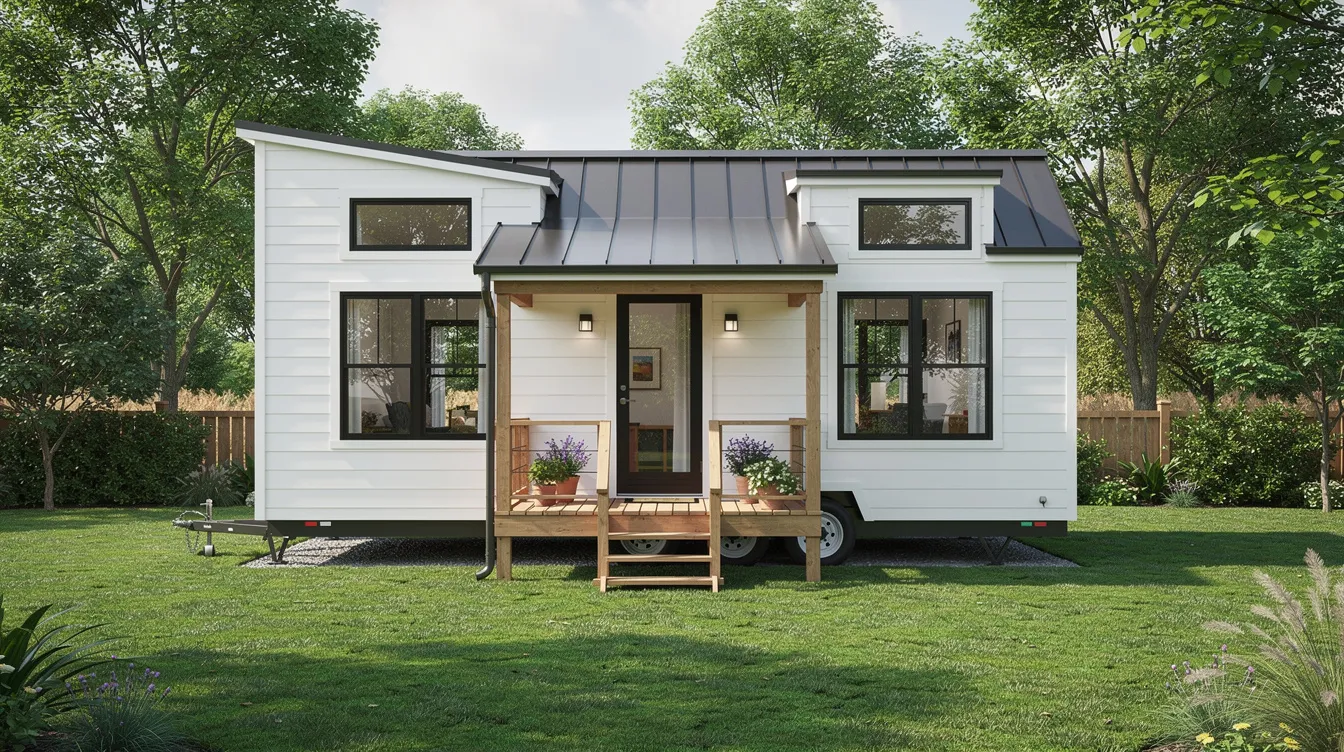
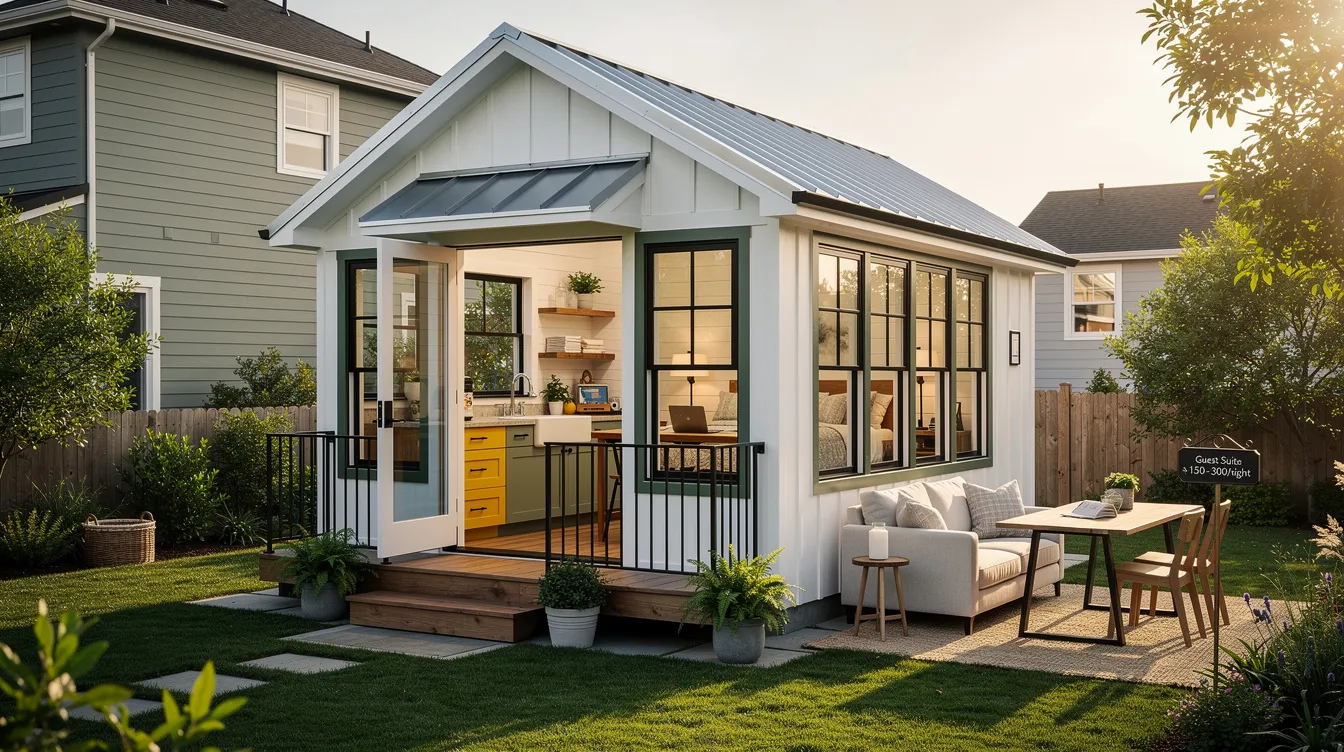
Modern white tiny exteriors feature vertical board-and-batten siding commonly paired with high-contrast elements like black-framed windows and natural wood accents for enhanced curb appeal. Standing-seam metal roofs complete the look. This style dominates 2024-2026 backyard ADUs in California and Oregon, where fire-resistant fiber-cement siding with 50-year warranties makes sense for homeowners wanting durability.
Scandinavian-inspired designs use bright white exteriors to maximize light reflection, often mixing white-painted timber with natural wood accents for a clean, airy appearance.
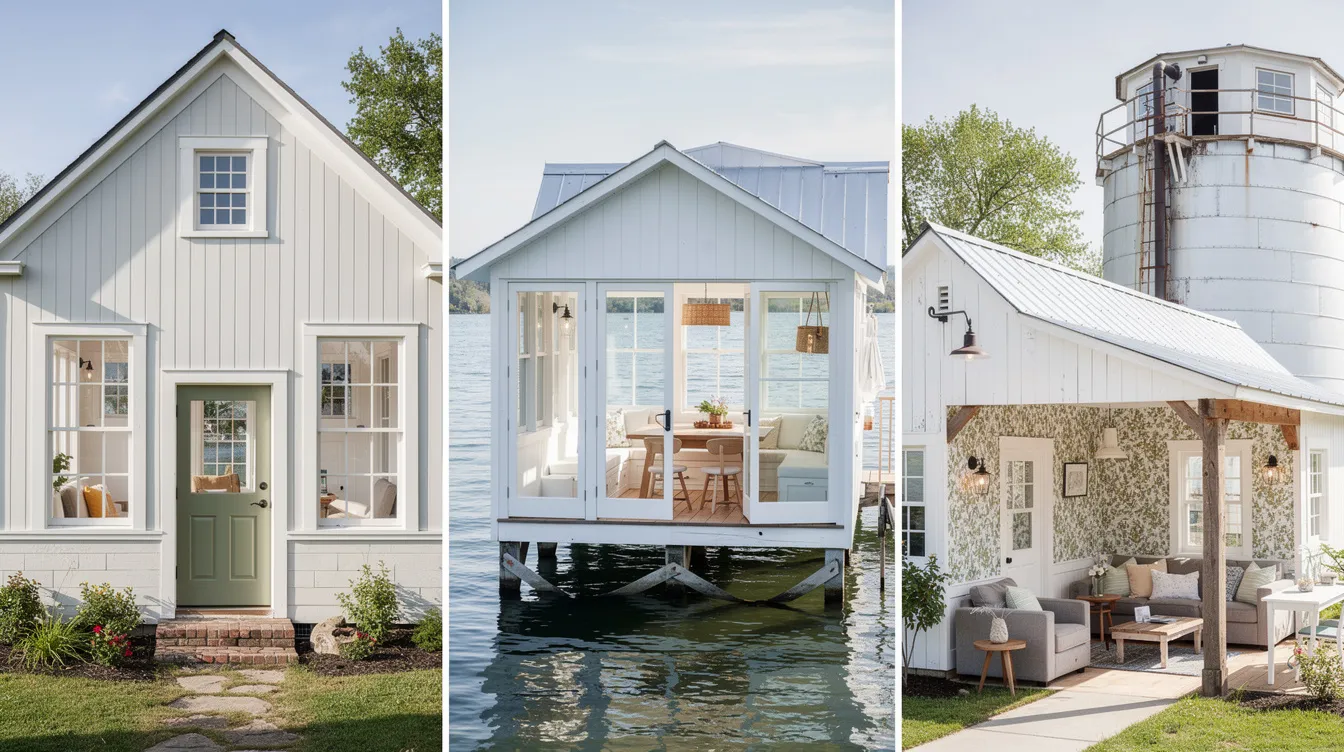
Cottage-style exteriors draw inspiration from 1940s-1960s beach houses: white clapboard, green or blue Dutch doors, flower boxes, and brick or stone steps. These details create warmth and country charm on even the smallest facade.
Farmhouse-inspired tiny homes showcase the Modern Farmhouse design, featuring white board-and-batten siding paired with black window frames and a metal roof, sometimes with a small front porch on a square footprint under 1,000 sq ft.
Materials that pair well with white include:
- Cedar shingles that weather to gray-white patina
- Natural Douglas fir wood accents
- Galvanized metal roofing and hardware
- Fire-resistant fiber-cement panels
Use trim colors like navy, charcoal, or creamy off-white to define windows and doors, visually increasing perceived height by 10-15% on tiny scales.
75+ White Tiny House Ideas & Real Examples (1940s–2026)
This section gathers diverse white tiny houses and cottages ranging from under 300 sq ft to about 1,000 sq ft, organized by style. Many of these homes are the result of collaborations between homeowners and talented designers, whose expertise helps optimize small spaces. Each tiny house featured represents a unique project, showcasing different approaches to design and renovation. Explore these ideas as inspiration for new builds or renovations of older cabins, bungalows, or outbuildings, similar to great tiny homes that redefine small space living.
Coastal & Beach-Style White Tiny Houses
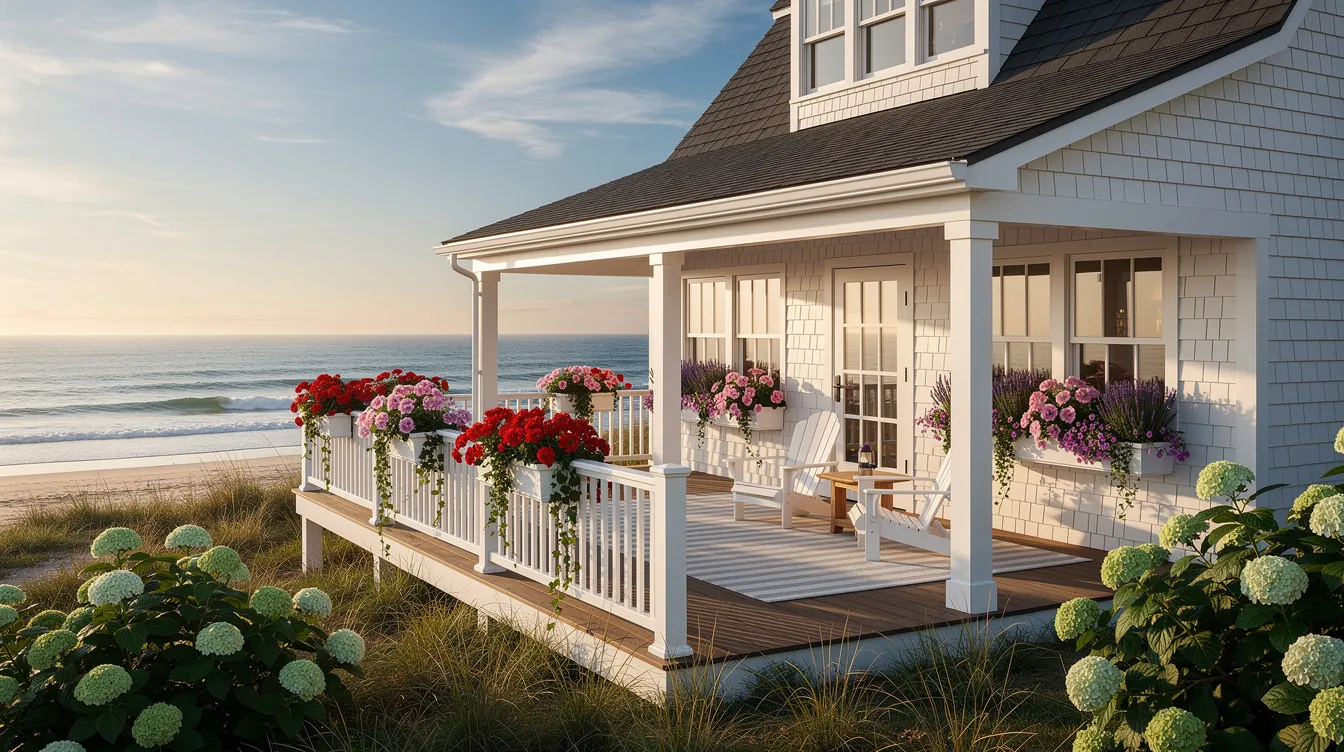
Coastal white tiny homes embrace shingled exteriors, bright interior walls, and nautical details that feel timeless.
The size and orientation of the lot, especially ocean-facing lots, play a crucial role in window placement and maximizing natural light in coastal white tiny houses. Picture a 700-1,000 sq ft cottage with weathered shingles, creamy white trim, and a sunroom lined with windows facing the ocean. Many 1940s-1950s fisherman cottages in Montauk and Cape Cod have been preserved with updated white-painted interiors and light floors, keeping their compact footprint while achieving 85% occupancy as Airbnb rentals through 2026.
Decor that works: navy stripe textiles, brass porthole hardware, rope details, and vintage nautical art against white walls and ceilings. The room feels open while honoring coastal heritage.
Rustic Cabins & Woodsy White Tiny Retreats
Mid-century cabins built between 1950-1970 have been refreshed in the 2010s-2020s using warm white paint to brighten interiors without losing character.
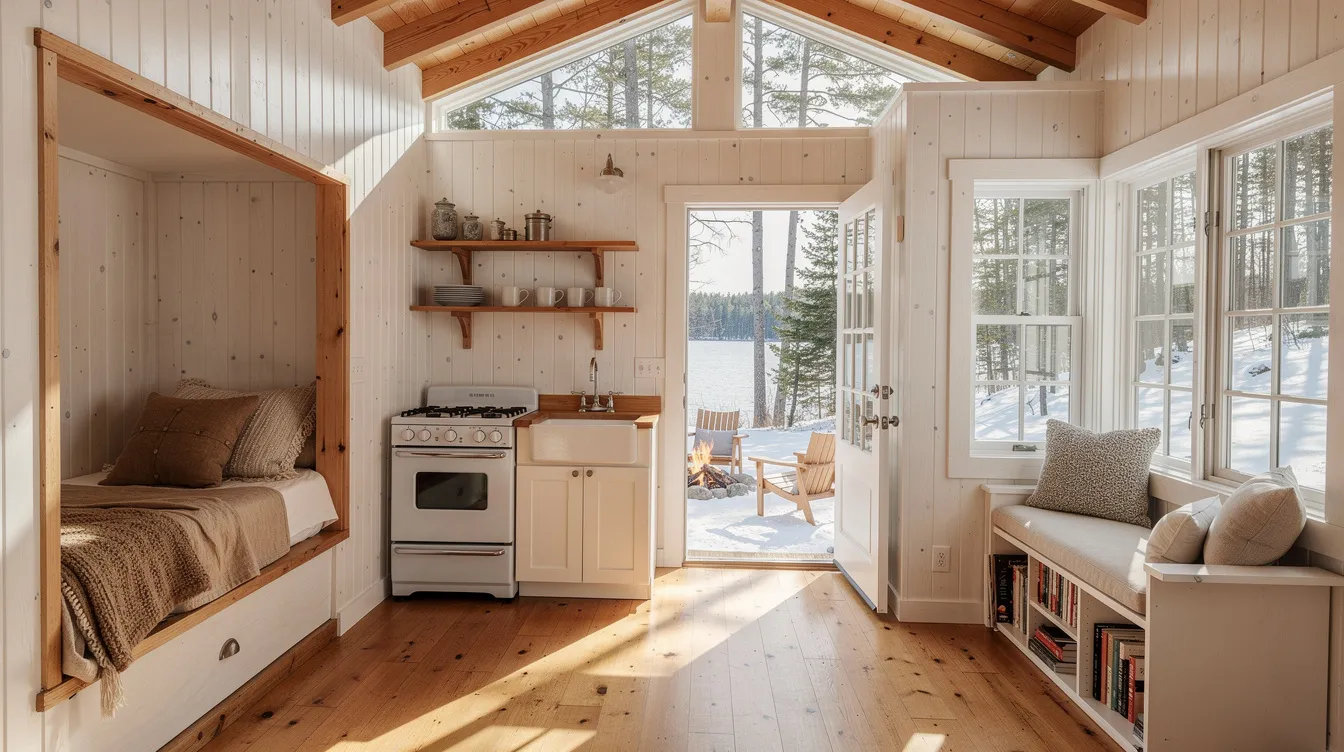
Removing drop ceilings and painting dark knotty pine paneling a soft white can visually add height and width to a 700-950 sq ft cabin. In some renovations, half of the front porch is enclosed or repurposed to create additional interior space, such as a reading nook or small library, optimizing the layout of the white tiny house. Locations like northern Michigan, the Adirondacks, and rural Maine offer prime examples where exposed beams, original wood floors, and white walls create cozy yet spacious living. Resident surveys report a 20% increase in felt spaciousness after these updates.
Include a tucked-in bed nook, compact kitchen, and indoor-outdoor deck or firepit area to maximize the view of light on the water or snow outside brightening interiors through big windows, taking cues from tiny house interiors that maximize every square foot.
Historic Conversions: Schoolhouses, Boathouses & Silos
Quirky repurposed buildings become memorable white tiny homes when treated thoughtfully.
Consider an 1840s schoolhouse converted to an under-900 sq ft residence with white-painted beadboard, tall multipane windows, and a sage green front door. Updated interiors often have new materials installed, such as tongue-and-groove boards or fresh paint, to unify the space and improve functionality. Or a boathouse (700-900 sq ft) where white walls and ceilings reflect water light, with built-in banquette seating to save space.
Grain silos and agricultural structures work too, using salvaged materials and white paint to unify mismatched eras. White creates cohesion, letting antique lighting, mixed wallpapers, and collected furniture find harmony against simple backdrops.
Modern Farmhouse & Urban Backyard Cottages
City and suburb homeowners are adding white tiny houses as backyard cottages or ADUs at a rapid pace since 2018. For modern farmhouse and backyard cottage builds, having detailed plans is essential to maximize space and ensure compliance with local regulations, especially if you’re prioritizing affordable tiny house designs and tips.
A typical 700-1,000 sq ft modern farmhouse features white shiplap interior walls, restored wood floors, canary yellow or sage cabinets, and a long galley kitchen. Galvanized metal roofs, small front porches, and large windows facing the yard complete the picture.
“Granny pods” that match the main house with white and dark green or black trim serve as:
- Guest suites for family visits
- Home offices for remote work
- Rental units generating $150-300/night
- Multigenerational living solutions
White helps these small structures feel intentional and designed rather than like storage sheds tucked in the backyard.
The White Boho Tiny House on Wheels
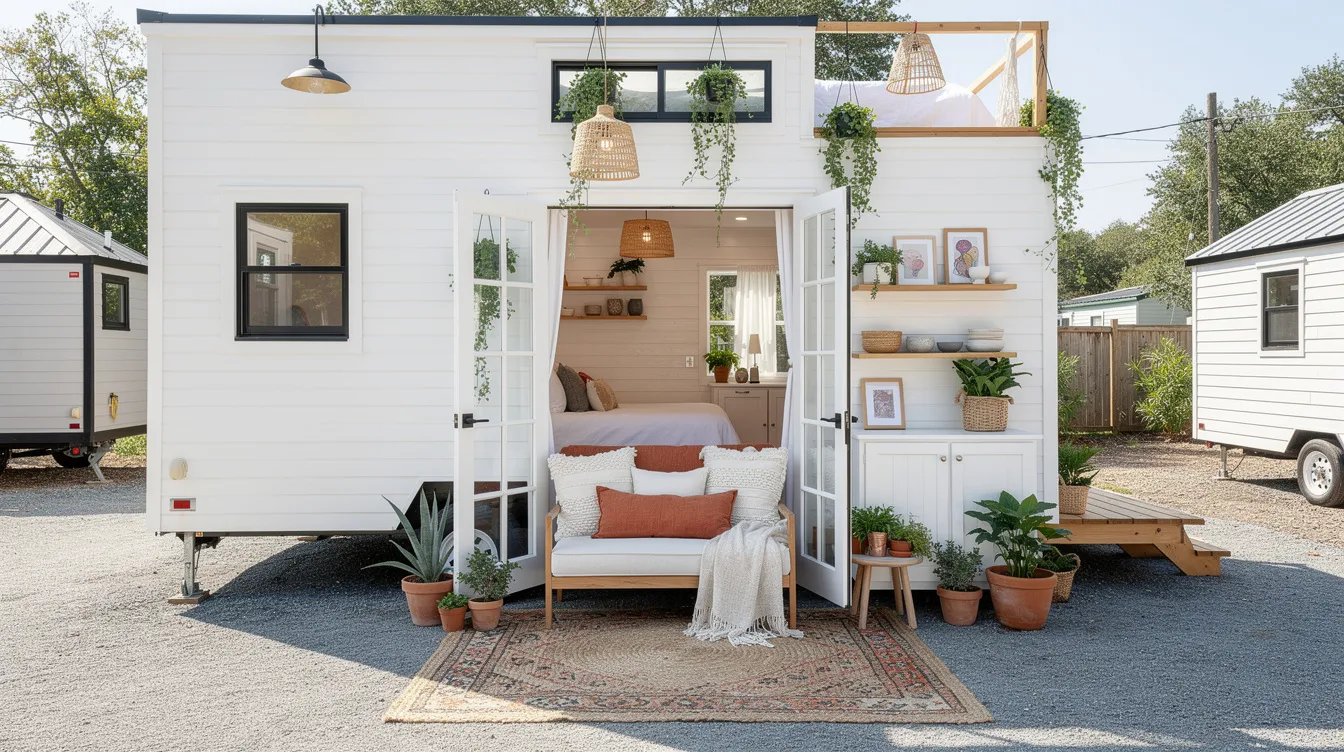
The boho tiny house on wheels offers flexibility, personality, and soft white interiors that photograph beautifully for rental listings. Many owners wanted a flexible, personalized space, so they chose white interiors that can be easily updated with new decor.
A typical model runs 24-28 feet long, under 300 sq ft, with a studio-style main floor and either no loft or an easily accessible low loft. White walls and cabinets act as a neutral canvas for layered textiles, hanging plants, and collected art. Many 2020s builders offer white interior packages with boho styling options like rattan pendants and open shelving, often inspired by top tiny house designs for modern living.
White tiny houses on wheels look clean at tiny house villages and RV parks, pair well with any site, and simplify photography for $100-200/night rental bookings, especially when you apply space-optimizing ideas for tiny house living.
Layout & Floor Plan: Open-Concept Boho Living
An open-concept floor plan keeps the white boho tiny house feeling spacious despite the small space.
The circulation flows naturally: entry to galley kitchen (often L-shaped with bar seating), then to living area with daybed against white walls, then enclosed bathroom at one end. Main-floor sleeping works for accessibility—a platform queen, built-in daybed, or pull-out sofa.
Big picture windows or French doors bring natural light inside and extend the interior to a deck, effectively doubling your living area. Open shelving, trailing plants, and light linen curtains maintain airiness while feeling cozy.
Design Details: White, Texture & Color Pops
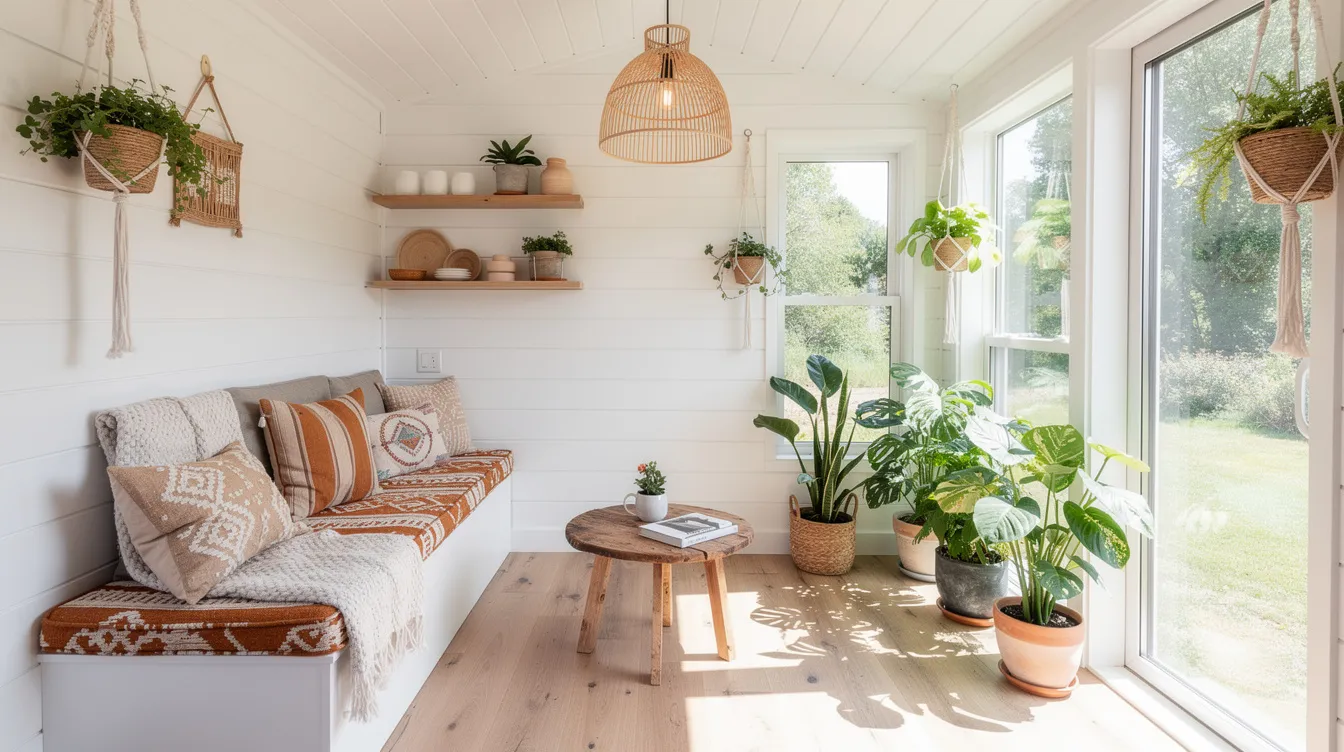
Decorating a white tiny house boho-style requires texture, not bold wall colors. In a tiny home interior, thoughtful color and texture choices can make the space feel both cozy and visually interesting, especially if you’re drawn to minimalist tiny houses for sustainable living.
Layer natural materials: jute rugs, wicker chairs, linen bedding, and wood countertops against white walls.
Add color through accessories: rust or terracotta pillows, wall art, ceramics, and a patterned runner rug.
Bring life with plants: trailing pothos, small olive trees, and succulents add contrast without visual clutter.
Choose thoughtful hardware: brushed brass, matte black, or patinated bronze fixtures elevate simple white kitchens and baths.
On Wheels vs. Foundation: How White Works in Different Tiny House Types
Tiny houses on wheels and permanent foundation builds both benefit from white, though materials differ.
THOWs (tiny houses on wheels) use lighter materials—pine plywood, drywall—that paint white easily. Models like the 28-ft Hazel by Shaye’s Tiny Homes or the Weekender by Nordic & Spruce demonstrate how white interiors maximize brightness in mobile 350-400 sq ft builds. The trade-off: road vibrations require careful construction, and resale may depreciate 10% yearly. However, local law and zoning regulations may determine whether a tiny house can be built on wheels or must be placed on a permanent foundation, so always check compliance before building.
Foundation tiny homes (700-1,000 sq ft cottages) handle heavier shiplap and better insulation while still gaining brightness from white. These builds appreciate in value like traditional real estate and can easily incorporate tiny smart home features for efficient living.
White exteriors simplify permitting approvals in many municipalities and attract wider buyer interest—Zillow data from 2025 shows 15-20% resale premiums for neutral white tiny homes.
Why White Works So Well in Tiny Homes
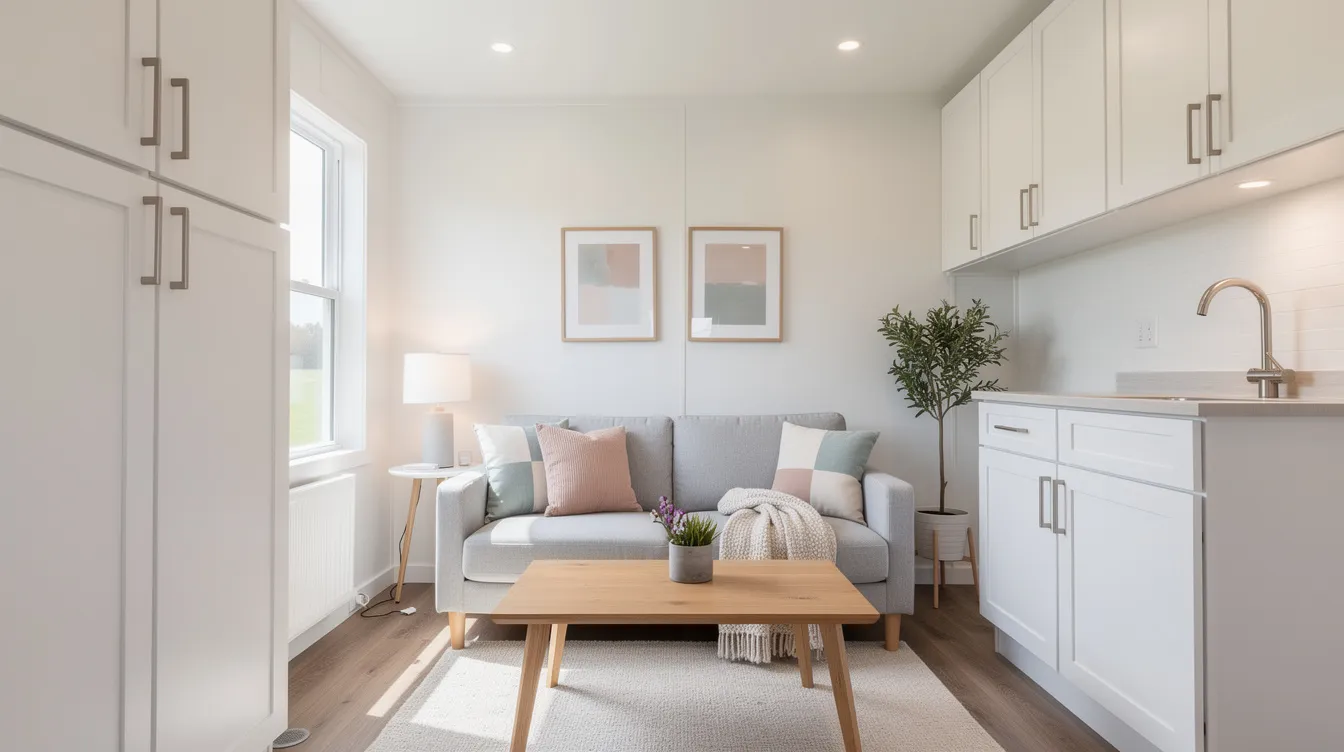
White surfaces reflect over 80% of incident light (compared to darker colors absorbing it), making 7-ft ceilings feel 1-2 feet higher and narrow rooms appear wider. This optical effect matters enormously in houses under 1,000 sq ft.
A 2024 Journal of Environmental Psychology study linked white interiors to reduced stress in spaces under 500 sq ft. People feel calmer and less claustrophobic.
White also offers flexibility: change textiles, art, and decor seasonally without repainting. Your tiny home can evolve with your life without major renovation projects. Keep in mind factors like lighting and your lifestyle when deciding if white is the best choice for your tiny house.
Choosing the Right White Paint for Your Tiny House
Not all whites behave the same. Understanding undertones helps you purchase the right option.
White Type | Undertone | Best For |
|---|---|---|
True white (LRV 90+) | Neutral/stark | South-facing, lots of sun |
Warm white (LRV 82-88) | Yellow/red | Shady sites, forest settings |
Cool white (LRV 85-89) | Blue/gray | Bright coastal locations |
Test 3-5 swatches on different walls. Check them at morning, midday, and evening—light shifts can change how a white reads by 5-10 LRV equivalents. |
Considering Light: Windows, Direction & Climate
South-facing windows bring strong sun that can make very bright whites feel stark. Consider warmer creams like Sherwin-Williams Pure White (LRV 84) to soften glare.
North-facing windows or shaded forest lots need creamier whites to avoid a gray, flat look. Layer lighting—ceiling fixtures, wall sconces, under-cabinet strips—with warm 2700K bulbs to keep white walls feeling inviting after dark.
Plan window placement early: maximize natural light in the kitchen, desk area, dining nook, and main bed.
When White Isn’t the Best Choice
Not everyone loves white, and that’s perfectly fine.
Skip white if you:
- Have very low natural light
- Want a moody, cabin-like atmosphere
- Have a family with lots of fingerprints, pets, or mess
Alternatives to explore:
- Pale sage (LRV 70) for calm warmth
- Light gray like Revere Pewter for depth
- Soft blue for coastal character
- Natural wood paneling with white trim as a hybrid
The goal is comfort and joy in your space, not following trends.
Color Palettes & Accents for White Tiny Houses
Make white interiors personal with intentional accent choices:
- Classic: white walls, oak floors, black metal hardware, navy textiles
- Boho: white base, warm wood, terracotta, mustard, trailing plants
- Minimalist: all-white with subtle gray, pale beige, one muted teal accent
Use art, cushions, rugs, and bedding to carry color. Walls stay simple and easy to maintain, letting you showcase cute tiny house designs for your dream home through decor rather than paint.
Practical Painting Tips for Tiny House Interiors
- Apply primer to block wood knots and prevent yellowing over pine
- Use eggshell finish for walls (wipeable, not shiny)
- Choose semi-gloss for trim and cabinets
- Paint in stages: ceilings first, then walls, then trim
- Select low-VOC paints (<50 g/L) to avoid lingering smell in confined volumes
Making the Most of a White Tiny House: Layout, Storage & Outdoor Space
White walls create a visual blank canvas where furniture shapes and built-ins become the design.
Paint built-in benches, wall-mounted desks, and floor-to-ceiling shelving white so they “disappear” visually. Large sliding doors or French doors (10-ft NanaWall spans work beautifully) blur boundaries between inside and outside, making small interiors feel much bigger.
Porches, decks, and patios become extensions of living space when white trim and railings tie everything together, whether you’re building from scratch or assembling Home Depot tiny house kits.
Styling a White Tiny House for Daily Life or Rental
Whether you live full-time or host guests, these strategies keep white tiny homes looking fresh:
- Choose washable textiles in high-traffic areas
- Maintain consistent color story across rooms
- Install good storage so counters stay mostly clear
- Stage rental photos with natural light, minimal decor, green plants, and warm accents
- Keep cleaning supplies accessible for quick touch-ups
If you’re interested in purchasing a white tiny house, keep an eye out for special sale events or subscribe to a Tiny Houses For Sale newsletter to receive updates and exclusive offers, and take time to research whether a tiny house for sale is right for you.
Conclusion: Is a White Tiny House Right for You?
White can transform a tiny house into a bright, open retreat whether you love coastal vibes, boho textures, rustic warmth, or modern farmhouse style. The color reflects light, enhances small spaces, and adapts to changing tastes over time.
Before committing to an all-white scheme, consider your site’s natural light, your lifestyle, and maintenance preferences. Start small—paint one room or accent wall white and live with it before converting your whole tiny home.
A white tiny house isn’t a rule to follow but a tool to use thoughtfully, creating a space that feels like a true retreat tailored to your life.