
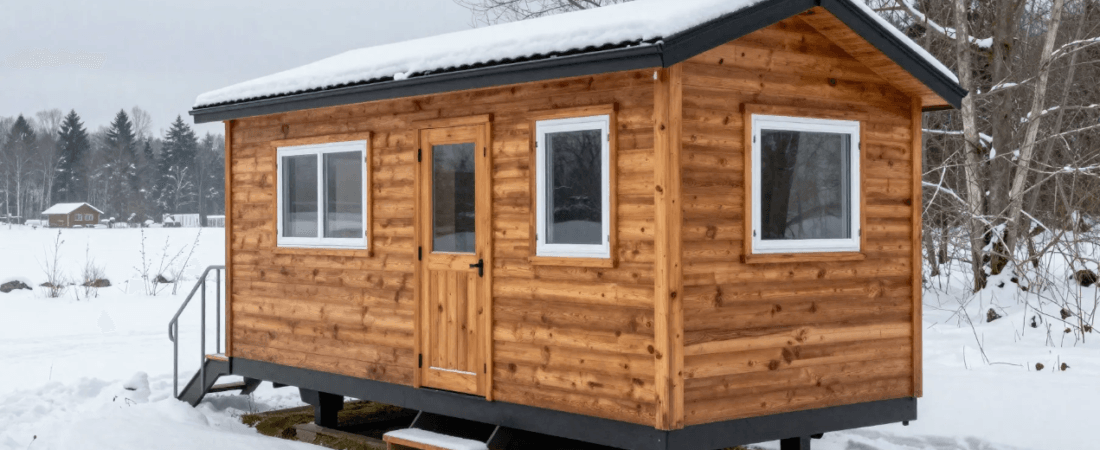
Living in a winter tiny home designed for colder climates offers a unique blend of coziness, efficiency, and adventure. This guide is for anyone considering building, buying, or upgrading a tiny home for winter living in cold climates. Whether you’re dreaming of full-time living in a snow-covered cabin or a seasonal retreat, understanding the essentials of building and maintaining a tiny home that withstands freezing temperatures is key to your success. Proper design and preparation are essential to ensure comfort, safety, and efficiency in a winter tiny home. This article will guide you through the core principles, practical strategies, and lifestyle tips to create a warm and comfortable winter tiny home.
- Why Build A Tiny Home For Cold Climates
- Core Construction Principles For Cold-Climate Tiny Houses
- Energy Efficiency Strategies For Tiny Homes
- Heating And Plumbing Systems For A Winter Tiny Home
- Water, Waste, And RV Considerations For Tiny Houses
- Site Selection And Parking For Winter Tiny Homes
- Surviving Two Winters: Durability, Maintenance, And Upgrades
- Practical Upgrades To Keep Your Tiny House Warm This Winter
- Storage, Layout, And Lifestyle Tweaks For Cozy Tiny Homes
- Choosing A Builder Or DIY Path For Colder Climates Tiny Home
- Checklist Before Your First Winter In A Tiny Home
- Conclusion on Tiny Home Design
Why Build A Tiny Home For Cold Climates
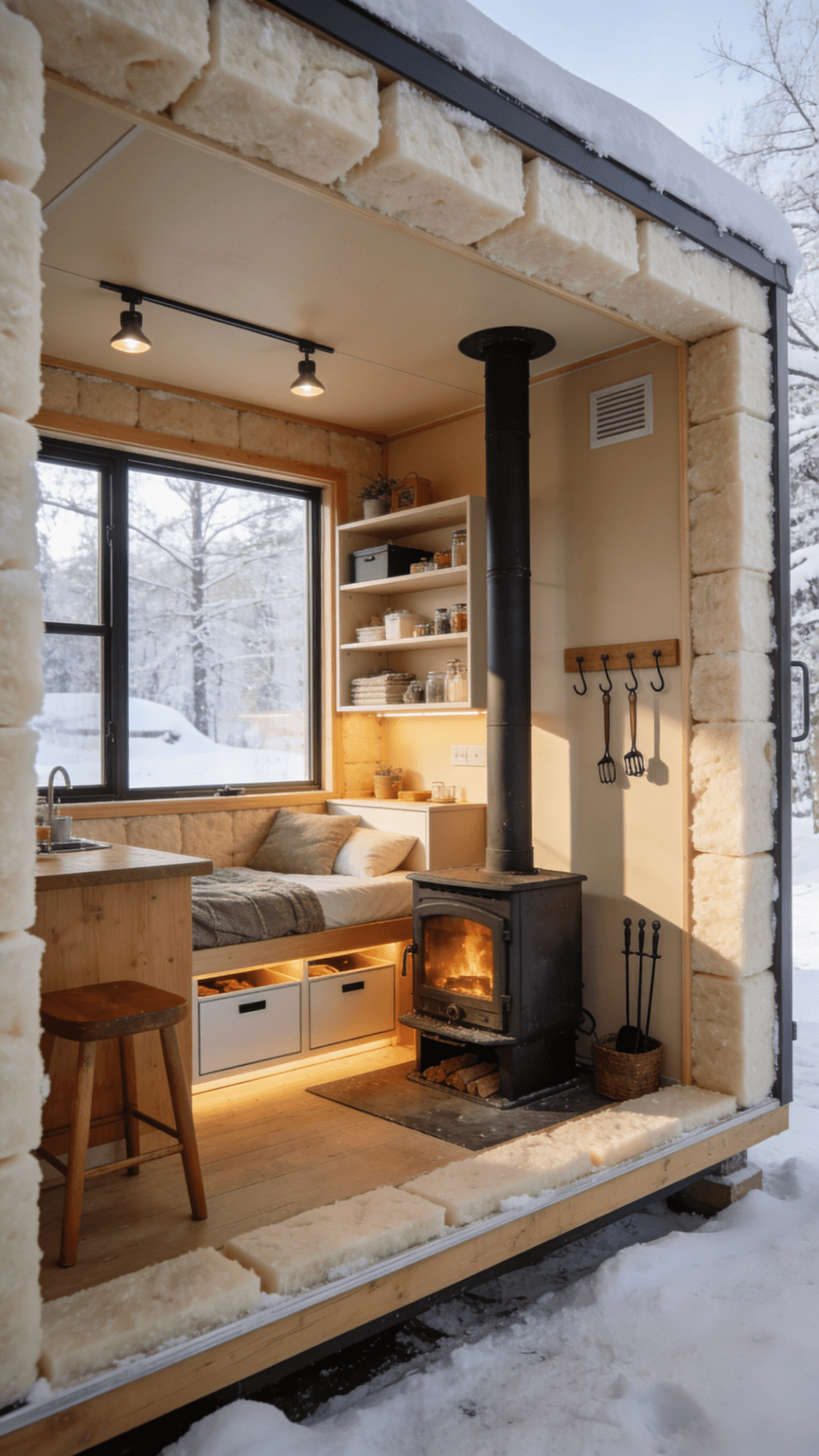
Choosing to build a tiny home in cold climates comes with many benefits. A well-designed winter-ready tiny home supports an enjoyable, active life in remote, cold climates, enabling comfortable four-season living. A winter-ready tiny home is designed with superior insulation, high-efficiency heating, and moisture control to handle cold climates. Essential features include triple-pane windows, robust weather sealing, heated plumbing lines, and a steeply pitched roof. Tiny homes require less energy to heat due to their compact size, making them naturally energy efficient and cost-effective. They provide a cozy space that can serve as a permanent foundation for your lifestyle or a charming cabin for seasonal escapes. However, cold climates present unique challenges such as moisture buildup, snow loads, and freezing pipes that must be thoughtfully addressed to ensure comfort and durability. Insulated tiny houses are not a luxury; they are a necessity for year-round living in cold climates. Many prefab tiny homes fail in cold climates due to insufficient insulation or improperly sized heating units.
Core Construction Principles For Cold-Climate Tiny Houses
High-Quality Insulation and R-Value
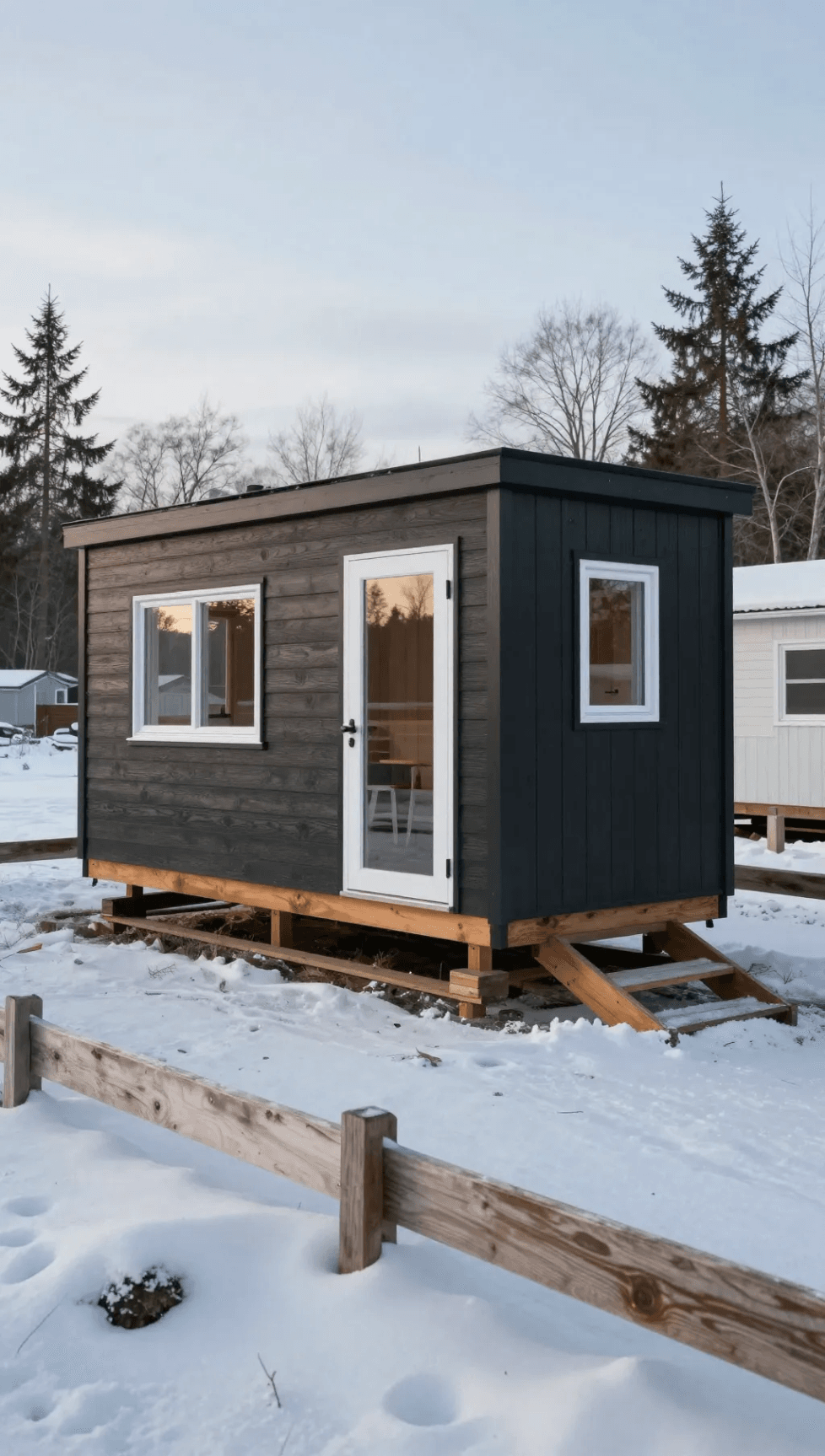
Building a winter tiny home starts with robust construction techniques. High-quality insulation is the most critical factor in making a tiny home livable during winter. Walls, floors, and roofs must meet high R-value standards to prevent heat loss. “High R-value” refers to the insulation’s ability to resist heat flow; the higher the R-value, the better the insulation performs in keeping warmth inside. For example, using foam insulation with R-values tailored to your region’s temperature drops is essential.
Airtight Construction and Moisture Control
Airtight construction is essential to avoid drafts and moisture intrusion, which can cause damage over time. Sheathing combined with vapor-control barriers helps regulate humidity and prevents condensation inside walls.
Roof and Ceiling Design
Roofs should be pitched steeply and structurally reinforced to handle heavy snow loads, especially on the south side where sunlight and snow accumulation interact. Ceiling insulation is equally important, and maximizing ceiling height can create additional storage options or statement design features.
Windows and Space Efficiency
When it comes to windows, they are primary sites for heat loss in tiny homes, making high-quality glass essential. If you are looking for experienced tiny house builders in NY, Tru Form Tiny incorporates multiple layers of insulation, including closed-cell spray foam, reflective barriers, and thermally broken windows, to reduce heat loss and prevent drafts. Walls can also be used for built-in storage or as structural support, maximizing space efficiency in small living environments.
Energy Efficiency Strategies For Tiny Homes
Passive Solar and Window Choices
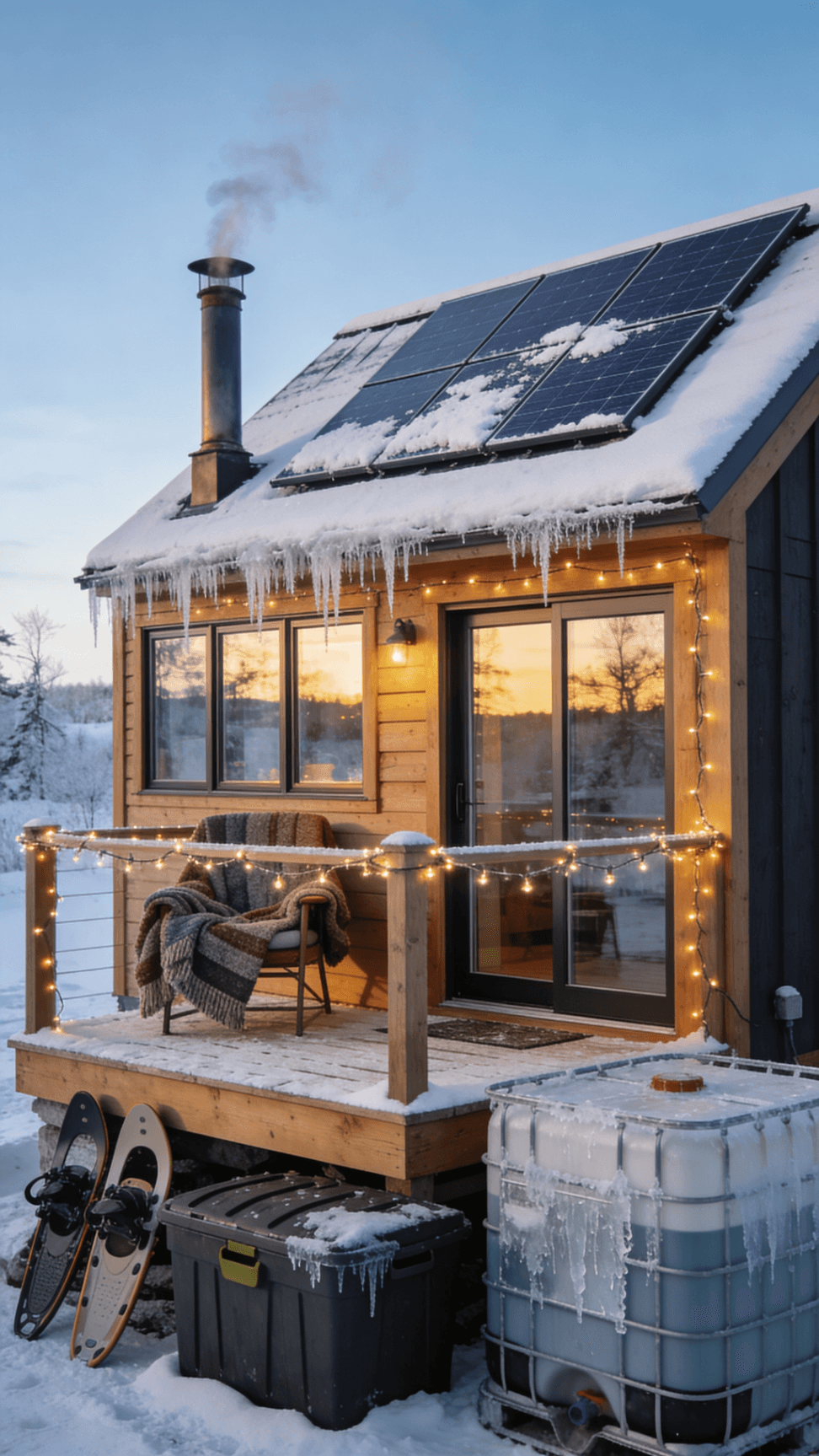
Maximizing energy efficiency is crucial in cold climates. Passive solar orientation—positioning windows and living spaces to capture sunlight during the day—can significantly reduce heating needs. Using triple-pane, low-E windows further reduces heat loss and blocks cold drafts.
Ventilation and Thermal Mass
Employing heat-recovery ventilation systems ensures fresh air without losing warmth. Incorporating thermal mass materials inside your tiny home helps stabilize interior temperatures by absorbing and slowly releasing heat. High-performing low-E windows, airtight construction, and weather-resistant siding work together to maintain a stable interior temperature and reduce noise from outside.
Air Sealing and Window Treatments
To further improve energy efficiency, make sure to seal air leaks in your tiny home using caulk and weatherstripping. When choosing window treatments, avoid thick curtains that can block sunlight and make the space feel heavy; instead, opt for sleek, functional options that maintain brightness and energy efficiency.
Heating And Plumbing Systems For A Winter Tiny Home
Heating Options
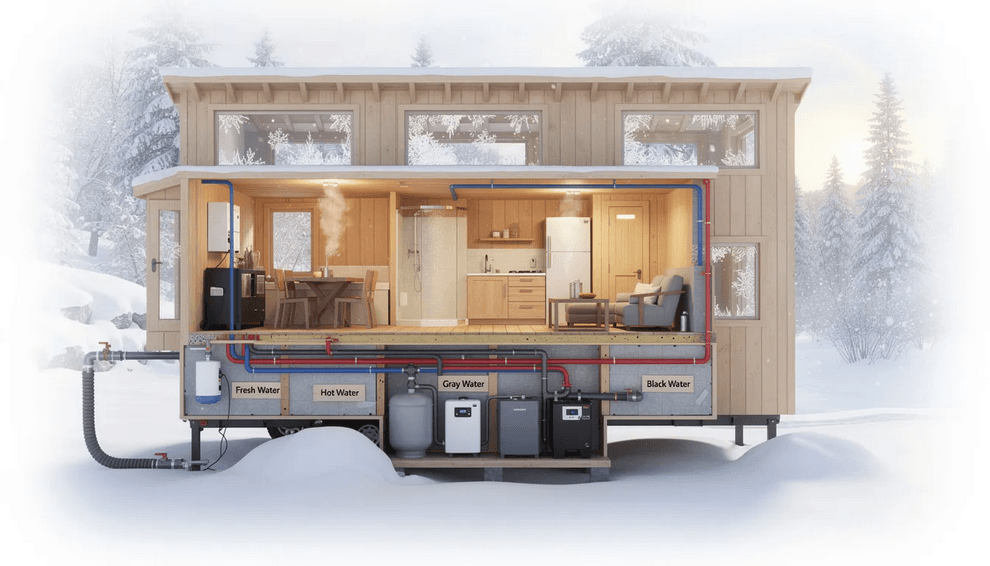
Heating systems must be designed specifically for compact, well-insulated spaces. We decided to use a mini-split heat pump, as it provides effective heating in cold climates and offers efficient, adjustable warmth even when temperatures drop below freezing. Radiant-floor heating adds comfortable, even heat that rises naturally. Many winter tiny home owners also use wood stoves as a flexible supplemental heating solution, improving energy efficiency and comfort. A layered approach to heating, rather than relying on a single heat source, is often safer in winter. Portable propane heaters can serve as reliable backup heat sources in case of emergencies.
Plumbing Protection
Plumbing requires careful planning to prevent freezing: water lines should be insulated and placed in accessible areas. We decided to route interior plumbing through walls rather than under the floor to better protect pipes from the cold. Skirting refers to installing insulated panels around the base of the trailer to protect plumbing and reduce heat loss. Heat tape and protected water heaters help maintain water flow during cold snaps.
Ventilation Strategies
Installing a Heat Recovery Ventilator (HRV) provides fresh air circulation while conserving indoor heat, which is especially important in tightly sealed tiny homes.
Water, Waste, And RV Considerations For Tiny Houses
Skirting and Plumbing Insulation
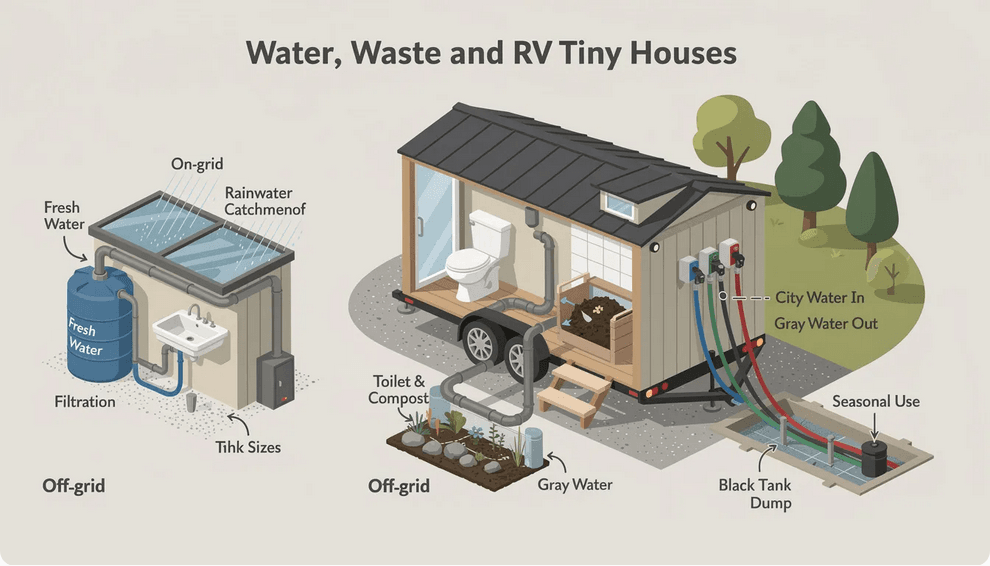
Skirting your tiny home’s trailer is vital to insulate the floor and protect plumbing from cold air. Skirting refers to installing insulated panels around the base of the trailer to protect plumbing and reduce heat loss. Using insulated and heated hoses for fresh water supply can prevent freezing.
Bathroom and Shower Design
When planning your bathroom, focus on insulation and durability to ensure all fixtures, including plumbing, remain functional in winter conditions. Installing and using a shower in a tiny home during cold climates presents unique challenges, such as preventing pipes from freezing and managing water quality.
Waste Management
For waste management, cold-climate septic systems or greywater solutions should be designed with freeze protection in mind. If your parking spot is not already set up for cold climates, consider your water source and develop an insulated fresh, grey, and black water system to maintain reliable access and waste disposal year-round.
Site Selection And Parking For Winter Tiny Homes
Assessing Site Suitability
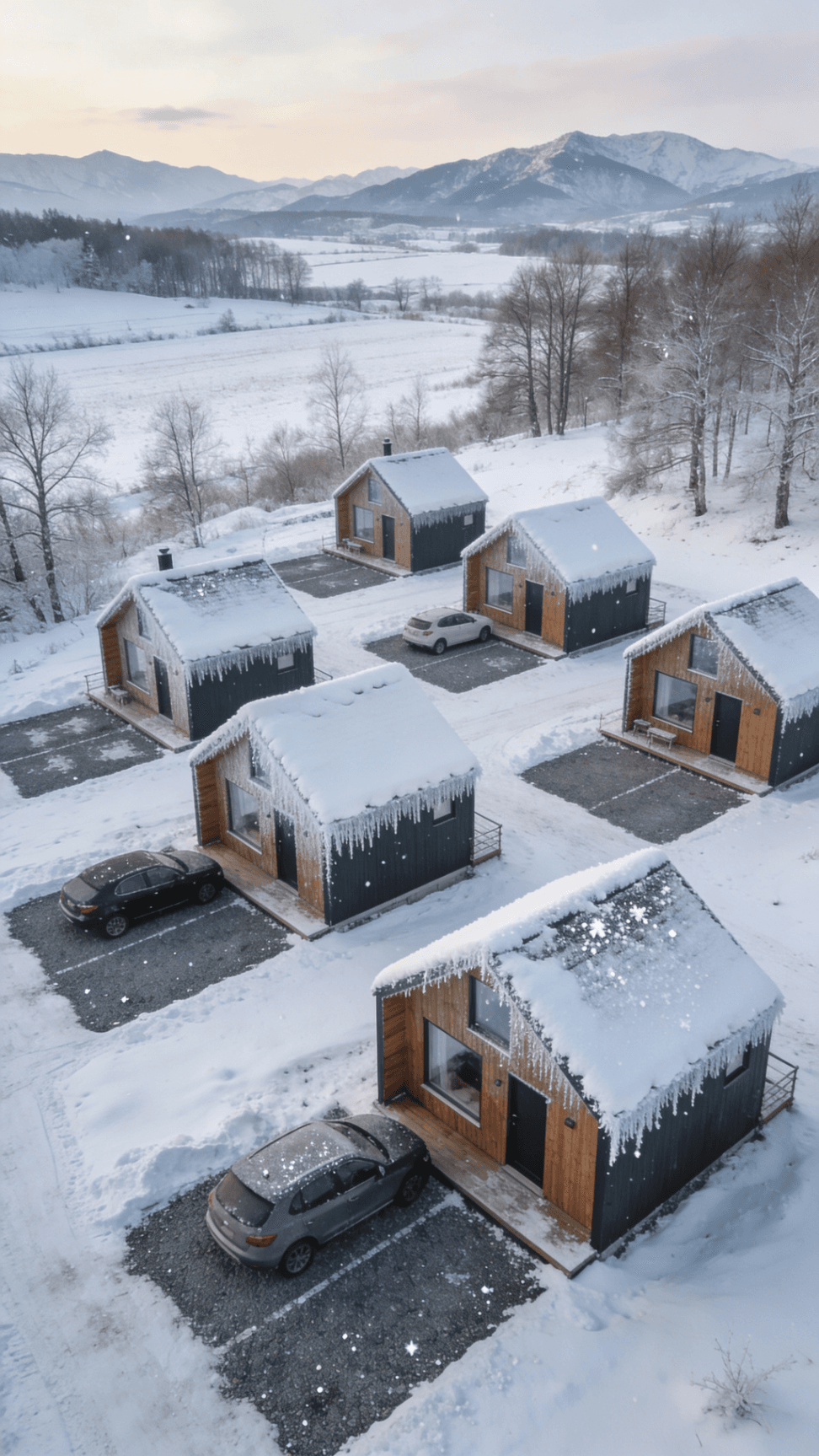
Selecting the right site greatly impacts your tiny home’s warmth and durability. Walking around your property or neighborhood can help you assess site suitability and enjoy the local environment.
Maximizing Sunlight and Wind Protection
Parking your home with southern exposure maximizes sunlight for passive solar gain, while positioning it in a wind-sheltered area reduces heat loss from cold winds. If your future location receives a lot of snowfall, it’s important to design your roof for snow and ice to prevent structural issues.
Legal Considerations
Additionally, ensure your parking location complies with local RV or park-model regulations for legal and hassle-free living.
Surviving Two Winters: Durability, Maintenance, And Upgrades
Annual Maintenance Tasks
Experience shows that living through two winters in a tiny home reveals important maintenance needs. Annual tasks include:
- Inspecting seals around windows and doors
- Checking roof integrity
- Ensuring skirting remains intact
The coldest part of your Tiny House RV is always going to be the floor, so pay special attention to insulation and sealing in this area.
Skirting and Insulation Upgrades
Skirting your trailer is a requirement for extreme cold climates to help protect plumbing and reduce heat loss. After your first winter, consider upgrades such as adding extra foam insulation or improving air sealing around penetrations.
Long-Term Resilience
Remember, even small bits or components—like fasteners, vents, or trim—can add complexity to winter maintenance if not properly maintained. With proper planning and upgrades, there’s no need to worry about winter challenges; your tiny home can stay comfortable and resilient all season long. These incremental improvements prepare your home for long-term winter resilience.
Practical Upgrades To Keep Your Tiny House Warm This Winter
To enhance comfort and efficiency, consider the following upgrades:
- Upgrade to double- or triple-pane energy-efficient windows to minimize heat loss
- Install insulated curtains and thermal rugs to retain heat
- Add ductless mini-split systems or a wood stove for efficient heating (ensure proper venting and maintenance)
- Use a programmable thermostat or smart control system to maintain consistent temperatures efficiently
- Seal air leaks around joints and penetrations to minimize drafts
With these upgrades, you can comfortably watch the winter scenery from inside your warm tiny home.
Storage, Layout, And Lifestyle Tweaks For Cozy Tiny Homes
Clever Storage Hacks
Clever storage hacks are essential in tiny home living, especially in winter, where preserving heat pockets matters. Optimizing bedroom space for comfort and privacy is key—consider using pocket doors to save space and create a cozy retreat.
Multi-Functional Spaces
Converting a closet into a functional area, such as a desk or hidden storage, or maximizing closet storage with built-in cabinetry, helps keep stuff organized and accessible. Rethinking each room to serve multiple purposes, like a guest room that doubles as an office, maximizes utility in limited square footage.
Built-In Solutions and Textiles
Built-in cabinetry and banquette seating with concealed storage optimize space without sacrificing warmth, unlike freestanding furniture which takes up more room and offers less efficiency. Using kitchen cabinets and built-in storage to conceal stuff keeps the space tidy, and designing kitchens with drawers instead of cabinets can improve organization and access.
Evolving Layouts and Comfort
Remember, your initial storage or layout idea may evolve as you live in your winter tiny home and discover what works best. Positioning loft bedrooms to retain heat and using layered textiles like rugs and blankets create inviting, comfortable spaces. Avoid heavy drapery that blocks sunlight; instead, opt for sleek woven shades that allow light while insulating.
Choosing A Builder Or DIY Path For Colder Climates Tiny Home
Selecting a Builder
When selecting a builder, prioritize those with cold-climate tiny home experience and a strong focus on energy efficiency. Choosing a reputable builder or package is a sign that you’re ready to start your winter tiny home journey. Designing a tiny home can be complicated if you’re not sure what you’re doing, so expert guidance is invaluable.
Performance and Flexibility
Request performance modeling and references from clients who have lived in similar winter conditions. Properly designed cold-weather tiny homes provide flexibility, allowing you to use them as full-time residences, seasonal cabins, or remote workspaces.
Prefab vs. Custom Builds
Compare prefab cold-climate packages with custom builds to find the best fit for your needs and budget. If taking the DIY path, plan meticulously and consider consulting experts for critical systems.
Checklist Before Your First Winter In A Tiny Home
Before winter arrives, follow these steps to ensure your tiny home is ready:
- Test your heating system under extreme cold conditions to ensure reliability.
- Insulate exterior hoses and service points to prevent freezing.
- Stock emergency heating options and snow-removal supplies to handle unexpected weather.
Planning ahead transforms your winter tiny home from a challenge into a cozy dream come true.
Designing and living in a winter tiny home for colder climates is an achievable dream with the right knowledge and preparation. By focusing on insulation, energy efficiency, smart heating, and thoughtful site selection, you can create a warm, inviting space that embraces the beauty of winter without sacrificing comfort or function.
Conclusion on Tiny Home Design
Designing a tiny home for cold climates is all about making smart choices that maximize comfort and functionality in a small space. Not all tiny homes are equipped to handle freezing temperatures, so it’s crucial to focus on features that boost energy efficiency and keep your living area warm and cozy. High-quality insulation in the walls, roof, and floor is a must to prevent heat loss and maintain a comfortable interior, no matter how cold it gets outside.
Clever storage hacks are another key to successful tiny home living. Built-in cabinets, under-bed drawers, and multi-purpose furniture help you make the most of every inch, keeping your space organized and clutter-free. By prioritizing storage and insulation, you create a tiny home that feels spacious, efficient, and inviting—even in the depths of winter.
Remember, the right design choices can transform a tiny house into a true haven during the coldest months. With careful planning and attention to detail, your tiny home can offer warmth, energy efficiency, and a cozy retreat from the chill, proving that even the smallest spaces can deliver big comfort in cold climates.