

There is something special about the solid, timeless feel of a small stone house. These structures prove that you do not need a massive footprint to have a beautiful home. In this article, I have gathered 20 stunning small stone homes to explore for your next design inspiration. You will see how these charming properties mix history with clever modern updates to make the most of every square foot.
- 1. Traditional Irish Dry Stone Cottage
- 2. Cozy French Countryside Farmhouse
- 3. Modern Minimalist Granite Retreat
- 4. Classic English Cotswold Stone Cabin
- 5. Rugged Mountain Slate Escape
- 6. Rustic Italian Limestone Villa
- 7. Tiny River Rock Garden House
- 8. Weathered Sandstone Desert Dwelling
- 9. Charming Coastal Pebble Cottage
- 10. Nordic Style Basalt Shelter
- 11. Historic Mediterranean Fieldstone Hut
- 12. Contemporary Glass and Quartz Studio
- 13. Reclaimed Barn Stone Tiny Home
- 14. Spanish Style Adobe and Stone Mix
- 15. Wildflower Covered Turf Stone Cabin
- 16. Polished Marble Accented Micro Home
- 17. Traditional Greek Island Whitewashed Stone
- 18. American Colonial Bluestone Guest House
- 19. Fairytale Style Cobblestone Workshop
- 20. Sustainable Volcanic Rock Eco Pod
- Wrapping Up
1. Traditional Irish Dry Stone Cottage
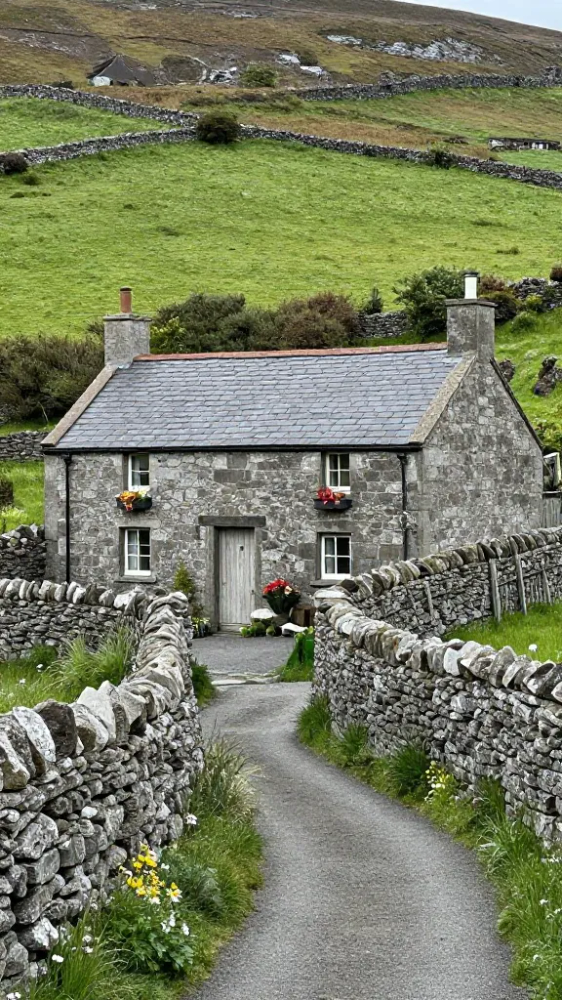
There is something incredibly grounding about a traditional Irish dry stone cottage. These structures rely entirely on gravity and careful placement rather than mortar, which makes them feel like they grew right out of the landscape.
You’ll notice these homes typically feature thick, weathered walls that provide natural insulation against damp Atlantic winds. The lack of mortar means the walls can actually breathe, which prevents moisture buildup inside the living space.
If you’re thinking about building or restoring one, focus on sourcing local fieldstone to match the surrounding terrain. It’s a labor-intensive process that requires patience, but the result is a beautiful, durable home that feels completely at peace with its surroundings.
Keep the footprint small and the windows deep-set to honor the original design principles. These cottages prove that simplicity is often the most effective way to live comfortably in a rugged environment.
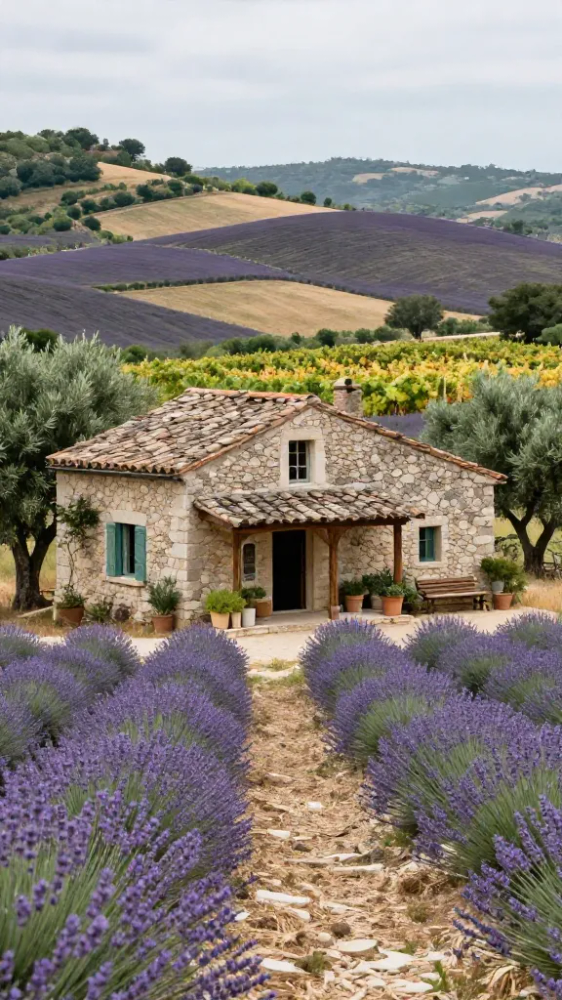
2. Cozy French Countryside Farmhouse
| Feature | Traditional Farmhouse | Modern Adaptation |
|---|---|---|
| Exterior | Rough Fieldstone | Smooth Cut Limestone |
| Roofing | Weathered Terracotta | Refurbished Slate |
| Interior | Exposed Oak Beams | Painted Timber |
Imagine waking up in a small stone cottage tucked away in the rolling hills of Provence. You can practically smell the lavender fields and fresh bread cooling on the windowsill.
These homes rely on thick masonry walls to stay cool during the hot summer months. It is a practical design choice that has kept families comfortable for hundreds of years.
You will often find a central hearth made of local rock that serves as the heart of the living space. It is not just for decoration, because these fireplaces are usually the primary heat source during damp winter evenings.
Many owners choose to keep the original stone floors, even if they show a bit of wear. These imperfections tell the history of the house, which is why they look so much better than modern, polished materials.
3. Modern Minimalist Granite Retreat
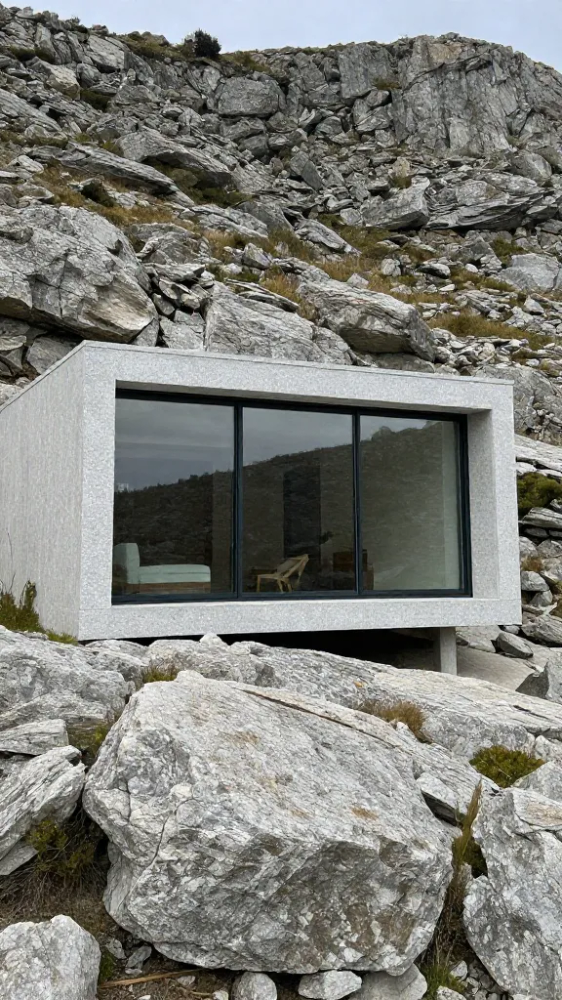
This granite cabin proves that you don’t need a massive footprint to make a bold architectural statement. The designers used locally sourced stone to create clean lines that blend right into the rugged hillside behind it.
You’ll notice the interior feels surprisingly airy thanks to the floor-to-ceiling glass panels that contrast with the heavy exterior stone. It’s a perfect example of using raw materials to keep a small space feeling grounded rather than cramped.
The interior layout focuses entirely on a central fireplace made of the same dark granite as the outer walls. This creates a cohesive look that draws your eye straight to the hearth when you walk through the door.
I really love how they kept the decor minimal, letting the texture of the stone walls take center stage throughout the living area. It makes the whole house feel like a quiet, protected sanctuary away from the noise of the city.
4. Classic English Cotswold Stone Cabin
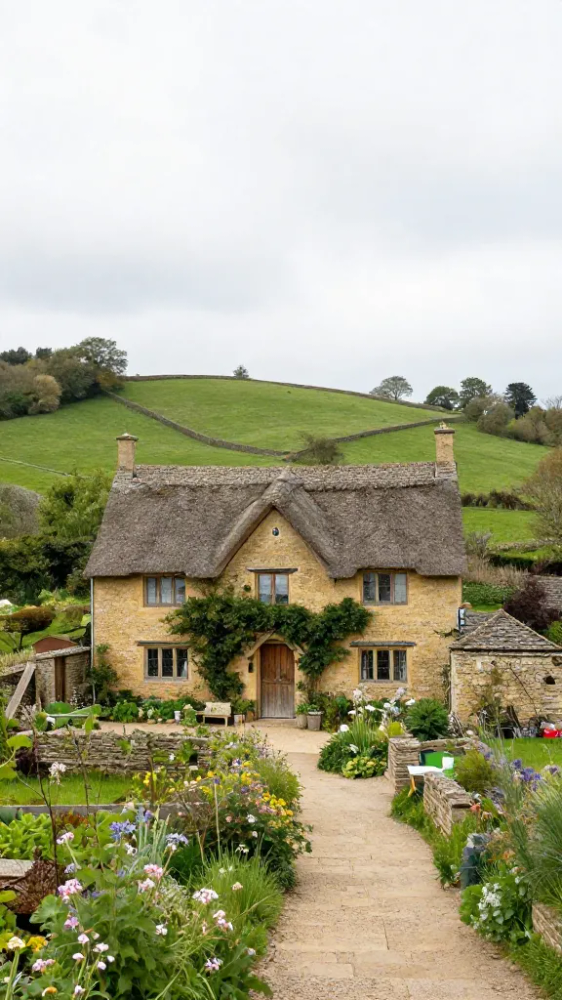
If you want a home that feels like it has been tucked into the landscape for centuries, the Cotswold stone cabin is your best bet. These structures rely on warm, honey-colored limestone that naturally weathers over time to blend into the rolling English hills.
You should prioritize local sourcing if you plan to build one yourself. Using reclaimed stone keeps the project authentic and significantly lowers your carbon footprint compared to modern manufactured materials.
- Use traditional lime mortar instead of cement to allow the stone walls to breathe properly.
- Install deep-set casement windows to maintain the classic aesthetic while improving insulation.
- Add a steeply pitched roof with heavy slate or stone tiles to handle frequent rain.
- Choose a simple, rectangular footprint to mimic the historic architecture of the region.
Focusing on these heritage details ensures your cabin stays cozy during the damp winter months while looking timeless in the summer sun.
5. Rugged Mountain Slate Escape
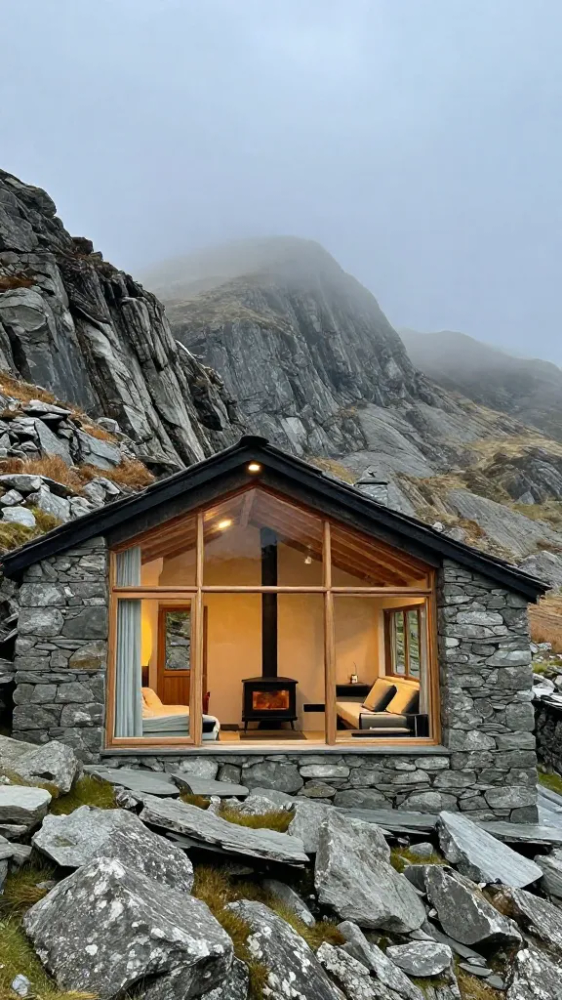
If you head deep into the Welsh mountains, you will find this incredible slate cottage perched right on a jagged cliffside. It looks like it grew straight out of the rock itself since it uses local gray stone for every single wall.
The owner kept the original footprint tiny, but the massive floor to ceiling windows make the space feel surprisingly airy. You can sit by the wood burning stove and watch the mist roll over the peaks while staying perfectly warm inside.
Everything inside uses salvaged materials like reclaimed oak beams and hand-carved stone sinks. It feels less like a hotel and more like a secret hideout tucked away from the rest of the world.
You definitely need a sturdy pair of boots to reach the front door because the path is quite steep. Pack light too, as there is barely enough room for a suitcase once you get settled in.
6. Rustic Italian Limestone Villa
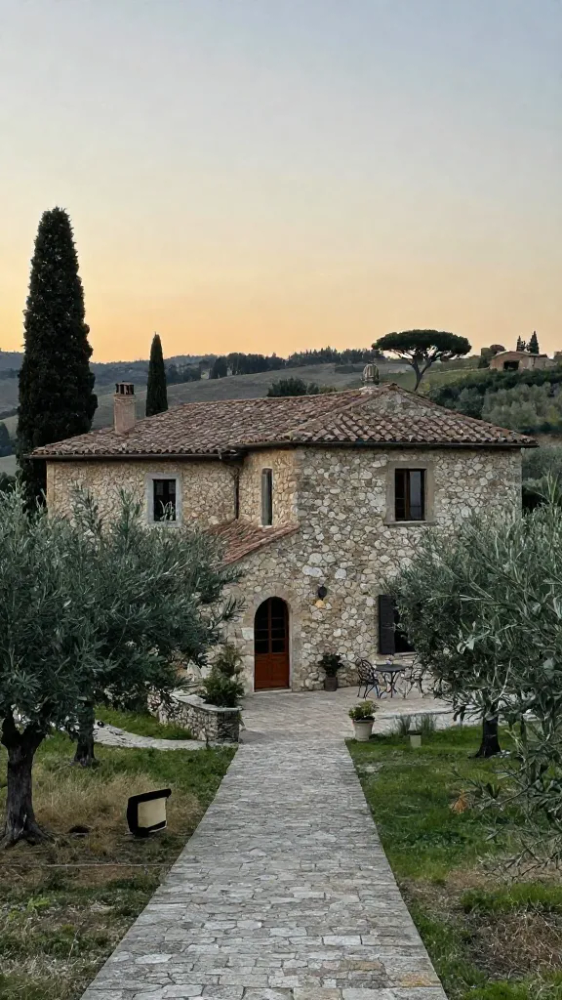
This limestone villa tucked into the Umbrian hills looks like it fell straight out of a storybook. It uses thick, hand-cut stone walls that keep the interior naturally cool even when the Italian sun is beating down outside.
You will notice the focus here is on passive cooling through architectural design. The heavy stone masonry absorbs heat during the day and releases it slowly once the evening air settles in.
- Thermal mass construction helps maintain a steady indoor temperature without needing modern air conditioning units.
- Deep window reveals protect the interior from harsh glare while framing perfect views of the surrounding olive groves.
- Local raw limestone connects the structure to the landscape by mimicking the color and texture of the nearby cliffs.
- Terracotta roof tiles provide a traditional finish that helps shed heavy rain while insulating the upper living spaces.
Living in a home built this way feels incredibly grounded and quiet. It is a masterclass in using simple materials to create a comfortable space that lasts for centuries.
7. Tiny River Rock Garden House
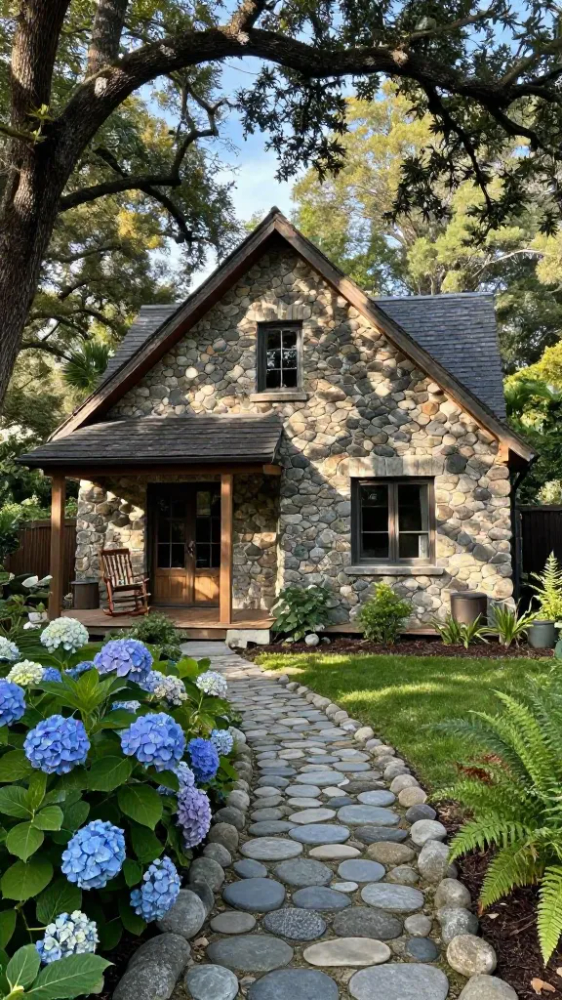
You might think building a home out of river rock requires a massive foundation, but a tiny garden house proves otherwise. Some builders choose to coat a standard wooden frame in thin stone veneer for speed, while others opt for the labor intensive method of stacking actual heavy river stones by hand.
The veneer approach is definitely easier on your back and your budget, but it often lacks that authentic, solid character you get from true masonry. Real stone walls provide incredible thermal mass, which keeps the interior cool during the hot summer months.
I honestly recommend going with the traditional hand-stacked method if you have the patience for it. It creates a much more durable, charming structure that feels like it grew right out of the garden soil over time.
8. Weathered Sandstone Desert Dwelling
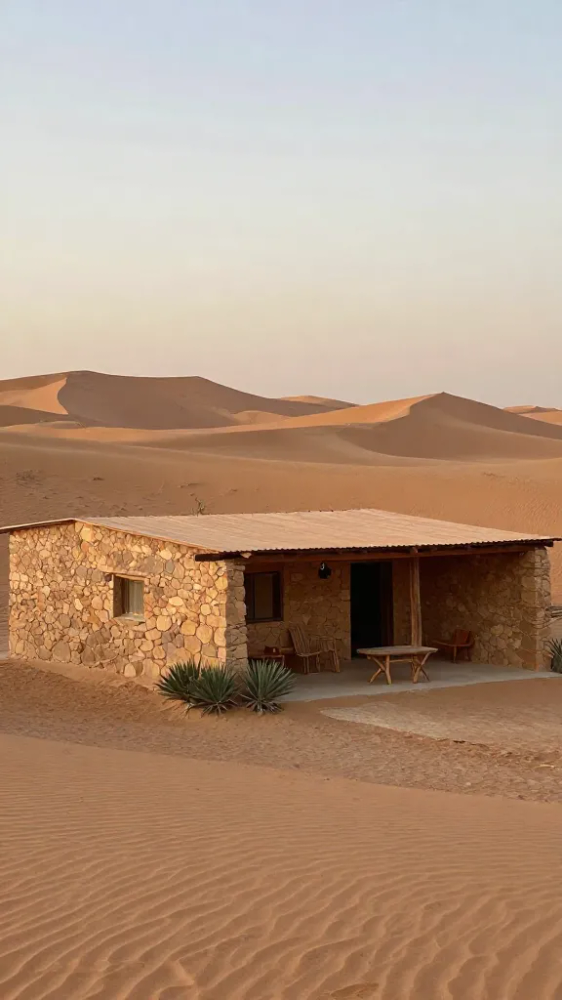
Living in a weathered sandstone dwelling makes sense because the natural thermal mass keeps the interior cool during the heat of the day. You don’t need expensive air conditioning when your own walls act as a massive heat sink against the desert sun.
These homes often feature raw, exposed stone textures that blend perfectly into the arid landscape. They rely on thick masonry to regulate temperature, which keeps you cozy once the desert night temperatures start to drop.
If you build one, try to position windows away from the harsh afternoon sun to keep the rooms comfortable. Using local sandstone helps the structure feel like a natural extension of the canyon, rather than something out of place.
9. Charming Coastal Pebble Cottage
| Feature | Traditional Brick | Coastal Pebble |
|---|---|---|
| Texture | Smooth and uniform | Rough and organic |
| Maintenance | High pressure wash | Gentle hose rinse |
| Vibe | Suburban classic | Rustic seaside |
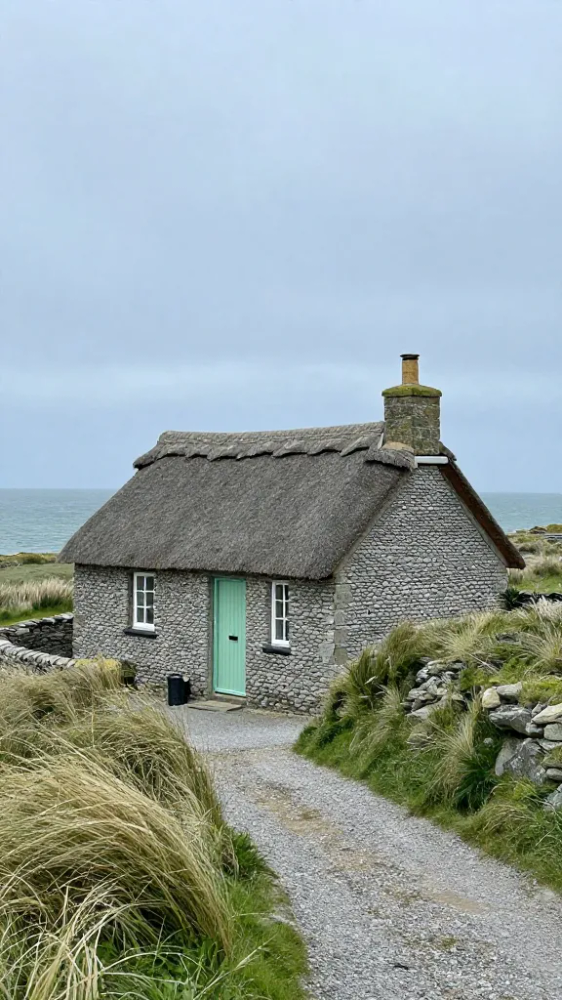
You can picture this tiny house tucked away right where the beach meets the grass on the Cornish coast. It uses rounded gray pebbles held together by thick white mortar, which makes the whole structure look like it grew straight out of the dunes.
The exterior feels incredibly sturdy against the salty winds coming off the Atlantic. Inside, the walls are whitewashed to make the small space feel much bigger than it actually is. It really captures that cozy, tucked-away feeling you want when the weather turns rainy.
Using local stone prevents the home from looking out of place in such a wild, natural setting. You’ll find that the texture changes beautifully as the sun moves across the sky during the day. It is the perfect example of how building materials can blend right into the landscape.
10. Nordic Style Basalt Shelter
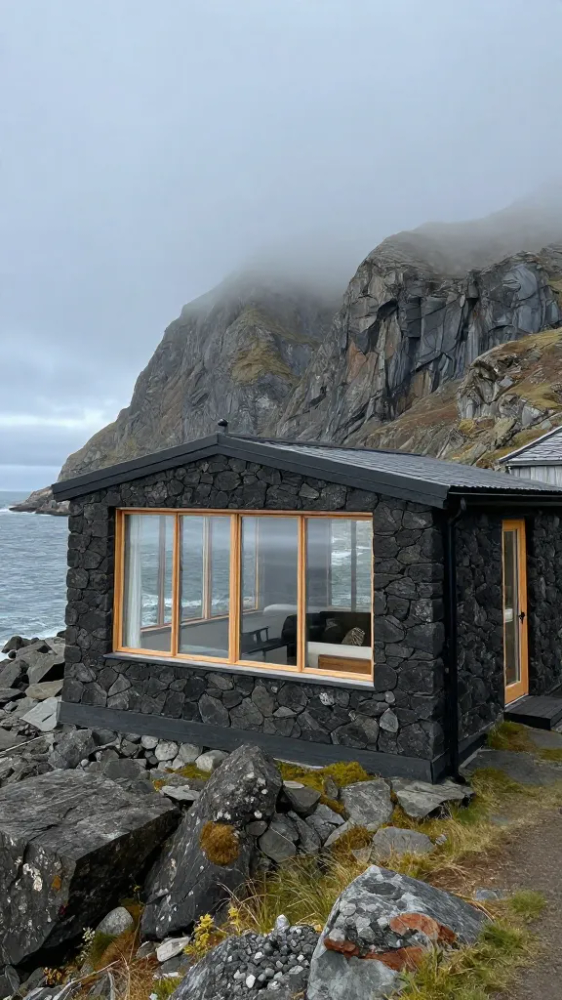
This basalt cabin proves that you don’t need a massive footprint to command the rugged landscape of the north. The walls are constructed from locally sourced volcanic rock, which anchors the structure firmly against the biting coastal winds.
The interior relies on a minimalist aesthetic to contrast with the heavy, dark exterior stonework. You will find that large, floor-to-ceiling windows provide a warm view of the ocean while keeping the harsh weather outside where it belongs. It is a masterclass in using raw materials to create a cozy, inviting sanctuary in one of the world’s most unforgiving climates.
11. Historic Mediterranean Fieldstone Hut
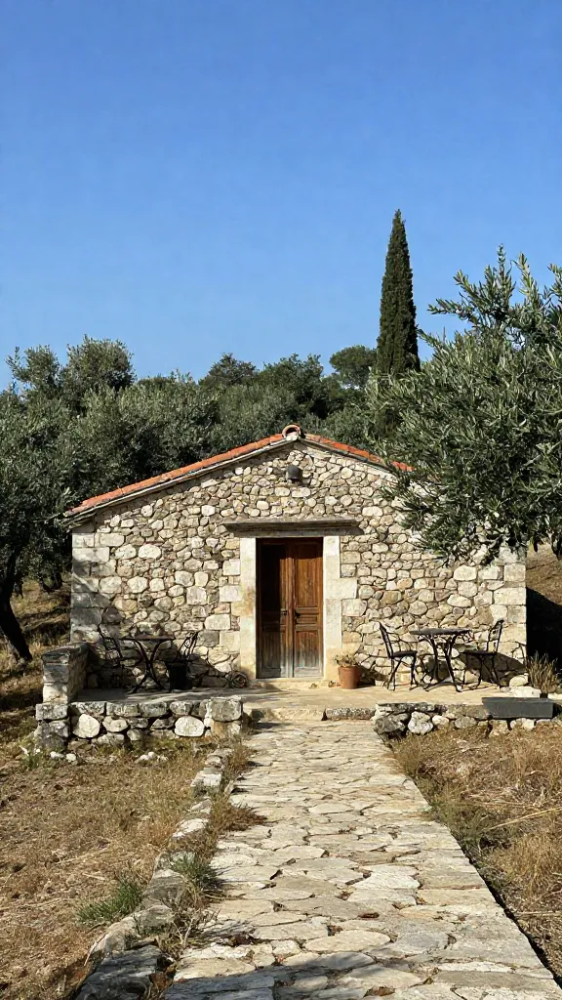
These rustic fieldstone huts, often found tucked into the hillsides of Puglia or Sicily, offer a masterclass in passive climate control. The thick, dry-stacked walls absorb the intense daytime heat and release it slowly throughout the cooler Mediterranean nights.
You can replicate this natural cooling effect by focusing on high thermal mass materials for your own small home projects. It keeps the indoor temperature steady without needing a noisy air conditioner.
- Use locally sourced limestone to match the natural landscape.
- Ensure your windows are small to minimize direct sun exposure.
- Look for lime-based mortars if you need to stabilize the structure.
- Orient the main entrance away from prevailing hot winds.
Building with this traditional method isn’t just about history, it’s about making a structure that works with nature instead of fighting it.
12. Contemporary Glass and Quartz Studio
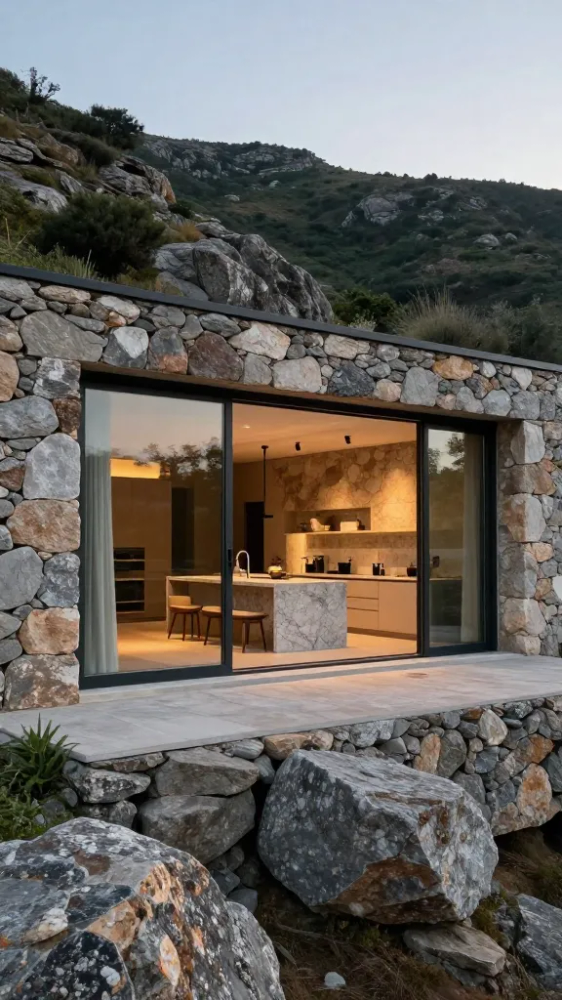
If you want to see how stone works with modern design, you have to look at this particular studio. It uses a base of local quartzite that feels like it grew right out of the hillside.
The architects paired that rugged stone with massive floor to ceiling glass panels. This choice keeps the interior feeling airy rather than like a damp cellar.
You’ll notice that the natural light bounces off the rough stone surfaces during the day. It creates a warm glow that makes the small footprint feel much larger than it actually is.
The roof uses a flat, minimalist profile to let the stone walls take center stage. It is a smart way to blend traditional masonry with a clean, contemporary aesthetic.
I think the best part is how quiet it is inside. The thick stone walls act as a natural sound barrier, so you get total peace while looking out at the woods.
13. Reclaimed Barn Stone Tiny Home
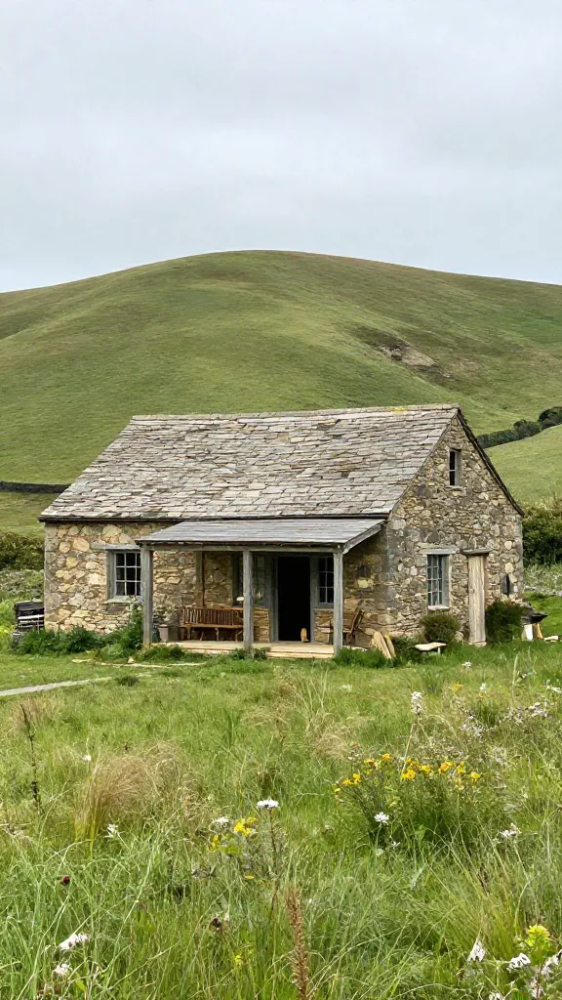
There is something special about taking old, weathered materials and turning them into a cozy living space. Using reclaimed barn stone gives a tiny home an instant sense of history that you just can’t buy at a modern hardware store.
The textures are uneven and full of character. It makes the exterior look like it has been sitting in the countryside for a hundred years.
- Structural Integrity: These heavy stones are incredibly durable and provide excellent natural insulation for a small footprint.
- Eco-Friendly Sourcing: Reusing materials prevents waste and keeps perfectly good rock out of local landfills.
- Aesthetic Depth: The natural variation in color and shape creates a visual richness that manufactured siding simply cannot replicate.
You should consider that working with real stone is much heavier than wood or vinyl siding. Make sure your foundation is properly engineered to handle the extra weight of these thick, antique walls.
14. Spanish Style Adobe and Stone Mix
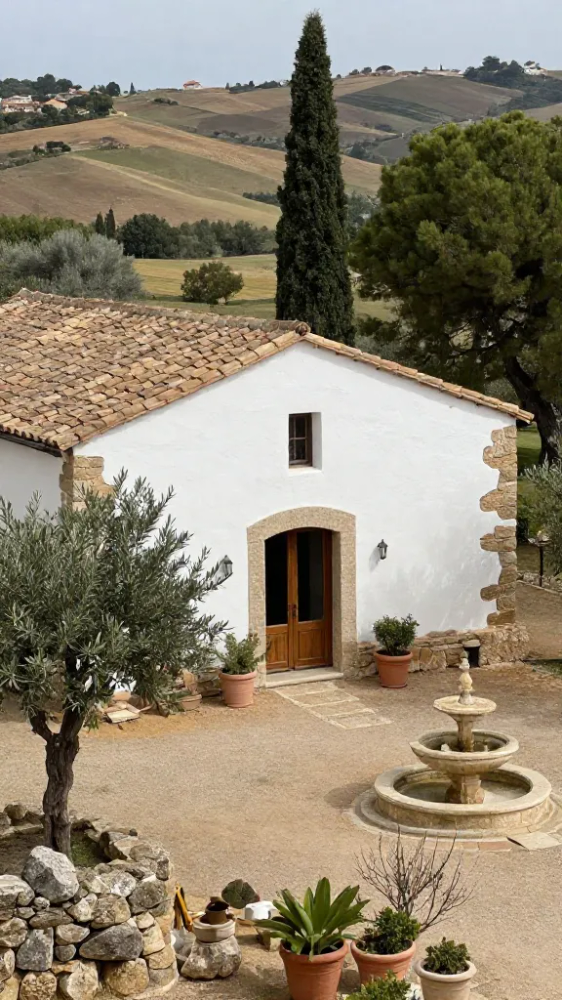
You can lean into a smooth adobe finish for most of your exterior walls while using rugged, dry-stacked stone only for the foundation and corners. This method keeps the house feeling bright and airy since the white or cream stucco reflects the harsh sun so well.
Alternatively, you could flip the script by covering the entire structure in heavy stone veneer and using adobe only for decorative archways or window frames. While that looks incredibly rustic, it often makes a small home feel a bit cave-like and cramped during the winter months.
I definitely recommend the first approach because it maintains that classic Mediterranean warmth without sacrificing interior light. The stone accents provide just enough texture to keep the building from looking like a plain box, especially if you choose local river rock to tie it into the landscape.
15. Wildflower Covered Turf Stone Cabin
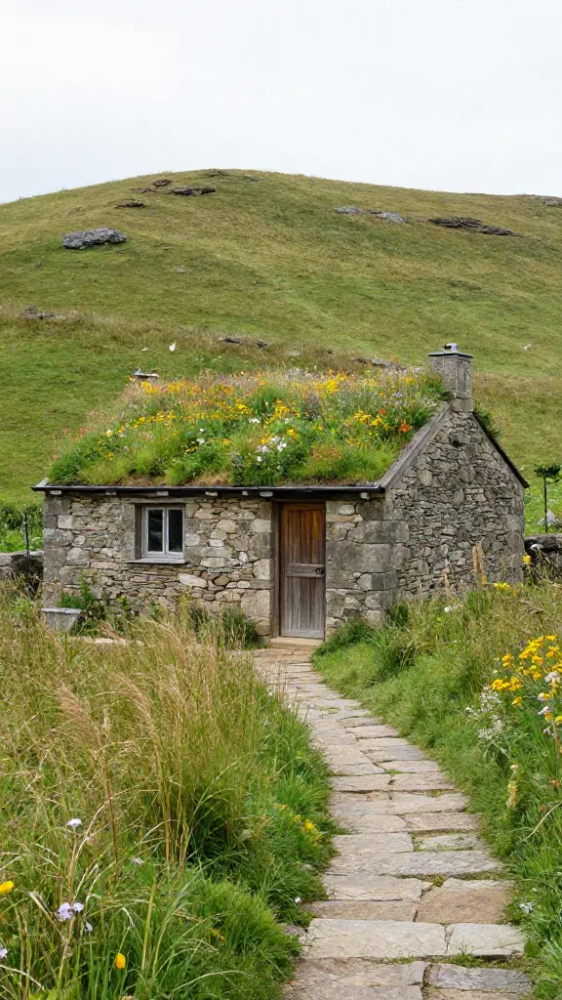
Living in a home that blends into the landscape is the best way to feel connected to nature. A stone cabin topped with a wildflower turf roof keeps your interior temperature stable while creating a beautiful habitat for local bees and butterflies.
The thick stone walls provide excellent thermal mass, which keeps the living space cool during the day and warm at night. You should choose native seeds for your roof because they require almost no maintenance once they establish themselves. It is a smart way to minimize your visual footprint while adding a splash of color to your property.
These cabins work best in rural areas where you have enough space for the greenery to spread. If you want a low-impact home that feels like it grew right out of the earth, this design is the way to go. You will spend less on heating and cooling, and the view from your window will always be peaceful.
16. Polished Marble Accented Micro Home
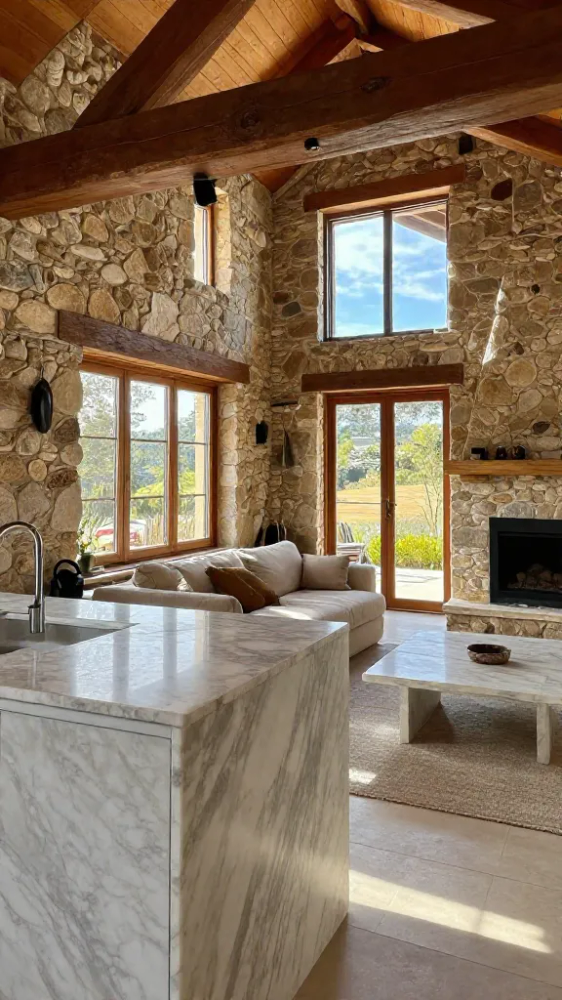
| Feature | Standard Tiny Home | Marble Accented Micro |
|---|---|---|
| Interior Finish | Painted Drywall | Polished Marble |
| Visual Feel | Industrial | Reflective Luxury |
| Space Usage | Functional | High End Detail |
Imagine walking into a tiny cabin where the kitchen backsplash glows under the morning sun. Using polished marble in a micro home makes the entire room feel much larger because the stone reflects so much natural light.
Most small spaces rely on cheap materials to save weight or money. By choosing Carrara marble for your counters and bathroom vanity, you turn a simple footprint into a jewel box.
It is surprisingly easy to maintain if you seal the stone properly before you move in. You don’t need a huge budget to pull this off since the surface area in a small home is quite limited. Just adding a few high-quality slabs creates an immediate sense of elegance that painted walls simply cannot match.
17. Traditional Greek Island Whitewashed Stone
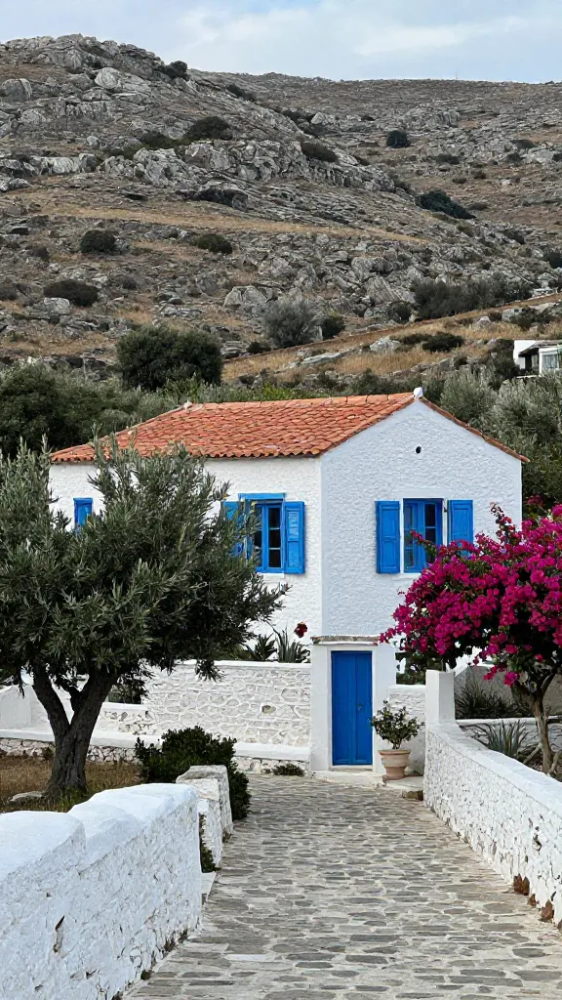
Nothing captures the essence of coastal living quite like a traditional Greek island cottage built from rough-hewn stone. These homes are usually painted a blindingly bright white to reflect the harsh Mediterranean sun, which keeps the thick walls cool even during the hottest afternoons.
You will often find these structures tucked into the hillsides of places like Paros or Naxos with beautiful blue shutters that match the Aegean Sea. The interiors are simple and functional, featuring built-in stone beds and deep window sills that have lasted for generations. It is a timeless design that proves you do not need fancy materials to create a truly stunning space.
18. American Colonial Bluestone Guest House
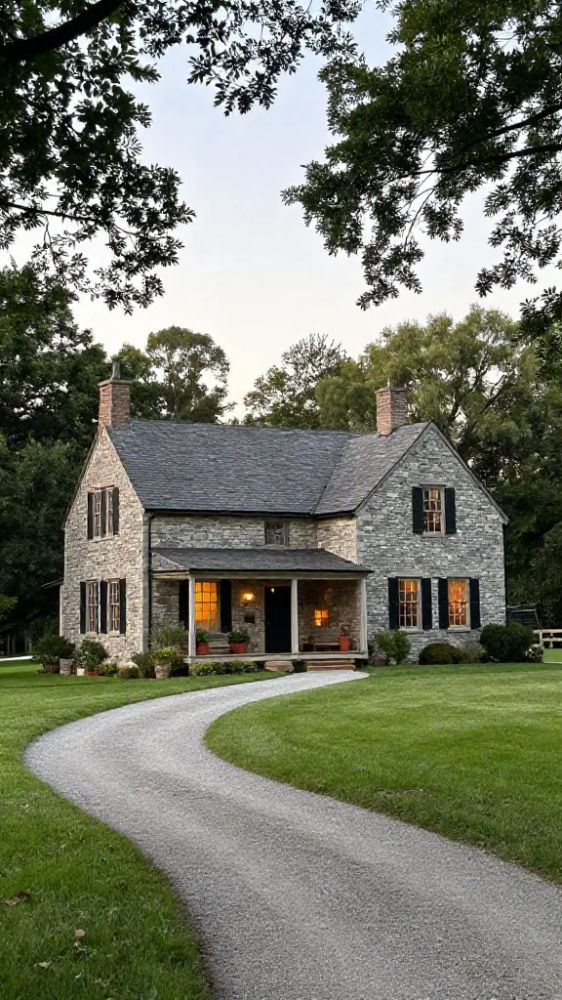
If you have an old farmhouse, adding a small bluestone guest house is a smart way to create extra space without ruining the historic character of your property. The cool gray tones of the stone blend perfectly with the landscape, making the structure look like it has stood there for centuries.
You should prioritize materials that match the original foundation to keep the aesthetic consistent. It is much easier to secure a building permit if your design mimics the traditional colonial style of the main residence.
- Source reclaimed bluestone to ensure the color matches your main house.
- Install oversized windows to let in natural light and keep the small footprint from feeling cramped.
- Use local mortar mixes to match the texture and color of historic masonry.
- Keep the roofline simple with a traditional pitch to maintain that authentic colonial look.
Focusing on these small details will make your guest house feel like a natural part of the estate rather than a modern addition.
19. Fairytale Style Cobblestone Workshop
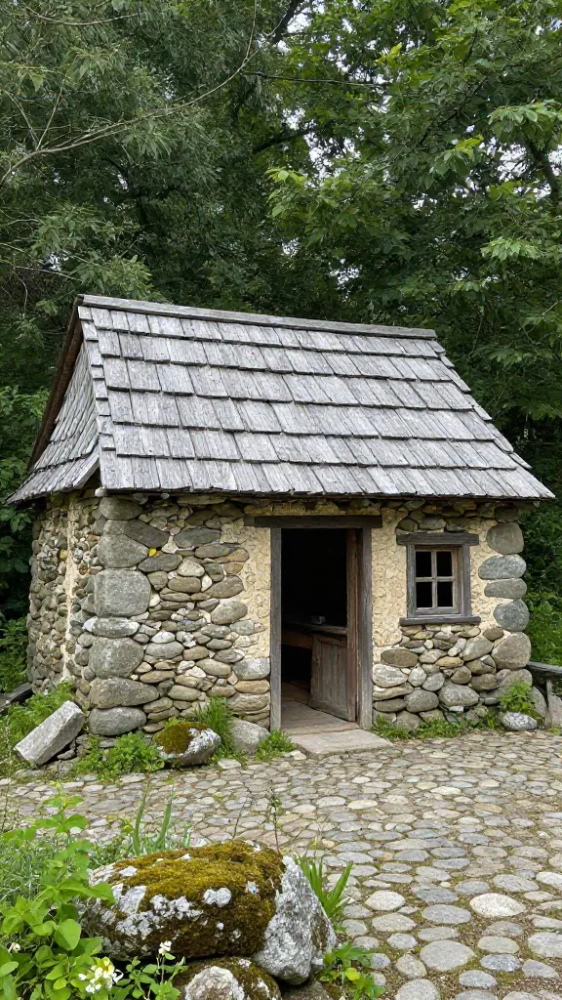
You asked about that stone workshop that looks like it fell out of a storybook. It sits nestled in the woods with walls built from rounded river stones and thick lime mortar.
The roof is the real showstopper here because it uses authentic cedar shingles that have weathered to a soft, silvery gray. It feels like a place where a woodcarver or a painter would spend their afternoons working by a window.
Inside, the space is tiny but feels warm because of the exposed timber beams and a small wood stove in the corner. The floor is made of reclaimed flagstones, which makes the whole room feel grounded and sturdy.
If you want to build something similar, focus on using natural materials that age well over time. Don’t worry about making the stones perfectly uniform. The charm actually comes from those slight irregularities in the wall pattern.
It’s the kind of project that proves you don’t need a massive footprint to create something truly memorable. Small spaces just need a lot of character to feel complete.
20. Sustainable Volcanic Rock Eco Pod
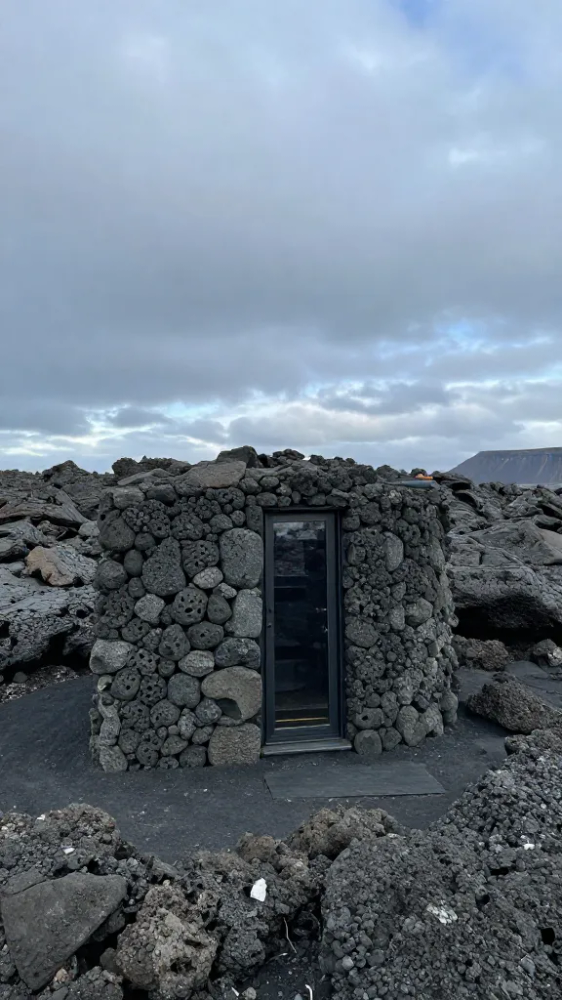
This tiny home sits right at the base of an old lava flow in Iceland. It looks like it grew straight out of the ground because the builders used local basalt rocks for every exterior wall.
The dark, porous stone acts as a natural insulator against the harsh wind. You’ll find it stays surprisingly warm inside without needing much electricity.
- Thermal Mass: The dense volcanic rock absorbs heat during the day and releases it slowly through the cold nights.
- Local Sourcing: Using stones found on the immediate property eliminates the heavy carbon cost of shipping building materials.
- Minimal Footprint: The pod sits on a raised foundation to protect the fragile mossy terrain underneath the structure.
- Weather Resistance: Basalt is incredibly durable against freezing temperatures and high winds.
I really love how the interior uses light birch wood to contrast with the heavy stone. It creates a space that feels cozy rather than like a cave.
Wrapping Up
These 20 stunning small stone homes to explore prove that you do not need much space to create a beautiful and cozy sanctuary. Each design shows how stone adds timeless character to a simple layout. Hopefully, these ideas helped you find the right inspiration for your own future building project. Take a look at your favorite style today and start planning your own dream cottage with confidence.