

Key Takeaways
- A-frame interiors are defined by steeply pitched roofs, open-concept layouts, and dramatic walls of glass, making space planning and light control the top priorities for any design project.
- Smart storage solutions—especially built-ins under eaves and in lofts—along with modular furniture are essential to maximize every square foot in a frame house interior.
- Natural materials like light woods, stone, and wool paired with neutral or earthy tones create warmth and connect the interior to natural surroundings.
- One major advantage of A-frame design is the ability to maximize natural light and capture stunning views through skylights and expansive windows, while layering warm artificial lighting ensures year-round comfort.
- This guide covers room-by-room ideas for living rooms, lofts, kitchens, and bedrooms, plus answers to common questions in the FAQ.
- Thoughtful interior design choices offer significant benefits by enhancing both the functionality and aesthetic appeal of A-frame homes, making the most of their unique architectural features.
- Introduction to A Frame House Interiors
- Understanding A Frame Architecture & Its Impact on Interiors
- Creating a Dream Home in Your A Frame
- Planning the Layout: Open Concept, Zoning & Flow
- Light, Windows & Skylights in A Frame House Interior Design
- Color Palettes & Materials: Rustic, Modern & Japandi Influences
- Texture and Pattern in A Frame Interiors
- Smart Storage & Furniture Strategies for Sloped Ceilings
- Room-by-Room A Frame Interior Ideas
- Creating an Indoor–Outdoor Connection
- Budgeting, Phasing & Renovation Tips for 2026–2027
- Final Thoughts on A Frame House Interior Design
- FAQ: A Frame House Interior Design
Introduction to A Frame House Interiors
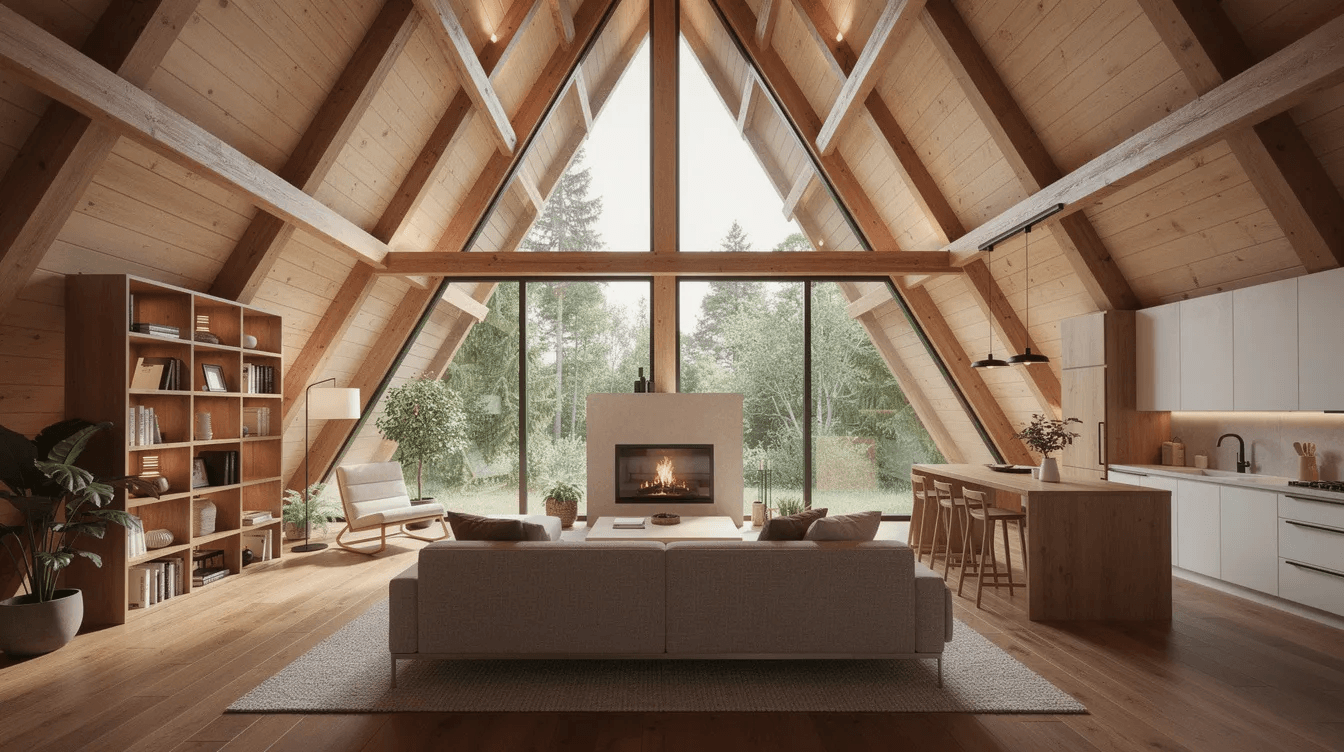
Picture this: you step into an a frame house on a crisp autumn morning in 2026. Morning light floods through a towering glass gable, illuminating exposed beams and a crackling wood stove. The triangular shape frames a pine forest view like a piece of living art.
An a frame home features a distinctive steep gabled roof that often extends close to ground level, creating that iconic silhouette many associate with vacation cabins built from the 1950s onward. The interior design challenge? Sloping walls limit vertical wall space, odd corners emerge near floors, and narrow footprints demand creative thinking. Yet, it’s precisely these features that give A-frame interiors their unique charm, creating an inviting atmosphere that blends natural beauty with cozy, distinctive design.
This guide covers everything from space planning and light management to color palettes, storage strategies, and room-by-room design ideas that transform architectural details into your dream home’s greatest assets.
Understanding A Frame Architecture & Its Impact on Interiors
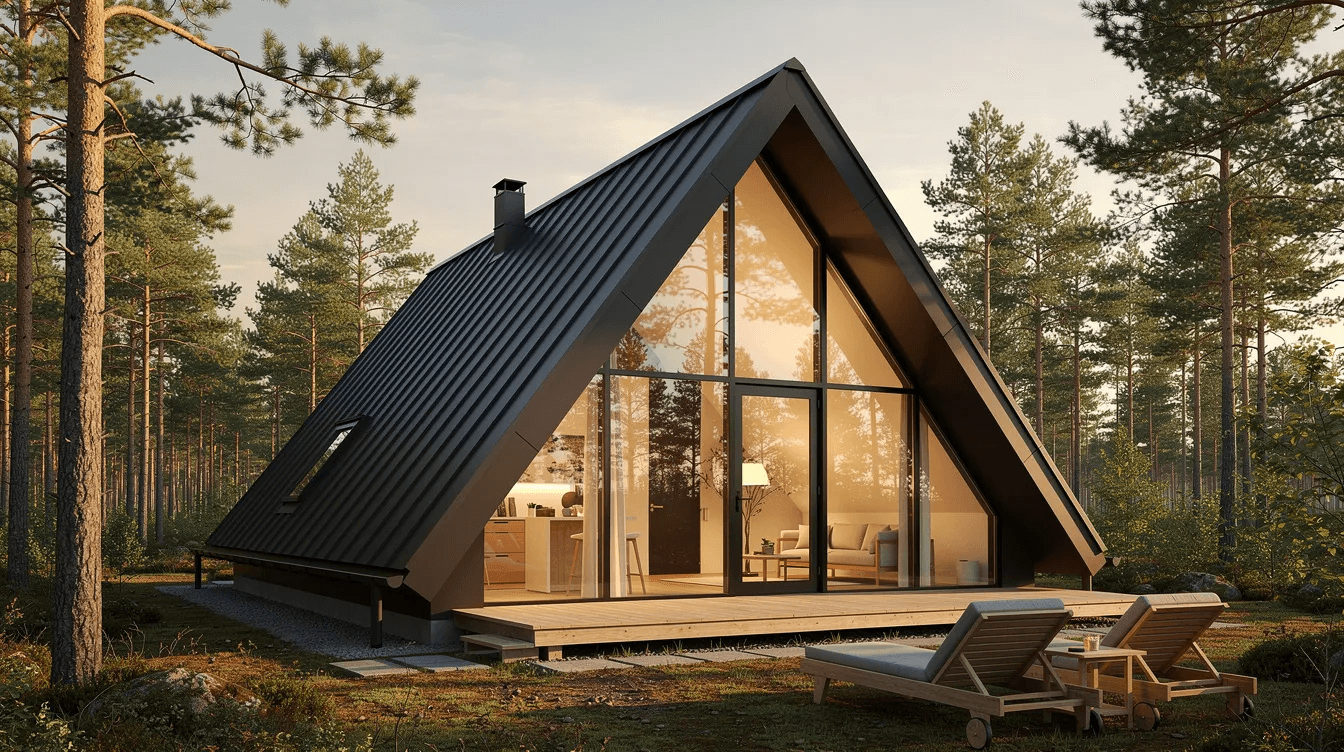
The typical a frame interior features steep roof angles between 45-60 degrees, exposed rafters, and a central ridge beam creating dramatic open volumes. Many a frame homes from the 1960s-1980s range from 500-900 square feet, while contemporary builds exceed 1,500 square feet with full-height side walls.
These structural elements directly impact your design choices:
- Limited vertical wall space restricts tall wardrobes and standard furniture placement
- “Knee walls” (lower angled sections) create awkward corners unsuitable for conventional storage
- Cathedral ceilings reaching 28 feet demand strategic lighting and furniture scale
- Climate considerations—snowy mountains versus coastal forests—influence insulation, window coverings, and mudroom functionality
Understanding these constraints transforms them from obstacles into design inspiration.
Creating a Dream Home in Your A Frame
Designing your dream home in an A-frame house is all about celebrating the unique features that set this architecture apart. Many A-frame homes are defined by their sloping walls and striking triangular shape, which create a sense of intimacy and drama within the space. To truly maximize the potential of your frame house, focus on harnessing natural light—large windows and skylights can flood the interior with sunlight, making every corner feel open and inviting.
An open floor plan is key to creating a sense of flow and spaciousness, allowing light to travel freely and making the most of every square foot. Incorporate natural materials like wood, stone, and wool to bring warmth and texture to your a frame house interior. Earthy tones on walls and floors can enhance the cozy, grounded feeling, while carefully chosen furniture helps define each area without overwhelming the space.
By embracing the architectural features of your A-frame—those dramatic angles, soaring ceilings, and expansive windows—you can create a house interior that feels both functional and beautiful. Thoughtful interior design, from the color palette to the placement of furniture, transforms your A-frame house into a dream home that reflects your style and makes the most of its natural surroundings, especially if you draw on forest-inspired interior design ideas to echo the surrounding landscape.
Planning the Layout: Open Concept, Zoning & Flow
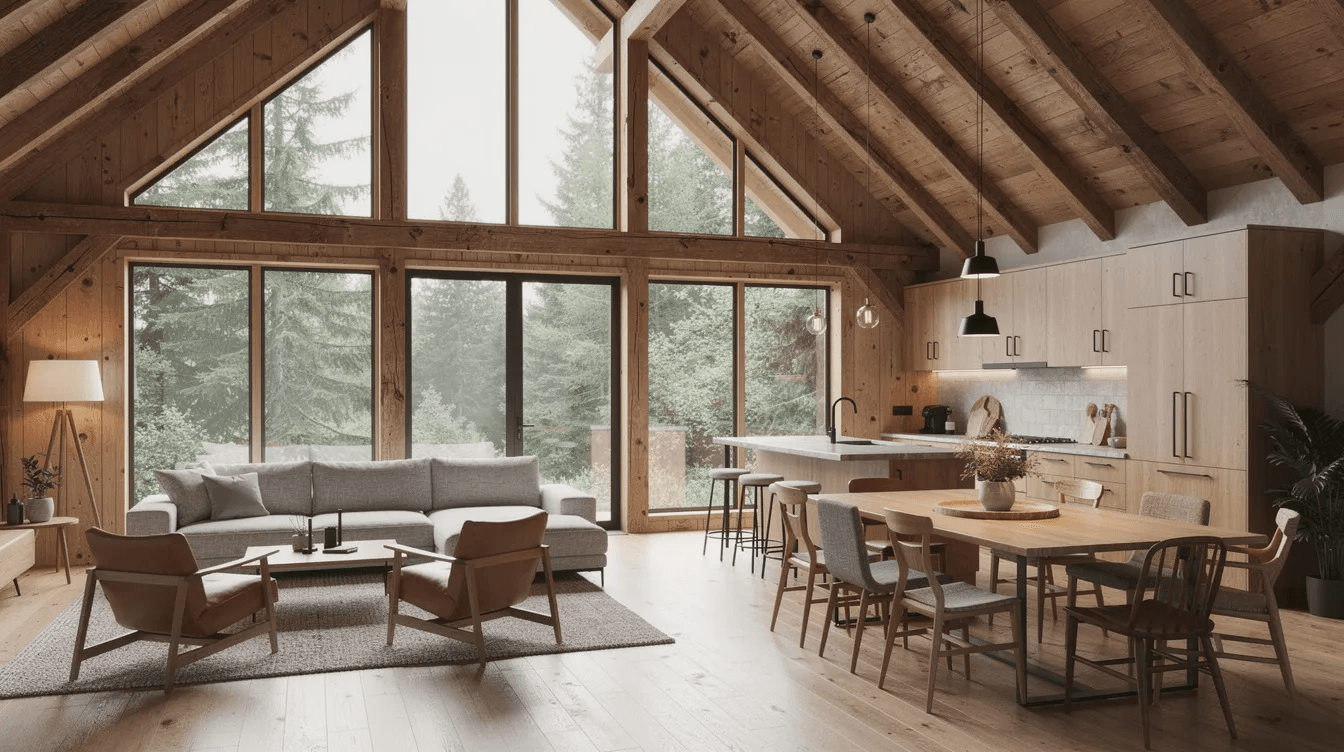
Most a frame house interior design starts with an open floor plan combining living, dining, and kitchen zones along the house’s long axis. The key is creating defined areas without physical walls.
Zoning strategies that work:
- Area rugs to anchor seating groups and dining spaces
- Furniture groupings that suggest boundaries
- Low open shelving that defines zones while maintaining visual continuity
- A 10-foot island with central sink positioning the cook “part of the conversation”
For circulation in narrow 20-24 foot wide a frames, ensure one clear traffic path from entry to kitchen, loft stairs, and outdoor access. Place main seating facing the gable window and fireplace, with dining behind and a linear kitchen along a straight wall, taking cues from efficient tiny house floor plans that prioritize flow and functionality in compact footprints.
Light, Windows & Skylights in A Frame House Interior Design
Many mid-century and modern a frames feature a wall of glass at the gable end—spectacular for views and passive solar gain but challenging for glare and heat loss. Managing natural light becomes essential.
Light management strategies:
- Sheer curtains on ceiling-mounted tracks for light control without losing views
- Motorized shades for high-reaching windows inaccessible by hand
- Skylights over lofts, staircases, and kitchens to brighten central areas
- Mirrors positioned opposite main glass walls to bounce light deeper into the space
- Light flooring and whitewashed ceilings as reflective surfaces
Seasonal considerations matter too. Maximize low winter sun through strategic furniture orientation while using overhangs or shades to reduce summer overheating.
Color Palettes & Materials: Rustic, Modern & Japandi Influences
Three style directions work particularly well for a frame interior design:
Style | Key Elements | Best For |
|---|---|---|
Rustic Cabin | Knotty pine, stone, plaid textiles | Traditional mountain settings |
Scandinavian Modern | White walls, blonde wood, black accents | Maximizing light in darker locations |
Japandi | Muted earth tones, clean lines, natural textures | Creating calm, balanced atmospheres |
Base palette recommendations: |
- White or warm off-white on walls and ceilings
- Light oak or ash flooring
- Black or charcoal hardware and lighting for contrast
Balance abundant wood—often original tongue-and-groove ceilings—with smoother surfaces like plaster, linen, and ceramic to avoid an overly busy look. Choose natural materials with warmth and durability: wool rugs, leather sofas, soapstone or quartz countertops suitable for four-season cabin life, borrowing cues from cozy log cabin interior ideas that emphasize rustic comfort.
Texture and Pattern in A Frame Interiors
Texture and pattern are essential elements in any a frame interior, adding depth and personality to the space. With large windows letting in abundant natural light, the beauty of natural materials like wood and stone is highlighted, creating a warm and inviting atmosphere. Designers often use a mix of textures—think plush wool rugs, woven throws, and smooth leather furniture—to complement the clean lines and open spaces typical of many a frame homes, similar to the strategies used in tiny house interiors that maximize every square foot.
Patterns can be introduced through decor such as patterned cushions, geometric area rugs, or even art pieces that echo the triangular shapes found in the architecture. For example, a chunky knit blanket draped over a wooden bench or a patterned runner on a natural wood floor can add both visual interest and a sense of comfort. The interplay of textures and patterns not only enhances the beauty of the frame house interior but also creates a layered, lived-in feel that makes the space truly welcoming.
By thoughtfully balancing texture and pattern, you can create an a frame home that feels both stylish and cozy, perfectly complementing the natural light and stunning views provided by those signature large windows.
Smart Storage & Furniture Strategies for Sloped Ceilings
The beauty of a frame cabin design lies in turning architectural challenges into storage opportunities. Designers intentionally cut into angled walls to create built-in bookshelves and storage nooks in space that would otherwise be wasted.
Practical storage solutions:
- Custom low cabinets and built-in drawers sized to changing ceiling heights
- Storage benches along short walls
- Platform beds with integrated drawers in loft bedrooms
- Coffee tables with hidden compartments
- Space under stairs converted to closets or compact home offices
Furniture height strategy: Position lower-profile sofas and headboards near outer walls where ceilings slope. Cluster taller pieces like bookcases at full-height gable ends where they reach their potential without appearing cramped.
Room-by-Room A Frame Interior Ideas
Living Room & Great Room Concepts
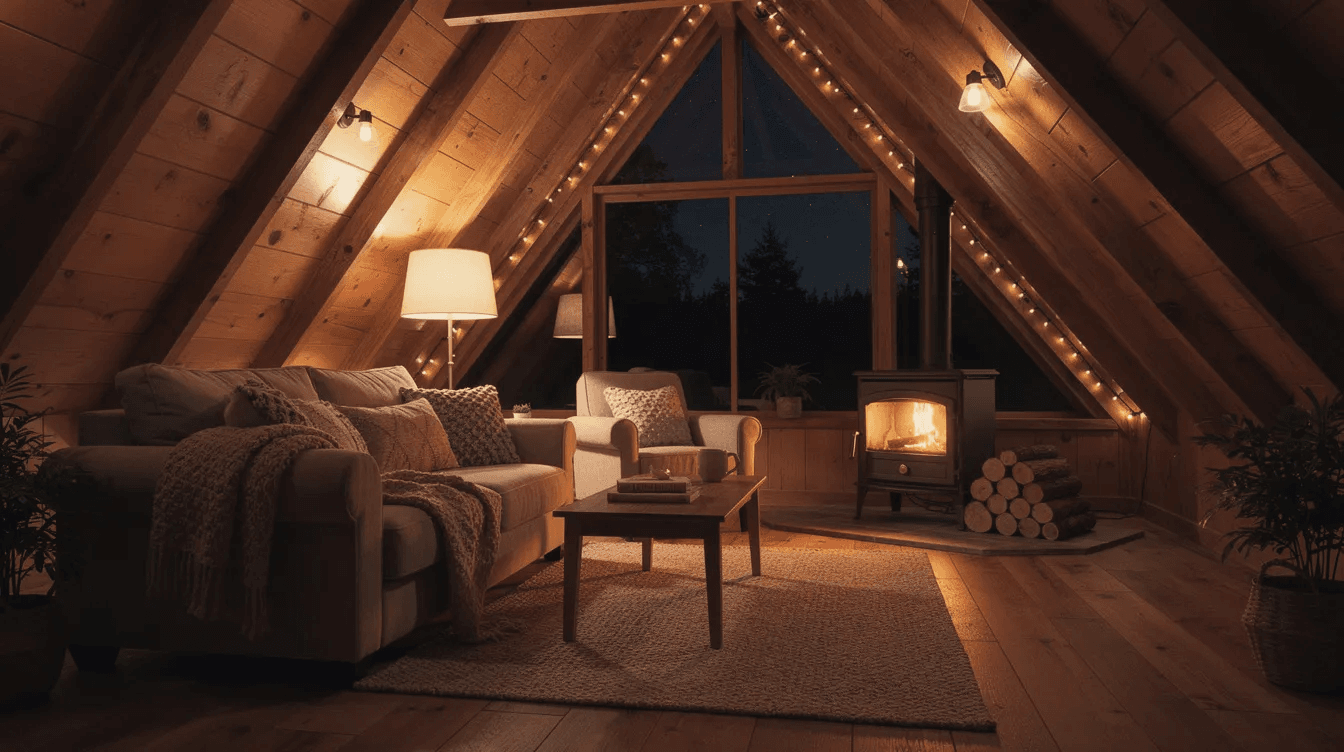
Anchor your living space under the tallest ceiling section—typically facing the main gable window or near a central fireplace. This creates the focal point every great room needs.
Layout options:
- U-shaped seating around a fireplace or wood stove
- Long sofa facing the view with accent chairs and slim console behind
Choose durable, cozy materials: performance fabric sofas, wool or jute rugs, and solid wood coffee tables that handle wet boots. For TV placement with tall windows, consider low media consoles off to the side or ceiling-mounted projectors that retract when not in use.
Layer your lighting with floor lamps, sconces on posts, and a simple chandelier following the roof pitch. Stick to a few key decor items rather than cluttered knickknacks that compete with architectural drama.
Kitchen & Dining in a Narrow Footprint
A frame kitchens typically run as galley layouts along straight walls or L-shapes tucked under one roof slope. The dining table or island marks the boundary to the living zone, where space-saving choices like tiny house kitchen table ideas can help maintain circulation while still providing a comfortable dining area.
Space-saving recommendations:
- 24-30 inch appliances instead of full-size 36-inch units
- Built-in banquette seating against knee walls
- Slim island or peninsula with bar stools
- Tall storage at full-height walls for pantries
- Open shelving along sloped sides to avoid ceiling gaps
For lighting, use track or rail systems following the roof line, pendants centered over dining tables, and under-cabinet lights to enhance functionality in deeper spaces. Black floating shelves paired with dark cabinets create depth and contrast against white walls.
Lofts & Bedrooms Under the Eaves
Lofts serve multiple functions in a frames: sleeping areas, home offices, reading nooks. One contemporary example includes a loft library with secret meditation nook accessed via library ladder—demonstrating creative vertical stacking of functions and underscoring the value of choosing the best ladder for a tiny loft space to balance safety and style.
Bed placement options:
- Center bed under the roof peak with low nightstands
- Tuck twin beds into opposite eaves for children or guests
For privacy, add sliding screens, partial walls, or curtains to visually separate loft sleeping from the great room below. Storage strategies include built-in drawers in knee walls, low dressers, and simple wall hooks where full wardrobes won’t fit, while layered lighting and textures drawn from cozy bedroom design ideas can make these compact sleeping zones feel like true retreats.
Safety matters: proper stair lighting, non-slip treads, and quiet flooring like cork underlayment minimize noise transfer between levels.
Bathrooms & Compact Utility Spaces
Tuck bathrooms under eaves on lower levels, using full-height sides for showers and vanities while lower slopes accommodate built-in storage. Space-efficient fixtures include wall-hung toilets, narrow-depth vanities, and sliding doors to save swing room, mirroring the kind of smart planning found in custom tiny homes designed for small-space living.
Moisture-resistant finishes—porcelain tile, sealed wood, proper ventilation—protect structural elements in older a frames from humidity damage. Combined laundry and mudroom areas near entrances work well, using stacked washers/dryers and bench-plus-hook systems for gear management.
Creating an Indoor–Outdoor Connection
A frame houses often occupy scenic plots where nature provides the art. Frame these views deliberately through furniture orientation and minimal window treatments.
Connection strategies:
- Match indoor flooring tones with exterior deck materials
- Create defined mudroom zones with boot trays, wall hooks, and benches
- Bring the outdoors in with potted trees, dried branches, and natural fiber textiles
- Use landscape-inspired color accents rather than literal cabin kitsch
This connection to natural surroundings enhances the sense of place that makes a frames special, much like the atmosphere found in top A-frame cabin getaways where architecture and landscape work together to create immersive retreats.
Budgeting, Phasing & Renovation Tips for 2026–2027
Common project phases for updating older a frames:
- Structural and insulation upgrades
- Windows and skylights
- Finishes and furnishings
Allocate budget for maximum impact: windows, heating systems, and custom storage deliver more value than small decor items, and keep structural considerations like overall building height in mind by understanding tiny house maximum height guidelines if you’re working within compact or mobile-home regulations.
Easy first steps for limited 2026 budgets:
- Repaint dark wood interiors with lighter tones
- Upgrade lighting fixtures
- Swap worn rugs and sofas
- Add basic built-ins under eaves
Consult local building codes and professionals for modifications affecting structure, stairs, and loft guardrails—especially in snow-load regions where requirements are stricter.
Final Thoughts on A Frame House Interior Design
A frame house interior design is a celebration of both architecture and nature, offering endless opportunities to create a space that is as unique as it is inviting. By making the most of natural light through large windows and skylights, and by choosing natural materials and earthy tones, you can craft a frame house interior that feels warm, welcoming, and deeply connected to its surroundings.
Whether your vision is a rustic cabin retreat or a sleek modern sanctuary, the key is to embrace the distinctive features of your a frame house—soaring ceilings, sloping walls, and open spaces. Incorporate floor lamps for layered lighting, select a harmonious color palette, and use furniture that enhances both functionality and style. Thoughtful interior design choices, from the placement of elements to the selection of materials, will help you create a dream home that is both beautiful and practical.
Ultimately, an a frame home is more than just a house—it’s a canvas for your creativity and a sanctuary from the world. With careful attention to detail and a focus on warmth, light, and comfort, your a frame interior can become the perfect backdrop for family life, relaxation, and inspiration for years to come.
FAQ: A Frame House Interior Design
How do I make a small A-frame interior feel larger?
Prioritize an open floor plan with light paint colors on walls and ceilings. Choose low-profile furniture that doesn’t block windows. Use a few oversized decor pieces instead of many small objects, and add mirrors to keep sightlines open. Built-in storage and hidden clutter control dramatically increase the perception of space.
Can an A-frame house work as a full-time residence?
With proper insulation, efficient heating systems, and well-planned storage, a frames function comfortably year-round. Add essentials like a defined mudroom, full-size kitchen appliances, and at least one main-floor bedroom. Many people are converting 1960s-1980s a frame cabins into complete full-time homes by upgrading windows and systems to modern standards.
What interior styles pair best with A-frame architecture?
Modern rustic, Scandinavian minimalism, mid-century modern, and Japandi styles all complement a frame architecture with their emphasis on clean lines and natural materials. Avoid overly ornate traditional decor that competes with dramatic rooflines. Mix elements—a mid-century sofa with rustic beams—to create personalized yet cohesive spaces.
How do I heat and cool an A-frame with high ceilings?
Combine a primary system like a high-efficiency heat pump or radiant floor heating with supplemental sources such as a wood stove. Install ceiling fans near the ridge beam to push warm air down in winter. Upgrading to double or triple-glazed windows and adding roof insulation are critical to comfort and energy efficiency.
Are loft railings and stairs subject to specific safety rules?
Building codes set minimum railing heights, maximum baluster spacing, and required stair dimensions that apply to a frames like any other house. Check local codes or consult a licensed contractor before altering lofts or guardrails. Design-forward solutions like cable rail, vertical wood slats, or tempered glass panels meet regulations without compromising the airy feel.