If you’re in search of a frame house pictures to spark your next project, this page delivers exactly what you need. You’ll find exteriors, interiors, tiny homes, and cabin rentals—all organized to give you real design inspiration.
- Rustic frame cabin styles with natural cedar and stone
- Minimalist modern A-frames in monochrome palettes alongside craftsmanship-focused builds like Amish tiny houses with rustic cabin styling
- Mountain getaways with steep metal roofs
- Lakeside retreats featuring wraparound decks and even mobile setups inspired by tiny house camper ideas for adventure living
- Tiny A-frame houses under 400 sq ft that borrow layout tricks from chalet tiny house models for modern living
These examples draw from real-world styles spanning the 1950s through 2020s, including classic ski chalets and recent builds across the U.S., Scandinavia, and Japan. Later sections help you read photos for layout ideas, materials, and cost clues.
- What Is an A-Frame House? (With Visual Examples)
- The History and Evolution of A Frame Houses
- Why Choose an A Frame? Benefits and Advantages
- Exterior A Frame House Pictures: Styles & Settings
- Interior A Frame House Pictures: Layouts, Ceilings & Light
- Minimalist & Contemporary A Frame House Pictures
- Practical Insights You Can Get from A Frame House Pictures
- Safety and Durability: What to Look for in A Frame House Photos
- Maintenance and Repair: Lessons from Real A Frame Homes
- How to Build Your Own A Frame House Photo Collection
What Is an A-Frame House? (With Visual Examples)
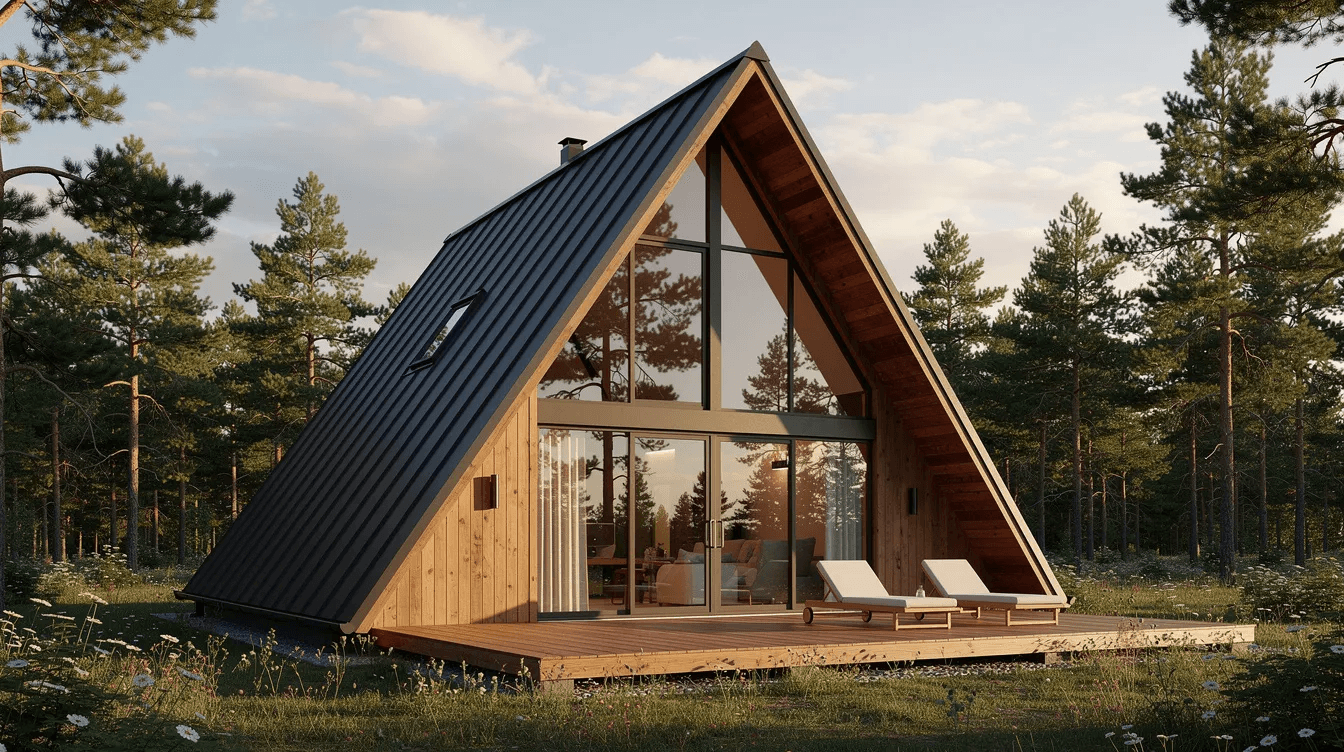
An A-frame house features a steeply pitched roof forming a triangular shape that often extends nearly to the ground. This iconic design creates the distinctive “A” silhouette with minimal vertical walls.
Typical a frame house pictures show tall façades, dark metal or shingle roofs, large gable-end glass walls, and compact floor plans. The style boomed in North America from the mid-1950s through the late 1970s, driven by prefabricated kits and postwar leisure travel.
Two concrete examples: a 1965 cedar A-frame beside Lake Tahoe with a prominent stone chimney, and a 2023 black-stained timber frame in Norway featuring full-height triangular glazing.
The History and Evolution of A Frame Houses
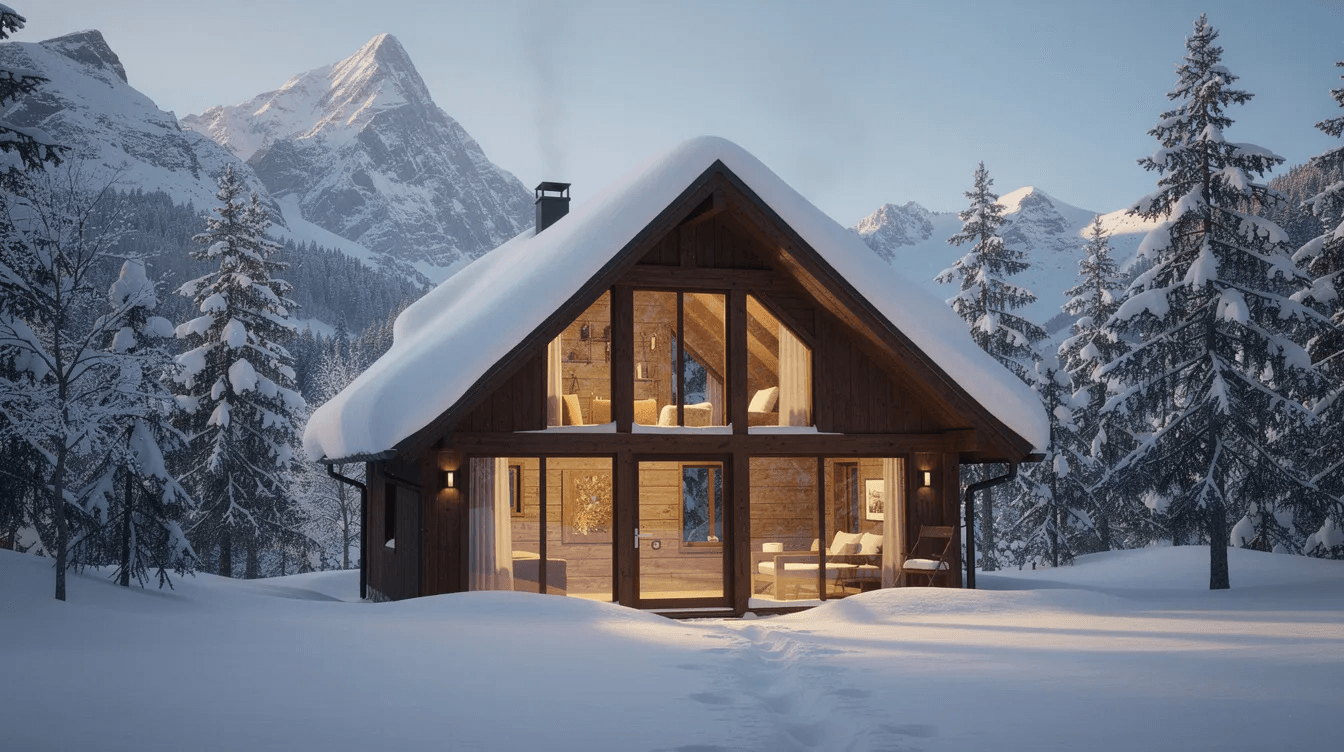
The story of the A frame house begins in the mid-20th century, when its striking triangular shape first captured the imagination of designers and homeowners alike. Originally popularized in the 1950s and 1960s, the A frame style was celebrated for its simplicity, affordability, and the ease with which it could be constructed on a variety of sites. The term “frame house” refers to the structural frame that forms the backbone of the design, but the A frame stands out for its steeply angled rooflines that create the iconic “A” silhouette.
Over the decades, the A frame house has evolved from a practical vacation retreat into a symbol of modern design inspiration. Early examples often featured rustic materials like cedar and stone, while today’s A frame houses embrace a wide range of materials—from sustainable timber to sleek steel and expansive glass. Designers continue to experiment with the classic triangular shape, introducing open floor plans, energy-efficient features, and bold new ideas that keep the style fresh and relevant.
Modern A frame cabins, for example, often serve as cozy getaways or guest houses, blending the timeless appeal of the original design with contemporary touches. Whether you’re drawn to the nostalgia of a classic ski chalet or the clean lines of a minimalist retreat, the evolution of the A frame house offers endless inspiration for anyone searching for a unique and stylish home.
Why Choose an A Frame? Benefits and Advantages
Choosing an A frame house means embracing a blend of style, practicality, and innovation. The distinctive triangular shape isn’t just visually striking—it also provides exceptional structural strength, making the A frame a smart choice for regions prone to heavy snow or strong winds. The steep roof allows snow and rain to slide off easily, reducing maintenance and ensuring the frame house remains durable year after year.
A frame houses are also celebrated for their versatility in materials and design. Whether you prefer the warmth of natural wood, the industrial edge of steel, or eco-friendly recycled materials, there’s an A frame style to match your vision. The open floor plans and expansive windows found in many modern A frame designs flood the interior with natural light, creating a bright, inviting atmosphere that feels larger than its footprint.
When exploring A frame house ideas, consider how the design can be tailored to your lifestyle. A sleek, modern A frame with minimalist finishes might be perfect for a young family seeking a contemporary home, while a rustic frame cabin with cozy nooks could be the ideal retreat for those craving peace and quiet. No matter your preference, the A frame house offers a great combination of beauty, efficiency, and adaptability—ensuring your home is as unique as you are.
Exterior A Frame House Pictures: Styles & Settings
This section focuses on exterior photography—façades, roofs, decks, and how these structures sit in different landscapes.
- Rustic mountain A-frame: natural cedar cladding, stone base, green metal roof (Colorado, circa 1980, renovated 2021)
- Scandinavian-inspired black A-frame: standing-seam metal roof, gravel paths, pine forest edge in Sweden
- Lakeside house: wraparound deck, cable railings, soft gray stain matching the dock (upstate New York)
- Roof details to capture: overhangs, skylights, snow guards, dormers
- Entrance shots: glass front doors, bold-colored frames, modern pivot doors
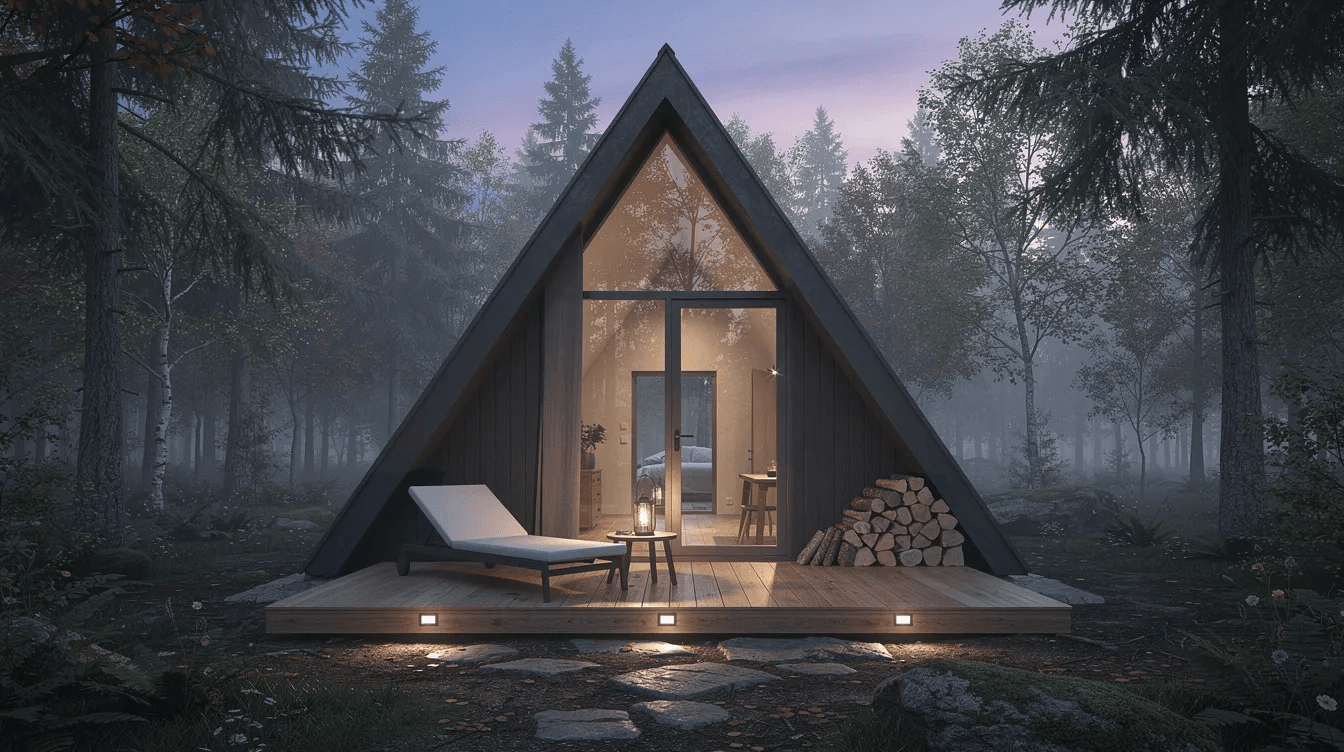
Night shots with interior lights glowing through triangular windows create dramatic results designers love.
Rooflines, Windows, and Materials Up Close
This subsection zooms in on detail shots rather than full-house images.
- Dark standing-seam metal roofs (2015+) vs. classic asphalt shingles (1970s cabins)
- Glass walls at gable ends: floor-to-ceiling triangular windows, sliding deck doors
- Material contrasts: black-painted timber against snow, warm cedar with bronze-framed windows
- Side-by-side comparisons: traditional brown-stained chalet vs. minimalist black-and-glass home
Interior A Frame House Pictures: Layouts, Ceilings & Light
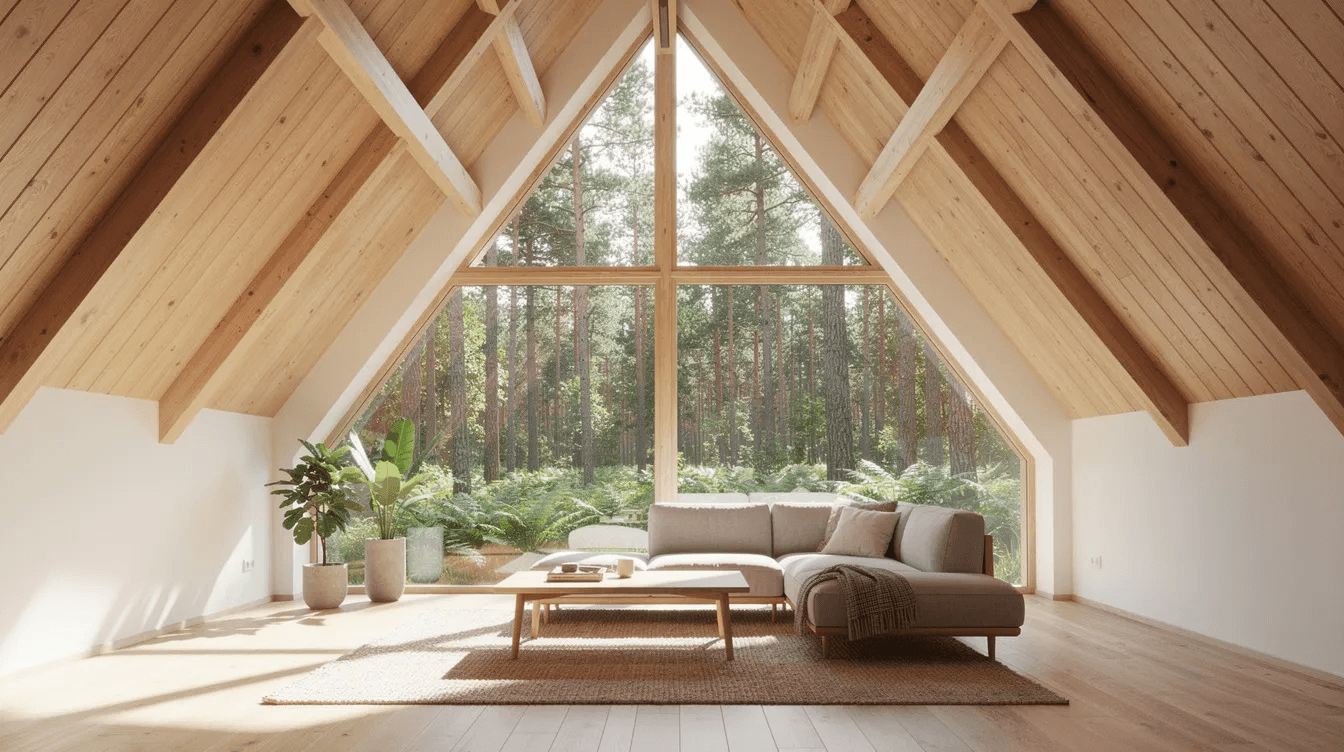
Interior scenes typically showcase open-concept living rooms, loft bedrooms, and compact kitchens under the slope.
- Wide-angle living room shots: exposed roof beams, double-height ceilings, triangular window walls
- Example: 700–900 sq ft interior from 1978, renovated 2020 with whitewashed pine walls and oak floor
- Kitchen photos: galley style along the straight wall, white cabinetry, skylights cut into the roof
- Emphasize vertical space: shots looking up toward the ridge beam, staircases to lofts
Lofts, Bedrooms, and Cozy Corners
This subsection covers sleeping lofts, low-ceiling areas, and built-in storage, echoing many inspiring tiny house interiors that maximize every square foot.
- Compact loft bedroom: queen mattress on low platform, horizontal window at pillow height
- Kids’ sleeping lofts: twin beds under eaves, string lights along the ridge
- Reading corners: built-in bench under triangular window, wool blankets, angled floor lamp inspired by top cozy bedroom ideas
- Solutions for limited wall space: custom wardrobes fitted to the slope, low dressers
Minimalist & Contemporary A Frame House Pictures
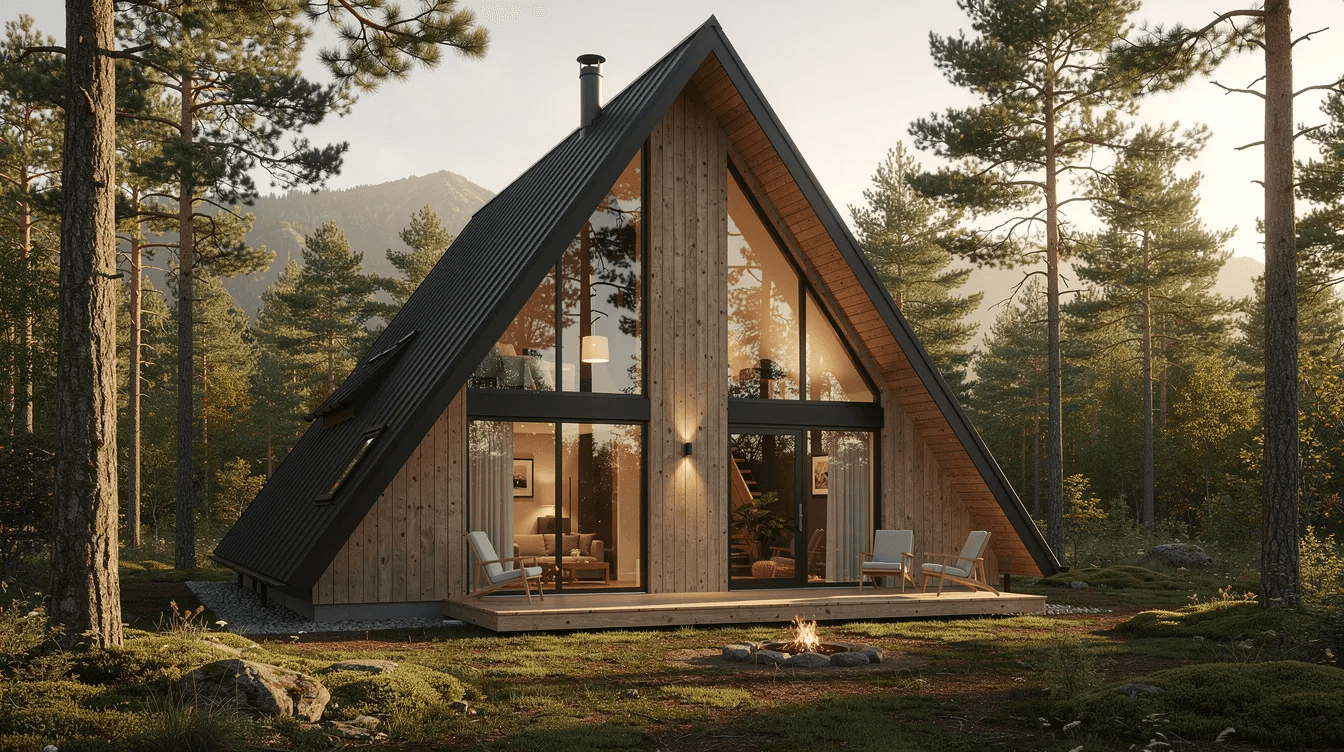
From roughly 2010 onward, designers shifted toward minimalist A-frames—especially popular in Japan, Scandinavia, and urban-adjacent U.S. areas.
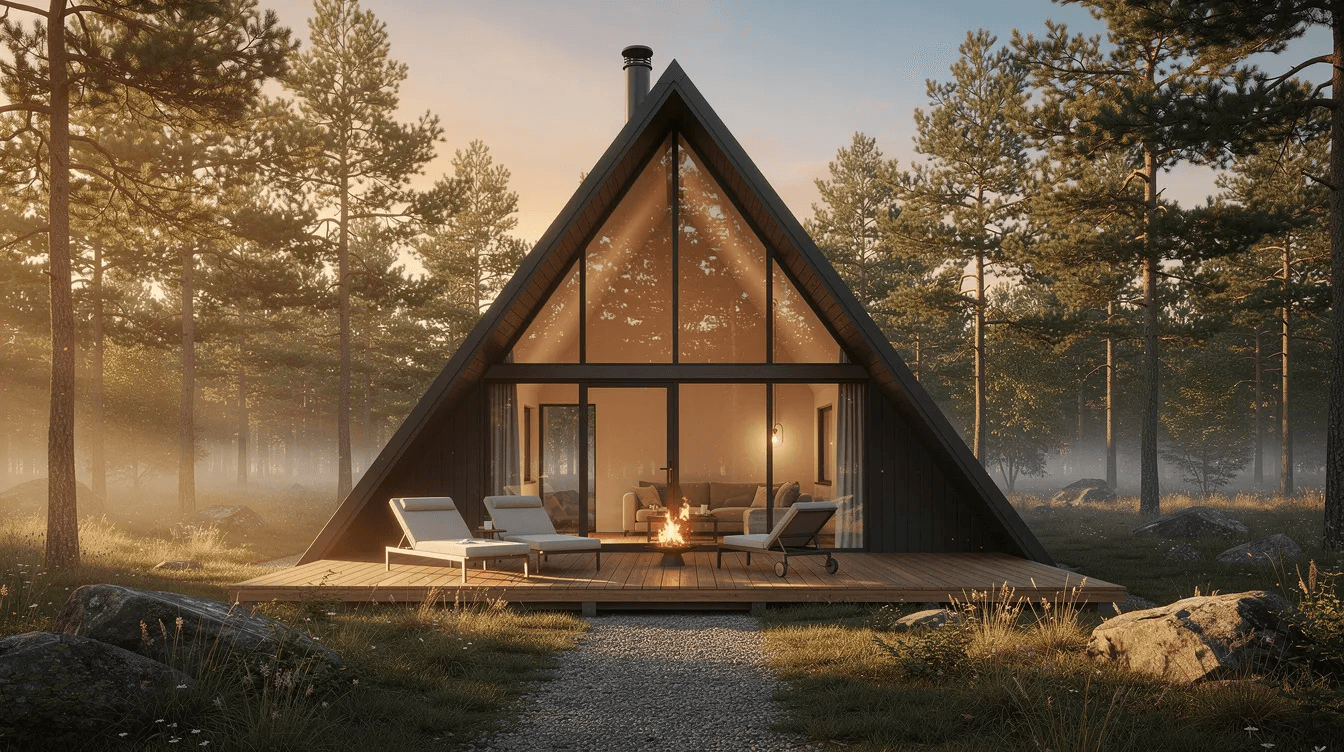
- Monochrome exteriors: all-black or all-white palettes, simple rectangular decks
- Uncluttered interiors: white walls, pale oak floors, sleek built-in furniture
- Great example: 2021 off-grid Catskills A-frame with solar panels, polished concrete floor, freestanding steel fireplace
- Tech integration: recessed lighting following rooflines, hidden storage in loft stairs
Tiny A Frame Houses and Cabin Rentals
Tiny A-frames (150–400 sq ft) and rental cabins have surged since the mid-2010s on platforms like Airbnb, mirroring the broader appeal of tiny house cabin retreats for a cozy getaway.
- Ultra-compact things to capture: ladder loft access in tiny houses, fold-out deck, convertible sofa
- Rental photo ideas: twilight exteriors with string lights, hot tub beside deck, firepit with A-frame silhouette that evokes top A-frame cabins you’ll want to escape to
- Specific layout: 240 sq ft 2019 Oregon build with glass gable wall facing fir forest, similar to mountain tiny house getaways in forested settings
- Experience details: coffee station, view from bed, morning light on the triangular frame that many great tiny homes redefining small-space living are designed to highlight
Practical Insights You Can Get from A Frame House Pictures
Beyond aesthetics, photos reveal useful information about layout, structure, and cost drivers. I acknowledge this takes practice, but here’s what to read:
- Floor plans from photos: note stair placement, loft size, usable wall height under slopes
- Cost clues: standing-seam roofs and triple-glazed windows signal $200–$300/sq ft; vinyl windows and pine paneling suggest $100–$150/sq ft
- Climate strategy: thick roof build-ups, deep overhangs, south-facing glass in cold regions
- Safety details: railing height on decks, non-slip stairs, visible hurricane ties
Agree to report what you observe—these details ensure your own build matches your expectations.
Safety and Durability: What to Look for in A Frame House Photos
When you’re browsing A frame house photos for inspiration, it’s important to look beyond aesthetics and focus on features that ensure safety and long-term durability. Start by examining the frame itself—high-quality materials like solid wood or steel are essential for a sturdy, resilient structure. The roof should be securely anchored to the frame, with a weatherproof membrane and proper insulation to protect against leaks and temperature extremes.
Pay attention to details in the photos that signal thoughtful design: reinforced joints, well-fitted windows and doors, and visible safety features such as railings and emergency exits. Designers often highlight these elements in their work, knowing that a safe frame house is a lasting investment. For example, a report from the National Association of Home Builders notes that A frame houses with robust insulation and ventilation systems can significantly reduce energy costs while maintaining comfort and safety.
Look for signs that the house is built to withstand the elements—such as snow guards on the roof, hurricane ties, and fire safety systems. By focusing on these details in A frame house photos, you can ensure that your future home will not only look great but also stand the test of time.
Maintenance and Repair: Lessons from Real A Frame Homes
Owning an A frame house comes with unique maintenance needs, but with the right approach, you can keep your home looking and performing its best for years to come. Regular inspections are key—check the frame, roof, and insulation for any signs of wear or damage, and address issues promptly to prevent bigger problems down the line.
One great idea for maintaining your frame house is to apply a high-quality sealant to exterior wood surfaces, protecting them from moisture and sun exposure. Keep gutters and downspouts clear to avoid water damage, and inspect the roof after storms to ensure it remains secure. Pest prevention is also important; sealing gaps in the frame can help keep termites and carpenter ants at bay.
Designers and experienced homeowners often recommend reading up on maintenance tips specific to A frame houses, as their unique shape and materials can present different challenges compared to traditional homes. For example, built-in storage solutions can help maximize space under the sloped roof, while regular cleaning of skylights and large windows ensures your home stays bright and welcoming.
By learning from real-life examples and staying proactive with repairs, you can ensure your A frame house remains a safe, stylish, and low-maintenance retreat—giving you more time to enjoy all the great things this iconic design has to offer.
How to Build Your Own A Frame House Photo Collection
Curating your own reference gallery transforms inspiration into a practical design tool.
- Create folders: “1970s renovations,” “minimalist interiors,” “loft ideas,” “deck spaces”
- Take notes on each saved picture: build year, location, visible materials, features to replicate
- Capture your own photos when visiting rental A-frames: elevations, roof details, corners that feel cramped
- Bring curated photos to architects—use them to discuss layout and costs, giving concrete references rather than vague vibes
Start building your collection today, and let these a frame house pictures guide your next project from dreaming to doing.