
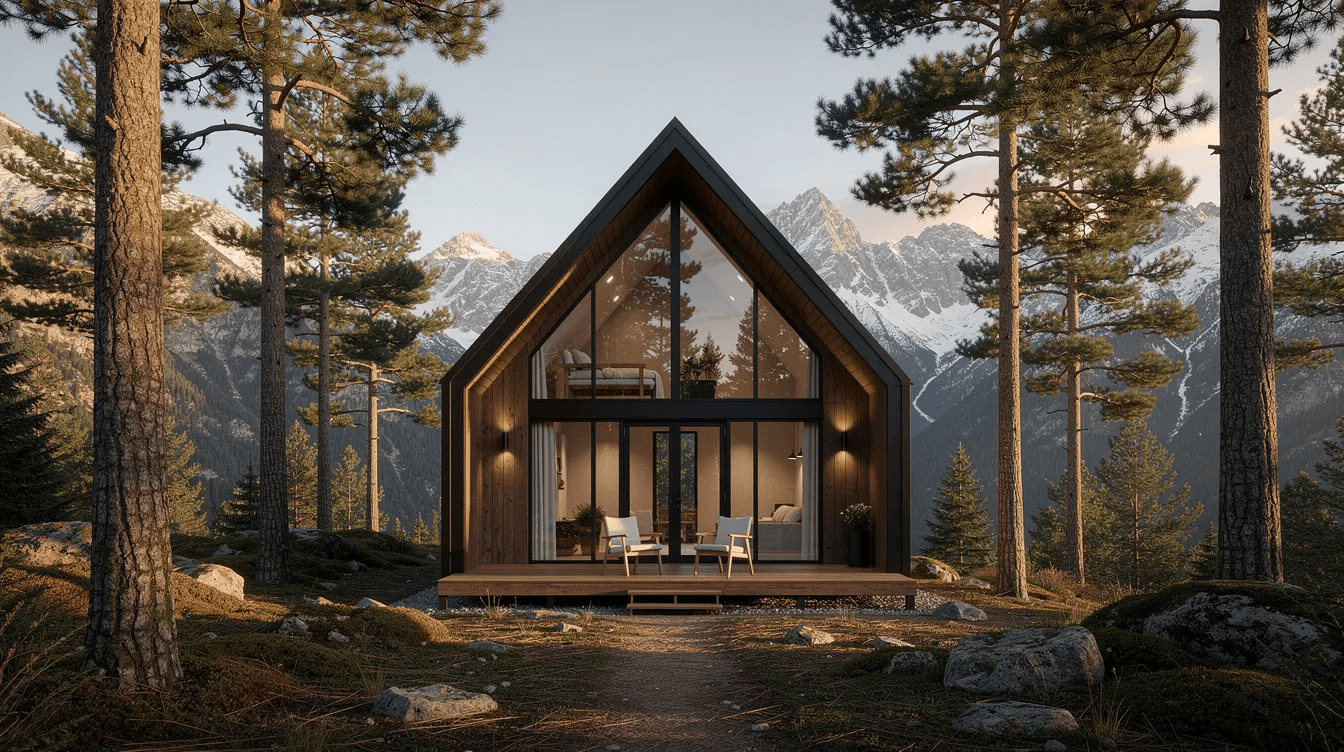
A frame house plans 4 bedroom configurations have gained remarkable popularity among modern families seeking a blend of dramatic architecture and practical living space. The distinctive triangular shape and steeply pitched roof create soaring interiors while efficiently shedding heavy snowfall—making these home plans ideal for mountain, lakeside, and wooded lots in 2026.
- Quick Overview of 4 Bedroom A-Frame House Plans
- Key Features of Modern 4 Bedroom A-Frame House Plans
- Example 4 Bedroom A-Frame Layouts and Sizes
- Floor Plan Considerations for 4 Bedroom A-Frame Homes
- Frame Home and Construction
- Comparing 4 Bedroom Plans to Smaller A-Frame Options
- Sustainability and Energy Efficiency
- Maintenance and Upkeep
- Choosing the Right 4 Bedroom A-Frame Plan for Your Lot
Quick Overview of 4 Bedroom A-Frame House Plans
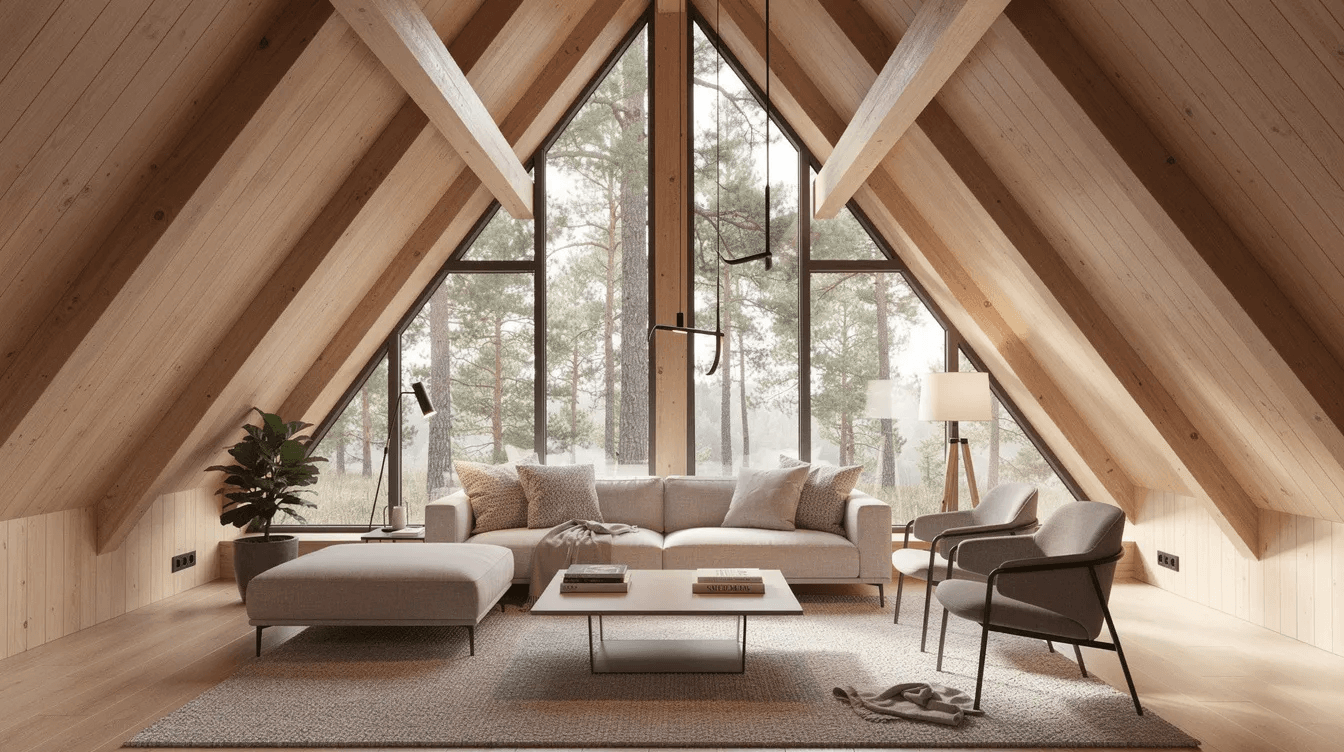
A 4 bedroom a frame house plan is an upscale adaptation of the classic cabin style, designed to accommodate larger families, multigenerational living, or short-term rental use. These plans typically span 1,900 to 2,600 sq ft across 2 to 3 stories, offering open-concept main levels with vaulted ceilings and flexible loft spaces that create a perfect getaway atmosphere.
The steep A-frame roofline—often a 12:12 pitch or steeper—does more than look impressive. It efficiently handles snow loads up to 100 psf while channeling rainwater away from the foundation line. This architectural style creates interior ceiling heights reaching 28 feet, flooding living areas with natural light through dramatic glass end walls.
Key benefits of 4 bedroom A-frame homes:
- Family-friendly layouts with 4 bedrooms and 2.5 to 3 bathrooms
- Energy-efficient structure supporting solar panel integration
- Compact footprints (38’ x 61’ to 41’ x 66’) minimizing site disturbance
- Outstanding views through full-height glass walls
- Durable construction suited to snowy climates and remote locations
Key Features of Modern 4 Bedroom A-Frame House Plans
Contemporary 4 bedroom a frame homes blend the rustic cabin aesthetic with 2026 building standards and modern amenities that protect homeowners from high energy costs.
Structural and exterior features:
- Steep 12:12 to 12:26 roof pitches framed with 2×6 exterior walls for superior insulation
- Full-height glass gable-end walls (12-16 feet tall) using triple-pane low-E windows rated U-0.15
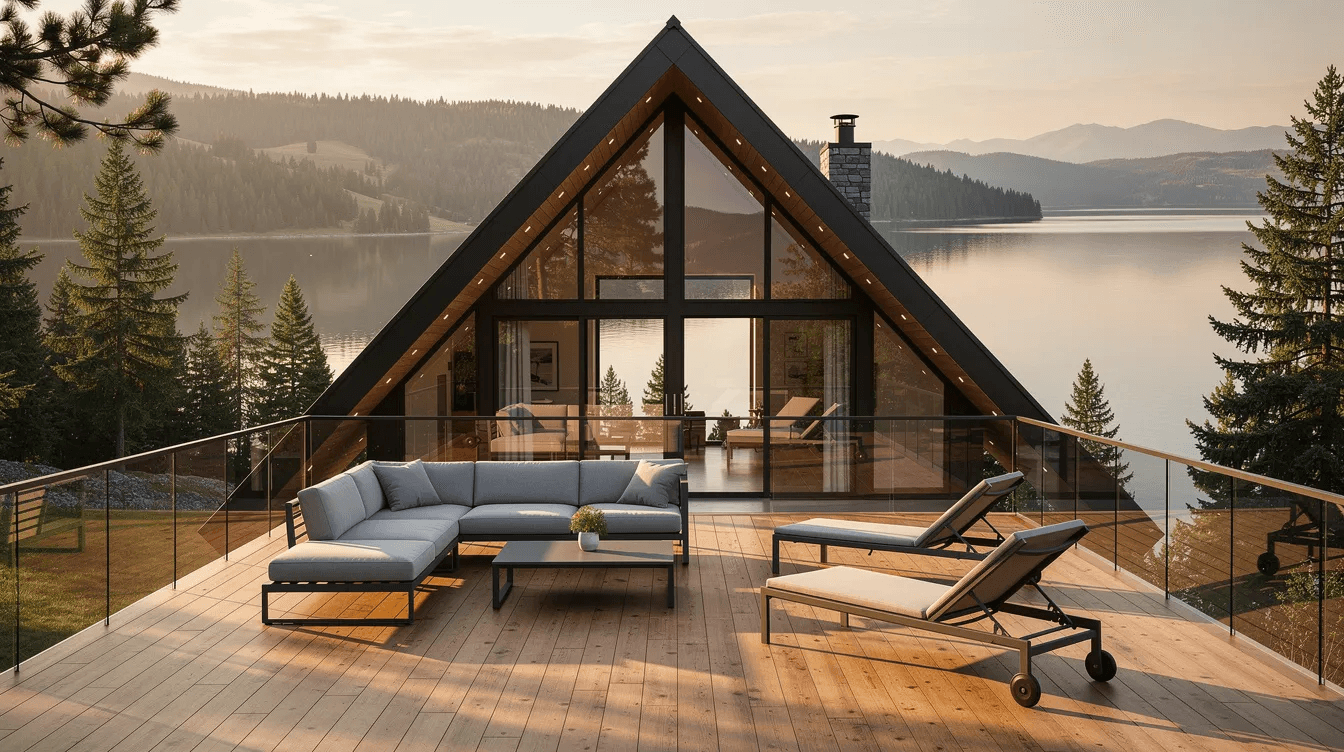
- Decks and covered porches of 10×20 ft or larger extending outdoor living areas
- Cedar, stone, or composite exterior cladding that creates visual warmth while remaining durable
- Optional wrap-around decks that leverage the frame style geometry for strategic shading
Storage and interior organization:
- Walk-in pantry adjacent to kitchen (typically 6×8 ft with pull-out shelving)
- Mudroom with built-in benches, cubbies, and boot dryers (4×6 ft minimum)
- At least one secondary bedroom with a 5×6 ft walk-in closet
- Under-stair storage nooks maximizing every square foot
Bathroom configurations:
- Main floor powder or guest bath with 32×32 inch curbless shower for accessibility
- Primary ensuite featuring dual vanities on a 5-foot span and 6×8 ft walk-in shower with bench seating
- Upstairs shared hall bath serving loft and secondary bedrooms with tub-shower combo
- R-21 insulation in walls and R-60 in attics via blown-in cellulose or spray foam, a performance level comparable to many mini mansion mobile home options
- ERV/HRV systems providing 50-70% moisture recovery
- Solar-ready roof areas on south-facing slopes reducing energy costs 20-30%
Example 4 Bedroom A-Frame Layouts and Sizes
Before purchasing frame house plans or reviewing tiny house plans that fit your life, homeowners need concrete information about square footage, bedroom placement, and bathroom counts. Here are sample layouts that represent common configurations displayed across home design websites.
Compact family design (1,950–2,050 sq ft):
- 4 bedrooms and 3 full baths distributed across 3 stories
- Main floor primary suite at 12×14 ft including a 10×12 ensuite and walk-in closet
- Open great room-kitchen-dining combo totaling 800 sq ft (approximately 40% of living space)
- Upper level housing three 10×11 ft secondary bedrooms around a 12×15 ft loft
- Vaulted ceiling height reaching 18 feet in main living area
- Space distribution: 45% private quarters, 55% shared spaces
Mountain-lodge variant (2,327–2,600 sq ft):
- 4 bedrooms and 2.5 baths within a 41’7” x 66’10” footprint
- Vaulted great room at 20×22 ft with 28-foot ceiling height
- Walk-out basement option adding 800-1,000 sq ft for recreation or home office, similar to how thoughtful tiny house floor plans carve out flexible multiuse areas
- Secondary bedrooms at 11×12 ft with shared jack-and-jill bath access
- Maximum ridge height of 33’5” fitting most municipal codes
- Large deck package up to 540 sq ft for outdoor entertaining
These floor plan examples allocate 40-50% of space to shared areas, creating the open feel that makes A-frame construction so appealing. The loft adds 200-300 sq ft of multifunctional space without expanding the foundation.
Floor Plan Considerations for 4 Bedroom A-Frame Homes
Floor plan decisions affect both build cost—averaging $150-250 per sq ft in 2026—and daily comfort for your family. Use this checklist when reviewing house plan options with your designer.
Bedroom distribution:
- Main floor primary suite supports aging-in-place with single-level living and direct deck access
- All-upstairs layouts prioritize privacy but require steeper stairs (10-12 risers at 7-inch height)
- Consider how laundry placement changes with bedroom location
Bathroom counts:
- 2 baths suffice for nuclear families under 5 members
- 2.5 baths add a half-bath near entries for guests, boosting Airbnb yields by 25%
- 3 full baths optimize for 6+ members or frequent visitors with dedicated ensuite access
Circulation and sightlines:
- Position kitchen islands (typically 9×4 ft) with clear views to dining and entry
- Minimize hallways under 3 ft wide to preserve open footprints
- Shield bedroom doors behind partial walls to maintain privacy from the living area
A-frame structural constraints:
- Sloping rooflines limit usable wall height from 10 ft at gables to 3-4 ft at eaves
- Place closets along gable ends (6 ft deep maximum)
- Select low-profile furniture—platform beds under 18-inch height work best upstairs
Window and light management:
- High clerestory windows (4×6 ft minimum, positioned 8-10 ft up) capture views
- Low-E coatings with SHGC under 0.25 prevent summer overheating
- Calibrate overhangs to your latitude—6 ft south-facing in northern zones provides 70% shade at solar noon
Frame Home and Construction
A frame house plans are celebrated for their straightforward design and construction efficiency, making them a top choice for homeowners and builders alike. The iconic steeply pitched roof is not just a visual hallmark—it’s a practical solution for snowy climates, allowing snow and rain to slide off easily and reducing the risk of roof damage or leaks. This makes frame house plans especially popular in mountainous regions and lakeside properties where weather can be unpredictable.
The triangular shape of an A-frame home isn’t just about style; it provides exceptional structural support and stability. This inherent strength means that frame homes are durable and can withstand harsh weather conditions, offering peace of mind for homeowners in remote or challenging locations. The foundation line of most A-frame designs sits close to the ground, helping the house blend naturally into its surroundings and minimizing the visual impact on the landscape.
One of the standout advantages of frame house plans is their accessibility for both professional builders and ambitious DIY enthusiasts. The simple geometry and repetitive framing elements mean that constructing an A-frame home often requires less specialized labor compared to more complex architectural styles. This can translate to lower overall construction costs, though the final price will depend on factors such as the size of the house, chosen materials, and site conditions.
Whether you’re looking to build a cozy retreat or a spacious family residence, the adaptable design of A-frame house plans ensures a durable, cost-effective, and visually striking home that stands the test of time—akin to many of the top A-frame cabins ideal for nature escapes.
Comparing 4 Bedroom Plans to Smaller A-Frame Options
The 4 bedroom configuration isn’t for everyone. Understanding how it compares to smaller frame home options helps you find the right fit.
1 bedroom, 1 bath (~550 sq ft) compact retreat:
- Ideal for singles, couples, or guest cabins that might use a compact ladder for a tiny house loft to access sleeping areas
- Build cost: $80-120 per sq ft due to simplified framing, often comparable to well-crafted custom tiny homes for small-space living
- Limited work-from-home viability without fold-down desks
- Storage confined to under-stair nooks
- Makes a perfect vacation home but not a full-time family residence
3 bedroom, 2 bath mid-sized plan (2,400–2,500 sq ft): While larger than most great tiny homes that redefine small-space living, it still emphasizes efficient use of every square foot.
- Suits families of 4-5 as either vacation or primary home
- 10-15% lower material cost than 4-bedroom due to fewer partitions
- Higher space efficiency (85% usable vs 75% in larger plans)
- Easier HVAC zoning and lower energy use
4 bedroom advantages: Many of these perks can be mirrored at a smaller scale with tiny house interiors that maximize every square foot.
- Multigenerational living with main-floor guest suite for aging parents
- Home office space in loft or dedicated room
- Short-term rental flexibility with extra guest capacity
- 20-30% higher resale value in resort markets per industry data
- Worth the extra $30,000-50,000 in build cost for 10-20 year flexibility
Trade-offs include 10-20% higher energy use from larger volumes and trickier furniture scaling upstairs where knee walls slope.
Sustainability and Energy Efficiency
A-frame house plans are naturally suited to sustainable living and energy efficiency, making them an excellent choice for eco-conscious homeowners who might also enjoy mountain tiny house getaways as inspiration for off-grid design and location. The compact, triangular shape of a frame house minimizes exterior wall area, which helps reduce heat loss and improves overall energy performance, much like height-conscious tiny house maximum height guidelines aim to optimize volume and efficiency. Combined with modern insulation techniques—such as high R-value wall and roof assemblies—these homes can maintain comfortable indoor temperatures year-round, even in extreme climates.
Many frame house plans are designed with solar readiness in mind, featuring south-facing roof slopes that are ideal for solar panel installation. This allows homeowners to harness renewable energy and significantly lower their utility bills. The steeply pitched roof also supports efficient rainwater runoff, which can be collected for landscape irrigation or other uses, further enhancing the home’s sustainability profile.
Material selection plays a key role in the environmental impact of an A-frame home. Durable, locally sourced materials like cedar, stone, or composite siding not only reduce shipping costs and carbon footprint but also ensure long-lasting performance with minimal maintenance. Energy-efficient windows, such as triple-pane low-E glass, maximize natural light while minimizing heat gain or loss, creating a bright, inviting living space that’s both comfortable and cost-effective.
By blending smart design, advanced building materials, and renewable energy options, A-frame house plans offer a sustainable solution that aligns with modern green building standards and the needs of environmentally responsible homeowners.
Maintenance and Upkeep
One of the most appealing aspects of A-frame homes is their reputation for low maintenance and long-term durability. The steeply pitched roof, a defining feature of frame house plans, is highly effective at shedding snow, leaves, and debris, which helps prevent common roofing issues and reduces the need for frequent cleaning or repairs—especially important in snowy climates.
Exterior materials are chosen for their resilience and ease of care. Cedar and composite cladding resist moisture, insects, and rot, while stone accents add both beauty and protection against the elements. Regular inspections of the foundation line and roof are recommended to catch any potential issues early, but the simple, geometric design of an A-frame home makes these tasks straightforward and accessible.
Inside, the open floor plan and minimal interior walls mean fewer surfaces to maintain and clean. High-quality finishes and durable flooring materials can further reduce upkeep, allowing homeowners to spend more time enjoying their living space and less time on chores.
For those considering a frame house as a vacation home or rental property, the ease of maintenance is a significant advantage. With proper care and occasional updates, an A-frame home can remain a comfortable, attractive, and functional retreat for decades, protecting your investment and providing lasting value.
Choosing the Right 4 Bedroom A-Frame Plan for Your Lot
The ideal 4 bedroom A-frame depends on your lot’s slope, orientation, and regional climate. Before waiting to order plans or add them to your cart, verify these site-specific factors.
Orientation and views:
- Position the glass wall and deck toward your best views (lake, forest, mountains)
- Orient south-facing glass at azimuth 180° for 20-40% passive heating gain
- Use motorized shades or electrochromic glass for glare control when needed
Slope considerations:
- Lots with 10-30% grades are ideal for A-frame construction
- Steep lots benefit from walk-out basements adding 40% sq ft for a 4th bedroom or media room
- This approach shrinks the main footprint by 25% while maximizing living space
Climate-specific changes:
- Deep 8-10 ft overhangs in hot climates provide 80% facade shading
- Snow guards and 12:12+ pitches handle 60+ psf design loads in heavy snowfall regions
- ICF foundations where viable for superior thermal performance
- Most municipal height caps sit at 35 ft (fitting most A-frames at 33’ ridge)
- Side setbacks of 20-30 ft may require shallower pitches or plan modifications
- 2026 codes mandate R-20 walls minimum per ICC standards
Final steps:
- Request a CAD file or PDF from plan providers for accurate contractor quotes
- Verify shipping costs and unlimited build licensing before purchase
- Review your chosen plan with a professional builder or local architect to construct with confidence
- Adapt foundation, insulation, and structural details to your region’s 2026 building codes
When you sign off on a plan, you’re making a commitment. Take time to experience the lot, ask questions, and use all available information to ensure your 4 bedroom A-frame becomes the home your family needs for decades ahead.