
Building an a frame loft house is one of those projects that looks deceptively simple on paper. The iconic triangular silhouette promises drama, efficiency, and a connection to nature that rectangular boxes simply can’t match. But before you purchase plans or break ground, you need real numbers, honest trade-offs, and a clear path forward.
This guide walks you through everything from construction costs to layout options, helping you decide if an a frame house with loft is right for your land, budget, and lifestyle. Thanks to their simpler design, A-frame loft houses can often be built more affordably and quickly than traditional homes, helping you save money both during construction and on long-term living costs.
- Introduction to A-Frame Houses
- What Is an A-Frame Loft House?
- What Is the Point of an A-Frame House with Loft?
- How Much Does It Cost to Build an A-Frame Loft House?
- Is an A-Frame Loft House Cheaper to Build?
- Pros and Cons of A-Frame Loft Houses
- Are A-Frame Loft Houses Hard to Build?
- Strength, Safety & Insulation in A-Frame Loft Houses
- Basements, Foundations & Layout Options
- A-Frame Loft Cabin Plans, PDFs & Material Lists
- Modern Design Trends in A-Frame Loft Houses
- Building Codes and Regulations
- Tools and Equipment
- Planning Your Own A-Frame Loft House
Introduction to A-Frame Houses
A-frame houses have become a favorite among those searching for a unique and practical dream home, especially in regions known for heavy snow and challenging weather. The instantly recognizable triangular silhouette of a frame houses isn’t just about style—it’s a smart structural choice. The steeply sloped roof and sturdy frame direct snow and rain away from the house, minimizing maintenance and maximizing durability, making these homes ideal for mountain retreats or forever homes in any climate.
When you start exploring house plans for an A-frame, you’ll find a wide range of options—from compact, small A-frame house plans perfect for weekend getaways, to spacious luxury A-frame house plans designed for full-time family living. Each plan is built around the core principles of efficient use of space, strong foundation plans, and a structure that stands up to the elements.
Planning is key to a successful build. Before breaking ground, it’s essential to develop a detailed site plan that considers your land’s slope, orientation, and access. The foundation plan should be tailored to your specific location, whether you’re building on a slab, crawl space, or full basement. And, of course, every step must align with local building codes to ensure your A-frame house is safe, legal, and built to last—just as thoughtful planning does when creating a custom Amish-style tiny house.
The beauty of A-frame houses lies in their flexibility. Whether you’re dreaming of a cozy cabin or a modern masterpiece, these homes can be customized to fit your needs, budget, and vision. With the right plans and careful attention to foundation and site details, you can create a structure that’s both a practical investment and a true dream home, much like thoughtfully designed modern yurt interiors for minimalist living.
What Is an A-Frame Loft House?
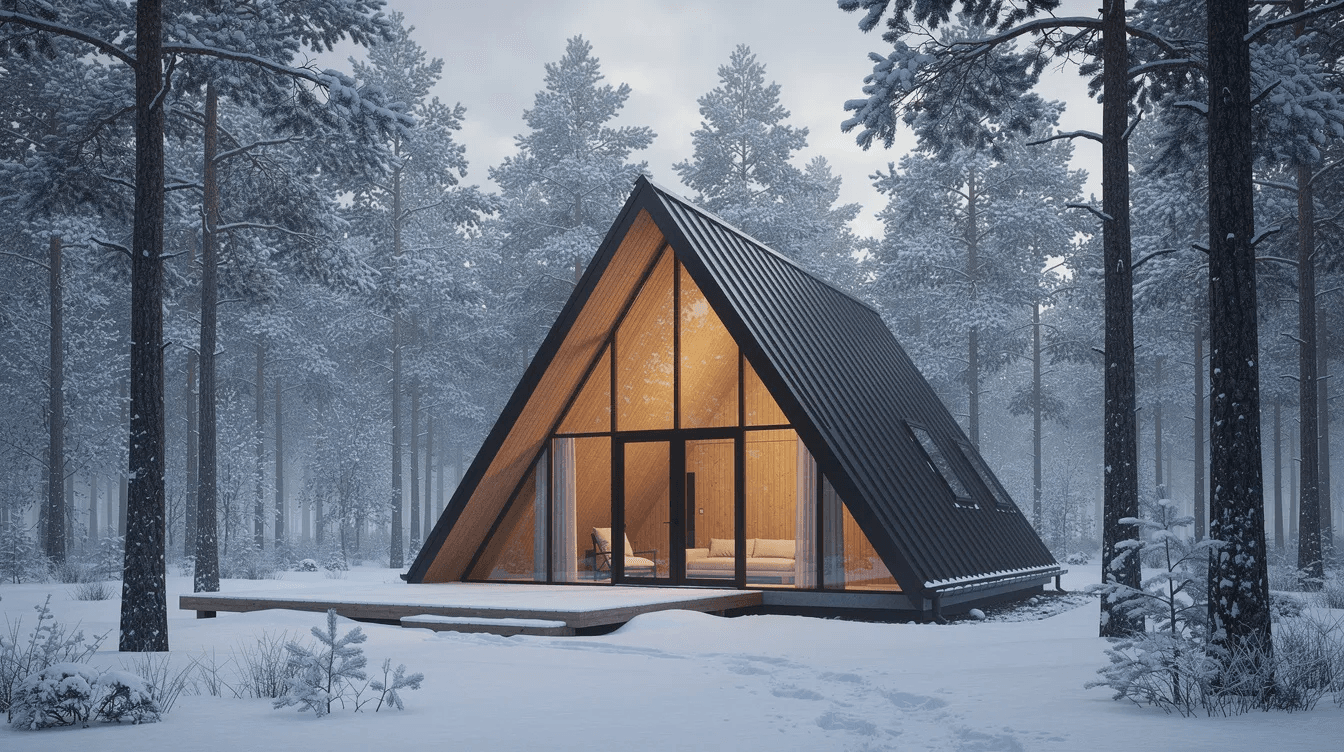
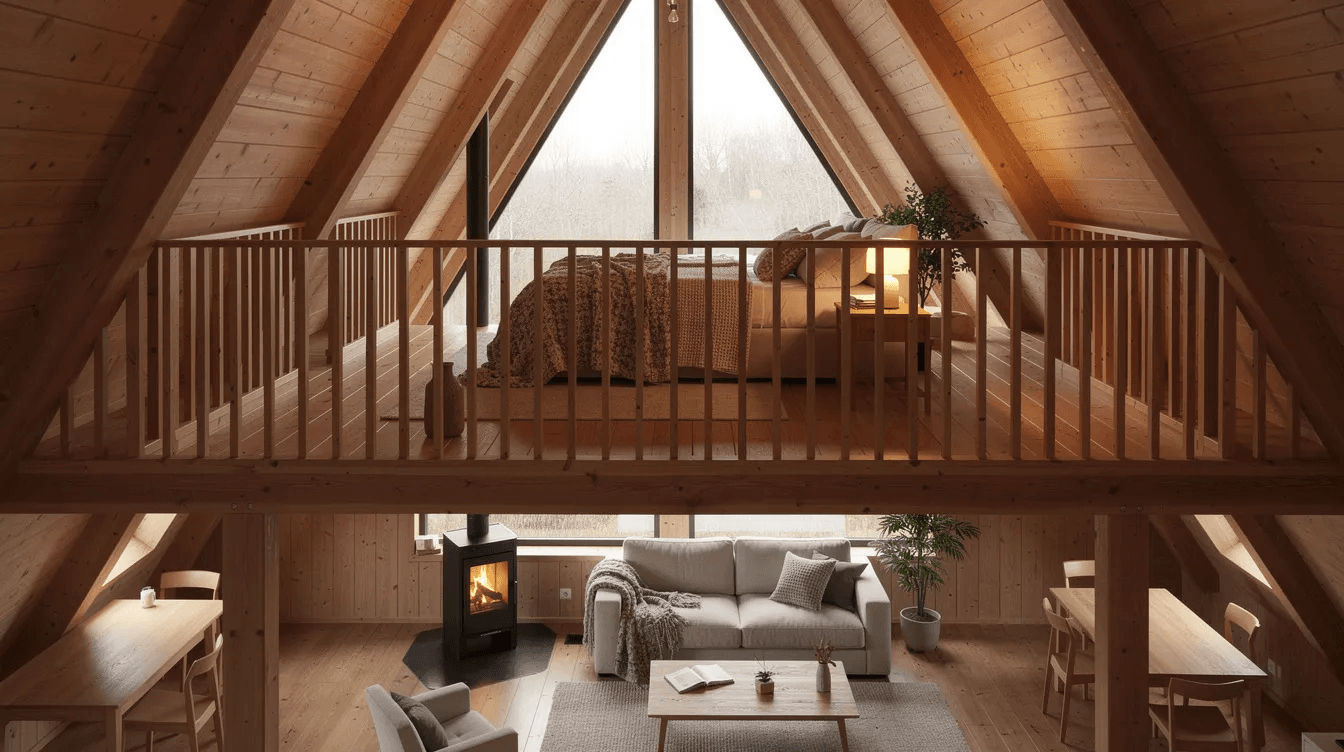
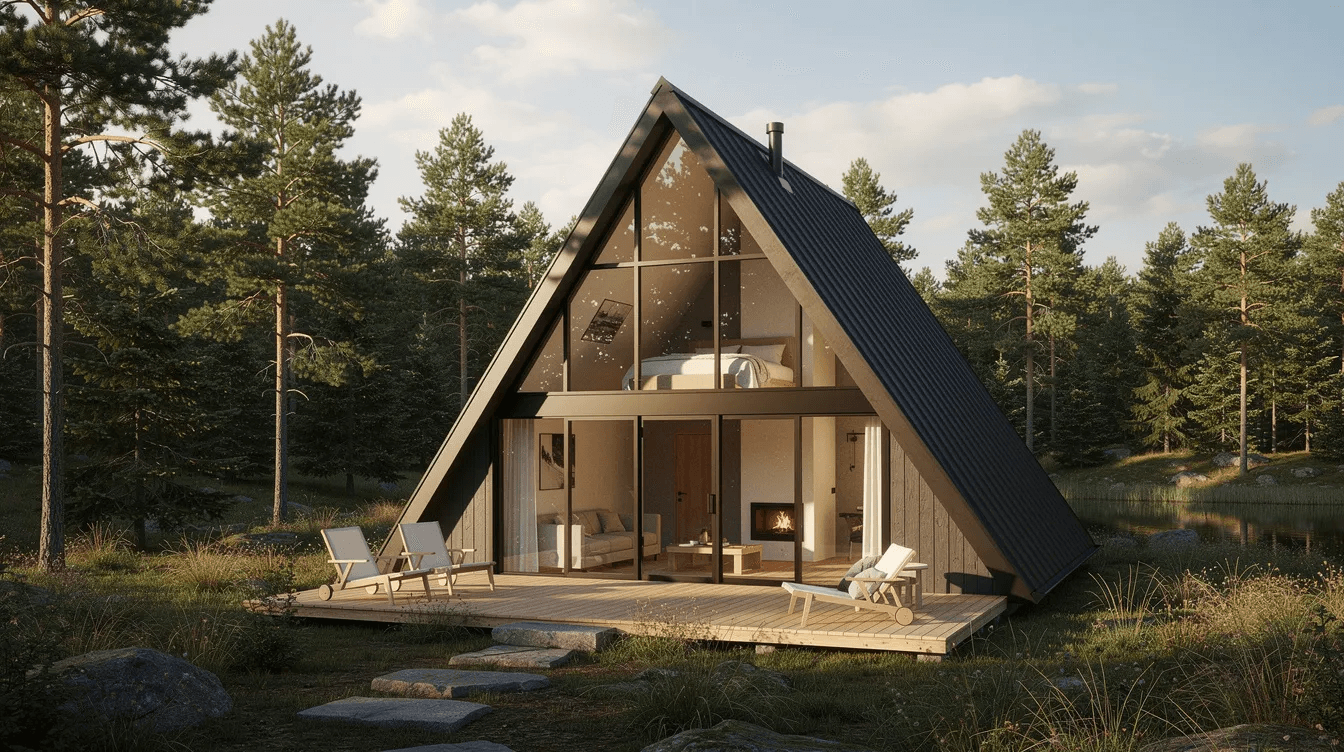
An a frame loft house is a steeply pitched structure where the roof slopes form the walls, creating the distinctive “A” shape from foundation to ridge. What separates it from a basic frame cabin is the inclusion of a usable upper level—a sleeping loft, office, or living space tucked under the roof peak.
This loft transforms the building from a compact single-story shelter into a multi-level home with significantly more livable sq ft.
Key characteristics include:
- Roof pitches typically ranging from 12:12 to 20:12
- Typical size ranges of 600 to 1,500 sq ft total
- Bright, airy interiors with exposed rafters and visible structure
- Large glazed gable walls flooding the space with natural light
- Protective loft railing overlooking the main floor
Common applications span primary residences in rural locations, weekend cabins in forested or mountainous regions, and short-term vacation rentals where the unique aesthetic drives bookings—similar to some of the top A-frame cabin getaways for nature retreats.
What Is the Point of an A-Frame House with Loft?
Why build an a frame loft house instead of a conventional cabin? The answer comes down to efficient space, climate performance, and dramatic design that maximizes every foundation dollar.
The iconic A-shape creates a cozy interior volume while the steep roof slopes form the walls, eliminating the need for separate wall framing on two sides. This geometry produces a dramatic silhouette that looks striking on wooded or sloped land.
The loft advantage is substantial:
- Adds semi-private space without expanding your foundation footprint
- Perfect for a sleeping area, home office, studio, or reading nook, especially when paired with a safe, space-saving ladder solution for loft access
- Captures elevated views over trees or water that ground-level windows miss
- Turns what would be dead attic void into functional living space
In regions like Colorado, Vermont, or Scandinavian-style mountain areas, the steep roof sheds heavy snow and rain efficiently. Snow slides off rather than accumulating, reducing structural stress and maintenance headaches.
Compare this to non-loft a frame houses: the basic version wastes vertical space under an unused roof void. The loft version extracts genuine value from that geometry, often doubling functional area while keeping the same ground footprint.
How Much Does It Cost to Build an A-Frame Loft House?
For 2024-2026, expect a build cost ranging from $140 to $320 per sq ft depending on your region, site conditions, and finish level. That’s a wide spread, so let’s break it down with concrete examples.
Example 1: 900 sq ft A-frame loft house
- 650 sq ft main floor + 250 sq ft loft
- Standard U.S. build with basic finishes
- Cost range: $160,000 to $230,000
Example 2: 1,388 sq ft A-frame loft house
- Approximately 1,052 sq ft main floor + 336 sq ft loft
- Large deck, premium features
- Cost range: $250,000 to $380,000
Key factors influencing your final budget:
- Site access challenges (remote mountain plots inflate labor costs)
- Snow-load requirements (thicker rafters and reinforced structure in northern states)
- Window wall pricing (large gable glazing often runs 20-30% of total budget)
- Custom architectural plans versus stock PDFs (custom adds 10-20% to design fees)
- Interior finish levels (builder-grade versus high-end millwork)
Pre-drawn house plans bundled with detailed materials lists can significantly reduce design costs. They also help your builder provide accurate bids and minimize supply overages during construction.
Is an A-Frame Loft House Cheaper to Build?
Here’s the direct answer: an a frame loft house can be cost-competitive, but it’s not automatically the cheapest option on your land.
The simple, repetitive framing angles can save labor, particularly on compact footprints under 1,000 sq ft. Once the crew patterns the rafter cuts, assembly moves efficiently. The triangular form also economizes on wall materials since the roof doubles as walls.
However, several factors push costs upward:
- Large glass gable walls require custom sizing and high-performance glazing
- Tall interior volumes demand scaffolding for finishes and paint
- Custom loft stairs or ladders add complexity
- Precision angle cuts (often 55-60 degrees) are less forgiving for inexperienced crews
Budget comparison:
Structure Type | Size | Estimated Cost |
|---|---|---|
Rectangular cabin | 800-900 sq ft | $120,000-$180,000 |
A-frame with loft | 800-900 sq ft | $150,000-$220,000 |
The a frame saves on foundation size but typically adds 15-25% in glazing and roofing costs compared to flat-roof alternatives. |
Practical advice: Request a line-item cost estimate breaking down framing (20-25%), envelope (30%), mechanicals (15%), and finishes (30%) before committing. This sets realistic expectations without marketing hype.
Pros and Cons of A-Frame Loft Houses
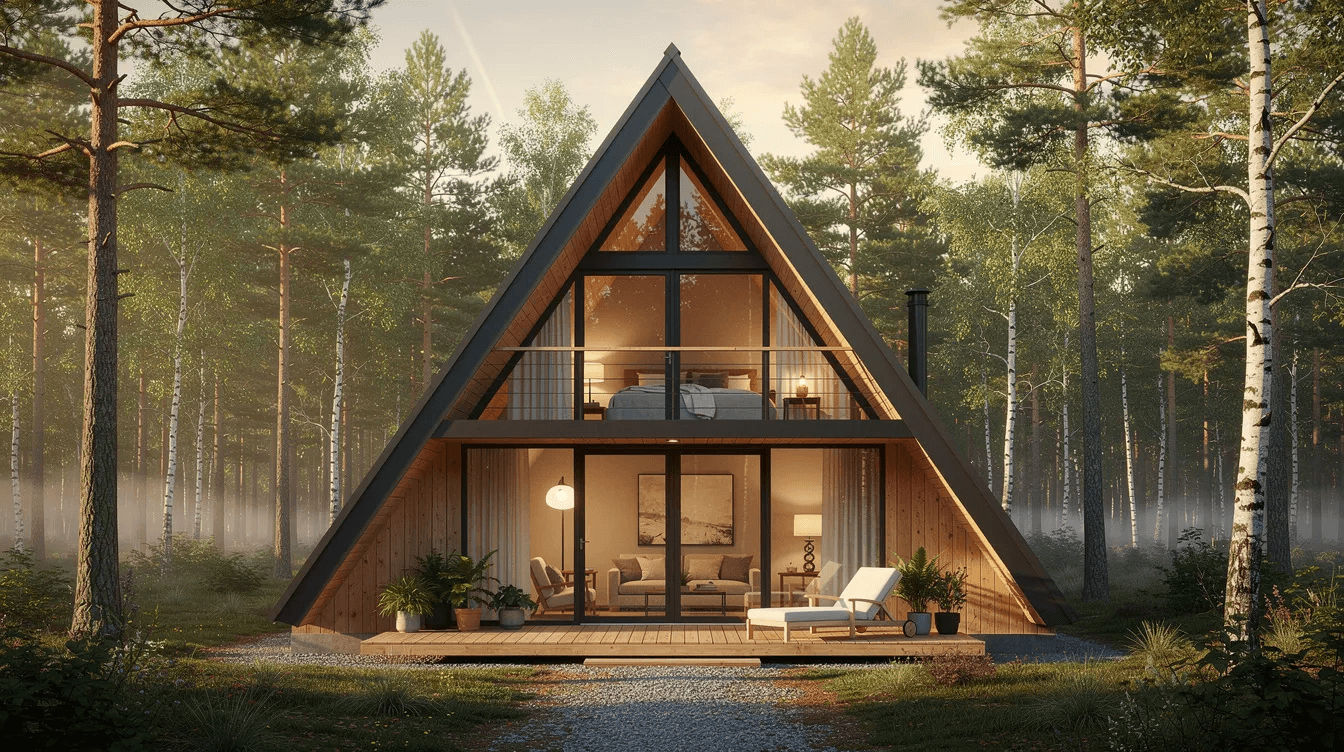
Every building style involves trade-offs. Here’s a balanced overview for anyone serious about making this their dream home or vacation retreat.
Pros:
- Abundant natural light from end-wall glazing creates bright, inviting interiors
- Steep roof efficiently sheds snow and rain, reducing maintenance
- Triangular structure distributes loads effectively, performing well in wind and seismic zones
- Compact footprint suits sloped or wooded lots with limited build area
- Dramatic vaulted ceilings feel spacious despite modest floor space
- Elevated loft views capture sightlines over trees, water, or valleys
Loft-specific advantages:
- Flexible extra sleeping capacity for guests or short-term rental income
- Separate zone for work, reading, or quiet relaxation
- Better value per foundation dollar compared to single-story alternatives
Cons:
- Reduced full-height wall space upstairs makes furniture placement challenging
- Only low-profile beds and furniture fit comfortably under knee walls
- Potential overheating or heat stratification in tall spaces without proper HVAC
- Sound transfer between loft and main floor due to open design
Mitigating the downsides:
Modern designs address these issues with spray-foam insulation, triple-pane windows, ducted mini-splits for climate control, and acoustic underlayments. Carefully planned loft layouts with built-in storage under eaves maximize usable floor area, and some owners even explore ultra-efficient concepts like Earthship-inspired tiny homes for sustainable living.
Real-world scenario: A couple in Vermont converted their loft into a home office with panoramic forest views, while a family in Colorado uses theirs as bunk space for children with ladder access and safety railing.
Are A-Frame Loft Houses Hard to Build?
A-frame construction isn’t inherently harder than other custom homes, but it demands precision where standard framing is more forgiving.
The angled rafter cuts (typically 55-60 degrees for steep pitches) and elevated ridge work require experience. You’ll want a builder or framing crew familiar with steep-pitch roofs in the 12:12 to 20:12 range, plus snow-load engineering for spans up to 30 feet.
What simplifies the process:
- Detailed, dimensioned working drawings delivered as a complete set
- Comprehensive materials and tool lists for accurate procurement
- Structural details showing connection points and fastener schedules
- Clear floor plans with furniture placement and stair positions
DIY-friendly phases:
- Interior drywall and painting
- Deck construction
- Trim work and finish carpentry
- Basic landscaping
Best left to professionals:
- Structural framing and ridge assembly
- Metal roofing installation
- Electrical rough-in and plumbing
- Loft floor joisting (typically 2×10 at 16-inch centers)
High-level build sequence:
- Foundation pour (slab, crawl space, or basement)
- Subfloor and end-wall erection
- Main rafter trusses or stick-framing to ridge
- Roof sheathing and underlayment
- Gable window installation
- Loft floor framing
- Mechanical rough-ins
- Insulation and interior finishes
As your A-frame loft house takes shape, watch the progress unfold—being able to observe each stage brings a sense of anticipation and involvement throughout the building process.
Expect 4-8 months for a 1,000 sq ft build, depending on weather, crew availability, and permit timelines.
Strength, Safety & Insulation in A-Frame Loft Houses
The triangular form isn’t just visually striking—it’s structurally efficient. Loads channel directly down the slopes to the foundation through compression, making a frame houses naturally resistant to heavy snow (engineered capacities exceed 100 psf) and high winds (90+ mph ratings when properly braced).
When built to modern building codes like the 2021/2024 International Residential Code, an a frame loft house is as safe as any conventional home. Proper hold-downs, bracing, and connections ensure stability.
Insulation strategies for comfort:
- Continuous coverage from eave to ridge using rigid foam boards (R-30+)
- Dense-pack cellulose or closed-cell spray foam eliminates thermal bridges at rafters
- Baffled vent chutes maintain airflow and prevent moisture issues
- High-performance glazing (U-factor 0.25 or lower) on large gable windows
- Low-E coatings and argon fill control winter heat loss and summer solar gain
Loft-specific safety requirements:
- Code-mandated guardrails (42-inch minimum height)
- Compliant stairs with 10-inch tread depth and 7.75-inch maximum riser
- Egress windows for emergency exit—plan these early for building permit approval
Additionally, radiant floor heating on slabs and ERV systems for moisture control enhance year-round comfort, particularly in humid or cold climate zones.
Basements, Foundations & Layout Options
Your foundation choice significantly impacts both cost and livable space.
Common foundation types:
- Slab-on-grade: Most economical for flat sites, 6-8 inch thickened edges
- Crawl space: Suits moderate slopes, provides access for mechanicals
- Full basement: Expands usable area substantially
Adding a basement can transform a 900 sq ft a frame loft house into 1,300+ sq ft of total living space, with the lower level serving as extra bedrooms, storage, or a home office. However, feasibility depends on soil bearing capacity (2,000+ psf minimum), water table depth (below 8 feet), and local codes regarding expansive soils, much like choosing the best foundation type for a tiny house.
Your foundation plan should account for the concentrated loads at the base of each rafter.
Typical layout patterns:
- Open great room oriented toward views through glazed gables
- Compact kitchen with island seating
- Main-floor bedroom and full bath for accessibility
- Loft as master suite or guest zone
Example layout (1,388 sq ft):
Level | Area | Function |
|---|---|---|
Main floor | 1,052 sq ft | Great room, kitchen, bath, bedroom |
Loft | 336 sq ft | Primary suite or office |
Decks | Variable | Wraparound outdoor living |
Effective floor plans integrate built-in furniture under eaves, central spiral stairs to minimize footprint, and storage nooks exploiting knee walls. |
A-Frame Loft Cabin Plans, PDFs & Material Lists
Ready-made a frame cabin plans are commonly delivered as downloadable PDF sets, giving you immediate access to construction documents.
A complete set typically includes:
- Floor plans at 1/4-inch scale
- Four exterior elevations showing all sides
- Building sections showing roof pitches and interior heights
- Structural details for connections and framing
- Door and window schedules with specifications
- Foundation plan with dimensions
Many providers offer variants ranging from compact 400-500 sq ft loft cabins up to 1,200+ sq ft family designs. Each plan number corresponds to a specific configuration, making it easy to search and compare options, just as with well-thought-out tiny house floor plans that maximize comfort and function.
Value of included material lists:
- Itemized quantities (e.g., 200 linear feet of 2×8 rafters, 50 sheets of plywood)
- Easier budget planning with accurate takeoffs
- Fewer supply trips during construction
- Clearer communication with contractors and lumber yards
Example plan: A one-bedroom a frame with covered porch, sleeping loft via ship’s ladder, and 24×24-foot footprint—designed for vacation use with vaulted living space below and storage throughout.
This approach works well if you’re deciding whether to purchase pre-made plans or commission custom architectural drawings from a designer or architect.
Modern Design Trends in A-Frame Loft Houses
Contemporary a frame loft homes update the classic 1960s-1970s style with performance and aesthetics that satisfy today’s expectations.
Four key modernizations:
- Larger, better-insulated glazing: Triple-pane units reaching 20 feet tall with low-E coatings
- Improved space planning: Full kitchens with slab counters, baths with linear drains, efficient layouts
- Integrated storage: Built-ins under slopes, custom millwork maximizing every inch
- Energy-efficient envelopes: SIPs or advanced framing achieving HERS scores under 50
The trend pairs rustic materials—exposed timber, reclaimed wood, board-and-batten siding—with minimalist interiors featuring polished concrete floors, matte black fixtures, and clean lines, echoing many principles found in modernist tiny house designs.
A-frame loft houses increasingly serve as high-end short-term rentals, featuring hot tubs on decks, panoramic windows, smart HVAC, and designer interiors that photograph beautifully for listing platforms—similar to many of the best tiny house designs for modern living.
Visual inspiration styles:
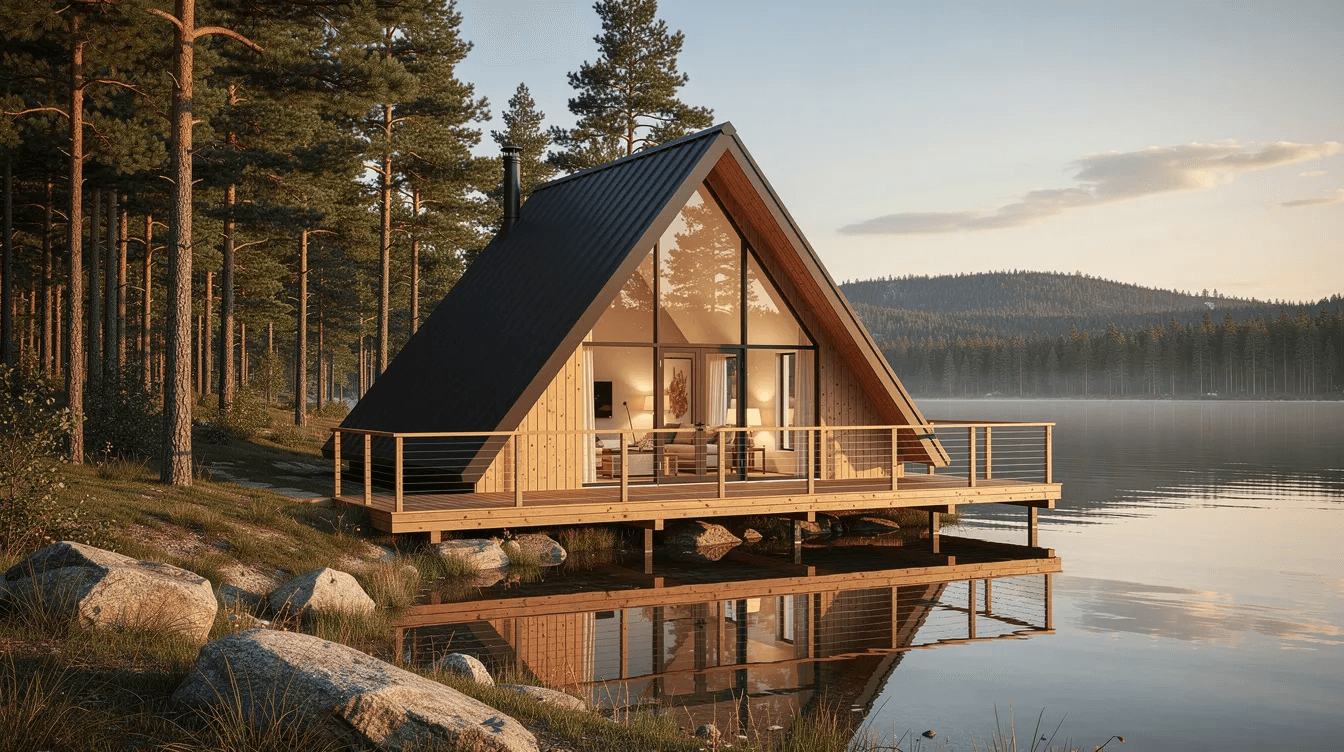
- Lakefront: Wraparound decks, water views through floor-to-ceiling glass
- Forest retreat: Reclaimed wood accents, earth tones, integration with trees
- Alpine cabin: Snow-ready metal roofing, cozy interiors, dramatic winter presence
These features attract interest from buyers searching for a forever home with character and guests seeking memorable rental experiences, much like highly personalized custom tiny homes for small-space living.
Building Codes and Regulations
Building an A-frame house is an exciting project, but it’s crucial to ensure your plans comply with all relevant building codes and regulations. Every location has its own set of rules governing frame houses, and these codes are in place to guarantee the safety, durability, and energy efficiency of your new home.
Before construction begins, you’ll need to obtain a building permit from your local authorities. This process typically requires submitting your A-frame house plans, including detailed drawings and a site plan, for review. The plans must demonstrate that your structure meets all local building codes—covering everything from structural integrity and foundation requirements to insulation, plumbing, and fire safety.
Because building codes can vary significantly from city to city and state to state, it’s wise to work with a professional architect or builder who understands the specific requirements for A-frame houses in your area. They’ll help you navigate the permitting process, adapt your plans as needed, and ensure that every aspect of your project—from the frame to the foundation—meets or exceeds local standards.
Staying compliant with building codes isn’t just about following the rules; it’s about protecting your investment and your family. Properly permitted and inspected A-frame houses are safer, more energy-efficient, and easier to insure or sell in the future. Make sure your builder or designer is responsible for submitting all necessary documents and that your working drawings delivered are up to code before you break ground.
Tools and Equipment
Building an A-frame loft house requires a thoughtful selection of tools and equipment to ensure each phase of construction goes smoothly. Whether you’re tackling the project yourself or working with a professional builder, having the right gear is essential for efficiency, safety, and quality results.
For the foundation phase, you’ll need excavation equipment, concrete mixers, and tools for setting foundation walls—such as levels, measuring tapes, and rebar cutters. As you move to framing, power saws, nail guns, framing squares, and heavy-duty drills become indispensable for assembling the distinctive roof pitches and structural frame.
When it comes to installing large windows and exterior doors, suction lifters and sturdy scaffolding are crucial for safety and precision. For interior work, basic carpentry tools like hammers, screwdrivers, and utility knives are needed, along with specialty tools for plumbing and electrical rough-ins.
Don’t overlook the importance of accurate measuring and layout tools—laser levels, chalk lines, and plumb bobs help ensure your house plans are executed to exact dimensions. For finishing touches, paint sprayers, tile cutters, and flooring tools will help bring your dream home to life.
Additionally, a comprehensive materials list—often included with your working drawings—will guide your purchases and help you stay on budget. Whether you’re building from scratch or working with a builder, investing in quality tools and equipment pays off in the long run, ensuring your A-frame house is built to last and meets all local codes and standards.
Planning Your Own A-Frame Loft House
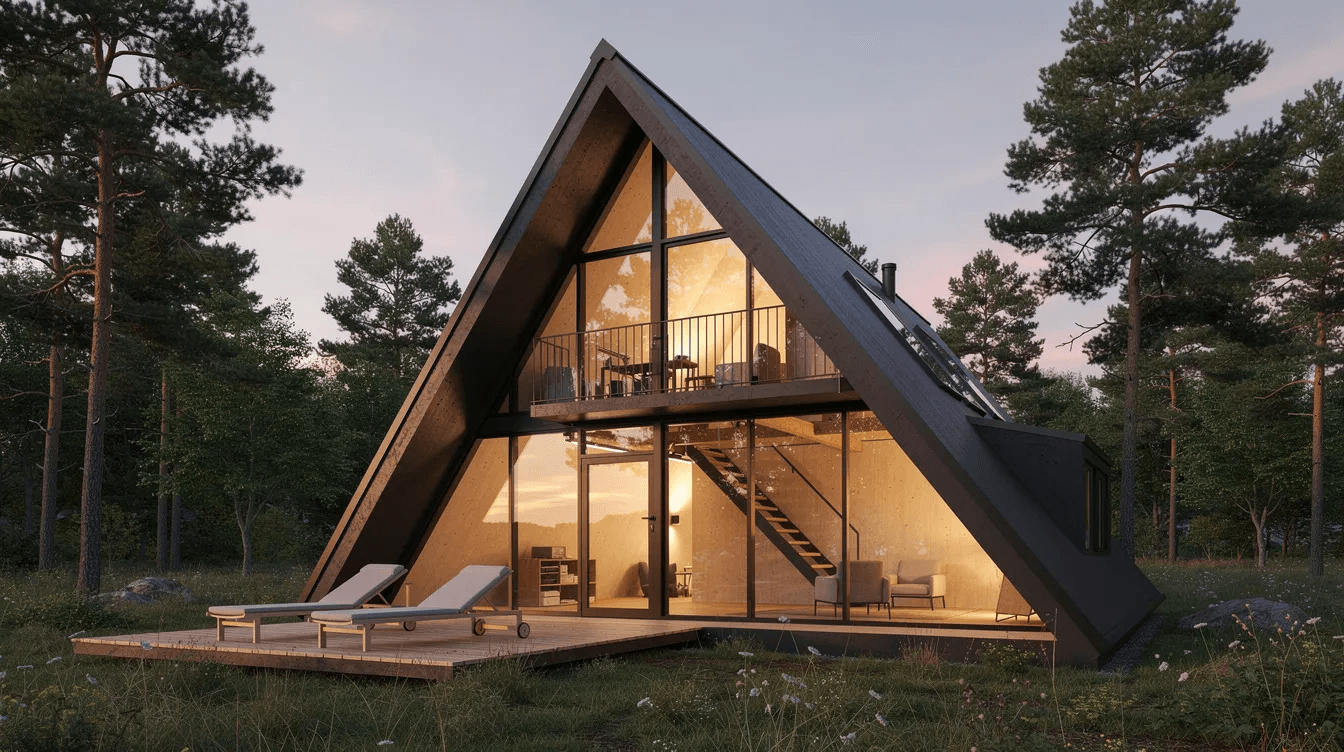
Ready to move from ideas to action? Here’s a step-by-step overview to guide your project.
Step 1: Define your purpose Is this a full-time residence, weekend getaway, or rental investment? Your answer shapes size, features, and budget priorities.
Step 2: Set a realistic budget Plan for $150-$300 per sq ft depending on your region and finishes. Include contingency for site-specific surprises.
Step 3: Choose size and select site Match your footprint to your land. Southern exposure maximizes glazing benefits. Check soil conditions and slope.
Step 4: Verify local codes Before you purchase plans, confirm snow-load requirements, zoning setbacks, height limits, and building permit processes. Submit a site plan early to identify issues.
Step 5: Assemble your team
- Building designer or architect for plan adaptations
- Structural engineer if required for custom spans
- Builder with steep-roof experience
Realistic timeline:
Phase | Duration |
|---|---|
Design and permitting | 1-2 months |
Framing and envelope | 3-6 months |
Interior finishes | 2-3 months |
Total | 6-12 months |
A well-designed a frame loft house offers decades of low-maintenance living with unique character you simply won’t find in conventional construction. The steep roof handles whatever climate throws at it, the loft adapts to changing family needs, and the views from those large windows never get old. |
Start by defining your purpose, setting an honest budget, and choosing the right plans for your land. Your dream home is closer than you think—one carefully planned decision at a time.