
The tiny house movement has evolved dramatically, and in 2026, an awesome tiny house represents far more than just a small space. Today’s incredible tiny homes typically range from 260 to 700 square feet, with prices spanning $40,000 for basic smart pods to $215,000 for high-end custom builds. The price of tiny homes can vary significantly, with some models starting around $10,000 for basic structures, while more luxurious options can exceed $200,000. On average, the cost of a tiny home can range from $30,000 to $150,000, depending on the features and location.
These smaller homes balance innovative design, multifunctional spaces, and lifestyle freedom. Consider real examples: a 14×40-foot luxury model evoking Tennessee-style retreats, a 260 square feet surf-ready home in Hawaii optimized for coastal mobility, or a 350 square feet 3D-printed unit in Austin, Texas. Post-2020 demand for flexible housing—driven by remote work trends persisting through 2025–2026—has pushed tiny houses from niche to mainstream.
Here’s what this article covers:
- Modern luxury tiny homes with spa-like finishes and clever floor plans
- Rustic country designs filled with cozy charm
- Off-grid, smart, and sustainable builds for eco-conscious living
- Movable, modular, and floating options for ultimate flexibility
- 3D-printed and architectural innovations pushing boundaries
- Historic conversions that transform character buildings into dream homes
This guide is for downsizers, digital nomads, eco-focused buyers, and backyard ADU seekers ready to live big in a small footprint.
- Modern Luxury Tiny Homes: Small Space, Big Style
- Modern Country & Rustic Charm: Cozy Awesome Tiny Houses
- Off-Grid, Smart & Sustainable Tiny Homes
- Movable, Modular, and Floating Awesome Tiny Houses
- 3D-Printed, High-Tech & Architectural Tiny House Innovation
- Historic Conversions & Character-Packed Tiny Houses
- Designing Your Own Awesome Tiny House
- Living Large in a Tiny Footprint
Modern Luxury Tiny Homes: Small Space, Big Style
Contemporary luxury tiny homes prove that living tiny doesn’t mean sacrificing style. Footprints like 12×24 feet (288 square feet), 14×40 feet (560 square feet), and 540 square feet backyard units deliver high-end finishes within compact walls. These elegant tiny homes that redefine modern living maximize every inch while maintaining the atmosphere of a boutique hotel.
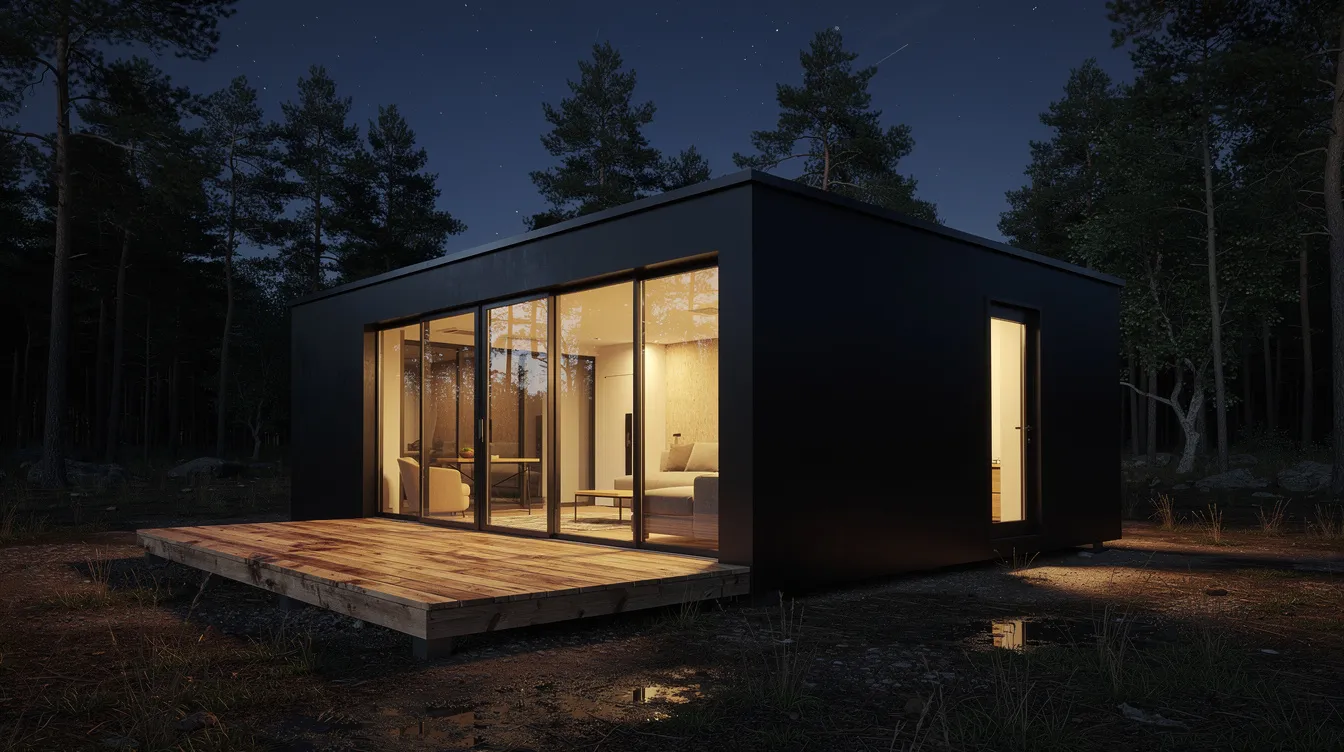
Consider an “Awesome Black Steel Cabin” concept inspired by metal-clad designs: an all-black exterior with cedar interior, 14×40-foot footprint, target price under $150,000, and build time under six months. Inside, you’d find:
- European-style kitchen with full-size appliances
- Real wood flooring throughout
- Stone or gas fireplace as the room’s center
- Spa-like bathroom with walk in shower
- Built-in storage tucked into every corner
Real comparable concepts include a 540 square feet backyard Dwell-style house installable in about two weeks, featuring bi-fold glass doors, engineered oak floors, and a full kitchen. Tiny houses maximize comfort with full-size appliances, efficient heating, and cozy, minimalist layouts.
What keeps these luxury builds feeling “awesome tiny” rather than cramped? Clever floor plan design, sleeping loft areas, and multi-functional furniture serving dual purposes—such as sofa beds, storage ottomans, and foldable tables. High ceilings and large windows make small spaces feel larger and more connected to nature. Indoor-outdoor flow is enhanced by patios, decks, or large sliding glass doors.
Modern Country & Rustic Charm: Cozy Awesome Tiny Houses
Many of the most loved tiny homes mix modern functionality with country or rustic aesthetics. These designs, ranging from 260 to 1,000 square feet, offer style inspiration for anyone seeking warmth and character in their small space.
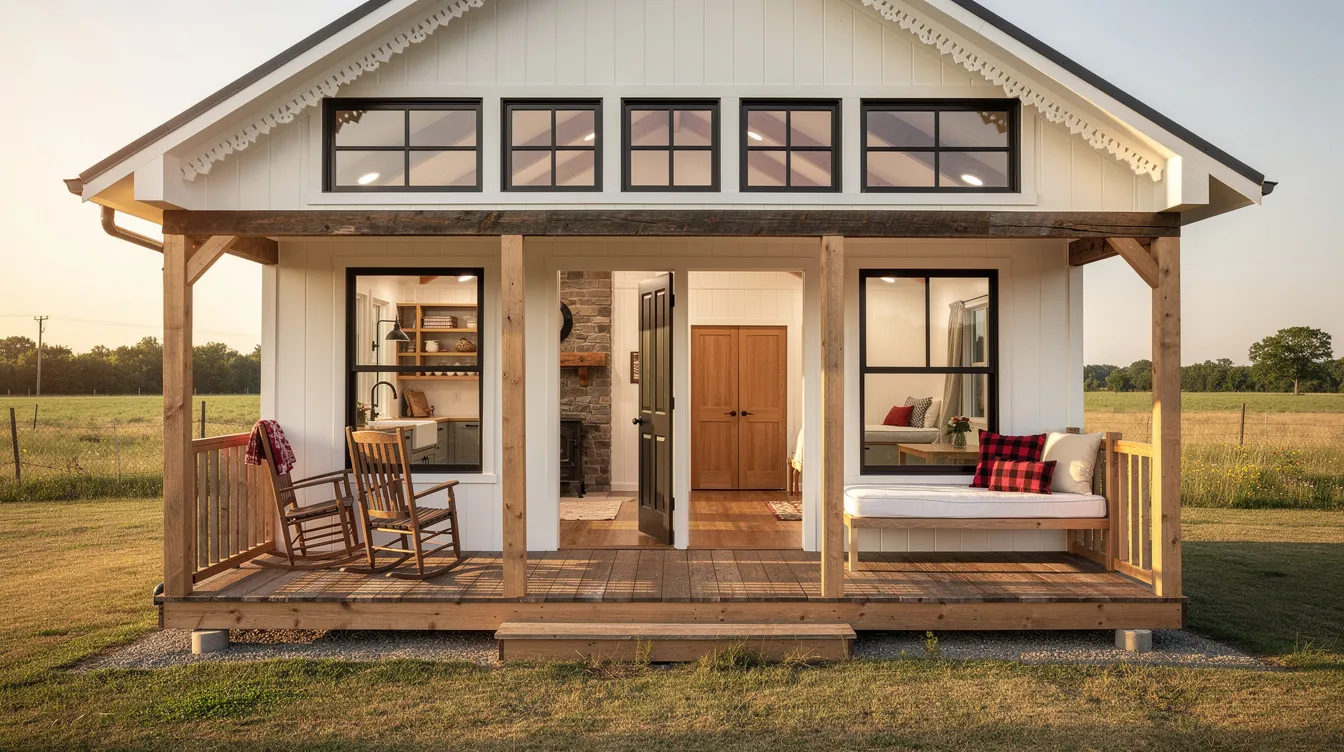
Picture a “Modern Country Tiny Farmhouse” concept: large grid windows flooding the interior space with natural light, a wood-burning stove adjacent to a compact kitchen, and a wraparound porch perfect to sit and watch the world go by. The 260–400 square feet interior feels twice its size thanks to thoughtful design and cute tiny house designs for your dream home.
Key rustic elements that make these homes gorgeous include:
- Buffalo-check textiles and wood tones throughout
- Stone fireplace with reclaimed beams overhead
- Built-in daybed or nook doubling as guest sleeping space
- Antique wood floor with character marks
Small Southern-inspired layouts work particularly well in the tiny format. A 12-foot-wide shotgun-style tiny house with high ceiling heights (9–10 feet), gingerbread trim, and interior double doors for flexible space zoning captures the essence of country life.
Refreshing rustic cabins like 700–950 square feet Maine-style camps involves simple transformations: remove low ceilings (anything under 7 feet feels cramped), paint dark paneling bright white to reflect 30–50% more light, and add simple built-ins. Customization options allow for personalized, artisanal touches or minimalist designs to fit specific lifestyles. These changes effectively double perceived volume while preserving that wood-forward warmth every family seeks.
Off-Grid, Smart & Sustainable Tiny Homes
Since around 2020, off-grid and eco-friendly features have become core to what makes an amazing tiny house. Tiny homes can significantly reduce energy consumption and carbon footprints, making them a sustainable living option for environmentally conscious individuals who are drawn to minimalist tiny houses for sustainable living.
The “Sustainable Smart Pod” concept offers approximately 250–270 square feet with integrated smart technology: smart locks, motion sensors, electric blinds, and built-in furniture zones for cooking, dining, and sleeping. The Cube One, designed by Nestron, is a sustainable smart home that features 254 square feet of living space and comes fully furnished with built-in furniture, smart technology, and is made from 90% recyclable materials. Modern amenities in tiny houses include smart, compact technology and well-designed kitchenettes.
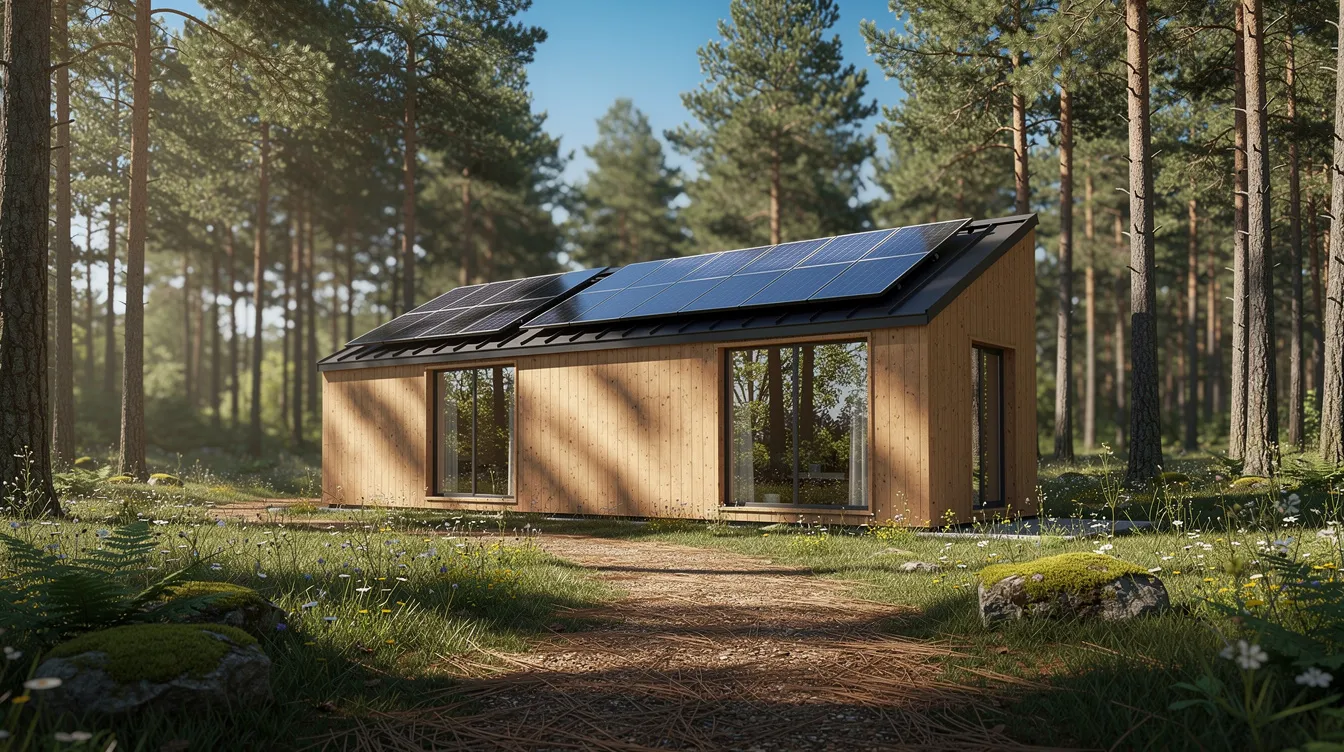
Many tiny homes are designed to be off-grid, utilizing renewable energy sources such as solar panels and rainwater collection systems to minimize environmental impact, much like self contained tiny homes for modern off-grid living. Consider these off-grid specifications:
System | Typical Specs |
|---|---|
Solar PV | 2–6 kW rooftop arrays |
Battery Storage | 5–15 kWh capacity |
Water Tank | 500–1,000 gallons rainwater |
Toilet | Composting ($1,000–$3,000) or incinerating ($4,000+) |
The Kererū Retreat in New Zealand, built from salvaged materials, is a self-sufficient tiny home that won a DINZ Best Awards Silver Winner for its innovative design and sustainability. This 190 square feet retreat features a solar array, rainwater catchment, composting toilet, and wood stove. |
For extreme climates, micro-homes under 110 square feet like a 9.9 m² Finnish modular cabin offer pitched ceiling designs, panoramic windows, and R-40 insulation suitable for Arctic winters (-40°F tolerance), movable by crane or helicopter to remote land. Sustainable tiny homes often incorporate recycled or locally sourced materials, which helps reduce waste and supports local economies.
Movable, Modular, and Floating Awesome Tiny Houses
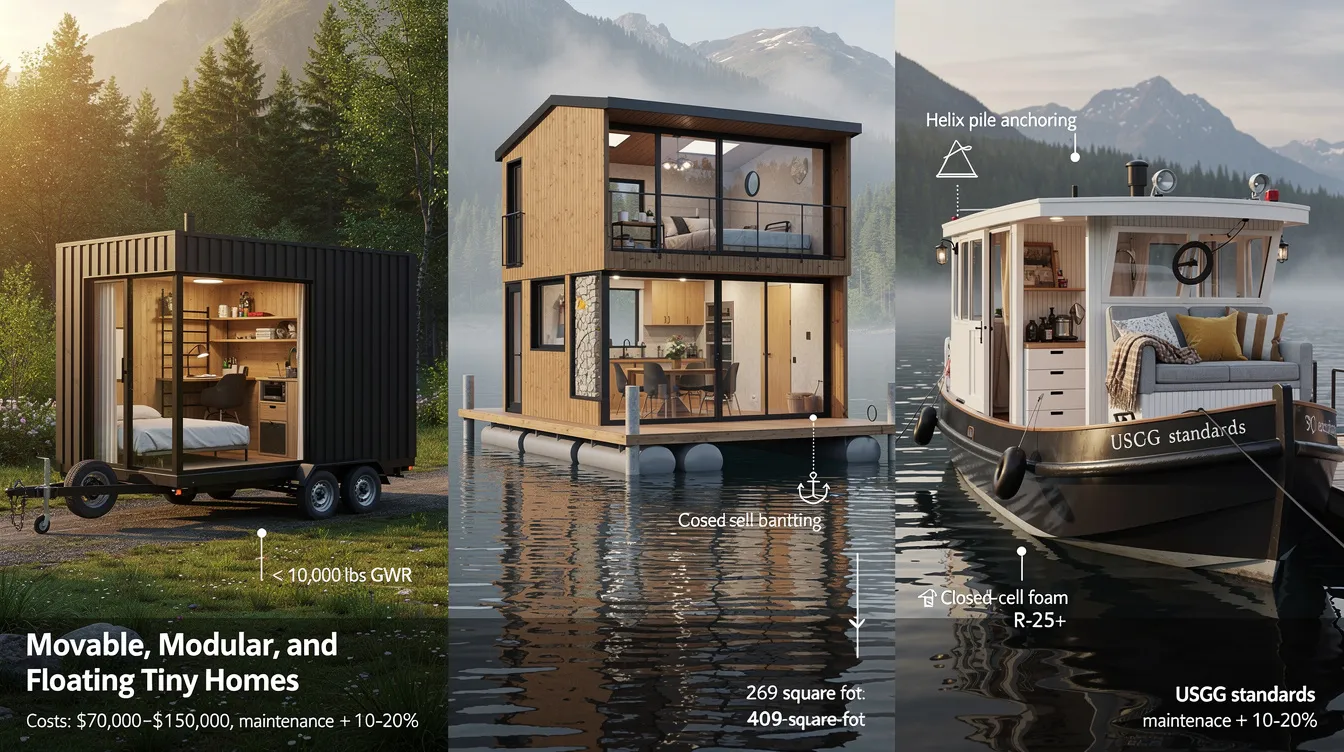
The appeal of mobility—towable homes, crane-set modular cabins, and floating tiny houses—opens possibilities that traditional housing simply cannot match. Whether you dream of lakeside mornings or mountain spring evenings, movable designs accommodate that journey, as shown in great tiny homes that redefine small space living.
The Space of Mind modular cabin, designed by Studio Puisto Architects, is a movable tiny home that can be adapted for various locations, covering just under 107 square feet and featuring custom-made furniture that can be rearranged as needed. This cabin arrives fully finished with furniture that hooks into wall rungs, creating creating flexible interior arrangements as your life changes.
Prefab floating homes around 269 square feet offer complete living room, compact kitchen, sleeping area, and bathroom setups on pontoons that can be towed between marinas or lakes. These waterborne retreats blend cottage comfort with adventure, surrounded by water views through carefully positioned windows.
Converted tugboats or houseboats (40–50 feet) represent another path to living tiny. Updated with beadboard interiors, cozy textiles, and clever storage solutions including kitchenettes in closets and under-stair storage, these vessels offer unique character impossible to replicate on land.
Key technical considerations for movable tiny houses:
- Weight limits: Under 10,000 lbs GVWR for standard trailer towing
- Anchoring systems: Helix piles for floating home stability
- Insulation: Closed-cell foam at R-25+ for moisture control
- Regional permitting varies significantly (USCG standards apply to vessels)
Costs range $70,000–$150,000, with maintenance running 10–20% higher due to water or road exposure.
3D-Printed, High-Tech & Architectural Tiny House Innovation
Cutting-edge building methods have created some of the world’s most talked-about tiny homes since 2018–2024. These innovations push what’s possibly achievable in small-scale construction and mirror broader trends you’ll see when exploring the world of tiny houses.
Chicon House in Austin, Texas, is recognized as America’s first 3D-printed house, constructed in just 24 hours using a concrete composite that can withstand extreme weather conditions. Covering 350 square feet, the shell cost approximately $10,000—a fraction of traditional construction. The technology achieves 10-inch wall with R-25 insulation and seismic resistance up to 7.0 magnitude.
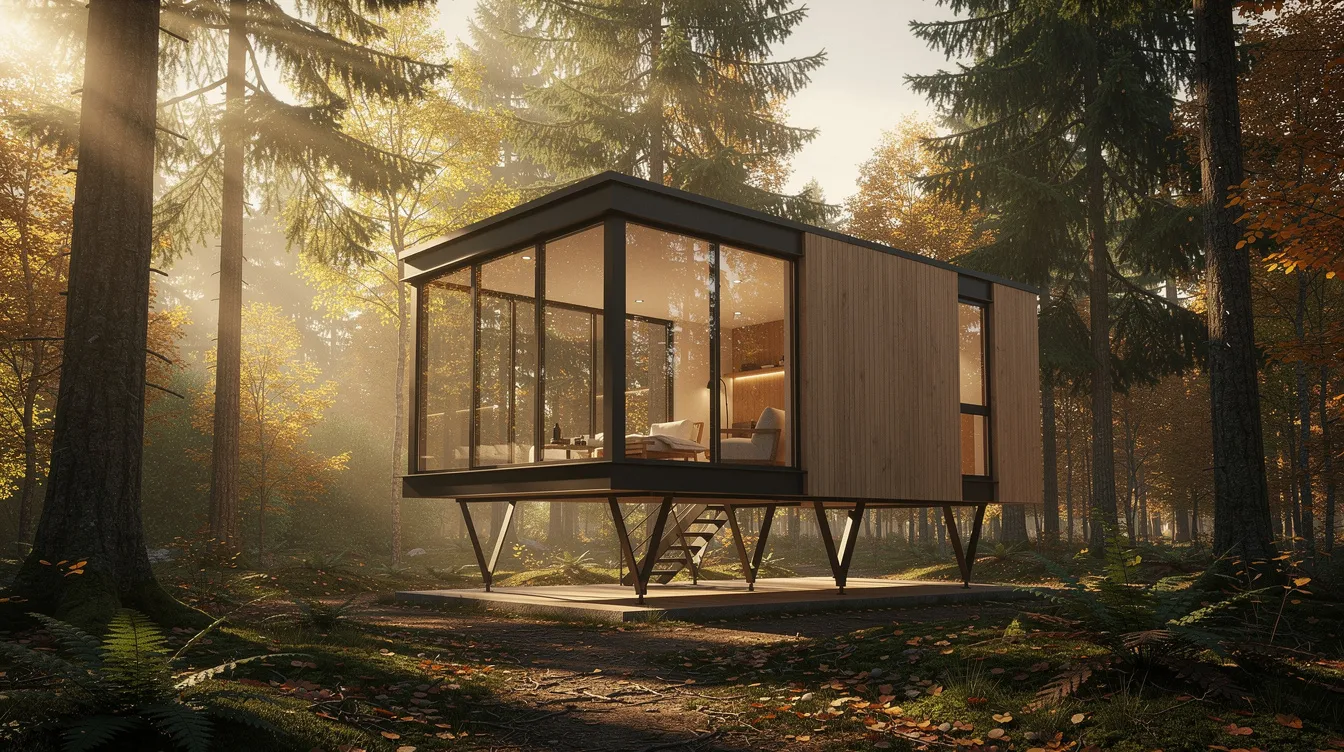
Architectural showpieces take tiny design in another direction. Picture a contemporary glass “treehouse” on stilts: red cedar and steel construction, multi-level lofts under 400 square feet, floor-to-ceiling glazing, and minimalist built-ins preserving both storage and privacy. The Tiny House Purunã in Brazil features a floor-to-ceiling glass façade and a roof terrace, showcasing innovative design that maximizes natural light and outdoor space. Tiny houses emphasize nature through high ceilings, large windows, and outdoor decks.
Custom family micro-homes around 340 square feet demonstrate that even two bedroom configurations work at this scale. These builds feature full kitchens, double-height ceiling areas, and tiny house interiors that maximize every square foot through connection to backyard or pool areas via large sliding glass door systems.
The advantages are compelling: 50–70% faster builds and waste reduction (5% versus 30% in traditional construction). Limitations include printer scalability (currently limited to approximately 1,000 square feet) and curing times of 7–28 days. Experts forecast 3D technology capturing 15% of the tiny market by 2028.
Historic Conversions & Character-Packed Tiny Houses
Some of the most awesome tiny houses aren’t new builds at all—they’re creative conversions breathing new life into structures under 1,000 square feet. These projects offer something prefab construction simply cannot: soul and history.
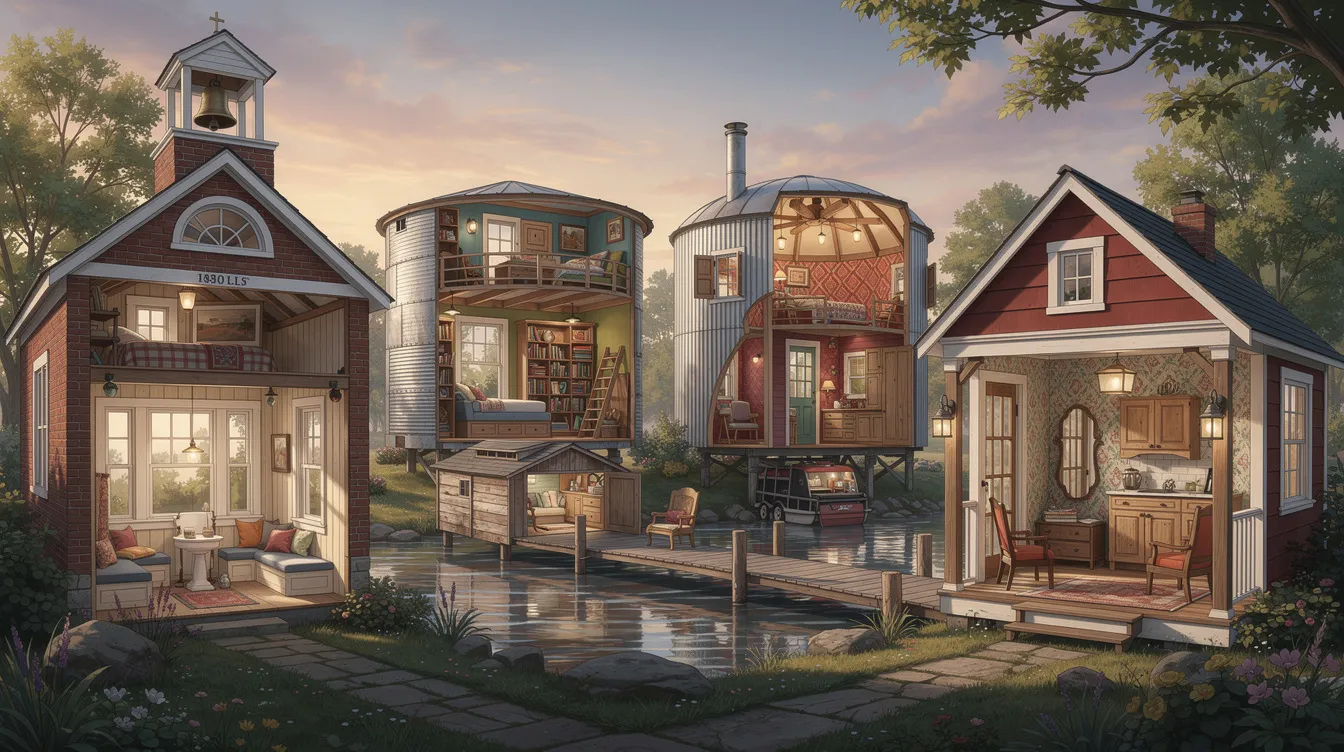
Consider these conversion types that designers have transformed into gorgeous homes:
- 1840s schoolhouse (~850 square feet) with original bell tower intact
- 14-foot-round grain silo (~1,000 square feet guesthouse) with radial cabinetry
- Retrofitted boathouses with waterfront access
- 1920s bungalows under 1,000 square feet with period details preserved
Creative director types and designers use antiques, bold colors, patterned wallpapers, and salvaged materials to turn small footprints into highly personal homes. Lofted areas provide separate spaces for sleeping, adding character and privacy above bathrooms or kitchens.
Layout tricks make odd footprints work:
- Built-in banquettes for seating that doubles as storage
- Wall sconces replacing bulky floor lamps
- Library nooks carved from enclosed porch spaces
- Stairs with integrated drawer systems
These conversions demonstrate how to keep historic charm—original windows, beadboard wall finishes, exposed rafters—while upgrading insulation (R-19 minimum), LED wiring (50% energy savings), and PEX plumbing to modern standards. Costs range $50,000–$120,000, with character conversions commanding 20–40% value premiums in rural markets.
Designing Your Own Awesome Tiny House
Moving from inspiration to reality typically takes 6–18 months from initial idea to move-in day. Here’s how to approach your own tiny house project systematically, especially if you’re ready to learn how to build a tiny house.
Step 1: Define Your Lifestyle Needs
Consider remote work requirements (possibly 100 square feet for office space), guest accommodation, pets, and outdoor priorities like a fire pit area or garden space. Factors influencing the pricing of tiny homes include size, materials used, design complexity, and whether the home is custom-built or prefabricated.
Step 2: Select Size and Foundation
Size Range | Best For | Foundation Options |
|---|---|---|
190 sq ft | Solo minimalist | Wheels (mobile) |
260 sq ft | Couple, no guests | Pier foundation |
350 sq ft | Family starter | Slab |
540 sq ft | Luxury compact | Permanent foundation |
700 sq ft | Full cottage life | Pontoons (floating) |
Step 3: Establish Budget |
Use tools like a tiny home cost calculator to understand your full budget range.
- Simple smart pods: ~$40,000
- Mid-range off-grid cabins: $70,000–$120,000
- High-end custom or floating homes: $200,000+
Step 4: Customize Materials and Style
Choose from cedar, metal, shingle, or concrete cladding ($3–15 per square feet). Interior styles span modern, rustic, coastal, and farmhouse. Custom tiny homes for perfect small-space living often feature clever, multi-functional design, such as lofted bedrooms, foldable furniture, and massive storage solutions. Add ons like decks, roof terraces, and picture windows enhance livability.
Step 5: Work with Specialists
Typical stages with a tiny house designer or builder:
- Concept sketch (1 month)
- 3D model in Revit or SketchUp (2 weeks)
- Permit drawings (2–4 months, varying by location)
- Framing or printing (1–3 months)
- Finishing (2 months)
Living Large in a Tiny Footprint
Awesome tiny houses—from 100 square feet micro-cabins to 1,000 square feet cottages—offer freedom, 50–70% lower costs than traditional homes, and a more intentional way of living. Whether your apartment feels too disconnected or your current house overwhelms you, living tiny provides an alternative worth considering.
The themes remain consistent across every style: smart layouts reclaim 30% or more usable space, quality materials like oak floors last 50+ years, nature connections through skylights boost mood measurably, and thoughtful storage—vertical systems, hidden compartments—effectively double capacity. Surveys indicate 85% occupant satisfaction among tiny house dwellers who commit to this lifestyle.
Reflect on which example matches your dream:
- Off-grid cabin for solitude
- Floating home for waterborne adventure
- Backyard ADU for family connection
- Glass retreat for architectural drama
- Historic conversion for heritage and character
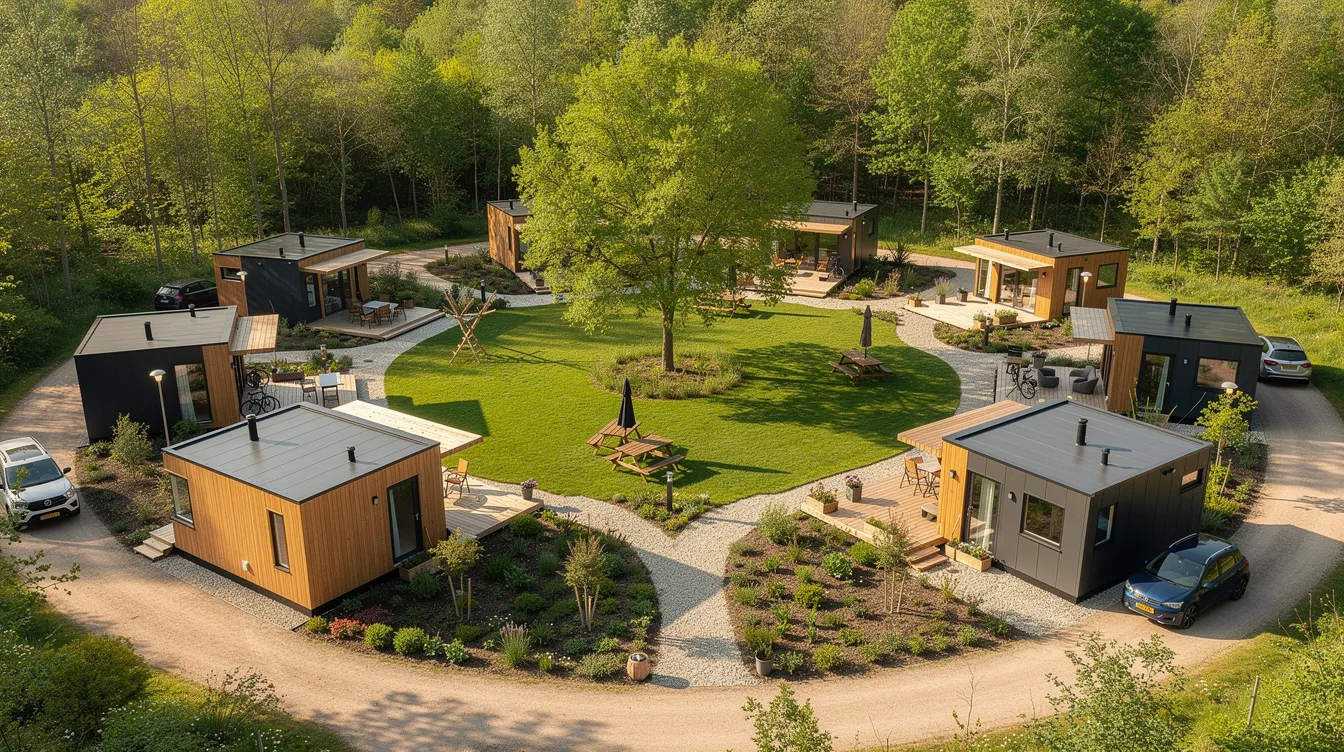
The tiny home communities forming across the country prove this isn’t just an idea—it’s a movement with momentum. In 2026, the market has matured, builders have refined their craft, and the path from inspiration to purchase has never been clearer.
Start your journey today: sketch your ideal layout, collect inspiration photos in an I Box folder, or reach out to a tiny house designer. Your awesome tiny house isn’t just a possibility—it’s waiting to become reality.