
Key Takeaways
- You can usually only get traditional mortgage financing for a tiny home if it’s on a permanent foundation and titled as real property with the land.
- Movable tiny homes on wheels generally do not qualify for a standard mortgage—instead, buyers use RV loans, personal loans, or builder financing.
- Lenders commonly look for a minimum credit score around 620, verifiable income, and a down payment starting near 3%–5% for mortgage-style tiny home loans.
- Buyers often need separate financing to buy land, and zoning laws, building codes, and resale value can all affect approval.
- Financing options vary by state and lender, so confirm current terms, fixed rate availability, and eligibility where you live.
Introduction: Tiny Homes, Big Financing Questions
The tiny home movement took off around 2014. Rising housing costs and a shift toward minimalist lifestyle living pushed many Americans toward smaller spaces. By 2026, over 100,000 tiny homes are in use across the country, yet buyers still ask the same question: can you get a mortgage for a tiny house?
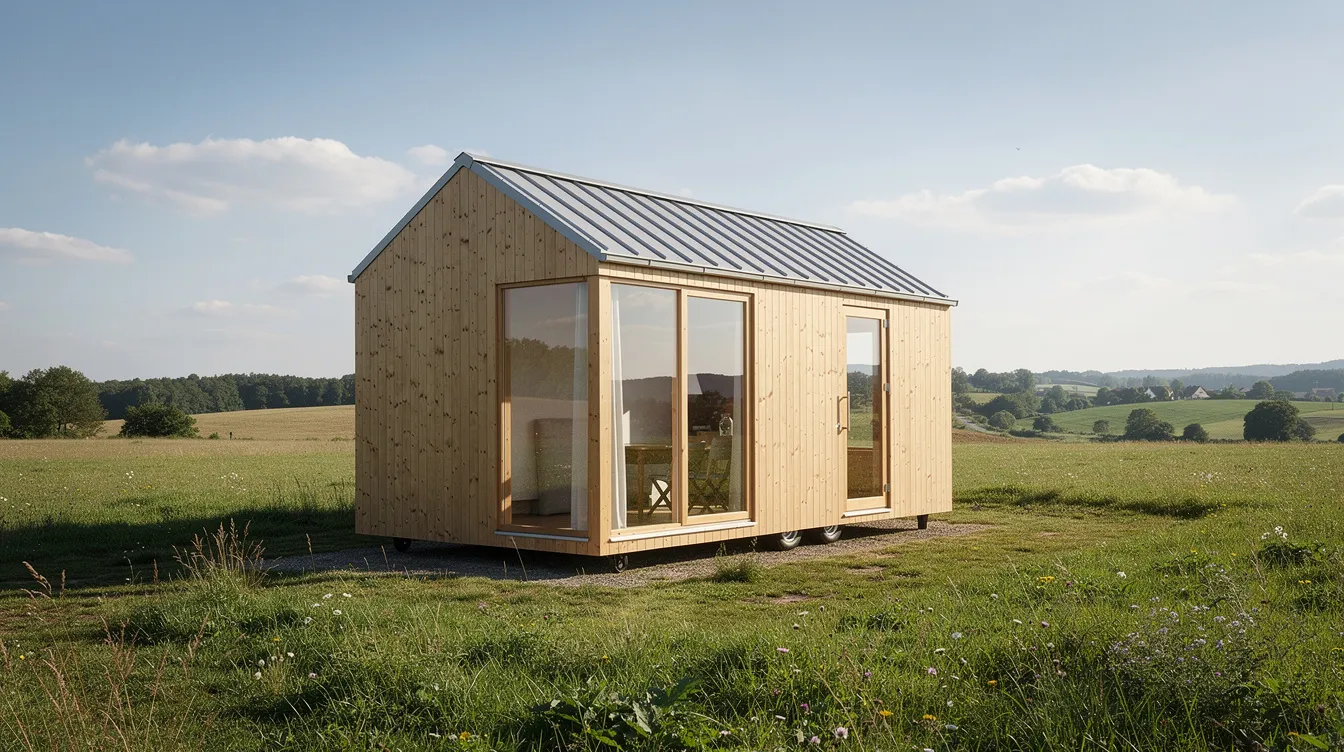
The cost of a tiny house typically ranges from $30,000 to $100,000, but additional expenses such as land purchase, utility setup, and zoning compliance can significantly increase overall costs. A tiny home is generally defined as 400 square feet or less of livable space. Some sit on permanent foundations. Others roll on wheels.
Here’s the short answer: yes, you may be able to get mortgage financing for a tiny house on a foundation, but movable tiny homes usually require other financing options. Before committing to any loan, it helps to understand overall project costs using a detailed tiny home cost calculator. This article walks through when a mortgage is possible, what lenders look at, and what alternatives exist for tiny homeowners.
- When Can a Tiny House Qualify for a Traditional Mortgage?
- Why Movable Tiny Homes Usually Don’t Get Mortgages
- Mortgage-Style Requirements for Tiny Homes on Foundations
- Alternative Financing Options for Tiny Homes
- Buying Land and Placing Your Tiny Home
- Financial Pros and Cons of Financing a Tiny Home
- How to Choose the Right Tiny Home Financing Option
- FAQ
When Can a Tiny House Qualify for a Traditional Mortgage?
Mortgage lenders classify property in two ways:
- Real property: A house plus land, recorded by deed
- Personal property: Movable assets like vehicles or RVs
To qualify for a mortgage on a tiny house, the home must be built on a permanent foundation and classified as real property, which is necessary for traditional mortgage financing, so it’s worth carefully comparing the best foundation options for a tiny house before you build.
Typical lender requirements include:
- Built on a permanent foundation (concrete piers or slab, not wheels)
- Connected to site-built utilities (water, electric, septic)
- Meets local building codes
- Located on land the borrower owns
When those requirements are met, some banks, credit unions, and mortgage companies can offer conventional mortgages with 15–30 year terms. However, many lenders in 2026 prefer loans above roughly $50,000, making the smallest builds harder to finance.
Accessory dwelling units and small homes around 400–600 square feet sometimes qualify more easily than ultra-tiny builds, depending on local appraisal and zoning rules, and they often appeal to people already exploring the world of tiny houses for inspiration and resources.
Why Movable Tiny Homes Usually Don’t Get Mortgages
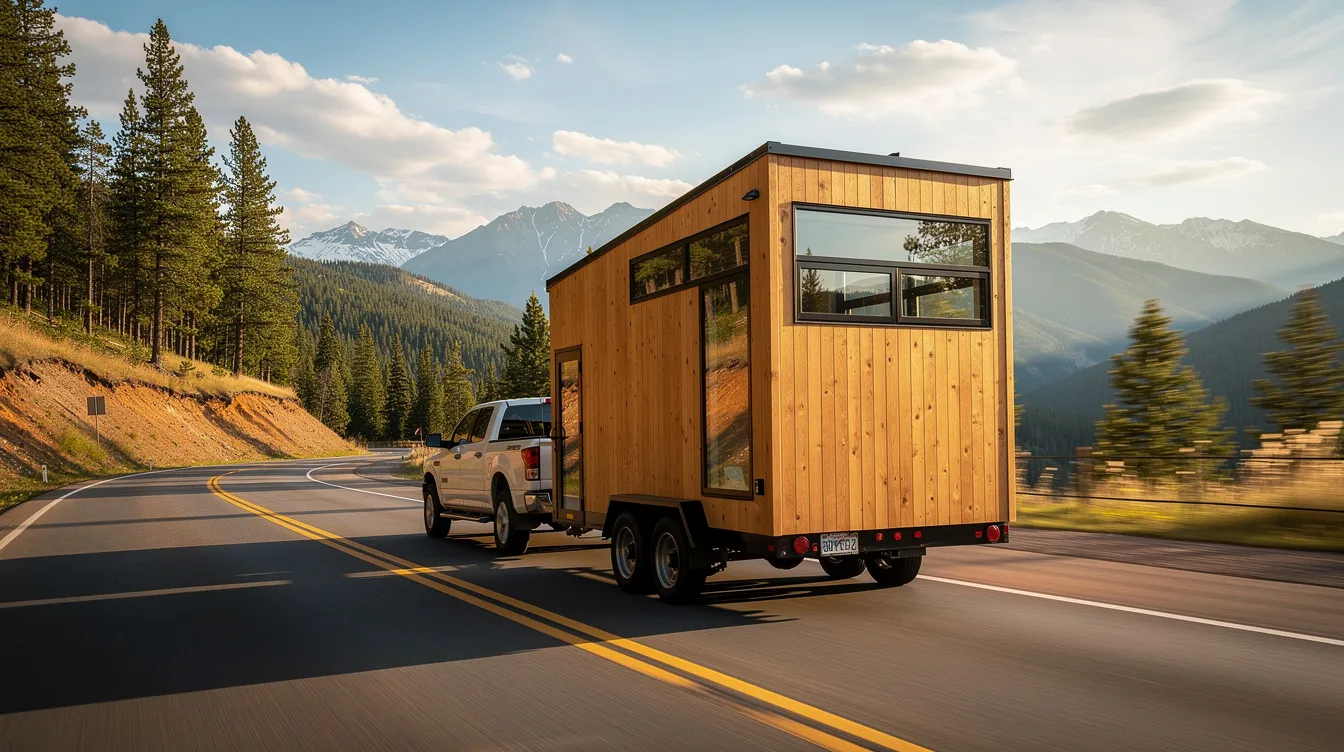
Tiny homes often do not qualify for traditional mortgages because they may be classified as personal property rather than real property, which complicates financing options. About 81% of tiny home builds are on wheels.
Tiny homes on wheels are titled like RVs or trailers through the DMV—not the county recorder. Because movable homes can be hitched to a vehicle and relocated, they fall outside standard mortgage rules.
Traditional mortgages require:
- A recorded real estate deed
- Full appraisal of land plus improvements
- Immovable structures
A mobile tiny home can’t provide these. Instead, buyers of movable tiny homes often turn to an RV loan, personal loan, or manufacturer financing. These alternatives typically have shorter repayment terms and higher interest rates than a conventional mortgage.
Some niche lenders and credit unions have experimented with hybrid products, but availability is limited and varies widely by state.
Mortgage-Style Requirements for Tiny Homes on Foundations
Qualifying for mortgage financing on a tiny home is similar to qualifying for a loan on a small traditional home, with extra property hurdles.
Borrower requirements typically include:
- Minimum credit score around 620 for conventional loans (580+ for FHA with larger down payment)
- Stable, verifiable income via tax returns and W-2s
- Debt-to-income ratio under roughly 43%
Down payment expectations:
- Low down payment options as small as 3%–5% for qualified first time buyers
- Larger down payments improve terms and approval odds
Tiny homes are generally considered to be 400 square feet or less, and homes built after June 15, 1976, must have a certification label or HUD tag to qualify for certain types of financing. Lenders often require that tiny homes meet specific zoning and building codes, which can affect their eligibility for mortgage financing.
Appraisals can be tricky in areas with few comparable tiny property sales. Some community banks in Minnesota, Wisconsin, and Maine have begun marketing specific tiny home mortgage products with fixed rate terms and no PMI, reflecting broader demand from buyers deciding whether a tiny house for sale is right for them.
Alternative Financing Options for Tiny Homes
When a mortgage isn’t available, buyers still have a range of tiny home financing options. Alternative financing options for tiny homes include personal loans, RV loans, and chattel loans, which can provide greater flexibility but often come with higher interest rates and shorter terms, especially when you’re focused on affordable tiny house buildings and designs.
Consider your long-term plans—permanent residence versus vacation use, staying put versus frequent travel—when choosing among these products.
Personal Loans and Unsecured Financing
Personal loans are unsecured loan products from banks, online lenders, or credit unions. Many tiny homeowners finance their homes through personal or unsecured loans, which typically have shorter repayment terms compared to traditional mortgages, which can be attractive if you’re targeting tiny homes under $20K and want to pay them off quickly.
Key details:
- Loan amounts typically $5,000–$100,000
- Terms often 2–7 years with fixed rate schedules
- Interest rates vary widely based on credit score
Advantages: Fast approvals, no collateral, flexibility Drawbacks: Higher monthly payments, less time to repay than a 30-year mortgage
RV Loans for Movable Tiny Homes
If a tiny home on wheels meets RV standards and is certified by the RV Industry Association, some lenders may offer an RV loan, particularly for custom tiny homes on wheels designed for flexible living.
RV loan basics:
- Secured by the tiny home itself
- Terms range from 5 to 20 years
- Higher interest rates than primary home mortgages (typically 8–11%)
Tiny homes on wheels can sometimes qualify for RV loans if they are certified as RVs, but these loans are generally not for primary residences and may have higher interest rates. Down payment requirements typically range from 10% to 20%.
Builder, Manufacturer, and Dealer Financing
Many tiny home builders partner with finance companies or offer in-house payment options. These programs work by arranging a loan at purchase time, often secured by the tiny home itself.
While builder financing can be convenient and fast, compare rates, fees, and prepayment rules against other financing options. Some manufacturers connect buyers with specialty lenders familiar with tiny home projects.
Home Equity, Cash-Out, and Other Types of Secured Loans
Homeowners with existing equity in a primary residence can use a home equity loan, HELOC, or cash-out refinance to pay for a tiny home.
Key considerations:
- Uses existing home as collateral
- Offers lower interest rates than unsecured loans
- Increases risk if payments are missed
Compare fixed rate home equity loans (predictable payment) with variable-rate HELOCs (flexible access). Some buyers also use secured personal loans backed by vehicles or savings to reduce interest costs.
Buying Land and Placing Your Tiny Home
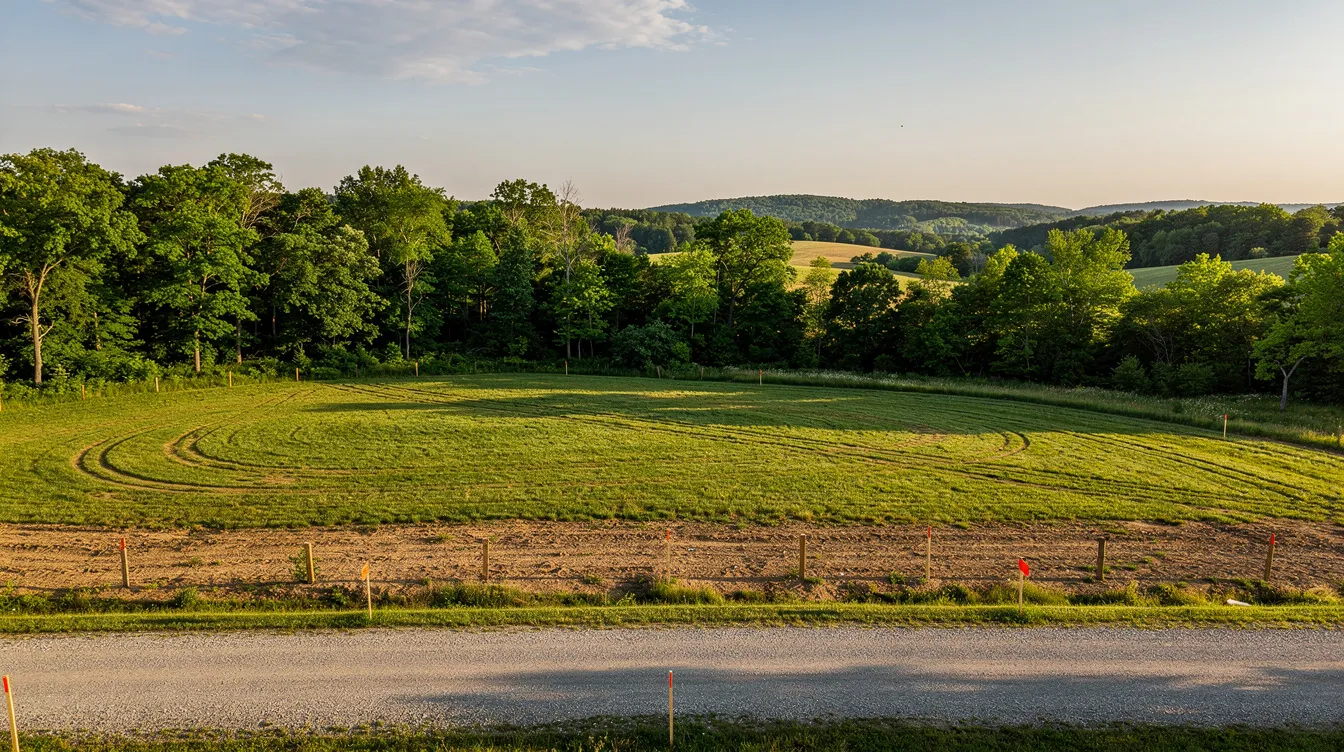
Financing a tiny home is only half the equation. You also need a legal place to put it—which often means you must buy land separately and think through modern tiny house designs that fit your site and lifestyle.
Common ways to finance land:
- Separate land loans (10–20% down, 7–10% rates)
- Construction-to-permanent loans that roll land and building together
- Cash purchases for smaller rural lots
Zoning laws and building regulations can restrict where tiny homes can be placed, which can complicate financing and living arrangements for potential buyers. Check minimum dwelling size requirements, foundation rules, and utility hookups before purchasing.
Alternatives to land ownership:
- Tiny home communities charge $400–800/month lot rent
- RV parks allow some certified movable homes
Factor in land costs, permitting fees, utilities, and potential HOA restrictions when planning your budget.
Financial Pros and Cons of Financing a Tiny Home
Financing can lower upfront costs but introduces interest expense and commitments worth weighing.
Potential benefits:
- Lower total purchase price compared with a traditional home, especially when you look at great tiny homes that redefine small-space living
- Smaller monthly payments when mortgage financing is available
- Flexibility and freedom in lifestyle choices
- Living in a tiny home can lead to a minimalist lifestyle, reducing clutter and promoting simpler living, especially when you choose from cute tiny house designs for a dream home
- Tiny homes typically consume less energy, resulting in lower utility bills
Major drawbacks:
- Limited lender options in the market
- Higher interest rates for non-mortgage products can add significant money over time
- Tiny homes can be challenging to resell, as they often depreciate in value similar to RVs and mobile homes
The resale market for tiny homes remains relatively young. Low resale value can make it harder to build equity, refinance, or trade up later. Plan your budget for insurance, maintenance, land costs, utilities, and travel expenses if you’ll move regularly.
How to Choose the Right Tiny Home Financing Option
There’s no single best option for everyone. The right choice depends on your property type, credit score, income, and goals.
Simple framework:
- Define how and where the tiny home will be used
- Confirm whether it will be on a foundation or wheels
- Match those answers to mortgage or non-mortgage products
Before applying:
- Check your credit reports
- Work on improving your credit score if needed (aim for 700+ for best rates)
- Estimate a realistic down payment amount
Compare long-term fixed rate mortgages (lower monthly payments, more total interest) against short-term loans (higher payments, faster payoff). Consult lenders that specifically advertise experience with tiny home or ADU financing—they may offer more flexible underwriting than large national banks.
Save time by gathering documents early: income verification, tax returns, and property details.
FAQ
Can I use an FHA, VA, or USDA loan for a tiny house?
Government-backed loans may be possible only when a tiny home meets minimum property standards, sits on a permanent foundation, and is classified as real property. FHA requires at least 400 square feet and HUD compliance. Many very small or movable tiny homes won’t qualify because they don’t meet size, foundation, or code requirements. Speak directly with a participating lender to confirm eligibility for your specific project.
Is it easier to finance a small traditional home instead of a tiny home?
A small traditional home or cottage meeting local minimum square footage rules and built on a permanent foundation usually fits existing mortgage guidelines more easily. These properties appraise more predictably, which helps with both approval and future resale. Buyers seeking affordable housing with less financing friction might consider a small condo, townhome, or cottage.
Can I refinance my tiny home later into a mortgage?
Some owners who start with a personal loan or RV loan later convert to mortgage financing by adding a permanent foundation, securing land, and meeting local building codes. Refinancing depends on the property being reclassified as real property and passing appraisal. Keep detailed records of construction, permits, and upgrades to make a future refinance smoother.
Do I need a different insurance policy for a tiny home?
Insurance requirements depend on classification. Homes on foundations often use homeowners insurance, while tiny homes on wheels may need RV or specialty policies. Confirm with your insurer how the tiny home will be used—full-time permanent residence versus vacation property—because that affects coverage and cost. Some insurers now offer dedicated tiny home coverage, but availability varies by state.
How long does it take to get financing for a tiny home?
Traditional mortgages for tiny homes on foundations may follow a typical 30–60 day closing timeline, especially when combined with land purchase. Personal loans, RV loans, and manufacturer financing can be approved in a few days—faster but often more expensive. Start gathering documents early to keep the process moving regardless of which path you choose.