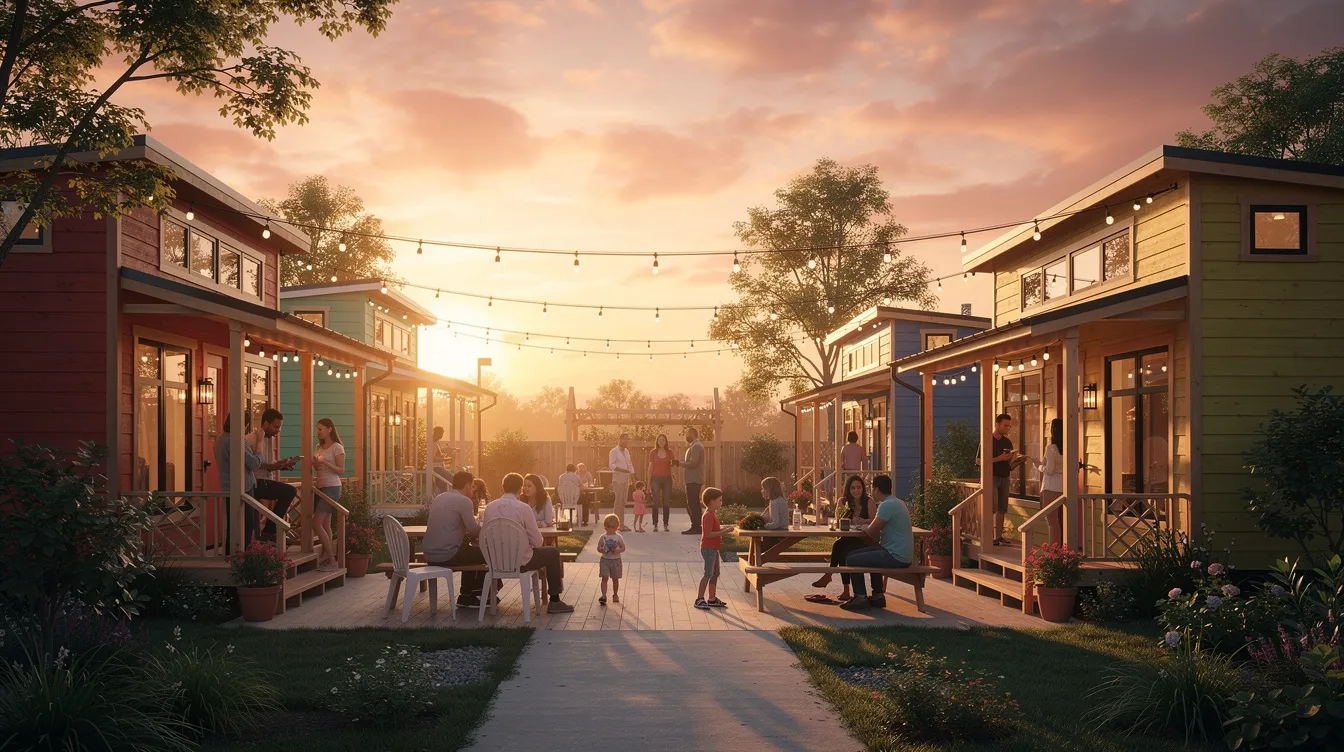
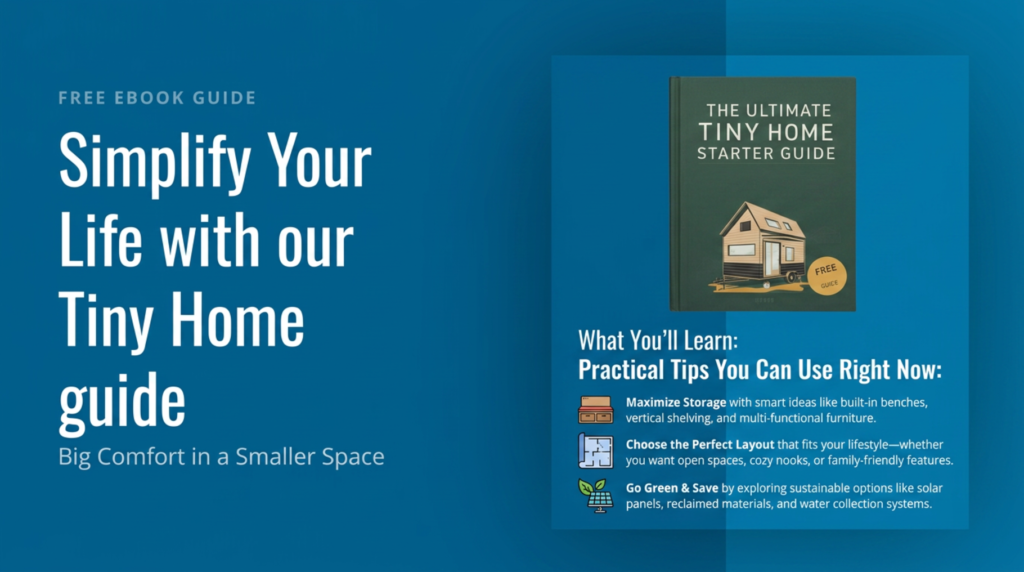
California leads the tiny house movement, but nearby states like Texas are also embracing little houses and tiny home living. With median home prices soaring past $859,000 and rents averaging $2,800 monthly, tiny living offers a beautiful alternative. Limited square footage in tiny homes (often under 400 sq. ft.) necessitates a minimalist lifestyle, but the trade-offs are worth it for many.
Effective January 1, 2020, California adopted Appendix Q Tiny Houses of the 2018 International Residential Code (IRC), making compliance mandatory statewide. The City of San Diego passed an ordinance on July 21, 2020, allowing tiny houses on wheels to be used as backyard accessory dwelling units (ADUs), defined as structures between 150 and 430 square feet. On December 11, 2019, the City Council of Los Angeles legalized movable tiny houses as backyard ADUs, requiring DMV registration and utility connections.
California has made strides with ADU laws, but regulations for tiny house communities remain fragmented. Zoning and building codes for placing tiny houses can be complex, varied, and restrictive in larger cities. Still, over 20 documented communities exist across the state—from luxury desert resorts to 55+ enclaves near Yosemite National Park.
- How We Chose the Best Tiny House Communities
- Top 7 Tiny House Communities in California
- Quick Comparison of the Best Tiny House Communities
- How to Choose the Right Tiny House Community
- Which Tiny House Community Is Best for You?
- Final Thoughts
How We Chose the Best Tiny House Communities
We evaluated each tiny home community based on design, taking cues from top tiny house designs for modern living:
- Legal compliance: Full zoning approval and RVIA or NOAH certification requirements
- Amenities: Many tiny house communities offer shared amenities such as community gardens, fitness centers, and outdoor recreational areas
- Location: Proximity to parks, urban areas, or attractions
- Demographics: Family-friendly, 55+, or mixed-age options
- Monthly fees: Range from $450 to $2,500+
- Security: Gated entry and management quality
- Pet policies: Most communities welcome pets
- Sustainability: Solar power, composting, and eco-friendly practices
Common amenities in tiny house communities include free Wi-Fi, laundry facilities, and picnic areas, which enhance the living experience for residents.
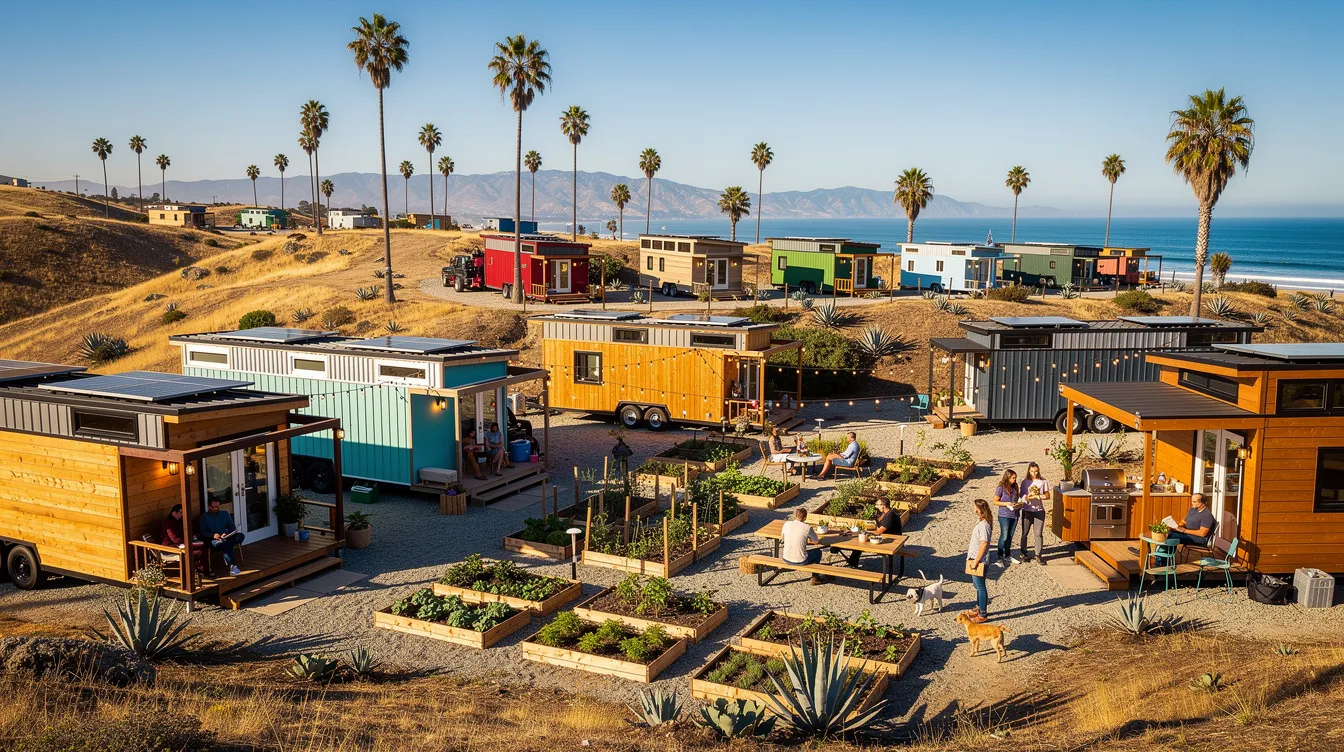
Top 7 Tiny House Communities in California
1. Park Delta Bay, Isleton
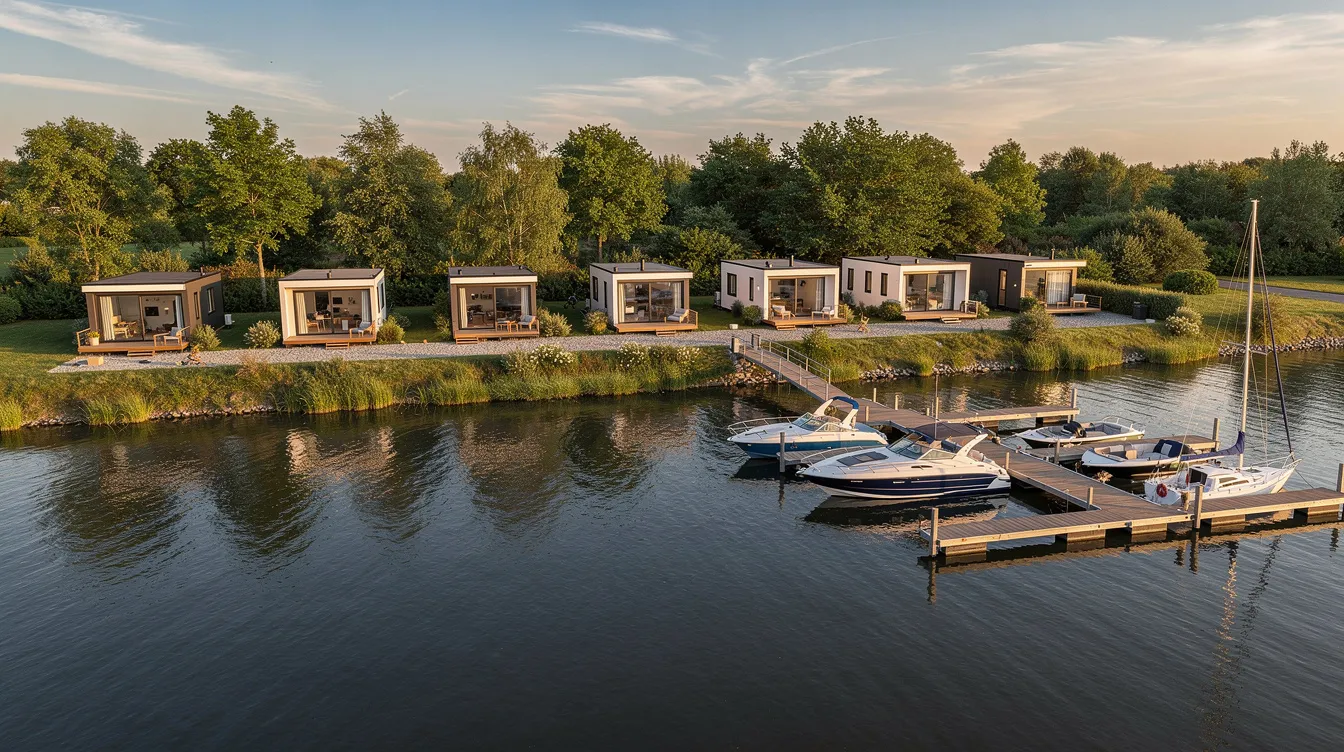
Park Delta Bay is noted as the only legal tiny house community in Northern California, providing a mix of permanent tiny houses and tiny homes on wheels, along with access to outdoor activities like fishing and boating.
Why It Stands Out
This community sits on 20 acres along the San Joaquin River in Sacramento County. Its legal status stems from Delta County ordinances classifying THOWs as accessory dwellings with permanent utility hookups. Monthly fees run $600-$1,200 including water and sewer.
Best For
Water enthusiasts, remote workers, and families seeking rural charm within easy access to Stockton (30 minutes away).
Key Strengths
- Legal tiny house community status with no evictions since 2018
- Waterfront activities including boating, fishing, and kayaking
- Clubhouse, marina, showers, and community events like monthly potlucks
Possible Limitations
- Nearest grocery is 10 miles away
- Summer heat exceeds 100°F
- Flood zone insurance premiums run 25% higher
2. Palm Canyon Mobile Club, Palm Springs
This 55+ resort brings luxury tiny living to the desert with mid-century modern design.
Why It Stands Out
Located in Riverside County, Palm Canyon features 100+ spaces for THOWs amid stunning architecture. Resort amenities include a swimming pool, spa, fitness center, and proximity to world-class restaurants and wine tasting experiences nearby.
Best For
Luxury seekers, seasonal visitors, and design enthusiasts ready to live tiny in style.
Key Strengths
- High-end amenities and beautiful design aesthetic
- Stone’s throw from Joshua Tree National Park (45 minutes)
- 4.8/5 Google rating for management
Possible Limitations
- Fees range $1,200-$2,500/month
- Desert temperatures hit 115°F requiring air conditioning
- Age restriction excludes families
3. Lemon Cove Village, Near Sequoia National Park
Lemon Cove Village, located near Sequoia National Park, offers a family-friendly environment with activities like fishing and hiking, making it an attractive option for tiny home enthusiasts.
Why It Stands Out
Starting at just $450/month for full hookups, this community offers the most affordable entry point. It’s built for families and outdoor enthusiasts in Tulare County’s valley region.
Best For
Budget-conscious families, outdoor enthusiasts, and those who want to downsize without sacrificing adventure.
Key Strengths
- Most affordable rates (total under $700 including utilities)
- Direct access to Sequoia and Kings Canyon trails
- Playgrounds, dog park, and community garden
Possible Limitations
- Rural location with Walmart 15 miles away
- Winter lows reach 30°F
- Seasonal tourism creates crowds
4. Tiny House Block, Mount Laguna
Tiny House Block is a legally recognized tiny house community in Southern California, promoting an active, outdoorsy lifestyle and sustainable living practices.
Why It Stands Out
This tiny home village near San Diego sits at 6,000ft elevation with 20 sites focused on off-grid technology. Sustainability practices in tiny house communities may include solar panels, composting systems, and carpooling—and Tiny House Block leads in all three. Tiny homes typically consume 60-70% less electricity than standard houses, and this community offers 5kW solar arrays per site.
Best For
Eco-conscious individuals, hiking enthusiasts, and minimalists seeking sustainable living.
Key Strengths
- 95% renewable energy usage
- Onsite organic cafe and permaculture workshops
- Hiking trails and white water rafting nearby
Possible Limitations
- High elevation means snow closures January-March
- San Diego airport is 1 hour away
- Spotty cell service
5. Oak Creek, Near Yosemite National Park
This 55+ community sits in the Sierra Nevada foothills, just 25 miles from Yosemite’s Big Oak Flat entrance.
Why It Stands Out
Oak Creek draws active seniors with organized Yosemite tours, weekly dances, and a woodworking shop, offering a feel similar to tiny house cabin retreats for a cozy getaway. Community partners include Yosemite Medical for health programs. Fees run $900-$1,600/month.
Best For
Active retirees 55+ who love nature and want registered, certified community living.
Key Strengths
- Age-qualified community fostering social connection
- Swimming pool and clubhouse for community events
- Gated security and professional management
Possible Limitations
- No residents under 55 allowed
- Bear country requires food storage precautions
- Fire season may require evacuation
6. Tiny House Community, Fresno
This community in Clovis suburb balances urban convenience with custom tiny home community benefits.
Why It Stands Out
Located near River Park shopping (10 minutes) and Fresno Yosemite Airport, it offers 60 sites designed for professionals. Many California tiny house communities offer amenities like water, electric, and sewer hookups for permanent living—Fresno delivers all three plus EV charging.
Best For
Urban professionals and those wanting city access in Oregon-style community vibes without leaving California.
Key Strengths
- City jobs access in Fresno’s agritech hub
- Community garden yielding 500lbs produce yearly
- 24/7 security cameras and modern facilities
Possible Limitations
- Highway 41 noise
- Less natural surroundings than rural options
- Water restrictions during droughts
7. Orchard Village, Sonoma Valley
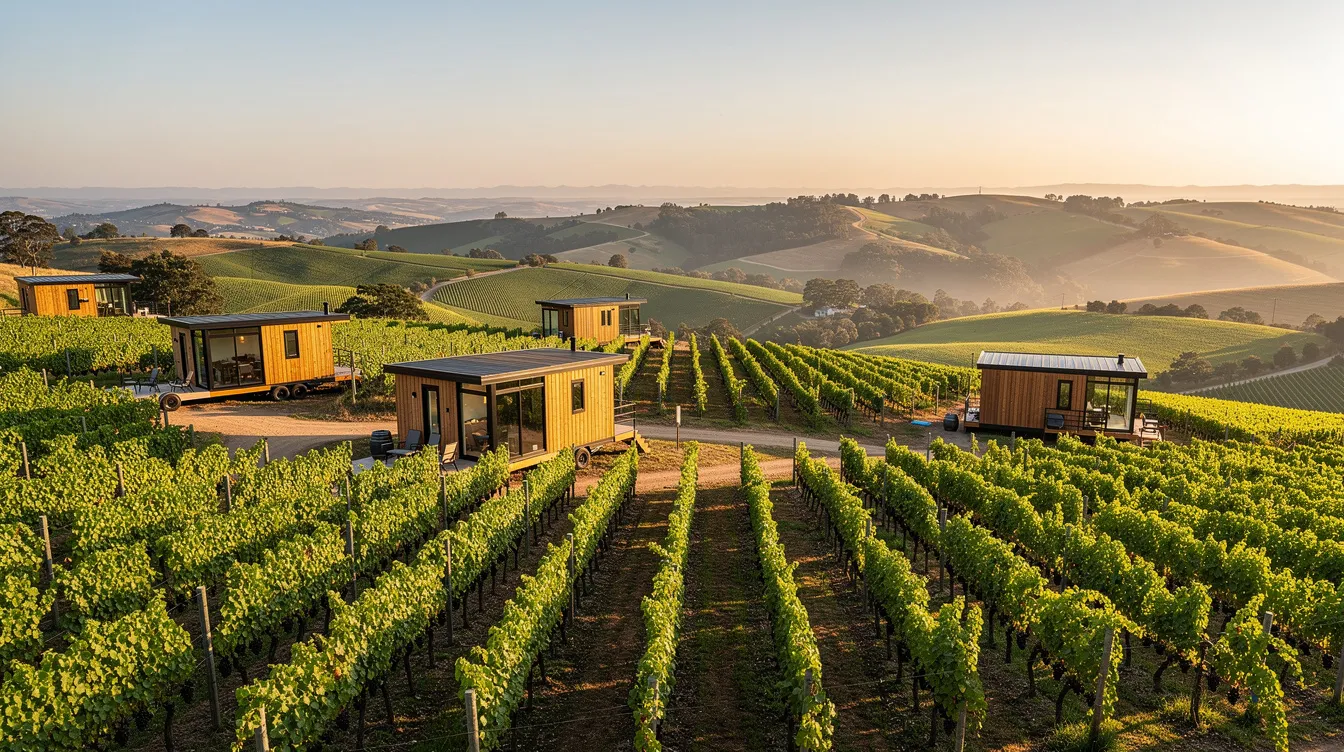
This tiny home community immerses residents in wine country with 30 sites amid vineyards, attracting fans of great tiny homes that redefine small space living.
Why It Stands Out
Zoned under Sonoma’s ag-tourism codes, Orchard Village offers wine tasting events, pool access, and professional management (4.9/5 reviews). Napa Valley is just a short term drive away.
Best For
Wine enthusiasts, seasonal residents, and those seeking upscale rural living near the banks of scenic creeks.
Key Strengths
- Vineyard setting with harvest community events
- Professional on-site management
- Pet spa and recreation amenities
Possible Limitations
- Premium pricing ($1,100-$2,000/month)
- 45 inches annual rainfall
- May cater more to seasonal visitors
Quick Comparison of the Best Tiny House Communities
- Park Delta Bay: Legal waterfront living with boating access
- Palm Canyon Mobile Club: Luxury desert resort with high-end amenities
- Lemon Cove Village: Most affordable family-friendly option near Sequoia
- Tiny House Block: Sustainability leader for eco-warriors
- Oak Creek: 55+ community with Yosemite proximity
- Fresno: Urban convenience with strong community culture
- Orchard Village: Wine country luxury in Sonoma
How to Choose the Right Tiny House Community
Choose Based on Location Preferences
Urban communities like Fresno offer restaurants, shopping, and jobs. Rural options near national parks provide nature but fewer services. Consider trailers and recreational vehicles regulations in your target counties—each site varies.
Choose Based on Budget and Monthly Fees
When you’re comparing communities, it also helps to understand affordable tiny house designs and tips.
Financing for tiny homes can be challenging as lenders may hesitate to offer traditional mortgages, especially for mobile units. Budget $450-$2,500/month for lot fees, plus utilities and backyard space costs. The resale market for tiny homes is still developing and is much smaller than the traditional real estate market.
Choose Based on Community Culture and Demographics
Tiny house communities often organize social events and activities, promoting community engagement. Some communities welcome families with children; others restrict to 55+. Visit to find your first step toward the right fit.
Which Tiny House Community Is Best for You?
- Choose Park Delta Bay if legal status and waterfront living sounds perfect
- Choose Palm Canyon if you prioritize luxury amenities in the world of tiny living
- Choose Lemon Cove if affordability and family-friendly features matter
- Choose Tiny House Block if sustainability and outdoor access are your structure for life
- Choose Oak Creek if you’re 55+ and love the Yosemite area
- Choose Fresno if urban convenience called to you
- Choose Orchard Village if wine country setting appeals to your lifestyle
Final Thoughts
California offers diverse tiny house community options for every budget and lifestyle. From legal tiny houses on wheels to luxury park models, the movement continues growing across multiple counties.
Living in tiny house communities in California offers financial freedom and social connection, but requires navigating complex local regulations. Tiny house living offers benefits like lower costs, increased mobility, environmental sustainability, and a simpler lifestyle for anyone wondering if a tiny house for sale is right for them.
The best choice depends on your priorities. Create a list of must-haves before your visit to any community. Check details on space requirements and see if the example fits your needs.
California’s legal landscape has improved dramatically since 2020. Whether you stay half the year or become a full-time resident, tiny living is more accessible than ever.
Ready to live tiny? Visit communities in person, talk to current residents, and take your first step toward a simpler life.