
Tiny houses are compact by design. But what if you could double your space without adding to the footprint? That’s where basements come in. While most tiny homes sit on trailers or simple slabs, some builders are digging deeper—literally. This guide covers everything you need to know about tiny house basements, from building codes to costs to real-world design tips.
Key Takeaways
- Yes, tiny houses can have basements, but they’re uncommon due to higher costs, excavation requirements, and stricter building codes.
- A basement foundation can add 200-400 sq. ft. of extra living space—think guest bedroom, home gym, or storage—without expanding your footprint.
- The best foundation type depends on climate, soil stability, water table level, and local building codes, not just personal preference.
- Energy efficiency, moisture control, and legal compliance are critical to making a tiny house with basement truly livable space.
- Building a tiny house with a basement can vary widely in cost, influenced by factors such as home size, location, labor, and materials.
Understanding Tiny Houses With Basements
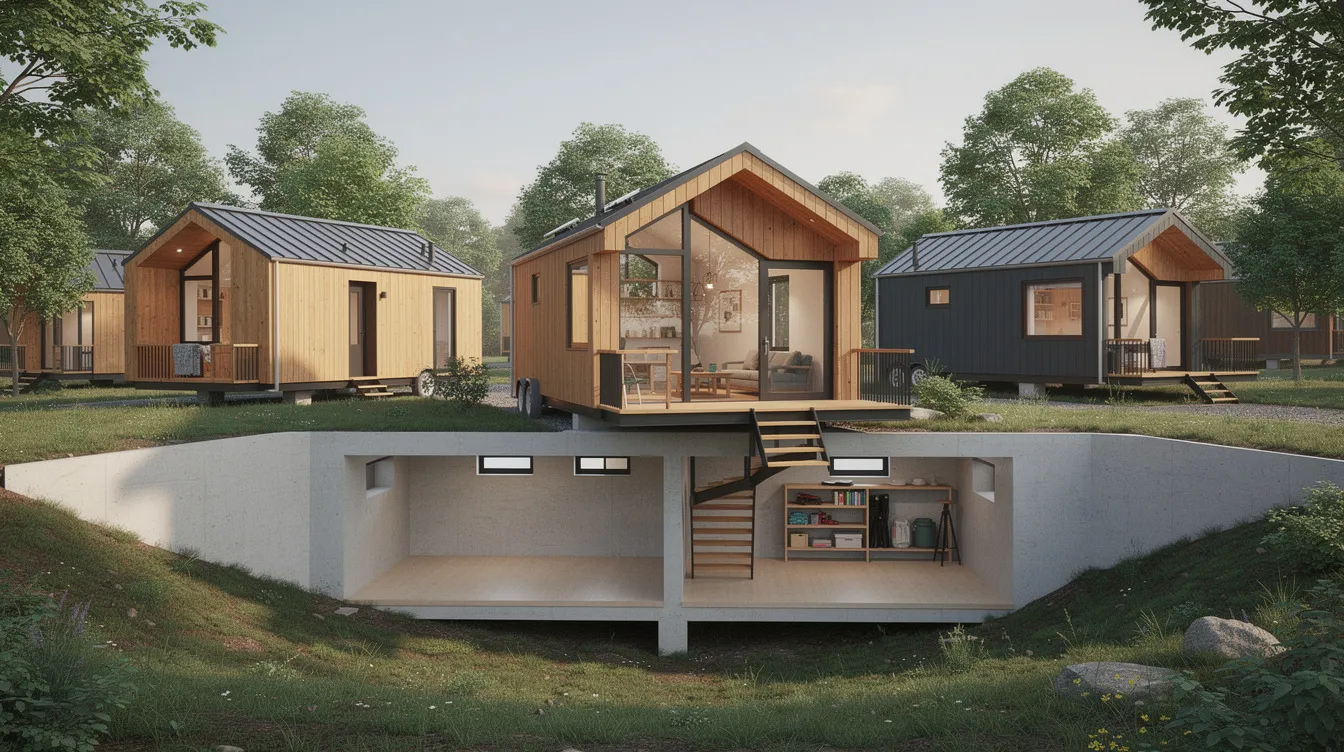
In 2026, a tiny house with a basement typically means a permanent structure under 400-600 square feet above grade, plus a below-grade level. Most tiny homes are built on trailers or simple foundations. But some are permanent houses with a basement foundation.
Tiny house basements can serve multiple purposes, such as additional living space, storage, or even a home office, allowing for greater flexibility in design. Basements come in three types:
- Full basement: Entire footprint below grade
- Partial basement: Under part of the house
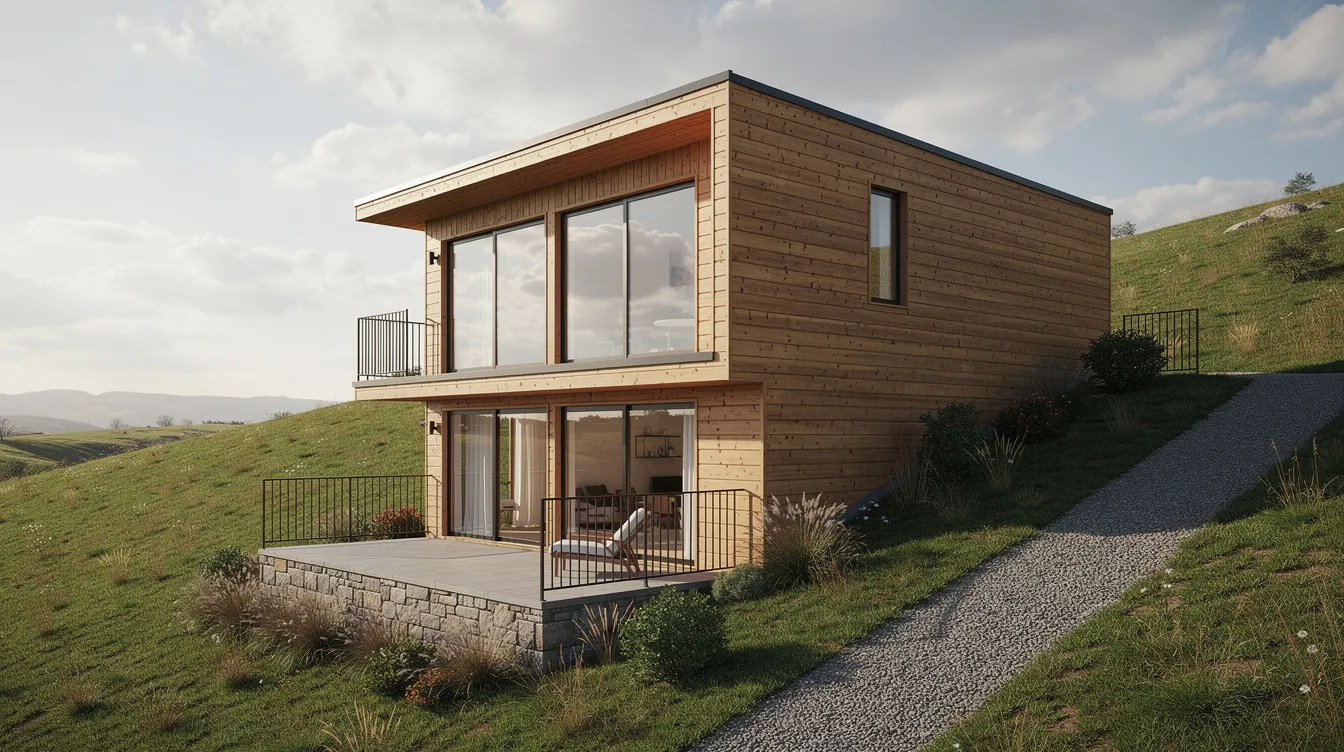
- Daylight basement: Walk-out access on sloped lots
All heated living space is usually counted above grade. So basement square footage is often considered “bonus” livable space. This article covers building codes, costs, foundation types, design options, and practical pros and cons.
- Can Tiny Houses Have Basements? (Short Answer)
- Pros and Cons of a Basement in a Tiny House
- Basement Foundation vs Other Foundation Types for Tiny Houses
- Building Codes, Zoning, and Legal Requirements
- Cost and Budgeting for a Tiny House Basement
- Designing a Tiny House Basement for Real Living
- Energy Efficiency, Moisture, and Comfort
- Is a Basement Right for Your Tiny House? (Decision Checklist)
- FAQ
Can Tiny Houses Have Basements? (Short Answer)
Yes. Tiny houses can have basements if the site, budget, and local rules allow it.
A tiny house on wheels cannot have a true below-grade basement. But those built as permanent dwellings can use basement foundations similar to conventional homes. Full-height basements (around 8 ft or more) can be finished into functional space like a guest bedroom or office.
Site suitability is crucial when building a tiny house with a basement, as it involves evaluating soil type, water table level, and potential drainage issues to prevent structural damage and moisture problems. The decision is less about size and more about structural engineering, excavation feasibility, and complying with local building codes.
Pros and Cons of a Basement in a Tiny House
A basement turns a compact footprint into a multi-level house with more livable space. But it’s not right for everyone. Here’s what to weigh.
Pros of a Tiny House Basement
A basement in a tiny house can serve multiple purposes, such as a guest bedroom, home office, or entertainment space, providing additional living space without compromising the main area.
Extra Living Space
- Add a guest bedroom, game room, or quiet office
- Create a home gym without crowding the main floor
- Build a laundry room away from your main living area
Storage Capacity
- Utilizing a basement for storage helps keep the main living area of a tiny home less cluttered and more organized, allowing for a more spacious environment
- Store seasonal gear, tools, and utilities (water heater, batteries)
- Gain ample storage with built in cabinets along basement walls
Energy and Value Benefits
- Basements provide excellent insulation, helping to regulate the temperature of the house, which can lead to energy savings over time
- Earth-sheltered walls can reduce heating loads by 20-30% per U.S. Department of Energy studies
- Having a basement can increase the overall value of a tiny house, making it more appealing to potential buyers due to the added functionality and space
Weather Resilience
- Basements serve as shelter space during storms
- FEMA rates basements as superior shelters in tornado-prone regions
Cons of a Tiny House Basement
High Upfront Costs
- Excavating and constructing a basement is more complex than building a simple foundation, leading to increased overall construction costs due to additional labor, machinery, and materials
- Foundation work can run $50,000-$100,000 for a 400 sq. ft. footprint
- The overall cost often includes 20% contingencies for rock or water issues
Moisture and Water Risks
- Basements are prone to moisture buildup, which can lead to issues like mold growth and structural damage if not properly addressed with waterproofing and drainage systems
- High water tables make basements impractical in some regions
- Sump pumps and proper grading are non-negotiable
Construction Complexity
- More professional help required (engineers, inspectors)
- Building codes for basements can differ from those for simple foundations, requiring additional permits and inspections to ensure compliance with safety and structural standards
- Timelines extend to 3-6 months versus 1-2 for slabs
Design Trade-offs
- Stairs take up precious square footage on the main floor (20-40 sq. ft.)
- A spiral staircase can save space but limits load capacity
- Rocky or coastal sites make excavation difficult or impossible
Basement Foundation vs Other Foundation Types for Tiny Houses
Foundation choice matters. It affects stability, longevity, and legal classification as a dwelling, so it’s worth understanding the best foundation options for a tiny house.
The best foundation type for a tiny house with a basement depends on the climate and terrain of the building site, with options including basement, crawlspace, or slab foundations. Here’s how they compare:
Foundation Type | Cost per Sq. Ft. | Below-Grade Space | Best Climate |
|---|---|---|---|
Basement | $40-$100 | Full height rooms | Cold, deep frost |
Slab-on-Grade | $5-$10 | None | Warm, high water table |
Crawlspace | $15-$25 | 2-4 ft access | Moderate, sloped sites |
Pier/Post | $10-$20 | Open air (skirted) | Flood-prone, uneven |
Basement Foundation
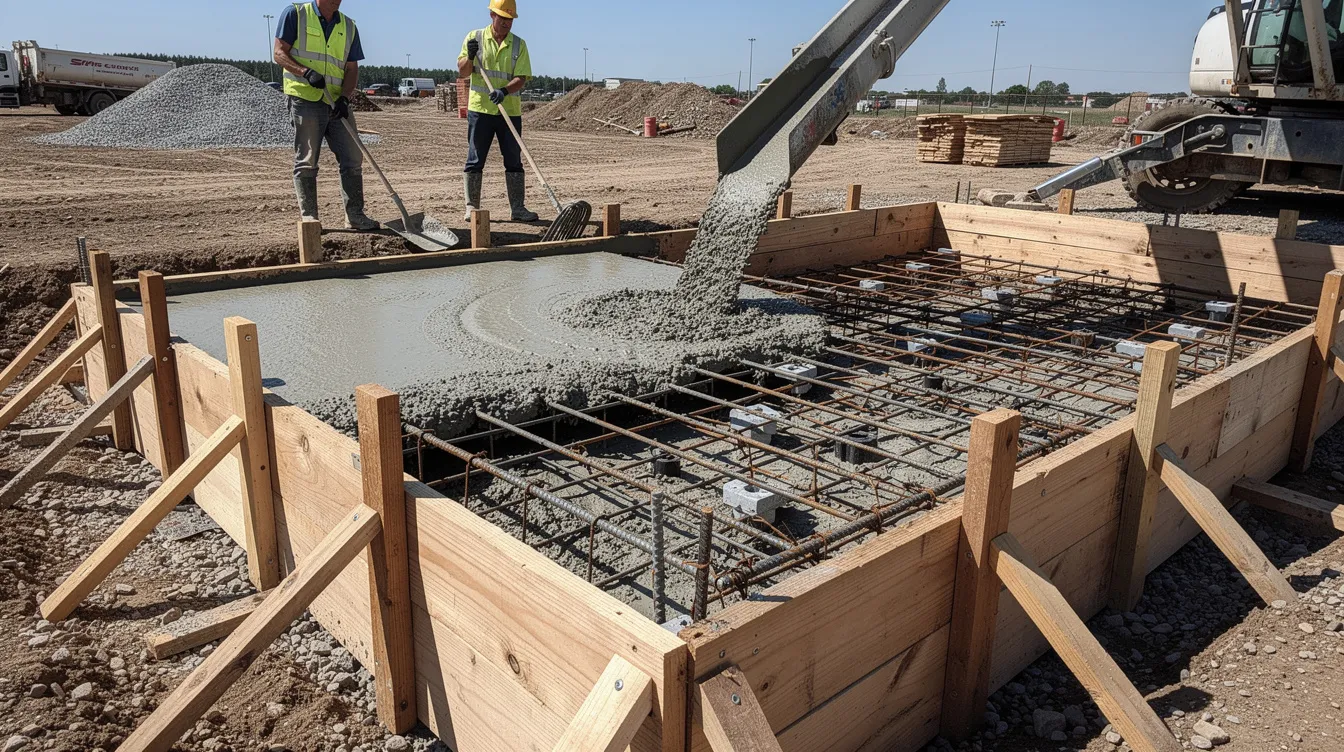
A typical basement foundation uses reinforced poured concrete or concrete blocks on footings, fully or partially below grade. For tiny houses, basement shape usually mirrors the house footprint.
Basement foundations require careful consideration of site suitability, including soil type, water table level, and drainage issues to ensure structural integrity and prevent moisture problems. Wall heights run 8-9 ft, and you can leave the space unfinished at first to save cost.
Basements are advantageous in colder climates with deep foundation requirements—frost lines exceeding 48 inches in northern U.S. states favor basements for stability. Proper insulation, perimeter drains, and waterproofing are essential.
Slab-on-Grade Foundation
A slab foundation is a single thick concrete pad poured at grade. No extra space below. It’s usually the most cost effective permanent foundation option.
Slabs work well for simple, single-level tiny houses in warm climates or areas with high water tables, where height restrictions and design rules from tiny house maximum height guidelines are easier to accommodate with single-story layouts. Good insulation under and around the slab prevents cold floors. But you lose storage and expansion options.
Crawlspace Foundation
A crawlspace lifts your tiny house 2-4 ft off the ground. It creates semi-accessible space for plumbing, electrical systems, and some extra storage—but no standing-height rooms.
Crawlspaces suit sloped sites and moderate frost zones where a full basement would be overkill. They still require moisture control but are simpler than basements. Cost falls between slabs and basements.
Pier/Post Foundation
Pier foundations use concrete piers or posts on footings to support beams under the tiny house. This leaves open air beneath, often requiring insulated skirting.
Strengths include good performance on uneven terrain and flood-prone areas with minimal excavation. Piers don’t allow a true basement but can create easy access for utilities and limited storage. Often the most cost effective option for tiny house plans.
Building Codes, Zoning, and Legal Requirements
Building codes and zoning rules can determine whether a tiny house with a basement is even allowed. Different jurisdictions treat tiny homes as accessory dwelling units (ADUs), primary homes, or recreational structures.
Building codes and regulations for basements can differ from those for simple foundations, which may include specific requirements for dimensions, construction methods, and permits. Compliance improves safety, financing options, and resale value.
Building Codes for Tiny House Basements
Building codes for basements can differ from those for simple foundations, potentially leading to additional fees and inspections. Key requirements include:
- Ceiling height: Minimum 7 ft for habitable basement rooms
- Egress: Emergency exit windows (5.7 sq. ft. minimum opening) required for bedrooms
- Structural: Footings below frost line, proper wall reinforcement
- Fire safety: Smoke alarms, fire separation, safe stair design with handrails
- Ventilation systems: Proper ventilation for air quality
Tiny houses on permanent basement foundations are inspected like any small house.
Zoning and Land-Use Rules
Zoning codes can restrict minimum dwelling size, height, and placement on a lot. Many cities now allow tiny homes as ADUs, but setbacks and height limits still apply.
Zoning may determine whether basement space counts as living space or must remain storage only. States like Oregon, California, and Texas lead in tiny home recognition. Always consult your local planning department before starting foundation work.
Cost and Budgeting for a Tiny House Basement
Basements significantly increase construction costs. The overall cost varies by region, site conditions, and finish level.
Expect $150,000-$300,000 total for a tiny house with basement, with foundations comprising 30-50% of that budget, though choosing affordable tiny house designs and builds can help keep overall costs in check.
Main Cost Components
Item | Estimated Cost |
|---|---|
Excavation | $8-$15 per sq. ft. |
Footings and walls | $20,000-$25,000 |
Waterproofing and drainage | $8,000-$10,000 |
Finishing (if livable) | $30 per sq. ft. |
Engineering and permits | $5,000-$10,000 |
Finishing a basement as a livable space incurs added expenses for insulation, drywall, electrical and plumbing installations, flooring, and lighting. Always build in contingency funds—unforeseen soil, rock, or water issues are common when digging. |
Designing a Tiny House Basement for Real Living
Good design turns a dark, low-level space into a comfortable extension of your tiny house. Plan the basement layout at the same time as the main floor, coordinating it with tiny house floor plans that work for you.
When designing a basement, it’s important to consider the layout and how the space will be used, including the placement of stairs such as a space-saving tiny house spiral staircase and the incorporation of natural light through windows.
Layout and Room Functions
Identify primary uses early:
- Guest bedroom or additional bedroom for family members that ties into your broader tiny house plans that fit your life
- Media room or game room
- Workspace or home office
- Home gym with proper flooring
- Combination spaces with sliding doors that borrow ideas from tiny house interiors that maximize every square foot
Place mechanicals (water heater, electrical panel, HVAC) in a dedicated utility corner. Use built in cabinets along walls to save space. Align plumbing-heavy areas under upstairs kitchen or bath to simplify runs.
Staircase Design in Tiny Houses
Stairs are a major design challenge. They consume precious square feet on the main floor.
Options compared:
- Straight stairs: Easy to use, take most space
- L-shaped stairs: Fit corners, moderate footprint
- Spiral staircase: Space-efficient but limits accessibility, and may work best in custom tiny homes designed for your lifestyle
Code requires proper riser height, tread depth, and minimum width. Integrate storage drawers into stair structure to offset lost space. Avoid ladder-style access for frequently used basement areas.
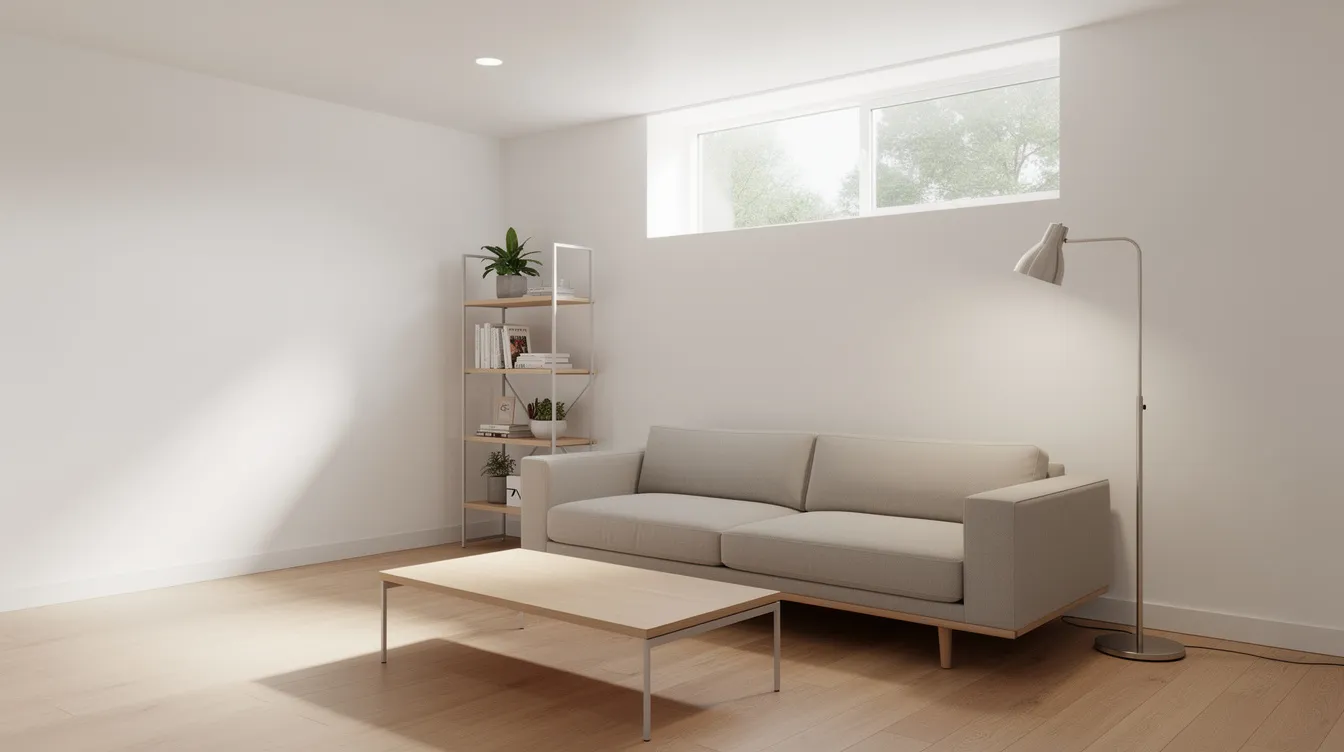
Lighting, Windows, and Egress
Natural light transforms valuable space from cellar to livable space:
- Install light wells or egress windows
- Use glass doors on walk-out basements at sloped sites
- Add LED lighting with multiple layers (ceiling, wall sconces, task lights)
Basement bedrooms require code-compliant egress windows. Use lighter colors and reflective finishes to enhance openness in this small space.
Energy Efficiency, Moisture, and Comfort
Basements can be extremely comfortable if moisture and proper insulation are handled correctly. Earth contact stabilizes interior temperatures but can introduce dampness without proper planning.
Insulation and Energy Efficiency
Effective moisture control and insulation are crucial in basement design to prevent issues like mold growth and to maintain a comfortable living environment.
Common options:
- Rigid foam boards (R-10+) on exterior walls
- Spray foam for air sealing
- Fiberglass batts between studs
Continuous exterior insulation reduces thermal bridging. A well-insulated basement can reduce overall heating and cooling loads—cutting utility costs by 15-25%. Add insulated doors and thermal curtains at basement windows.
Waterproofing and Moisture Control
Moisture management is non-negotiable. Even tiny leaks ruin finishes and encourage mold.
Key elements:
- Damp-proof coatings on exterior walls
- Footing drains and gravel backfill
- Grading sloped away from the house
- Interior vapor barriers
- Dehumidifiers in humid climates
High water tables or frequent flooding may make a basement a poor choice. Inspect sump pumps and drainage regularly after heavy rain to prevent dampness.
Heating, Cooling, and Ventilation
Basements often stay cooler, needing less cooling but more heating seasonally.
Simple systems include:
- Extended ductwork from main HVAC
- Mini-split heads for independent control
- Electric radiant panels for spot heating
Mechanical ventilation systems (HRV/ERV) improve air quality in tightly built tiny houses. Add exhaust fans in basement laundry room or bathroom areas. Balance comfort on both levels so the basement doesn’t feel noticeably colder than the main living space.
Is a Basement Right for Your Tiny House? (Decision Checklist)
Use this checklist before committing to basement construction:
- [ ] Climate: Deep frost line (48+ inches) favors basements
- [ ] Soil: Stable, well-draining soil type confirmed by geotechnical report
- [ ] Water table: Low enough to prevent flooding risks
- [ ] Budget: Can afford $40,000-$80,000+ for foundation alone
- [ ] Codes: Local building codes permit basement tiny homes
- [ ] Need: Guest bedroom, home gym, or workshop justifies complexity
- [ ] Timeline: Can wait 3-6 months for construction process
A carefully planned basement can transform a tiny house. But it isn’t the best foundation for every site or budget. Consider hybrid approaches—combine a sleeping loft above with basement space below for endless possibilities.
FAQ
Can I add a basement under an existing tiny house?
Retrofitting a basement under an existing tiny house is complex and often more expensive than starting with a basement plan. It typically involves lifting the structure, excavating beneath, and building new foundation walls—all requiring engineers and permits. Most owners should consider moving the tiny house and building new, or adding above-grade additions instead. On-wheel tiny houses cannot accommodate true below-grade basements.
Can a tiny house basement be used as a legal bedroom?
Yes, if it meets building code requirements for ceiling height (typically 7 ft minimum), egress, and proper ventilation. Egress windows must provide safe exit to the outside with minimum size requirements. Non-compliant bedrooms create problems with inspections, insurance, and resale. Consider multi-purpose rooms—guest bedroom plus office—for flexibility.
How does a basement affect the long-term durability of a tiny house?
A properly built basement foundation can increase durability by protecting against ground moisture and frost movement. Poor waterproofing, however, shortens material life through rot and mold. Routine inspection of sump pumps and drains is essential. Structural stability often improves because the house anchors to a substantial deep foundation.
Is a basement foundation better than adding a loft for extra space?
Lofts are cheaper and simpler but better for sleeping or light storage. Basements provide full-height extra living space for uses lofts cannot accommodate—home gym, workshop, or full guest suite. Lofts may be harder for people with mobility issues to access. Some tiny houses combine both: sleeping loft above and media room or storage below for maximum functionality, similar to many of the great tiny homes that redefine small space living.
Do basements make tiny houses more energy efficient?
When insulated correctly, basements contribute to overall energy efficiency. Earth-sheltered walls maintain stable temperatures (55-65°F year-round), reducing heating and cooling swings. Without good insulation and air sealing, basements feel cold or damp and greatly affect energy use negatively. Combine a well-insulated basement with high-performance windows upstairs for best results.