
The tiny house movement has captured the imagination of property owners looking to downsize, reduce their carbon footprint, or create flexible living spaces on their land. But before you start sketching floor plans or browsing tiny home models, there’s one question you need to answer first: do you need a building permit for a tiny house?
The short answer is almost always yes—but the type of permit, the process, and the exceptions depend on factors that vary dramatically from one county to the next.
- Quick Answer: When a Tiny House Does (and Doesn’t) Need a Permit
- Step 1: Define Your Tiny House Type Before You Ask About Permits
- Step 2: Understand the Difference Between Building Permits, Zoning, and RV Rules
- Step 3: When Do You Need a Building Permit for a Tiny House on a Foundation?
- Step 4: Do You Need a Permit for a Tiny House on Wheels (THOW) or Park Model?
- Step 5: How to Check Permit Requirements in Your City or County
- Step 6: Permit Costs, Timelines, and Common Tiny House Pitfalls
- Key Takeaways
Quick Answer: When a Tiny House Does (and Doesn’t) Need a Permit
In most U.S. locations, you will need some form of permit to build, place, or live in a tiny house long-term. This has been especially true since 2018, when the International Residential Code introduced Appendix Q—the first uniform building standards specifically designed for tiny homes under 400 square feet. Whether your tiny house sits on wheels or a permanent foundation, local governments typically require documentation before you can legally occupy the structure, so understanding how to build a tiny house should go hand in hand with researching your local codes.
Permits are typically required for:
- New construction of any dwelling, regardless of size
- Placing a prefab tiny home or manufactured home on your property
- Converting sheds, shipping containers, or garages into living spaces
- Installing utilities like plumbing, electrical, or septic systems
- Using recreational vehicles or tiny houses on wheels as permanent residences
When might you skip a permit? Rare situations exist. Parking a registered travel trailer on a friend’s property for a short stay—with no utility hookup changes—might not trigger enforcement in counties with minimal oversight. But these are exceptions, not the rule.
Some states like Texas, Missouri, and parts of Colorado, Mississippi, and West Virginia have counties with no residential building code. However, zoning laws and health regulations often still require permits for septic systems, land use, or occupancy.
Here’s the bottom line: contact your local building department and planning office before you buy land or build a tiny house. The rules changed significantly after the 2018 IRC adoption, and what applies in one town may not apply in the next.
Step 1: Define Your Tiny House Type Before You Ask About Permits
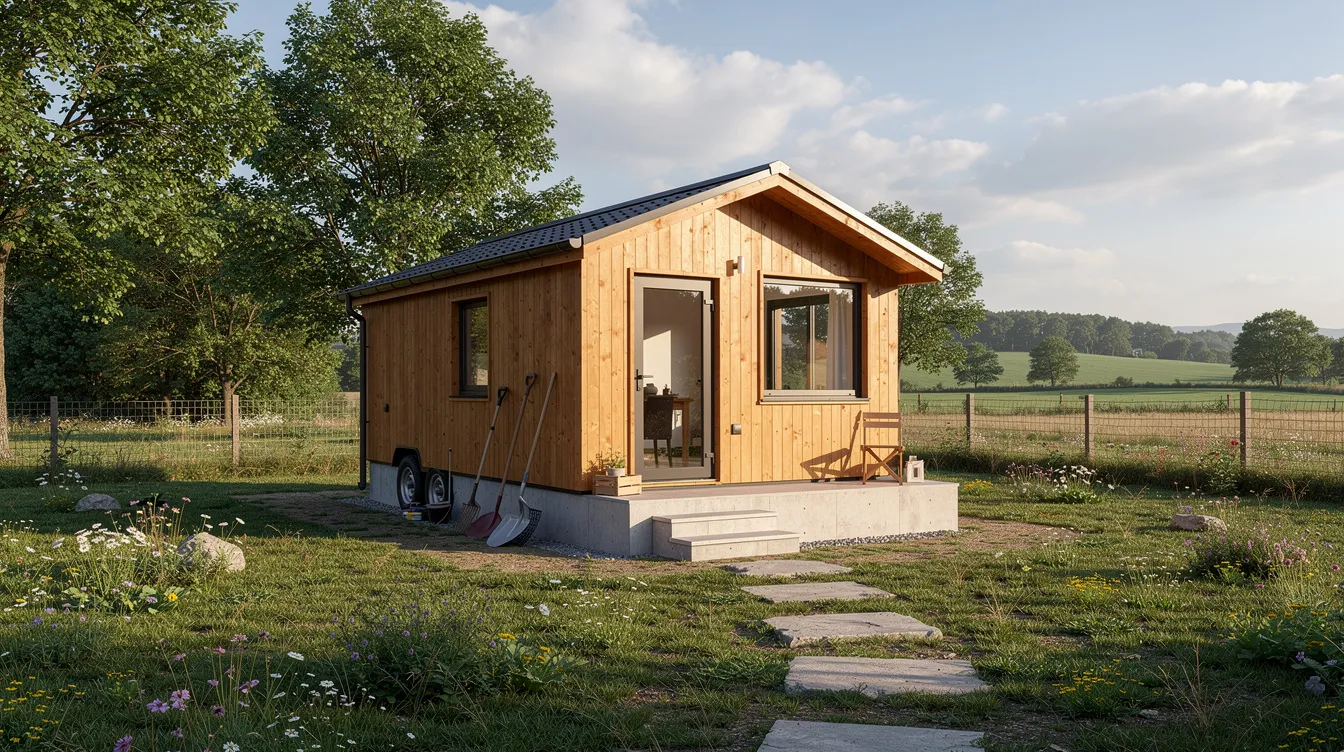
Before asking “do I need a building permit,” you need to clarify exactly what you’re building or placing. Well-thought-out tiny house floor plans that work for you help define whether your project is a permanent dwelling, ADU, or movable unit. Permit requirements depend entirely on how your tiny house is classified by local building officials.
Common tiny house configurations:
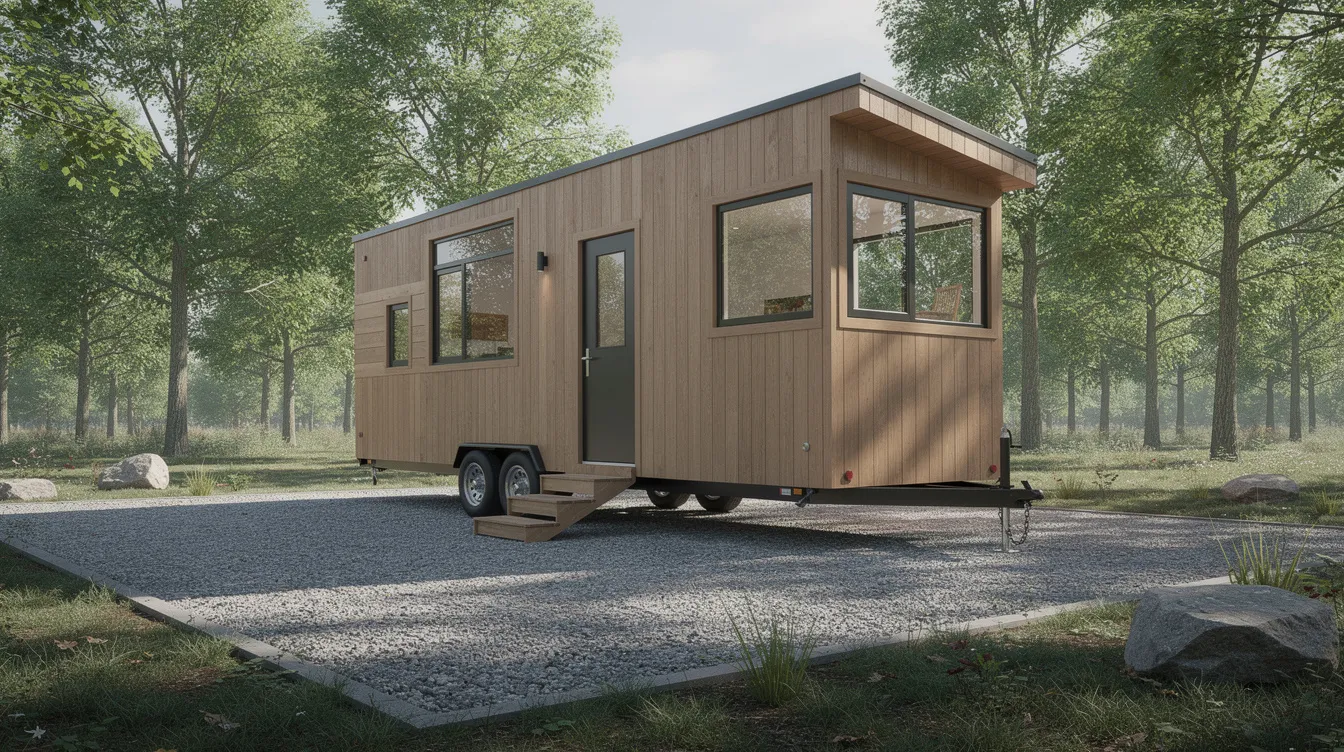
- Tiny house on wheels (THOW): Built on a trailer bed, often 20-30 feet long, designed for mobility but frequently used as a primary residence
- Park model homes: Typically around 400 square feet, built to ANSI A119.5 standards, and regulated similarly to recreational vehicles
- Foundation-built tiny home: A permanent dwelling under 400 square feet following IRC Appendix Q or state building codes, where choosing the best foundation for a tiny house depends on soil conditions, budget, and mobility needs
- Converted structure: A shed, shipping container, or existing home retrofit to serve as a dwelling
The 2018 International Residential Code defines a tiny house as a dwelling with 400 square feet or less of floor area, excluding lofts. Many states began adopting Appendix Q between 2018 and 2024, though adoption remains inconsistent.
Here’s a practical tip: most local building officials won’t answer vague questions like “Are tiny houses legal here?” Instead, ask something specific:
“I want to build a 320-square-foot permanent dwelling on a slab foundation at [your address]. What permits are required?”
This precision gets you clear answers and avoids wasted time.
Step 2: Understand the Difference Between Building Permits, Zoning, and RV Rules
Legality for tiny homes operates on three distinct layers. Understanding each layer will save you from costly surprises down the road.
Building permits ensure your structure meets safety standards like the International Residential Code, state regulations, and local amendments. These codes cover everything from minimum square footage requirements to electrical installation standards that prevent fire or electrocution hazards. For example, many counties require at least one room of 120 square feet and additional living space of at least 70 square feet.
Zoning permits determine where and how you can place or live in your tiny house. When reviewing tiny house plans that fit your life, make sure the intended use and size align with your local rules. Zoning requirements address:
- Minimum lot size for your property
- Setbacks from property lines
- Whether an accessory dwelling unit is allowed in your district
- Whether full-time RV living is prohibited outside designated areas
RV and park model rules apply specifically to tiny houses on wheels. Many states classify THOWs as motor vehicles or recreational vehicles. They must meet standards like ANSI A119.5 (park models) or NFPA 1192, be registered with the DMV, and in many counties, can only be used as permanent residences within RV parks or approved tiny home communities.
Comparing permit types by tiny house category:
- Tiny house on foundation: Building permit required, zoning approval required, no vehicle registration
- Tiny house on wheels: Vehicle registration required, zoning approval for placement, building permit usually not required for the structure itself but often needed for site work
- Park model RV: RV Industry Association certification, limited to RV parks in many jurisdictions, rarely allowed as a primary residence on private land
Step 3: When Do You Need a Building Permit for a Tiny House on a Foundation?
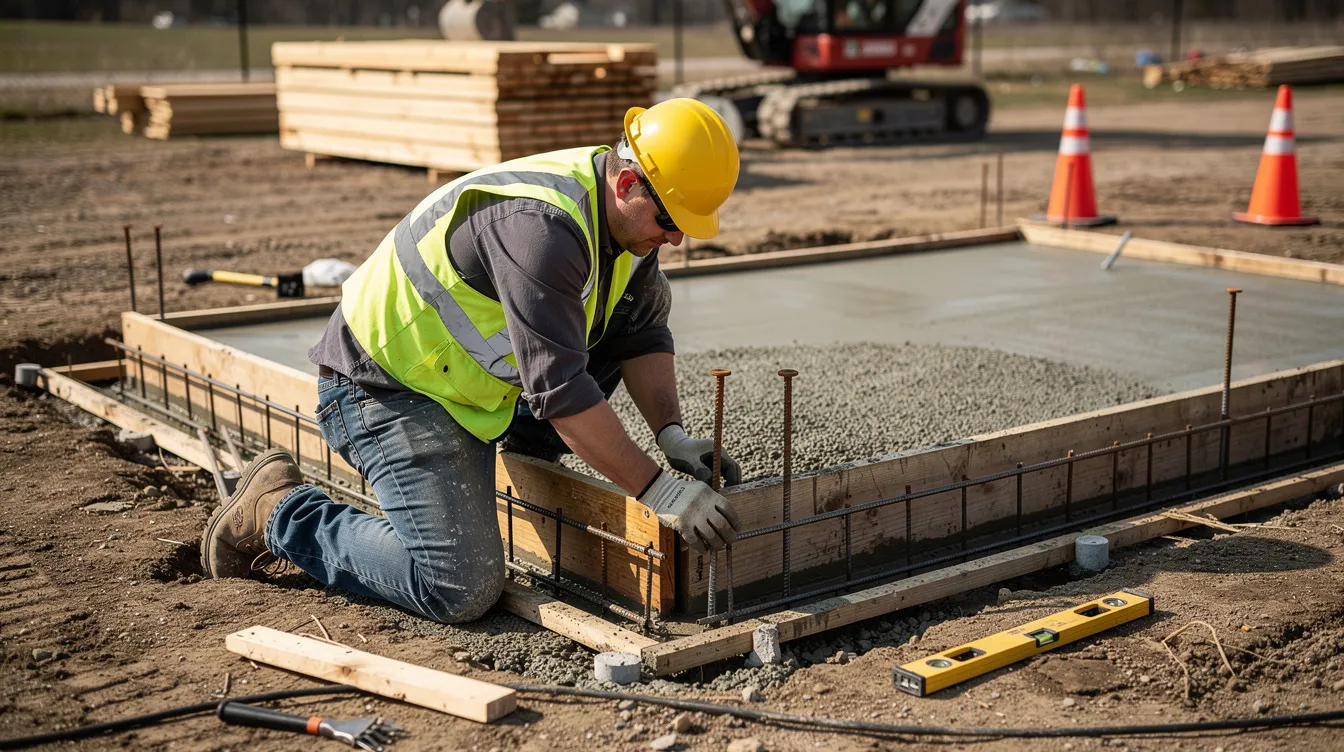
Almost every jurisdiction in the U.S. will require a building permit for a tiny house used as a permanent dwelling on a fixed foundation. This applies whether you’re building a primary residence or an accessory dwelling unit in your backyard.
Scenarios that clearly require a building permit:
- Building a new 300-400 square foot stick-built house
- Placing a factory-built modular tiny home on your land
- Converting a detached garage or finished shed into a dwelling
- Adding plumbing, a septic system, or electrical panel upgrades for the tiny house
- Any construction that includes sleeping, cooking, or bathroom facilities
The variation between counties can be dramatic. In Pennsylvania alone:
- Berks County and Montgomery County permit tiny homes with a minimum of 120 square feet
- Bradford County requires at least 150 square feet for one individual, with specific bedroom requirements (minimum 70 square feet)
- Forest County permits homes up to 400 square feet as permanent dwellings, provided they have no wheels
- Huntingdon County requires a minimum of 600 square feet—effectively banning most tiny homes
- Beaver County requires 800 square feet minimum for permanent dwellings
Some states and cities have adopted IRC Appendix Q to relax rules on lofts, stairs, and ceiling heights for homes under 400 square feet. But even with these accommodations, the standard building permit and inspection process still applies.
What about exceptions? Structures that don’t require permits are usually limited to non-habitable accessory buildings like simple storage sheds under a certain size. The moment you add sleeping quarters, a kitchen, or plumbing, you’ve moved into “single family dwelling” territory—and you’ll need proper permits.
Think of permits not as red tape, but as your path to insurance coverage, mortgage financing, utility hookups, and resale value.
Step 4: Do You Need a Permit for a Tiny House on Wheels (THOW) or Park Model?
A THOW or park model may escape building permits as a structure, but you’ll still face other requirements if you plan to use it as a permanent residence or connect it to utilities. Many people opt for custom tiny homes for small-space living on wheels to balance mobility with comfort while staying within legal requirements.
Tiny houses on wheels are typically treated as recreational vehicles in many states. In Pennsylvania, for example, THOWs must conform to the 2018 Board of Vehicle Act 134 and are classified similarly to motor homes. This means:
- The unit needs RV registration and title
- It may require state inspections through vehicle or labor & industries departments
- Building codes for dwellings don’t directly apply to the structure itself
However, permits are usually required when you:
- Place the unit as a permanent dwelling on your property
- Add sewer or septic connections
- Build decks, roofs, or foundations underneath the tiny house
- Install hard-wired electrical instead of plug-in shore power
- Apply for an occupancy permit to live in it full-time
Location matters enormously. Parking your THOW in an established RV park or tiny home community often means the park’s existing approvals cover your unit. But placing that same unit on raw land in a county that prohibits living full-time in recreational vehicles outside approved parks? That’s a different story entirely.
Many counties in states like North Carolina and California explicitly disallow RVs and park model homes as permanent residences unless they’re converted and permitted as modular homes on permanent foundations.
The real question isn’t “Do I need a building permit for this trailer?” It’s “Can I legally live full-time in this THOW on my own land?”
Zoning laws and health codes—not building permits—are often the limiting factor for tiny living on wheels.
Step 5: How to Check Permit Requirements in Your City or County
Rules vary not only by state but by county, city, and even subdivision covenants. Before you buy land or commit to a tiny house, follow a step-by-step research process.
Online research steps:
- Search “[Your State] tiny house laws site:.gov”
- Find your local “Planning and Zoning” department website
- Locate the “Building Department” or “Permit Office” pages
- Search for terms like “accessory dwelling unit,” “manufactured home,” “RV parking,” and “minimum dwelling size”
- Look for adopted building codes (many reference the 2018 IRC or state-specific residential codes)
When you call your local building official, try a script like this:
“I’m considering a 350-square-foot detached accessory dwelling unit on a slab foundation at [your address]. What building permits and zoning approvals would I need?”
Or for THOWs:
“Can a 28-foot ANSI A119.5 park model be used as a permanent residence on my R-1 zoned lot? What permits or approvals would that require?”
Key questions to ask:
- What are the minimum and maximum sizes for dwellings?
- What types of units are allowed (stick-built, modular, manufactured, RV)?
- Do I need a septic permit or sewer connection approval?
- How many dwellings can exist on a single lot?
- Are temporary occupancy permits available for THOWs?
- Does the county have adopted residential building codes?
Some counties—particularly certain areas in West Virginia—have no adopted residential building codes. But don’t assume this means no permits at all. You may still need zoning clearances, a septic permit, and health department approval even if no one inspects your framing or electrical work.
Step 6: Permit Costs, Timelines, and Common Tiny House Pitfalls
Permits add cost and time to your tiny home journey, but understanding them upfront helps you avoid expensive mistakes—like fines, demolition orders, or being forced to relocate your tiny house.
Using a budgeting tool like a tiny home cost calculator can help you anticipate fees and soft costs before you apply.
Typical permit costs:
- Building permits for small dwellings: $800–$2,000 in many U.S. cities
- National averages for residential permits: $1,300–$1,500
- Utility connection fees: Several hundred to several thousand dollars depending on location
- Impact fees and additional fees: Vary widely, especially in metro areas
- Septic system permits: Often $500–$1,500 separate from building permits
Realistic timelines:
- Simple ADU permits in smaller towns: 2–6 weeks
- Larger metro areas with design review: 2–6 months
- Inspections occur at foundation, framing, rough-in, and final stages
- Each inspection must be scheduled in advance

Thoughtfully chosen affordable tiny house buildings and designs can keep your project within budget while still meeting permit requirements.
Common mistakes to avoid:
- Buying a tiny house on wheels before confirming you can legally live in it on your desired property
- Placing a unit on your land without permits, then facing code enforcement orders to remove it
- Assuming a “no building code county” means no zoning, septic, or health regulations
- Skipping electrical or plumbing inspections, making the structure uninspectable for future sale or insurance
- Failing to research whether the land allows a second dwelling or accessory structure
DIY vs. professional tiny home builders: Reputable tiny home builders design to applicable building standards and often help with permit paperwork. They understand the difference between IRC Appendix Q requirements, RV certification, and manufactured home standards. If you’re building a DIY tiny house, expect to handle this research yourself—and plan for your structure to be inspected at multiple stages.
The permit process exists to ensure your tiny house meets minimum standards for safety. It also protects your investment by making the home insurable, financeable, and legally occupiable.
Key Takeaways
- Most tiny houses require permits. Whether on a foundation or wheels, you’ll likely need building permits, zoning approval, or both to legally live in a tiny home.
- Classification matters. How your tiny house is defined—dwelling, ADU, RV, manufactured home—determines which regulations apply.
- County-level variation is extreme. One Pennsylvania county allows 120 square feet; another requires 800. Always research your specific location.
- THOWs face zoning barriers. The trailer itself may not need a building permit, but living in it full-time often does require approval.
- Contact your local building department first. Specific questions get specific answers. Ask before you buy.
Before you start your tiny home living adventure, take the time to determine exactly what permits your city or county requires. Browsing modern tiny house designs for living is exciting, but the right permits today mean peace of mind, insurance coverage, and the ability to rent or sell your property tomorrow.
Ready to build a tiny house? Explore cute tiny house designs for your dream home, contact your local planning and building department, connect with experienced tiny home builders in your area, and join tiny home communities where others have navigated the same regulations. Your path to tiny living starts with knowing the rules.