
Key Takeaways
- Most tiny houses handle sewage using composting toilets, small septic systems, RV-style tanks, incinerator toilets, or dedicated greywater systems
- Many off grid tiny homes avoid traditional septic systems entirely by combining composting toilets with greywater diversion
- Local regulations and council approval often determine which sewage option your tiny house can legally use
- The right system depends on whether your tiny home is mobile or permanent, your climate, and your budget
- Good sewage planning is essential for a sustainable lifestyle and successful tiny house living
Introduction: Sewage in the Tiny House Movement
Since the tiny house movement gained momentum around 2010, waste management has become one of the biggest practical questions for tiny house owners. It’s not glamorous. But it matters.
Sewage in a tiny house means two things: black water from toilets (human waste) and grey water from your kitchen sink, shower, and laundry. A traditional house routes everything to municipal sewer systems or large septic tanks. A tiny home can’t always do that.
How do tiny houses handle sewage? It depends on whether you’re on wheels, on a foundation, connected to city water, or fully off grid. This guide covers the main toilet options and waste water systems so you can choose what works for your small house.
- Understanding Tiny House Sewage Basics
- Composting Toilets in Tiny Houses
- Incinerator Toilets: Burning Waste to Ash
- Septic Systems and Aerated Treatment Units for Tiny Houses
- Greywater Systems for Tiny Houses
- RV-Style Black Water Tanks and Dump Stations
- Choosing the Right Sewage Option for Your Tiny House
- FAQ: Tiny House Sewage and Toilets
Understanding Tiny House Sewage Basics
Let’s break down the basics.
Black water vs grey water:
- Black water: toilet waste, foul odors, high health risk
- Grey water: shower water, sink drainage, laundry—lower contamination
How a normal house handles sewage:
- Municipal sewer connection with unlimited capacity
- Full-size septic tank (1,000+ gallons) plus leach field (200-500 square feet)
- Requires existing infrastructure and enough space
That doesn’t scale well for tiny homes. Most tiny houses on wheels use RV-style plumbing with smaller pipes and flexible connections. Tiny homes often utilize waterless options for waste management, such as composting and incinerator toilets, which save both water and plumbing space, especially in self-contained tiny homes designed for off-grid living.
Many regions in the US, Canada, Australia, and Europe have specific rules about black water disposal. This shapes how tiny home owners design their water system from day one.
Composting Toilets in Tiny Houses
Composting toilets have become the default choice for many off grid tiny homes since the mid-2010s. By 2026, industry estimates suggest over 70% of off-grid tiny houses use them, making it crucial to understand tiny house septic and composting options for sustainable living.
Here’s the simple version: a composting toilet separates liquids and solid waste. You add carbon material like coconut coir, peat moss, or sawdust. Aerobic bacteria break down the waste over weeks, creating nutrient rich compost.
Daily use looks like this:
- Use the toilet normally
- Add 1-2 cups of cover material after each use
- A small 12V fan runs continuously for ventilation
- Some models require occasional stirring
Composting toilets eliminate the need for a septic system and can be a practical on-site waste management solution for tiny houses, especially in off-grid situations. They’re also a popular choice because they help save space and resources—perfect for limited space living.
Pros: minimal fresh water use, small footprint, eco friendly, works with solar panels, low maintenance long-term
Cons: learning curve, manual emptying, some local regulations restrict use, requires council approval in certain areas
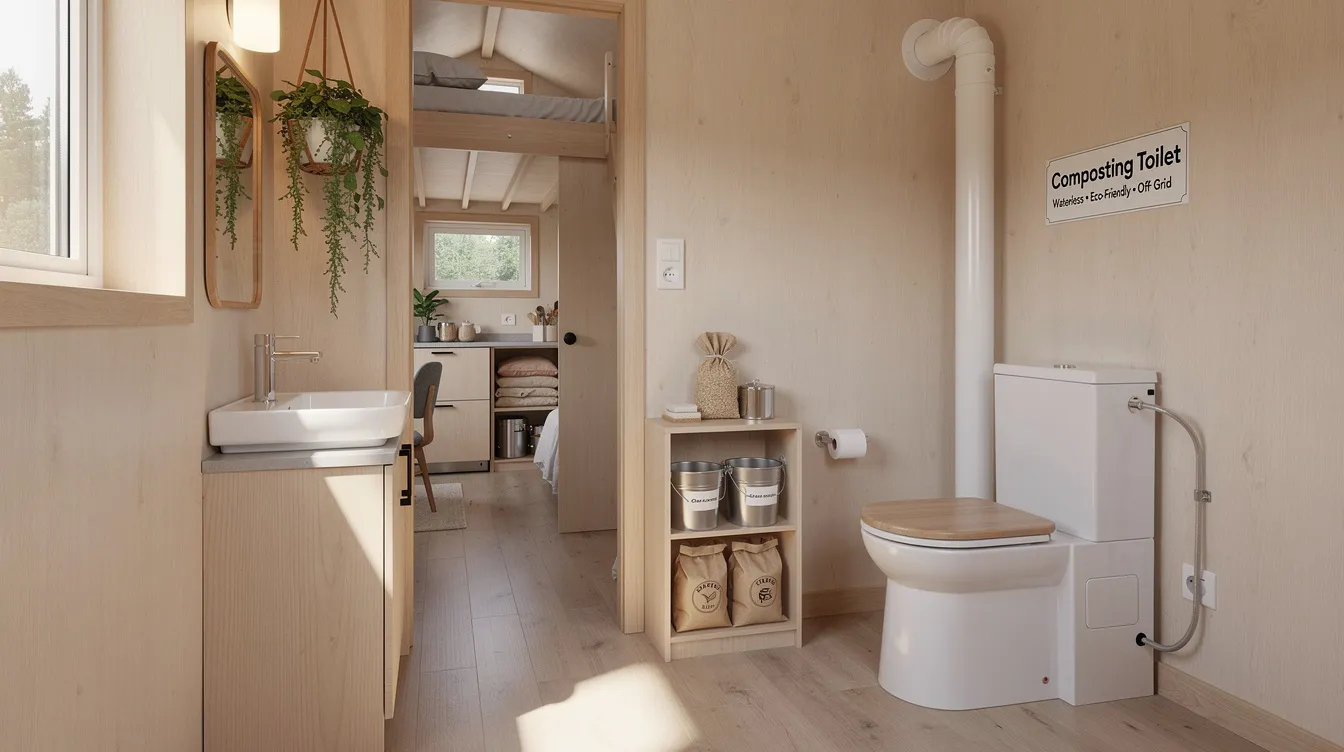
Types of Composting Toilets for Tiny Homes
“Composting toilets” covers several designs. Tiny house owners usually choose from:
- Self-contained units: Everything happens in one box under the seat. Most models run on a small 12V fan. Self-contained composting toilets are often the best choice for tiny homes, as they handle all composting within the unit and are designed for limited space.
- Urine-diverting bucket systems: DIY-friendly, cost effective ($100-300), popular for mobile tiny houses
- Central composting systems: Located under or beside the tiny home, better for foundations but need more space
Tiny houses on wheels favor self-contained units (about 70% market share). Power requirements are low—typically 0.05 kWh/day—compatible with most solar setups.
Smell, Hygiene, and Everyday Use
Here’s the truth: a properly managed composting toilet shouldn’t smell like sewage.
Key practices for odor control:
- Run the ventilation fan continuously
- Use generous cover material (1:1 ratio)
- Keep the urine diverter clean
- Don’t overfill the solids bin
- Empty at 2/3 capacity to avoid anaerobic decomposition
Most odor complaints come from running without the fan, using too little carbon material, or failing to separate liquids effectively.
For hygiene: wear gloves when emptying, wash containers with eco-friendly cleaners, and allow 6-12 months for compost to mature. Most guidelines recommend using finished compost only on non edible plants.
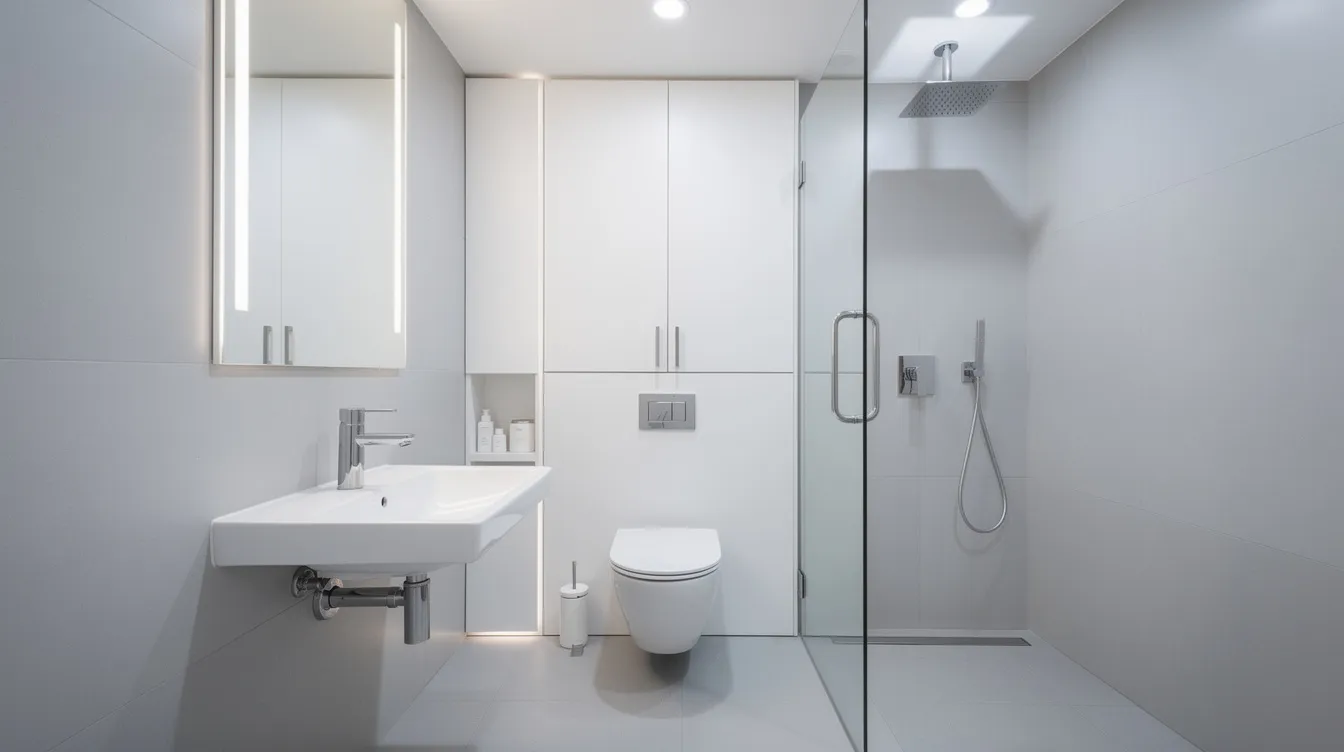
Incinerator Toilets: Burning Waste to Ash
Incinerator toilets offer a high-tech alternative. They’re increasingly popular in cold climates where composting slows down.
The principle is simple: human waste is burned at 1,000-1,400°F, leaving behind sterile ash you can dispose of in regular trash. No water. No black water tank. No compost pile to manage.
Incinerator toilets operate by burning waste at high temperatures, leaving behind sterile ash, and do not require water or plumbing, making them suitable for tiny homes with limited space.
Power options:
- Electric models: 2-4 kWh per burn cycle
- LPG gas models: 0.1-0.2 gallons per burn
Advantages: hygienic seal, waterless, excellent for cold weather, no sewage system needed
Disadvantages: The upfront cost for incinerator toilets typically ranges from AUD $6,000 to $8,000, excluding installation and flue setup. They also use significant electricity—potentially straining small off grid solar systems.
Best fit: weekend cabins or part-time tiny homes with adequate energy reserves.
Septic Systems and Aerated Treatment Units for Tiny Houses
Some tiny homes on permanent foundations connect to conventional septic systems or advanced treatment units, while others adopt minimalist tiny houses focused on sustainable living that prioritize low-impact waste and water systems.
A traditional septic system works in steps:
- Waste flows to a septic tank
- Bacteria break down solids
- Effluent drains through a leach field into soil
For tiny houses, building codes often require systems sized for standard bedrooms—meaning oversized capacity for your actual 10-20 gallon daily flow.
Aerated Wastewater Treatment Systems (AWTS) treat sewage using a series of tanks and oxygenated bacteria, producing treated effluent that can be reused for irrigation, subject to approval. They’re essentially mini treatment plants.
Pros: flushing toilets like a traditional house, familiar bathroom experience, generally easier council approval
Cons: Aerated Wastewater Treatment Systems (AWTS) can cost between AUD $10,000 and $20,000 installed, depending on various factors such as system size and site layout. They require electricity and routine servicing.
When a Septic System Makes Sense for a Tiny Home
Septic or AWTS can still be the right choice:
- Rural land where local regulations require approved systems
- Permanent primary dwellings needing full code compliance
- Tiny house villages sharing one central water system
Check rules early. Even composting toilets sometimes need a backup sewer connection for grey water in certain jurisdictions.
Greywater Systems for Tiny Houses
Grey water is everything except toilet waste—your shower, kitchen sink, and laundry drainage. Tiny house owners often treat it separately from black water, as part of a broader shift toward tiny house living with space-saving, minimalist design.
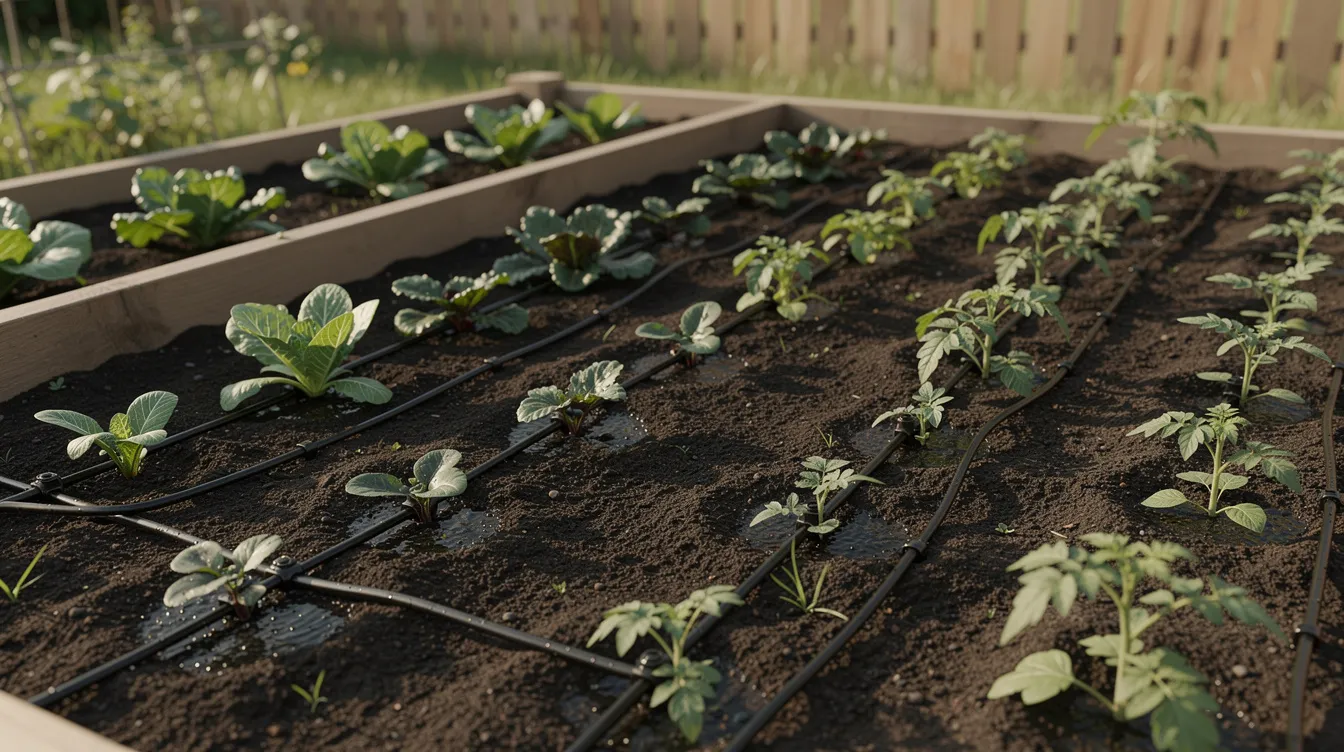
Greywater systems can recycle lightly used water from sources like bathroom sinks, showers, and washing machines, making it available for irrigation and other non-potable uses.
Basic system components:
- Collection from drains
- Filtering (hair, food particles)
- Dispersal via trenches, mulch basins, or drip lines
Installing a greywater system can save a typical tiny house owner thousands of gallons of water per year, especially during hot weather or drought conditions. That’s a sustainable option that reduces your carbon footprint and strain on your water supply.
Important: Many jurisdictions have rules about grey water—setbacks from property lines, approved soaps, and discharge locations. Always check local regulations.
Designing a Greywater System for a Tiny Home
Plan your greywater system alongside your plumbing layout.
Key considerations:
- Soil type and drainage capacity
- Climate (frozen ground vs warm climates)
- Slope of your land
- Distance to gardens or trees
Use biodegradable soaps to protect plants and soil. Greywater can be directed into gardens or landscapes using simple systems like garden hose manifolds, french drains, or more advanced greywater diversion devices.
For mobile tiny houses, consider portable tanks or campground connections when parked at an RV park.
RV-Style Black Water Tanks and Dump Stations
Many tiny houses on wheels borrow directly from RVs: holding tanks mounted under the trailer frame.
How it works:
- Waste from flushing toilets flows to a black water tank
- Grey water goes to a separate tank
- Both empty via hose at dump stations
This suits people who move regularly or park where existing infrastructure exists, including those exploring tiny house camper ideas for adventure-focused living.
Benefits: familiar flush experience, works with campground systems, simpler regulatory path when classified as RV
Drawbacks: periodic tank dumping (messy work), need access to dump stations, potential for foul odors if neglected
Some owners combine a composting toilet with just a grey water tank—eliminating black water entirely while keeping hot water and shower convenience, especially in self-contained off-grid tiny homes and custom tiny homes designed for specific lifestyles.
Choosing the Right Sewage Option for Your Tiny House
There’s no single answer. Your choice depends on:
- Mobility: THOWs favor composting or RV tanks; permanent foundations can use septic
- Power: Limited solar? Skip incinerator toilets. Composting uses minimal electricity.
- Land access: No space for leach fields? Composting plus greywater works.
- Local codes: Some areas require septic backup regardless of other systems
- Budget: DIY composting starts under $500; septic runs into five figures
Composting toilets can be a cost-effective solution for tiny homes, as they often have lower long-term costs compared to traditional flushing toilets, despite a significant initial investment for installation and maintenance.
For solos or couples who live off grid, composting plus greywater systems hit the sweet spot. Families on foundations might prefer septic comfort. Weekend users might choose incinerator simplicity, and different modern tiny house designs or innovative small-space homes will lend themselves to different sewage setups.
Check 2024-2026 building codes before committing. Good sewage design supports both comfort and low environmental impact, and it should complement whether you’re drawn to cute tiny house designs for a dream home or tiny house nature retreats that emphasize outdoor living.
FAQ: Tiny House Sewage and Toilets
Is a composting toilet legal in my tiny house where I live?
Legality varies by country, state, and local council. Some places allow composting toilets only alongside a conventional septic or sewer hookup. Contact your local building or environmental health department for approved models. Regulations have been updating between 2020 and 2026 as these systems become more common—requires council approval in many areas.
Can a tiny house sewage system work in freezing winters?
Yes, with preparation. Insulate pipes, use heat-tracing, and bury lines below frost depth. Keep tanks within the insulated envelope or skirted area. Composting toilets work in cold climates but slow biologically—extra carbon material helps. Incinerator toilets actually perform better in winter since they don’t rely on natural processes.
How much does it cost to set up sewage for a tiny home?
Ranges vary widely:
- DIY bucket composting: $100-300
- Manufactured composting toilets: $500-1,500
- Incinerator toilets: AUD $6,000-8,000+
- Full septic/AWTS: $10,000-40,000 depending on site
Simpler systems cost less but require more manual involvement.
Is it safe to use compost from a composting toilet in a garden?
Most guidelines recommend using finished humanure only on ornamental trees and non edible plants—not vegetables. Proper composting (correct carbon-to-nitrogen ratio, 6-12 month maturation) reduces pathogens significantly. Always follow local public health recommendations.
Can I switch systems later if my tiny house lifestyle changes?
Yes. Many tiny homes use flexible plumbing allowing transitions from RV tanks to composting, or composting to septic. Future-proof by leaving access under your tiny home, using modular connections, and planning adaptable vent and drain locations.