
Key Takeaways
- A well-built tiny home can last 20 to 30 years under normal conditions, while high-quality builds can reach 30 to 50 years or more with proper maintenance.
- Foundation-based tiny homes can reach 50–80+ years, similar to traditional homes.
- A typical tiny home on wheels averages 15–25 years, extending to 30+ years with gentle use and good maintenance.
- Build quality, durable materials, climate, and mobility frequency are the key factors determining actual lifespan.
- Tiny houses do not wear out faster than traditional houses if designed and maintained well.
Introduction: What Determines How Long a Tiny House Lasts?
Buyers in 2026 care about long-term durability. With rising housing costs and more states allowing tiny homes as ADUs, people want to know their investment will stand for decades.
A tiny house includes both a tiny home on wheels and foundation-mounted structures, typically 150–400 square feet. The average lifespan varies: basic builds last 20–30 years, high-end tiny homes reach 30–50+ years, and stationary tiny house units on foundations can hit 50–80+ years. This article explores build quality, quality materials, proper maintenance, climate, and usage patterns with real numbers you can plan around.
- Average Lifespan of Tiny Houses: Numbers You Can Plan Around
- Tiny House on Wheels vs. Foundation: Lifespan Benchmarks
- Key Factors That Decide How Long Your Tiny Home Will Last
- Build Quality & Materials: Where Lifespan Is Won or Lost
- Maintenance & Upkeep: Extending Tiny House Lifespan Decade by Decade
- Climate, Environment & Usage: How They Change the Real Lifespan
- Do Tiny Homes Require More Maintenance Than Traditional Homes?
- Long-Term Value, Depreciation & When Major Repairs Are Due
- FAQ: Tiny House Lifespan Questions Owners Actually Ask
Average Lifespan of Tiny Houses: Numbers You Can Plan Around
Lifespan figures vary based on construction and care. Here’s what you can expect:
- Entry-level, RV-style tiny homes: 15–25 years with reasonable care
- Typical custom tiny house: 20–30 years
- High-end tiny homes with durable materials: 30–50+ years
- Tiny homes on permanent foundations: 50–80+ years
These numbers assume regular inspections, basic repairs, and moisture control. The lifespan of a tiny house can be significantly influenced by the materials used; for example, steel framing can last over 50 years, while wood framing may last 15 to 30 years.
Traditional homes often last 70–100 years. The gap comes from lighter construction and mobility, not size. Think in 10-year blocks for planning renovations and major component replacements.
Tiny House on Wheels vs. Foundation: Lifespan Benchmarks
Structure type is one of the biggest determinants of how long a tiny home lasts.
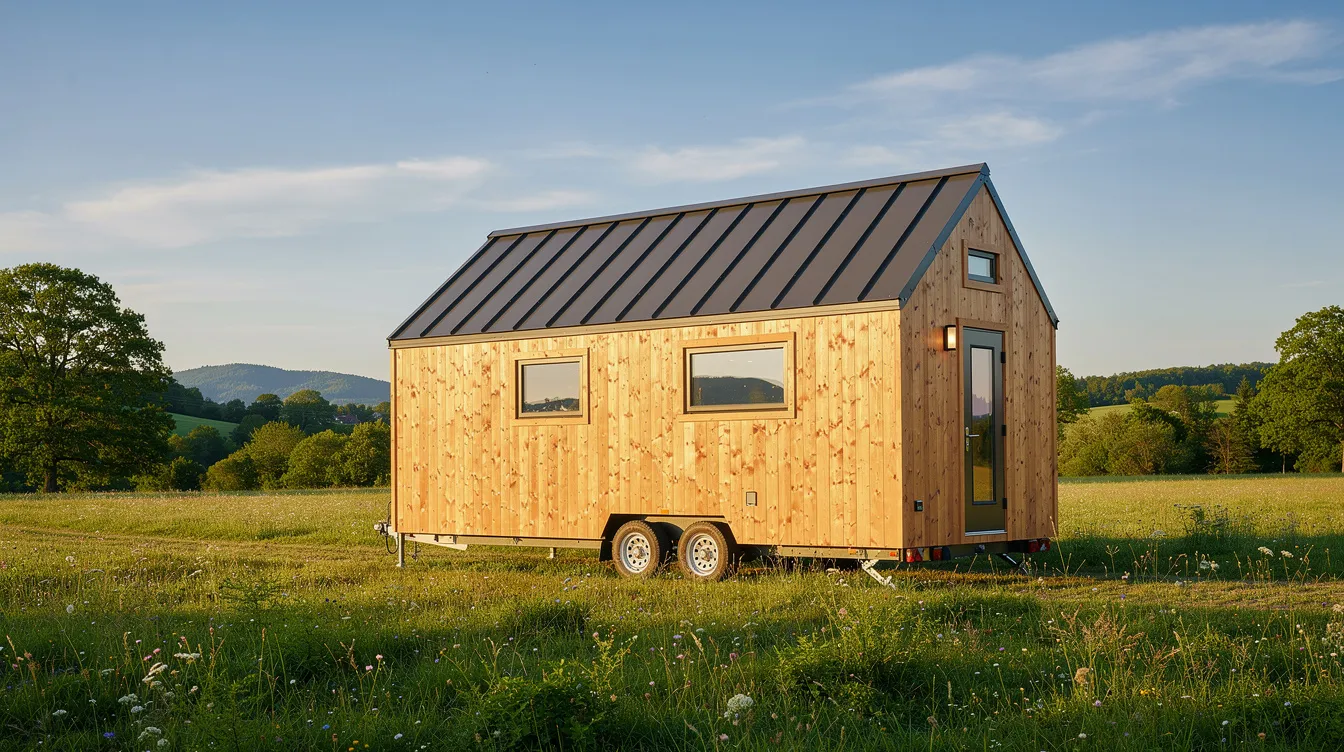
Tiny Home on Wheels:
- Average THOW lifespan: 15–25 years with regular towing
- Well-built THOW moved a few times yearly: 20–30 years
- Mostly stationary THOW under cover: 30+ years
Tiny homes on wheels tend to wear faster due to the vibrations and structural stress from movement, making the choice of materials even more important for durability.
Foundation Tiny Homes:
- Code-compliant small houses: 50–80+ years
- Modular/prefab on foundations: 40–70+ years
Foundation-based tiny homes can last as long as traditional houses, potentially reaching 80 years or more with proper care, especially when you choose the best foundation for your tiny house. The lifespan of a tiny house on a foundation can be significantly longer than that of a home on wheels due to the lack of stress from movement.
Key Factors That Decide How Long Your Tiny Home Will Last
Lifespan is not random. It depends on controllable factors, many of which you can address when you build a tiny house:
Build Quality: Professional framing beats DIY shortcuts. Use screws and structural fasteners instead of staples. Attention to flashing, waterproofing, and air sealing matters.
Climate Conditions: Climate conditions significantly affect longevity, with humidity, sun exposure, and coastal salt corrosion impacting material durability. Humid coastal climates accelerate corrosion and rot. Hot, sunny regions break down sealants faster. Freeze-thaw cycles stress siding and foundations.
Usage Intensity: A small house moved monthly, lived in full-time by a family, and parked in harsh sun ages very differently from a rarely-moved, shaded vacation tiny home, so it’s important to think through your lifestyle and explore the world of tiny houses before committing to a design and setup.
Build Quality & Materials: Where Lifespan Is Won or Lost
Build quality and material choices can shift lifespan from 15–20 years to 40–50+ years. Choosing durable, moisture-resistant materials and considering minimalist tiny houses for sustainable living is critical for longevity.
Framing Options: | Material | Expected Life | Notes | |———-|—————|——-| | Wood (2×4/2×6) | 15–30 years | Needs moisture control | | Steel framing | 50+ years | Resists rot, pests | | SIP panels | 40+ years | Must seal edges properly |
Roofing:
- Metal roofing: 30–50+ years
- Premium asphalt shingles: 20–30 years
- Standing-seam steel: 40–60 years in mild climates
Exterior Cladding:
- Fiber cement: 30–50+ years with paint maintenance
- Cedar siding: 20–30 years, renewable via staining
- Metal siding: 30–50 years, excellent weather protection
High-quality builds can extend the lifespan to 30-50 years or more when constructed with strong materials. Working with top micro house builders focused on quality and affordability can help ensure these standards. Prioritize quality materials in high-risk areas: subfloor, trailer frame, window flashing, and vapor barriers.
Maintenance & Upkeep: Extending Tiny House Lifespan Decade by Decade
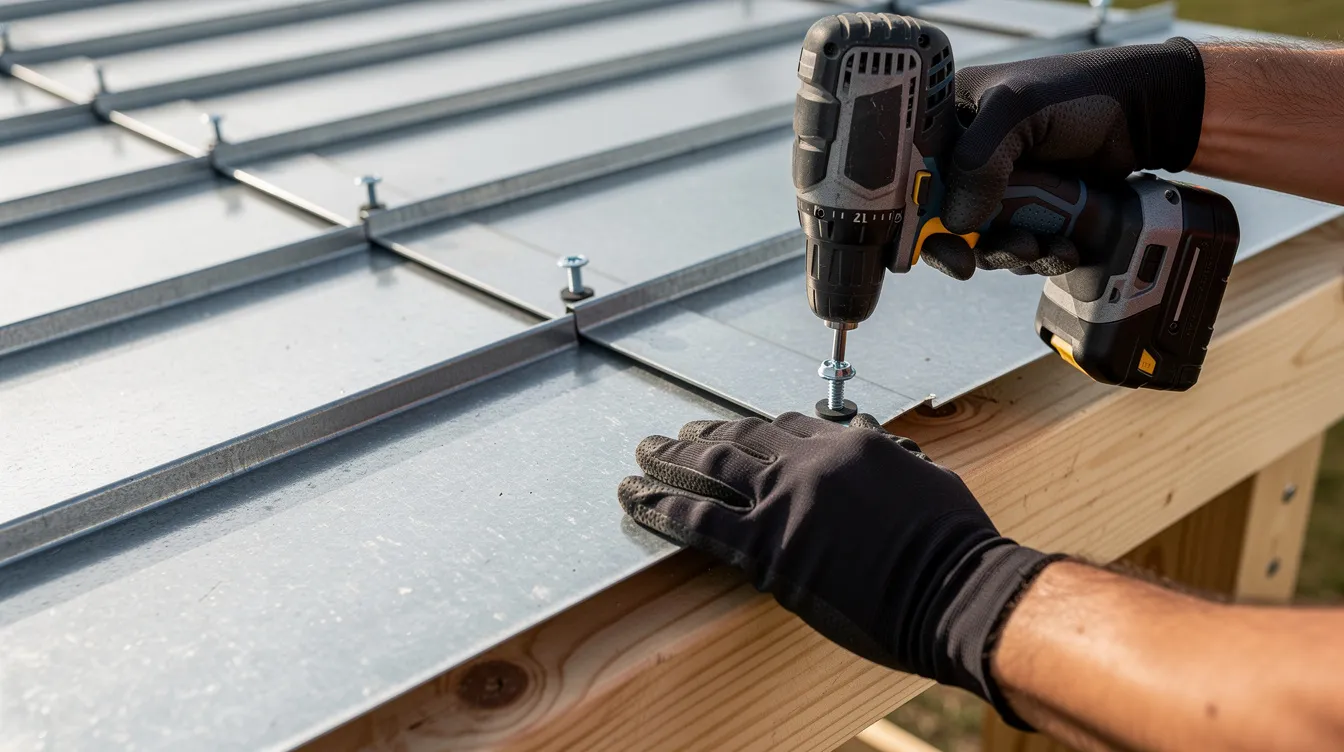
Proper maintenance is the single most reliable way to turn a 20-year tiny house into a 40-year tiny home. With proper care, high-quality materials, and thoughtful technology like tiny smart homes with efficient systems, some tiny houses can last a lifetime, potentially exceeding 50 years.
Regular Maintenance Tasks:
- Twice-yearly exterior inspection (roof, siding, undercarriage on THOWs)
- Annual check of seals around windows, doors, and roof penetrations
- Periodic tightening of fasteners, especially on wheels
Regular maintenance significantly extends lifespan, with key tasks including inspecting the roof and exterior at least twice a year, resealing windows and doors, and fixing leaks immediately.
Maintenance Milestones:
- Repaint/re-stain siding: every 5–10 years
- Roof inspection yearly, partial replacement at 20–30 years
- Replace water heaters and mini splits: every 10–15 years
Keep a maintenance log. It supports resale value and proves good maintenance history.
Climate, Environment & Usage: How They Change the Real Lifespan
Identical tiny homes in different locations can have dramatically different lifespans.
Humid/Coastal Climates: Tiny houses in humid or wet climates require extra moisture control to prevent mold and rot, which can significantly shorten their lifespan. Use stainless or galvanized hardware and robust ventilation, and be aware of how different eras and regions in the history of tiny houses have responded to these environmental challenges.
Cold Climates: In regions with extreme weather, such as freezing climates, tiny houses can suffer from freeze-thaw cycles that crack materials. Proper insulation and climate-specific design are essential.
Hot, High-UV Regions: Faster breakdown of sealants and cheaper plastics. UV-resistant paints and roofing extend life.
Usage: Full-time occupation by multiple people adds more stress to flooring, plumbing, and walls. Seasonal use can effectively double perceived lifespan.
Do Tiny Homes Require More Maintenance Than Traditional Homes?
Tiny homes don’t require more maintenance time overall. They need more maintenance attention to small details.
Why Tiny Homes Need Closer Monitoring:
- Condensation forms quickly in small space
- Plumbing leaks spread faster in a compact floor plan
- Roof and walls are closer to living space
A tiny home on wheels may need more maintenance than a small house on a slab due to trailer inspections, tire and brake checks, and rechecking joints after tows.
The reality: because square footage is small, repairs are cost effective. New flooring or repainting costs far less than in a big house. This encourages owners to maintain regularly and keep their home in good shape.
Long-Term Value, Depreciation & When Major Repairs Are Due
How lifespan affects your money matters.
Depreciation Patterns:
- Tiny home on wheels: depreciates RV-style if mobile
- Tiny house on foundation: appreciates like real estate
Value Retention Factors:
- High build quality and quality materials
- Documented proper maintenance
- Legal location with utilities
Thoughtful budgeting and affordable tiny house designs with smart features also play a role in long-term value and flexibility.
Major Repair Milestones:
- Roof covering: 20–30 years depending on material
- Exterior repainting: every 5–10 years
- Trailer refurbishment for THOW: 20–30 years
Plan for these cycles. A tiny home is a long-term housing solution, not a short term experiment. Invest in durability upfront and maintain consistently.
FAQ: Tiny House Lifespan Questions Owners Actually Ask
Can a tiny house really last 50 years or more?
Yes. With residential-level standards, steel framing, metal roofing, and consistent maintenance, 50+ years is achievable. Foundation-based tiny homes have the best chance. Plan for a mid-life renovation around 25–30 years.
Does building a tiny home yourself shorten its lifespan?
Not automatically. Common DIY mistakes like insufficient flashing or under-sized fasteners cause early problems. Follow building codes, use structural screws, and get professional reviews of critical elements.
What single upgrade most improves tiny house longevity?
Water management. To extend the lifespan of a tiny house, use durable materials, improve weather protection with waterproof membranes, and maintain proper ventilation to control moisture. This prevents rot, mold, and structural weakening.
How often should I move my tiny home on wheels to protect its lifespan?
Limit moves to a few times yearly. Each tow adds vibration and stress. Stay parked for 6+ months at a time. Conduct thorough pre- and post-trip inspections of the chassis and seals.
Is a tiny house a good long-term housing option for a family?
Yes. A well-built tiny house can serve a family for 20–30+ years, even with kids. Looking at modern tiny house designs for family living and cute tiny house layouts for your dream home can help you choose floor plans that age well. Focus on robust interior finishes and durable flooring. Plan for future flexibility like adding room or relocating if needs change over decades.