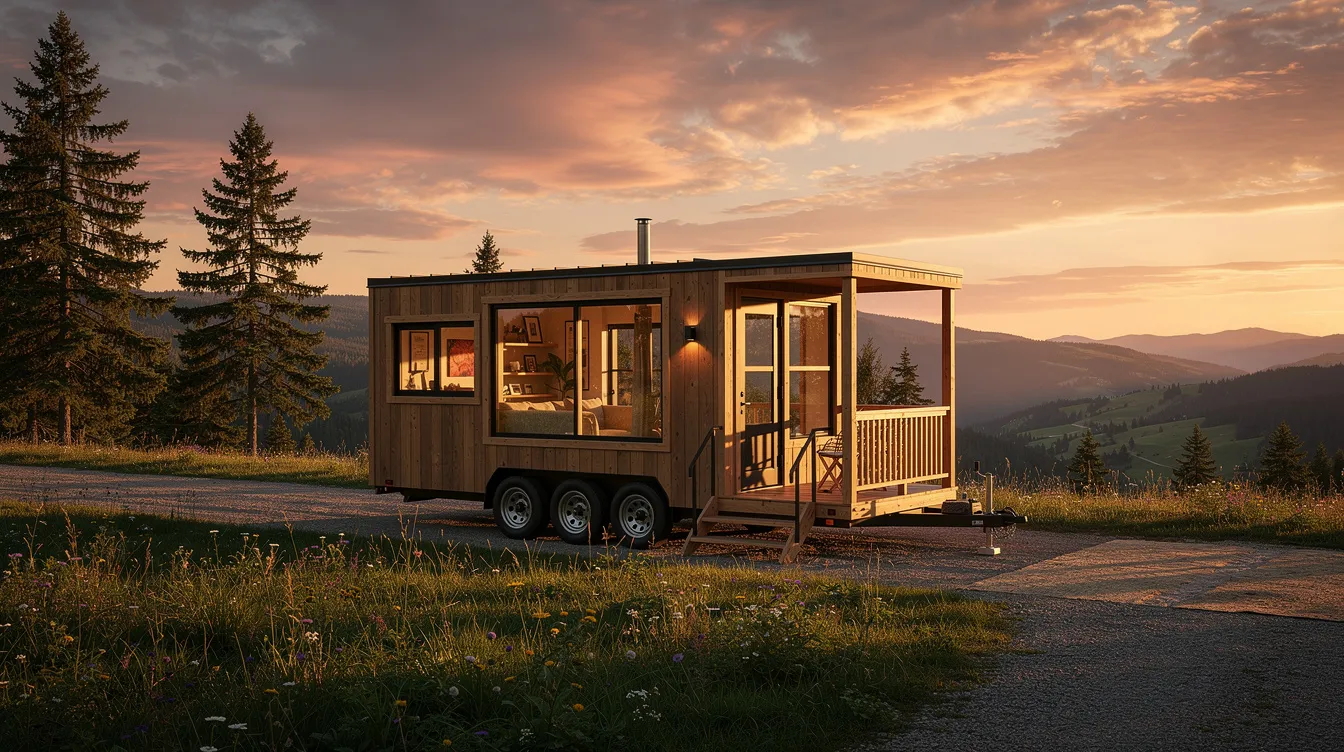
A compact, sustainable home starting at $47,550 that combines Scandinavian design with off-grid capabilities—built in under 60 days and ready to place on your property or tow to a new location.
- Finally, a Tiny Home Built for Minimalist Living Enthusiasts
- Why IKEA Tiny Houses Work
- How IKEA Tiny House Living Works
- What Makes IKEA’s Approach Different
- Real-World IKEA Tiny House Examples
- Who Should Consider an IKEA Tiny House
- Cost Considerations and Investment
- Frequently Asked Questions
- Is an IKEA Tiny House Right for Your Lifestyle?
Finally, a Tiny Home Built for Minimalist Living Enthusiasts
If you’ve been priced out of the traditional housing market, you’re facing a frustrating reality. Median home prices have pushed homeownership out of reach for millions, leaving many to pay rent indefinitely or take on crushing mortgage debt that spans decades.
The IKEA Tiny Home Project offers an alternative path. Created through a collaboration between IKEA, Escape tiny home builders, and Vox Creative, this 187-square-foot dwelling delivers a more sustainable life without requiring a six-figure loan or 30-year commitment.
This isn’t just a small home—it’s a complete rethinking of what modern living can look like. The project aims to prove that well being doesn’t require 2,000 square feet. For young professionals seeking flexibility, empty nesters ready to downsize, or remote workers needing a dedicated space, this tiny house represents housing that meets your needs without depleting your savings.
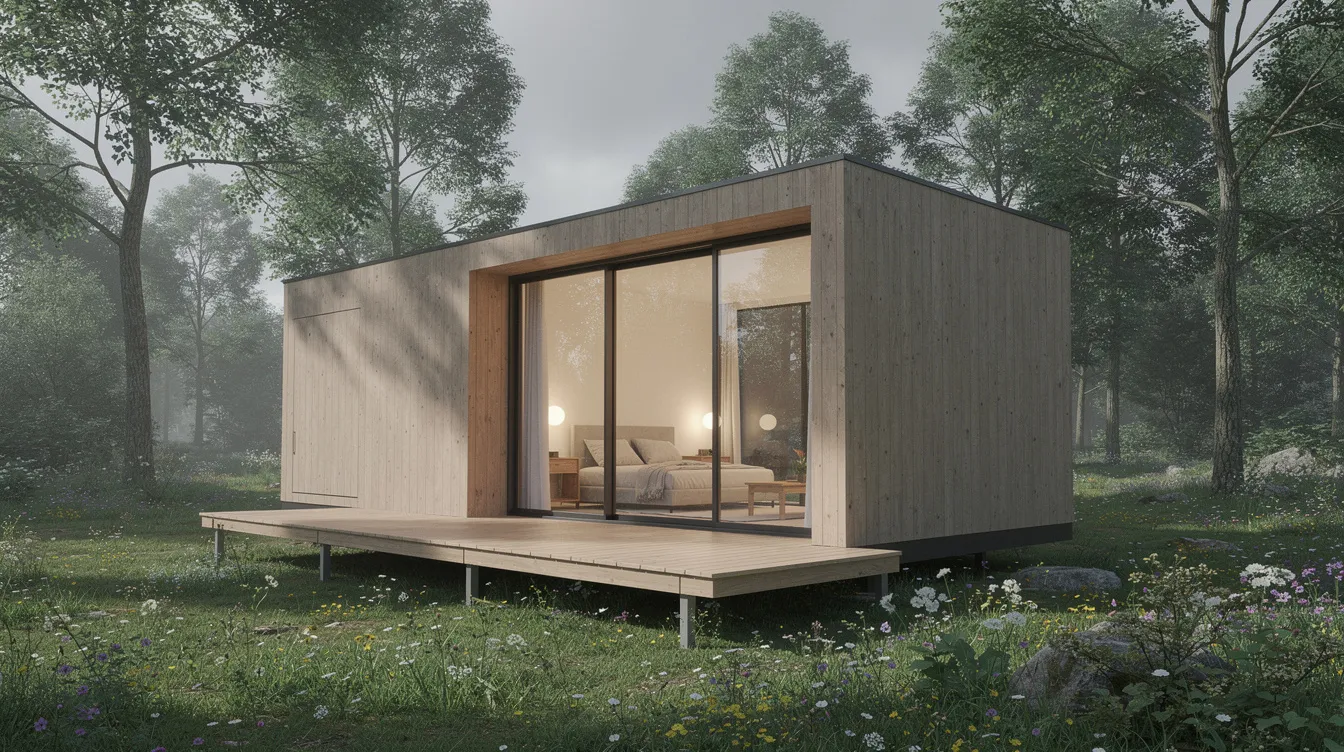
Why IKEA Tiny Houses Work
IKEA’s design philosophy has always centered on making stylish, functional living accessible to everyone. That same approach now applies to the tiny house movement.
Here’s what makes this tiny home stand out from typical small spaces, especially compared to other Scandinavian tiny home designs for modern living:
- Scandinavian Design Aesthetic – Clean lines, natural materials like sustainably sourced pine, and hygge-inspired cozy interiors create a sense of comfort and dignity in limited square footage
- Affordable Pricing Structure – The base Vista Boho XL model starts at US$47,550, positioning it on the lower end of premium tiny homes compared to custom builds that often exceed $100,000
- Solar Power Integration – Roof-mounted solar panels power 12-volt lighting fixtures and the refrigerator, enabling off-grid living capabilities for essential functions
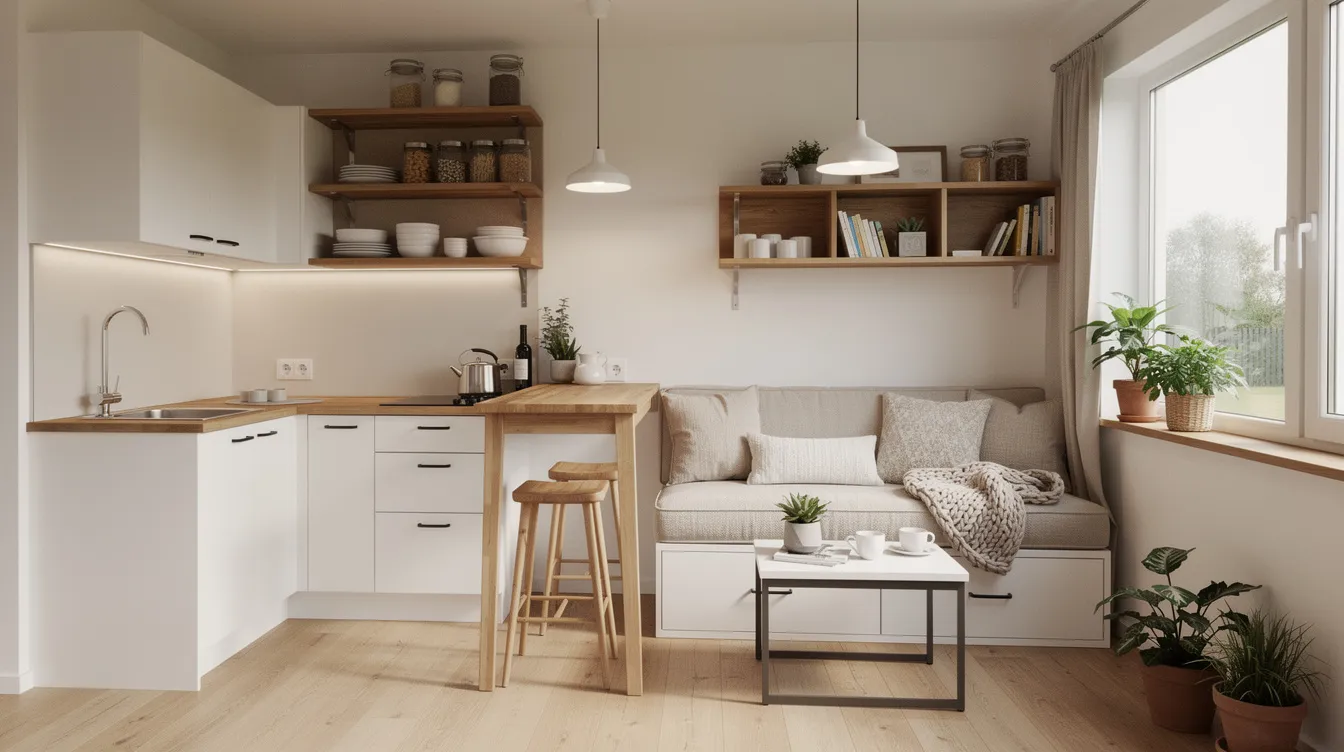
- Space-Efficient Storage Solutions – IKEA specializes in multifunctional furniture, which can serve multiple purposes or be folded away to free up floor space, including sofa-beds with built-in storage and foldable tables
- Pre-Fabricated Construction – The IKEA Tiny Home Project was built in under 60 days, dramatically reducing the timeline and complexity compared to traditional construction
IKEA’s kitchen cabinets are significantly less expensive than custom alternatives, often costing between $7,000 and $10,000 for a full setup—a fraction of what you’d spend on comparable custom cabinetry.
How IKEA Tiny House Living Works
Getting started with tiny house living requires planning, but the process is more straightforward than building a traditional home.
Step 1: Planning Your Placement
Before you purchase, you need to figure out where your tiny house will live. To legally place a tiny house, you must own or rent a piece of property, as it is not typically considered a permanent structure like a traditional house.
Tiny houses are often classified as trailers, which means they may not be subject to the same zoning laws as traditional homes, but local regulations can vary significantly. Some areas have adopted IRC Appendix Q, which simplifies building requirements for homes under 400 square feet.
If you plan to use a tiny house as a secondary dwelling, such as a granny pod, you should check local zoning laws to ensure it is permitted on your property. Texas, including areas like San Antonio, has become increasingly friendly to tiny house placement, with some communities creating designated zones specifically for tiny home living.
Step 2: Transportation and Setup
To tow a tiny house, you typically need a vehicle with significant horsepower, often requiring a truck that can handle the weight and size of the house. Tiny houses are often built on trailers, which means they are classified as vehicles and must comply with local towing regulations and weight limits.
The cost of a suitable towing vehicle for a tiny house can be around $50,000, depending on the specifications needed to safely transport the structure. This is one of the huge catches many first-time buyers don’t realize until they’re ready to move their new home.
Once on site, utility connections for tiny houses typically include power and sewer connections, which are essential for providing necessary services like electricity and waste disposal. Many tiny houses come equipped with a plug that allows for connection to external power sources, similar to RVs, which can be used at RV parks that offer utility connections.
Step 3: Adapting to Tiny Living
In a tiny house, storage space is extremely limited, often requiring residents to downsize significantly and only keep essential items, much like many minimalist tiny houses for sustainable living. The kitchen in a tiny house typically accommodates only a small set of dishes and a few cooking utensils, reflecting the overall space constraints.
Tiny houses often require creative storage solutions, such as multi-functional furniture and built-in shelving, to maximize the limited space available. IKEA furnishings are generally lightweight, which is critical for maintaining the weight limits of a tiny house on wheels—every pound matters when you’re on the road.
You’ll need to rethink how you store things, cook, and sleep. But many residents find this simplification brings healing clarity to their daily routines.
What Makes IKEA’s Approach Different
Most tiny home builders focus on custom tiny homes for small-space living with custom pricing. IKEA brings something different to the table.
Using IKEA products to build or furnish a tiny house offers a balance of Scandinavian aesthetics and budget-friendly modularity, similar to many elegant tiny homes that redefine modern living. Here’s how their approach stands apart:
- Familiar Assembly System – IKEA primarily enters the tiny house market through collaborative design projects and modular, space-saving furniture that customers already know how to work with
- Integrated Smart Storage – IKEA’s tiny house strategy relies on transformable furniture that serves multiple purposes, from bed frames with under-storage to lifting tables that function as both desk and dining surface
- Sustainable Materials – Many IKEA products prioritize eco-friendly materials, such as kitchen fronts made from recycled plastic bottles and sustainably grown pine panels, plus Shou Sugi Ban–treated cedar siding on the exterior
- Standardized Pricing – IKEA’s core concept focuses on a high-design, low-footprint philosophy that eliminates the unpredictable markups of custom builders
The homes in the IKEA Tiny Home Project incorporate solar panels, water-saving shower heads, LED lighting, and kitchen cabinets built from recycled PET bottles—sustainability built into every element.
Real-World IKEA Tiny House Examples
The IKEA Tiny Home Project highlighted sustainable products like kitchen fronts made from recycled plastic and water-saving fixtures. This wasn’t just a concept—it was built and documented to show people exactly what’s possible, much like other great tiny homes that redefine small-space living.
IKEA is engaged in projects aimed at providing affordable housing using trauma-informed design principles, focusing on safety and community. Sam Eisenman and other experts who’ve worked on these initiatives emphasize that tiny living isn’t about deprivation—it’s about intentional choices that create space for what matters.
Many IKEA products are built for small-space living, such as sofa-beds with built-in storage and foldable tables. These pieces have found their way into tiny homes across the country, from vacation rentals to full-time residences, complementing some of the best tiny house designs for modern living.
Residents report that the adjustment period is real—you’ll miss having a full-size box spring bed or unlimited closet space. But the trade-off is financial freedom and a connection to more sustainable life that traditional homeownership rarely delivers.
Who Should Consider an IKEA Tiny House
IKEA’s tiny house offerings focus on sustainable, stylish, and functional living. But this lifestyle isn’t for everyone.
This option works best for people who resonate with the benefits outlined in a tiny house for sale – is it for you? style evaluation:
- Young professionals seeking housing flexibility and mobility without being tied to one location or a 30-year mortgage
- Empty nesters looking to downsize without buying another traditional home—freeing up equity and reducing maintenance
- Remote workers needing affordable office space or guest accommodation on existing property
- Environmental enthusiasts committed to sustainable, minimal-impact living with hope for a smaller carbon footprint
- Property owners who want additional living space and have flexible zoning that allows accessory dwelling units
If you need room for a family of four, extensive privacy, or can’t imagine life without a walk-in closet, this probably isn’t your path. But if you’re one or two people ready to trade square footage for financial breathing room, read on.
Cost Considerations and Investment
Let’s talk real numbers—because the sticker price doesn’t tell the whole story, and tools like a dedicated tiny home cost calculator can reveal the full picture.
Base IKEA Tiny House Pricing
The Vista Boho XL model that serves as the foundation for the IKEA Tiny Home Project starts at US$47,550. European pricing for a similar IKEA-furnished version runs approximately €50,000-60,000 for the 17-square-meter model.
Purchasing a tiny house typically requires cash upfront, as financing options may be limited due to the mobile nature of these homes, which lenders may view as a higher risk. Traditional mortgage products don’t apply to structures on wheels, so you’ll need savings or alternative loan arrangements.
Additional Expenses to Budget
The cost of a tiny house can add up quickly, with estimates suggesting that basic options may not include all the features typically expected, leading to additional expenses of around $19,000 for upgrades like a washer-dryer combo and larger appliances.
Additionally, budget for:
- Towing vehicle purchase or rental ($50,000+)
- Property rental or land purchase for placement
- Utility hookup installation and ongoing costs
- Site preparation and potential foundation work
- Insurance (RV-style policies differ from traditional home coverage)
- Taxes and registration fees for the trailer
Alternative Housing Comparisons
In many areas of the U.S., traditional homes can be purchased for under $47,000, which may be comparable to the cost of a tiny house when considering all associated expenses. Manufactured homes in some regions deliver more square footage at similar price points, and some top micro house builders offer alternatives that blend compact footprints with quality construction.
However, these comparisons miss the point for many buyers. The tiny house offers mobility, sustainability features, and freedom from property taxes that traditional structures can’t match. It’s not just about the end price—it’s about what kind of life you want to create.
Frequently Asked Questions
Does the solar power system provide enough electricity for daily needs?
Tiny houses often rely on solar power for electricity, but additional power may be needed for high-demand appliances like hot water heaters. The roof-mounted array handles 12-volt lighting and refrigeration well, but you’ll need grid connection or supplementary power for mini-split HVAC, full-size water heaters, or other high-consumption devices.
How well insulated is the IKEA tiny house for year-round living?
The Vista Boho XL features low-E thermopane windows and quality siding, plus a mini-split AC unit for climate control. However, wheel-based tiny homes face inherent challenges with underbelly insulation and ceiling heat loss. If you’re planning to live in extreme climates—harsh winters or brutal summers—expect to invest in supplemental heating or cooling solutions.
What financing options are available for IKEA tiny houses?
Traditional mortgages don’t apply to mobile structures. You’ll likely need cash payment or a personal loan rather than conventional home financing. Some RV lenders will work with tiny homes, but interest rates tend to be higher than traditional mortgage rates. Start saving early and explore credit union options that may be more flexible.
Can I connect to utilities at an RV park?
Yes. Many tiny houses come equipped with a plug that allows for connection to external power sources, similar to RVs, which can be used at RV parks that offer utility connections. This gives you flexibility while you figure out permanent placement.
Is an IKEA Tiny House Right for Your Lifestyle?
The IKEA Tiny Home Project proves that sustainable, affordable housing is possible—but it comes with trade-offs you need to understand before you buy.
What you gain: Financial freedom from massive debt, a more sustainable life with lower environmental impact, mobility to move when opportunity calls, and stylish Scandinavian design in a compact package.
What you sacrifice: Space for belongings, privacy if you’re sharing with a partner, and some of the comfort conveniences of traditional homes.
Before committing, consider renting a tiny house for a week through vacation rental sites. Experience what it actually feels like to cook in a minimal kitchen, sleep in a compact space, and live with only what fits. This trial can deliver inspiration—or a clear sense that this isn’t for you.
If you’re found dreaming about simplicity, ready to escape the cycle of endless rent payments or crushing mortgage debt, and willing to embrace a different definition of home, the IKEA tiny house might be exactly what you’ve been searching for—especially when compared with tiny homes under $20K for sale and other ultra-budget options.
Start by researching zoning in your area, calculating your true budget including all associated costs, and visiting a tiny home community if one exists nearby. The path to tiny living begins with clear-eyed planning—and ends with a life that finally fits.