
The search for affordable, sustainable housing has led thousands of buyers toward an increasingly compelling solution: the prefab eco cabin. Whether you’re dreaming of a remote woodland retreat, planning a low-impact primary residence, or exploring income-generating guest accommodations, factory-built eco cabins offer a faster, greener path to ownership than traditional construction methods.
This guide walks you through everything you need to know—from materials and energy systems to cost brackets and installation timelines.
- What Is a Prefab Eco Cabin?
- Why Choose a Prefab Eco Cabin in 2026?
- Key Features of a Modern Prefab Eco Cabin
- Sustainable Materials & Construction Methods
- Energy Systems: From Grid-Ready to Fully Off-Grid
- Prefab Eco Cabin Models & Layout Ideas
- Cost, Financing & Regulations
- Installation Process: From Factory to Forest Clearing
- Real-World Use Cases for Prefab Eco Cabins
- How to Choose the Right Prefab Eco Cabin
- Maintenance, Lifespan & Long-Term Value
- Next Steps: Turning Your Prefab Eco Cabin Idea into Reality
What Is a Prefab Eco Cabin?
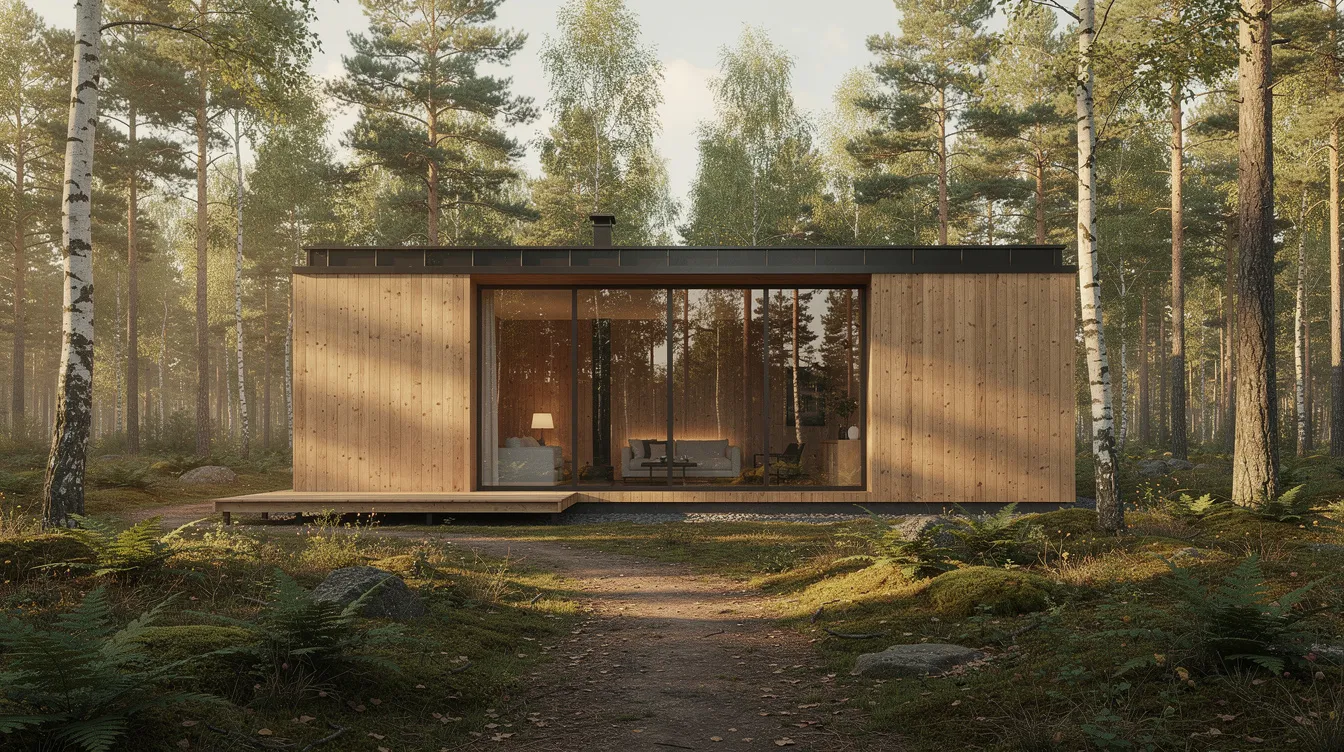
A prefab eco cabin is a factory-manufactured dwelling constructed primarily from timber and other natural materials, delivered to your property largely finished, and designed for high energy efficiency and minimal environmental impact.
Unlike traditional on site construction that unfolds over many months, these cabins arrive in 1–3 prefabricated modules. The factory process allows builders to achieve precision that minimizes waste and ensures quality control impossible on a typical building site.
How it differs from other small dwellings—and from larger contemporary prefab home designs for modern living:
Type | Key Characteristics |
|---|---|
Prefab Eco Cabin | Stationary, code-compliant, high insulation value (U-values 0.18–0.24 W/m²K), integrated MVHR, designed for permanent habitation |
Often on wheels, may not meet full building codes, prioritizes mobility | |
Traditional Log Cabin | Solid log construction, natural but less airtight insulation, fewer integrated services |
Typical floor areas in 2024–2026 range from 20–50 m² for compact models suited to solo or couple living, scaling up to 80–90 m² for family-oriented versions. The core ecological priorities include: |
- Ultra-low operational energy use through airtight envelopes
- Low embodied carbon via certified timber that sequesters CO₂
- Healthy indoor air from non-toxic materials and controlled ventilation
Why Choose a Prefab Eco Cabin in 2026?
The convergence of housing affordability pressures, remote work normalization, and climate-conscious living has driven 15–20% annual growth in sustainable prefab sales across Europe and North America. A prefab eco cabin addresses all three trends simultaneously.
Speed matters. Factory prefabrication compresses construction time dramatically. Where a traditional site-built cabin might take 6–12 months, prefab production runs 8–14 weeks, with on-site assembly requiring just 1–3 days via crane-lifted modules.
Environmental footprint shrinks. These projects generate less than 5–10% construction waste—far below the 30% average for conventional builds. Compact footprints reduce land disturbance, while solar-angled roof panels enable passive gain without additional cost.
Cost transparency is another major benefit. Fixed-price packages eliminate the budget creep common in custom builds:
- Shell-only from €45,000 for 20 m² units
- Turnkey grid-connected: €80,000–€120,000 for 40 m²
- Full off-grid packages: up to €150,000 for 60 m² models including solar panels and batteries
These cabins serve as primary residences, holiday retreats similar to tiny house cabin retreats for a cozy getaway, guest annexes, Airbnb rentals, garden offices, or clustered eco-resorts. Zoning evolution in regions like Dutch municipalities now permits small eco cabins under 50 m² on plots as small as 300 m² without full permits, provided they meet energy codes.
Key Features of a Modern Prefab Eco Cabin
This section covers the architectural and technical features that separate quality prefab eco cabins from lesser alternatives. Buyers should seek models meeting or exceeding Passive House metrics for verifiable performance.
Timber construction forms the backbone. Engineered wood like cross-laminated timber (CLT) or solid frames from FSC/PEFC-certified sources provide CO₂ sequestration (up to 1 tonne per m³), seismic resilience, and lightweight modules easily transported by standard trucks.
High-performance insulation using wood fibre, cellulose, or mineral wool achieves wall U-values of 0.18–0.24 W/m²K—suitable for northern climates with -20°C extremes. Structural insulated panels with low-VOC cores deliver airtightness tested to 0.6 air changes per hour.
Windows and air-tightness work together. Triple-glazed, argon-filled windows with low-e coatings achieve U-values below 0.8 W/m²K, reducing heat loss by up to 50% compared to standard glazing while minimizing cooling costs in summer.
Integrated services include:
- Pre-wired electrical conduits (100–240V)
- Plumbing runs
- MVHR units recovering 85–90% of heat
- Options for 3–5 kW air-source heat pumps or electric underfloor heating
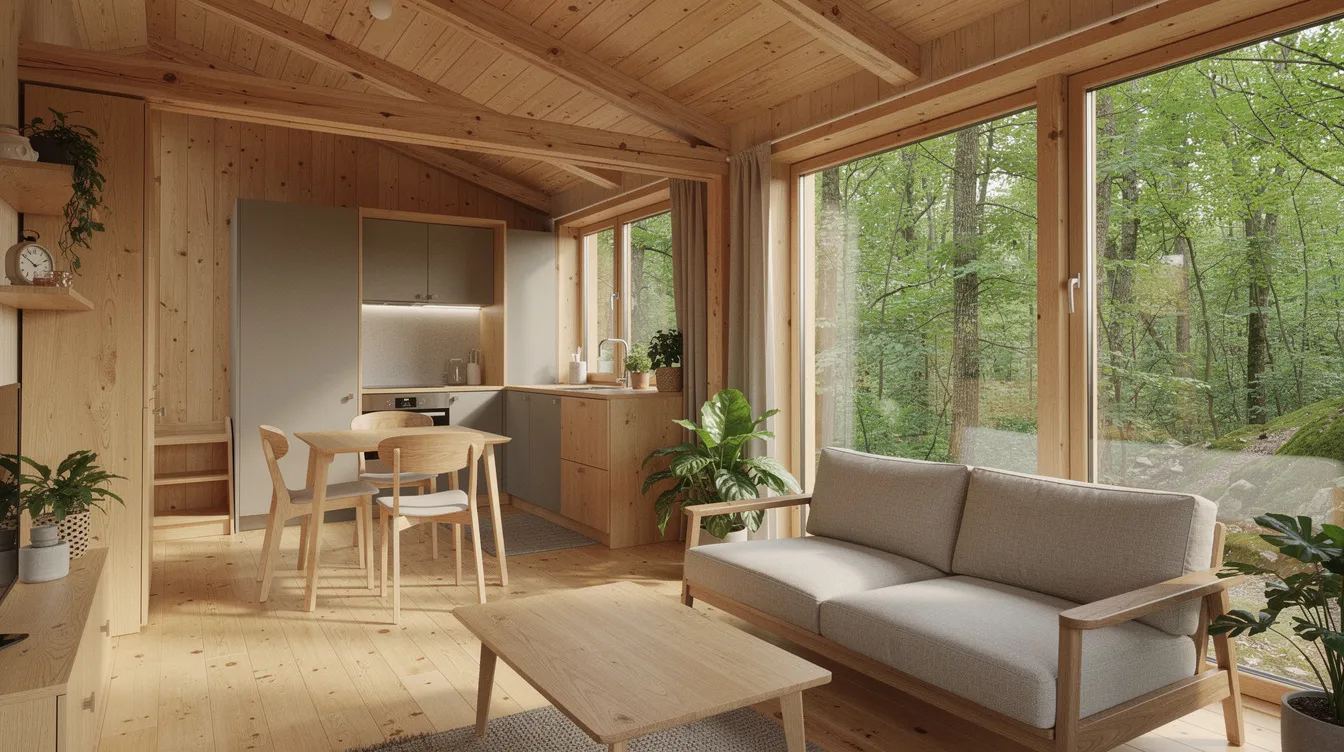
Space planning maximizes every square meter through built-in cabinetry, sofa beds, and mezzanine lofts that add 10–15 m² sleeping area without expanding the floor footprint. Expansive glazing—up to 30% of facade—visually amplifies interiors.
Exterior durability comes from claddings like thermally modified wood or larch lasting 30+ years with 3–7 year re-oiling cycles, backed by 50-year structural warranties.
Sustainable Materials & Construction Methods
Material selection dictates an eco cabin’s true lifecycle impact. Top manufacturers favor renewably sourced inputs to cut embodied carbon by 40–60% versus concrete alternatives.
Structural elements leverage a range of timber systems, from modern CLT to more traditional pre built log homes for your dream cabin:
- CLT panels for spans over 8m
- Structural insulated panels with formaldehyde-free adhesives and recycled OSB
- Glulam frames from managed forests enabling dry assembly with CNC precision
Insulation priorities bio-based options: dense wood fibre boards (λ=0.038 W/mK) or loose cellulose from recycled paper achieve R-values of 30–40 for walls while allowing vapor permeability to prevent condensation.
Non-toxic interior finishes foster healthy indoor air:
- Water-based paints (VOC <10 g/L)
- Linseed oil finishes
- Clay plasters
- Zero-formaldehyde plywood alternatives
Durability and lifecycle targets 50–70+ year lifespans. At end of life, 80% of timber, 95% of metal fixings, and glass are fully recoverable through modular disassembly designs.
Factory methods in climate-controlled halls yield <5% waste via digital modeling, contrasting site builds’ inefficiencies. Fire safety incorporates intumescent coatings, gypsum board linings providing 30–60 minute resistance, and integrated smoke detectors meeting Euroclass B-s1,d0 standards.
Energy Systems: From Grid-Ready to Fully Off-Grid
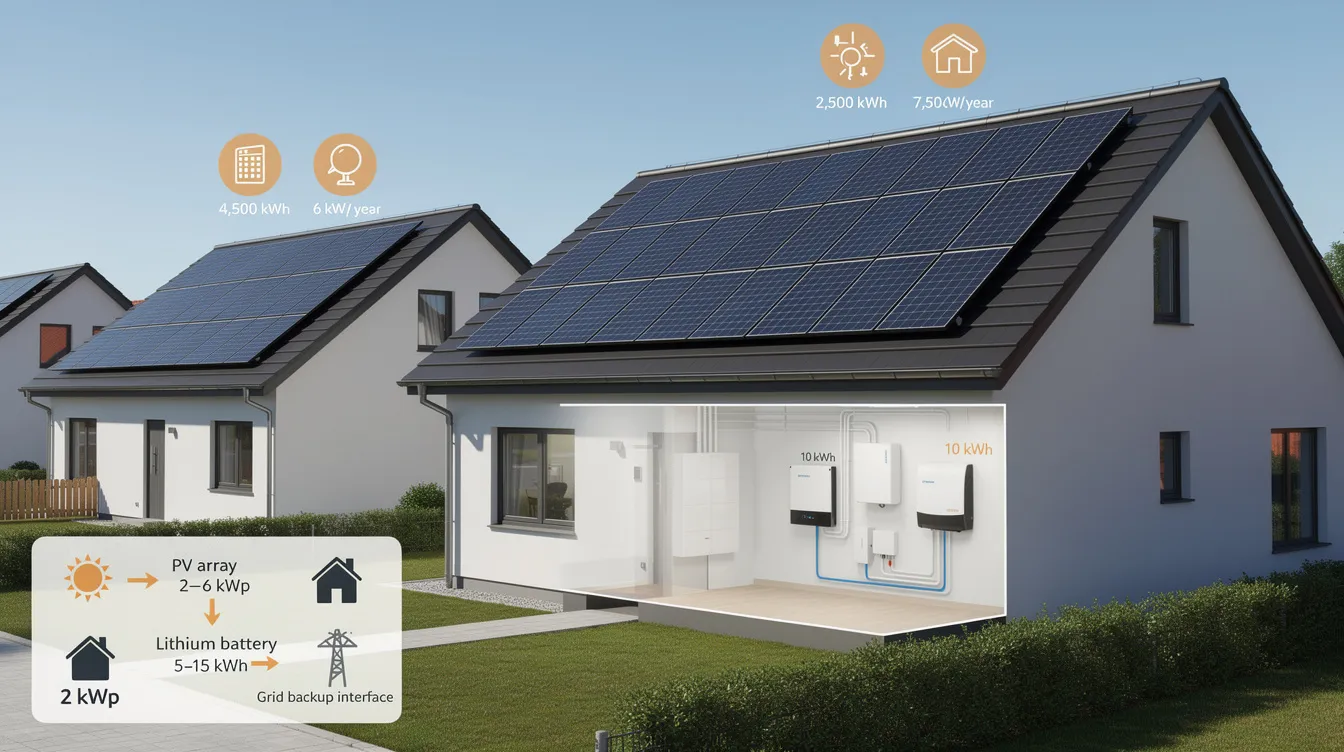
An eco cabin can be grid-tied, partially off grid, or completely autonomous depending on your location, budget, and sustainability goals. Site assessments help balance these factors efficiently.
Solar PV arrays of 2–6 kWp (typically 10–20 panels at 400W each) on south-facing roofs generate 2,500–7,000 kWh annually in mid-latitudes. Paired with 5–15 kWh lithium batteries, these systems create potential for zero energy operation with grid backup interfaces.
Off-grid water employs 5,000–10,000L rainwater tanks adequate for 1–2 occupants at 50L/day usage, similar to many self contained tiny homes for modern off grid living. UV filtration or membrane systems achieve potable standards per WHO guidelines.
Wastewater solutions include:
- Composting toilets (separating urine for 90% odor-free decomposition)
- 1–2 m³ biological plants treating to 95% BOD removal for discharge
Heating options scale to cabin size:
- Air-to-water heat pumps (COP 4.0+ at 7°C)
- Pellet stoves (85% efficiency, 5kW output)
- Infrared panels (300W/m²) for very small units
- Air conditioning for summer comfort where needed
Smart controls via apps monitor PV yield, battery state of charge, and MVHR airflow, optimizing consumption by 20–30%.
Real-world example: A 30 m² European cabin with 4 kWp PV, 10 kWh storage, and MVHR sustains 2-person off-grid living year-round at approximately 8,000 kWh annual demand—achieving greater energy efficiency than most conventional modern homes.
Prefab Eco Cabin Models & Layout Ideas
The market offers several model categories, each with layouts prioritizing open plans and modularity for diverse needs.
Compact studio cabins (15–25 m²) feature open living/sleeping areas with kitchenette (1.5m counters), wet-room bath, and foldaway furniture. Ideal as retreats or offices.
One-bedroom units (25–40 m²) separate sleep zones via partitions, with 20 m² living/kitchen and full wet room—popular as starter sustainable home options or weekend cabins.
Family models (40–70 m²) include 2 bedroom configurations, larger living space, and optional mezzanines sleeping 4+, suitable as permanent residences.
Modular expansion allows adding 15–30 m² modules later for extra bedroom, office, or sauna without demolition—enabling 50% scalability as your needs evolve.
Outdoor living features:
- 10–20 m² covered decks
- Corner porches
- Full-facade sliding doors for seamless indoor-outdoor flow
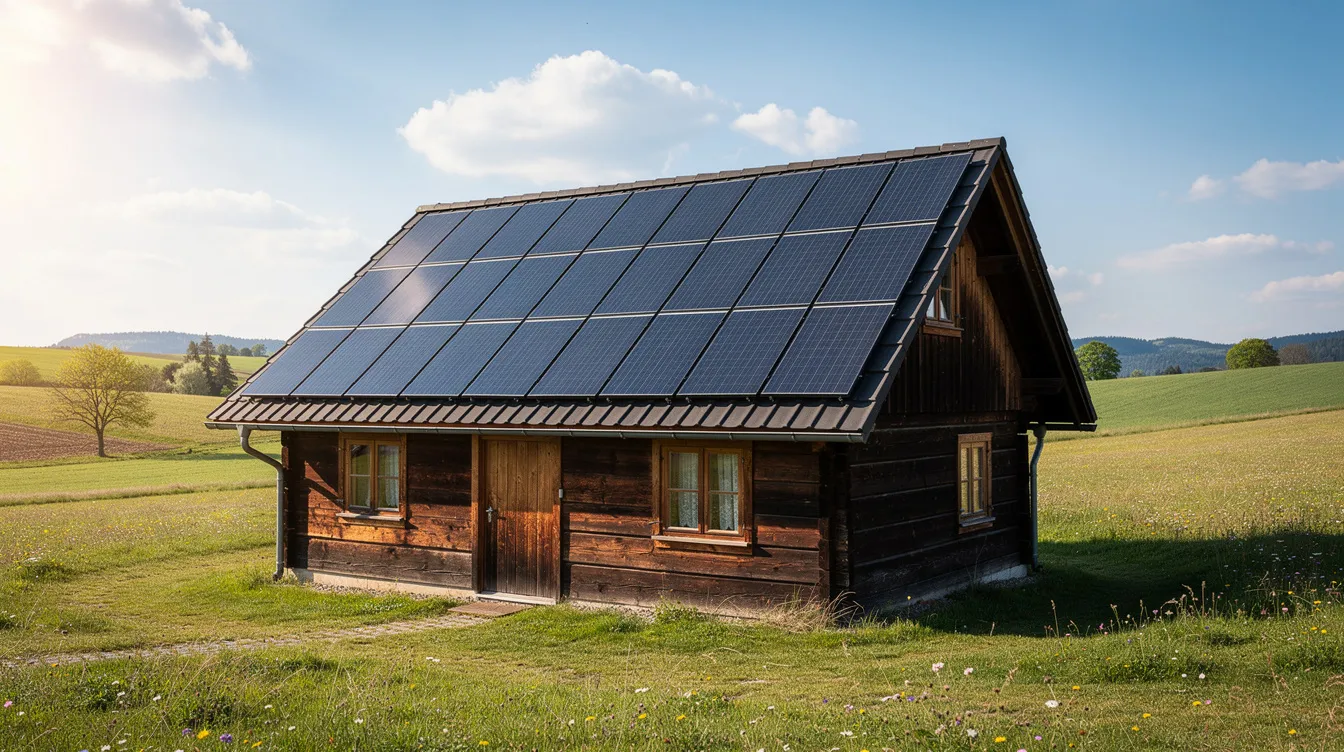
Design styles span minimalist Scandinavian (light timber, clean lines), rustic (burnt wood planks), and modern black-clad aesthetics, which pair naturally with forest inspired interior design ideas to bring the surrounding landscape indoors. The best design team will help match your vision to practical requirements.
Cost, Financing & Regulations
Buyers must consider not just cabin price but also transport, foundation, utilities, and permits. Here are realistic 2024–2026 cost brackets in USD:
Configuration | Size | Price Range |
|---|---|---|
Shell-only | 15–25 m² | $43,000–$80,000 |
Turnkey grid-connected | 40 m² | $120,000–$220,000 |
Full off-grid | 50 m² | $250,000–$400,000 |
Additional costs to budget: |
- Crane hire: $2,000–$5,000/day
- Screw pile foundations: $10,000–$20,000
- Concrete pads: $15,000+
- Utility connections: $5,000–$15,000
Financing options include green loans (often 1–2% lower rates for energy efficient builds), HELOCs, or prefab-specific mortgages. Fixed foundations improve approval chances.
Planning considerations:
- Minimum plot sizes (e.g., 400 m² in EU rural areas)
- Height caps (typically 4–5m)
- 3–5m setbacks from boundaries
- Restrictions on permanent vs. temporary structure classification
Concrete scenario: A 35 m² grid-connected cabin on screw piles totals approximately $180,000–$250,000 in 2025, including all elements, electrical work, flooring, doors, and finishing.
Installation Process: From Factory to Forest Clearing
The typical project timeline from order to move-in spans 3–6 months. Here’s how the process unfolds:
Pre-construction (2–4 weeks):
- Site survey and soil check (CBR>5%)
- Energy concept finalization (grid or off-grid)
- Permit application (4–12 weeks depending on jurisdiction)
- Finalizing cabin layout, finishes, and full kitchen specifications
Factory phase (8–12 weeks):
- CNC-cut panels and module fabrication
- Dry-fit assembly
- Window, door, and service integration
- Quality checks to ISO 9001 standards
Site preparation (1–2 weeks):
- Clearing and grading
- Foundation installation (screw piles in 24–48 hours)
- Service ducts and conduits
Delivery and set-up (1–3 days):
- Truck transport and crane lifting
- Module joining and weatherproofing joints
- Service connections
Commissioning (1–2 days):
- System testing (water, heating, electrical, ventilation)
- Final inspections
- Owner walkthrough with manuals
Total on-site presence: under 7 days for non-invasive builds—a fraction of traditional construction time.
Real-World Use Cases for Prefab Eco Cabins
Prefab eco cabins adapt to many lifestyles and business models across the world, and they often sit alongside other alternatives like eco yurt designs for sustainable and comfortable living and yurt prefab options for your next outdoor adventure.
Primary residence: Individuals or couples choosing a 35–60 m² eco cabin as their main house, often in rural or peri-urban locations seeking to minimize utility bills and carbon footprint.
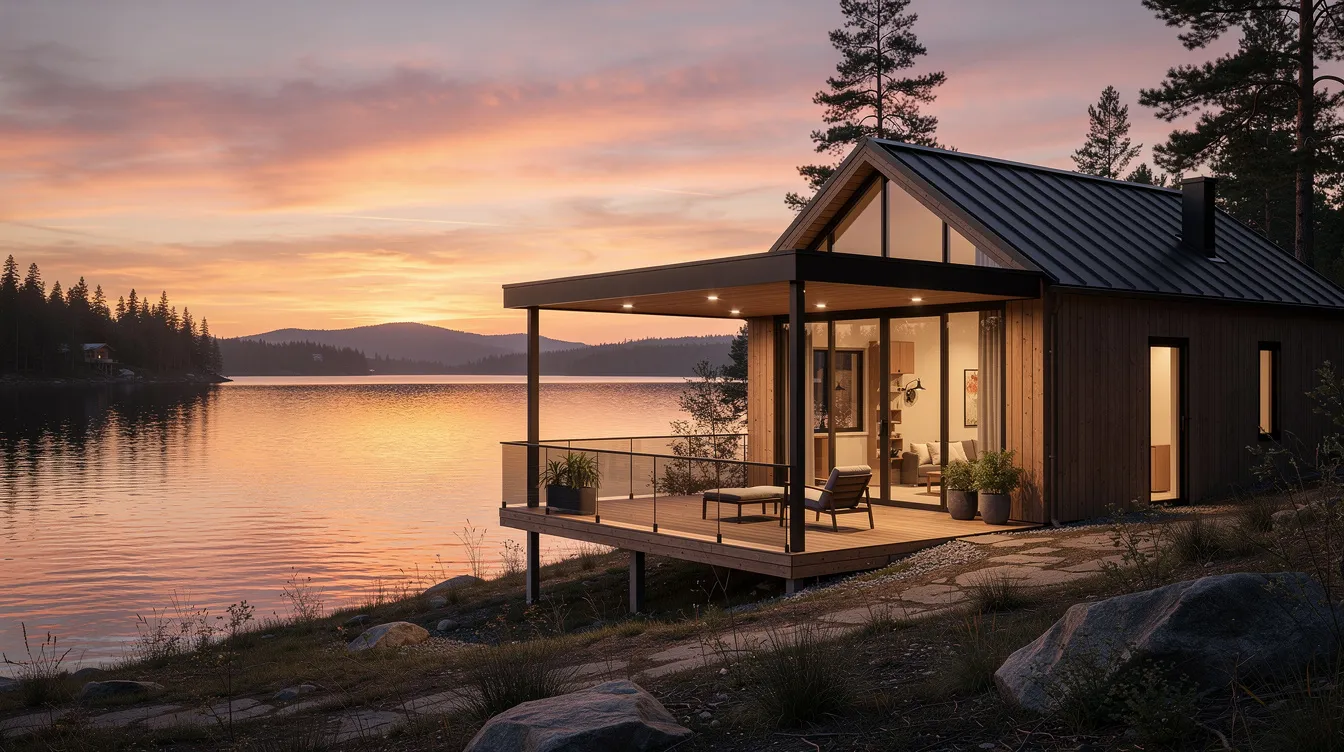
Holiday and weekend cabins: Small 20–40 m² units on forest, lake, or coastal property for seasonal use. Durable materials and long lifespan mean low maintenance between visits.
Eco resorts and cabin hotels: Multiple cabins arranged as low-impact hospitality projects with shared facilities—a 2023 European retreat used circular designs on screw piles to protect site ecology, much like popular tiny house cabin retreats for a cozy getaway.
Backyard ADUs: Cabins serving as rental units or family annexes where zoning supports granny flats. A 170 sq ft Echo-style cabin works as affordable guest accommodation.
Remote work spaces: Permanent home offices, art studios, or therapy room separated from the main house that can borrow layout cues from modern yurt interiors that inspire minimalist living. A 2025 addition for hybrid workers featured MVHR for year-round comfort with fresh air circulation.
How to Choose the Right Prefab Eco Cabin
Align your cabin choice with long-term lifestyle and budget rather than aesthetics alone.
Key decision factors:
- Intended use (full-time demands higher insulation)
- Climate zone (target U-values <0.20 for cold regions)
- Plot access (minimum 4m truck width)
- Future expansion potential
Vet manufacturer credentials:
- 5+ years in operation
- Certified energy performance ratings
- References from cabins delivered 2018–2025
Verify what “turnkey” includes:
- Appliances and cabinetry
- Interior finishes
- Foundations and permits
- On-site connections
Compare performance data rather than just price: wall/roof U-values, window specs, and airtightness results tell you more about future performance than square footage.
Create a simple priority list (e.g., “off-grid first, design second, size third”) to guide trade-offs. Then contact specialist providers for site-specific consultations and preliminary quotes.
Maintenance, Lifespan & Long-Term Value
While eco cabins are low-maintenance, regular care ensures the 50–70 year lifespan these kits are designed for.
Exterior maintenance:
- Re-oil timber cladding every 3–7 years depending on climate
- Annual roof membrane and flashing checks
Interior care:
- Monitor humidity (maintain 40–60% RH)
- Quarterly MVHR filter changes
- Annual heat pump servicing (maintain COP >3.5)
Resilience: Quality units handle 2m snow loads and 50 m/s wind gusts when constructed to spec.
Resale value: Well-documented eco cabins retain 70–90% value in markets where efficient homes are in demand. Keep warranties, energy certificates, and maintenance logs to support future refinancing or sale.
Next Steps: Turning Your Prefab Eco Cabin Idea into Reality
Prefab eco cabins make sustainable, compact living more accessible than ever. The planet benefits, and so does your quality of life.
Your next steps:
- Clarify budget and timeline (e.g., $150k over 4 months)
- Identify your plot or location
- Shortlist 3 manufacturers with post-2020 builds to compare
- Schedule design consultations
Gather inspiration: photos of cabin exteriors, preferred layouts, and off-grid setups that match your lifestyle. Check local planning and building regulations early—before placing a factory order—to avoid costly redesigns.
The path from idea to move-in is shorter than you might think. Contact an experienced prefab eco cabin provider today for a tailored proposal based on your site, climate, and energy goals.