
Spring is the perfect season to embrace the spring tiny home lifestyle and explore fresh ideas for making the most of small spaces. This guide is for anyone interested in downsizing, seeking a seasonal retreat, or exploring the benefits of tiny living in spring. Spring offers unique opportunities for tiny home living, from easier maintenance to enhanced connection with nature. Whether you’re considering downsizing, seeking a cozy getaway, or dreaming of a simpler lifestyle, this guide will introduce you to the world of spring tiny homes. We’ll cover practical tips, stylish design ideas, and essential features to help you create a charming, functional tiny home that feels like your own space.
- Introduction to Tiny Houses
- What Makes a Spring Tiny Home Unique?
- Spring Tiny Home Ideas
- Unique Benefits of Spring Tiny Home Living
- Tiny Home Ideas and Styles for Spring Living
- Tiny House Types: Parked Tiny Homes Versus Mobile Tiny Houses
- Small Space Layouts That Maximize Own Space
- Tiny Homes That Feel Like a Traditional Home
- Storage, Privacy, and Claiming Your Own Space in Tiny Houses
- Systems and Fixtures: Make a Tiny Home Work Like Home
- Kitchen and Bath Design in Tiny Houses
- NOAH Certified Builds and What to Highlight
- Pricing, Financing, and Long-Term Tiny Living Costs
- Site Selection, ADUs, and Backyard Tiny Homes
- Tiny Living Lifestyle
- Seasonal Maintenance and Preparing Your Spring Tiny Home
- Case Studies and Model Spotlights
- Resources for Tiny Home Buyers
- FAQs About Tiny Homes
- Content Extras and Calls To Action
Introduction to Tiny Houses

Tiny houses are popular now. People call them tiny homes too. They’re more than a trend. They represent a movement toward simple living. Intentional living. These small homes are smart. They use every inch of space. You can create your own space. It feels cozy. It feels functional. You want modern? Get sleek lines and big windows. You want traditional? Get rustic charm. There’s a style for every dream.
Tiny living focuses on one thing. Quality over quantity. You choose a tiny house? You get benefits. Your home is easier to maintain. It’s more affordable. It fits your lifestyle. Tiny homes make you think. What matters most? You prioritize that. You make room for creativity. You make room for comfort. You get a sense of belonging. In your own space. The design doesn’t matter. Each tiny house proves something. You don’t need lots of space. You can still live big.
What Makes a Spring Tiny Home Unique?
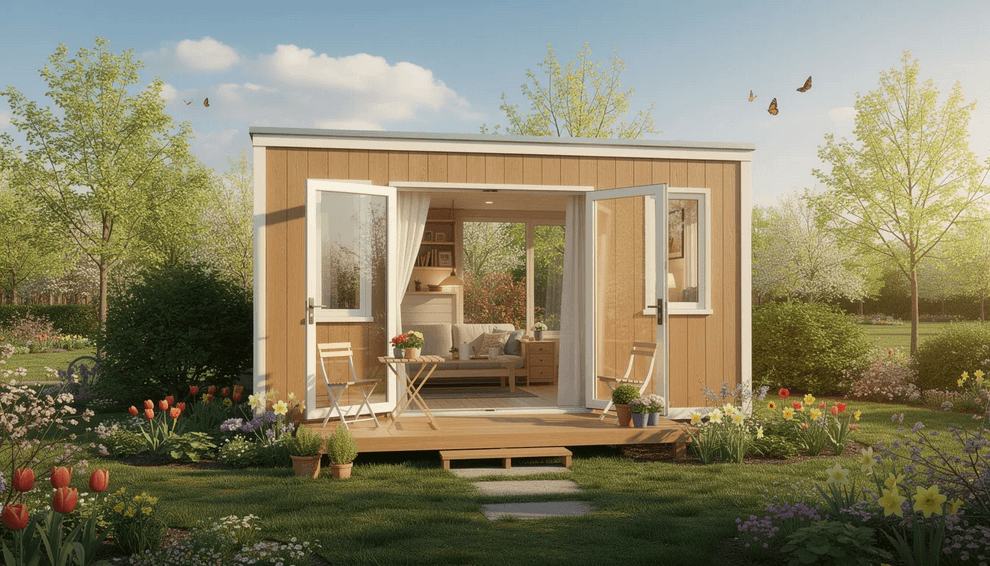
A spring tiny home is designed to maximize the unique advantages of the season. Living in a tiny home during spring allows for enhanced connection to nature and easier maintenance. Thanks to milder weather, you can enjoy more comfort and functional use of your small space, with opportunities to open windows, let in fresh air, and expand your living area outdoors. Spring tiny homes often feature design elements that blur the line between indoors and outdoors, such as large windows, decks, and gardens, making it easy to enjoy the beauty of the season while keeping maintenance simple and efficient.
Spring Tiny Home Ideas
Spring is the perfect time to refresh your tiny home and embrace the season’s energy. Here are some inspiring ideas to make your spring tiny home cozy, functional, and connected to nature:
Add a Bright Front Door:

Choose a colorful or uniquely designed front door to welcome spring with charm and personality. A bold hue or decorative glass can enhance curb appeal and brighten your tiny home’s exterior.
Create an Inviting Porch:

Extend your living space outdoors with a small porch or deck. Add weather-resistant cushions, a cozy fire pit, and string lights to enjoy longer spring evenings surrounded by nature.
Incorporate Large Windows and Screens:
Maximize natural light and fresh air by installing large windows or screened openings. This helps blur the line between indoor and outdoor living, perfect for mild spring weather.
Use Seasonal Décor:
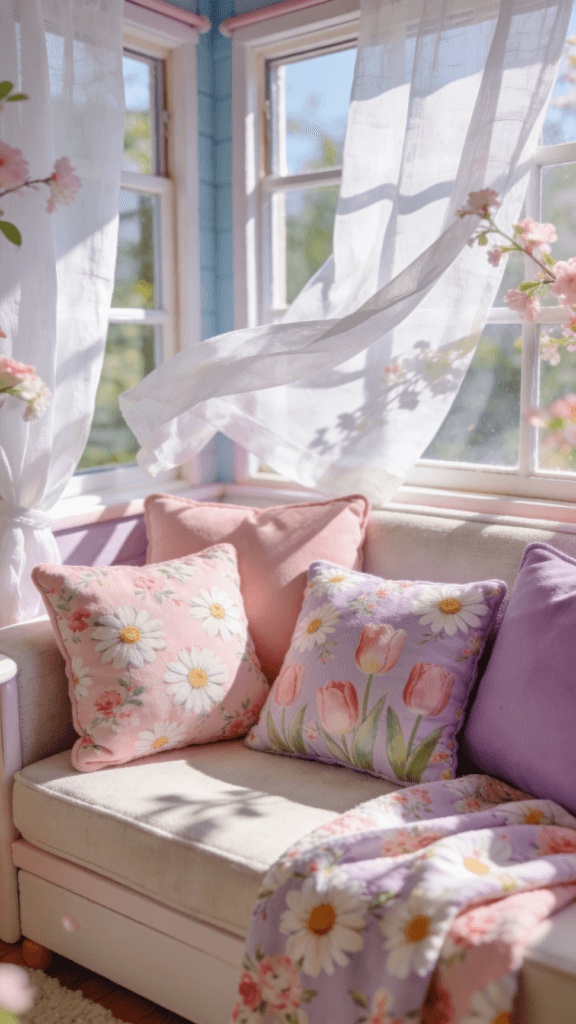
Swap out heavy winter fabrics for light, pastel cushions, floral patterns, and airy curtains that flutter with the spring breeze. This instantly refreshes your tiny home’s interior.
Start a Vertical Garden:
Utilize wall-mounted planters or hanging pots to grow herbs, flowers, or small vegetables. Vertical gardening saves space and brings vibrant greenery inside or onto your porch.
Optimize Storage with Multi-Functional Furniture:
With spring cleaning in mind, choose furniture pieces that double as storage, such as benches with hidden compartments or beds with drawers underneath.
Install Energy-Efficient Features:
Spring is a great time to add solar panels or upgrade to energy-efficient windows and insulation, reducing utility bills and making your tiny home more sustainable.
Personalize Your Floor Plan:
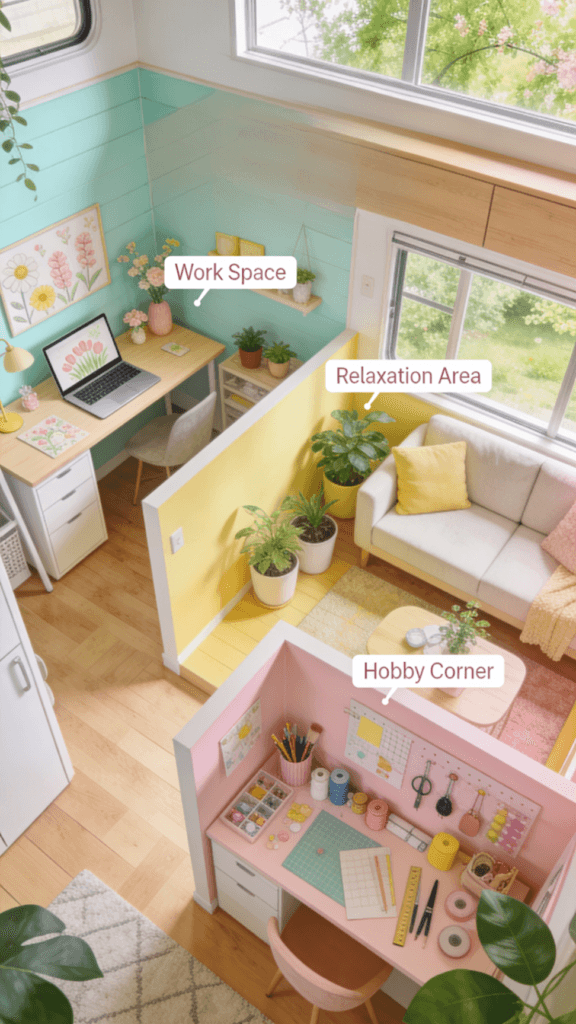
Customize your tiny home layout to include a bright, open living area with flexible spaces for work, relaxation, or hobbies that flourish in spring’s inspiring atmosphere.
Add Charming Exterior Details:
Consider decorative shutters, flower boxes, or a quaint walkway to enhance your tiny home’s springtime curb appeal and blend seamlessly with your natural surroundings.
Embrace Natural Materials:
Use wood paneling, shiplap walls, or butcher block counters inside your tiny home to add warmth and a rustic touch that complements the season’s renewal.
These ideas help you create a spring tiny home that feels welcoming, functional, and perfectly in tune with the season’s fresh energy.
Unique Benefits of Spring Tiny Home Living
Living in a tiny home during spring offers a range of unique benefits:
- Easier Maintenance: With less space, spring cleaning is completed in a fraction of the time, freeing up weekends for outdoor activities.
- Lower Utility Bills: Milder spring temperatures reduce reliance on artificial heating or cooling, lowering utility bills.
- Expanded Outdoor Living: Spring allows for easy expansion of living spaces onto decks or into gardens, making small spaces feel larger and more versatile.
- Sustainable Gardening: The compact lifestyle of tiny homes promotes sustainable gardening practices, such as tending to a small container garden or gathering rainwater.
- Enhanced Connection to Nature: The design of tiny homes during spring enhances the connection to nature by bringing the outdoors inside, with large windows and open layouts.
- Maximized Comfort: Milder weather maximizes comfort and functional use of the small space, making spring an ideal time for tiny home living.
Tiny Home Ideas and Styles for Spring Living
Spring invites light, brightness, and renewal—qualities that can transform your tiny home into a vibrant retreat. A spring tiny home is uniquely suited for this season, as it is designed to take advantage of milder weather, maximize comfort, and make it easy to connect with the outdoors. Spring tiny homes are perfect for holidays, serving as getaways for travel, leisure, and rural pursuits. Consider incorporating seasonal décor such as pastel cushions, floral patterns, and lightweight curtains that flutter with a gentle breeze. Outdoor additions like a small fire pit or a cozy porch with comfortable seating can extend your living area and provide a perfect spot for enjoying longer spring evenings. To create a cozy, inviting environment for spring, use weather-resistant cushions and pillows.
For exterior finishes, choose spring-friendly materials that withstand moisture and promote energy efficiency. Bright, paintable siding in light colors can reflect sunlight and add charm, while durable roofing materials ensure your home stays protected through seasonal changes. Features like charming shutters and a distinctive door—whether painted in a bold color or designed to complement the home’s style—can greatly enhance curb appeal and add character.
Popular tiny home styles for spring include A-frame cabins, known for their light and airy interiors and large windows that let in plenty of natural light. Rustic cabins often incorporate natural materials and a warm color palette to create a cozy atmosphere. Coastal cottages typically feature shingled exteriors and large windows, making interiors bright and welcoming.
Tiny House Types: Parked Tiny Homes Versus Mobile Tiny Houses
When selecting your spring tiny home, it’s important to understand the differences between tiny houses on wheels and stationary tiny homes. Mobile tiny homes offer the freedom to roam and explore new locations, ideal for those who want to live comfortably while traveling. However, towing considerations, site access, and local regulations can impact mobility.
Parked tiny homes, including accessory dwelling units (ADUs), provide a stable property base and often allow for more customization and permanence. Key features, such as the kitchen or living area, can be strategically located to maximize space and functionality, making the most of the compact layout. They can be designed with a smaller footprint yet still feel spacious and inviting, perfect for those ready to settle into a specific location. Additionally, tiny homes can also be created by converting unconventional structures, like old schoolhouses or boathouses, into unique and personalized living spaces.
Small Space Layouts That Maximize Own Space
Maximizing your tiny home’s interior walls and layout is key to creating defined zones for living, cooking, and sleeping. Including a loft can provide additional sleeping or storage space, making the most of your vertical square footage. Multiuse furniture such as fold-out tables or Murphy beds saves space while maintaining comfort. Beds with storage underneath are also excellent space-saving solutions for tiny homes. Sightline strategies, like open floor plans and strategically placed windows, bring in natural light and make the space feel larger.
When planning your layout, consider spiral staircases, which are more space-efficient than modular staircases. Built-in drawers and cabinets under stairs can provide extra storage for clothes, shoes, linens, and more. Using wall sconces instead of lamps can free up valuable surface space. A built-in banquette can provide seating and save space in your dining area. For those who want to garden, utilize vertical space by incorporating vertical gardening techniques such as wall-mounted planters.
Consider placing lofts or full main-floor bedrooms to suit your lifestyle. A well-designed floor plan ensures every room serves a purpose, helping you live big even in a smaller footprint.
Tiny Homes That Feel Like a Traditional Home
One of the charms of spring tiny homes is their ability to offer traditional home comforts within a compact design. Integrate full-size appliances for cooking and refrigeration to enjoy real kitchen functionality. Residential-grade HVAC systems and tankless water heaters provide efficient climate control and endless hot water.
Interior walls finished with wood paneling or shiplap add warmth and character, while durable siding and roofing materials ensure your home remains inviting and low-maintenance through the seasons.
Storage, Privacy, and Claiming Your Own Space in Tiny Houses
Storage is at a premium in smaller homes, so thoughtful solutions are essential. Here are some effective storage solutions for tiny homes:
- Built-in drawers and cabinets under stairs
- Benches with hidden compartments
- Clever closet designs
- Partition walls or sliding doors to create private spaces for family members or guests
- Repurposing one half of the available space for a specific use, such as a library or office
- Converting sheds or outbuildings into tiny homes for affordable and creative storage or living solutions
These strategies help keep clutter at bay and maximize functionality and privacy.
Systems and Fixtures: Make a Tiny Home Work Like Home
To live comfortably in a tiny home year-round, invest in reliable systems and fixtures. Mini-split HVAC units offer quiet, efficient heating and cooling. A 50-amp electrical service supports modern appliances and electronics. Durable materials like metal roofing and Pella vinyl windows provide energy efficiency and long-lasting protection.
Kitchen and Bath Design in Tiny Houses
Kitchen Design Tips
Designing a kitchen in a tiny house is about style, efficiency, and comfort. Consider these space-saving features:
- Two-burner cooktop
- Under-counter fridge
- Deep sink
- Open shelving
- Pull-out pantries
- Custom cabinets to keep things neat
- Fold-down table or breakfast bar for dining and extra prep space
Bath Design Tips
For the bath, go compact and efficient with:
- Corner sinks
- Wall-mounted toilets
- Walk-in showers with glass doors to make the space feel bigger and brighter
- Built-in shelves for storage
- Mirrored medicine cabinets to keep toiletries tucked away but within reach
- Light, moisture-resistant finishes
- Bright windows for a spa-like, inviting, and fresh feel
NOAH Certified Builds and What to Highlight
Choosing a NOAH certified tiny home means your build meets strict ANSI A119.5 residential dwelling standards. Every Nomad home leaves our shop complete, safe, durable, comfortable, and designed for the way you’ll actually use it. Every model from Nomad Tiny Homes is fully customizable. Nomad Tiny Homes includes residential appliances, tankless water heaters, and mini-split HVAC systems in their standard selections. You can choose options for full main-floor bedrooms and secondary lofts, as well as spacious living and private lofts. Spring Mountain Tiny Homes features durable paintable siding. Nomad Tiny Homes uses Pella vinyl windows that are energy-efficient and fade-resistant, and includes butcher block counters that age beautifully. This certification matters for insurance, financing, and peace of mind, ensuring your home is safe, durable, and built to last. Be sure to highlight certification badges when purchasing or promoting your tiny home.
Pricing, Financing, and Long-Term Tiny Living Costs
Turnkey spring tiny homes typically start at competitive prices, with options to customize according to your budget and needs. Research financing options and lenders familiar with tiny home projects. Comparing lifecycle costs between tiny homes and traditional houses can reveal savings on utilities, maintenance, and property taxes.
Site Selection, ADUs, and Backyard Tiny Homes
Before purchasing or building, check zoning laws and permits for ADU placement on your property. Consider foundation and anchoring options suitable for your site. Landscaping and porch designs can extend your living space outdoors, creating a seamless connection with nature.
Tiny Living Lifestyle
Benefits of Tiny Living
Want to live tiny?
It’s about what matters.
Tiny living means less stuff. More focus. You pick what’s important. You let go of the rest. Living in a tiny home makes you think. What do you really need? How do you want to spend your time? Many families do this. Couples too. Even people living alone. Why? It brings them closer. It sparks creativity. It changes how they live each day.
Spring is especially suitable for tiny home living because it allows for enhanced connection to nature and easier maintenance. The milder weather maximizes comfort and functional use of the small space, and with less space, spring cleaning is completed in a fraction of the time, freeing up weekends for outdoor activities.
Where to Place Your Tiny Home
Where can you put your tiny home?
Anywhere you want.
The country. A backyard. On the road with wheels. Tiny homes let you live well with less. You’ll spend more time outside. You’ll enjoy nature. Every season becomes special. Spring fills your home with light and air. Less house means less work. More freedom to go places. You can breathe. You can save money. You focus on what makes life good.
Seasonal Maintenance and Preparing Your Spring Tiny Home
Spring is an ideal time to perform maintenance checks. Inspect plumbing and HVAC systems, seal windows, and check roof flashings to prepare for warmer weather. Regular upkeep ensures your tiny home remains cozy and efficient throughout the year.
Case Studies and Model Spotlights
Explore spring tiny home floorplans that balance style and function. For example, the Willow & Pine brand, led by owners Sarah and Tom, brings a personal touch and vintage charm to each NOAH certified model with bright interiors and a cozy porch, demonstrating how thoughtful design creates inviting spaces. Many of their unique features and décor are sourced from a local vintage shop, which plays a key role in providing one-of-a-kind items that enhance the home’s character. Handcrafted homes offer customization options, allowing you to start from scratch or select a finished product tailored to your dream lifestyle.
Resources for Tiny Home Buyers
Ready to find your perfect tiny home? There are tons of resources out there. Start simple. Look for reputable tiny house builders. Check out NOAH certified models too. Why? They meet high standards. Safety matters. Quality matters. Many builders offer custom floor plans. Want a space that fits your family? Your pets? Your lifestyle? You can create it. Financing your tiny home? It’s getting easier. Lenders get it now. They understand smaller homes. They know what you need. Here’s what to do: Visit model homes. Join online groups. Connect with others who made the leap. They’ve been there. They have advice. They have inspiration. But wait. Don’t forget the important stuff. Check local zoning laws first. Check property requirements too. This matters before you buy land. This matters before you start building. With the right resources? Your dream of tiny living can become reality. It really can.
FAQs About Tiny Homes
Are tiny homes legal everywhere?
Rules are different everywhere.
Each place has its own laws.
You need to check first.
Look at zoning laws. Check building codes.
Do this before you put your tiny house anywhere.
Can an entire family live comfortably in a tiny home?
Yes!
Families can live there.
Even with kids.
Even with pets.
You need a smart plan.
Get creative storage.
Make defined spaces.
Many families love it.
They feel warm and connected.
How do tiny homes handle utilities and systems?
Modern self contained tiny homes work great.
They have heating.
They have cooling.
They have plumbing.
They have electricity.
All systems are efficient.
You can live there all year.
Can I customize my tiny home?
Yes!
You can change lots of things.
Pick your exterior finishes.
Choose your interior walls.
Pick your windows.
Design your lofts.
Add porches.
Make it fit your style.
Make it fit your needs.
Want a studio for one? You can do that.
Want space for guests? You can do that too.
What about storage in a tiny house?
Tiny homes are clever.
They have smart storage.
Built-in cabinets everywhere.
Drawers under stairs.
Lots of solutions.
You can stay organized.
You can stay clutter-free.
Is it possible to move a tiny house?
Yes!
If it’s on wheels.
You can take it anywhere.
Take your home where you roam.
But check the rules first.
Know your towing requirements.
Know local regulations.
How do I get started with tiny living?
Start simple.
Research builders first.
Visit model homes.
Connect with the tiny house community.
Plan a bit.
Work hard.
You can create something amazing.
You can make a cozy space.
Make it truly your own.
Content Extras and Calls To Action
Download our comprehensive spring tiny home checklist to guide your planning and maintenance. Schedule a visit to tour model homes or consult with experts to bring your tiny living dreams to reality. Share your own stories about transitioning to tiny living and inspire others to embrace this charming lifestyle.
Embrace the season of growth and renewal by creating a spring tiny home that reflects your vision, meets your needs, and invites you to live simply, comfortably, and joyfully.