
The dream of owning your own home doesn’t have to come with a six-figure price tag. With careful planning, strategic material choices, and a willingness to roll up your sleeves, building a tiny home cheap is absolutely achievable in 2024. This guide walks you through exactly what it takes to make that dream a reality—from realistic budgets to hidden costs most people overlook.
- Fast Answer: Yes, You Can Still Build a Tiny Home Cheap in 2024
- What “Cheap Tiny Home” Really Means in Dollars
- Cheap Tiny Home Paths: DIY, Kits, and Used Units
- Realistic Budget Breakdown for a Sub-$10k Tiny Home
- Where to Save Big (And Where You Should Not Cut Corners)
- Hidden Costs That Make a “Cheap” Tiny Home Expensive
- Legal and Zoning Tips for Budget Tiny Homes
- Living Small: Making a Cheap Tiny Home Feel Comfortable
- Is a Cheap Tiny Home Right for You?
Fast Answer: Yes, You Can Still Build a Tiny Home Cheap in 2024
Sub-$10k to $25k tiny homes are still possible in 2024, but only when you plan carefully and DIY at least part of the build. The days of stumbling into affordable tiny living are over—you need a strategy.
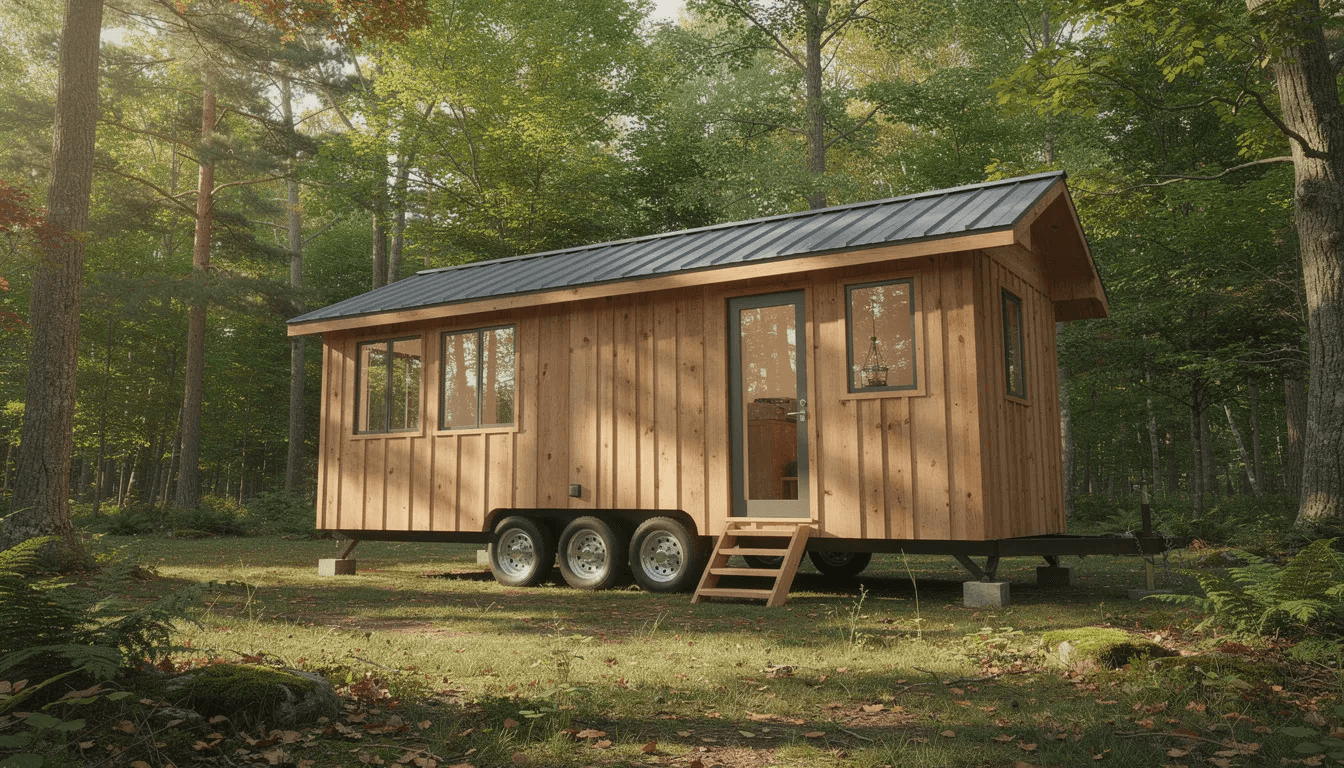
- One concrete real-world example: a 9×7 camper-style tiny home on a 5×8 trailer built for under $10,000, including 4-inch insulation and a compact wood stove, finished in late 2023. This person spent weekends over six months completing the project with materials sourced from local sales and salvage.
- A second example: a basic 14×20 A-frame cabin shell (no wheels) with heavy insulation (6-inch plus 4-inch rockwool) that came in around $10,000 for materials through self-building and shopping seasonal sales. The A-frame design simplified the roof structure and reduced waste.
- Utilities and land commonly add $8,000–$12,000 each (septic, power hookup or solar, water well), so “tiny home cheap” usually means focusing on the structure cost, not the complete homesteading package.
- Regulations often push budget builders toward tiny homes on trailers or skids to avoid expensive permanent foundation requirements and minimum square footage rules.
What “Cheap Tiny Home” Really Means in Dollars
“Cheap” varies dramatically depending on your goal. A weekend cabin in the woods has different requirements than a full-time residence, a backyard office, or a rental unit. Before you start shopping for materials, get clear on what you’re actually building.
Here are the realistic price bands for 2024 in USD:
- Under $10,000: DIY shells, camper-sized builds (8–14 feet long), used sheds converted to living space. These require significant sweat equity and usually skip high-end finishes entirely.
- $10,000–$25,000: Modest 16–24 ft DIY on-wheels builds or basic shell kits with minimal luxury finishes. This is where most serious budget builders land.
- $25,000–$60,000: Entry-level professionally built tiny houses on wheels, or larger 24–30 ft models with modern amenities. Professional builders handle the heavy lifting, but you pay for that convenience, especially when working with top micro house builders offering custom designs.
- $60,000+: Luxury tiny homes with high quality materials, custom designs, off-grid packages, and incredible tiny homes with spacious interiors despite the small footprint.
Those “under $11,000” prefab or kit tiny homes you see advertised online (often farmhouse-inspired with a porch and big windows) typically cover the shell only—not land, permitting, or full utilities.
Many people claiming a sub-$10k tiny house already own tools, a trailer, and have free labor from friends or family. This keeps their reported costs artificially low. Your mileage will vary.
Build a simple spreadsheet with line items for trailer, framing, insulation, windows, roof, interior, and utilities or use a dedicated tiny home cost calculator before you commit. This single step prevents the budget shock that derails most projects.
Cheap Tiny Home Paths: DIY, Kits, and Used Units
If you’re still comparing options, looking at affordable tiny house designs can clarify which path fits your budget and skill level.
The biggest cost lever in any tiny home project is who does the labor. Your options range from complete self-build to turnkey delivery, with everything in between.
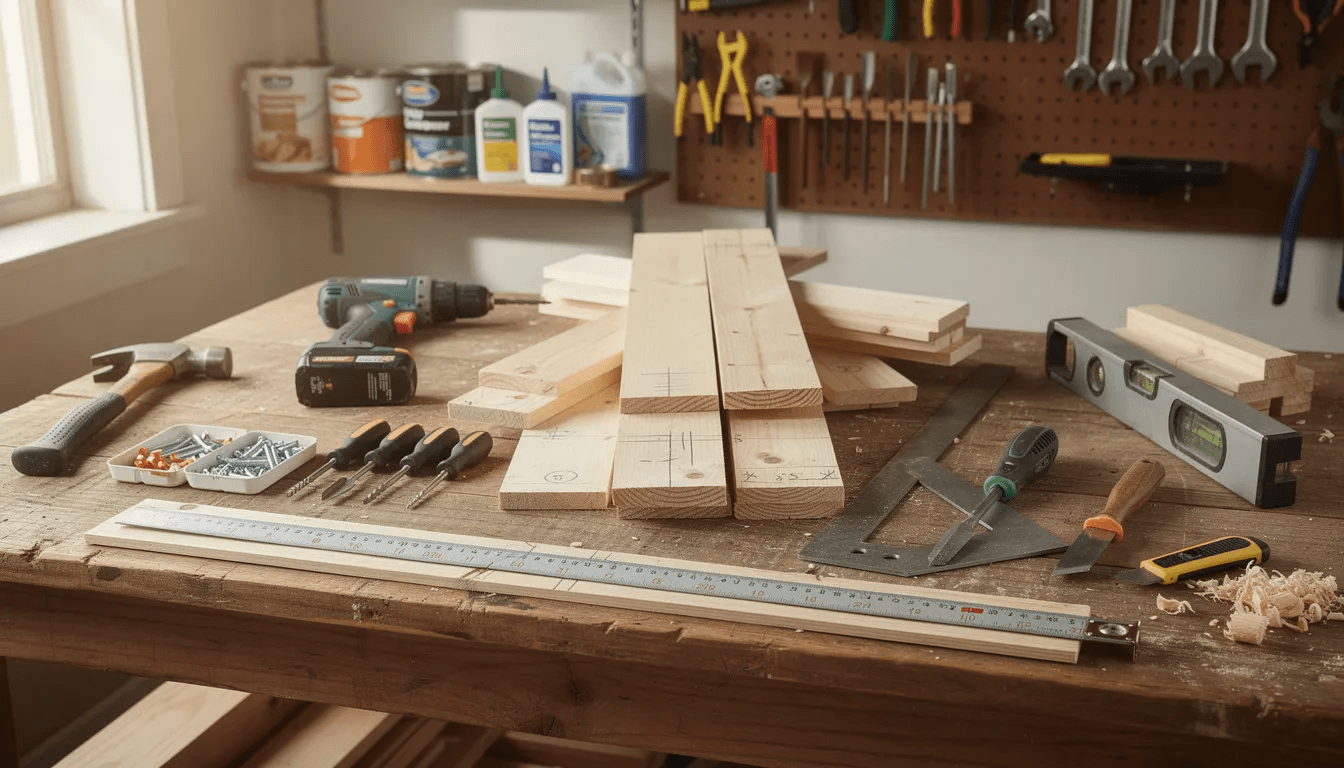
DIY Build From Scratch means using a 5×8 or 7×12 trailer, lumber from local yards, and discounted windows and doors sourced through patience and persistence. Labor is your own evenings and weekends—sometimes stretching across months or years. This path offers the lowest price point but the highest time investment and learning curve. You’ll make mistakes, and some of those mistakes will cost money to fix.
Tiny House or Cabin Kits represent the middle ground. Off-the-shelf kits under roughly $11,000 include prefab panels, integrated windows, and sometimes basic plumbing and electrical. These ship flat-packed from the manufacturer’s site and assemble in days rather than months. Retail options like Home Depot tiny house kits can be especially appealing for beginners. Some foldable tiny home kits now come with pre-installed electrical, kitchen cabinets, a full bathroom, and insulation—designed for quick setup by a person with basic construction knowledge.
Used Tiny Homes or Converted Structures offer good value if you inspect carefully. Buying a used 20–24 ft tiny house, old RV, school bus, or shed and renovating it can save thousands. The risk is hidden problems: roof leaks, rot, and bad wiring that don’t reveal themselves until you’re mid-project.
For “tiny home cheap,” a hybrid approach often hits the best value: used trailer + DIY shell + simple prefab components like window and door kits. If you’re new to construction, following a step-by-step guide on how to build a tiny house can help you plan that hybrid approach. You get the cost savings of DIY with the quality craftsmanship of manufactured components where it matters most.
Realistic Budget Breakdown for a Sub-$10k Tiny Home
This section walks through a sample budget for a very small, basic build around 80–120 sq ft (approximately 8×12) targeting under $10,000 in 2024. These numbers assume you’re doing the work yourself.
Category | Cost Range | Notes |
|---|---|---|
Trailer or skid base | $1,500–$3,500 | Used 5×8 or 7×14 utility trailer, inspected and possibly re-decked |
Framing and sheathing | $1,200–$2,000 | 2×4 or 2×6 studs, OSB/plywood, fasteners |
Roof (metal or shingles) | $600–$1,200 | Including underlayment and flashing |
Insulation | $800–$1,500 | Mix of rigid foam and rockwool; 4–6 inches typical in walls and ceiling for cold regions |
Doors and windows | $800–$1,500 | Mix of new and salvage, including at least one egress window |
Electrical and basic plumbing | $800–$1,500 | Wire, panel, outlets, small water heater, PEX, fixtures |
Heat source | $500–$1,200 | Small wood stove or efficient electric heater |
Interior finishes | $800–$1,500 | Flooring, wall panels, cabinets, paint, trim |
Contingency | 10–15% of budget | For price spikes or mistakes |
This budget assumes no septic, no well, and no grid hookup. Instead, it might rely on campground hookups, a composting toilet, or existing property utilities where you park or place your new house. |
Building codes may require upgrades that increase these rough estimates—thicker insulation in certain climate zones, specific tie-downs for wind resistance, safety glazing on windows, or fire-rated materials near heat sources. Check local requirements before finalizing your budget.
Where to Save Big (And Where You Should Not Cut Corners)
Building a tiny home cheap is more about smart trade-offs than buying the absolute lowest-cost materials. Knowing where to spend and where to save money separates successful builds from disasters.
High-impact ways to save:
- Salvaged or surplus materials from Craigslist, Facebook Marketplace, and local ReStores. Windows, doors, cabinets, and leftover flooring from 2021–2024 remodels often sell for 20–40% of retail.
- Simple rectangular footprint. Skip complex rooflines, bump-outs, and dormers. Every angle adds labor time and material waste.
- Modest dimensions. Keep below about 200 sq ft if targeting ultra-low budgets. Every extra foot multiplies cost across framing, insulation, roofing, and finishes.
- Standard sizing. Using standard lumber lengths and standard window sizes reduces waste and custom cutting.
Where you should not go cheap:
- Structure and trailer. Never compromise on structural integrity, welding quality, or axle capacity. Failure here is dangerous and expensive to fix later. A complete collapse can destroy everything you’ve invested.
- Weatherproofing. Invest in proper flashing, housewrap, and roofing. Water damage can destroy “cheap” homes in a few seasons, turning your dream into a rotting money pit.
- Insulation. Skimping here (especially in roofs and floors) leads to high utility bills and uncomfortable living. Proper insulated walls and ceiling are non-negotiable for year-round comfort, especially in cold climates.
Choose mid-range, durable materials like vinyl plank flooring and metal roofing instead of the absolute cheapest options that will fail quickly. The reasonable middle ground serves budget builders best.
Hidden Costs That Make a “Cheap” Tiny Home Expensive
Many budgets ignore non-structure costs that can double the total spend, even when they start with well-thought-out tiny house plans that fit your life. Here’s what catches people off guard:
- Septic system: $8,000–$15,000 in many U.S. counties, plus soil tests and permits. Some areas require engineered systems that cost even more.
- Well drilling and pump: Often $6,000–$20,000 depending on depth and local geology. Shallow wells are cheaper but may have water quality issues.
- Power hookup: $2,000–$8,000 for trenching, poles, and utility company fees if connecting to the grid. Distance from existing lines dramatically affects cost.
- Off-grid systems: Solar panels, batteries, inverter, and charge controller can easily reach $8,000–$20,000 for reliable year-round use. Cheap solar setups often can’t handle winter demands.
- Permits, inspections, and impact fees: Can range from a few hundred to several thousand dollars depending on state and county. Some jurisdictions require architect stamps on plans.
Some people keep things cheap by using RV-style hookups at an existing property, parking in a tiny house community or RV park with shared utilities, or starting with a composting or cassette toilet to delay septic costs entirely.
Talk to local building or zoning officials before you purchase materials or land. A quick conversation can prevent surprise requirements like frost-depth foundations or fire sprinklers that blow your budget.
Legal and Zoning Tips for Budget Tiny Homes
Zoning and building codes heavily influence whether a cheap tiny home is even allowed on your property—or any property in your target area. The legal environment varies wildly across the country.
Common legal strategies that budget builders use:
- Building on a licensed trailer (tiny house RV) to classify it as a vehicle rather than a permanent dwelling. This often exempts you from minimum square footage requirements.
- Placing a tiny home as an accessory dwelling unit (ADU) where local rules allow small second units on residential lots.
- Using tiny homes as “temporary structures” or “recreational vehicles” on rural land where permitted. Some counties have minimal oversight in unincorporated areas.
In some areas—parts of Oregon, California, and Colorado—tiny homes on wheels can be parked in RV parks or tiny home communities with monthly space rent. This reduces upfront land costs and sidesteps complex permitting, and is often how people test whether buying a tiny house is right for them before committing to land.
Some counties in Tennessee and Texas have become known for more flexible tiny-house zoning as of 2023–2024, making it easier to explore little houses in Texas as a budget-friendly path to ownership, though regulations change and vary by specific location. Always verify current rules before committing to a site.
Budget for design changes or professional consultation (architect or code consultant) if your jurisdiction enforces strict minimum square footage or foundation standards. A few hundred dollars spent on expert advice can prevent thousands in wasted construction costs.
Living Small: Making a Cheap Tiny Home Feel Comfortable
Keeping costs down doesn’t mean living uncomfortably. Design and furniture choices matter more in a tiny footprint than they do in a 2,000 sq ft house. Small decisions create big differences in how your space feels day-to-day.
Budget-friendly design choices that improve daily life:
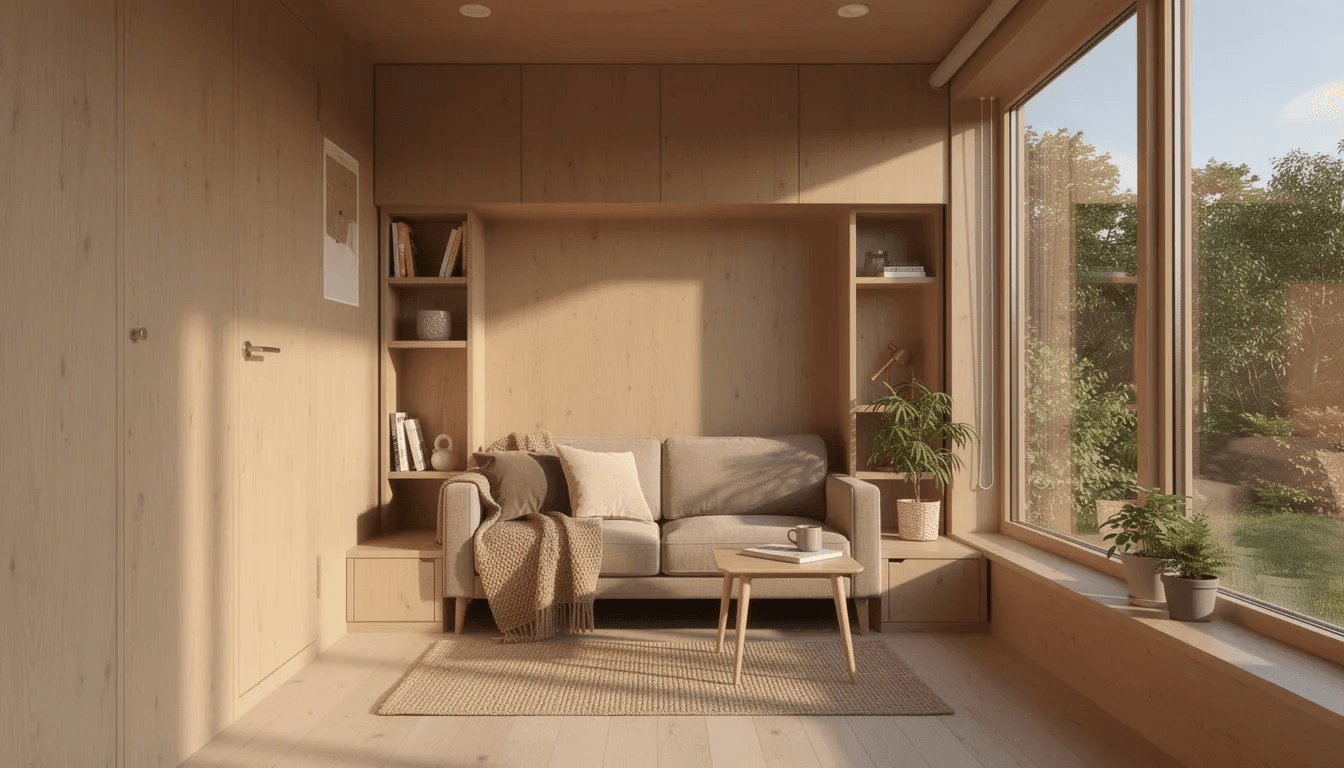
- Large windows on at least two walls for cross-breeze and natural light, even if they are reclaimed units. Sunlight makes even the smallest space feel open and stylish.
- Lofted sleeping area to free up main-floor space for a small sofa, fold-out table, or desk. This functional layout maximizes every square foot.
- Built-in storage under benches, stairs, and beds instead of buying bulky standalone furniture. Every inch serves double duty.
- Vaulted ceiling or open loft design to create visual spacious feeling despite limited floor area.
Small upgrades like LED lighting, a compact but well-insulated door, and a tiny covered porch can dramatically improve livability for a few hundred extra dollars. A porch extends your living space outdoors during good weather.
Keep décor minimal: a few durable textiles (rugs, curtains), functional shelving, and light-colored walls make the space feel larger without major expense. You don’t need amazing interior design—you need smart, simple choices.
Tiny home owners who’ve lived full-time in sub-200 sq ft builds since 2022 consistently report that thoughtful design matters more than square footage, as you can see in many of the great tiny homes that redefine small space living. One couple in the Pacific Northwest built a 180 sq ft cabin for under $15,000 and describe it as more comfortable than their previous 900 sq ft apartment—because every element was chosen intentionally.
Is a Cheap Tiny Home Right for You?
A low-cost tiny home can offer freedom from high rent and big mortgages. You can live debt-free and own your own home outright. But this path requires trade-offs in space, convenience, and sometimes location that not everyone can accept.
Key questions to consider before you commit:
- Are you comfortable doing significant DIY work or learning new skills to save money? The cheapest builds require the most sweat equity.
- Is your local zoning friendly enough to park or place a tiny home affordably? Some areas make this nearly impossible.
- Do you need full-time, four-season comfort, or will this be a weekend or seasonal cabin? Your answer changes your insulation and utility requirements dramatically.
- Can you live with fewer possessions and a smaller footprint long-term? The tiny house movement is as much about mindset as square footage.
Many 2022–2024 tiny home owners started small—a sub-$10k camper-style build or basic shell, often inspired by listings for tiny homes under $20K for sale—and upgraded over time as budget and needs changed. You don’t have to figure out everything on day one. Great ideas evolve through experience.
The world of affordable housing has shifted. Traditional paths to homeownership feel increasingly out of reach for many people. A cheap tiny home won’t solve every housing problem, but for the right person with the right expectations, it represents a genuine pathway to ownership, freedom, and a simpler life.
Your next step: sketch a rough budget using the figures in this post, check local regulations with a quick call to your county building department, and decide whether your goal is a minimalist starter build under $10k or a more comfortable but slightly higher-cost tiny home. Either path beats paying rent on someone else’s property forever.