Texas has always celebrated independence, wide-open spaces, and doing things your own way. Now, a growing number of Texans are channeling that spirit into something unexpected: living smaller. Tiny homes of Texas have evolved from a niche curiosity into a legitimate housing movement, offering everything from affordable first homes to luxury vacation retreats scattered across the Hill Country, North Texas, and beyond.
This guide covers what you need to know before joining the tiny house movement in the Lone Star State—from finding the right builders and understanding true costs to navigating zoning laws and deciding if this lifestyle actually fits your life.
- What Are Tiny Homes of Texas? (Quick Answer)
- Why Tiny Homes Are Taking Off in Texas
- Types of Tiny Homes in Texas
- Tiny Home Advantages for Texas Residents
- Key Tiny Home Builders & Communities in Texas
- Texas Tiny Home Laws, Zoning & Where You Can Park
- Tiny Home Costs in Texas
- Designing & Customizing Your Texas Tiny Home
- Is Tiny House Living in Texas Right for You?
What Are Tiny Homes of Texas? (Quick Answer)
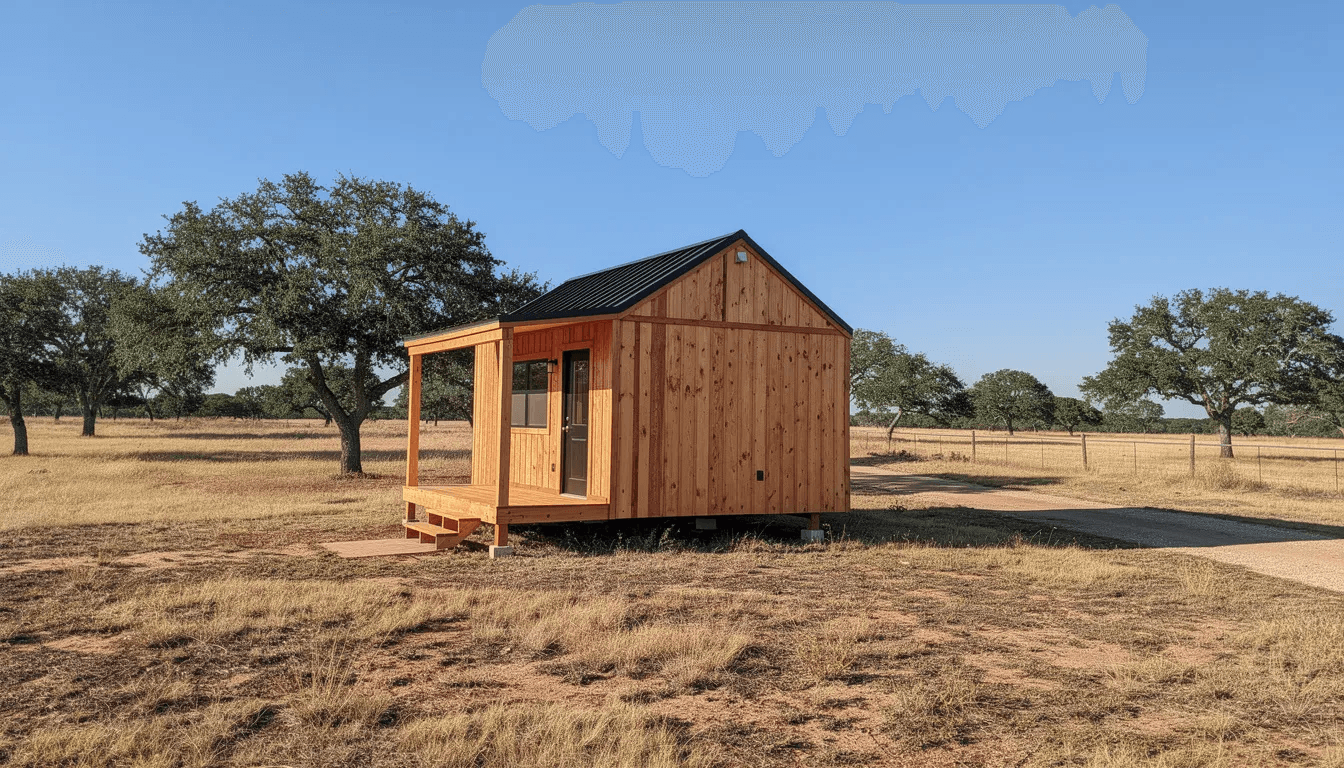
When we talk about tiny homes of Texas, we’re referring to compact dwellings typically under 400–500 square feet. These include site-built tiny homes on permanent foundations, tiny homes on wheels (THOWs), and park models designed for RV parks and tiny home communities. The common thread is intentional small-space living—whether that means a 200-square-foot retreat or a 500-square-foot full-time residence.
This article focuses specifically on tiny homes located in Texas or constructed by Texas-based companies. The state has earned national recognition as one of the top destinations for tiny home living, thanks to permissive zoning in certain towns, a cultural embrace of simplicity rooted in pioneer history, and diverse applications from rural retreats to urban homeless villages.
Texas’s tiny home scene gained serious momentum in the mid-2010s when Spur declared itself the first “tiny-house friendly town” in 2014. Since then, communities like Lake Dallas have developed urban-center tiny home villages, and builders across the Dallas-Fort Worth area have established thriving businesses creating everything from budget-friendly models to luxury custom builds.
What you’ll learn in this guide:
- Why tiny homes are gaining popularity across Texas
- Types of tiny homes available (foundations, wheels, park models)
- Key builders and communities throughout the state
- Texas zoning laws and where you can legally park or build
- Realistic costs and financing options
- How to design and customize your perfect home
- Whether tiny house living matches your specific needs
Why Tiny Homes Are Taking Off in Texas
For decades, Texas housing meant sprawling ranches and suburban homes exceeding 2,000 square feet. That script is being rewritten. A significant shift toward smaller, smarter spaces under 500 square feet is reshaping how many Texans think about home ownership, investment properties, and daily life.
Main drivers behind the trend:
- Rising land and housing costs around Austin, Dallas, and Houston have pushed many buyers to explore alternatives that don’t require a 30-year mortgage
- Desire for financial freedom—owning outright rather than decades of debt payments
- Interest in eco-friendly, sustainable living with reduced energy consumption and smaller environmental footprints
- Remote work flexibility that allows people to live farther from expensive city centers while maintaining careers
- Social media influence—Instagram tours, YouTube videos, and Airbnb tiny home stays across Texas have normalized small-space living and sparked curiosity
Interest in Texas tiny homes surged notably after 2020, as people searched for flexible housing options, vacation rentals generating passive income, and ways to escape crowded urban areas. Some Texans now use tiny homes as full-time residences, while others create Hill Country rentals, lake cabins near East Texas, backyard guest houses for aging parents, or dedicated home offices separate from their main dwelling.
Types of Tiny Homes in Texas
Before diving into builders and costs, it helps to understand the main categories of tiny homes available in Texas. Each type comes with different legal classifications, placement options, and price points, all of which matter whether you’re buying or planning to build a tiny house step by step.
- Tiny homes on foundations (typically 200–800 sq ft) are permanent structures built on concrete slabs or piers. Towns like Spur and some rural counties allow these as primary residences, provided they meet local residential building codes. They function legally like any other house.
- Tiny homes on wheels (THOWs) are built on trailers, usually 20–34 feet long, and classified more like RVs than traditional houses. These are particularly popular around the Dallas-Fort Worth area and offer mobility if you want to relocate.
- Park models (around 399 sq ft) are factory-built units designed for RV parks and tiny home villages throughout Texas, especially near lakes and vacation destinations. They’re built to ANSI standards and offer a middle ground between traditional RVs and permanent structures.
Common use cases in Texas include:
- Weekend guest houses alongside barndominiums or ranch properties
- Backyard casitas for multigenerational living arrangements
- Private studios or home offices separate from the main house
- Short-term rentals targeting tourists visiting wine country, lakes, or state parks
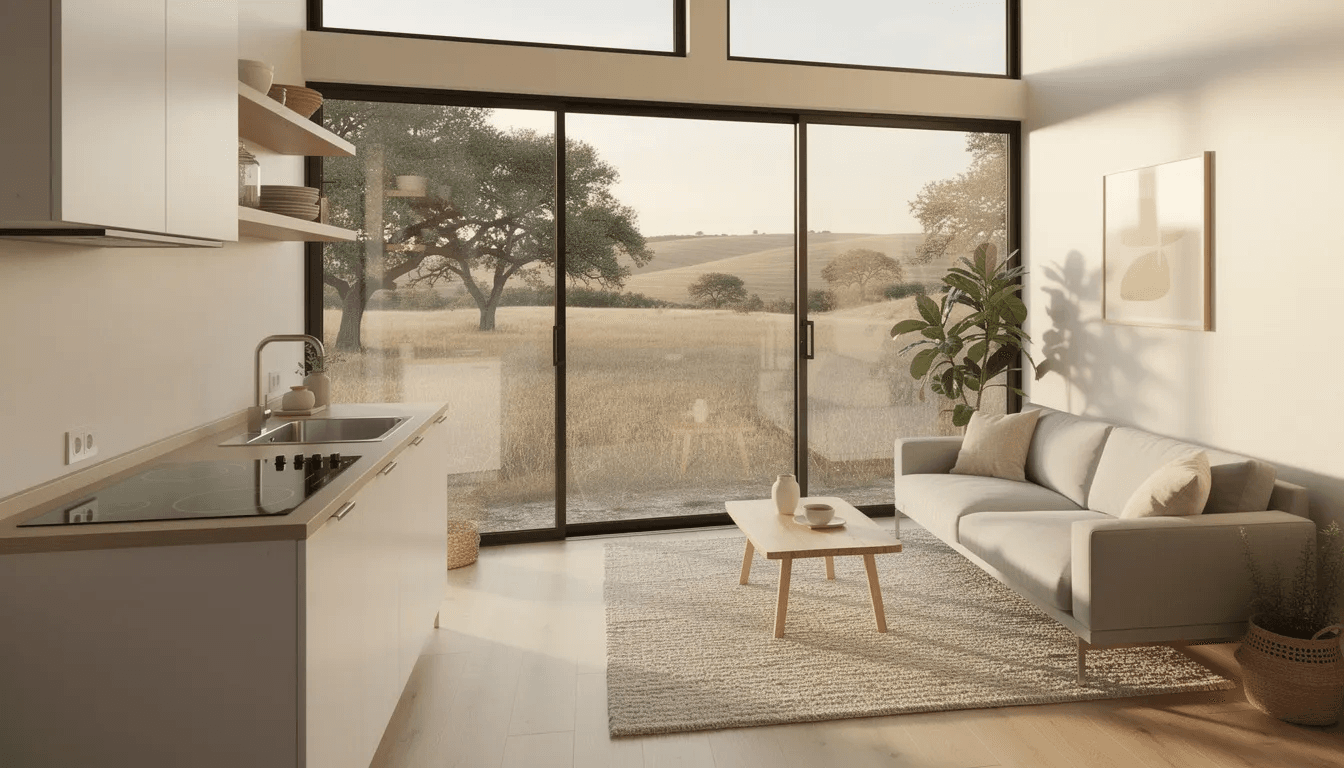
Design styles Texans tend to prefer include modern farmhouse aesthetics, rustic ranch influences, Hill Country contemporary with stone accents, and coastal cottage looks for properties near the Gulf.
Tiny Home Advantages for Texas Residents
The benefits of tiny home living take on particular significance in the Texas context, where climate, land availability, and cultural values create unique opportunities.
- Financial freedom – Many Texas tiny homes cost between $30,000 and $100,000 depending on size and finish level. Compare that to median home prices exceeding $300,000 in most Texas metros, and the math becomes compelling. Paying cash eliminates mortgage interest entirely.
- Lower ongoing costs – Property taxes on a small structure or RV registration are minimal compared to traditional homes. Utility bills drop dramatically when you’re heating and cooling 300 square feet instead of 2,000. Maintenance budgets shrink accordingly.
- Flexibility and mobility – THOWs and park models can relocate if your job changes or you discover a better location. You can move between RV parks, tiny home communities, or private land across the state without selling real estate, especially when you invest in custom tiny homes tailored to your needs.
- Closer connection to nature – Living on a small acreage outside towns like Granbury, Fredericksburg, or Tyler means a compact home with expansive outdoor living space. Your money buys land and views rather than extra bedrooms you don’t use.
- Intentional living – Downsizing forces decisions about what you truly value. Many tiny home owners report reduced stress, less time cleaning and maintaining possessions, and more freedom to invest in experiences rather than square footage.
Real-world example: A couple in North Texas downsized in 2023 from a 1,800-square-foot suburban home to a 320-square-foot custom build. They eliminated their mortgage, cut monthly expenses by 60%, and now travel six months per year while renting their tiny home on Airbnb during their absence.
Key Tiny Home Builders & Communities in Texas
Texas hosts multiple established tiny home manufacturers and a growing network of tiny home villages and RV parks welcoming small dwellings. The industry has matured significantly, with builders offering everything from budget models to award-winning luxury designs, reflecting broader demand for little houses in Texas and dream tiny home options.
- North Texas site-built tiny homes near Granbury feature custom floor plans on wooded lots, often including attached garages or carports, quartz countertops, stone skirting, and finishes that match the quality of conventional luxury homes.
- Luxury tiny homes on wheels produced around Aubrey and the wider DFW area showcase high-end craftsmanship: fireplaces, outdoor kitchens, lofted sleeping areas with stairs rather than ladders, and finishes rivaling upscale apartments, similar to what you’ll find from top Garland tiny homes focused on quality living.
- Award-winning THOW builders in the Dallas-Fort Worth region focus on RV-certified, road-legal models with closed-cell spray foam insulation, luxury vinyl plank flooring, tempered glass windows, and electrical systems designed for both RV hookups and standard residential connections, similar to the offerings from top micro house builders focused on quality and affordability.
- Tiny home communities include Spur (the first “tiny house friendly” town designation in Texas), Magnolia-style tiny home villages appealing to tourists, lakeside tiny home resorts in East Texas near Daingerfield, and parks clustered around Austin and Houston.
- Specific model examples to explore include 32-foot layouts featuring ground-floor bedrooms with separate loft guest spaces, 28-foot models optimized for Airbnb hosting with hotel-style finishes, and 24-foot starter models for customers seeking affordability without sacrificing quality—similar to great tiny homes that redefine small-space living.
Additionally, innovative communities like Austin’s Mobile Loaves & Fishes have created tiny home villages specifically for formerly homeless residents, featuring 180-square-foot units with rents as low as $225 monthly, demonstrating that tiny homes can address social challenges while proving the model works at scale.
What to Look For in a Texas Tiny Home Builder
Choosing the right builder matters significantly in Texas, where regulations vary wildly and climate demands specific construction approaches.
- Proper certifications – Insist on RV/ANSI A119.5 certification for homes on wheels, or verify compliance with relevant residential codes (often IRC Appendix Q) if building on a foundation. This affects financing options, insurance, and legal placement.
- Texas climate-readiness – Ask specifically about insulation (closed-cell spray foam handles Texas heat and humidity well), HVAC sizing appropriate for extreme summers, and energy-efficient windows that reduce cooling costs.
- Transparent pricing – Quality builders clearly explain costs for customization: design consultation fees, charges for floor plan modifications, pricing for loft additions, garages, skirting options, and upgraded finishes. Watch for hidden fees.
- Local zoning experience – Builders familiar with regulations around DFW, Houston, Austin, San Antonio, and tiny-home-friendly towns like Spur can guide you through permitting processes and help avoid costly mistakes.
- Verifiable track record – Check reviews, tour model homes in person, or book an overnight stay in a builder’s model via Airbnb to experience the layout, build quality, and livability before committing thousands of dollars.
Texas Tiny Home Laws, Zoning & Where You Can Park
Rules governing tiny homes vary dramatically by city and county across Texas. Always verify local regulations before purchasing or building—assumptions can lead to expensive problems.
- Minimum square footage requirements exist in many Texas cities, often mandating 600–1,000 square feet or more for homes on foundations. This effectively excludes smaller tiny homes as primary residences in those jurisdictions.
- Spur, Texas became the first tiny-house-friendly town in 2014, eliminating minimum size requirements for homes on permanent foundations while still requiring utilities and basic safety standards. It remains a model for other communities.
- Lake Dallas and similar communities have experimented with tiny home ordinances and dedicated tiny home village developments, signaling a gradual shift in municipal attitudes toward alternative housing.
- Placement options differ significantly between parking a THOW in an RV park, living in a dedicated tiny home village, or placing a structure on private rural land. Counties outside city limits often have more flexible regulations than incorporated areas.
- Practical steps to take: Contact city planning or county zoning offices directly. Ask whether your specific tiny home will be classified as an RV, accessory dwelling unit (ADU), or primary residence. Confirm utility hook-up requirements and any additional fee structures for permits.
- Building code adoption varies – The International Residential Code (IRC), including Appendix Q specifically addressing tiny houses, may or may not be adopted by a given Texas jurisdiction. Don’t assume statewide standards apply universally.
Tiny Home Costs in Texas
Texas tiny home prices span a wide range depending on size, construction type, and customization level. Understanding the full cost picture prevents surprises.
- Realistic 2024–2025 price ranges: Basic factory-built tiny homes and park models start around $30,000–$60,000. Mid-range custom builds run $60,000–$100,000. Highly customized luxury tiny homes with premium finishes can exceed $120,000–$150,000, though some buyers start with tiny homes under $20K for a budget option.
- Major cost components beyond the structure:
- Land purchase (if needed)
- Site preparation and utility connections
- Delivery fees (typically $5–$14 per mile in Texas)
- Permits and inspections
- Optional additions: decks, porches, skirting, carports, landscaping
- Cost comparison example: A $75,000 luxury tiny home plus a $50,000 rural lot outside Granbury totals $125,000—roughly half the price of a modest starter home in Dallas or Austin suburbs, without any mortgage interest.
- Monthly operating costs for a well-insulated 300–400 square foot tiny home typically include:
- Utilities: $50–$150/month depending on climate control needs
- Insurance: $500–$1,500/year depending on classification
- Property taxes on land (varies by county)
- RV registration if on wheels
- Delivery example: A 32-foot premium THOW delivered within 100 miles of the Dallas-Fort Worth builder might cost $700–$1,400 for transport. Shipping to West Texas could add $2,000+ depending on exact distance.
Financing Options for Tiny Homes of Texas
Traditional 30-year mortgages are difficult to obtain for tiny homes, especially THOWs, but several financing alternatives exist for buyers not paying cash.
- Specialized RV or tiny home loans are available for RVIA-certified units, typically offering 10–20 year terms with interest rates higher than conventional mortgages but lower than personal loans.
- Personal loans work for smaller purchases but come with higher rates and shorter terms. Home equity lines of credit (HELOC) allow existing property owners to tap equity for tiny home investment.
- Builder financing is offered by some Texas manufacturers, often structured as a deposit (around 10%) with the balance due at delivery or completion. Terms vary significantly between company offerings.
- Foundation-based advantages – Tiny homes on permanent foundations sometimes qualify for conventional financing, especially when meeting local building codes. Some Texas credit unions and regional lenders now recognize these as legitimate collateral.
- Investment considerations – If planning to use your tiny home as an Airbnb rental, factor potential income into your financing calculations. Many Texas vacation areas support strong nightly rates that can offset or exceed monthly loan payments.
Designing & Customizing Your Texas Tiny Home
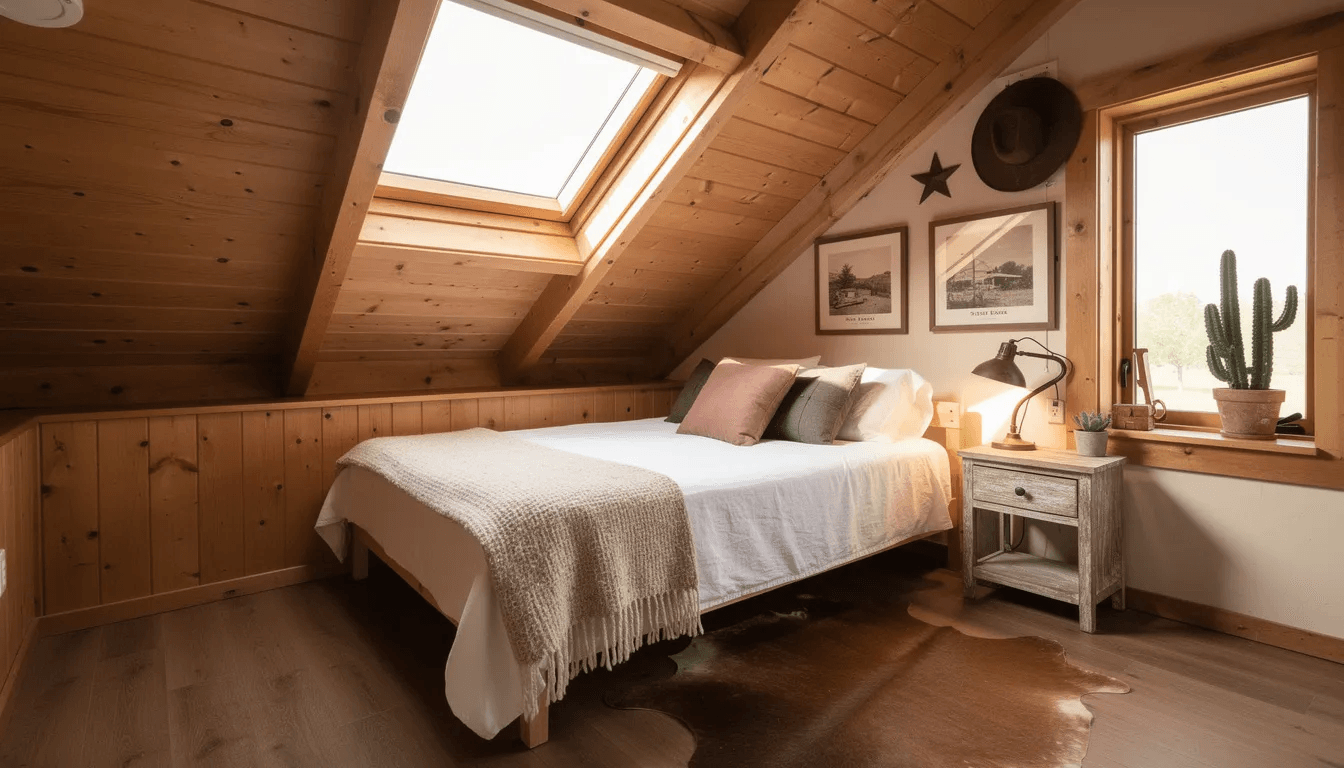
Texans often personalize tiny homes for specific purposes—lakeside retreats, Hill Country vacation rentals, family guest suites, or full-time ranch living. The design process balances creativity with practical constraints and helps clarify whether a tiny house for sale is truly right for you.
- Layout choices include ground-floor bedrooms (better for accessibility and aging in place) versus lofts reached by stairs or ladders, open-concept living areas that feel spacious, dedicated office nooks for remote work, and bathroom configurations from compact wet baths to full-size fixtures, all of which should be reflected in tiny house plans that fit your life.
- Texas-style finishes popular among customers include shiplap accent walls, wood-plank ceilings, quartz or butcher-block countertops, exposed rustic beams, and standing-seam metal roofs that handle Texas storms and shed heat.
- Functional upgrades maximize limited space: storage stairs with drawers in each step, built-in wardrobes replacing standalone furniture, under-bed storage systems, and outdoor kitchens that extend living space during mild weather months.
- Climate-focused features prove essential in Texas—energy-efficient windows with low-E coatings, properly sized mini-split HVAC systems, shade structures or wide roof overhangs, and potentially solar panels paired with battery storage for rural sites off-grid or seeking energy independence.
- Typical customization process: Initial design consultation (some designers charge hourly fees for extensive changes), floor plan approval, selection of colors, flooring, and fixtures, deposit payment (often 10%), then a build timeline of approximately 60 days from final design approval to delivery for many Texas manufacturers.
Trying Tiny Living Before You Commit
Test-driving tiny living in Texas before making a major purchase helps you discover whether this lifestyle genuinely matches your specific needs.
- Book a rental stay at Texas tiny home properties: lakeside units near Daingerfield, Hill Country cottages around Fredericksburg, East Texas forest cabins, or beach-adjacent tiny homes near the Gulf Coast. Watch how you actually use the space over several days.
- Tour model homes offered by builders around DFW, Houston, or San Antonio. Experiencing actual dimensions, loft heights, bathroom sizes, and storage solutions in person reveals what works for your body and habits.
- Keep detailed notes during stays and tours. Note whether stairs or a ladder to the loft feels sustainable long-term, whether the bathroom provides adequate space, if the kitchen allows real cooking, and how storage capacity matches your belongings.
- Explore directories listing Texas-based tiny home rentals and model tour availability. Many builders maintain units specifically for overnight experiences, sometimes applying rental fees toward purchase deposits.
Is Tiny House Living in Texas Right for You?
Before committing to the tiny home lifestyle, honest self-assessment prevents expensive regrets. Consider your long-term goals: Are you seeking financial freedom, geographic flexibility, connection to land, or simply a simpler way of living?
Key personal questions to answer:
- Can you genuinely downsize possessions to fit 200–400 square feet?
- If living with a partner or family, can relationships thrive in close quarters without private retreat spaces?
- Do you need quiet workspace for remote work, and can the layout accommodate that?
- Are you comfortable with ongoing maintenance responsibilities that come with any home ownership?
Legal and practical considerations:
- Does your target location accept tiny homes under current zoning?
- Can you access utilities (water, sewer/septic, electricity) at your intended site?
- Will this be a primary residence, guest suite, or income-producing rental investment?
Balanced perspective:
Pros | Cons |
|---|---|
Lower purchase price and ongoing costs | Limited storage and living space |
Potential for mortgage-free ownership | Zoning restrictions in many Texas cities |
Flexibility to relocate (THOWs) | Financing can be more complex |
Reduced environmental footprint | Resale market less established |
Forces intentional, simplified living | Social stigma in some communities |
Recommended next steps: |
- Build a realistic budget including all costs beyond the structure itself
- Research 2–3 specific Texas locations and verify local zoning acceptance
- Consider starting with a tiny home rental on your property or booking extended stays before full commitment
- Contact builders for pricing on models matching your vision
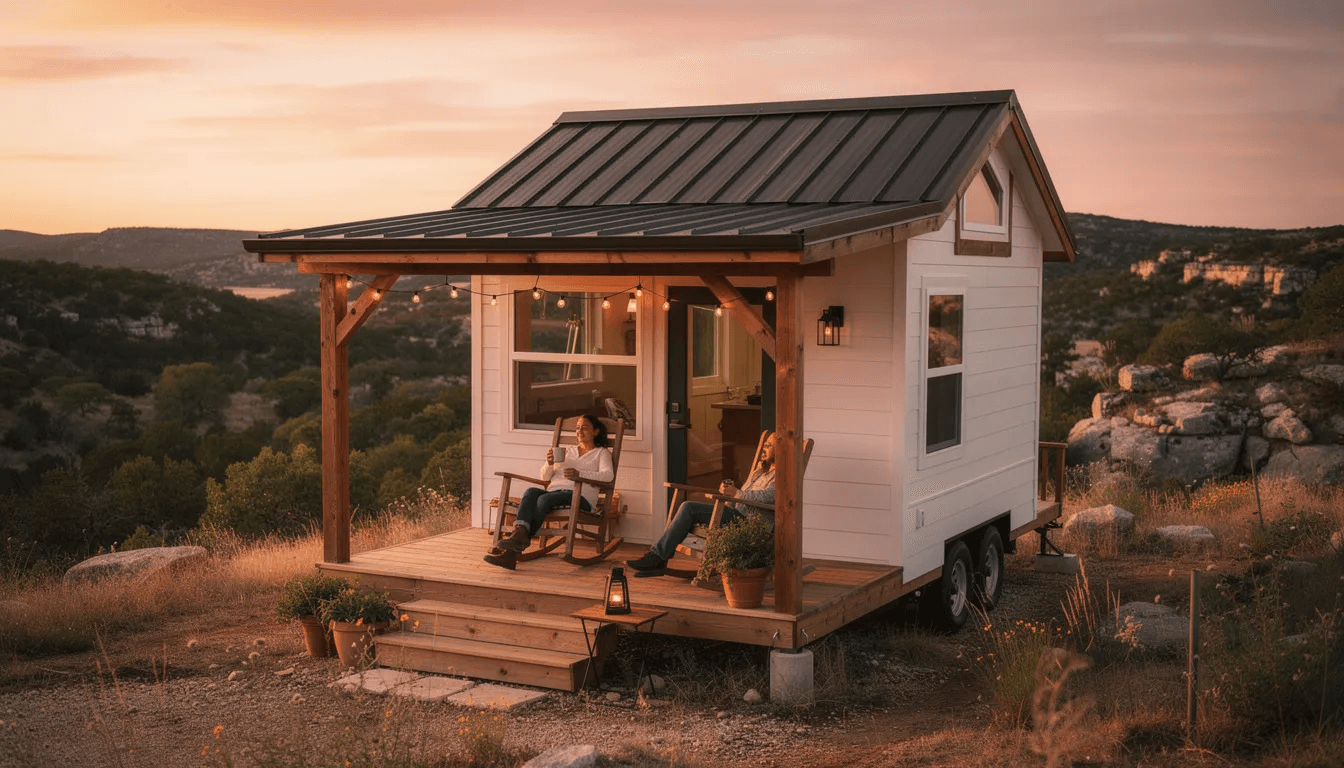
Tiny homes of Texas offer a genuine path toward living big through intentional simplicity. Whether you’re drawn to a weekend Hill Country escape, a full-time downsized residence, or a creative investment property, the options across this state continue expanding. The right place exists—you just need to discover it.
Your next move: research your target area’s regulations, tour a few models, talk to builders about customizable options, and start sketching out what your dream space actually looks like. Texas has room for those seeking freedom from oversized mortgages and overcrowded lifestyles. The tiny home village, rural acreage, or lakeside site waiting for you might be closer than you think.