The tiny house movement has grown up. What started as a minimalist design experiment is now a legitimate investment opportunity for real estate investors seeking high returns on modest capital.
Key Takeaways
Tiny house Airbnb rental investment offers compelling returns for the right investor. Here’s what matters:
- Investing in tiny houses for Airbnb rentals can yield an average monthly income of $2,200, with a cash-on-cash return of 32% achievable in strong short-term rental markets
- A 260 sq ft tiny house in Tennessee renting for $175/night with ~70% occupancy can generate $31,900+ net income annually
- The typical payback period for a factory-direct Airbnb tiny house unit is around 3 to 4 years
- Investing in tiny homes typically requires a lower upfront investment compared to traditional real estate, with prices ranging from $15,000 to $80,000
- Best suited for: land owners, hobby investors comfortable with hospitality, and developers building micro-resorts
- Why Tiny House Airbnb Rentals Are Hot in 2026
- What Counts as a “Tiny House” for Airbnb Investment?
- Real Numbers: Tiny House Airbnb Income & ROI Examples
- The Pros and Cons of Tiny House Airbnb Investment
- Choosing the Right Location for Your Tiny House Airbnb
- Designing a Tiny House Guests Will Actually Book
- Financing Your Tiny House Airbnb: From Cash to Personal Loans
- Setting Up and Operating Your Tiny House Airbnb
- Risk Management, Insurance, and Legal Essentials
- Scaling from One Tiny House to a Micro-Resort
- Is a Tiny House Airbnb Rental Right for You?
- Frequently Asked Questions
- How much does it cost to start a tiny house Airbnb in 2026?
- Can I finance a tiny house Airbnb with a traditional mortgage?
- Do I need to live on the property to host a tiny house on Airbnb?
- How many nights per month should I realistically expect to book?
- Are tiny house Airbnbs considered real estate for tax purposes?
Why Tiny House Airbnb Rentals Are Hot in 2026
Post-2020 travel trends changed everything. Travelers want unique, Instagram-worthy stays. They’re tired of cookie-cutter hotels. High demand for “experience-driven” rentals has exploded.
Meanwhile, traditional home prices keep climbing. The median U.S. home now exceeds $420,000. Conventional rental properties require serious capital. But a tiny home on a single acre? That’s a different story.
Tiny homes are in high demand, with over 14,000 listings on Airbnb, making them a potentially lucrative investment for real estate investors. From 2020 to 2025, unique stays on Airbnb grew over 300%. States like Texas, Tennessee, and Colorado lead the charge. The Smoky Mountains alone host over 1,200 tiny house listings achieving 65-75% occupancy during peak seasons.
The initial investment for a tiny house ($45,000–$110,000 all-in) contrasts sharply with $350,000+ for conventional vacation rentals. This article walks through the real numbers, locations, financing, and practical steps to launch your tiny house Airbnb.
What Counts as a “Tiny House” for Airbnb Investment?
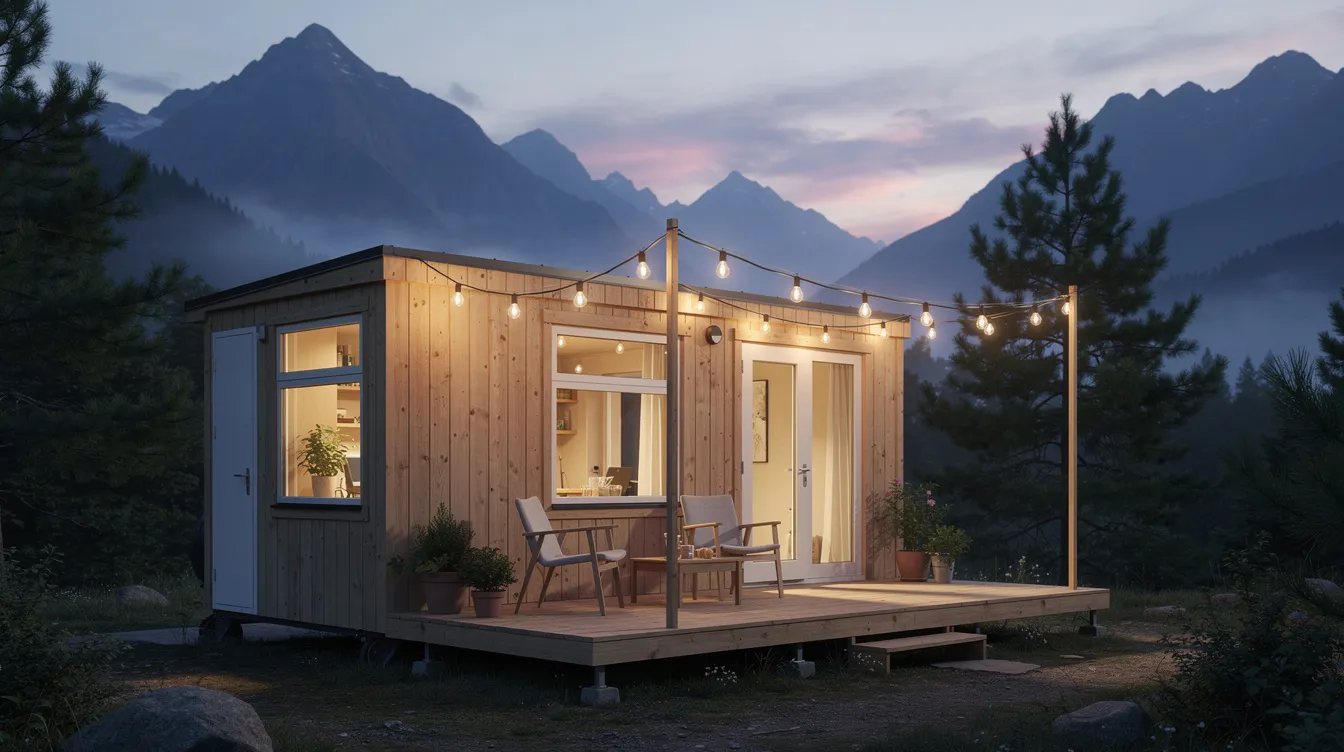
Tiny houses typically range from 120–450 square feet. Most fall into two categories:
- Tiny house on wheels (THOW): Treated as personal property, similar to an RV
- Fixed tiny home: Built on a permanent foundation, classified more like traditional real estate
Common investor layouts include:
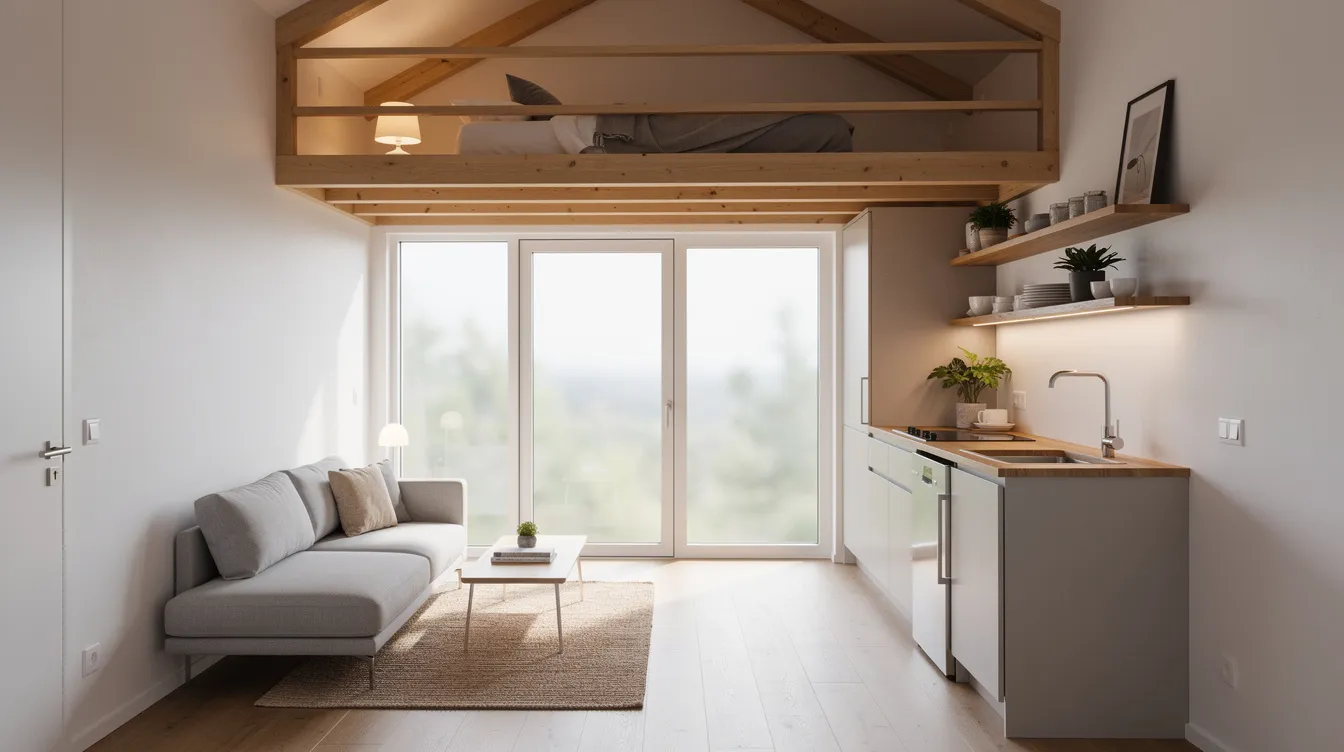
- Studio with loft queen bed (240 sq ft Scandinavian-style with kitchenette)
- One-bedroom with ground-floor queen and large deck
- Paired units for couples’ retreats or family getaways, which also appeal to people exploring the world of tiny houses
This classification affects everything downstream. THOWs often avoid hefty property taxes but complicate traditional financing. Fixed units face stricter building codes but may qualify for ADU-specific loans in progressive states.
Real Numbers: Tiny House Airbnb Income & ROI Examples
Investors need real numbers, not hype. Here are concrete 2026 case studies:
Example 1: Smoky Mountains, Tennessee | Metric | Value | |——–|——-| | Unit Size | 260 sq ft THOW | | Average Daily Rate | $185/night | | Annual Occupancy | 68% (~248 nights) | | Gross Revenue | $45,900 | | Annual Expenses | $14,000 | | Net Income | $31,900 | | All-In Cost | $78,000 | | Cash-on-Cash ROI | 41% | | Payback Period | 2.4 years |
Example 2: Central Texas Lake Property | Metric | Value | |——–|——-| | Unit Size | 300 sq ft fixed | | Average Daily Rate | $145/night | | Annual Occupancy | 60% (~219 nights) | | Gross Revenue | $31,800 | | Annual Expenses | $11,500 | | Net Income | $20,300 | | All-In Cost | $63,000 | | Cash-on-Cash ROI | 32% | | Payback Period | 3.1 years |
Tiny homes can generate a net income of approximately $19,200 annually, translating to a cash-on-cash return near 36.9% based on a case study from Athens, Texas.
ROI Formula: (Annual Net Income ÷ Total Investment) × 100
Note: Many investors don’t account for their own labor. Hands-on management boosts returns, but your time has value too.
The Pros and Cons of Tiny House Airbnb Investment
Even great numbers don’t eliminate risk. Here’s the honest breakdown:
Pros:
- Low entry price compared with full-size vacation rental properties
- Strong guest demand for unique, affordable accommodations
- High revenue per square foot and ability to cluster multiple units on one parcel
- Flexibility to relocate THOW units if market conditions change
- Potential tax advantages including Section 179 depreciation for business-use THOWs
Cons:
- Zoning and STR regulation risk that can restrict renting in certain neighborhoods
- One of the main challenges of investing in tiny homes is securing appropriate financing, as traditional home loans may not accommodate the smaller amounts needed
- Higher wear-and-tear from vacation guests on compact systems
- Seasonality causing income swings (90% winter drops in some mountain markets)
- Resale and liquidity challenges requiring niche buyers
Decide whether you want a hands-on micro-hospitality venture or passive real estate. Tiny house investing leans toward the former.
Choosing the Right Location for Your Tiny House Airbnb
Location is critical for any Airbnb rental, and choosing a desirable area can significantly impact occupancy rates and rental income. The perfect home in a bad location will underperform.
Proven location types:
- Nature gateways within 1–3 hours of major cities (Atlanta → North Georgia, Dallas → East Texas)
- Established vacation regions (Smoky Mountains, Hill Country, coastal Oregon)
- ADU-friendly urban areas that explicitly allow short term rentals
- Agritourism properties pairing tiny homes with farm or vineyard experiences
Research checklist:
- Airbnb occupancy rates and ADR for existing tiny houses in the area
- Local tourism trends, annual events, and factors driving bookings
- County vs. city STR rules (example: Buncombe County, NC allows non-owner STRs with permits while Asheville caps at 4 days for non-residents)
Account for land cost ($5k–$20k/acre rural vs. $50k+ suburban) and utilities (well, septic, power, internet) in your budget, especially in strong markets like little houses in Texas.
Designing a Tiny House Guests Will Actually Book
In 2026’s saturated market, generic listings underperform. High-quality design and attention to detail in tiny homes can attract guests and justify higher nightly rates, contributing to overall rental success, especially when you draw on top tiny house designs for modern living.
Design priorities:
- Sleeping comfort: real queen or king bed, quality mattress, climate control informed by tiny house interiors that maximize every square foot
- Functional layout: clear zones for sleep, cook, and relax
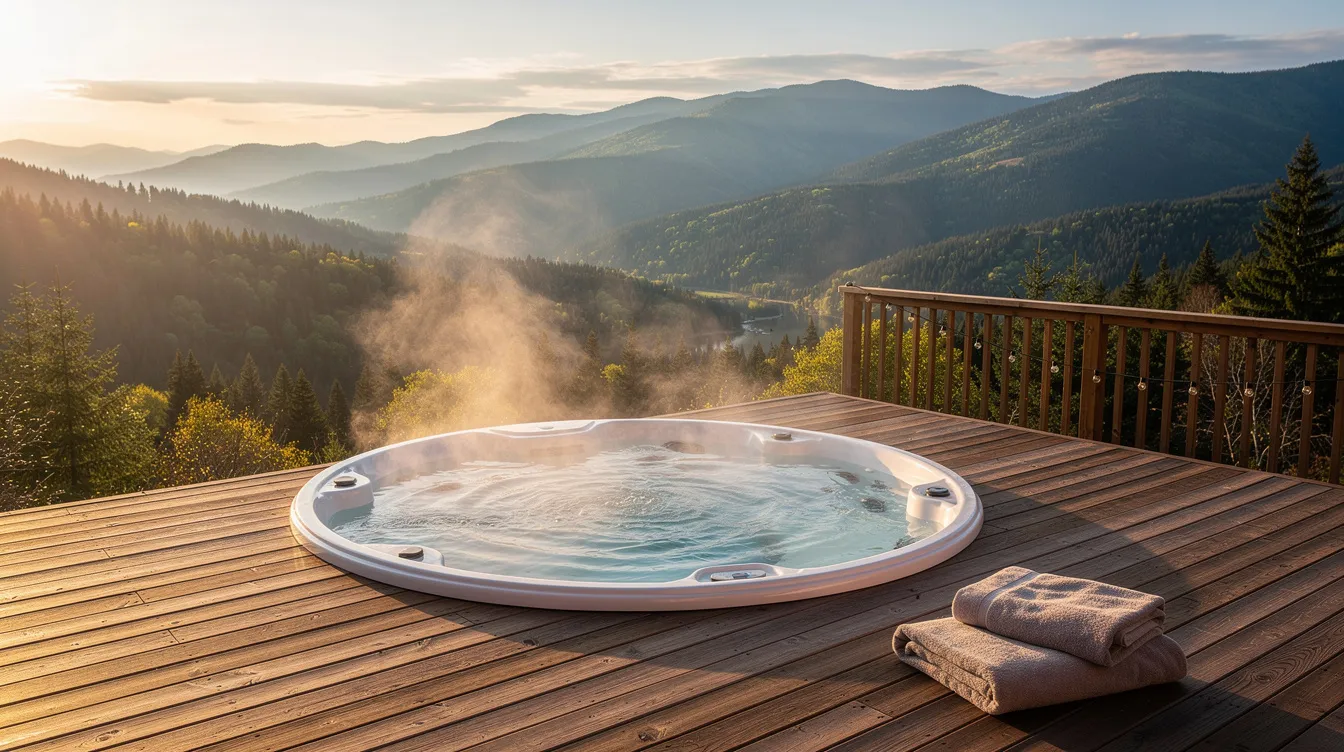
- Standout feature: hot tub (boosts occupancy 15%), firepit, or panoramic windows inspired by elegant tiny homes that redefine modern living
- Outdoor living: deck with seating, string lights, small grill, echoing the clean lines of modernist tiny house designs
- Year-round capability: mini-split HVAC, proper insulation, winterized plumbing
- Guest-ready touches: reliable Wi-Fi, coffee station, smart lock for self-check-in, and cozy details reminiscent of Swedish tiny houses for cozy living
Investing in unique amenities can enhance the guest experience, leading to positive reviews and repeat bookings, which are essential for success in the Airbnb market, particularly if your units draw inspiration from cute tiny house designs for your dream home.
Consider accessibility: at least one unit with no loft and wider doors serves travelers who can’t climb ladders, including retirees. Premium finishes (tile shower, quartz counters, LVP floors) support luxury pricing and can mirror the best ideas from great tiny homes that redefine small space living.
Financing Your Tiny House Airbnb: From Cash to Personal Loans
Tiny homes rarely qualify for conventional 30-year mortgages. Investors must explore alternative routes.
Financing options:
- Cash and savings: Fastest approach with zero interest cost, ideal for units under $80,000
- HELOC: Many investors opt for cash purchases or home equity lines of credit to avoid interest expenses, which can provide a clearer return on investment picture when evaluating whether a tiny house for sale is right for you
- RV/THOW loans: Tiny houses on wheels that meet ANSI A119.5 certification can qualify for RV-style personal property loans through specialty lenders and some credit unions (7.5–12% APR, 10–20 year terms)
- Personal loans and business loans: Unsecured personal loans work for smaller projects; LLC credit lines suit multi-unit investors
Example: A $70,000 tiny house financed at 10% over 10 years creates ~$926/month payments. If generating $2,200/month net income, you’re cash-flow positive from day one.
Some states offer below-market financing options for accessory dwelling unit projects, particularly where housing policies encourage increased density. Consult a tax professional about holding personally vs. in an LLC.
Setting Up and Operating Your Tiny House Airbnb
The process breaks into phases: permits and setup, listing and launch, ongoing management.
Setup steps:
- Confirm zoning, building codes, and STR rules before ordering your unit
- Plan site infrastructure: driveway, parking, septic or composting toilet, water, power, internet
- Coordinate delivery, leveling, tie-downs, and outdoor features like decks
- Furnish with durable, guest-proof items suited to your target audience
Operations:
- Cleaning and turnover: self-managed or local cleaners with detailed checklists
- Security: smart locks, noise monitoring tools, exterior lighting
- Schedule and pricing: use platform tools like PriceLabs; consider a direct booking website to reduce fees
Strong listings need professional photos showcasing outdoor features and unique details. Write honest descriptions—mention the loft stairs aren’t for everyone.
Risk Management, Insurance, and Legal Essentials
Every Airbnb host operates a real business with liability exposure. Protect your investment.
Protection steps:
- Short-term rental insurance covering guest injuries, property damage, and income loss ($1,500–$3,000/year)
- Proper licensing and STR registration at city and county levels
- House manual clarifying hot tub use, firepit safety, quiet hours, and maximum occupancy
- Security deposits and damage claims procedures through platforms
Example: San Diego requires owner residency for ADU rentals. Rural Tennessee counties often have no such restrictions. Verify before investing money.
Scaling from One Tiny House to a Micro-Resort
Many investors start with one unit, then expand as cash flow proves the concept.
Multi-unit benefits:
- Higher total income from shared land and infrastructure
- Host larger groups while offering private accommodations
- Operational efficiencies in cleaning, maintenance, and marketing
Scaling considerations:
- More robust booking systems; possibly a management partner
- Branding the property with name, logo, and direct booking website
- Negotiate better pricing on additional prefab units
Simple math: Three tiny homes each netting $2,000/month generate $72,000 annual net income on one property. Plan infrastructure (parking, septic capacity, shared amenities) for scale from day one.
Is a Tiny House Airbnb Rental Right for You?
Tiny house Airbnb investing isn’t for everyone. It works best if:
- You already own land or a large backyard in a desirable area
- You’re excited about hands-on hospitality or willing to hire managing help
- You have access to capital via savings, HELOC, or personal loans
- You enjoy design and guest experience enough to differentiate your listing
Run conservative projections using real numbers from your target market before ordering. Expect 60% occupancy, not 80%.
Tiny houses are now a maturing niche within real estate and hospitality—not just a social media idea. Disciplined investors who explore this space can build meaningful income streams in 2026 and beyond.
Frequently Asked Questions
How much does it cost to start a tiny house Airbnb in 2026?
Typical all-in costs range from $45,000–$110,000 for a single turnkey unit. This includes the tiny house, delivery, site work, utilities hookups, and furnishings. Costs drop if you own land with existing infrastructure. DIY builds can save money but add complexity and risk.
Can I finance a tiny house Airbnb with a traditional mortgage?
Most lenders don’t treat movable tiny houses as conventional real estate. Traditional 30-year mortgages are rare. Financing options for tiny house investments include cash purchases, RV loans, personal loans, and ADU-specific financing, depending on the structure and use case. Speak with lenders familiar with tiny homes in your state.
Do I need to live on the property to host a tiny house on Airbnb?
Requirements vary by jurisdiction. Some cities require “host-occupied” properties for short-term rentals. Rural counties often have no residency requirements. Asheville, NC requires residency; Sevier County, TN does not. Always verify current STR rules before investing.
How many nights per month should I realistically expect to book?
Occupancy depends on location, seasonality, and quality. Successful rural tiny homes average 50–70% annual occupancy (15–21 nights monthly). Peak season months run higher. Underwrite deals at moderate assumptions—60% occupancy—not best-case scenarios.
Are tiny house Airbnbs considered real estate for tax purposes?
Tax treatment depends on construction and title. A tiny home on a permanent foundation is treated similarly to residential real estate. A tiny house on wheels may be classified as personal property. This affects depreciation, property taxes, and loan options. Consult a CPA familiar with short-term rentals before making decisions.