The tiny house movement has evolved beyond a lifestyle trend. It’s now a legitimate investment strategy. With nightly rates between $120 and $300 depending on location and amenities, tiny homes present serious income potential for investors willing to do the homework.
Key Takeaways
Tiny houses can generate strong rental income with lower upfront costs than traditional property investments. A well-positioned tiny home on Airbnb can earn around $3,300 per month if booked for 22 nights at an average rate of $150 per night.
- Tiny homes work best as short term rentals and vacation rentals on existing land near nature attractions, national parks, or major cities where many travelers seek unique stays.
- Investors must research zoning laws, building codes, and local regulations first. These rules can make or break your tiny home rental strategy.
- Well-designed tiny houses with luxurious amenities and professional photography typically achieve higher occupancy and nightly rates than basic builds.
- With a well-managed rental strategy, owners can potentially recoup their initial investment in 4-5 years, especially in high demand areas.
- Payback periods of 4–6 years are realistic when combining smart financing options and optimized pricing strategies.
- Why Tiny Houses Still Work as Rental Property in 2026
- What Counts as a Tiny House Rental?
- Tiny Houses as Rental Investments: Short Term vs Long Term
- The Real Numbers: What You Can Earn from a Tiny Home
- Costs, Financing Options, and Building vs Buying
- Legal, Zoning, and Regulatory Considerations
- Designing a Tiny Home That Maximizes Rental Income
- Marketing Your Tiny House: From Listings to Brand
- Operations and Automation for Tiny Home Rentals
- Is a Tiny House Rental Property Right for You?
- FAQ
Why Tiny Houses Still Work as Rental Property in 2026
Despite higher interest rates around 6-7% and stricter STR rules in many U.S. cities, tiny houses remain attractive as investment property. The math is simple: a quality tiny house costs $90,000–$180,000 to build or buy in 2026. Compare that to $400,000+ for a conventional single-family rental in most markets.
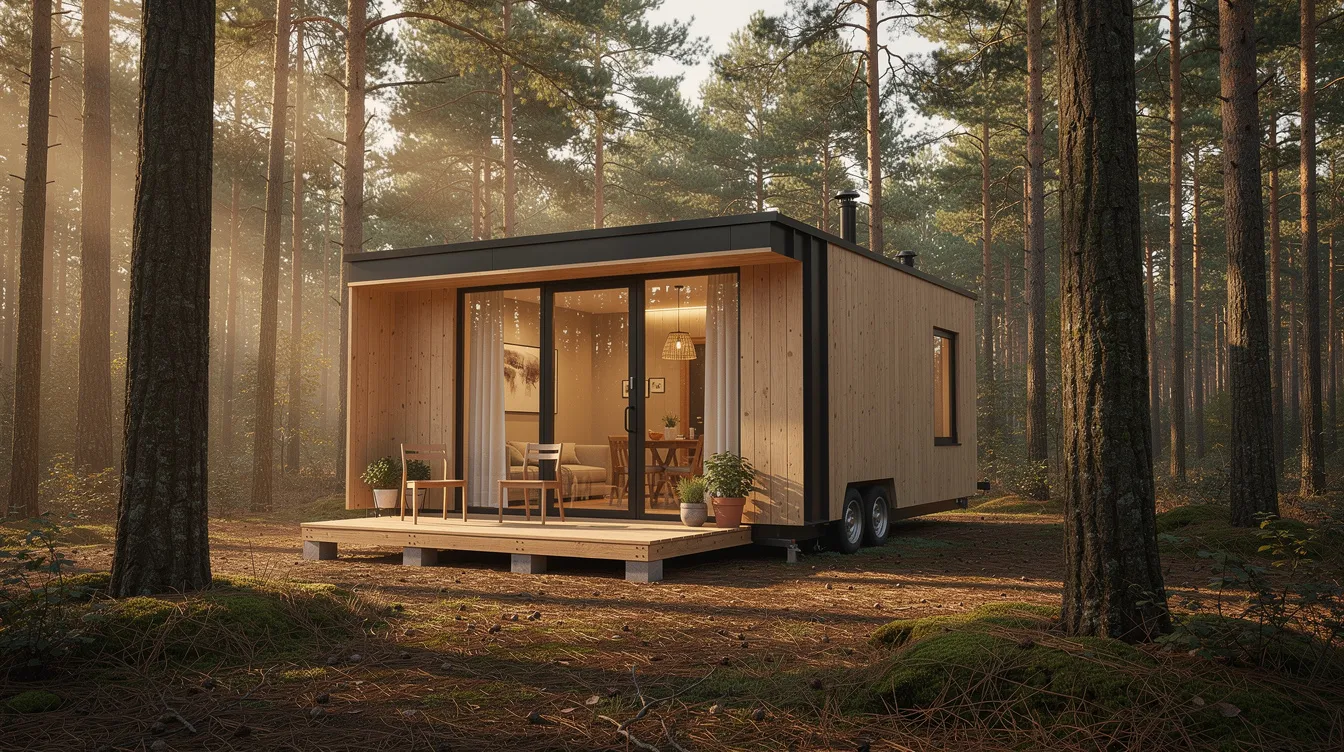
Traveler demand for experience-first stays continues growing. Booking.com’s 2026 forecast predicts 35% growth in “nature retreat” searches. Off-grid cabins, forest tiny homes, and design-forward small spaces near national parks attract guests willing to pay premium rates, similar to the best tiny house nature retreats that consistently sell out.
Operational advantages of tiny home investments:
- Utilities run $150-300/month versus $600+ for full-size vacation homes
- Cleaning costs 40-50% lower at $75-120 per turnover
- Maintenance expenses roughly 30% cheaper than larger properties
- Roof repairs and HVAC work cost less due to compact footprint
Tiny homes work particularly well as supplemental income on an owner’s primary residence lot, family land, or small rural parcels within 60–90 minutes of a major city, especially if you can position them as mountain tiny house getaways or other destination-style retreats.
What Counts as a Tiny House Rental?
Clarity matters for zoning, insurance, and financing purposes. Tiny homes are typically designed to be between 100 and 400 square feet, emphasizing efficient use of space and amenities like a bathroom and kitchen area to enhance livability.
Most tiny homes used as rentals fall between 150–600 square feet. Very small cabins under 150 sq ft often lack the amenities guests expect, while more minimalist tiny houses for sustainable living typically stay within the 100–400 square foot range.
Key distinctions:
- Tiny houses on wheels (THOW): Treated as personal property for titling but face zoning hurdles in 60% of counties
- Foundation models: Qualify as accessory dwelling unit builds under the 2024 International Residential Code, adopted by 25 states
For a viable rental property, your tiny home needs a real bathroom, kitchen or kitchenette, climate control where required, and safe sleeping with egress windows.
Tiny Houses as Rental Investments: Short Term vs Long Term
Tiny homes can work as both short term rentals and long term rentals. But income profiles differ significantly.
Short term rentals target couples, solo travelers, and remote workers seeking unique stays on platforms like Airbnb and Vrbo. Nightly rates of $120–$250 are common in desirable locations.
Long term rentals appeal to students, singles, and downsizers wanting affordable, move-in-ready housing with 6–12+ month leases around $900–$1,400/month.
Short term rentals usually generate 2-3x higher gross rental income but also carry higher cleaning costs, platform fees (15-20%), and management demands of 20-30 hours monthly. Long term setups offer lower vacancy but capped upside.
A hybrid strategy works well in seasonal markets: long-term winter tenant plus high-priced summer vacation rentals in lake, ski, or coastal locations.
The Real Numbers: What You Can Earn from a Tiny Home
Earnings vary by location, design, and management. But investors should model realistic scenarios before putting money down.
Short term rental example: A $150,000 turnkey tiny house near a national park renting for $175/night at 20 nights per month (about 67% occupancy) generates $3,500 gross monthly rental income.
Typical expenses include:
- Cleaning: $6,000 annually ($100 per turnover)
- Utilities and insurance: $3,600
- Property taxes: $4,000 (1-2% assessed value)
- Platform fees: $6,300 (15% of gross)
- Maintenance reserves: $3,000
This leaves roughly $19,000 net annually—a 12.7% cash-on-cash return with 4.5-year payback if land is already owned. Tools like a dedicated tiny home cost calculator can help you validate similar projections for your own project.
Long term rental contrast: A 280 sq ft tiny home rental leased for $1,100/month on a backyard lot grosses $13,200 annually. With minimal turnover costs, net income reaches $11,200—about 9% return on a $125,000 investment.
Costs, Financing Options, and Building vs Buying
Financing tiny homes is more complex than standard real estate. Total project cost extends beyond the structure itself.
Primary cost categories:
- Purchase/build price: $80,000–$150,000
- Land or pad cost: $5,000–$20,000
- Utility hookups and site prep: $10,000–$30,000
- Permits and fees: $2,000–$10,000
- Furnishings: $10,000–$20,000
- Contingency: 10% of total
Common financing options:
- RV loans for THOWs: 7-12% rates, up to 15 years
- Construction loans for foundation builds: 6.5-8%
- HELOCs on existing property: 8-9%
- Cash plus smaller credit lines
Many tiny homes still don’t qualify for conventional 30-year mortgages, especially if on wheels. Financing options for tiny homes can be limited, as some lenders may not recognize unconventional structures as viable properties for loans, making it essential to have a solid business plan. Some tiny home properties may be undervalued by appraisers, particularly if they lack a permanent plot of land.
Custom builds align better with target guests and branding. Ready-made units save time and often include built-in furniture, and many affordable tiny house buildings and designs are specifically created to work as rentals or ADUs.
Legal, Zoning, and Regulatory Considerations
Ignoring zoning and short term rental rules is one of the most common—and expensive—mistakes tiny homeowners make. Tiny homes often exist in a legal gray area, as there are not many established rules and regulations, which can lead to potential future challenges in operating a tiny home rental business.
Zoning laws for tiny homes vary significantly by jurisdiction, with some areas embracing tiny homes and accessory dwelling units while others impose strict regulations. Over 500 U.S. jurisdictions adopted ADU-friendly codes between 2022–2026, but 70% still ban standalone THOWs without foundations.
Short term rental regulations—licensing, caps, tax collection, primary-residence requirements—can significantly impact rental income potential. Cities like Austin and Nashville imposed caps on non-owner-occupied STRs by 2024, reducing viability by up to 40% in saturated markets.
It’s essential to consult local zoning officials to understand the rules and regulations governing both short-term rentals and tiny houses before setting up a rental property. Verify building codes, permitting processes, parking requirements, septic rules, and occupancy limits.
Designing a Tiny Home That Maximizes Rental Income
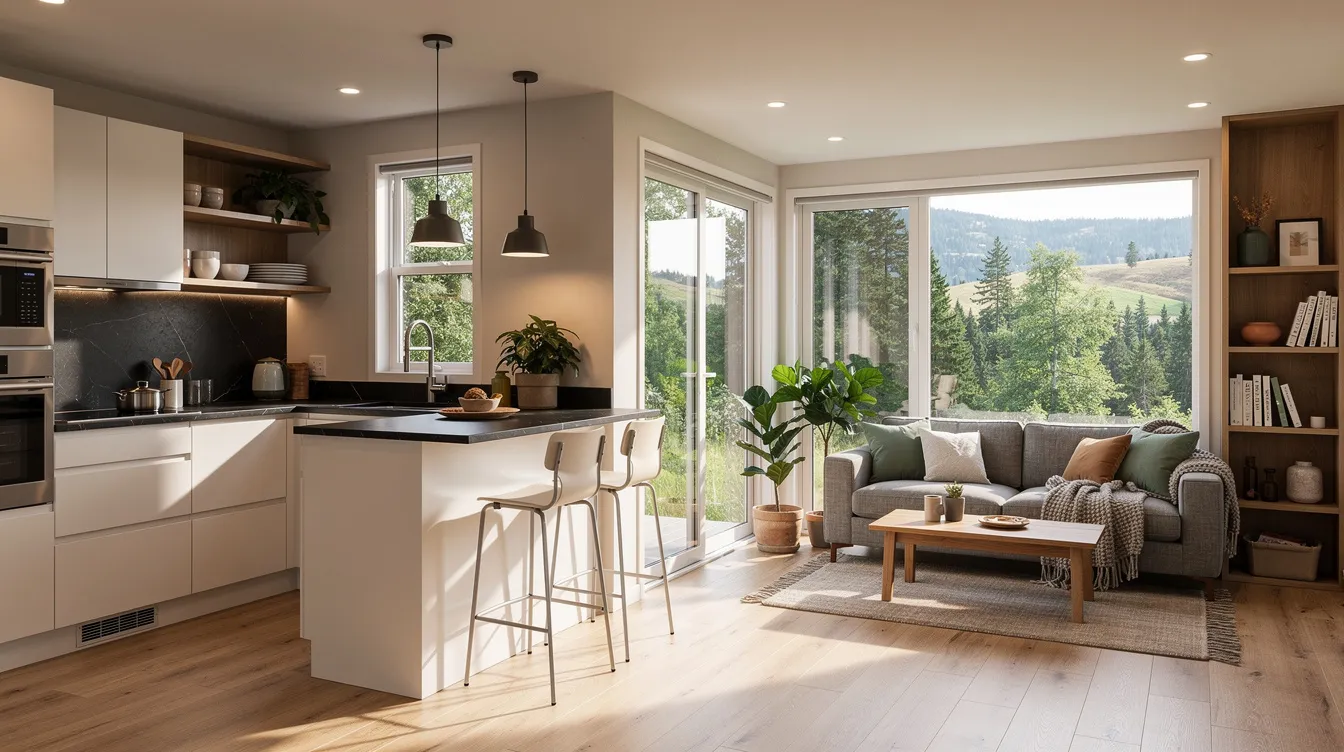
Thoughtful design justifies higher nightly rates and better reviews. Looking at top tiny house designs for modern living can spark ideas for layouts and finishes that guests will pay more for. Smart design features such as full-size appliances, clever storage solutions, and spa-like bathrooms can significantly enhance guest satisfaction and drive positive reviews for tiny home rentals.
Include “big house” comforts:
- Quality queen mattress in loft
- Mini-split HVAC for 4-season use
- Strong Wi-Fi for remote workers
- Real shower with good water pressure
Elegant tiny homes that redefine modern living often showcase the same visual principles that perform best in rental listings.
Layout features that photograph well:
- Large-pane windows adding perceived space
- Loft with stairs instead of steep ladder
- Open-plan living with distinct zones
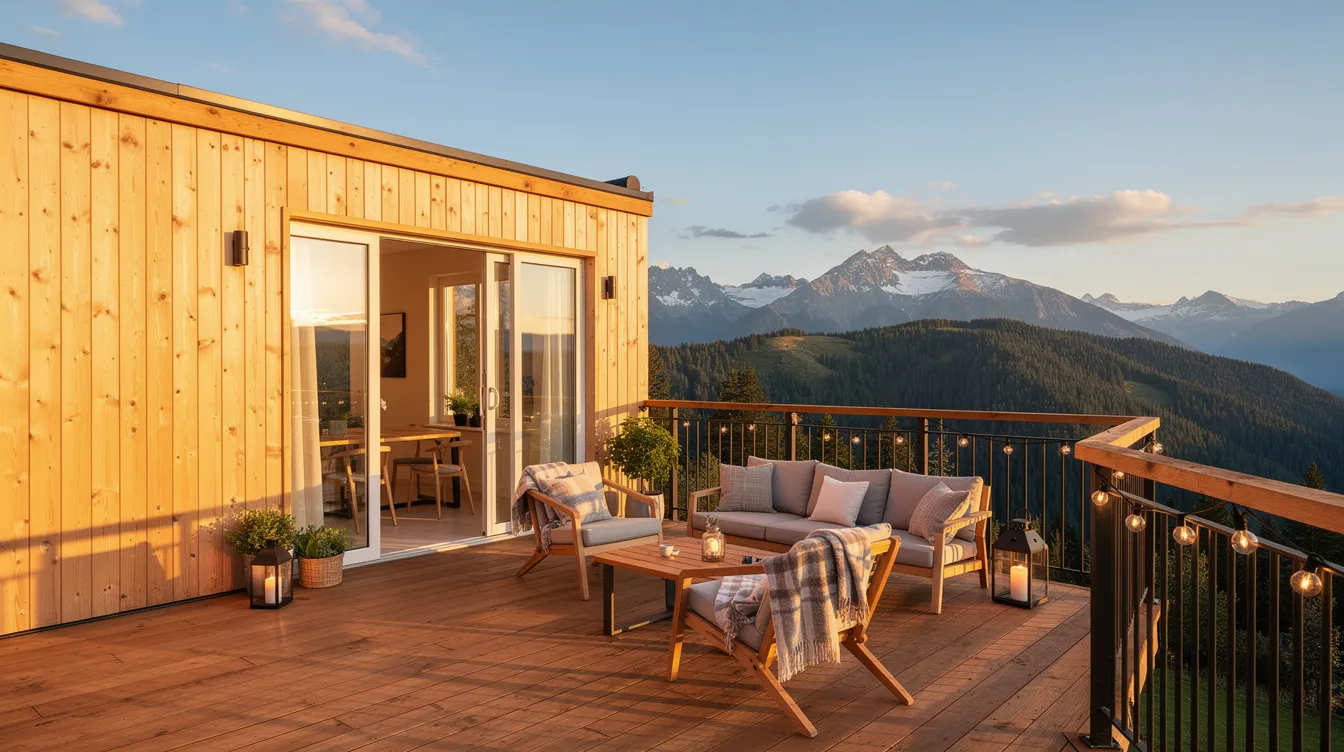
Incorporating luxury amenities, such as a four-burner gas stove, fireplace, and comfortable outdoor spaces, can make tiny homes more appealing to potential guests and help them stand out in competitive rental markets. Many cute tiny house designs for your dream home combine these touches with strong curb appeal that photographs well. Outdoor decks and hot tubs can lift nightly rates 30-50% in scenic locations.
Neutral palette, layered lighting, and creative clutter-free storage solutions make guests feel at home in a small space, just like many of the great tiny homes that redefine small space living demonstrated by experienced designers.
Marketing Your Tiny House: From Listings to Brand
Even the best tiny home won’t earn well if travelers never see it. Marketing is as critical as construction.
Marketing your tiny home rental on multiple platforms, such as Airbnb, VRBO, and your own website, can help you reach a broader audience and increase bookings. This diversifies demand and reduces reliance on one channel, and many guides exploring the world of tiny houses emphasize how critical this visibility is.
High-quality, professional photographs of your tiny home can significantly enhance your online listing and attract more guests by showcasing the unique features and experiences it offers. Professional photography boosts booking rates by 40% per host studies.
Creating a strong brand identity, including a unique story and visual elements, can help your tiny home rental stand out in a competitive market. Develop a property name, visual style, and compelling narrative about the location.
Use Instagram, Facebook, and email lists to build a repeat-guest base. Promote off-season discounts and fill calendar gaps around local events. Dynamic pricing tools like PriceLabs can optimize rates 15-20% above static pricing.
Operations and Automation for Tiny Home Rentals
Even a single tiny house is a real business. Efficient operations protect both rental income and guest experience.
Managing a tiny house vacation rental can be time-consuming and may take some time to turn a profit, especially if the initial investment is high or if the property is not well-planned.
Automate where possible:
- Self check-in with smart locks ($300 investment)
- Scheduled messaging for instructions and house rules
- Dynamic pricing tools adjusting rates automatically
Build a reliable local team: cleaners, handyman, and lawn or snow services. Tiny homes often require unique maintenance considerations, such as non-standard plumbing systems, which can be more time-consuming than managing a traditional vacation rental.
Set up standard supply lists and maintenance checklists for quick turnovers during peak season. Establish a separate business bank account and track all expenses. Consult a tax professional about depreciation—2026’s 100% bonus depreciation on furnishings offers significant tax advantages.
Is a Tiny House Rental Property Right for You?
Who tends to succeed with tiny house investment properties? Patient planners, detail-oriented hosts, and owners with suitable land or ADU potential.
Ideal scenarios:
- Homeowners adding a backyard tiny home for supplemental rental income
- Rural landowners near attractions turning unused acreage into a micro-resort
- New investors starting small before purchasing larger properties
Less ideal situations:
- Very strict zoning or HOA rules blocking development
- Locations with saturated short term rental markets and declining occupancy
- Owners unwilling to handle hospitality and guest communication
Run conservative income projections. Assume lower-than-hoped occupancy at first. If the numbers still work with 50% initial occupancy and 20% expense overruns, you have a solid plan.
Research local rules. Clarify your goals—cash flow versus lifestyle versus long-term ROI. Then decide whether owning a tiny house rental fits your investment portfolio.
FAQ
How much land do I need for a profitable tiny house rental?
Many profitable tiny homes sit on small pads as little as 1/10 to 1/4 acre as backyard ADUs or clustered pocket rentals. What matters more than total acreage is legal allowance, access, parking, views or privacy, and room for septic or sewer connections. Some investors place multiple tiny homes on 1–3 acre parcels, spaced to feel private while sharing infrastructure like driveways and utilities for 25% cost savings.
Do I need special insurance for a tiny house rental?
Standard homeowners insurance rarely covers short term rental activity or tiny houses on wheels. Owners typically need specific landlord or vacation rental policies costing $1,500-3,000 annually. THOWs may require a hybrid of RV coverage ($800/year) plus liability insurance tied to the land. Speak with insurers experienced in vacation rentals and tiny homes to ensure building, contents, and liability coverage.
Can I live in my tiny house part-time and rent it the rest of the year?
Many owners successfully use a mixed model: personal use in off-season and vacation rentals during peak months. Some cities actually require short term rentals to be an owner’s primary residence, which can favor this approach. Confirm local regulations and tax implications—personal use affects how expenses and depreciation are treated. IRS prorates deductions based on rental versus personal use percentage.
How long does it take to set up a tiny home as a rental?
A realistic timeline is 4–12 months from decision to first booking. This breaks down roughly to 2-4 months for design and permits, 1-3 months for build and site prep, and additional time for inspections and furnishing. Factor in possible delays from weather, backlogged inspectors (averaging 6 weeks), and supply chain issues when planning your launch date.
Are off-grid tiny home rentals a good idea?
Off-grid tiny houses with solar, composting toilets, and rainwater systems appeal to eco friendly adventure seekers—about 15% of the market. They work best in mild climates on scenic land when marketed clearly so guests understand expectations around water limits and power usage. Solar systems ($15,000) can achieve ROI in 5 years through $0 utility costs. Weigh savings against added complexity and potential for negative reviews from unprepared guests in cold climates.