
Key Takeaways
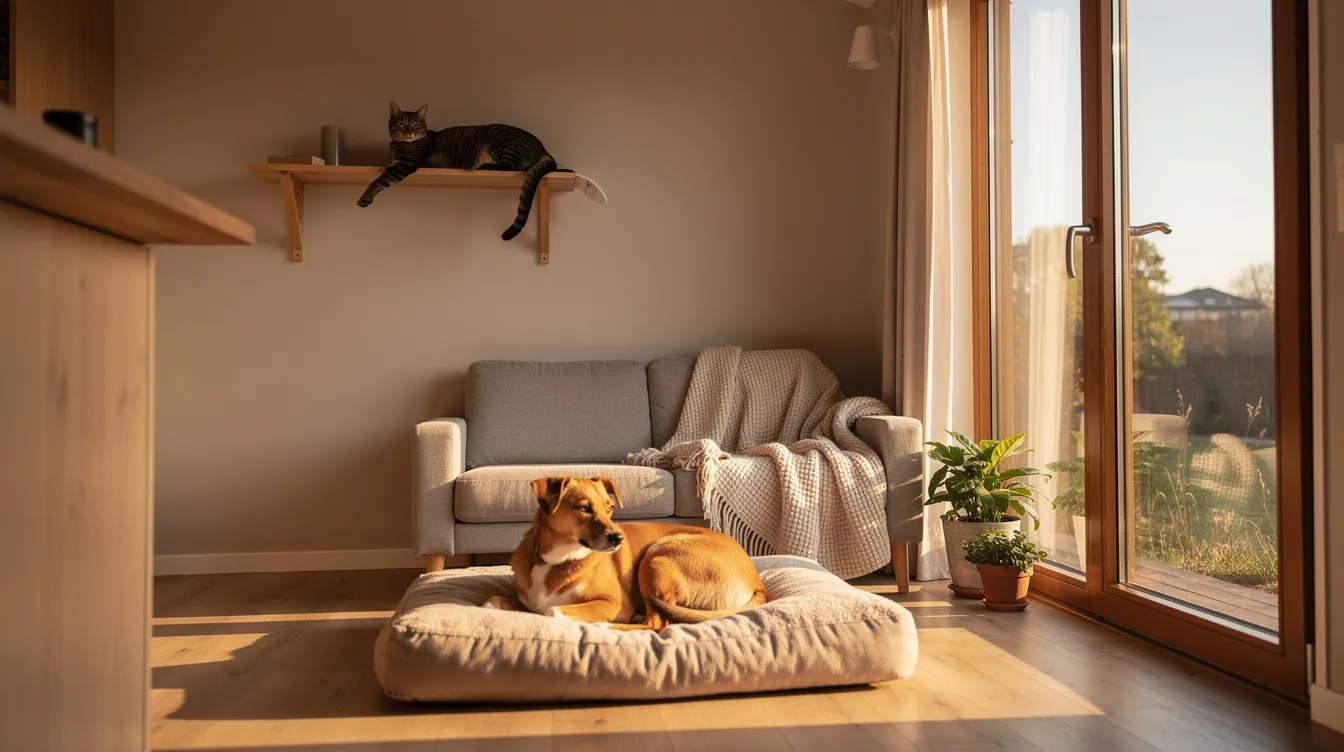
- Pets can thrive in a tiny house as long as they get enough outdoor exercise, mental stimulation, and a defined spot of their own indoors.
- Good design (storage stairs, loft safety, washable surfaces) matters more than square footage when living in a tiny home with dogs or cats.
- Nearby parks, trails, and dog parks effectively “expand” your small space and keep active pets happy.
- Different species and breeds have different needs—honestly evaluate whether your current pets suit tiny house living.
- This article covers concrete layout tips, cleaning strategies, and real-world examples like bathing a dog in a 36-inch shower and using stairs as litter box storage.
Introduction: Can Pets Really Thrive In A Tiny House?
Imagine a couple in a 240 square feet tiny home. Two Huskies curl up on sheepskin loft rugs. A cat watches birds from a window perch. Every night, the family heads outdoors for a 2-mile hike.
This isn’t fantasy. It’s real tiny home life.
A tiny house typically measures under 400 square feet. Some are on wheels. Others sit on permanent foundations. Either way, the question remains: can pets actually be happy in such limited space?
Here’s the truth. Pets are highly adaptable and can thrive in smaller spaces as long as their needs for companionship and activity are met, often requiring more outdoor time for exercise. Your pup doesn’t measure happiness in square feet. They care about routine, attention, and feeling safe.
Don’t worry. This article will walk you through design layouts, daily routines, species-specific advice, cleaning hacks, and how to find pet-friendly tiny home communities with nearby dog parks.
- Is Tiny House Living A Good Fit For Your Pet?
- Designing A Pet-Friendly Tiny House Layout
- Managing Vertical Space: Lofts, Stairs, And Catwalks
- Daily Life: Exercise, Enrichment, And Avoiding Cabin Fever
- Cleaning, Shedding, And Odor Control In A Small Space
- Bathing And Grooming Pets In A Tiny Home
- Other Pets In Tiny Houses: Beyond Dogs And Cats
- Expanding Your Small Space With The Outdoors
- Finding Pet-Friendly Tiny House Communities And Dog Parks
- When Tiny House Living With Pets Feels Too Small
- FAQs About Tiny House Living With Pets
- Do I need a certain minimum square footage to live in a tiny house with a dog?
- Can large-breed dogs really be happy in a tiny home?
- How do I keep my tiny house from smelling like a litter box or wet dog?
- Is it safe to leave my pet alone in a tiny house during hot or cold weather?
- What if my current pet really doesn’t adjust to tiny house living?
Is Tiny House Living A Good Fit For Your Pet?
Before you decide on living in a tiny house with your furry friend, ask yourself some honest questions.
Dogs: Energy Trumps Size
- Low-energy giants like Greyhounds adapt well. They need about 60 minutes of daily walking.
- High-drive breeds like Border Collies struggle. Studies show only 30% of young Border Collies thrive in under 300 square feet.
- Senior Labs (over 7 years) have a 65% success rate in small homes.
Cats: Think Vertical
- Cats need 1.5-2x their horizontal territory in vertical space.
- Indoor cats adapt well to small homes if they can climb and hide.
- A private litter box location is essential.
Other Animals
- Rabbits need 4×4 ft minimum enclosures.
- Guinea pigs require 7.5 sq ft per animal.
- Birds need cage placement away from kitchen fumes.
Questions to Ask Yourself:
- Can you commit to 30-90 minutes of daily walks?
- Are you home 6+ hours per day?
- Does your animal have behavior issues like separation anxiety or spraying?
Pets can adapt to living in smaller spaces, and their habits remain consistent regardless of the size of the home, as they primarily seek proximity to their owners.
Designing A Pet-Friendly Tiny House Layout
Good layout beats more room every time. Thoughtful tiny house floor plans that work for you make it easier to carve out safe zones, traffic lanes, and storage that suit both human and animal needs.
Create a Dedicated Pet Zone
Pick a specific area—under a window, beside the sofa, or at the end of the kitchen area. Add:
- A bed or crate
- Elevated food and water bowls (reduces spills by 70%)
- A toy basket
Storage Stairs That Work Double-Duty
Build stairs with 12-18 inch deep treads or pair them with the best ladder for a tiny house loft to keep upper levels accessible while preserving floor space. Add bi-fold doors to conceal:
- A 24-inch covered litter box (fits standard hooded models)
- A dog crate nook
- Hidden toy bins
Keeping litter boxes in enclosed spaces can help free up valuable floor space in a tiny home and isolate odors, making it easier to manage pet hygiene.
Gates Over Crates
Using retractable gates can help keep pets contained in a tiny house, providing a space-efficient solution that is both attractive and functional. Standard retractable gates span 72-inch openings without hogging 10 sq ft like bulky metal crates.
Protect Your Surfaces
- Washable slipcovers (Crypton fabric resists stains)
- Vinyl plank flooring for easy cleanup
- 6-inch splash guards behind bowls
Managing Vertical Space: Lofts, Stairs, And Catwalks
In a tiny house, height is your friend, and well-designed tiny house interiors that maximize every square foot often rely on vertical solutions for both people and pets.
Sleeping Lofts
Should your dog sleep in the loft? It depends.
- Extra-wide carpeted stairs (7-8 inch risers) work for calm dogs under 80 lbs.
- Ladders naturally discourage dogs from climbing—good if you want a human-only retreat.
Safety First
Open-loft designs cause 15% of reported pet injuries. Install:
- 42-inch railings with 4-inch picket spacing
- Tension gates at loft openings
- Removable panels for flexibility
Catwalks for Cats
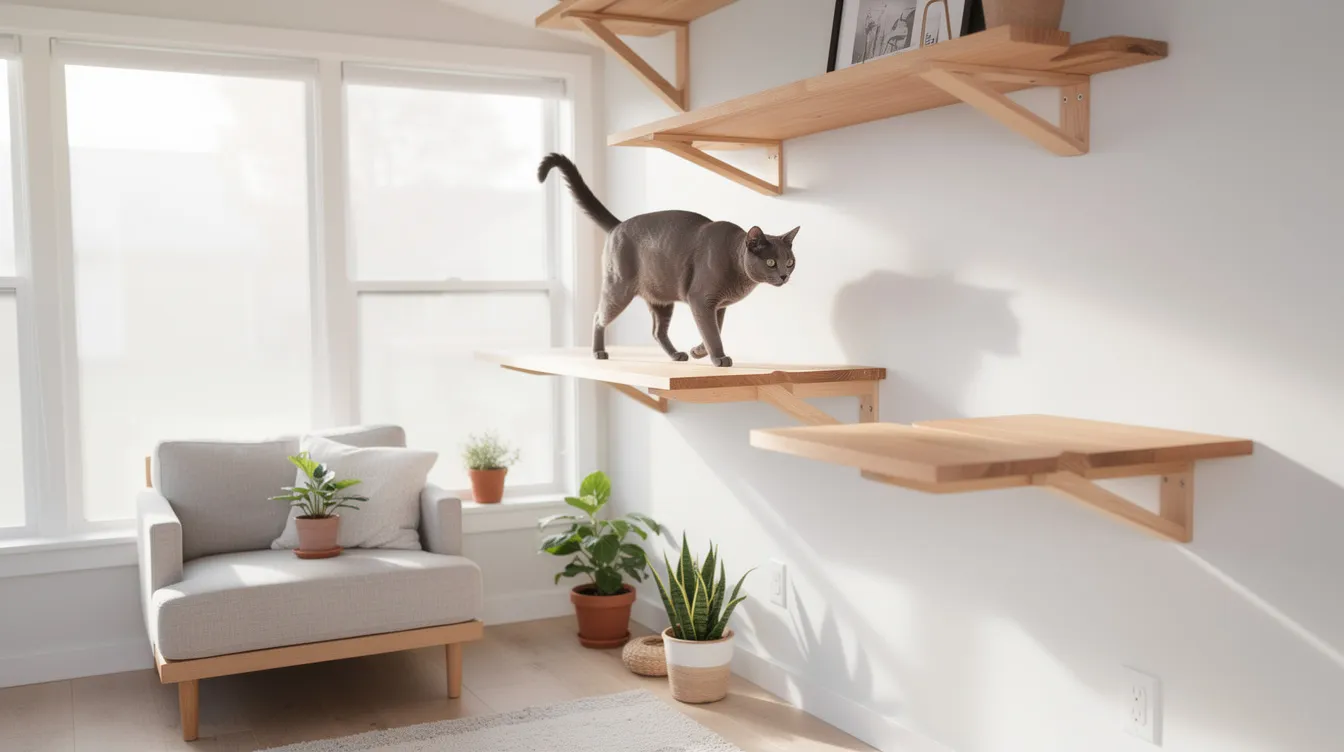
Utilizing vertical space by installing catwalks can help provide cats with room to stretch and walk around without taking over the living area in a tiny home. Installing catwalks in a tiny home can provide cats with vertical space to stretch and walk around without getting in the way, making it easier to coexist in a small area.
A simple U-shaped path at 4-6 ft height creates 50 sq ft of perceived territory. Use sisal carpet to prevent slips, taking inspiration from tiny homes that redefine small space living where every surface serves multiple functions.
Daily Life: Exercise, Enrichment, And Avoiding Cabin Fever
Living situation matters less than daily routine, and many tiny house nature retreats show how regular access to the outdoors keeps both humans and pets relaxed and engaged.
Sample Weekday Schedule for One Dog:
Time | Activity | Duration |
|---|---|---|
7 AM | Morning walk | 25-30 min |
Noon | Potty break | 10 min |
6 PM | Dog park visit | 45 min |
9 PM | Indoor puzzle games | 15 min |
Outdoor Space is Your Secret Weapon |
Proximity to trails and other dogs at a local dog park effectively expands your tiny space 10x. Many tiny house communities founded after 2020 include walking paths and designated pet areas.
Pets, including dogs and cats, can adapt well to living in tiny homes as long as their needs are met, such as providing outdoor space for exercise and play.
Rainy Day Ideas:
- Scent trails on the floor
- Stair tug (under 7-inch risers)
- Kong Wobbler dispensing food over 20 minutes
- Clicker training sessions
Cats need 20 minutes of daily play. Rotate feather wands and provide 18-inch sisal posts. Window perches for bird-watching keep indoor cats entertained for hours.
Cleaning, Shedding, And Odor Control In A Small Space
Here’s the crazy truth: tiny houses get dirty fast but clean up in a few minutes, especially when you borrow ideas from inspiring tiny house interiors that maximize every square foot and cute tiny house designs that prioritize easy-to-clean surfaces and smart storage.
Daily Habits
Living in a tiny house with pets can make it challenging to keep the space clean, especially during shedding seasons when pets may leave hair and dander throughout the home. A 200 sq ft space vacuums in 3 minutes with a quality stick vac. Keep one always charged.
To manage pet messes in a tiny home, it’s recommended to use washable rugs and couch covers, allowing for easy cleaning when pets track in dirt or mud.
Shedding Control
Double-coated breeds like Huskies lose 2 cups of fur weekly during blowouts. Strategies:
- Brush outdoors on a deck pad
- Use 20×30 inch washable chenille rugs
- Run a robot vac twice daily during heavy shedding
Cat Box Odor
Keeping litter boxes in enclosed spaces can help manage odors and free up valuable floor space in a tiny home, making it easier to adapt to having pets.
- Daily scooping is non-negotiable
- Use charcoal filters (95% odor reduction)
- Run a 50 CFM bathroom fan vented outside
Air Quality
A small HEPA purifier like the Levoit Core 300 cycles 200 sq ft hourly. This counters the 30% higher allergen density in small homes. Open windows for fresh air whenever possible.
Bathing And Grooming Pets In A Tiny Home
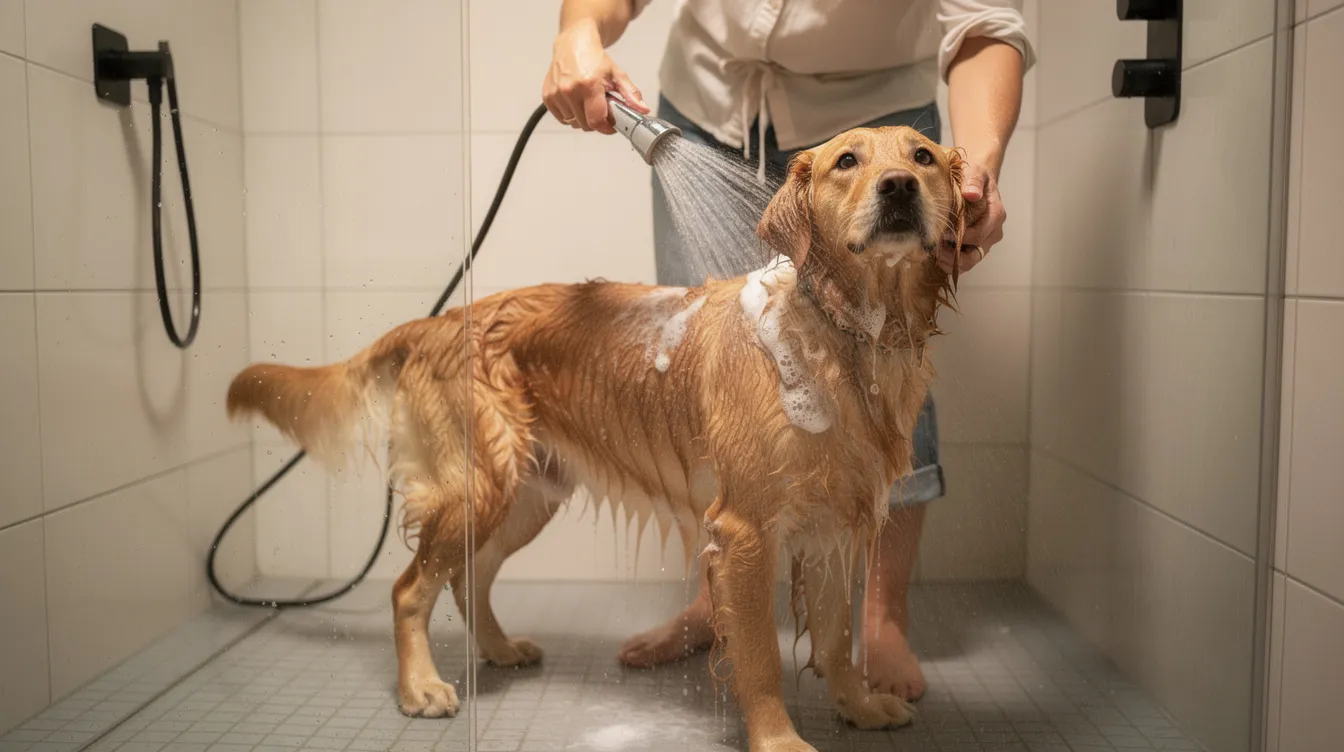
Bathing a muddy dog in a 36-inch shower feels cramped. But it works, especially in custom tiny homes designed for small-space living where bathrooms and utility zones are tailored to real-life pet routines.
Shower Setup
A 36-39 inch corner shower doubles as a dog-wash station. When washing pets in a tiny house, utilizing a handheld shower head can make the process easier and quicker, allowing for efficient cleanup afterward.
Tips:
- Use a non-slip mat
- Attach a short tether to a suction cup hook
- Standard 6-10 gallon hot water tanks handle 10-minute baths if preheated
Seasonal Outdoor Options
From April through October, bathe dogs outdoors. A RinseKit (5-gallon, 105°F) on a gravel pad cuts indoor mess by 80%, similar to setups used at many tiny house nature retreats that lean on outdoor wash stations to keep interiors clean.
Compact Tools
Store grooming supplies in under-stair cabinets:
- 24-inch folding grooming table
- Wall-mounted brush hooks
- Collapsible tubs for very small dogs
Planning Tip
If you’ll own a large, long-coated dog, plan plumbing and hot water capacity during the design phase. Some dog owners install larger tanks or instant hot water heaters.
Other Pets In Tiny Houses: Beyond Dogs And Cats
Dogs and cats aren’t the only options, and thoughtful tiny house plans that fit your life can incorporate built-in enclosures or nooks for a wider range of species.
Rabbits and Guinea Pigs
- Rabbits need 4×4 ft minimum enclosures elevated 4 inches off floors
- Guinea pigs need 7.5 sq ft per animal
- Chew-proofing is critical—electrical cords cause 25% of tiny house pet injuries
Small Birds
Budgies and cockatiels need:
- Cage placement at least 5 ft from propane appliances
- 30 minutes daily flight time in a 10×15 ft zone
- Distance from kitchen fumes in a one-room tiny house
Reptiles and Aquariums
A 40-gallon tank weighs 400 lbs wet. This requires:
- Reinforced floor joists, which you can plan for when choosing Home Depot tiny house kits
- Carefully following how to build a tiny house guidelines for load-bearing walls and framing
This requires:
- Reinforced floor joists
- 20-amp electrical circuits
- Careful placement in your floor plan
Check Regulations
About 40% of U.S. counties ban exotic pets. Many tiny house communities limit total pet weight to 80 lbs. Research rules before committing.
Expanding Your Small Space With The Outdoors
Your little house doesn’t end at the door.
Utilizing outdoor areas can significantly enhance the living experience in a tiny home, allowing pets to roam freely and enjoy nature.
Simple Outdoor Setups
- 10×10 ft chain-link runs (6 ft high, ~$400 installed)
- Portable exercise pens (24 sq ft)
- Tie-out systems under supervision
Creating a pet-friendly outdoor area, such as a fenced-in yard, provides a safe space for pets to play and explore, which is essential for their well-being in a tiny home.
Location Matters
Choose your tiny home location near:
- Municipal dog parks
- Walking trails
- Beaches or lakes
Communities like Tiny House Block (CA, 2022) include 2-acre dog parks on-site.
Multi-Use Decks
An 8×10 ft deck accommodates:
- Human seating
- A dog bed or outdoor crate
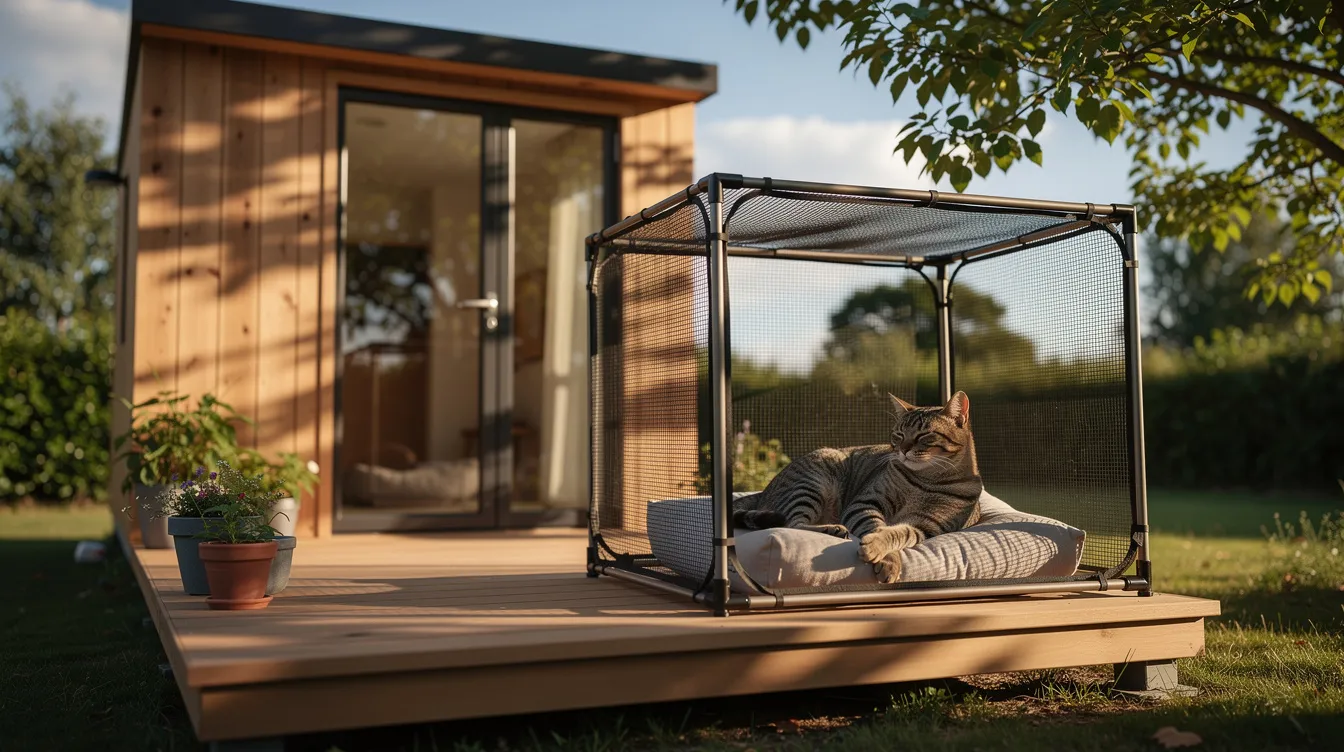
- A 6×8 ft catio for indoor-only cats
Incorporating vertical space, like catwalks, can help maximize outdoor areas for pets, allowing them to stretch and play without taking up too much ground space.
Finding Pet-Friendly Tiny House Communities And Dog Parks
Not all communities welcome pets equally.
What to Look For:
- Fenced dog parks with agility equipment
- Walking paths and shade
- Waste stations
- Clear but reasonable pet policies
Research Tips
Search “tiny home community dog park” online. Communities founded between 2018-2025 often market themselves as pet-friendly. Examples include:
- The Hideaway (Kansas City) with a 1-acre dog park
- Tiny Home Village Orlando with waste stations
- Mt. Laguna with hiking trails
Ask Questions
Contact community managers about:
- Breed or weight restrictions (30% ban certain breeds)
- Number-of-pets limits (often 2-pet max)
- Barking curfews
- Off-leash policies
Even without an on-site dog park, proximity to municipal parks or forests solves the “not enough space” issue for most dog owners.
When Tiny House Living With Pets Feels Too Small
Some days, 200 square feet feels impossibly small. A skunk spray. Nonstop rain. A sick animal.
Coping Strategies:
- Set up temporary confinement with a retractable gate
- Open windows and run fans
- Spend extra time in the yard, guest house, or vehicle
- Take a drive to a nearby dog park
Build Retreat Spots
Every pet needs one place to hide:
- A loft corner with an own bed for cats
- A crate nook for dogs who are crate trained
- A covered perch for birds
Reset Days
Schedule periodic deep cleans. Steam clean floors. Wash all pet bedding. Rethink layout problems—maybe those food bowls need to move so you stop tripping.
The Bottom Line
Occasional discomfort is normal. With adjustment, 85% of people and pets adapt well to tiny living within 3 months. The only time it doesn’t work is when fundamental needs go unmet.
FAQs About Tiny House Living With Pets
Do I need a certain minimum square footage to live in a tiny house with a dog?
No universal minimum exists. Many single people with one dog thrive in 180-260 sq ft. Couples with two large dogs often prefer 260-350 sq ft. Layout, outdoor access, and your time for walks matter more than exact square footage. A bit bigger isn’t always better if your daily routine includes plenty of outdoor time.
Can large-breed dogs really be happy in a tiny home?
Yes. Many large dogs with moderate energy—retired Greyhounds, older Labs—do very well. They sleep most of the day and don’t need to stretch across a downstairs bedroom. However, very high-drive working breeds may struggle regardless of size house. They need substantial daily exercise and mental work, not just more room.
How do I keep my tiny house from smelling like a litter box or wet dog?
Daily litter scooping is essential. Quick spot-mopping after muddy paw prints helps. Weekly washing of pet bedding and small rugs prevents buildup. Use a vent fan near the cat box, run a HEPA air purifier, and choose enzyme-based cleaners. With consistent effort, your small apartment-sized tiny home stays fresh.
Is it safe to leave my pet alone in a tiny house during hot or cold weather?
Temperature control is critical. Install reliable heating and cooling. Consider battery backup for power outages. Use temperature monitors you can check from your phone. On very hot or cold days, daycare or bringing your pet along may be safer than leaving them in a quickly heating or cooling structure.
What if my current pet really doesn’t adjust to tiny house living?
Try gradual changes first. More exercise. Better enrichment. Layout tweaks. Give it at least 4 weeks. If your animal remains highly stressed or destructive despite consistent effort, it may be kinder to reconsider the housing choice—or explore rehoming with a trusted family member who has a big challenge-free home with more room to play.