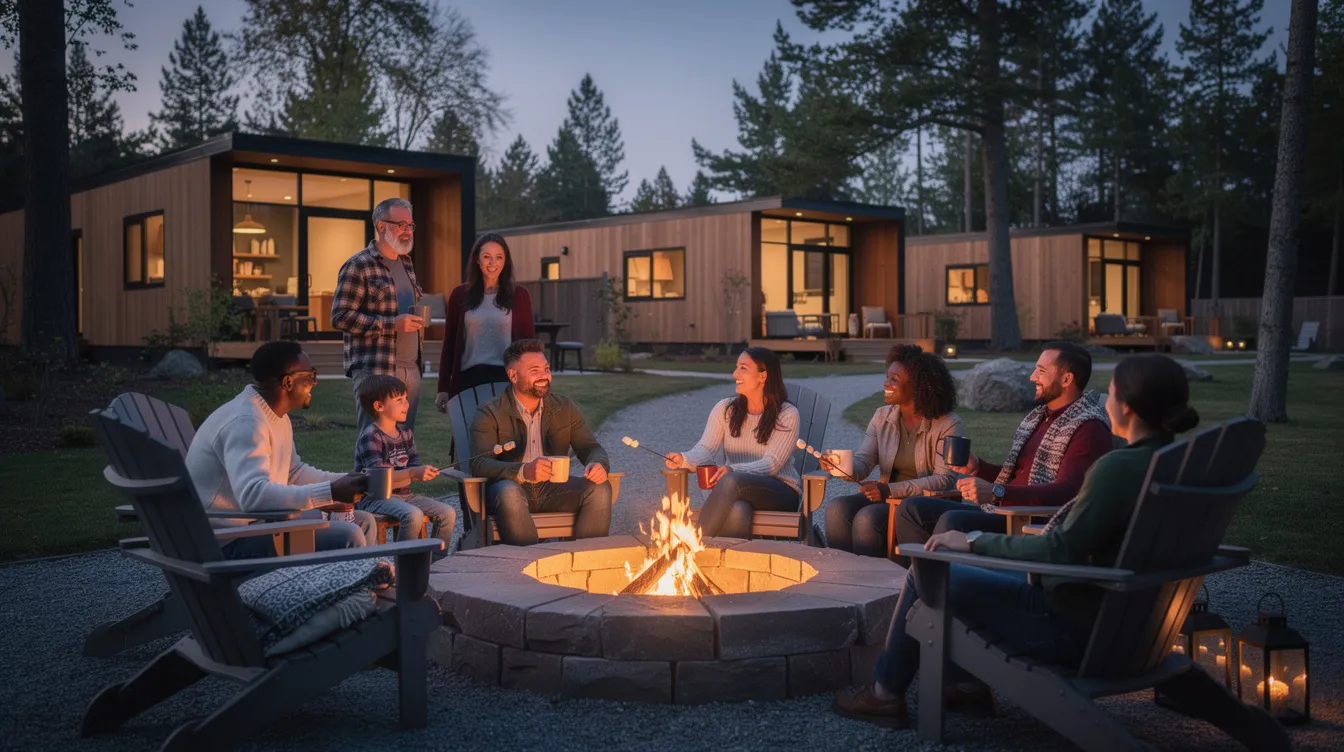
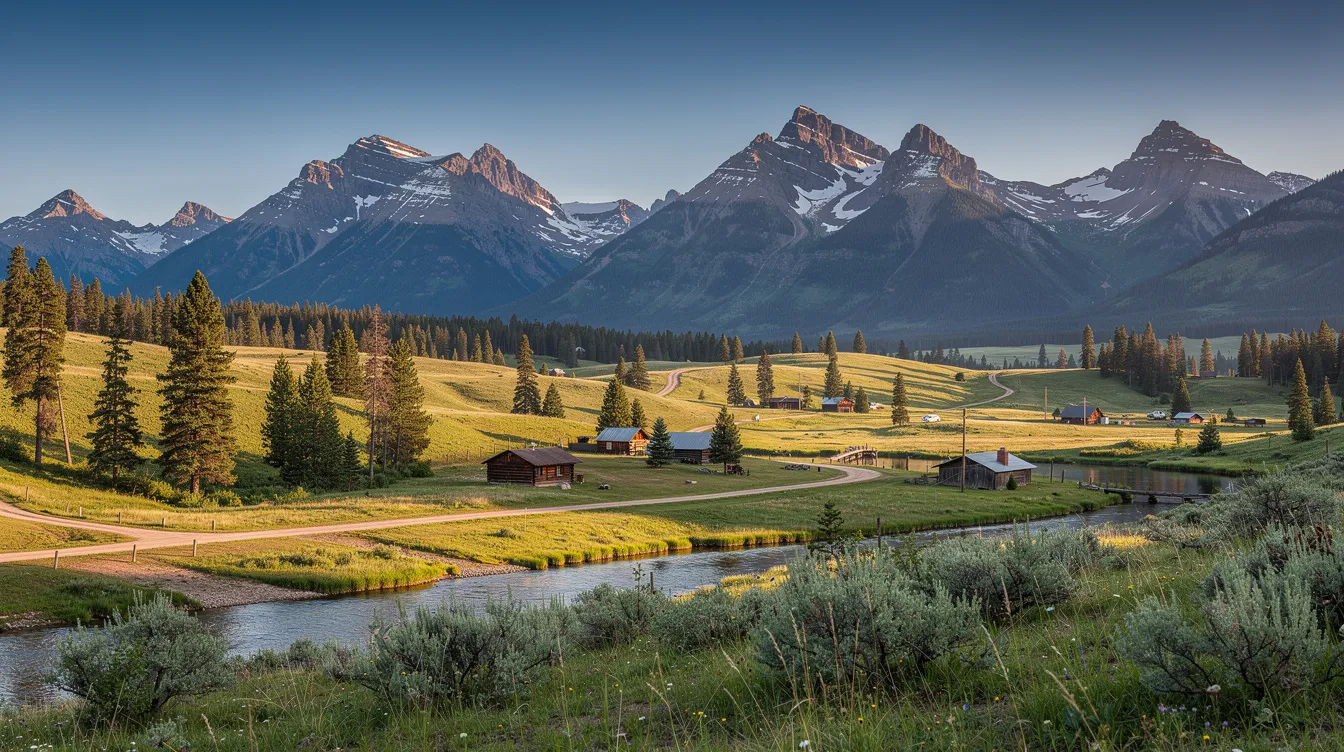
Montana calls to those who want more.
More sky. More mountains. More freedom.
And sometimes, freedom means choosing less—less square footage, less debt, less stuff.
Tiny house communities in Montana are growing. They offer an alternative path to homeownership that many never considered possible. Interest in tiny house living is driven by a desire for affordable housing and a minimalist, eco-friendly lifestyle. The state’s vast landscapes, relatively flexible zoning, and outdoor recreation opportunities make it a natural fit for the tiny home movement.
In 2019, Montana adopted Appendix Q of the International Residential Code (IRC), which provides specific guidelines for tiny homes, including a maximum size of 400 square feet and a minimum ceiling height of 6 feet 8 inches. This regulatory shift opened doors that had been closed for years.
Since then, tiny home building permits in Montana have increased 28% between 2020 and 2025. At least 12 counties now have tiny-home-friendly codes on the books.
But finding an actual community—not just a plot of land or an RV park—takes work.
This guide breaks down the best options across the state. We’ll cover what makes each community unique, who they’re best for, and what limitations you might face.
Whether you dream of lakeside living near Flathead or want urban access in Missoula, there’s likely a community that fits your life.
Let’s dive in.
How We Chose the Best Tiny House Communities
Not all tiny house communities are created equal.
Some offer full amenities and established infrastructure. Others are still emerging, with potential but fewer guarantees.
Here’s what we evaluated:
Location Accessibility
- How close is the community to major towns and cities?
- What’s the drive time to healthcare, shopping, and employment?
- Is the location accessible year-round, or do winter conditions create challenges?
Community Amenities
- What shared facilities are available (pools, fitness centers, gardens)?
- Are utilities included or separate?
- What about laundry, Wi-Fi, and common gathering spaces?
Affordability
- What are the upfront costs and ongoing fees?
- How do costs compare to traditional housing in the same area?
- Tiny house living can lead to reduced or eliminated mortgage debt due to lower costs compared to traditional homes.
Regulations and Flexibility
- Does the community accept both foundation-built tiny homes and tiny homes on wheels?
- Local zoning regulations and building codes can vary significantly from county to county in Montana, affecting whether tiny homes are allowed in specific areas.
- Tiny Homes on Wheels (THOWs) are generally restricted to RV parks, campgrounds, and areas designated for temporary use, as they are classified as Recreational Vehicles (RVs) under Montana law, so anyone considering a move into this lifestyle should understand how to build a tiny house that complies with both building and vehicle regulations.
Community Culture
- What’s the vibe? Is it family-oriented, retiree-focused, or mixed?
- Residents of tiny home communities often experience a sense of camaraderie and small-town feeling, contributing to community atmosphere.
Infrastructure Quality
- Is there reliable water, sewer, and electrical hookup?
- What about internet connectivity for remote workers?
With these criteria in mind, we evaluated communities across MT to find the best options for different lifestyles and budgets.
Top 7 Tiny House Communities in Montana
Montana has a growing network of tiny house communities in cities such as Missoula, Bozeman, and Billings. Each offers something different—from urban convenience to wilderness access.
Here are the top seven worth considering.
1. Missoula Tiny House Co-op – Missoula
Missoula sits at the heart of Montana’s progressive housing movement. The city was among the first in the state to legalize accessory dwelling units under 400 square feet on single-family lots back in 2017-2018.
The Missoula Tiny House Co-op represents an emerging cooperative model in this university town. Montana has several tiny house communities, including the Missoula Tiny House Co-op, Helena Tiny Home Village, and Glacier Tiny Homes Community, each offering various amenities such as free Wi-Fi, kitchens, and outdoor spaces.
Great Homes Inc. (4403 US Hwy 10 W, Missoula) is a key player in the local tiny home scene, offering pre-designed tiny plans under 700 square feet. Their team works with customers to ensure specifications meet local requirements while staying within budget.
Why It Stands Out
Urban location with genuine community infrastructure. You’re not isolated—you’re connected to Missoula’s restaurants, shops, and cultural scene while maintaining tiny house simplicity.
Best For
- Young professionals working in Missoula
- University staff and students seeking affordable housing
- Remote workers who want city amenities without city prices
Key Strengths
Feature | Details |
|---|---|
Utilities | Full water, sewer, and electrical hookups |
Kitchen | Complete facilities including microwave and coffee maker |
Laundry | On-site washer and dryer access |
Location | Walking distance to downtown Missoula |
Community | Established cooperative governance model |
The attention to detail in site planning creates a walkable community where neighbors actually know each other. Doors are always open for conversation, and shared spaces encourage connection. |
Possible Limitations
- Higher costs compared to rural options (Missoula’s housing market runs hot)
- Limited availability—spots fill quickly
- May require waitlist placement
If you’re ready to join an established community with urban access, contact local builders like Great Homes to learn about current openings.
2. Flathead Lake Tiny Home Community – Polson
Flathead Lake is the largest natural freshwater lake west of the Mississippi. The Polson area offers stunning views, water recreation, and a slower pace of life.
Tiny house communities are emerging around the lake, though many operate as hybrid arrangements between traditional RV parks and intentional communities. LandSearch lists 57-58 tiny-home-friendly land parcels in the Flathead area, with prices averaging $535,579-$693,205 for properties ranging from 5-20 acres.
Why It Stands Out
Lakeside living is the dream for many. This location delivers on that dream with boat storage, swimming access, and mountain views that never get old.
Tiny homes encourage energy efficiency and sustainability through smaller living spaces that consume fewer resources. Energy-efficient designs in tiny homes often include solar power systems, water and gray water systems, and energy-efficient appliances—all common in Flathead area builds due to Montana’s net metering laws and similar to the setups you’ll find at many tiny house nature retreats.
Best For
- Outdoor enthusiasts and water sports lovers
- Retirees seeking scenic, peaceful living
- Those prioritizing natural beauty over urban convenience
Key Strengths
Feature | Details |
|---|---|
Recreation | Boat storage, swimming, fishing access |
Pool | On-site swimming pool and hot tub |
Maintenance | Community support services available |
Views | Unobstructed lake and mountain scenery |
Wildlife | Abundant opportunities for wildlife viewing |
Many tiny house communities in Montana provide access to outdoor activities such as hiking and fishing, connecting residents to the natural environment. The Flathead area exemplifies this connection. |
Possible Limitations
- Seasonal limitations (lake activities limited in winter)
- Remote location may limit employment—Polson’s economy is smaller
- Winter temperatures can drop significantly
- Higher land costs due to desirable location
3. Gallatin Valley Tiny Homes – Bozeman
Bozeman is booming.
Tech companies have moved in. Outdoor recreation draws visitors year-round. The median home price exceeds $750,000, making traditional homeownership out of reach for many.
Tiny homes offer an alternative.
The average cost of building a tiny home in Montana typically ranges from $30,000 to $60,000, depending on size and design choices. For more luxurious or modern designs, the cost of tiny homes can range from $80,000 to $120,000 or more, influenced by materials and features selected.
Compare that to a $750,000 house. The math speaks for itself.
Why It Stands Out
Access to Bozeman’s job market combined with world-class skiing, hiking, and fly fishing. You get urban opportunity without sacrificing outdoor adventure.
The construction scene here is active. Local tiny home builders should possess the necessary knowledge to craft satisfactory plans for tiny homes, ensuring they meet the specific needs of their clients. Builders like Woodland Ridge Tiny Home Crafters in nearby Livingston create duplex-style tiny homes priced $90,000-$150,000, and researching top micro house builders can help you compare quality, pricing, and customization options before you commit.
Best For
- Young professionals in tech or tourism
- Ski enthusiasts (Big Sky is nearby)
- Those who need job market access but want affordable housing
Key Strengths
Feature | Details |
|---|---|
Job Market | Growing tech sector, tourism employment |
Recreation | World-class skiing, hiking, fishing |
Design | Modern conveniences, custom options |
Community | Mixed professional population |
Services | Full access to Bozeman amenities |
A good tiny home builder is passionate about constructing tiny homes and can assist clients in building a home that perfectly suits their requirements. The Bozeman area has several builders offering this level of custom service. |
Possible Limitations
- Highest costs in Montana due to market demand
- Competitive availability—Gallatin County is popular
- Land prices can exceed $300,000 per acre in desirable locations
- Snow load requirements add to construction costs (50 psf for Montana codes)
4. Bitterroot Valley Tiny House Community – Hamilton
The Bitterroot Valley offers a quieter alternative to Bozeman’s bustle. Hamilton anchors the valley with essential services while maintaining small-town character.
The Bitterroot Valley Tiny House Community in Hamilton features amenities like a community kitchen, outdoor pool, fitness center, and hiking trails, catering to a lifestyle focused on community and outdoor activities.
This is where families and those seeking comprehensive amenities tend to land.
Why It Stands Out
Extensive recreational facilities combined with genuine rural charm. Mountain views, clean air, and a tight-knit community create something special.
Many tiny house communities in Montana prioritize minimalism and low maintenance, allowing residents more time to spend outdoors. The Bitterroot Valley embodies this philosophy, especially if you’re inspired by tiny homes that redefine small-space living with smart layouts and family-friendly designs.
Best For
- Families with children
- Active retirees
- Those seeking strong community bonds
- People escaping high-cost urban areas
Key Strengths
Feature | Details |
|---|---|
Fitness | On-site fitness center |
Pool | Outdoor swimming pool |
Trails | Direct access to hiking trails |
Playground | Family-friendly recreation areas |
Kitchen | Community kitchen for gatherings |
Activities | Organized community events |
Communities often feature shared spaces such as gardens, fire pits, and picnic areas that foster connections between neighbors. The Bitterroot community exemplifies this design philosophy. |
Possible Limitations
- Rural location means limited shopping and services (Hamilton is small)
- Potential for higher utility costs in winter—Montana DEQ data shows winter utility costs can spike 40% in the valley
- Employment opportunities are limited locally
- Schedule your visits carefully—some amenities are seasonal
5. Glacier Tiny Homes Community – Kalispell
Kalispell serves as the gateway to Glacier National Park, drawing 2.5 million visitors annually. For tiny house dwellers, this means both opportunity and challenge.
The Tiny Homes Village at St. Mary (opened 2023 near Glacier National Park by Glacier Park Collection) represents the area’s approach—20 units featuring 300-500 square foot modern cabins blending “rustic heritage” with modern amenities.
Why It Stands Out
Where else can you live at the doorstep of one of America’s most spectacular national parks?
Tiny house living in Montana promotes a lifestyle that encourages exploration and a connection to the outdoors. Living near Glacier takes this to another level entirely.
Best For
- Nature lovers and photographers
- Seasonal workers in tourism
- Those seeking employment in the park ecosystem
- Adventure seekers who want daily access to wilderness
Key Strengths
Feature | Details |
|---|---|
Location | Gateway to Glacier National Park |
Pets | Pet-friendly community policies |
Kitchen | Fully equipped with modern appliances |
Wi-Fi | Free high-speed internet |
Outdoor | Fire pits, hot tubs, communal gathering spaces |
Tiny house communities in Montana often provide a range of amenities, including pet-friendly options, laundry facilities, and recreational areas, making them attractive for those seeking a minimalist lifestyle with conveniences—very similar to the amenity-rich mountain tiny house getaways you’ll find in other ranges across the West. |
Possible Limitations
- Seasonal employment fluctuations—tourism drops significantly in winter
- Challenging winter weather (the area can receive significant snowfall)
- Pricing runs $250-$400/night for rentals, higher than inland options
- Some communities operate more as seasonal rentals than permanent residences
6. Montana Tiny House Park – Billings
Billings is Montana’s largest city, with a metro population of 184,000. It offers something the mountain communities don’t—urban convenience.
While Billings lacks the dramatic scenery of western Montana, it provides steady employment, healthcare access, and year-round services that smaller towns can’t match.
Why It Stands Out
Full urban amenities without leaving tiny house life behind. This is for people who need city access but want the affordability and simplicity of small-space living.
Tiny Homes on Wheels (THOWs) are generally classified as Recreational Vehicles (RVs), which can limit their use and placement, often requiring different permits compared to traditional tiny homes. In Billings, this means most tiny home communities operate within frameworks that accommodate both foundation-built and wheels-based options, making them a good fit if you’re exploring Home Depot tiny house kits or other prefab models you might move later.
Best For
- Urban professionals
- Those with healthcare needs requiring city access
- People seeking stable, year-round employment
- Families needing school district access
Key Strengths
Feature | Details |
|---|---|
Location | Central Montana, major highways |
Services | 24-hour management presence |
Employment | Diverse job market |
Healthcare | Major hospitals and clinics |
Pets | Pet-friendly policies |
Recreation | Parks and trails within city limits |
Possible Limitations
- Less scenic than mountain communities
- Urban environment may feel different from traditional tiny house communities
- Zoning can be stricter in urban areas (Billings bans unpermitted tiny homes in some zones)
- May lack the “escape” feeling some tiny house dwellers seek
Note that urban tiny living requires careful attention to local zoning. Check with the Billings planning department before making commitments.
7. Yellowstone Tiny House Village – West Yellowstone
West Yellowstone sits at the park’s west entrance—prime real estate for accessing America’s first national park.
The town caters to tourists, with seasonal employment opportunities in hospitality, guiding, and retail. For tiny house dwellers, this creates both opportunity and limitation.
Communities like those at 512 Madison Ave. offer well-equipped units with amenities including free Wi-Fi, parking, community gardens, pools, and hot tubs. Seasonal pricing runs $200-$500/night.
Why It Stands Out
You can’t get closer to Yellowstone without actually living inside the park. For park enthusiasts, this is the perfect place.
Creating a tiny home involves a complete cycle from start to finish, and builders should echo the excitement of clients as they move into their new homes. West Yellowstone builders understand this excitement—they’re building homes at the doorstep of wonder.
Best For
- Park enthusiasts and seasonal workers
- Wildlife photographers
- Outdoor guides and recreation professionals
- Those seeking summer living with winter elsewhere
Key Strengths
Feature | Details |
|---|---|
Park Access | Yellowstone’s west entrance location |
Amenities | Pool, hot tub, community gardens |
Security | 24/7 security presence |
Kitchen | Full kitchen with modern appliances |
Wi-Fi | Free high-speed internet |
Parking | Free on-site parking |
Possible Limitations
- Highly seasonal—West Yellowstone essentially closes in winter
- The area receives up to 150 inches of snow annually
- Limited winter services and employment
- Tourist area pricing can be expensive year-round
- Many options are rentals rather than ownership communities
Quick Comparison of the Best Montana Tiny House Communities
Community | Best For | Key Advantage | Main Limitation |
|---|---|---|---|
Missoula Tiny House Co-op | Urban convenience | Established community, city access | Higher costs, limited availability |
Flathead Lake Community | Lakeside recreation | Water activities, stunning views | Seasonal, remote |
Gallatin Valley Tiny Homes | Outdoor recreation + jobs | Job market, ski access | Highest costs in state |
Bitterroot Valley | Families, amenities | Comprehensive facilities | Rural, higher winter costs |
Glacier Tiny Homes | Nature lovers | National park access | Seasonal employment |
Montana Tiny House Park | Urban professionals | City amenities, healthcare | Less scenic |
Yellowstone Village | Park enthusiasts | Yellowstone access | Highly seasonal |
Choose based on your priorities. No single community fits everyone. |
How to Choose the Right Tiny House Community
Finding your community requires honest self-assessment. Here’s how to narrow down your options.
Choose Based on Location Preferences
Urban vs. Rural
Urban locations like Missoula and Billings offer:
- Employment access
- Healthcare proximity
- Year-round services
- Higher costs
Rural locations like Bitterroot Valley and Flathead offer:
- Lower costs (sometimes)
- Natural beauty
- Quiet lifestyle
- Limited services
Consider your daily needs. If you work remotely, rural living becomes more viable. If you need regular healthcare appointments, proximity to a city matters.
Climate Considerations
Montana winters are real. Average lows hit -10°F in Bozeman. West Yellowstone gets buried in snow.
Ask yourself:
- Can I handle harsh winters?
- Will I need to leave seasonally?
- What are the utility costs for heating?
Choose Based on Community Amenities
Not all communities offer the same features. Make a list of what matters most.
Essential Amenities Checklist:
- [ ] Water hookup
- [ ] Sewer connection
- [ ] Electrical service
- [ ] Internet access
- [ ] Laundry facilities
- [ ] Parking
- [ ] Pet policies
Nice-to-Have Amenities:
- [ ] Swimming pool
- [ ] Fitness center
- [ ] Community kitchen
- [ ] Gardens
- [ ] Fire pits
- [ ] Trails
- [ ] Closet storage
Tiny home builders often offer a range of customization options, allowing customers to choose features and amenities that best suit their lifestyles. Work with builders who understand your needs and can assist you in creating the ideal living situation, especially if you’re interested in custom tiny homes for small-space living with highly personalized layouts.
Choose Based on Budget and Lifestyle
Cost Considerations
Expense Category | Typical Range |
|---|---|
Basic tiny home build | $30,000-$60,000 |
Luxury/modern build | $80,000-$120,000 |
Land (per acre, desirable areas) | $150,000-$300,000 |
Monthly site fees | $400-$800 |
Utilities (winter) | $150-$400 |
Insurance | ~$2,500/year |
Tiny homes built on permanent foundations must comply with local building codes, including Appendix Q of the International Residential Code, which outlines specific requirements for size and safety, so it’s worth starting with tiny house plans that fit your life and your local zoning rules. |
Tiny homes built on a foundation are treated as permanent residences and must comply with the IRC, including Appendix Q, while Tiny Homes on Wheels (THOW) are typically classified as park model homes and follow RV laws, and understanding these categories will help you narrow down affordable tiny house designs that match your budget and permitting path.
Lifestyle Questions
Before committing, ask:
- Do I want to own or rent?
- Is this year-round or seasonal?
- How important is community interaction?
- What’s my 5-year plan?
Some people strive for permanent roots. Others want flexibility. Be honest about which person you are.
Which Option Is Best for You?
Here’s a simple guide:
Choose Missoula Tiny House Co-op if… You want urban conveniences with established tiny house community life. You value walkability, restaurants, and cultural activities while maintaining a simple living space.
Choose Flathead Lake Community if… Lakeside recreation is your priority. You dream of morning kayak sessions and sunset fishing. You can handle seasonal limitations and don’t need nearby employment.
Choose Gallatin Valley Tiny Homes if… You need access to employment AND outdoor recreation. You’re willing to pay premium prices for the combination of job opportunities and world-class skiing.
Choose Bitterroot Valley Community if… You want comprehensive amenities and family-friendly environment. You prioritize community facilities and don’t mind a rural location with limited services.
Choose Glacier or Yellowstone communities if… National park access is most important. You’re drawn to the reality of living at nature’s doorstep, even if it means seasonal challenges or employment fluctuations.
Choose Montana Tiny House Park (Billings) if… You need city amenities—healthcare, diverse employment, year-round services. You’re willing to trade mountain views for urban convenience.
Final Thoughts
Montana offers diverse tiny house community options.
From urban Missoula to wilderness gateways at Glacier and Yellowstone, the state provides something for nearly every lifestyle preference.
The tiny house movement here is still maturing. Some communities are well-established with proven track records. Others are emerging, rooted in the 2019 regulatory changes that opened possibilities. Montana adopted Appendix Q of the International Residential Code (IRC) in 2019, setting the foundation for standardized tiny home development.
The best choice depends on individual lifestyle and priorities—not what looks good on Facebook or what a friend recommends.
Before making decisions:
- Visit communities in person during different seasons
- Talk to current residents about their experiences
- Verify zoning with local planning departments
- Send inquiries to multiple builders for quotes
- Apply for waitlists early if interested in popular locations
The freedom tiny house living offers is real. Lower costs. Simpler maintenance. More time for what matters.
But so are the challenges. Winter heating. Limited financing options. Zoning complexity.
Go in with realistic expectations. Do your homework. Leave nothing to assumption.
Montana’s tiny house communities are growing. The question isn’t whether good options exist—it’s which option fits your life.
Touch base with local builders like Tiny Homes Montana (406-809-1632) or Great Homes Inc. in Missoula to start your journey, especially if you’re actively considering a tiny house for sale and want help matching it to the right community. Meet with community managers. Walk the sites.
Your tiny home in Montana is waiting.
You just need to find it.