Looking for a tiny house community in Colorado that fits your lifestyle? Discover established communities from Durango to Grand Junction offering everything from riverside living to mountain views. Our guide covers rental options, ownership opportunities, and amenities designed for Colorado’s unique climate and outdoor lifestyle.
Colorado is ranked as the second-best state for tiny home living in the U.S. due to its high density of builders and established communities. Over the last five years, there has been a 27% increase in tiny home sales in Colorado, driven by economic factors and a cultural shift towards simpler living.
Find your perfect tiny house community and start living simply in Colorado today.
Tiny House Communities for Every Lifestyle
Whether you’re seeking adventure or tranquility, Colorado has a tiny home community for every preference. Colorado has several established tiny house communities catering to different lifestyles, including full-time residency and vacation resorts. The natural beauty and outdoor lifestyle in Colorado align well with tiny home living, as residents value spending time outdoors over having large living spaces.
Mountain Communities
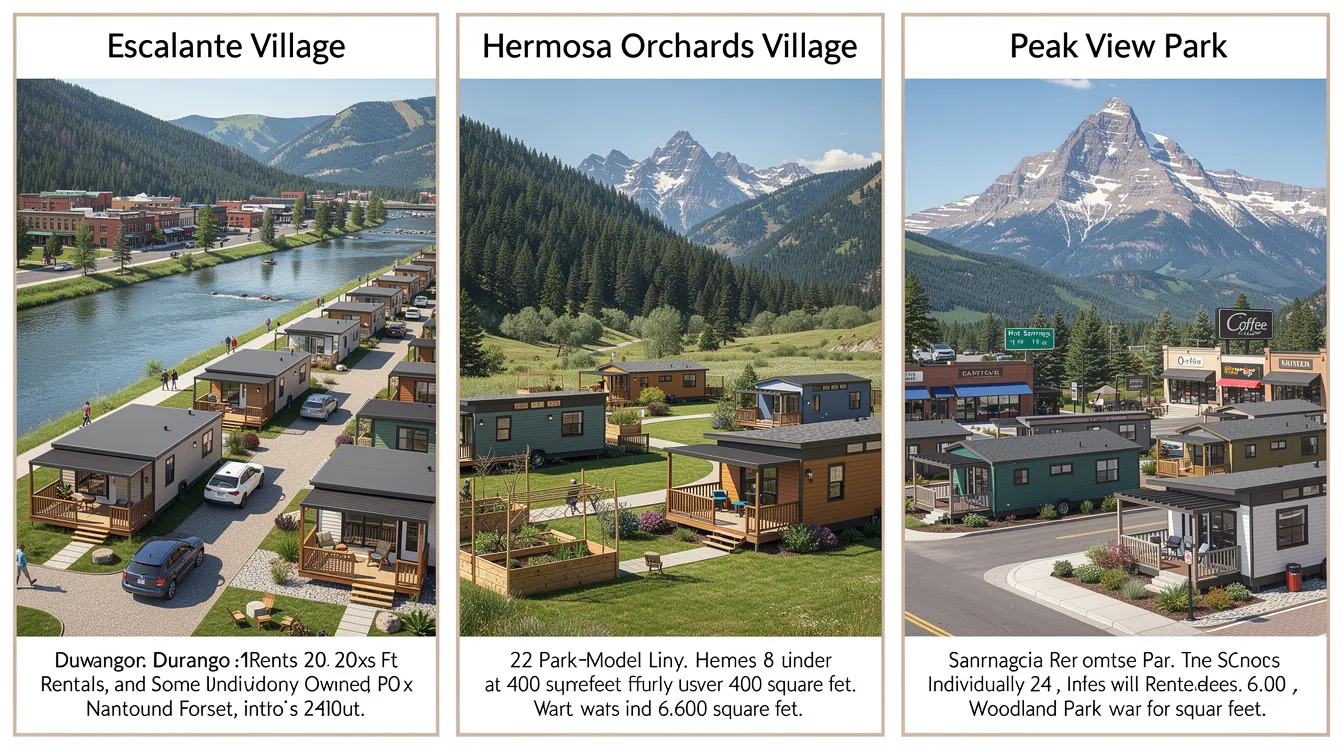
Escalante Village in Durango stands as the first tiny home community purpose-built in the area, featuring 24 tiny home spaces, including 6 rentals and 18 individually-owned homes, promoting sustainable living in a community setting. Located near downtown Durango with Animas River access and trail connections, this tiny home village offers lot sizes of approximately 20×40 feet with space for two cars and patios.
Hermosa Orchards Village near Durango sits surrounded by National Forest, offering mountain views and proximity to nearly everything outdoor enthusiasts desire. Just a short drive of approximately 16 miles to Purgatory Ski Resort, this community provides access to hot springs and wilderness trails. The community features 22 leased home spaces for park models under 400 square feet, with generous lot sizes ranging from 3,600 to over 6,000 square feet—room enough for decks, raised beds, and outdoor space.
Peak View Park in Woodland Park offers stunning Pikes Peak views with convenient Colorado Springs proximity, making it ideal for those who want mountain living with urban amenities within walking distance, similar to other mountain tiny house getaways that blend outdoor adventure with compact comfort.
Riverside & Valley Communities
Island Cove Park in downtown Durango offers a unique tiny home community with 69 spaces, including 15 designated for tiny homes, and features a private island reserved exclusively for residents. With 1000 feet of Animas River frontage, this conveniently located community provides fishing, water recreation, and peaceful valley living.
MarLin Village in Bayfield sits near Pine River in a quiet agricultural community setting within the Pine River Valley. This intimate community features 15 lots designed for tiny home living, emphasizing a vibrant sense of community with plans for a clubhouse and communal spaces. The southwest Colorado town location offers a unique blend of agricultural charm and natural beauty.
River Run Colorado on the Western Slope provides Colorado River access for those seeking water-based recreation and peaceful valley living in one of Colorado’s most magical parts.
Resort-Style & Amenity-Rich Communities
Meadows of San Juan in Montrose near Black Canyon National Park showcases luxury amenities and resort-style living. These full-service communities include high speed internet, community gardens, and shared spaces with on-site management and maintenance, echoing the appeal of tiny house nature retreats that prioritize outdoor access and mindful living.
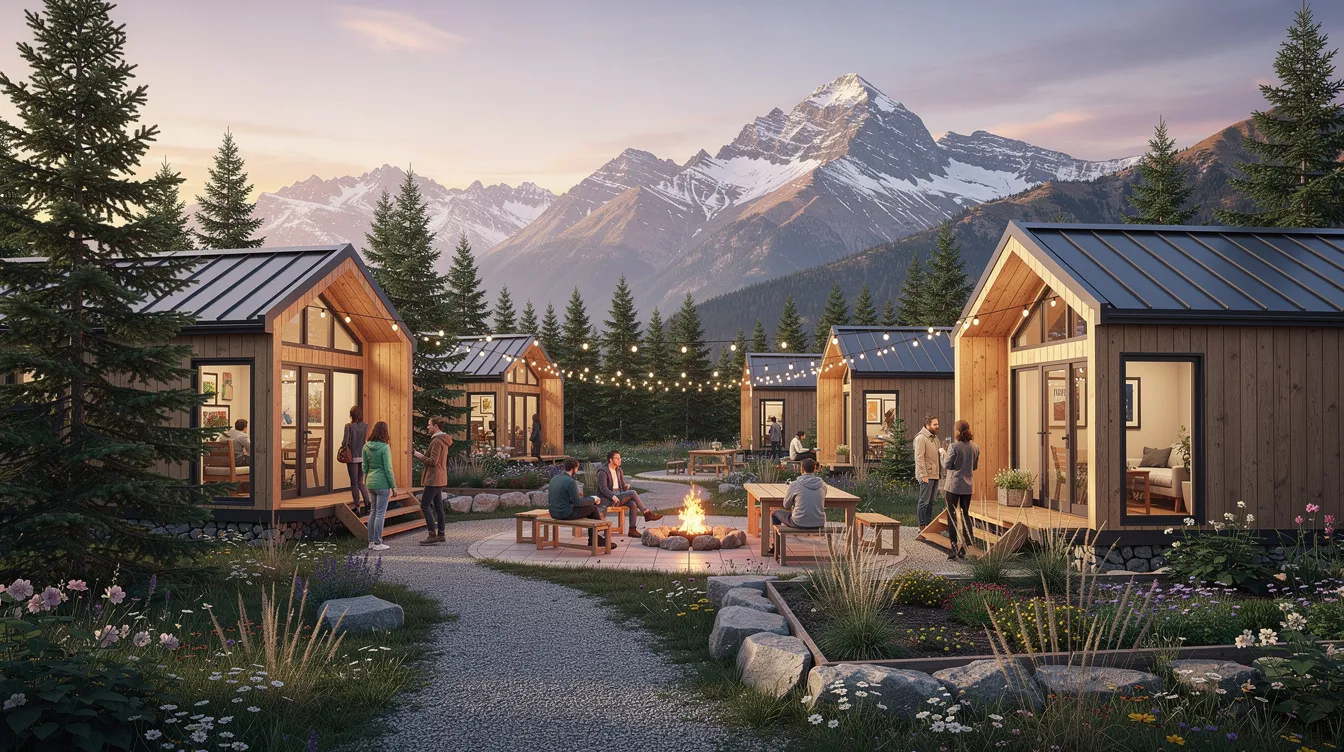
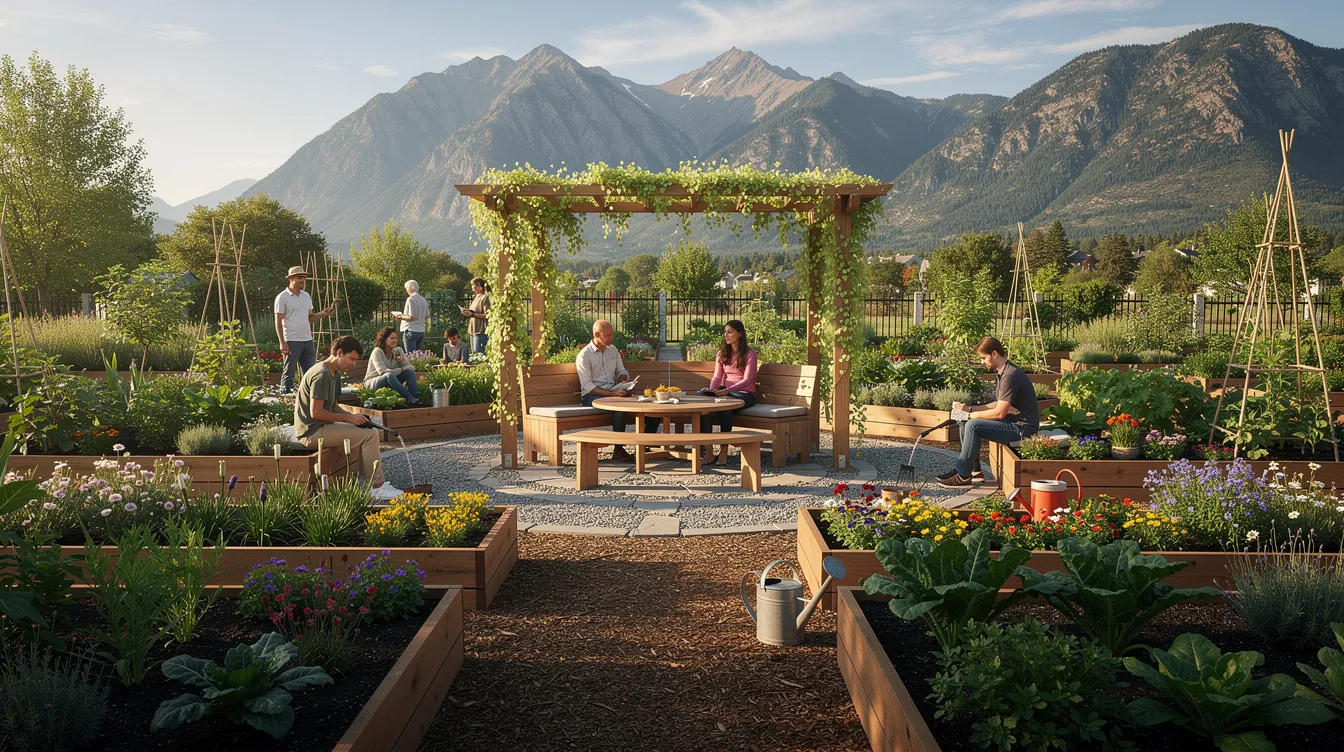
Many tiny home communities feature amenities such as community gardens, which allow residents to grow their own food and foster a sense of community. Outdoor spaces, including bike paths and river trails, are common amenities in tiny home communities, promoting an active lifestyle and connection to nature.
Choose the Right Community for Your Needs
The right tiny house community enhances your Colorado lifestyle and meets your specific requirements. A 2023 survey by the Colorado Homebuilders Association found that 41% of buyers are looking for affordable homes with outdoor access, which tiny homes provide.
For First-Time Tiny House Residents
Escalante Village and Island Cove offer tiny home rental options perfect for those new to tiny home living. These communities provide full amenities, on-site support, and established community guidelines that help current tiny homeowners and newcomers alike navigate community life.
Wheeled tiny homes (THOW) are built on trailers and typically range from 200 to 400 square feet, making them ideal for renters or those wanting to try tiny living before committing to ownership. Many residents focus on affordable tiny house designs that keep costs low while still offering comfort and efficiency. Living in a dedicated community often resolves the challenge of finding a legal place to park a tiny home.
For Outdoor Adventure Enthusiasts
For those seeking an outdoor lifestyle, communities near trail systems, ski resorts, and National Forests offer immediate access to hiking, mountain biking, skiing, and water sports. Hermosa Orchards Village provides proximity to skiing, forest trails, and hot springs, while MarLin Village offers fishing and river recreation on Pine River, reflecting how innovative tiny homes can redefine small-space living for active residents.
Many tiny house communities in Colorado are situated near outdoor activities like hiking, biking, and fishing, providing residents easy access to nature.
For Remote Workers & Digital Nomads
Amenities like snow removal, trash collection, and high-speed internet are often included in tiny home community offerings, enhancing convenience for residents. Communities increasingly emphasize fiber optic connections, dedicated workspaces, and quiet environments essential for productive remote work.
MarLin Village and Hermosa Orchards both offer high speed internet options, with proximity to Durango providing access to supplies, medical services, and the occasional cozy retreat in town—ideal for residents drawn to modern tiny house designs that balance style, function, and remote work needs.
For Long-Term Colorado Residents
For future homeowners seeking an equity building pathway, ownership communities like Hermosa Orchards and Escalante Village offer customization options and permanent foundation possibilities. Foundation-based tiny homes can be up to 1,000 square feet and are designed to withstand Colorado’s heavy snow and extreme temperatures, making them suitable for year-round living.
Living in a Colorado tiny house community offers significant financial freedom and a strong sense of community, though residents must navigate complex zoning laws. Tiny homes in Colorado are typically 30–50% cheaper than traditional homes, making them an attractive option for those seeking affordable housing options.
Essential Amenities That Matter
Colorado tiny house communities offer crucial amenities designed for mountain living and seasonal weather. Tiny house communities provide essential utilities, allowing residents to avoid the challenges of installing these on raw land.
Utility Infrastructure
Standard inclusions across most communities include water, sewer, electricity, trash, and recycling services. Residents often pay a fixed lot rent that covers land and sometimes utilities like water and trash in Colorado tiny house communities.
Internet options range from basic WiFi to fiber optic connections. MarLin Village offers 30-amp and 50-amp plug-in connectors along with 20-amp outlets, while high-speed internet and electricity remain tenant-paid.
Monthly rent varies by community: Escalante Village charges approximately $500 for land only, MarLin Village around $650, and Hermosa Orchards closer to $900 per month including utilities.
Weather & Seasonal Services
Snow removal services prove essential for Colorado winters, especially at elevations between 6,500 and 7,000 feet where these communities often sit. Proper insulation, heating systems like ducted furnaces or mini-split systems, and construction meeting snow load requirements ensure comfort during extreme temperatures.
Communities located in wildland fire areas face additional regulations regarding materials and setbacks. Prefab tiny homes in Colorado are pre-assembled or fully built, featuring energy-saving elements like triple-pane windows, and are quick to set up while meeting local building codes.
Community Features
Tiny house communities in Colorado prioritize living big in a small space by offering shared resources that foster social connection and sustainability. Hermosa Orchards features mature fruit trees—apple, apricot, cherry, mulberry, pear, and quince—in common areas where residents can harvest.
MarLin Village includes a pavilion with BBQ, benches overlooking wetlands, raised bed gardens, and on-site storage units. Island Cove’s private island provides exclusive space reserved for tiny home residents.
Living in Colorado Tiny House Communities
Making the most of tiny house community life means embracing both the space and the Colorado lifestyle.
Daily Community Life
Community interactions, shared space usage, and neighbor relationships form the heart of tiny home village life. In resident-owned communities like Animas View Cooperative, governance operates through a board of directors with projects funded collectively—nearly $3 million invested in infrastructure improvements including water and sewer lines and park roads.
Most communities prohibit rentals and subletting through platforms like VRBO to preserve authentic community connection. Pet policies, visitor accommodations, and community guidelines vary by property, so confirming rules with management before committing remains essential.
Seasonal Colorado Living
Winter preparations demand attention to heating costs, snow management strategies, and proper home winterization. With most communities facing extreme shortages of available spaces, current residents have adapted well to year-round retreat living.
Summer brings outdoor living opportunities, air circulation considerations, and full enjoyment of gardens, trails, and river access. Container homes, made from shipping containers, usually range from 150 to 300 square feet and are popular for their strength and affordability, often used as guest houses or workshops alongside permanent homes; many owners explore shipping container tiny house designs to maximize durability and sustainability.
Getting Started with Colorado Tiny House Communities
Ready to join a Colorado tiny house community? Here’s how to take the next step.
Research and Contact Communities
Contact featured communities directly through their websites. Escalante Village, Hermosa Orchards Village, and MarLin Village maintain active waitlists due to high demand. Expect to provide approval prior to securing a space, with application processes varying by community.
Colorado’s zoning laws now support tiny homes, with over 20 counties allowing them, which facilitates their growing popularity. Zoning regulations for tiny homes vary significantly by county, with some areas, like El Paso County and Durango, considered more progressive, similar to how tiny home living in Texas depends heavily on local rules and community development.
Plan Your Visit and Decision
Visit multiple communities and stay overnight when possible. Speaking with current residents provides invaluable insight into daily life, community culture, and the reality of tiny home living in Colorado’s climate.
Budget considerations include rent, utilities, and additional fees. Compared to Durango’s median home price exceeding $900,000, tiny home community costs represent substantial savings for the same desirable locations.
Prepare for the Move
Move-in processes typically include community orientation and home inspections. Colorado became more accommodating to tiny homes with HB22-1242, permitting tiny homes on wheels to act as permanent residences under certain standards, and builders such as Garland Tiny Homes in Texas show how professional guidance can streamline customization and financing when you’re ready to purchase.
Some counties in Colorado allow tiny homes on foundations to serve as primary dwellings, reflecting progressive zoning practices. Tiny houses on wheels (THOWs) are often classified as RVs and may not be permitted for year-round residency unless the park is zoned accordingly—confirming classification with each community saves complications, especially if you’re considering ranch-style tiny house designs with larger decks or outdoor living areas.
Whether you seek a mobile home park alternative, a wheels neighborhood near the family-friendly town of Bayfield, or a community surrounded by Denver-accessible wilderness, Colorado’s tiny home communities offer affordable housing options with room to live the life you’ve imagined—and you can even compare them with tiny home living in Idaho to see how different mountain states approach minimal, nature-connected housing.