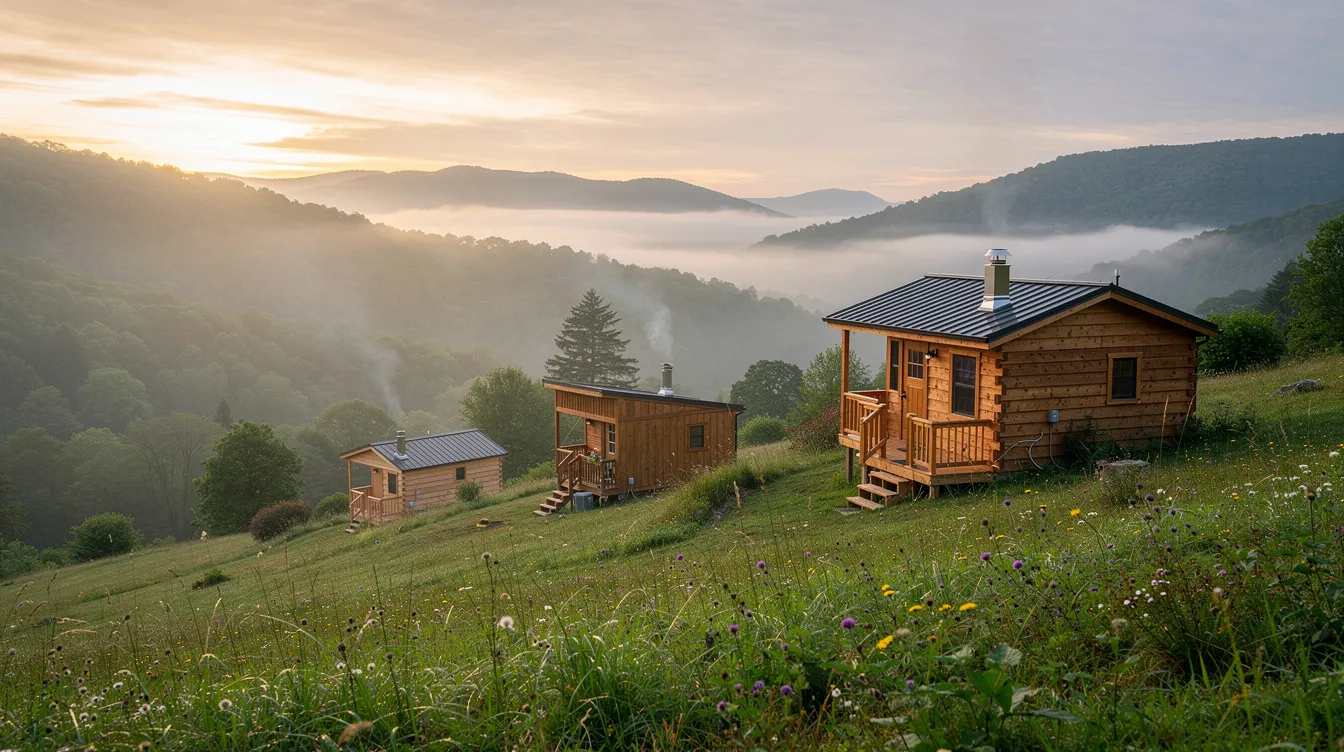
West Virginia is home to a growing number of tiny house communities that cater to residents seeking a minimalist, sustainable, and affordable lifestyle. The state’s mountains, rivers, and affordable land make it a great place for tiny living.
But what makes a true tiny house community? It’s more than individual rentals. These are designed neighborhoods with shared amenities, communal spaces, and permanent residency options. Think community gardens, clubhouses, and neighbors who share your love for simple living.
- How We Chose the Best Tiny House Communities
- Top 7 Tiny House Communities in West Virginia
- 1. Tiny House Community of the Eastern Panhandle – Martinsburg
- 2. Appalachian Tiny House Community – Beckley
- 3. Lost River Tiny Home Community – Mathias
- 4. New River Gorge Tiny House Village – Fayetteville
- 5. Tiny House Estates – Morgantown
- 6. Mountain Mama Tiny Homes – Elkins
- 7. Almost Heaven Tiny Homes – Harpers Ferry
- Quick Comparison of the Best Communities
- How to Choose the Right Tiny House Community
- Which Option Is Best for You?
- Final Thoughts
How We Chose the Best Tiny House Communities
Here’s what we checked:
- Amenities: Community gardens, fitness centers, Wi-Fi, laundry
- Location: Access to outdoor recreation and river towns
- Pet friendly policies: Many tiny house owners have animals
- Pricing: Monthly lot fees ranging $300-$800
- Living options: Permanent vs seasonal
- Security: 24/7 features and gated access
- Atmosphere: Events like potlucks and shared gardening activities
Many tiny house communities include amenities such as community centers, shared gardens, and 24/7 security, supporting minimalist tiny houses for sustainable living. Communities frequently organize events that promote social interaction.
Top 7 Tiny House Communities in West Virginia
1. Tiny House Community of the Eastern Panhandle – Martinsburg
Located 90 minutes from DC in Berkeley County, this 15-acre community offers 20+ sites for permanent living.
Why It Stands Out: Comprehensive amenities with long-term lease options. Zoning compliance in tiny house communities facilitates legal arrangements for Tiny Houses on Wheels (THOWs).
Best For: Families and full-time tiny house living
Key Strengths:
- Community garden yielding 500 lbs of produce annually
- Clubhouse with fitness center
- 24/7 security gates
- Walking trails and playground
- Pet friendly (two animals under 50 lbs)
Possible Limitations: 45-mile distance to prime recreation; $450/month is 20% above rural averages
The Tiny House Community of the Eastern Panhandle features amenities such as a community garden, shared laundry facilities, and a fitness center. Common amenities in tiny house rentals include kitchen facilities, air conditioning, heating, and private bathrooms, which are often highlighted in modern tiny house designs for contemporary living.
2. Appalachian Tiny House Community – Beckley
Nestled in mountain foothills, 10 miles from New River Gorge, this 12-acre community hosts 25 sites with 90% year-round occupancy.
Why It Stands Out: Extensive recreational amenities. Many tiny houses come equipped with free Wi-Fi.
Best For: Outdoor enthusiasts seeking community interaction
Key Strengths:
- Yoga studio with 85% utilization
- Game room and library
- Direct hiking trail access
- Community kitchen with weekly dinners
- No breed restrictions for pets
Possible Limitations: Nearest Walmart is 15 miles away; winter road closures possible
The Appalachian Tiny House Community includes features such as a yoga studio, game room, and event space, promoting a vibrant community lifestyle similar to many tiny house nature retreats focused on outdoor living. Living in close proximity in tiny house communities often leads to tighter relationships among residents.
3. Lost River Tiny Home Community – Mathias
This 40-acre retreat along the Lost River offers 30 sites with resort-style living in Hardy County.
Why It Stands Out: Luxury amenities including heated outdoor pool open May-October.
Best For: Those wanting upscale rural living
Key Strengths:
- Outdoor pool and fitness center with Pelotons
- BBQ facilities and fishing access
- Bicycle rentals (20 e-bikes)
- Fenced dog park
- Wheelchair accessibility
Possible Limitations: Resort-like feel with 40% yearly turnover; costs 30% above state averages
Lost River Tiny Home Community offers amenities including an outdoor pool, fitness center, and community garden. Outdoor amenities such as BBQ facilities, picnic areas, and fire pits are frequently offered, much like popular mountain tiny house getaways with scenic retreats.
4. New River Gorge Tiny House Village – Fayetteville
Minutes from New River Gorge National Park’s 70,000 acres, this village near Fayetteville provides world-class adventure access.
Why It Stands Out: Unbeatable location for outdoor recreation with hiking, Class V rafting, and 7,000 climbing routes.
Best For: Adventure seekers
Key Strengths:
- Prime location near trails
- Fire pits and BBQ facilities
- 90% repeat bookings
- Gateway to permanent land options nearby
Possible Limitations: Seasonal operation closes October 20; no pets allowed; tourism crowds peak at 5,000 daily visitors
The rental market for tiny homes in WV is bolstered by their appeal in scenic locations. Tiny homes, particularly park model homes, are popular for short-term vacation rentals in West Virginia’s tourist areas, providing both a retreat and an investment opportunity.

5. Tiny House Estates – Morgantown
Near WVU in Monongalia County, this 8-acre community offers 18 modern sites blending urban access with tiny living.
Why It Stands Out: City convenience with tiny house benefits
Best For: Young professionals
Key Strengths:
- Urban location near jobs (median $55k)
- Modern kitchenette facilities
- Laundry services ($2/load)
- Grocery store 5 minutes away
Possible Limitations: Less natural setting; I-79 noise complaints in 20% of reviews; higher density
Tiny house communities can provide necessary utility hookups for residents, which can be challenging for solo owners. Tiny homes can significantly lower upfront costs and reduce monthly housing expenses, especially when you choose affordable tiny house buildings and budget-friendly designs.
6. Mountain Mama Tiny Homes – Elkins
In Randolph County at 2,000-ft elevations, this 10-acre community offers 12 cozy mountain sites.
Why It Stands Out: Authentic mountain living with private hot tubs
Best For: Couples seeking romantic mountain getaways
Key Strengths:
- Hot tub amenities per site
- Mountain views and indoor fireplaces
- Hiking access to Monongahela National Forest
- Rates $400-$550/month
Possible Limitations: Limited community facilities; fewer family features
Many tiny house communities in West Virginia are designed to blend into the state’s mountain scenery, encouraging outdoor activities. The limited space in tiny homes requires residents to carefully curate their belongings, often leading to intentional living focused on experiences over possessions, much like people choosing tropical tiny homes for cozy beachfront living.
7. Almost Heaven Tiny Homes – Harpers Ferry
In historic Jefferson County near John Brown Raid site (300k visitors/year), this tech-savvy community offers 10 sites.
Why It Stands Out: Perfect blend of history and modern convenience with 500Mbps Wi-Fi
Best For: Remote workers and history enthusiasts
Key Strengths:
- Laptop workspace designed for online work
- Modern security with cameras and keyless entry
- Self check-in
- 1.5-hour DC commute
Possible Limitations: Tourist area pricing spikes 15% seasonally; 50% event attendance
Tiny house communities often feature sustainability tools like solar power, composting toilets, and rainwater harvesting. Environmental benefits of tiny homes include less energy and water usage due to their small footprints.
Quick Comparison of the Best Communities
Community | Best For | Monthly Cost |
|---|---|---|
Eastern Panhandle | Permanent residents | $450+ |
Appalachian | Outdoor enthusiasts | $525-$650 |
Lost River | Luxury amenities | $600-$750 |
New River Gorge | Adventure seekers | Seasonal |
Urban convenience | $550 | |
Mountain Mama | Romantic getaways | $400-$550 |
Almost Heaven | Remote workers | $500+ |
How to Choose the Right Tiny House Community
Choose Based on Living Duration
When you’re planning how long you’ll stay, it helps to start with tiny house plans that fit your lifestyle and budget before settling on a specific community.
Tiny house communities in WV often cater to both year-round living and short-term retreats. Check permits and zoning before signing any lease.
In West Virginia, tiny homes built on foundations must comply with the International Residential Code (IRC), while park models are classified as recreational vehicles and are subject to different regulations. Many areas have adopted accessory dwelling unit (ADU) regulations that may impose minimum size requirements.
Tiny homes are legal throughout West Virginia, but local zoning laws can vary significantly, leading to different interpretations of what is permissible in each county or town. Many rural counties offer more zoning flexibility compared to urban areas, just as buyers of small homes in Washington State navigate varied zoning rules.
Choose Based on Location Preferences
Consider the trade-offs:
- Urban (Morgantown): Jobs, amenities, higher density
- Rural (Lost River, Mountain Mama): Privacy, nature, isolation
- Adventure (New River Gorge): Recreation access, seasonal crowds
The West Virginia Legislature created a Tiny Home Pilot Program to improve housing options for veterans, seniors, and foster care youth, a model that pairs well with custom tiny homes tailored to individual needs.
Choose Based on Community Features
Things to check:
- Pet policies if you have animals
- Security and maintenance
- Shared spaces for cooking and gatherings
- Power hookups and utilities
Tiny house communities typically offer a blend of private living spaces and shared communal resources. Living in tiny house communities can lead to reduced maintenance and costs due to less square footage. Due to their smaller footprint, property taxes and insurance premiums for tiny homes are typically much lower than traditional homes.
Tiny homes can be placed in RV parks and campgrounds across West Virginia, which enhances their rental potential by tapping into the recreational market, similar to how tiny home communities are expanding in Texas.
Which Option Is Best for You?
Here’s the quick way to find your match:
- Need permanent housing? Eastern Panhandle has the most secure zoning
- Outdoor recreation priority? Appalachian Community puts you close to trails
- Want world-class adventure? New River Gorge is the place
- Urban convenience matters? Morgantown keeps you connected
- Seeking pleasant mountain views? Mountain Mama delivers awesome scenery
- Love history and remote work? Almost Heaven combines both
Remember to share your question with each community via email or phone before committing. Most will agree to let you view the property and continue discussions online.
Final Thoughts
West Virginia offers diverse tiny home communities for every lifestyle. Whether you care about luxury or simplicity, adventure or retreat, there’s a good option waiting.
The process of making your decision comes down to checking local regulations in each area. Zoning issues vary by county, so find the right team at your local planning office. Post any comments or recommendations you discover—they help others interested in this way of life.
Visit communities in person when possible. Pictures tell one thing, but being there tells another. The tiny house sale market continues to grow, and with money saved on housing, you’ll have more to invest in experiences.
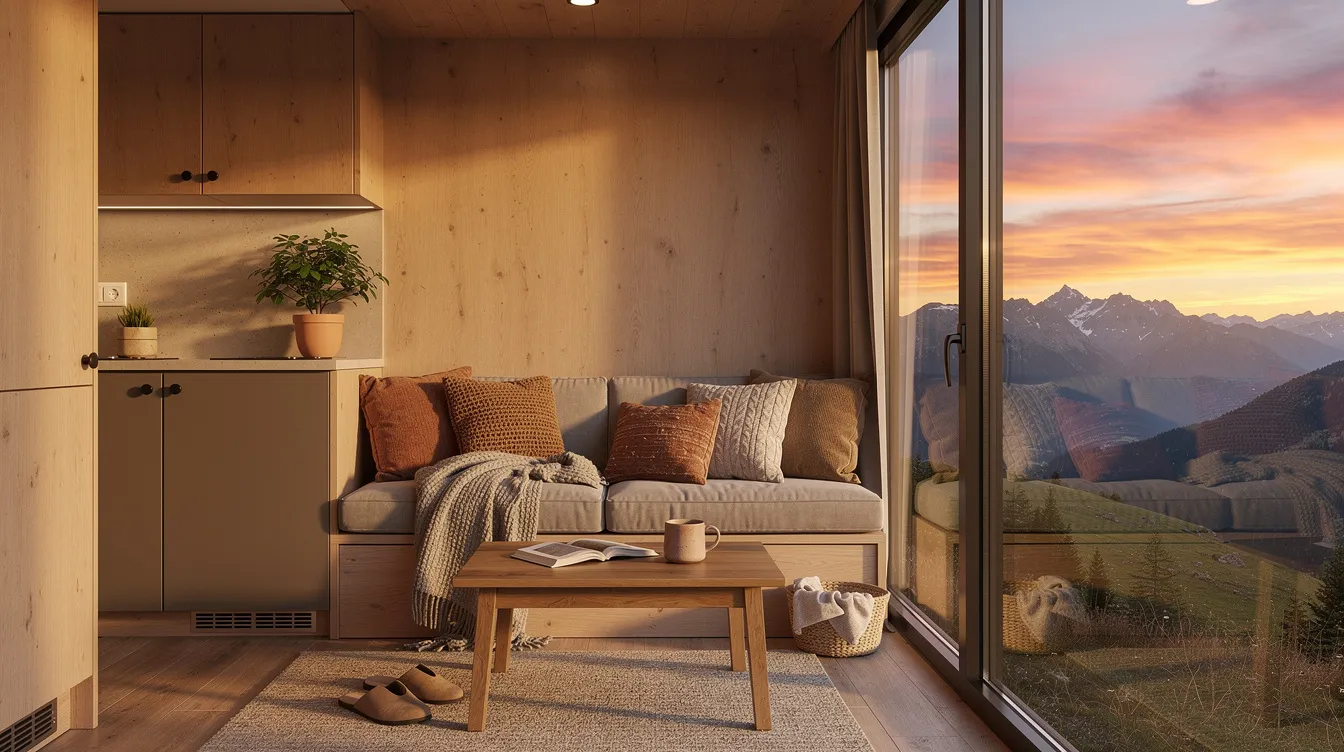
Take time to cook a meal in that community kitchen. Watch some TV by the fire pit. See if it feels like home.
The choice is yours.